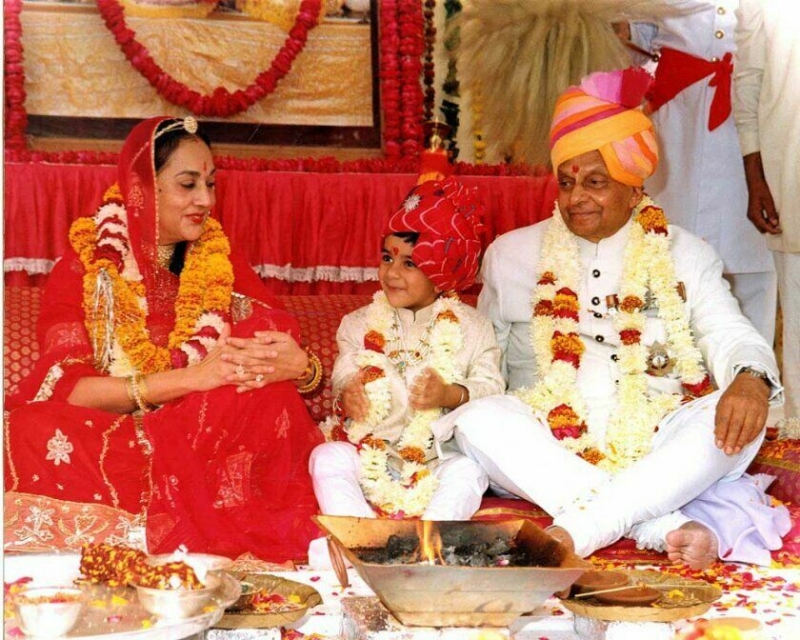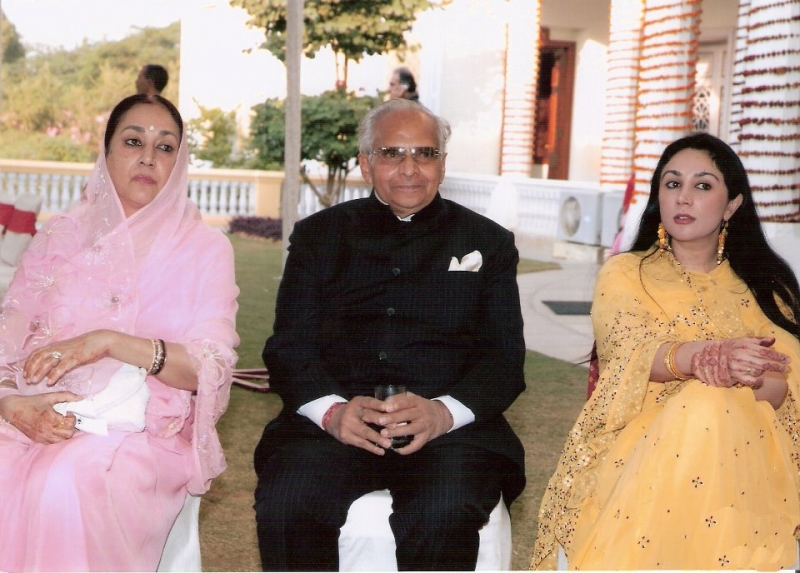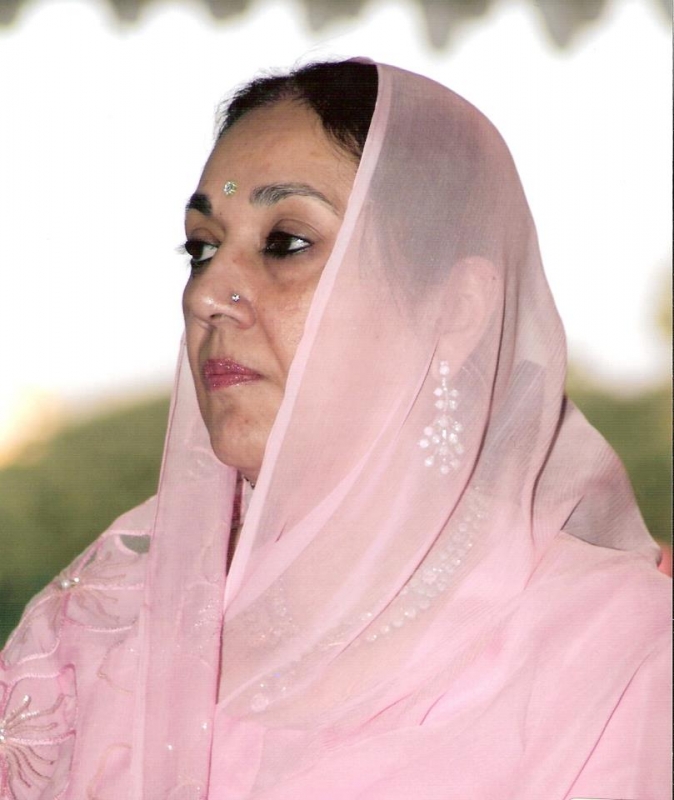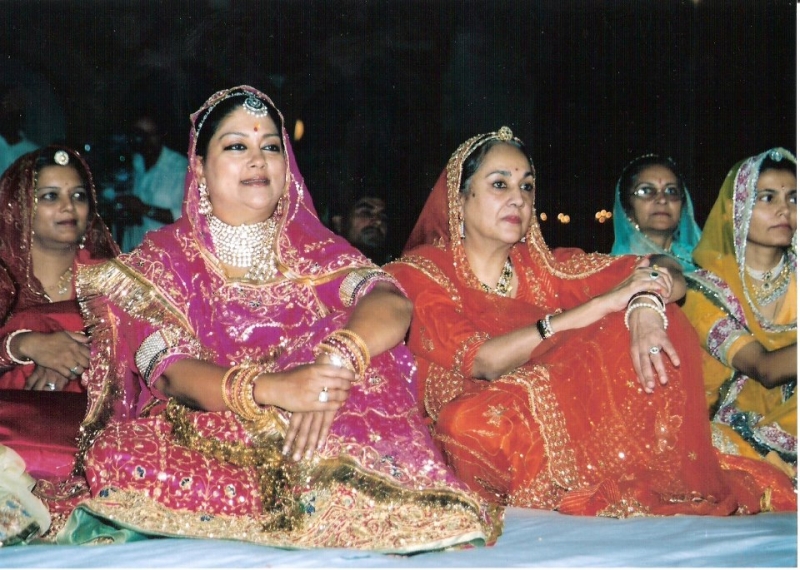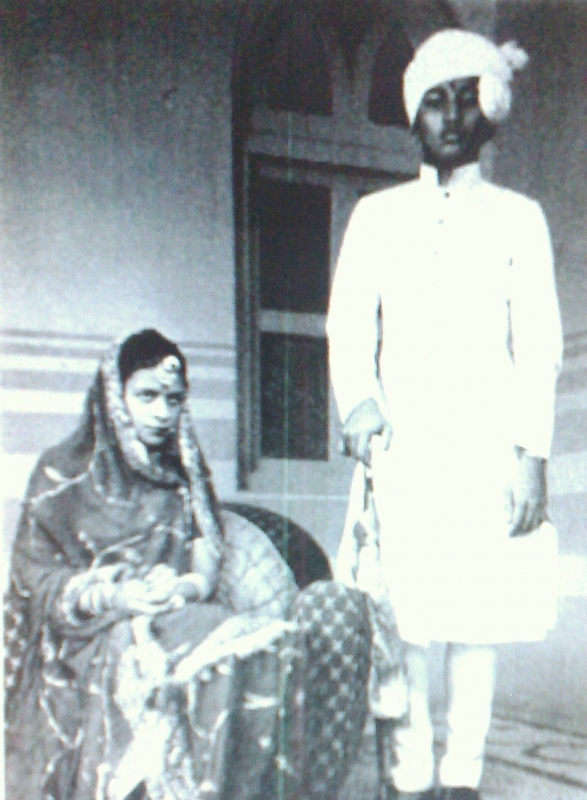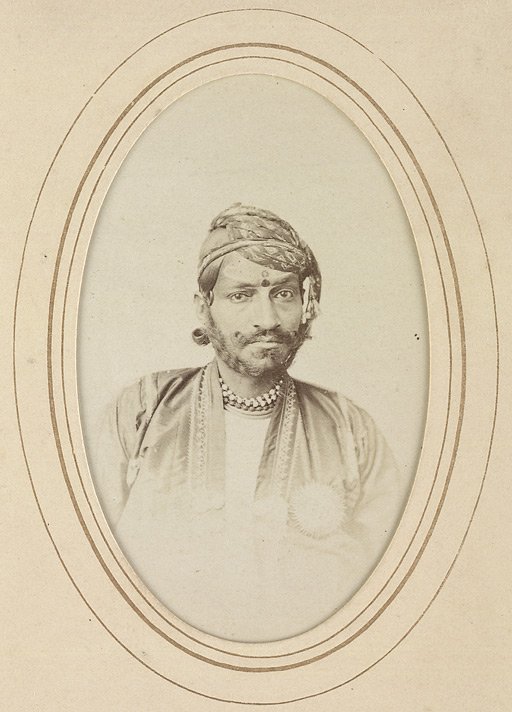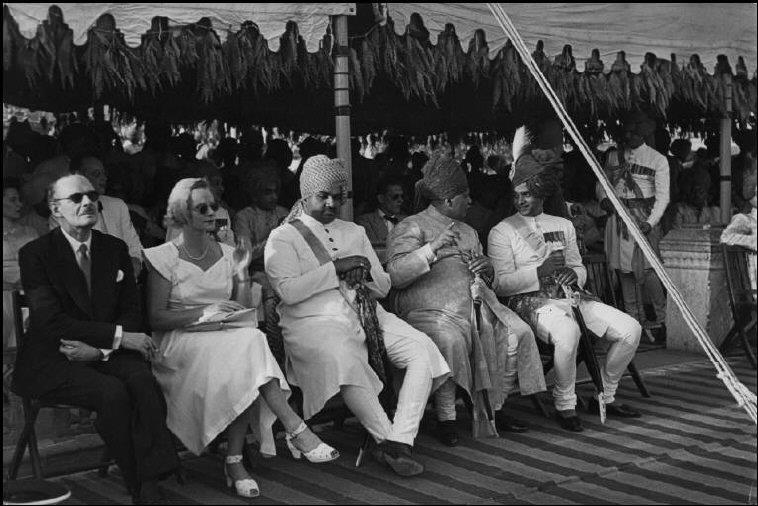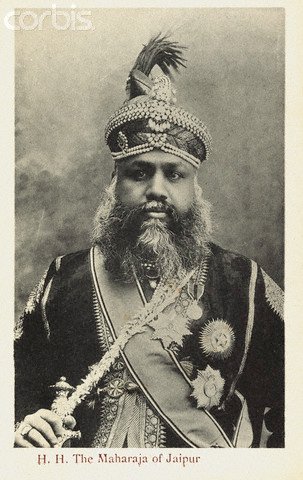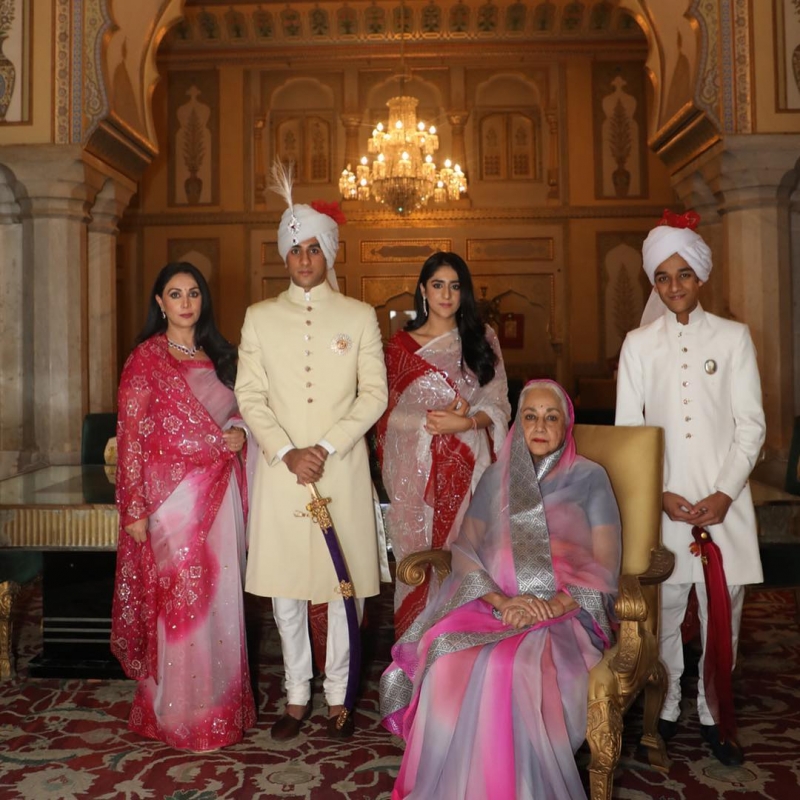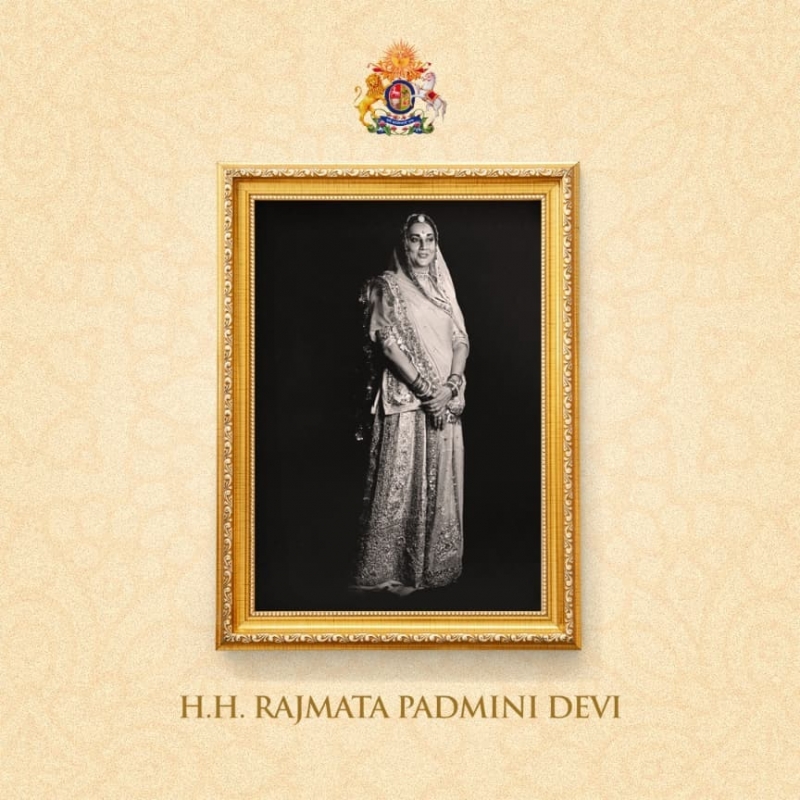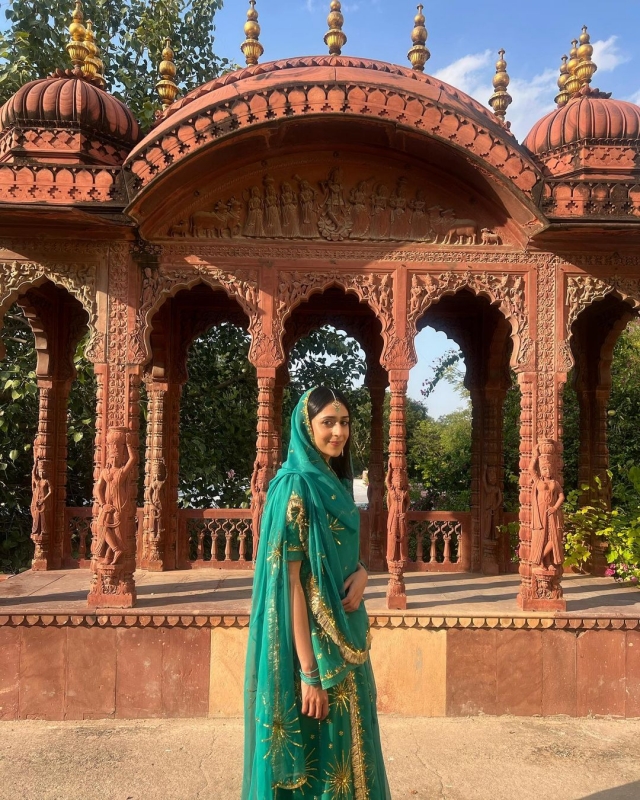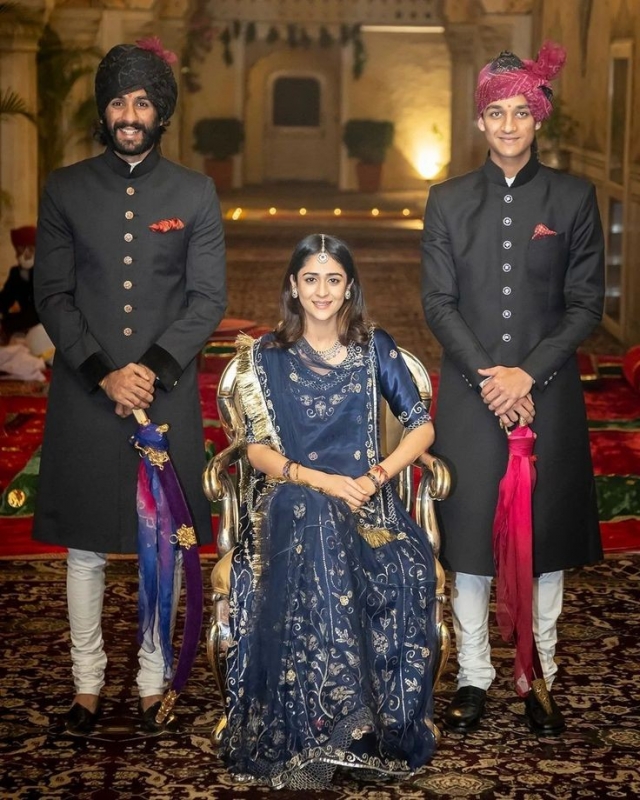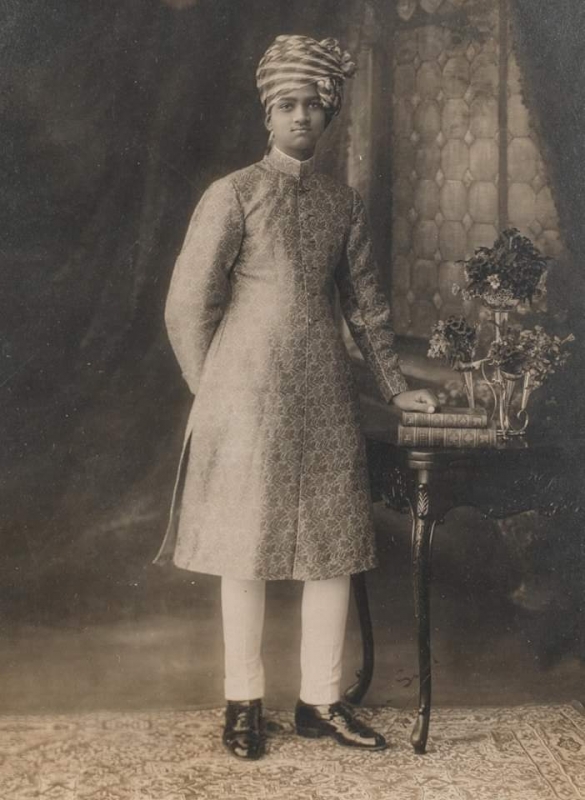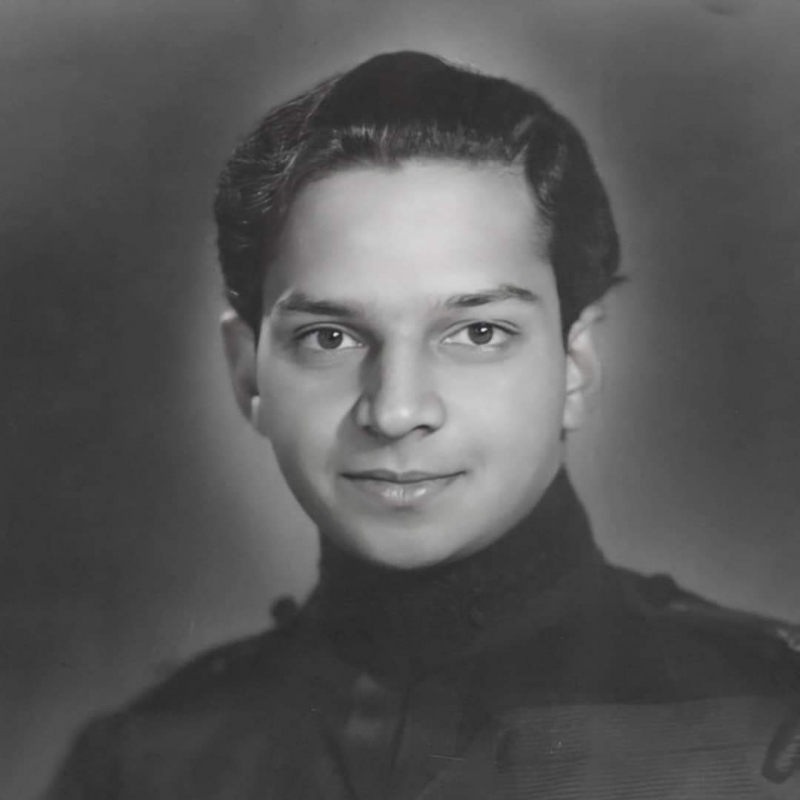
Present Head

History
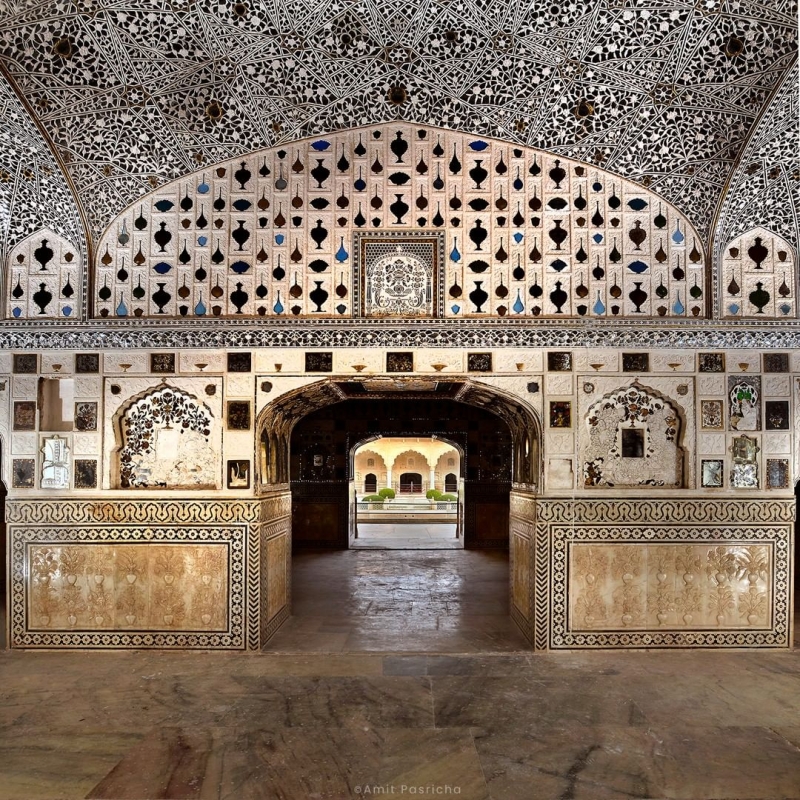
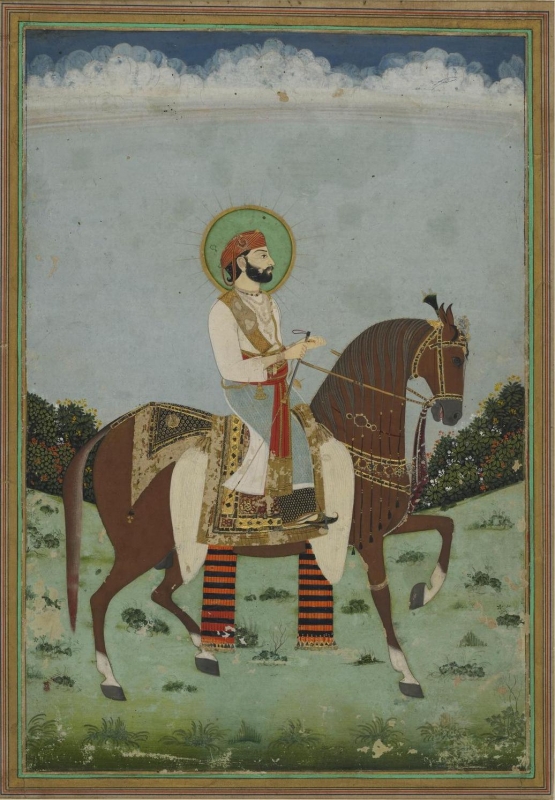
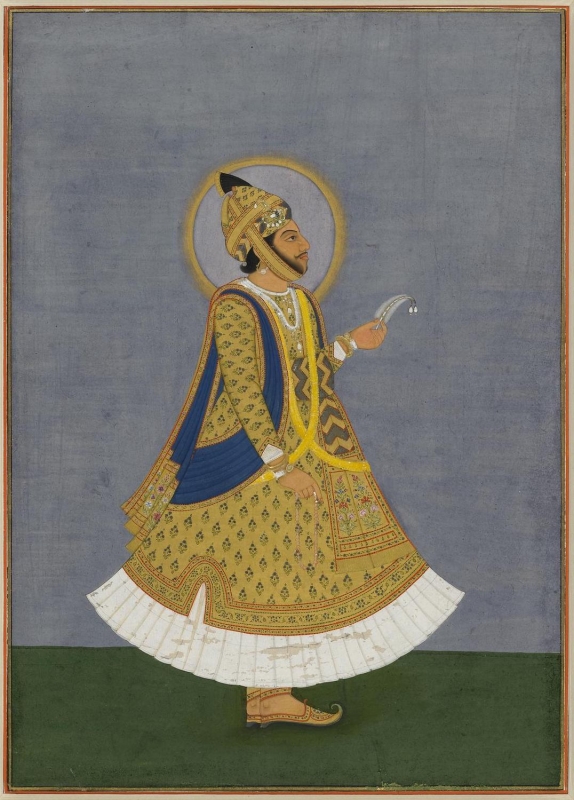
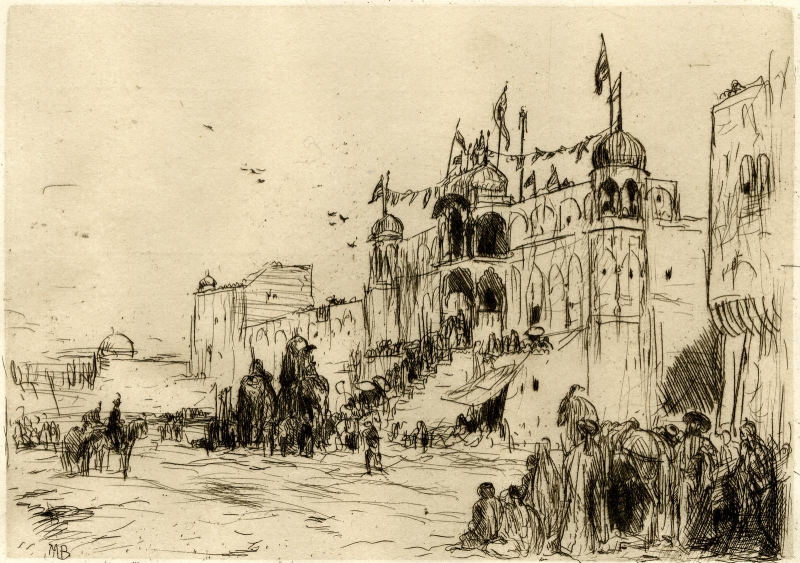
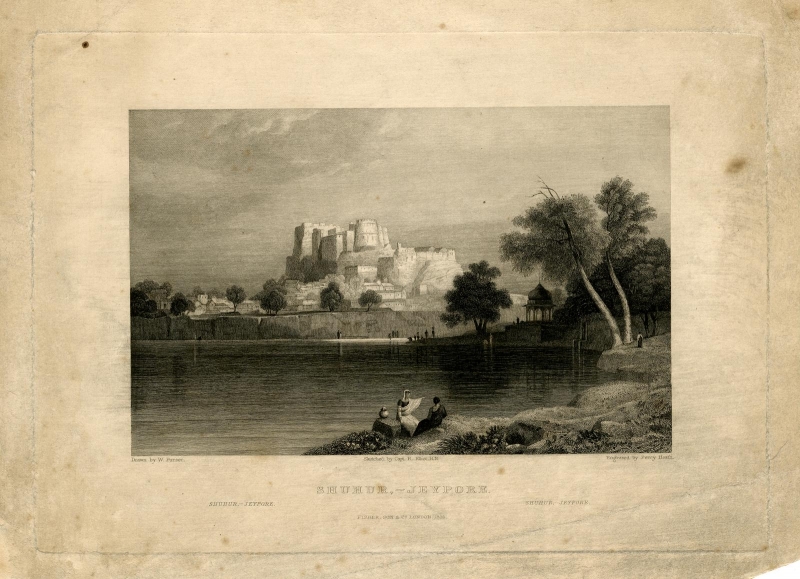
The princely state of Jaipur (historically known as the Kingdom of Dhundhar or Amber) was one of the wealthiest, most powerful, and politically influential Rajput kingdoms in the historic Rajputana region (modern-day Rajasthan). Ruled by the Kachwaha clan of Rajputs, who claimed descent from Kush, the son of the Hindu deity Lord Rama, Jaipur’s history is a masterful narrative of strategic military alliances, architectural genius, unparalleled wealth, and pioneering modern urban planning.
The Medieval Foundations: Dhundhar and Amber (1093–1548)
The political footprint of the Kachwahas in eastern Rajasthan began in the late 11th century, shifting away from their ancestral seats in Gwalior and Narwar.
- The Founding (1093): The foundational state of Dhundhar was established by Dulha Rai, who conquered the regions around Dausa and Manch from the local Meena and Badgujar tribal chieftains.
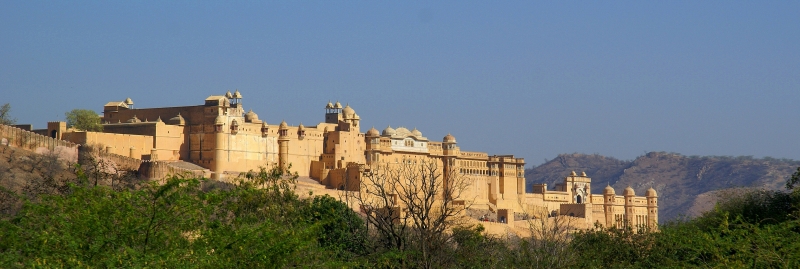
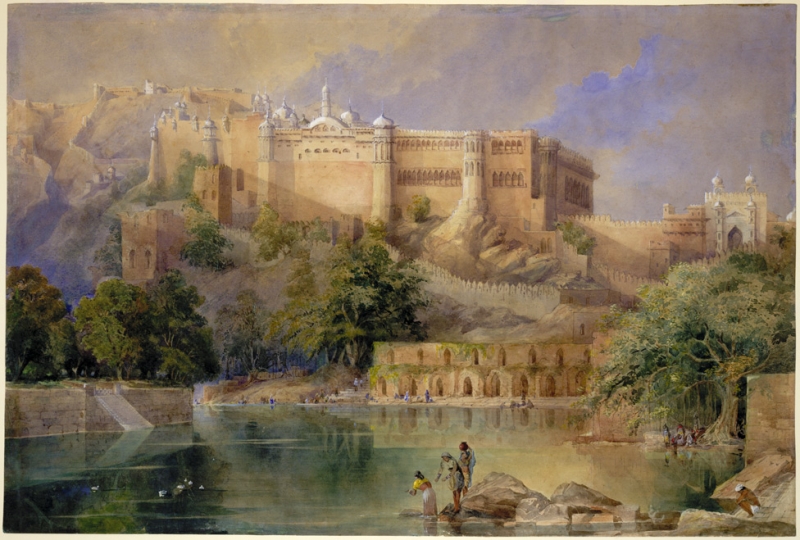
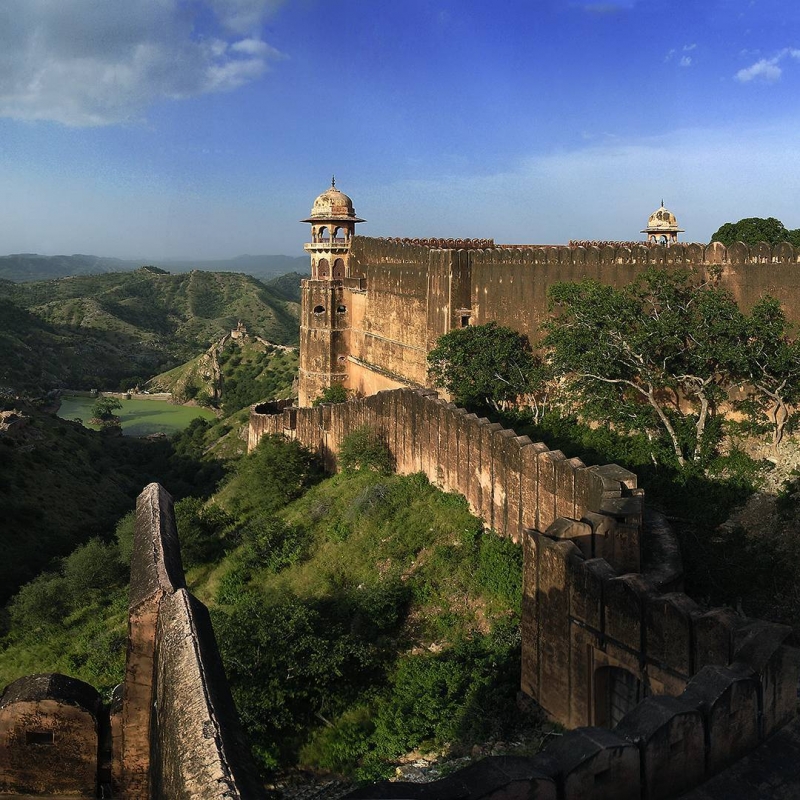
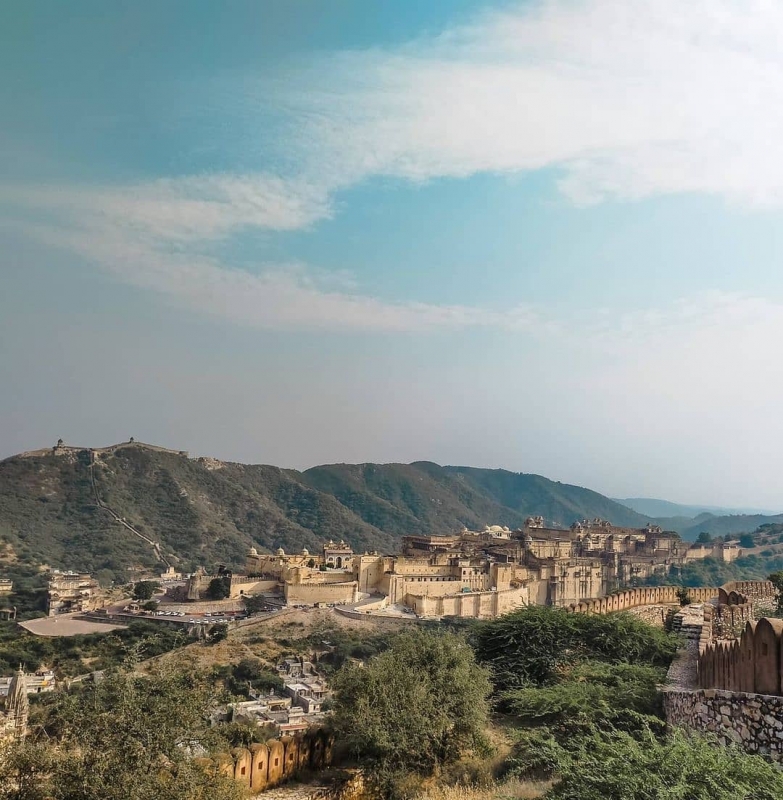
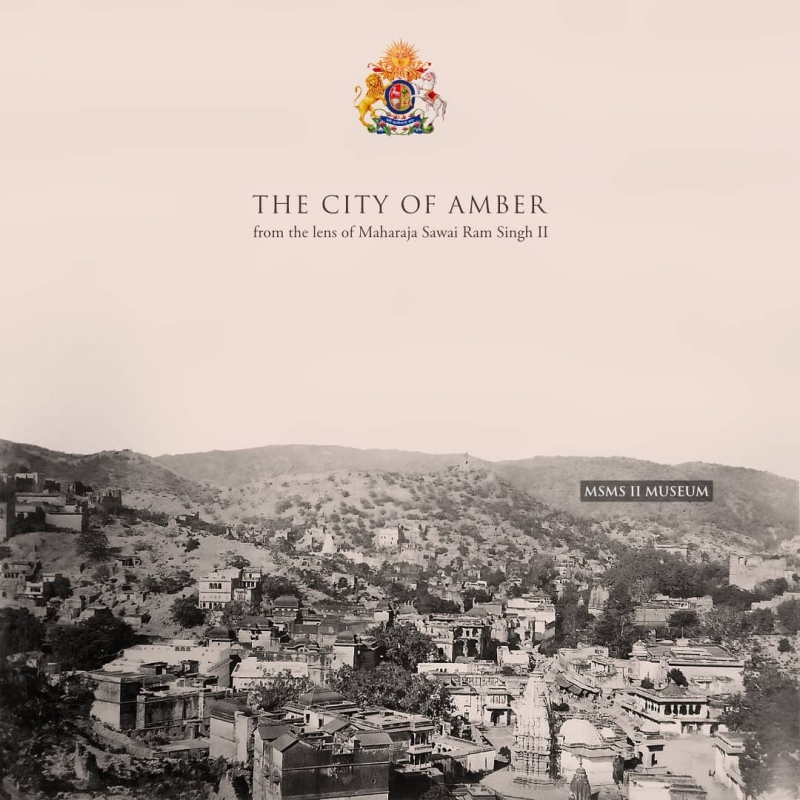
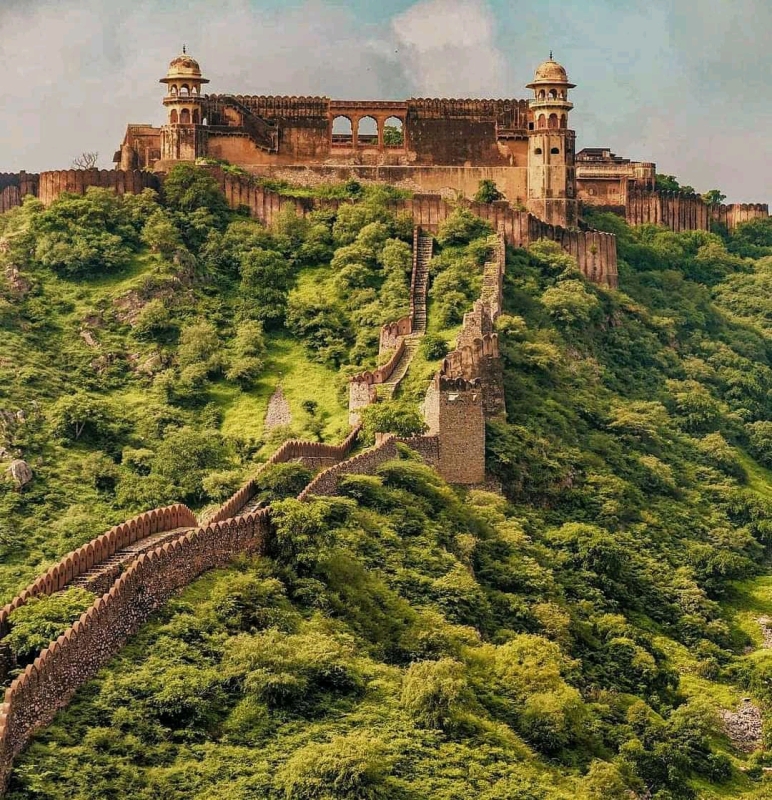
- The Rise of Amber (1207): In 1207, Dulha Rai's successor, Kakil Dev, captured the strategic, hill-bound fort of Amber from the Meenas. Amber was fortified and designated as the permanent capital of the kingdom for the next five centuries, providing a natural defensive bulwark against early medieval invasions.
The Mughal Alliance and Empire Builders (1562–1720)
The trajectory of Amber shifted from a regional principality to an imperial powerhouse during the 16th century, driven by a pragmatically calculated alliance with the Mughal Empire.
- Raja Bharmal (r. 1548–1574): Facing severe internal succession disputes and external aggression, Raja Bharmal made history in 1562 by becoming the first Rajput ruler to form a direct matrimonial and political alliance with Emperor Akbar. His daughter, Mariam-uz-Zamani (popularly known as Jodha Bai), married Akbar and gave birth to the next emperor, Jahangir.
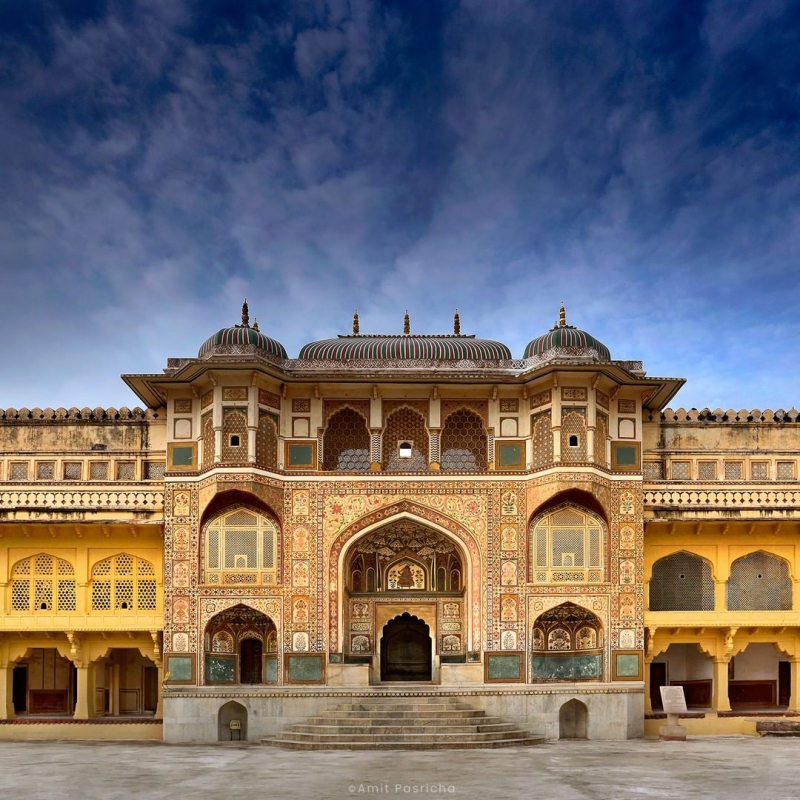
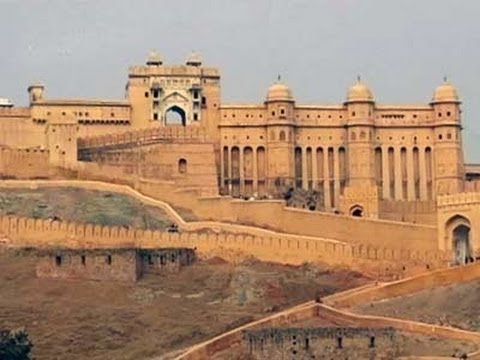
- Raja Man Singh I (r. 1589–1614): The grandson of Bharmal, Man Singh I became one of Akbar’s most celebrated generals and one of the premier Navaratnas (Nine Jewels) of the Mughal court. As the commander-in-chief of the imperial armies, Man Singh conquered vast territories spanning Kabul, Odisha, Bengal, and Bihar. The immense wealth and plunder accumulated from these campaigns funded the construction of the iconic, sprawling Amber Palace, heavily influencing the synthesis of Rajput-Mughal architecture.
- Mirza Raja Jai Singh I (r. 1621–1667): Jai Singh I served three successive Mughal emperors (Jahangir, Shah Jahan, and Aurangzeb) with supreme military and diplomatic distinction. He was famously deployed to the Deccan, where he engineered the historic Treaty of Purandar (1665) with the Maratha king Chhatrapati Shivaji.
The Visionary Enlightenment: Sawai Jai Singh II and the Birth of Jaipur (1700–1743)
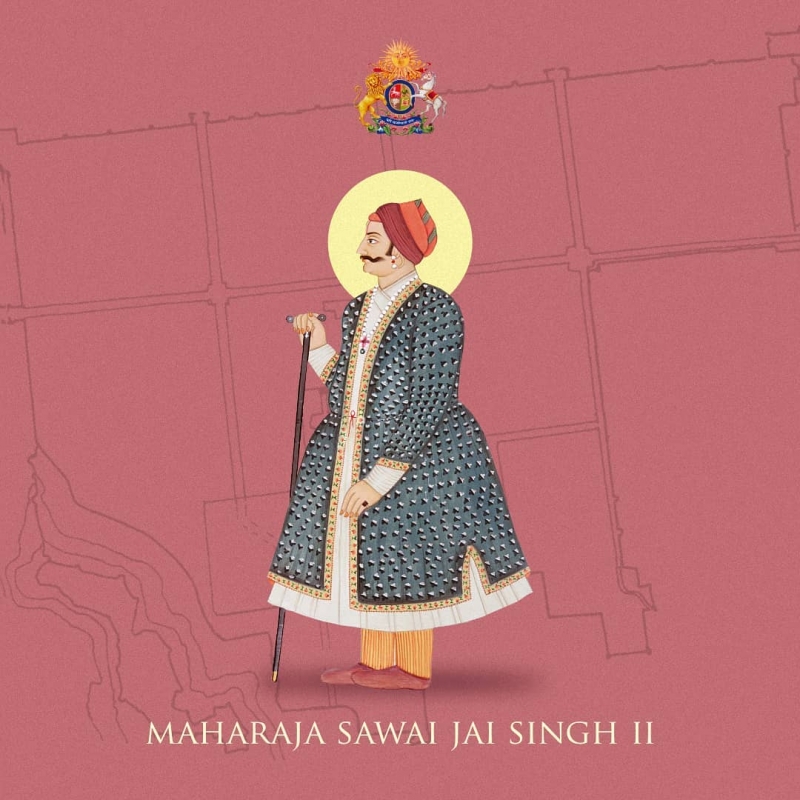
The absolute zenith of the state’s intellectual and architectural history was reached under Maharaja Sawai Jai Singh II. A legendary polymath, astronomer, mathematician, and urban planner, he radically transformed the kingdom.
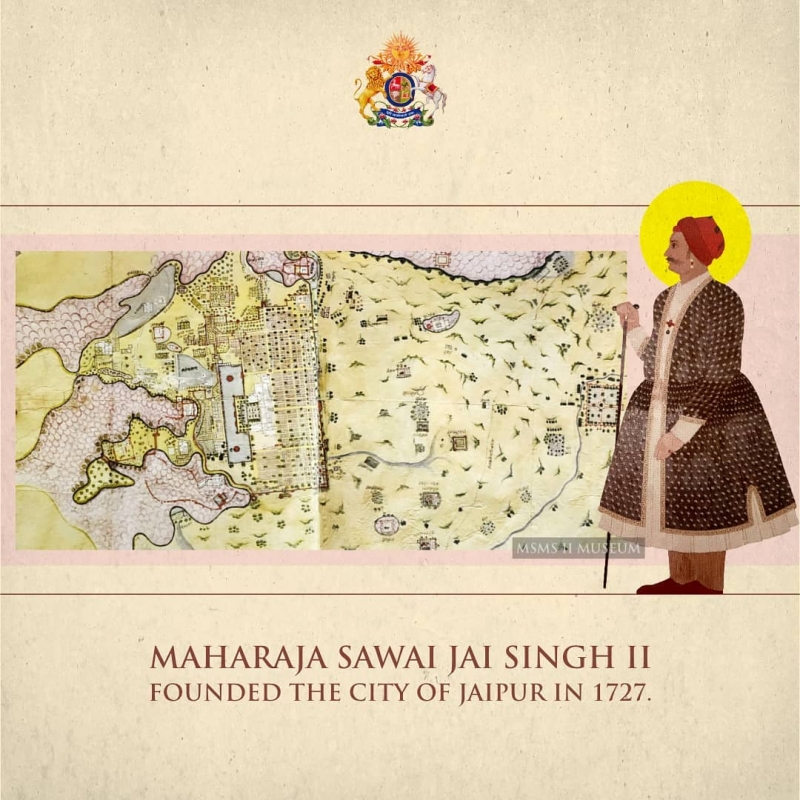
- The Capital Shift (1727): Recognizing that the mountainous terrain of Amber could no longer accommodate a burgeoning population and expanding commercial interests, Jai Singh II decided to build a completely new capital in the plains below. On November 18, 1727, the foundation stone of Jaipur was laid.
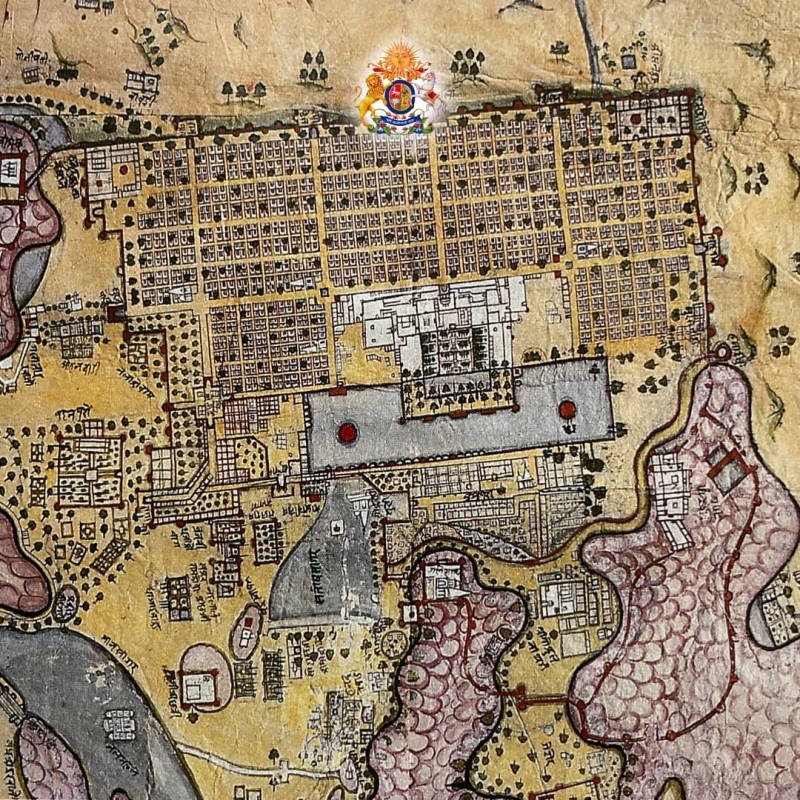
- Pioneering Urban Planning: Designed in collaboration with the brilliant Bengali architect Vidyadhar Bhattacharya, Jaipur was the first planned city in medieval India. It was structurally organized using ancient Hindu architectural treatises (Shilpa Shastra and the Vastu Purusha Mandala) combined with contemporary grid layouts, dividing the city into nine distinct rectangular sectors (Chowkris).
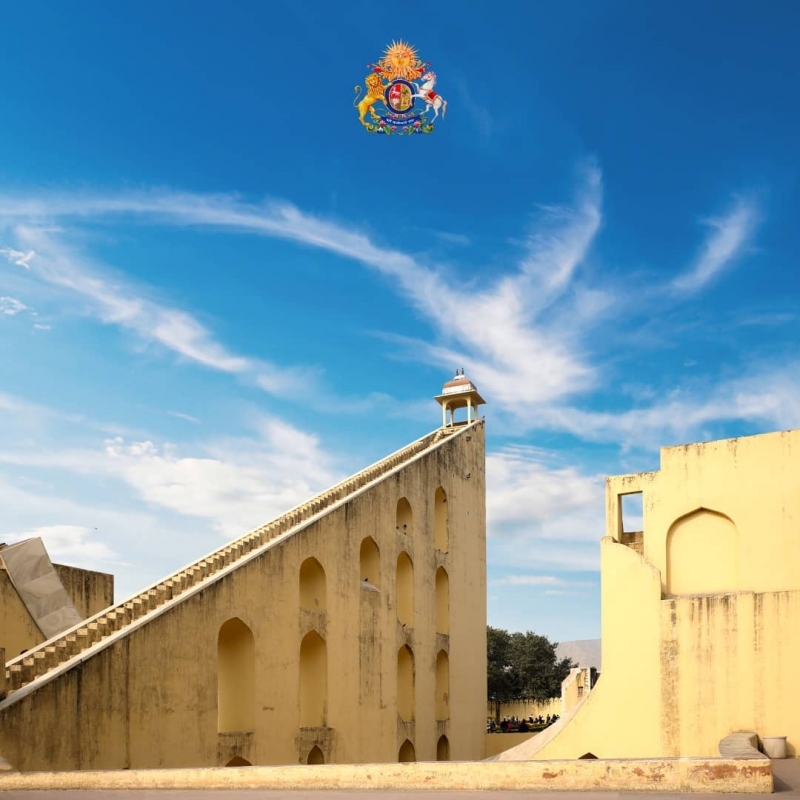
- The Scientific Legacy: Jai Singh II constructed the monumental Jantar Mantar observatory in Jaipur (alongside four others across North India), featuring the world's largest stone sundial. His precise astronomical calculations corrected contemporary global charts and stood as a marvel of 18th-century science.
Maratha Storm, British Protection, and the Pink City (1743–1922)
Following the death of Sawai Jai Singh II, Jaipur plunged into a turbulent era marked by bloody fraternal wars of succession and devastating, extortionate raids by the Maratha Confederacy and Pindari freebooters, which brought the treasury to near-bankruptcy.
- The British Treaty of 1818: Seeking permanent stabilization, Maharaja Jagat Singh II signed a Treaty of Perpetual Friendship and Alliance with the British East India Company on April 2, 1818. Under the British Raj, Jaipur was recognized as one of the premier gun-salute states of India, granted a permanent 21-gun salute (the highest honor) and placed under the Rajputana Agency.
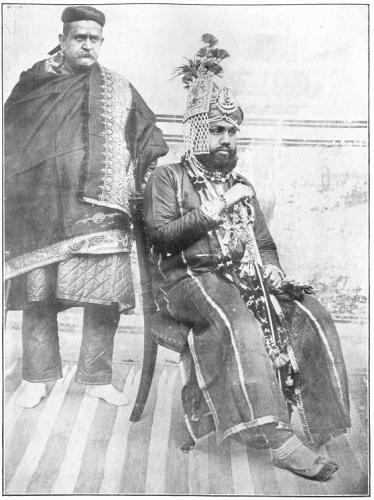
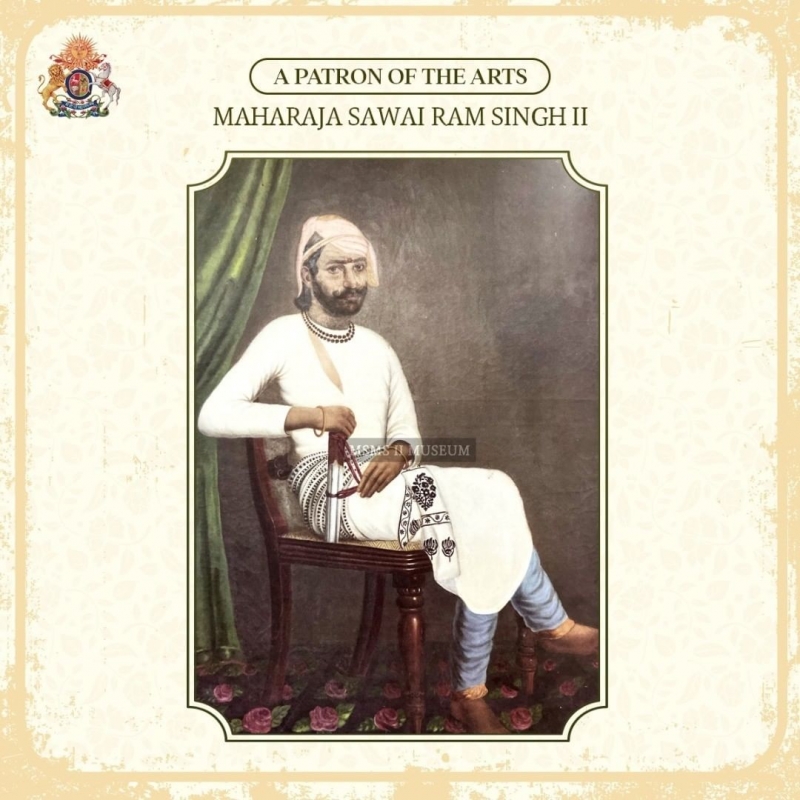
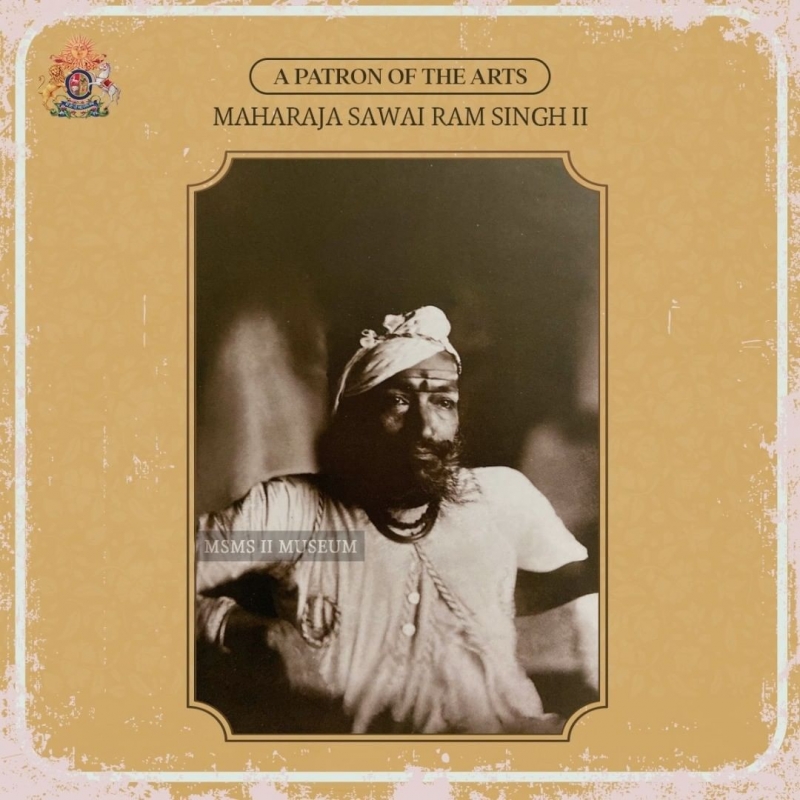
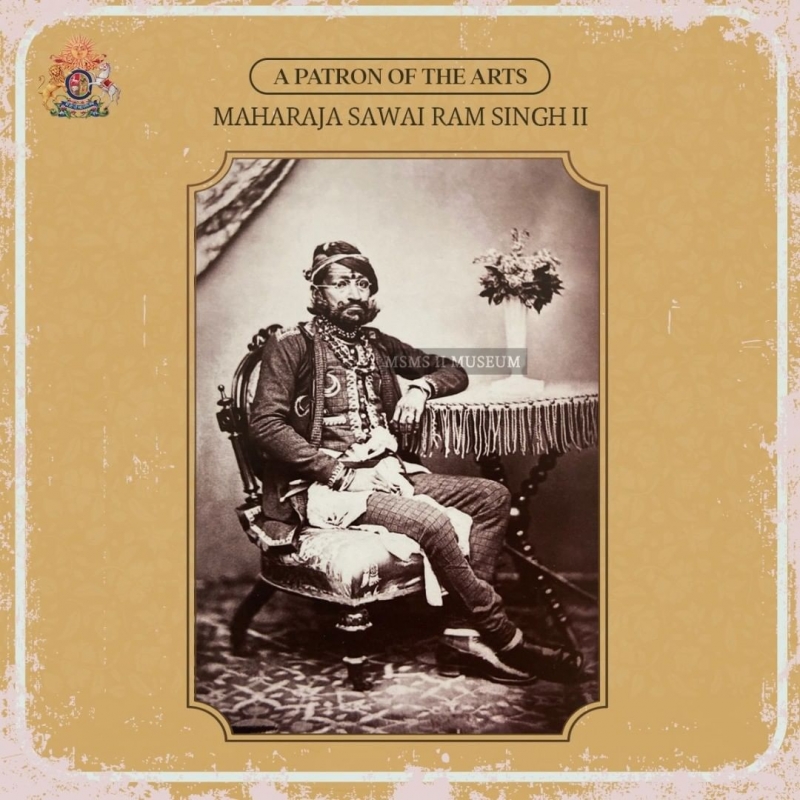
- The Birth of the "Pink City" (1876): Under the progressive reign of Maharaja Sawai Ram Singh II (r. 1835–1880), Jaipur underwent extensive civic modernization. In 1876, ahead of the grand imperial visit of Albert Edward, the Prince of Wales, Ram Singh II ordered the entire old city to be painted in a distinctive terracotta-pink color—the traditional color of hospitality. The aesthetic law remains enforced today, giving Jaipur its global moniker as the "Pink City."
The Golden Age of Modernity: Maharaja Sawai Man Singh II (1922–1949)
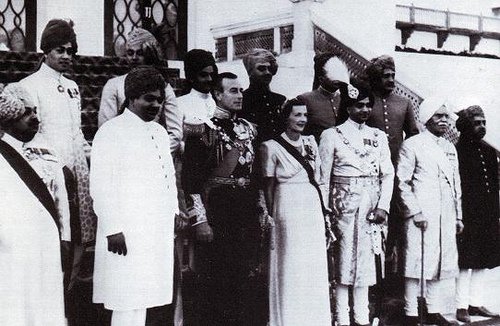
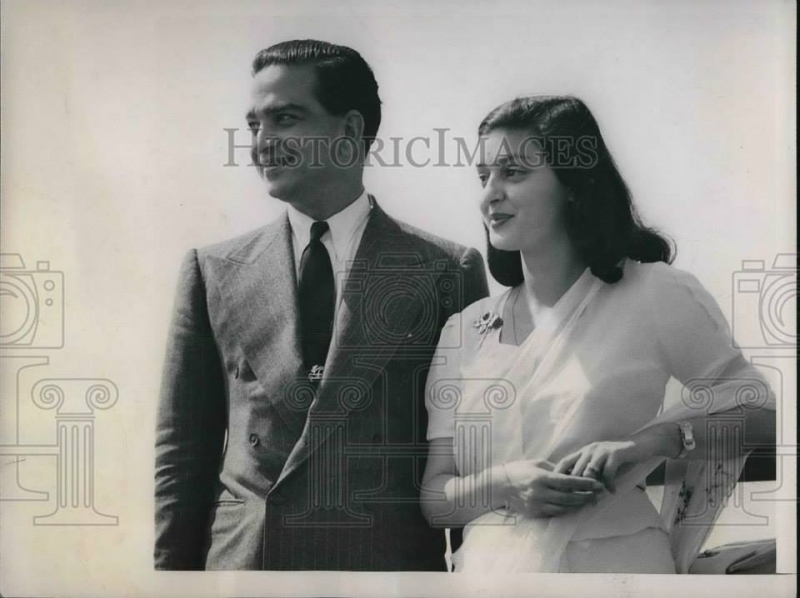
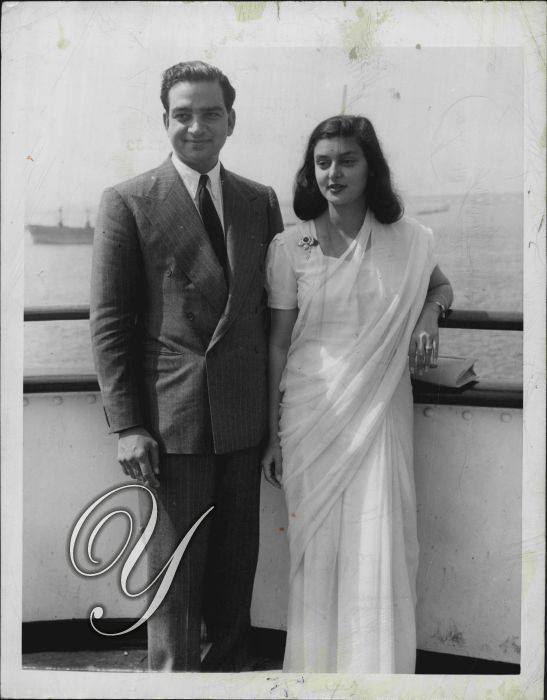
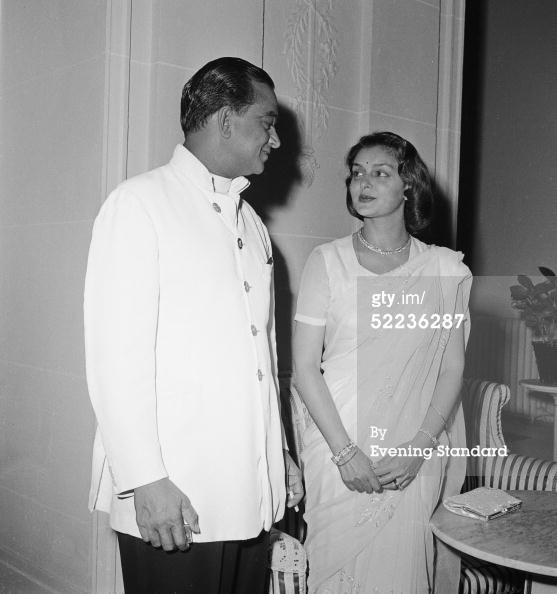
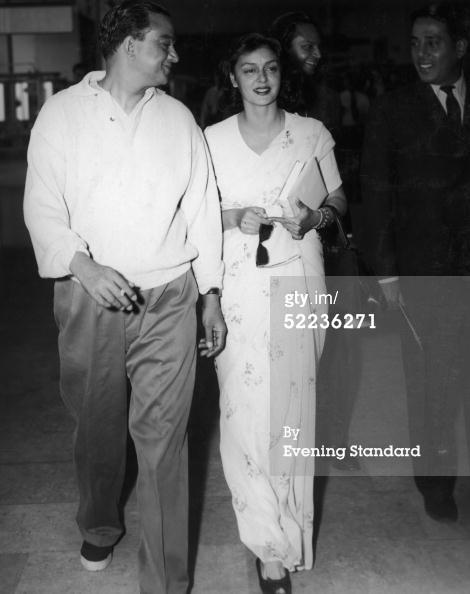
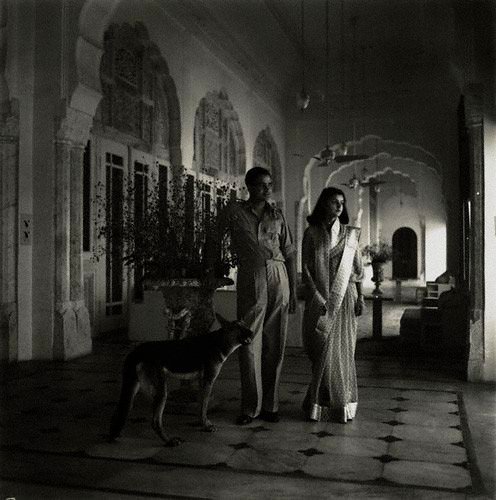
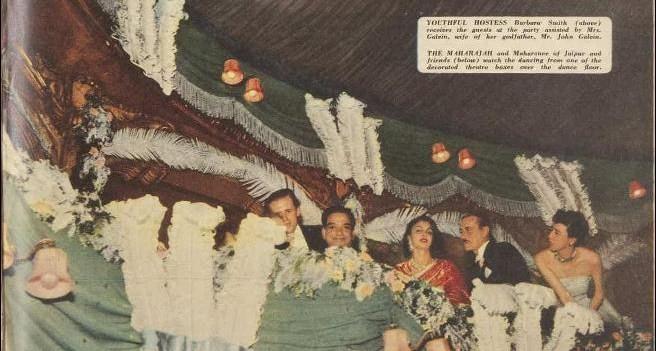
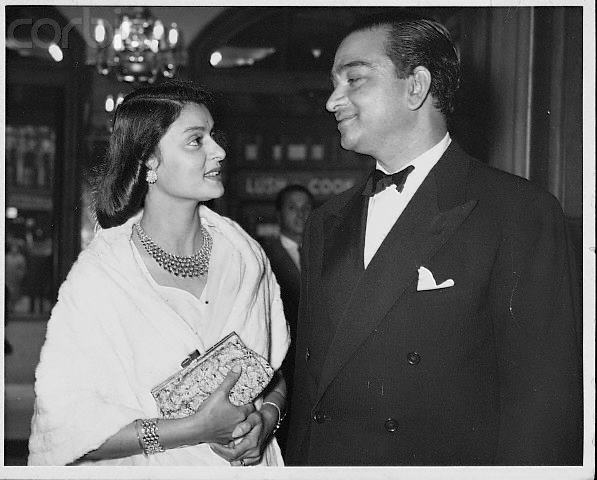
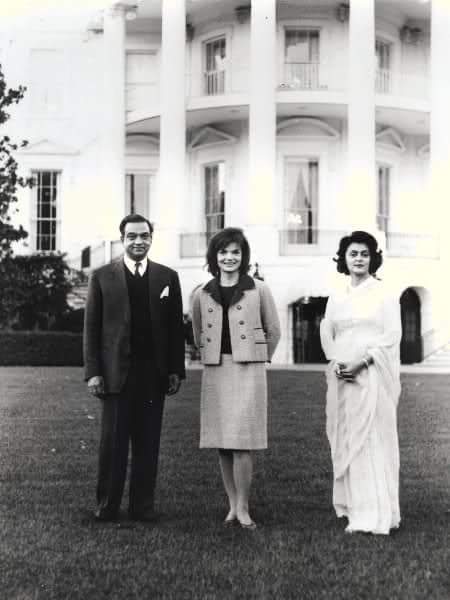
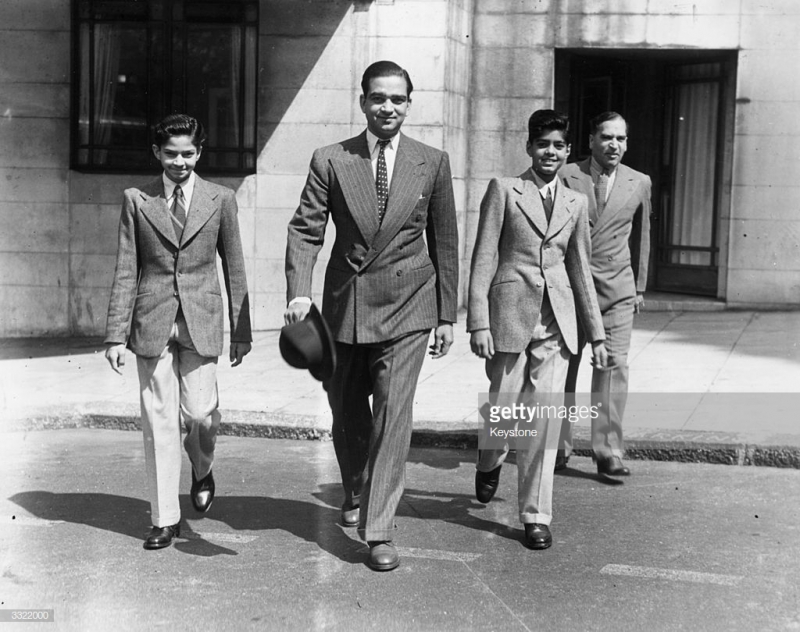
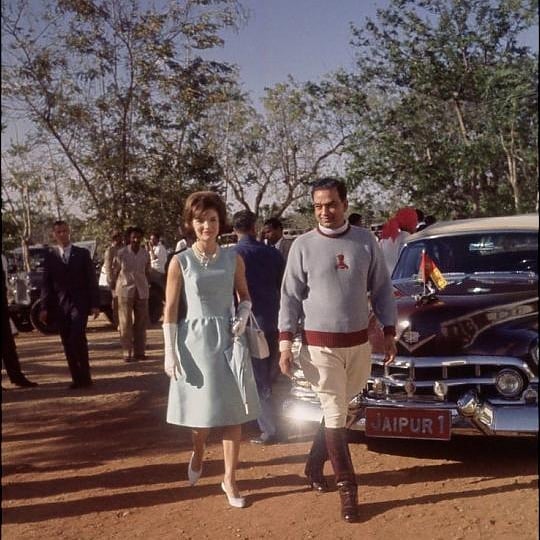
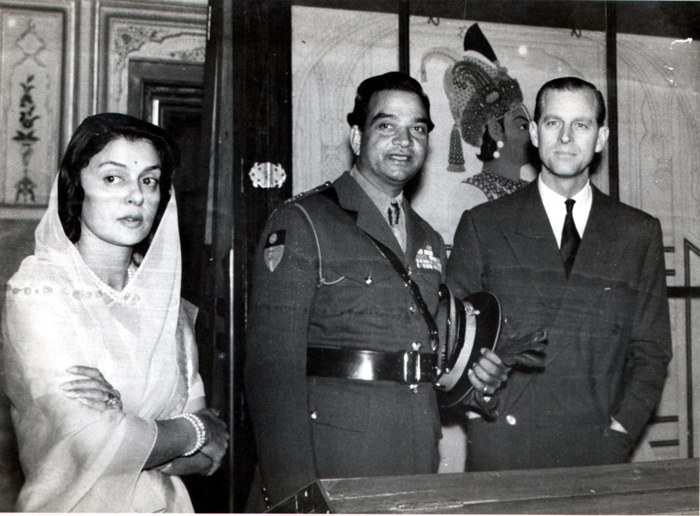
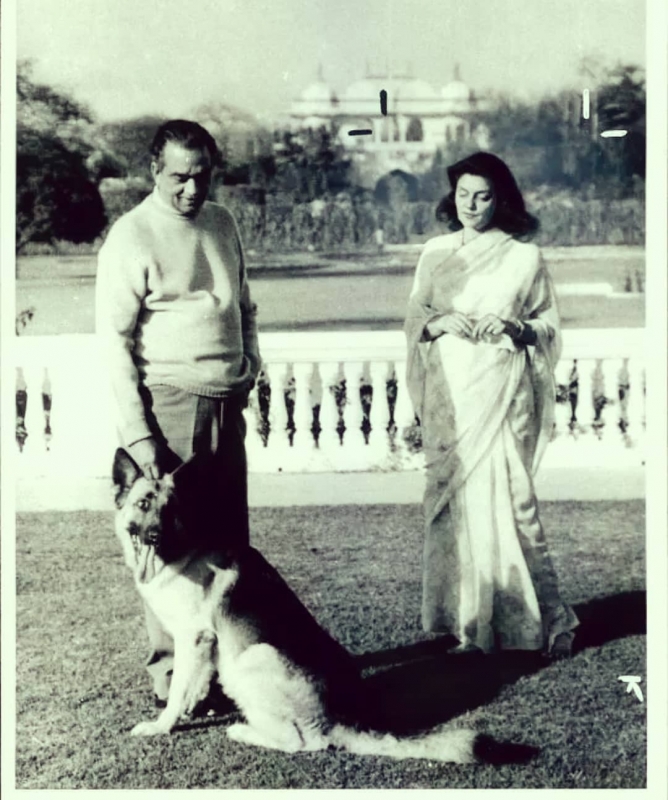
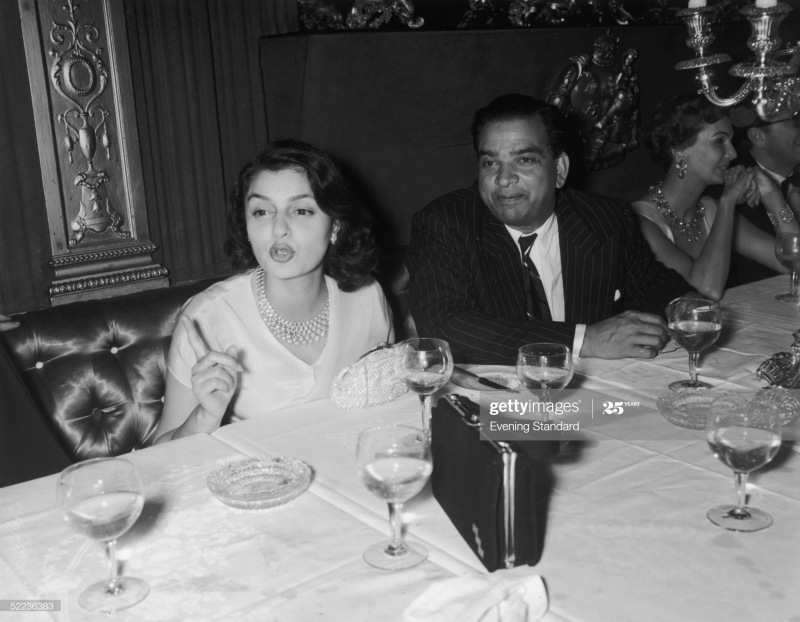
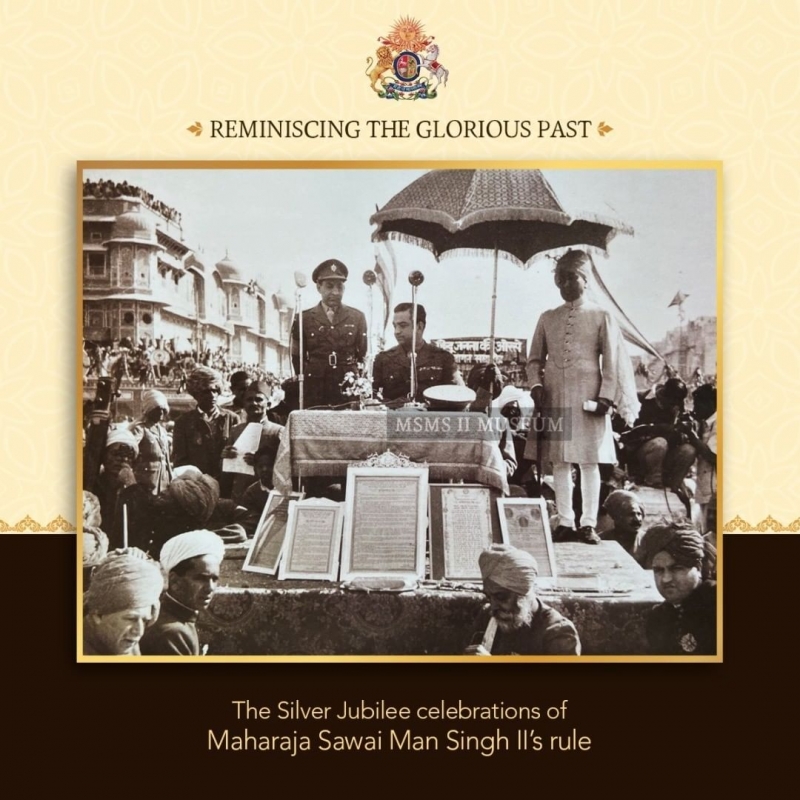
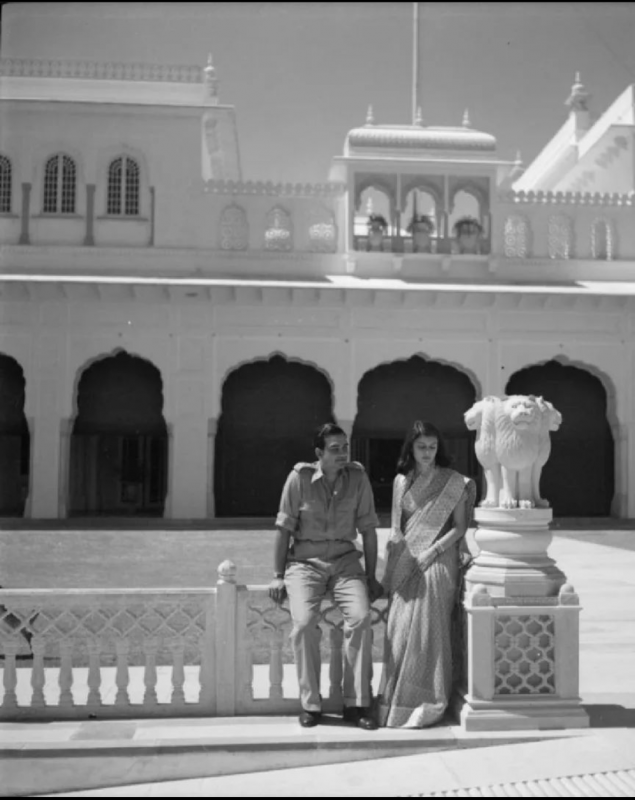
The twilight of the princely era was defined by its last ruling monarch, Maharaja Sawai Man Singh II and his globally celebrated consort, Maharani Gayatri Devi.
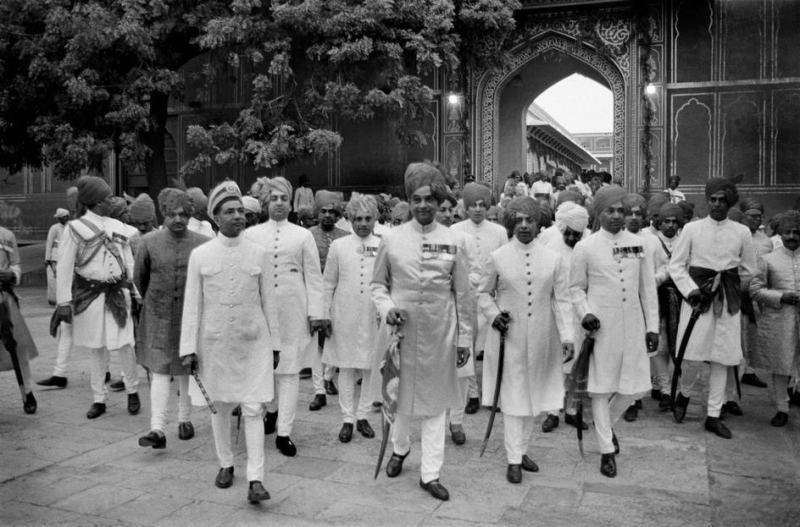
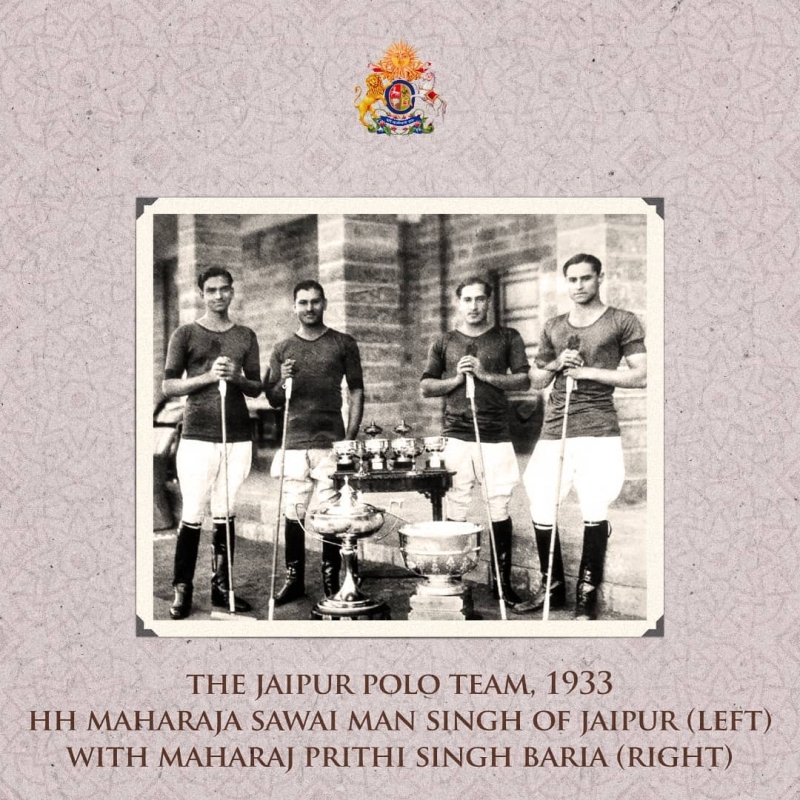
Educated under modern Western principles, Man Singh II, alongside his brilliant Prime Ministers (such as Sir Mirza Ismail), drove Jaipur into the mid-20th century. They established the University of Rajasthan, constructed world-class hospitals, expanded modern public infrastructure, and transformed the state’s economy into an industrial and artisanal powerhouse. Man Singh II was also an internationally acclaimed polo player, bringing global glamour and diplomatic prestige to the Jaipur court.
Vexillology and Heraldic Symbols
- The State Flag: The flag of Jaipur State was the legendary Panchranga (five-colored banner), consisting of five horizontal stripes: saffron, white, red, yellow, and green. Originally a white banner, it was transformed into the Panchranga by Raja Man Singh I to commemorate his historic victory over five independent Afghan clans in Kabul.
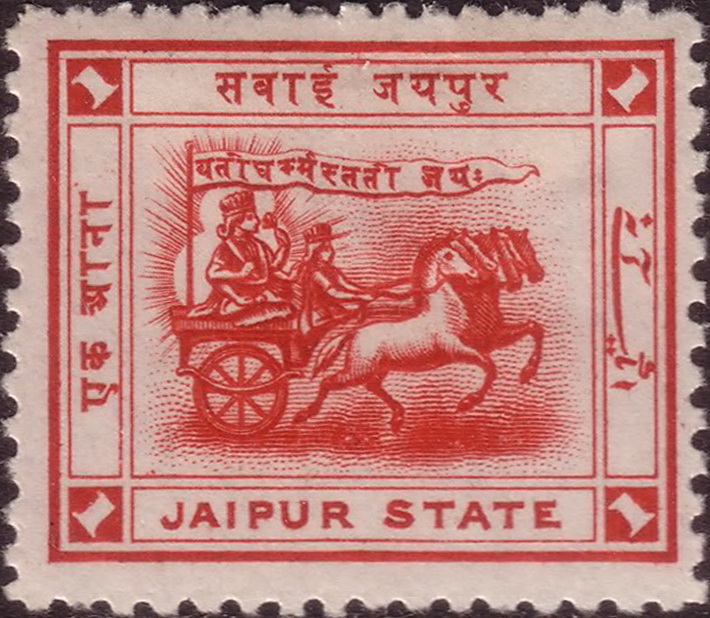
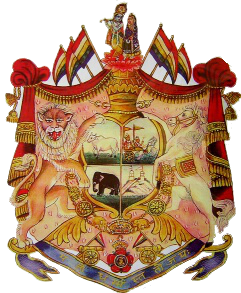
- The Coat of Arms: The official heraldic shield of Jaipur featured the multi-colored Panchranga background, supported on either side by a majestic tiger and a leopard proper. The crest displayed a radiant sun, honoring the Kachwaha clan's solar descent (Suryavanshi). The state motto inscribed below read: "Yato Dharmastato Jayah" — translating to "Where there is Righteousness, there is Victory."
Integration into Independent India
Following the declaration of Indian Independence and the lapse of British paramountcy in 1947, Maharaja Sawai Man Singh II signed the Instrument of Accession to join the Union of India.
On March 30, 1949, the principalities of Rajputana formally merged, and Jaipur was designated as the permanent capital of the newly formed state of Rajasthan. Maharaja Man Singh II served as the first and only Rajpramukh (Governor) of the unified state until 1956, marking the formal conclusion of nearly nine centuries of sovereign Kachwaha rule while cementing Jaipur's status as a global cultural and political hub.
Genealogy
- Raja SODH DEV, 1st Raja of Dausa 966/1006 or 1096/1128, son of Raja Ishwar Das of Gwalior.
- Raja DULHA RAO, 2nd Raja of Dausa 1006/1036 or 1093/1136 or 1128/1136, married 1006, Rani Meroni, a daughter of Raja Ralhan Singh Chauhan, Raja of Ajmer, part of the dowry included the region of Dhundhar, and had issue.
- Raja Kankal Dev (qv)
- Kunwar Baikul Dev, Raja of Indurkhi and Biswari; he was expelled from Dausa and moved firstly to Indurkhi and later to Biswari; he married and had issue, the Rampura family of Uttar Pradesh.
- Raja KANKAL DEV, 3rd Raja of Dausa 1036/1038 or 1136/1138
- Raja HUNA DEV, 4th Raja of Dausa 1039/1053 or 1139/1153
- Raja JANAD DEV, 5th Raja of Dausa 1053/1070 or 1153/1185
- Raja PUJANA DEV, 6th Raja of Dausa 1070/1094 or 1185/1191 , married (amongst others), daughter of Kunwar Kanhaddev Chauhan and cousin of Agniraj Samrat Prithviraj Chauhan and had issue.
- Raja Malesi Dev (qv)
- Raja MALESI DEV, 7th Raja of Dausa 1094/1146 or 1191/12xx
- Raja BYALA DEV, 8th Raja of Dausa 1146/1179
- Raja RAJA DEV, 9th Raja of Dausa 1179/1216
- Raja KILHAN DEV, 10th Raja of Dausa 1216/1276
- Raja KANTAL DEV, 1st Raja of Amber 1276/1317, married and had issue, the Gogawat clan, including the Thakurs of Duni.
- Raja JANSI DEV, 2nd Raja of Amber 1317/1366, married and had issue.
- Raja UDAYAKARNA, 3rd Raja of Amber 1366/1388, married and had issue, 8 sons. He died .
- Raja Narsingh Deo (qv)
- Rao Barsingh Deo, received Mojad (Mozamabad) and was ancestor of the Naruka sub-clan, rulers of Alwar, Uniara, Lawa etc.
- Rao Balaji, recieved the village of Barwara near Amarsar in 1390, married and had issue. He died .
- Rao Mokalji 1430/1445 of Barwara, married four wives, and had issue. He died
- Rao Khemraj
- Rao Kharud, married and had issue.
- Rao Khuman, ancestor of the Khumawats, now likely extinct.
- Rao Shiv Brahm, founder of Nindar (one of the 12 bara Kotri) and ancestor of the Sheobramhpota sub-clan.
- Rao Patal, recieved Loni and was ancestor of the Patalpota sub-clan.
- Rao Peepaji, became a local diety.
- Rao Peethal, ancestor of the Peethalpota sub-clan.
- Rao Napa
- Raja NARSINGH DEO, 4th Raja of Amber 1388/1413, died
- Raja BANBIR SINGH, 5th Raja of Amber 1413/1424 (1428/1439), married and had issue. He died .
- Raja Udha Rao (qv)
- Rao Naro Singh of Watka (one of the 12 bara Kotri)
- Raja UDHA RAO, 6th Raja of Amber 1424/1453 (1439/1467), died
- Raja CHANDRASENA, 7th Raja of Amber 1453/1502 (1467/1502), died
- Raja PRITHVIRAJ SINGH I, 8th Raja of Amber 1502/1527, he was installed on the gaddi on 11th February 1503; married nine wives, including (a), Rani Bala Bai [Apoorva Devi] of Bikaner, married (b). daughter of Maharana Raimal Singhji of Mewar, married (c), Rani Sohag Devi, daughter of Rao Gyan Gaud, and had issue, 18 sons (5 dsp) and 3 daughters. He died .
- Raja Bhim Singh (by Rani Bala Bai) (eldest son) (qv)
- Raja Puran Mal (son of the Tonwar Queen) (second son)(qv)
- Raja Baharmalla (by Rani Bala Bai)(fourth son) (qv)
- Kunwar Sanga Singh (by Rani Apoorva Devi) (fifth son), founder of Sanganer, which lapsed to the parent state on his death without issue. One of the bara Kotri (12 chambers) of the Kachhawa Royal Family.
- Rao Sheo Singh
- Rao Gopal Singh fl.1550, (by Rani Apoorva Devi), he was granted the Jagirs of Chomu and Samode in 1550, married Rani Satyabhama of Karauli, and had issue.
- Rao Nathji, married 1stly, Rani Naurangde Chauhan of Bedla, married 2ndly, Rani Lachmawati Solanki of Toda Bhim, and had issue, the Nathawats, one of the bara Kotri (12 chambers) of the Kachhawa Royal Family.
- Thakur Karan Singh, ancestor of the Rawats of Chomu.
- Thakur Jaswant Singh, he was granted the estate of Mundota.
- Rao Nathji, married 1stly, Rani Naurangde Chauhan of Bedla, married 2ndly, Rani Lachmawati Solanki of Toda Bhim, and had issue, the Nathawats, one of the bara Kotri (12 chambers) of the Kachhawa Royal Family.
- Kunwar Rupsi Singh, (son of the Gaud Queen), received the Jagir of Daosa. His son Thakur Jaimal was the ancestor of the Jagirdars of Fatehpur. He died after 1562.
- Rao Jag Mal (by Rani Apoorva Devi) (sixth son), he left Amber after quarrelling with his father, and lived in Amarkot for a while, where he married his Rani; married Rani Neta Kunwari, daughter of Rana Pahar Singh of Amarkot, and had issue, five sons. He died in .
- Rao Khangarji, ancestor of the Khangarots, which comprised one of the bara Kotri (12 chambers) of the Kachhawa Royal Family; married and had issue, 13 sons. He died in .
- Thakur Raghav Das
- Thakur Bhakar Singh of Sakhun (eighth son), married ten wives, and had issue, eight sons. He died in .
- Thakur Dwarkadas of Tilorna, he was granted the Jagir of Diggi, married two wives, and had issue, five sons.
- Thakur Ajab Singh, married and had issue.
- Thakur Hari Singh
- Thakur Bijai Singh
- Thakur Ajab Singh, married and had issue.
- Thakur Dwarkadas of Tilorna, he was granted the Jagir of Diggi, married two wives, and had issue, five sons.
- Rao Sarangdevji, died in battle in 1554.
- Rao Khangarji, ancestor of the Khangarots, which comprised one of the bara Kotri (12 chambers) of the Kachhawa Royal Family; married and had issue, 13 sons. He died in .
- Kunwar Pachayan Singh (by Rani Apoorva Devi), founder of Samriya. Ancestor of the Pachayanots, one of the bara Kotri (12 chambers) of the Kachhawa Royal Family.
- Kunwar Balbhadra Singh (by Rani Apoorva Devi), founder of Achrol. Ancestor of the Balbhadrots, one of the bara Kotri (12 chambers) of the Kachhawa Royal Family.
- Kunwar Surtan Singh (by Rani Apoorva Devi), founder of Surothe. Ancestor of the Surtanots, one of the bara Kotri (12 chambers) of the Kachhawa Royal Family.
- Kunwar Chaturbhuj Singh (by Rani Apoorva Devi), founder of Bagru and Pipla. One of the bara Kotri (12 chambers) of the Kachhawa Royal Family.
- Kunwar Kalyan Das (son of the Sisodia Queen), granted the Jagir of Kalwar. His descendants were one of the bara Kotri (12 chambers) of the Kachhawa Royal Family.
- Raja PURAN MAL, 9th Raja of Amber 1527/1534, received the Jagir of Nimera founding the clan of Puranmalots, one of the bara Kotri (12 chambers) of the Kachhawa Royal Family, married a Rathore Princess, and had issue. He died in battle at Anaseri.
- Rajkumar Suja Singh of Nimera fl.1556
- Raja BHIM SINGH, 10th Raja of Amber 1534/1537, married and had issue. He died .
- Raja Ratan Singh (qv)
- Rajkumar Askaran Singh, married and had issue.
- Raja Raj Singh of Narwar, married and had issue.
- Rajkumar Ram Das
- Raja Raj Singh of Narwar, married and had issue.
- Raja RATAN SINGH, 11th Raja of Amber 1537/1548, died .
- Raja BAHARMALLA [BharMall], 12th Raja of Amber 1548/1574, born about 1499, received the Jagir of Narwar, married (amongst others), (a), Rani Badna Devi, married (b), Rani Champavati, daughter of Rao Ganga Singh Solanki, and had issue. He died .
- Raja Bhagwant Das (by Rani Badna Devi) (qv)
- Raja Bhagwan Das (by Rani Badna Devi), he was granted the Thikana of Lawan; he was granted the title of "bankey raja" by Padshah Akbar of Delhi in recognition of his bravery.
- Rajkumar Sunder Das
- Rajkumar Prithvideep
- Rajkumar Roopsi alias Roopchand
- Rajkumar Jagannath Singh (by Rani Solankiji), died after 1585.
- Rajkumar Maheshdas
- Rajkumar Sadul
- Rajkumar Bhopat
- Rajkumar Parshuram
- Rajkumari Heera Kunwar [Mariam Zamani], married circa 6th February 1562, Padshah Akbar of Delhi,and had issue.
- Raja BHAGWANT DAS, 13th Raja of Amber 1574/1589, he was granted the title of Amir ul-Umara by the Mughal Emperor, married and had issue. He died .
- Raja Man Singh I Bahadur (son of Rani Bhagwati) (qv)
- Rajkumar Madho Singh, married and had issue. He died after 1585.
- Kumar Chhatar Singh, married and had issue. He died
- Kumar Bhim Singh, died
- Kumar Anand Singh, died .
- Kumar Chhatar Singh, married and had issue. He died
- Rajkumar Chandrabhan Singh (son of the daughter of Raisal Bhati), married the daughter of Raja Puran Mal of Gidhaur.
- Rajkumar Suraj Singh fl.1580
- Rajkumar Pratap Singh fl.1600 (son of Rani Bhagwati)
- Daughter, married Padshah Jehangir of Delhi.
- Mirza Raja MAN SINGH I Bahadur, 14th Raja of Amber 1589/1614, born , married, including (a) 30th January 1593 Rani Akshaya Devi, daughter of the Raja Ram Chandra Dev of Khurda, (b) 23rd December 1596 Rani Kshama Devi (committed sati), daughter of Maharaja Nar Narayan Bhup of Cooch Behar, and had issue. He died at Elichpur.
- Yuvaraj Jagat Singh, married and had issue. He died .
- Raja Maha Singh, born , received the Jagir of Garha, granted the Title of Raja by the Mughal Emperor, married Rani Damiyanti Devi, grand-daughter of Maharana Udai Singhji of Mewar and had issue. He died .
- Mirza Raja Jai Singh I (see below)
- Raja Maha Singh, born , received the Jagir of Garha, granted the Title of Raja by the Mughal Emperor, married Rani Damiyanti Devi, grand-daughter of Maharana Udai Singhji of Mewar and had issue. He died .
- Rajkumar Jhujhar Singh, Thakur of Raisar. Ancestor of the Madhani subclan and Mansinghot subclan of the Rajawat clan of the Kachhawa Royal Family, including the Thakurs of Ranoli, Siwar, Jhalai and Isarda, married and had issue.
- Kunwarani Kusum Kanwar, married Samrajya Maharajadhiraja Bandhresh Shri Maharaja Shri 108 Sri Maharaj Adhiraj Raj Rajeshwar Ravi Kula Bushana-Mahi Mahindra Yavadarya Kula Kamaldhivakara Chattis Rajkul Singar Sawai Maharaja Maharao Maharawal Shri Shri Huzur Mahesh Das Bahadur Hindua Suraj Hindupati Maharaj of Jalore, ancestor of Ratlam, Sailana and Sitamau.
- Mirza Raja Bhao Singh Bahadur (by Rani Sahodra Gaud) (qv)
- Rajkumar Himmat Singh (son of Rani Jamoti/Jambvanti, daughter of Ratan Singh Chauhan), married and had issue. He died .
- Kumar Kushan Singh, died sp.
- Rajkumar Durjan Singh (son of Rani Sahodra Gaud), received the Jagir of Dhula in Jaipur, a General in the army of the Mughal Emperor, captured the fort of Kakruya in 1596, and recaptured the fort of Bhusna, later in the same year, killed in a naval engagement, twelve miles off Vikrampur on the 5th September 1597.
- Rajkumar Sakat Singh (son of Rani Sumitra, daughter of Ishwar Das Rathore), received the Jagir of Paharia in Jaipur, died before 1608.
- Rajkumar Kesho Das (son of Rani Kshama Devi).
- Rajkumar Atibal Singh (son of Rani Kshama Devi).
- Rajkumar Atibal Singh (son of Rani Kshama Devi).
- Rajkumari Ram Deiji, married to Rao Raja Ratan Singh of Bundi.
- Yuvaraj Jagat Singh, married and had issue. He died .
- Mirza Raja BHAO SINGH Bahadur, 1th Raja of Amber 1614/1621, died sp.
- Mirza Raja JAI SINGH I Bahadur, 16th Raja of Amber 1621/1667 , born , Mirza Raja [cr.1639]. Married multiple times, Rathorji (Jodhawatji) Mrig Deviji, daughter of Raja Soor Singh of Marwar, Rathorji (Bikawatji) Har Deviji, daughter of Kishan Singh grandaughter of Raja Rai Singh of Bikaner, Jadaunji Anand Kanwarji, daughter of Raja Mukund Das great grandaughter of Raja Gopal Das of Karauli (she was the mother of Mirza Raja Ram Singh I) and Sisodiniji (Chandrawatji) Roop Deviji of Rampura. He died in Burhanpur.
- Mirza Raja Ram Singh I Bahadur (qv)
- Rajkumar Kirat Singh, ancestor of the Rajas of Kama, married and had issue. He died .
- Yash Kanwarji, married 1678 the Mughal Prince, Muhammad Azim 1664-1712
- Vijay Singh (died in infancy)
- Hari Singh (died in infancy)
- Bal Singh (died in infancy)
- Mirza Raja RAM SINGH I Bahadur, 17th Raja of Amber 1667/1688, married and had issue. Married multipl times, Chauhanji (Hadiji), daughter of Rao Mukund Singh of Kotah, Rathorji (Jodhawatji) Ram Kanwarji of Pisangan in Marwar, Solankiniji (Bagheliji) Shyam Kanwarji, daughter of Raja Anup Singh Ju Dev of Rewah, Gaurji of Maroth and Chauhanji of Nimrana. He died at Kohato.
- Yuvaraj Kishan Singh, married Chauhanji Man Kanwarji of Nimrana and had issue. He died .
- Mirza Raja Bishan Singh Bahadur (qv)
- Yuvaraj Kishan Singh, married Chauhanji Man Kanwarji of Nimrana and had issue. He died .
- Mirza Raja BISHAN SINGH Bahadur, 18th Raja of Amber 1688/1699, born , married Rathorji Indra Kanwarji, daughter of Rao Kesari/Kashi Singh of Kharwa in Ajmer and had issue. He died .
- Sri Sawai Maharaja Jai Singh II Bahadur (qv)
- Mirza Raja Bijay Singh, Mirza Raja [cr.1708], died O ctober 1729.
- Baisa Amar Kanwarji, married Rao Raja Budh Singhji of Bundi.
- Sri Sawai Maharaja JAI SINGH II Bahadur, 19th Raja of Amber and 1st Maharaja of Jaipur 1699/1743 , born , Saramad-i-Rajahae Hind [cr.1721], Raj Rajeshwar, Shri Rajadhiraj, Maharaja Sawai [cr.1723], married multiple times, Gaurji Kesar Kanwarji of Sheopur, Khichanji Sukh Kanwarji of Raghogarh, Rathorji Anand Kanwarji of Kishangarh, Rathorji Suraj Kanwarji, daughter of Maharaja Ajit Singh of Jodhpur-Marwar, Jadaunji Indra Kanwarji of Karauli, Hadiji Umaid Kanwarji of Bundi, Rathorji Chandan Kanwarji of Bandanwara, Rathorji Bakht Kanwarji of Amjhera, Chundawatji Amrit Kanwarji of Deogarh, Sisodiniji (Ranawatji) Chandra Kanwarji, daughter of Maharana Amar Singh II of Mewar, Sisodiniji Phool Kanwarji of Banera, Solankiniji Gulab Kanwarji of Aligarh in Tonk, and had issues. He died at Jaipur.
- Maharajkumar Shiv Singh, born , married and had issue, 2 sons. He died o f cholera in August 1724 along with his mother.
- Sri Sawai Maharaja Ishwari Singh Bahadur (qv)
- Sri Sawai Maharaja Madho Singh I Bahadur (by the Udaipuri Maharani)(qv)
- Baisa Vichitra Kanwarji, married to Maharaja Abhai Singh of Jodhpur-Marwar.
- Baisa Kishan Kanwarji, married to Rao Dalel Singh of Bundi.
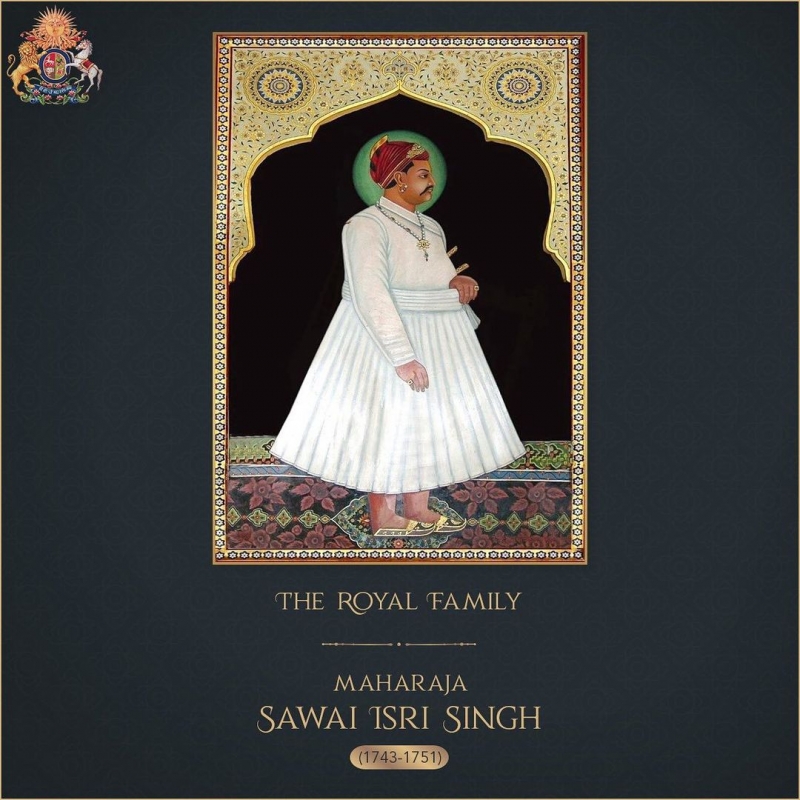
- Sri Sawai Maharaja ISHWARI SINGH Bahadur, 2nd Maharaja of Jaipur 1743/1750, born , married (amongst others), Rathorji (Bikawatji) Man Kanwarji of Kalori in Bikaner, Solankiniji (Virpuriji) of Lunawada, Jadonji of Ramathra in Karauli, Sisodiniji Ajab Kanwarji of Banera in Mewar. He died , took poison along with 3 Queens and a concubine. A further 21 other wives committed sati next day.
- Kalki Prasad Singh
- Ari Singh
- Deep Kanwarji, married to Maharaja Ram Singh of Jodhpur-Marwar.
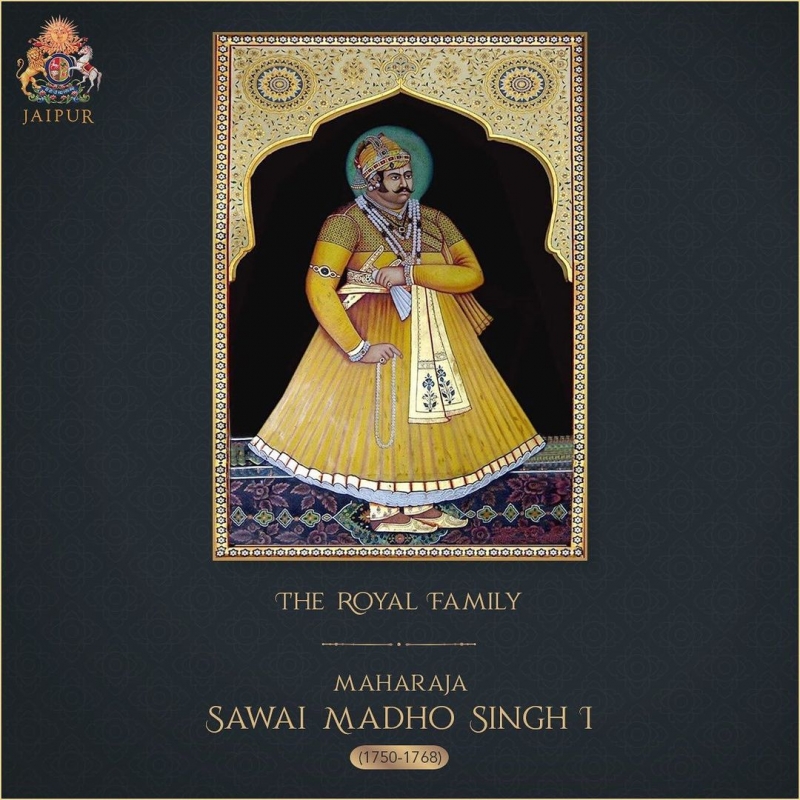
- Sri Sawai Maharaja MADHO SINGH I Bahadur, 3rd Maharaja of Jaipur 1750/1768, born , received the Jagir of Rampura in 1729, but lost it to the Marathas in 1757, married (amongst others) (a), 15th May 1761, the daughter of Raja Fateh Singhji of Ratlam, married (b), Kundan Kanwarji, daughter of Rawat Jaswant Singhji of Deogarh, married (c), Maharani Ratan Kunwar, a daughter of Raja Sardar Singhji of Banera, Rathorji Arjun Kanwarji, daughter of Kunwar Rai Singh, grandaughter of Maharaja Ajit Singh of Jodhpur-Marwar, and had issues. He died .
- Sri Sawai Maharaja Prithvi Singh II Bahadur (by Deogarh Princess)(qv)
- Sri Sawai Maharaja Pratap Singh Bahadur (by Deogarh Princess) (qv)
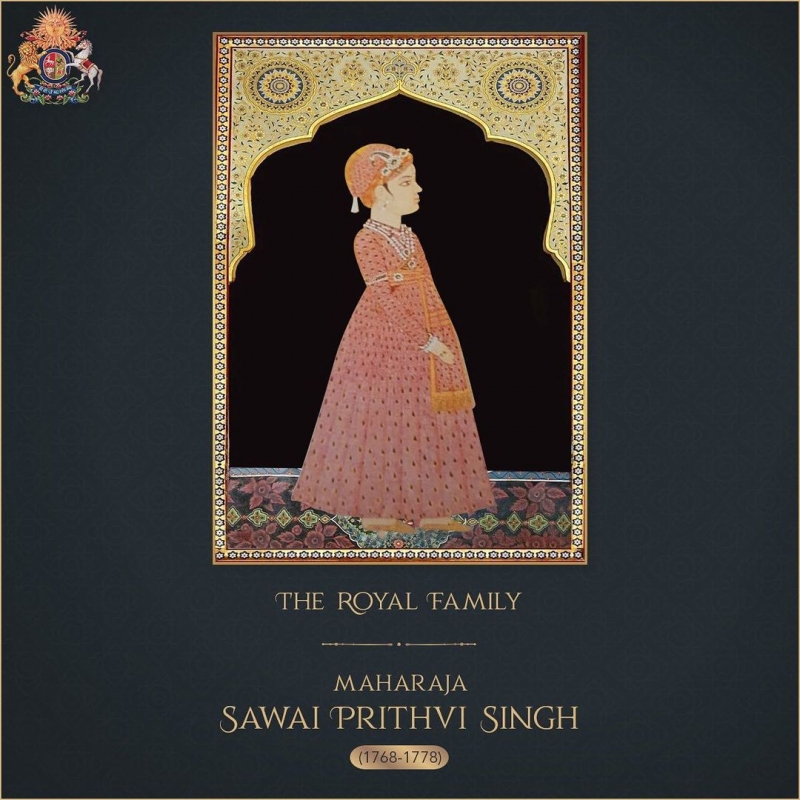
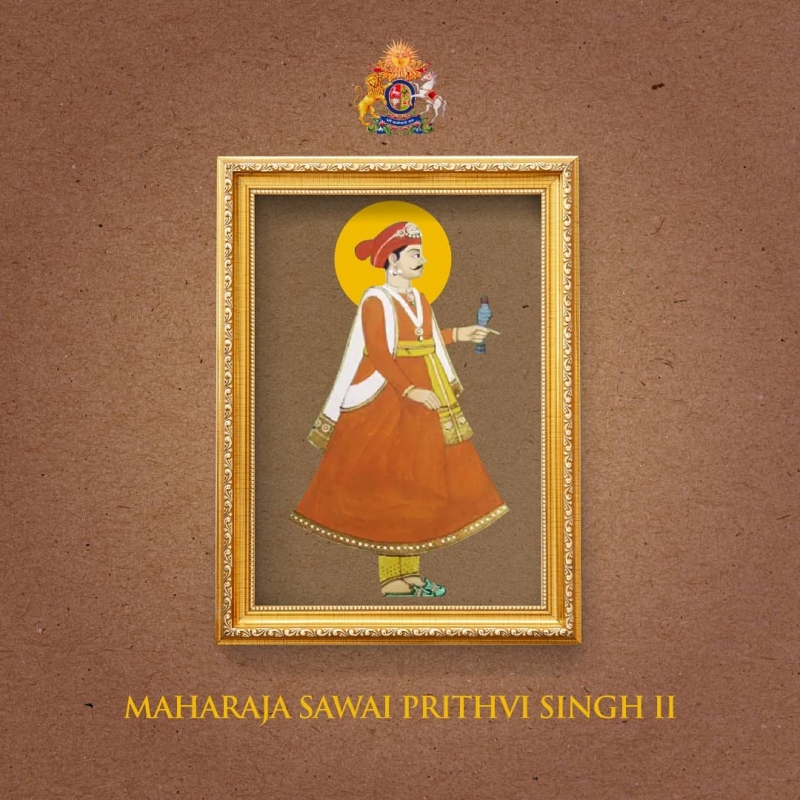
- Sri Sawai Maharaja PRITHVI SINGH II Bahadur, 4th Maharaja of Jaipur 1768/1778, born , married (a), Rathorji (Bikawatji) Sardar Kanwarji, daughter of Maharaja Raj Singh of Bikaner, married (b), Rathorji (Chandrasenotji) Abhai Kanwarji of Bandanwara in Ajmer, married (c), Rathorji (Kishansinghotji) (name unknown), daughter of Maharaja Birad Singh of Kishangarh, and had issue. He died .
- Maharajkumar Man Singh, (by the Kishangarh Rani), born , living in exile in 1820.
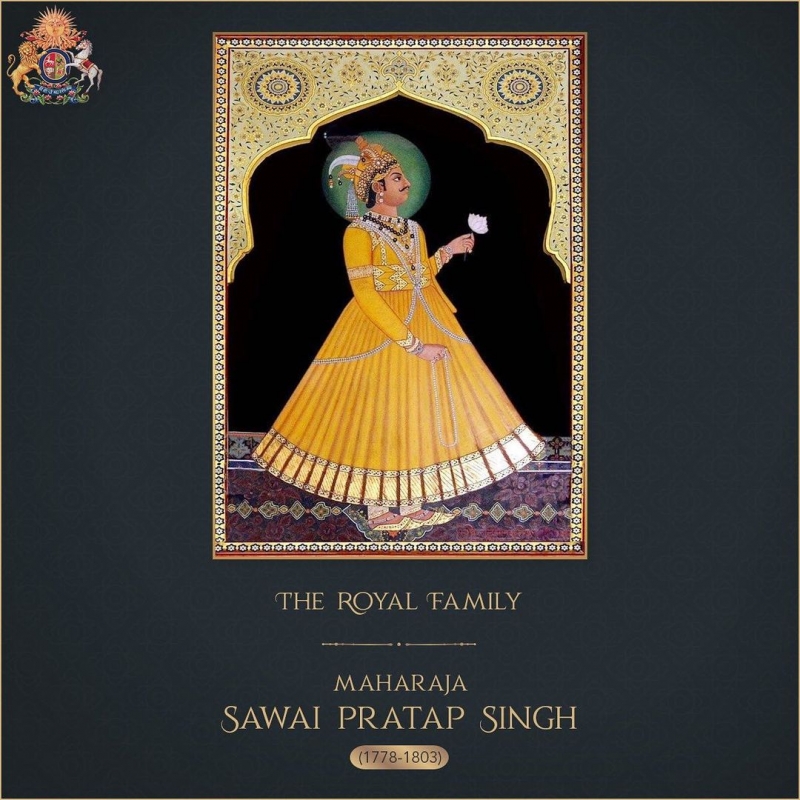
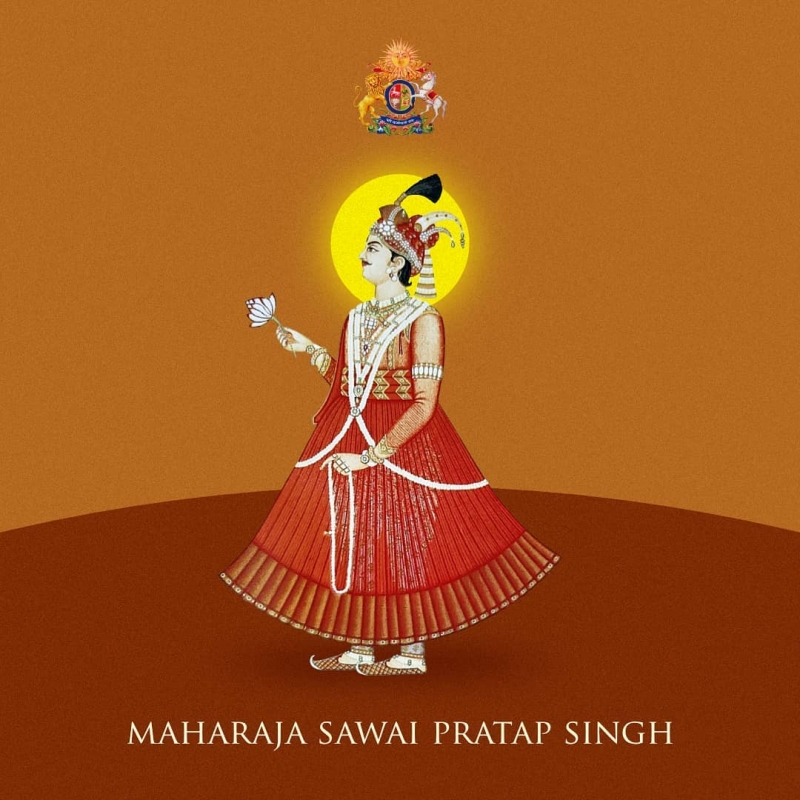
- Sri Sawai Maharaja PRATAP SINGH Bahadur, 5th Maharaja of Jaipur 1778/1803, born , married multiple times, Rathorji Gulab Kanwarji of Ratlam, Jadaunji Indra Kanwarji of Karauli, Gaurji Lal Kanwarji of Sheopur, Jhaliji Taj Kanwarji of Dhrangadhra, Tanwarji Nawal Kanwarji of Patan near Jaipur, Rathorji Abhai Kanwarji of Jodhpur-Marwar, Sisodiniji Chatra Kanwarji of Bagore in Mewar, Khichanji Mohan Kanwarji of Raghogarh. He died .
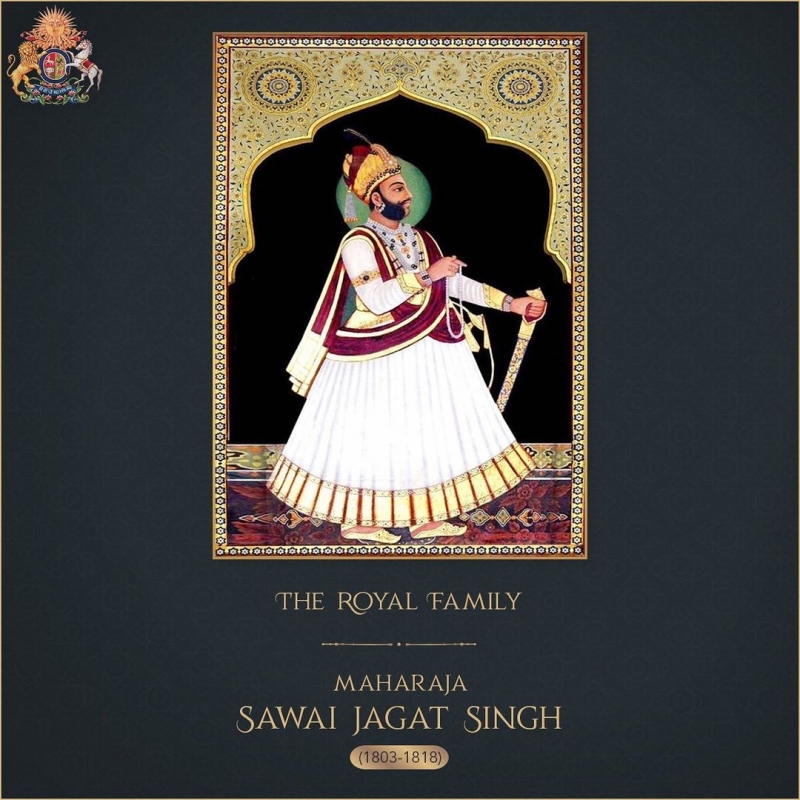
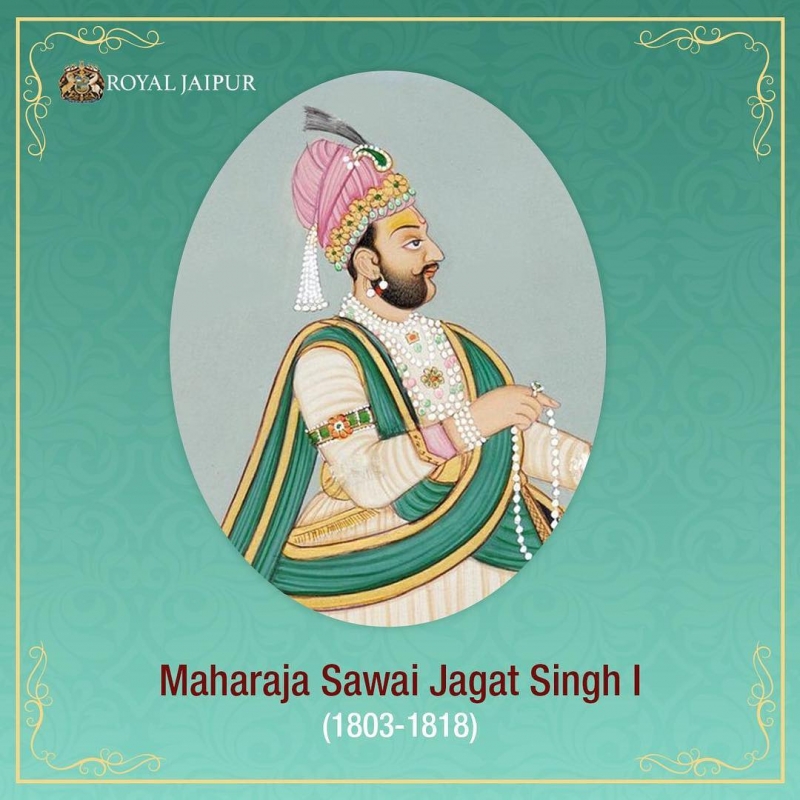
- Sri Sawai Maharaja JAGAT SINGH II Bahadur, 6th Maharaja of Jaipur 1803/1818, married multiple times, Rathorji (Bikawatji) Fateh Kanwarji grandaughter of Maharaja Gaj Singh of Bikaner, Rathorji (Jodhawatji) Sireh Kanwarji of Jodhpur-Marwar, Rathorji (Chandrasenotji) Ugra Kanwarji of Bandanwara, Rathorji (Champawatji) Chand Kanwarji of Pokhran, Rathorji (Mahechiji) Shyam Kanwarji of Thob in Marwar, Bhatiyaniji (Rawalotji) Anand Kanwarji of Jakhan in Marwar (mother of Sawai Jai Singh III), Bhatiyaniji Shringar Kanwarji of Kitasar in Bikaner, Bhatiyaniji Vijay Kanwarji of Boss, Tanwarji Nawal Kanwarji of Dalniya in Jaipur, Sisodiniji Gulab Kanwarji of Banera in Mewar, Sisodiniji Roop Kanwarji of Zawar in Mewar, died , and had issue. He died .
- Sri Sawai Maharaja Jai Singh III Bahadur (by Maharani Bhatianiji) (qv)
- ?Kunwar Sangram Singh, ?adopted to Jhalai (or Isarda), married and had issue.
- Thakur Nahar Singh of Jhalai.
- Sri Sawai Maharaja MAN SINGH II [Rajkumar Mohan Singh of Narwar], Maharaja of Jaipur [22.12.1818] - [25.4.1819] (usurper), born about 1809, son of Raja Manohar Singh of Narwar, installed on the gaddi by an ambitious noble but deposed on the birth of the rightful heir.
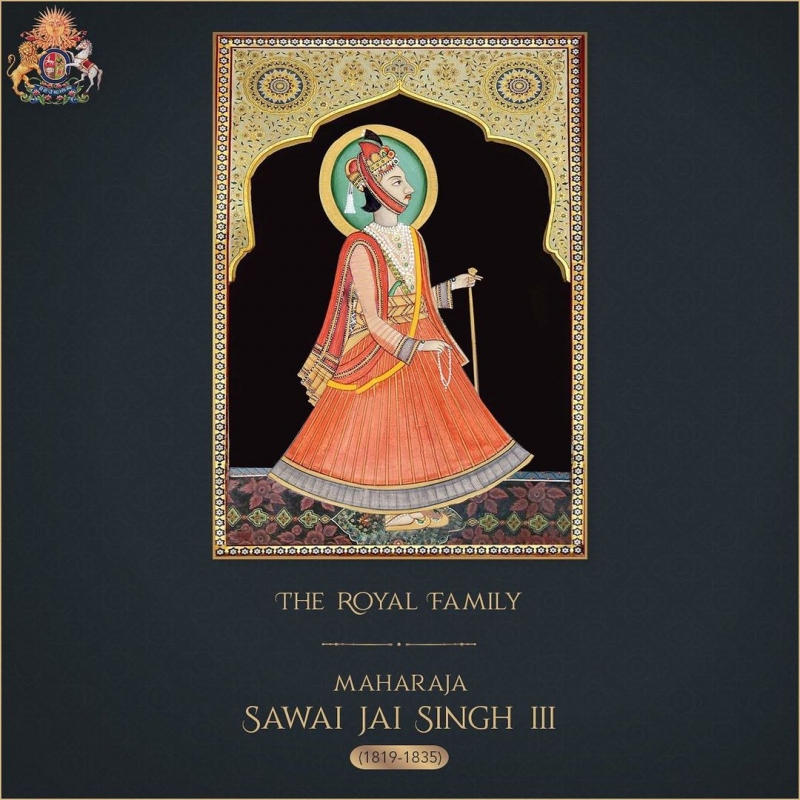
- Sri Sawai Maharaja JAI SINGH III Bahadur, 7th Maharaja of Jaipur 1819/1835, born , married (amongst others) (a), 1829, Maharani Ratan Kunwar, eldest daughter of Maharao Shri Sheo Singhji of Sirohi, married (b), Maharani Chandrawatiji of Sankotra, married (c), Sisodiniji of Banera and married (d) Chawdiji of Arjiya in Mewar, and had issue. He died .
- Sawai Maharaja Sir Ram Singh II Bahadur (by Maharani Chandrawatiji) (qv)
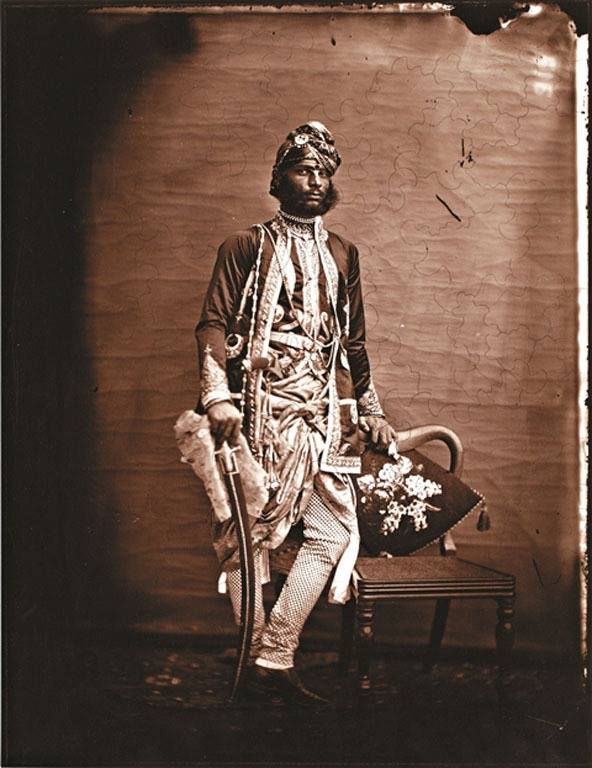
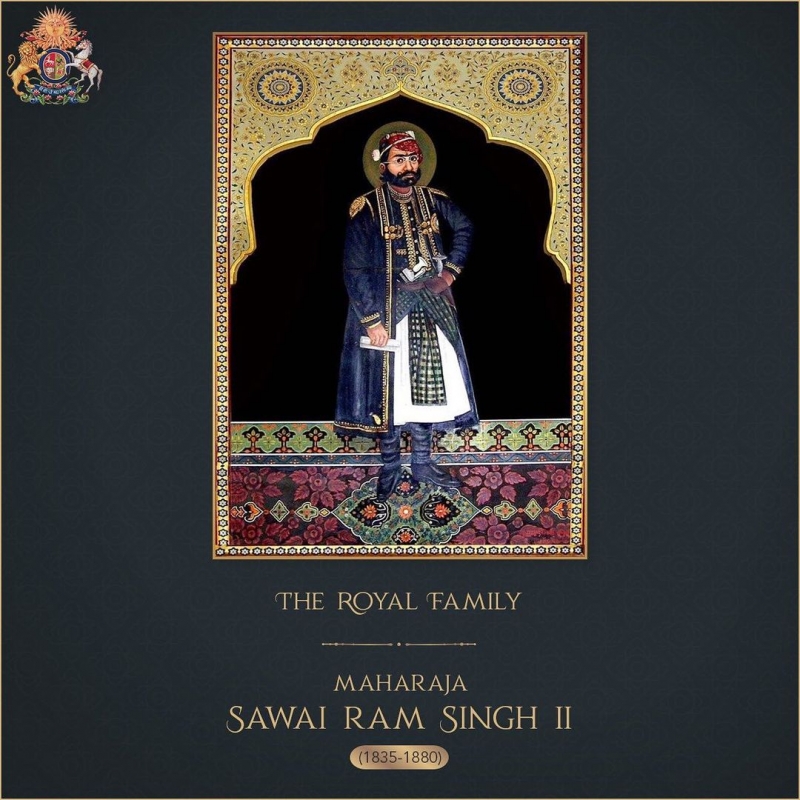
- Sri Sawai Maharaja Sir RAM SINGH II Bahadur, 8th Maharaja of Jaipur 1835/1880, born , was granted a sanad of adoption in 1862, G.C.S.I. [cr.1863], received a personal gun salute of 19, which was raised further to 21 guns at the Delhi Durbar in 1877, made a Counsellor of the Empire, C.I.E. [cr.1878], married multiple times, Rathorji Chand Kanwarji, daughter of Maharaja Takht Singh of Jodhpur-Marwar, Rathorji Indra Kanwarji, daughter of Maharaja Takht Singh of Jodhpur-Marwar, Rathorji Lal Kanwarji, daughter of Takht Singh of Jodhpur-Marwar, Rathorji Kesar Kanwarji of Ahmadnagar-Idar later Jodhpur, Bagheliji Janak Kanwarji of Rewah, Bagheliji Krishna Kanwarji of Rewah, Bagheliji Suraj Kanwarji of Rewah, Sisodiniji Roop Kanwarji of Karansar in Jaipur, Bhatiyaniji Mrig Kanwarji of Gadiyala in Bikaner, Bhatiyaniji Kishan Kanwarji of Madhogarh in Jaipur. He died spm on 17th September 1880.
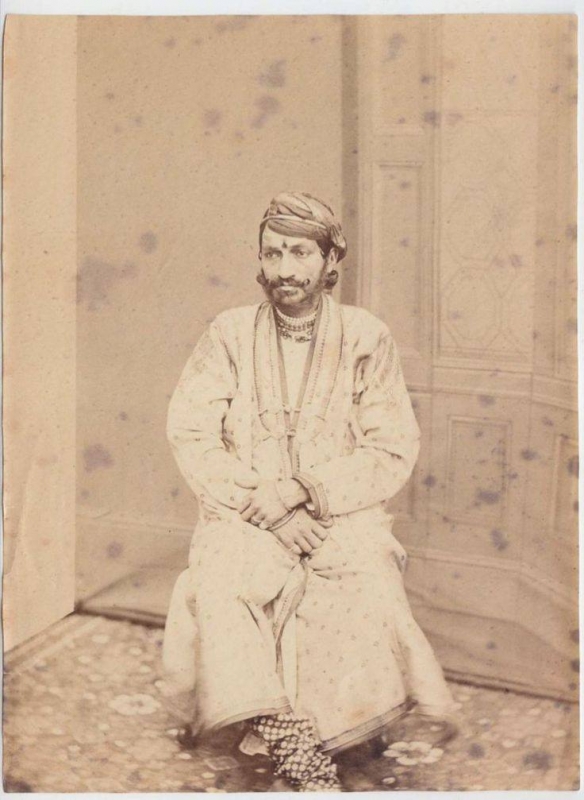
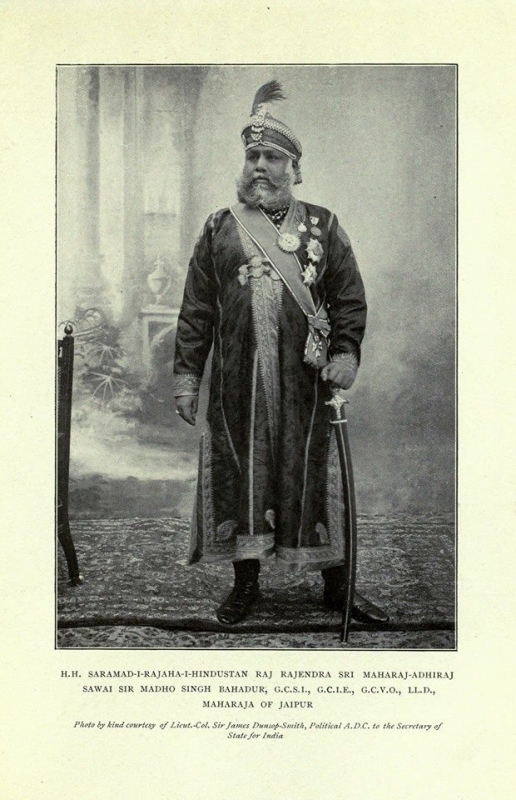
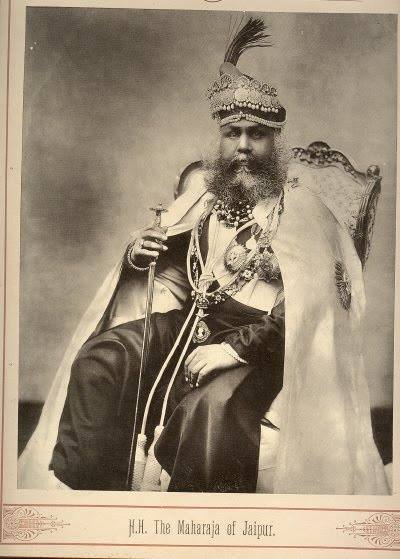
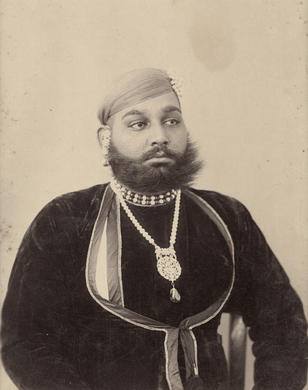
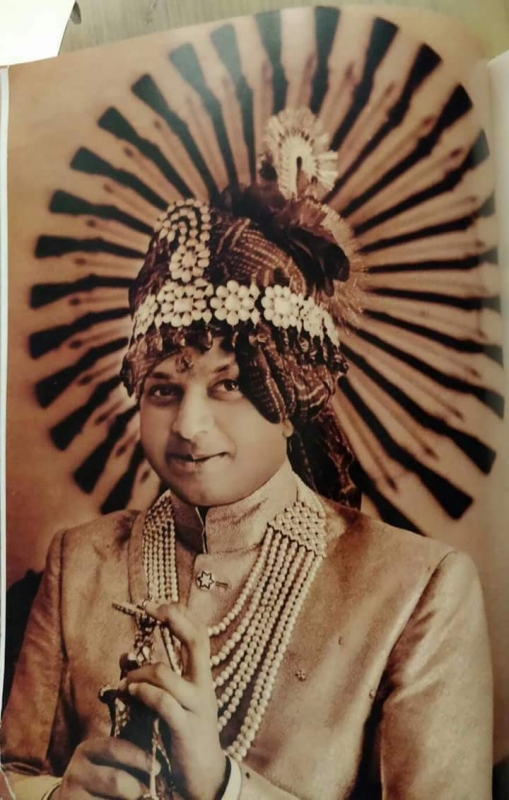
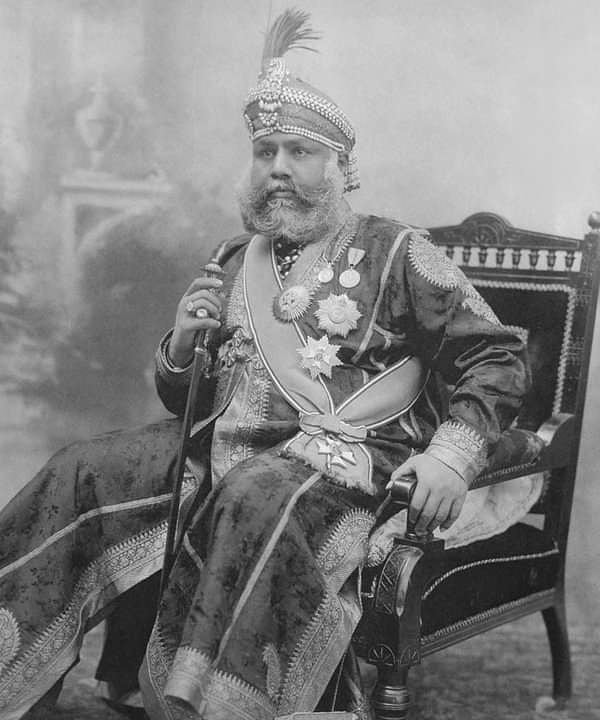
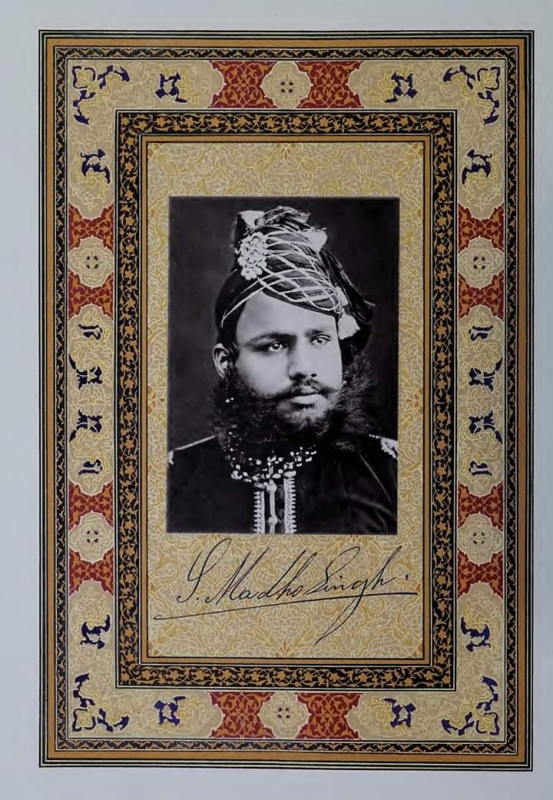
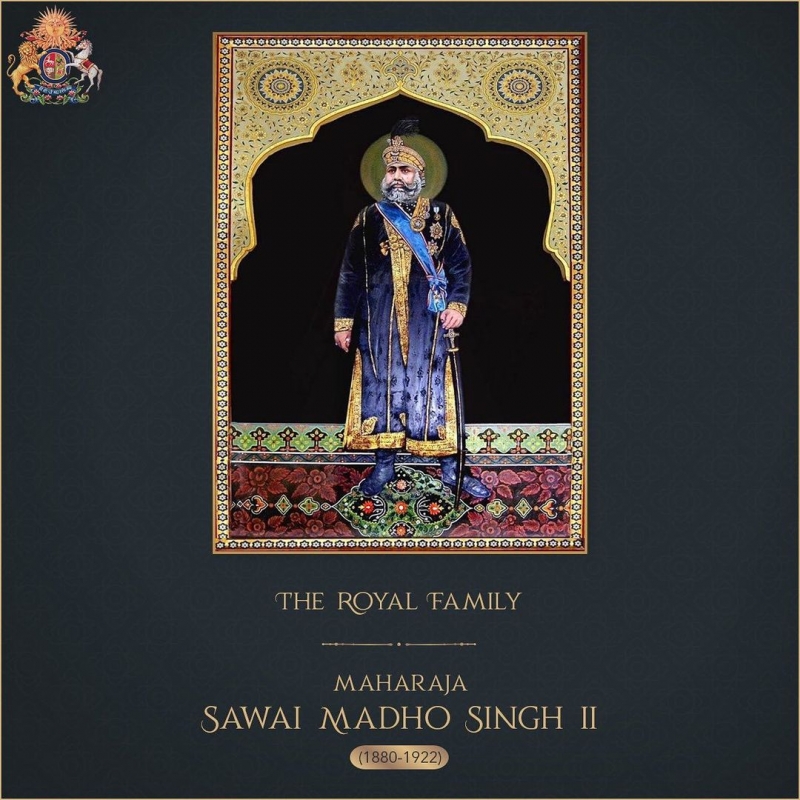
- HH Saramand-i-Rajha-i-Hindustan Raj Rajindra Sri Maharajadhiraj Sawai Sir MADHO SINGH II Bahadur, 9th Maharaja of Jaipur 1880/1922, born as Kunwar Qayam or Kaim Singh, younger son of the Thakur Sahib of Isarda on 29th August 1861, his personal gun salute was raised to 19 in 1887, and further increased to 21 in 1896, G.C.S.I. [cr.1888] , G.C.I.E. [cr.1900] , G.C.V.O. [cr.1903], made an Honourary Colonel of the 13th Rajputs (Shekhawati Regiment), married to five official wives (and 18 concubines who gave him 50 to 60 children, 107 according to a different source, of whom 18 sons were alive in 1935 and one son was still alive in 1985), 1stly, Kushal Kanwarji, daughter of Thakur Budh Singh Pal of Amargarh in Etah-Karauli, married 2ndly, 1881 to Saubhag Kanwarji, daughter of Maharaja Prithvi Singhji of Kishangarh, died , married 3rdly, 1882, HH Maharani Takht Kanwarji Ba Sahiba, died after 1922, daughter of HH Raj Sahib Mansinhji II Ranmalsinhji of Dhrangadhra, and his third wife, HH Rani Baiji Kunwarba Sahiba, married 4thly, 1891, Ajab Kanwarji, daughter of the Thakur of Khamor in Shahpura, married 5thly, 1892, Udai Kanwarji, daughter of Thakur Jivraj Singh of Rori in Bikaner, by whom he had one daughter. He died .
- Lallji Moti Singh
- Raja Gopal Singh, his fathers favourite son. Was possibly considered as his successor which would have caused considerable problems amongst the Jaipur nobles. He died .
- Raja Jaswant Singh, still living in 1985.
- Baisa (name unknown), married Rao Raja Sagat Singh of Idar.
- Baisa (name unknown), married Rao Raja Hanut Singh of Idar.
- Baisa (name unknown), married Rao Raja Abhay Singh of Idar.
- Baisa (name unknown), married Rao Raja Mohan Singh, born , son of Rao Raja Gulab Singh of Jodhpur, and had issue, three sons and one daughter.
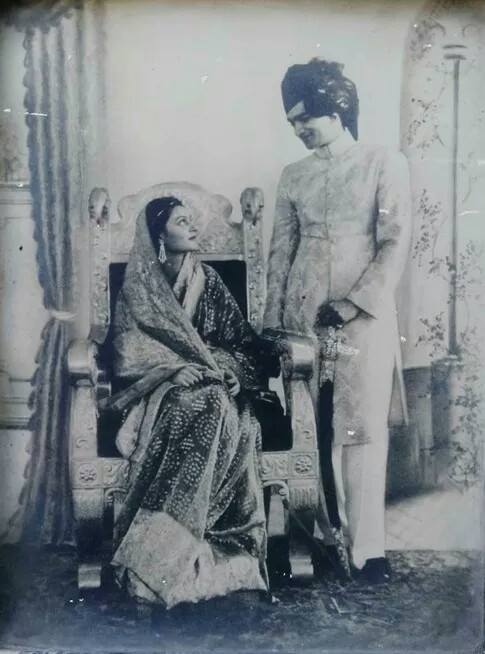
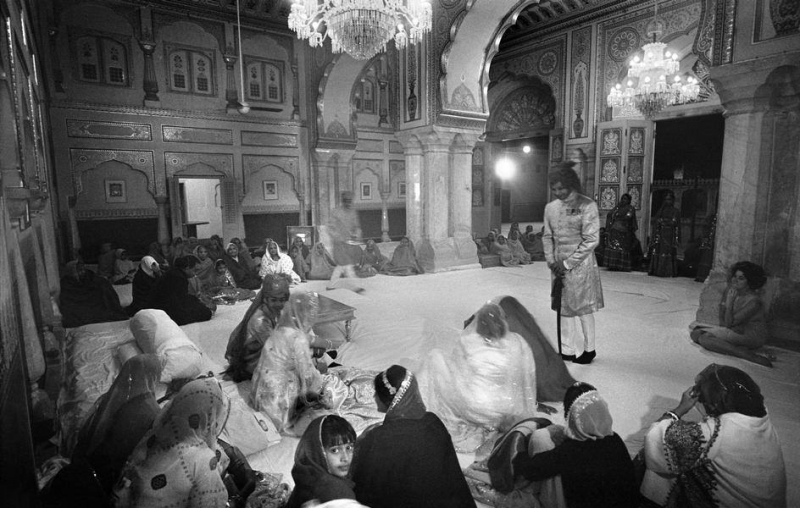
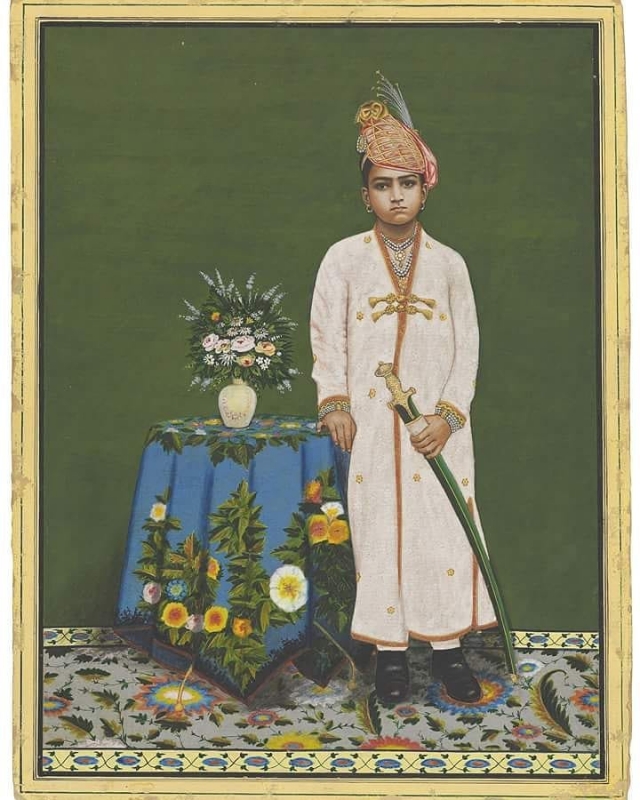
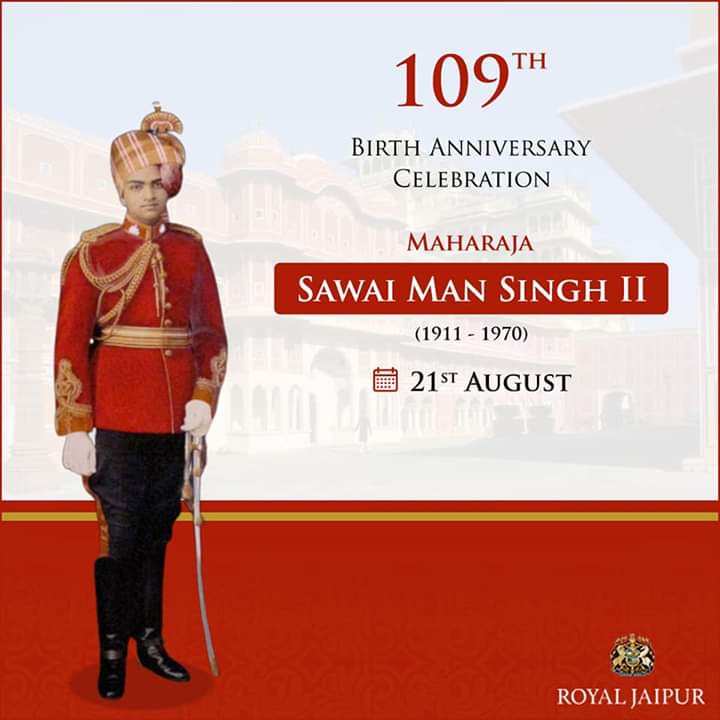
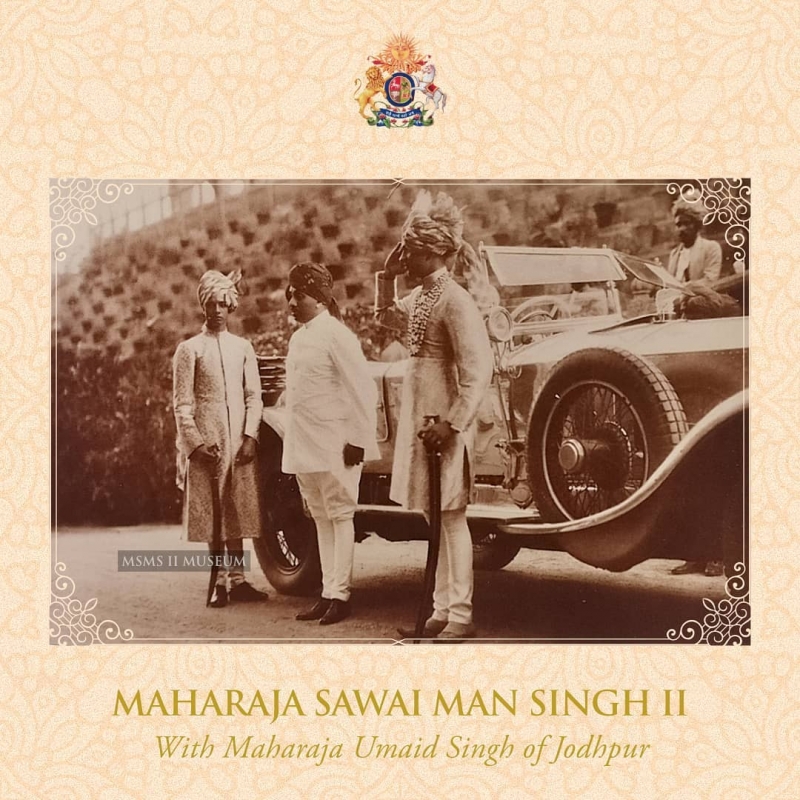
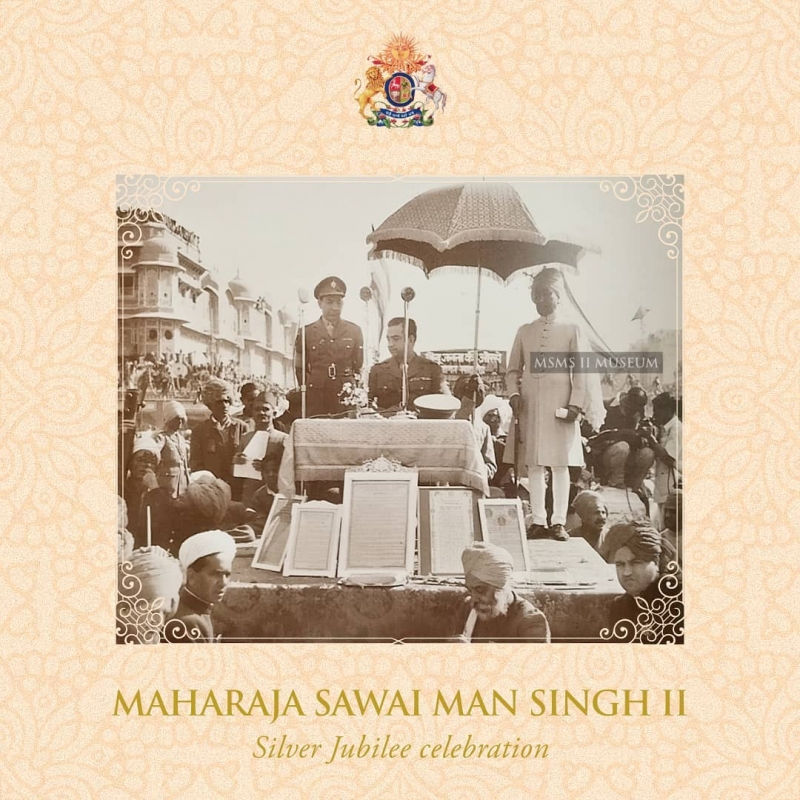
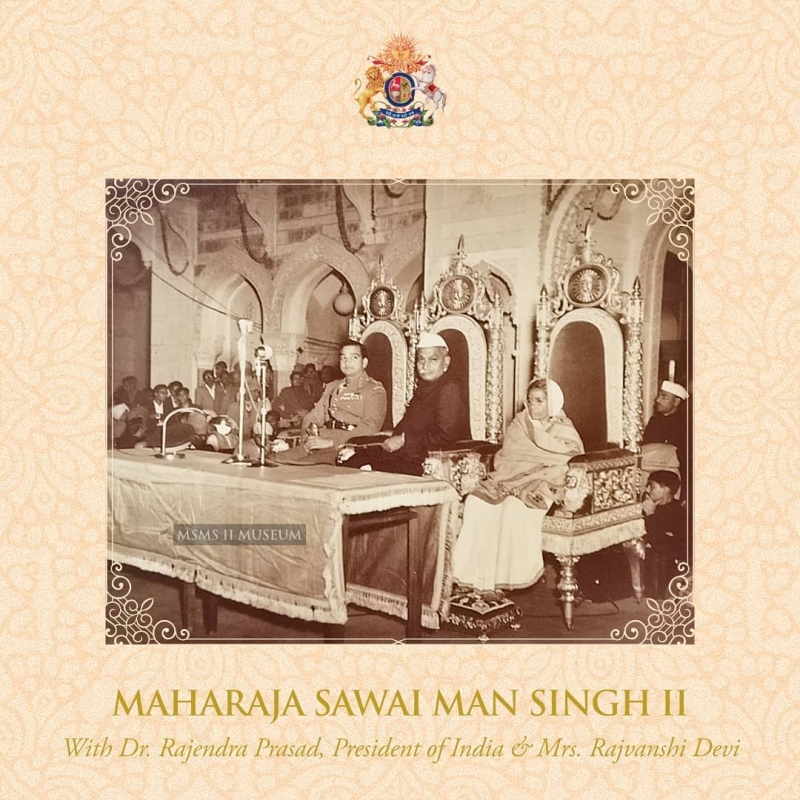
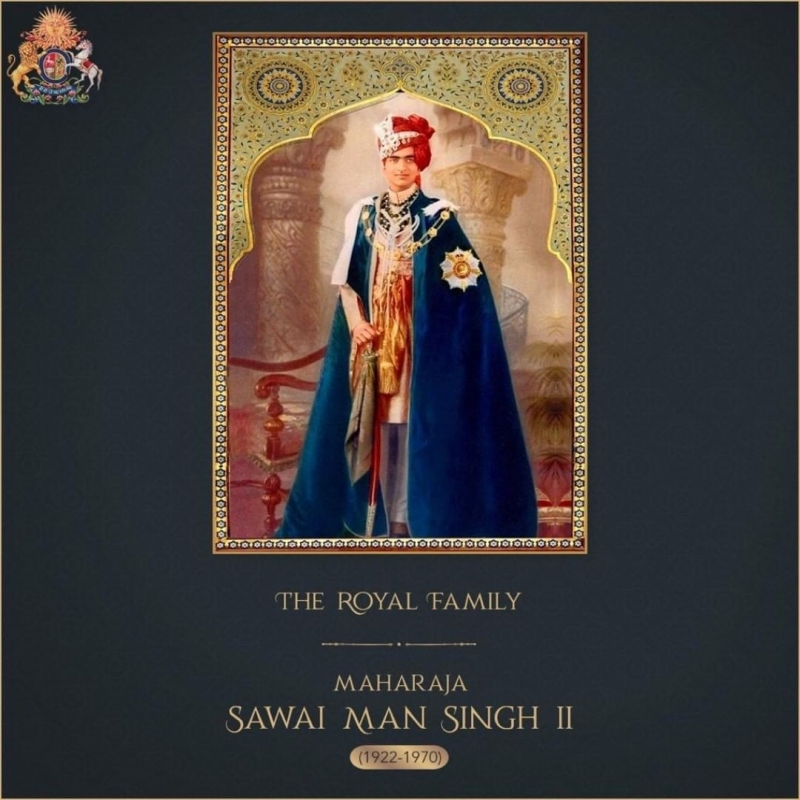
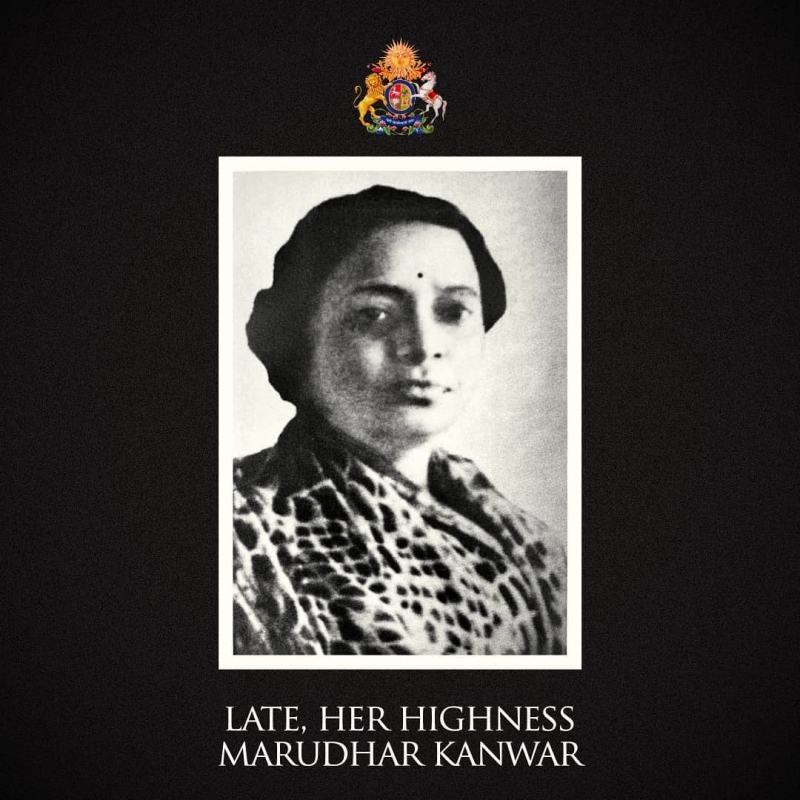
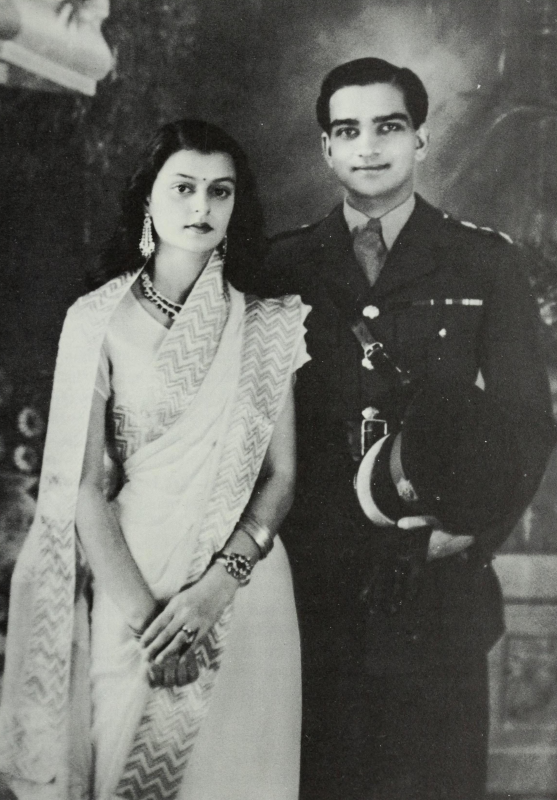
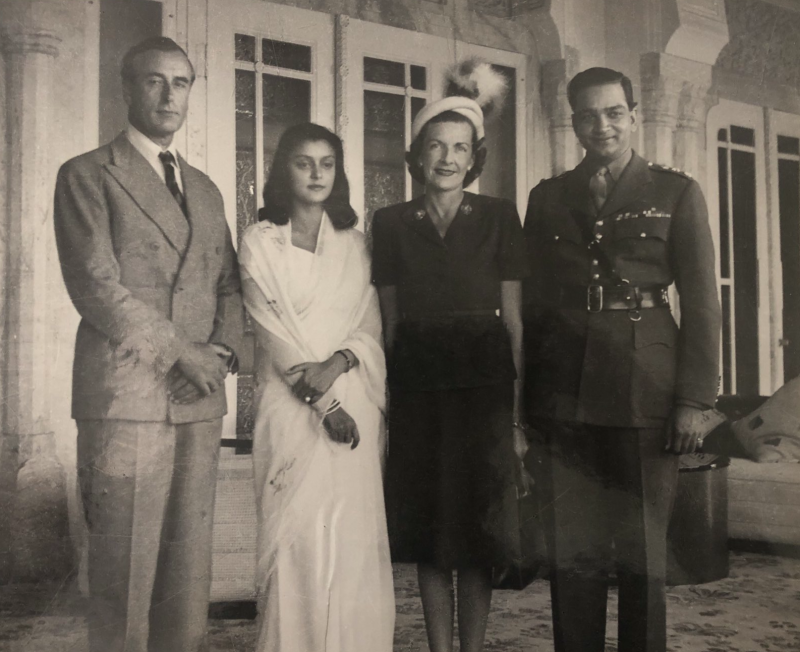
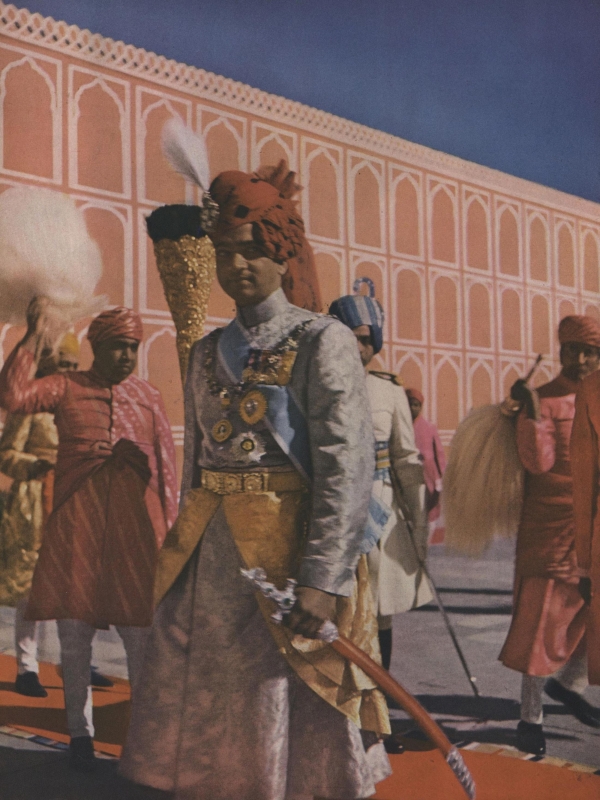
- HH Saramad-i-Rajahai Hindustan Raj Rajendra Shri Maharajadhiraj Sir Sawai MAN SINGH II Bahadur, 10th Maharaja of Jaipur 1922/1970, born as Kunwar Mor Mukut Singh, younger son of Thakur Saheb Sawai Singhji of Isarda on 21st August 1911 in Isarda, adopted 24th March 1921 by his predecessor, Rajpramukh of Rajasthan 1949/1956, Member of the Rajya Sabha 1962/1965, married 1stly, 30th January 1924, HH Maharani Marudhar Kunwar, daughter of HH Maharaja Dhiraj Maharaja Sri Sir Sardar Singhji Bahadur of Jodhpur, married 2ndly, 24th April 1932, HH Maharani Kishore Kanwar, daughter of HH Maharaja Sumer Singh of Jodhpur, married 3rdly, 9th May 1940, HH Maharani Gayatri Devi, born in London, died in Jaipur, daughter of HH Maharaja Jitendra Narayan Bhup Bahadur of Cooch Behar, and his wife, HH Maharani Indira Devi, and had issue. He died in Cirencester, UK and was cremated three days later in Jaipur.
- HH Maharani Prem Kumari (by 1st wife), born in Simla, married 27th May 1948, HH Maharawal Shri Jaideepsinhji of Baria, and had issue. She died .
- HH Saramad-i-Rajahai Hindustan Raj Rajendra Shri Maharajadhiraj Sir Sawai Bhawani Singh Bahadur (by 1st wife) (qv)
- Maharaj Jai Singh (by 2nd wife), Raja Saheb of Jhalai, born in Staines, educated at Harrow School 1946/1951, married 1983, Rani Vidya Devi (born O ctober 1942, died on ), daughter of Kanwar Rajinder Singh of Jubbal, and has issue.
- Rajkumar Ajit Singh
- Maharaj Prithviraj Singh (by 2nd wife), born , educated at Harrow School 1950/1954, married 1961, Maharaj Kumari Devika Devi, daughter of Maharaj Ramendra Kishore Dev Varman of Tripura, and has issue. He died due to Coronavirus on 3rd December 2020 in Jaipur.
- Rajkumar Vijit Singh, married 1991, Rajkumari Meenakshi Devi, daughter of Maharaj Pushpendrasinhji Virbhadrasinhji of Lunawada.
- Maharaj Jagat Singh (by 3rd wife), Raja Saheb of Isarda, born , educated at Harrow School 1963/1967, married 10th May 1978 (div.), Mom Rajawongse Priyanandana Rangsit of the Royal Family Thailand, born , and had issue. He died in London.
- Rajkumari Lalitya Kumari Singh, born .
- Maharaj Devraj Singh, Raja Saheb of Isarda 1997/-; born .
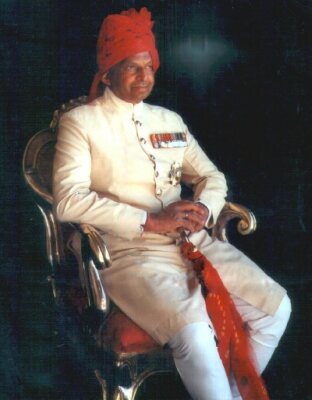
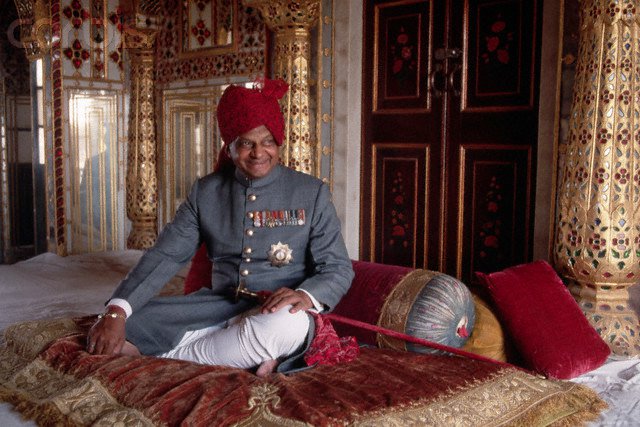
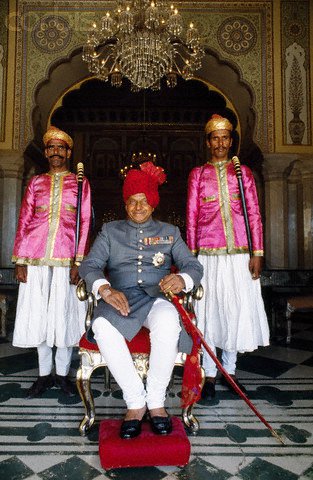
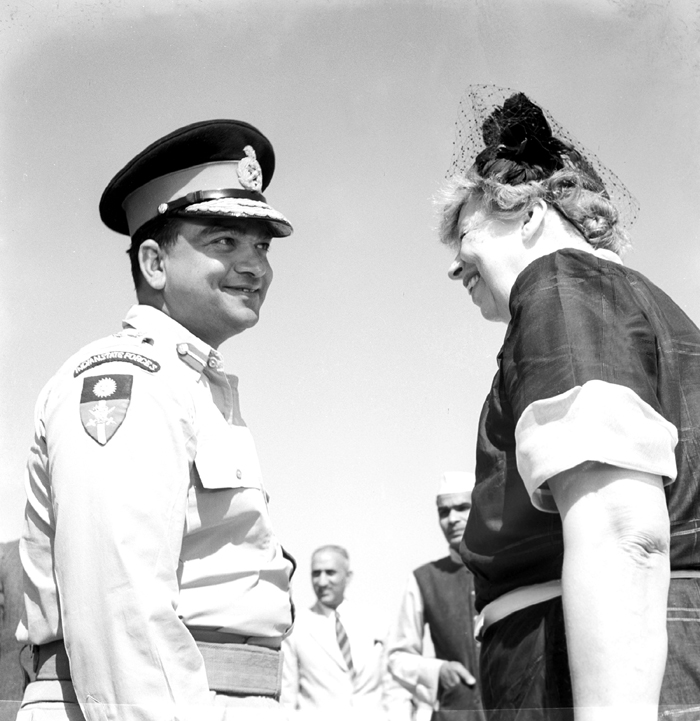
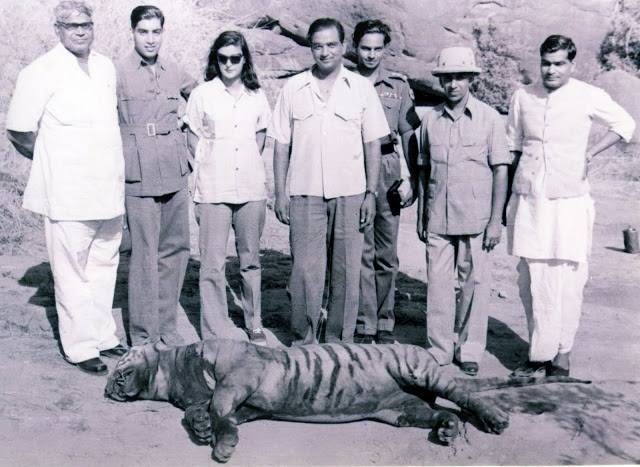
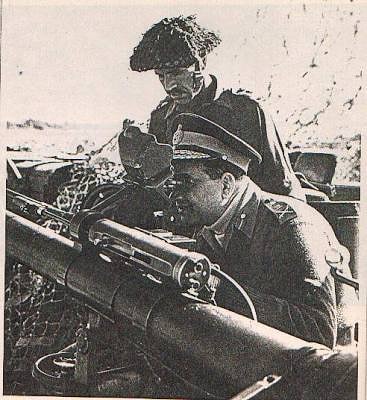
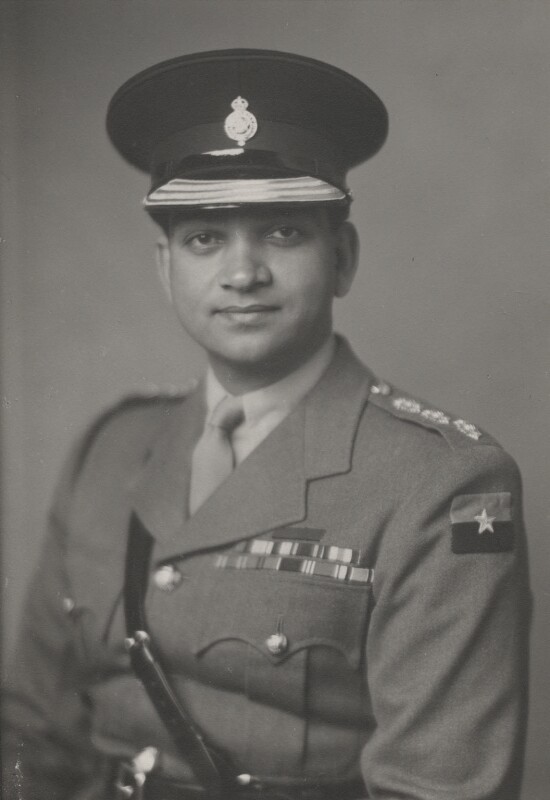
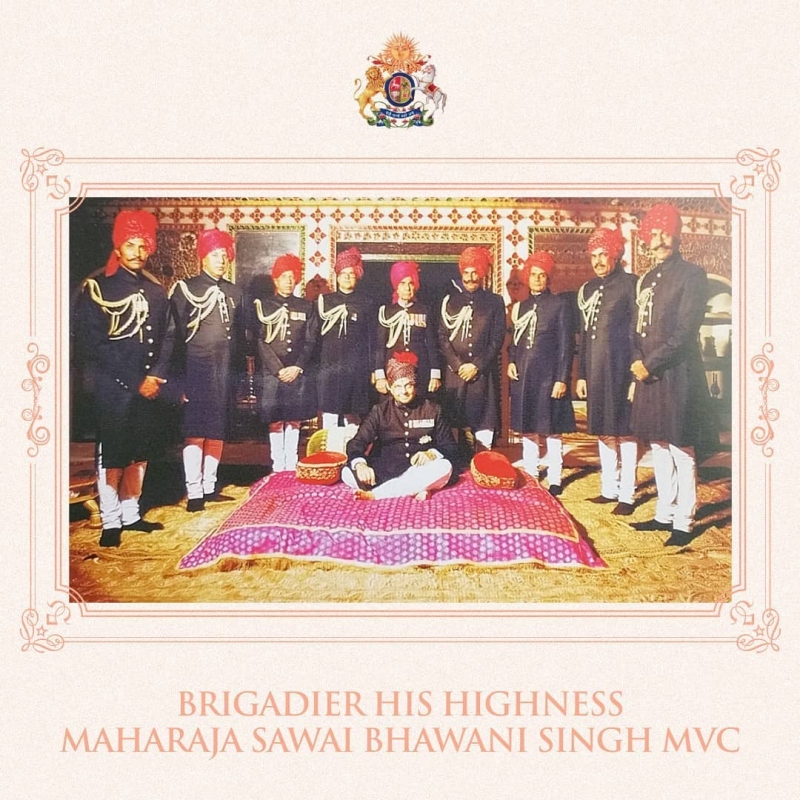
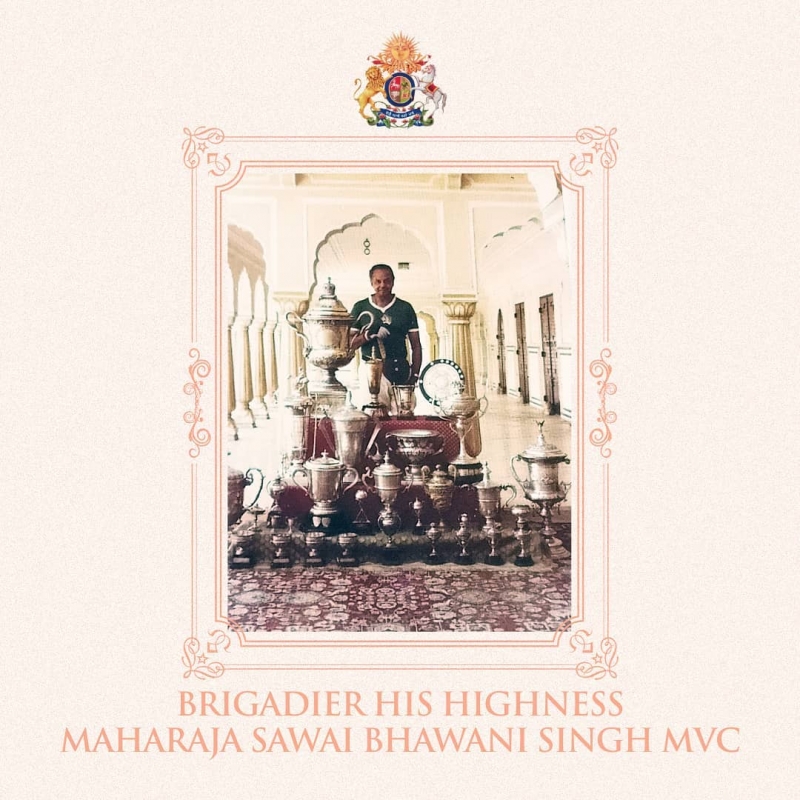
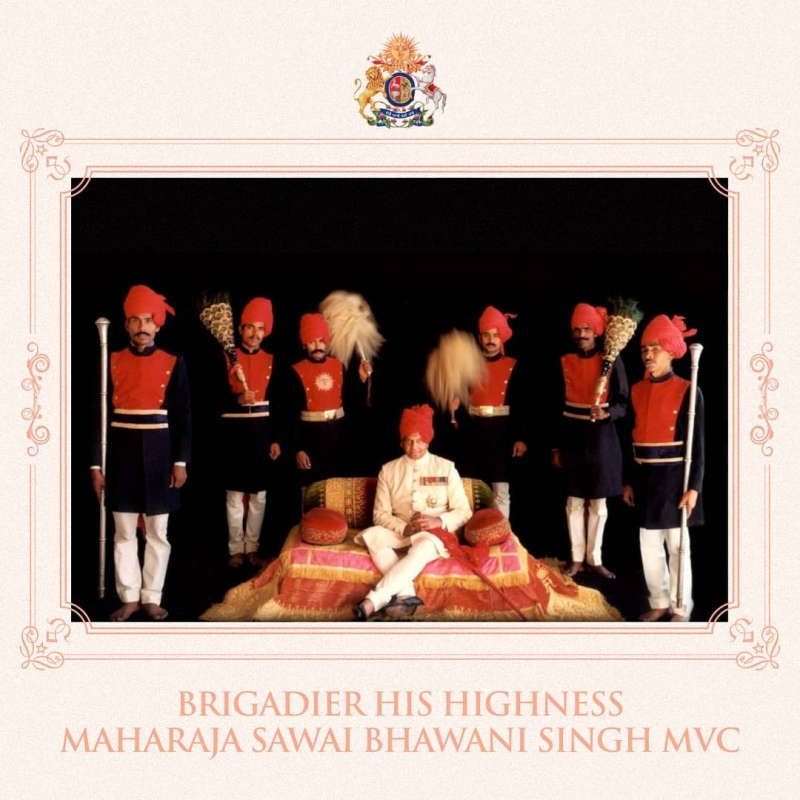
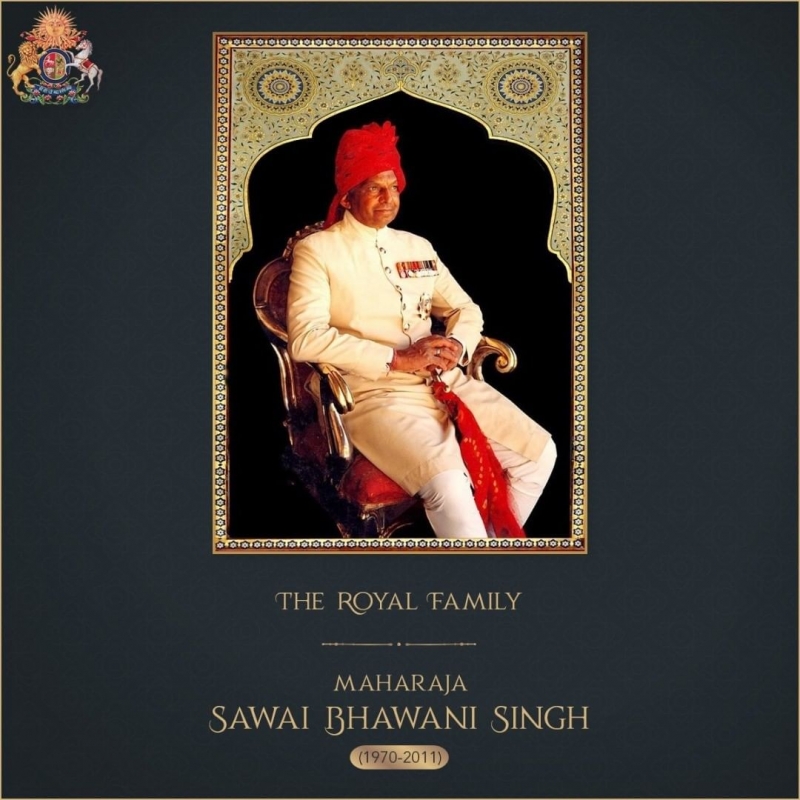
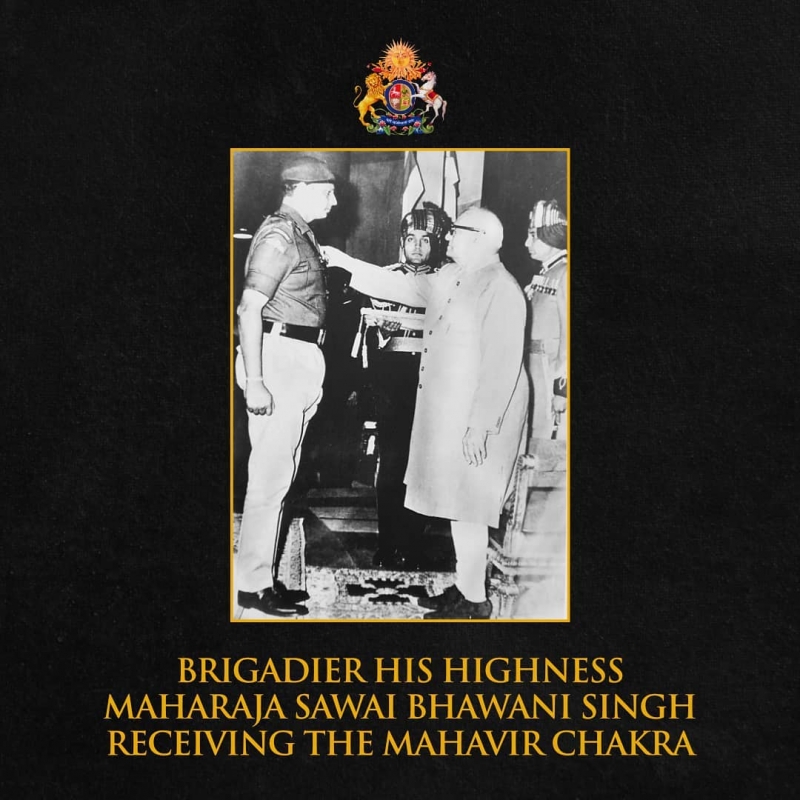
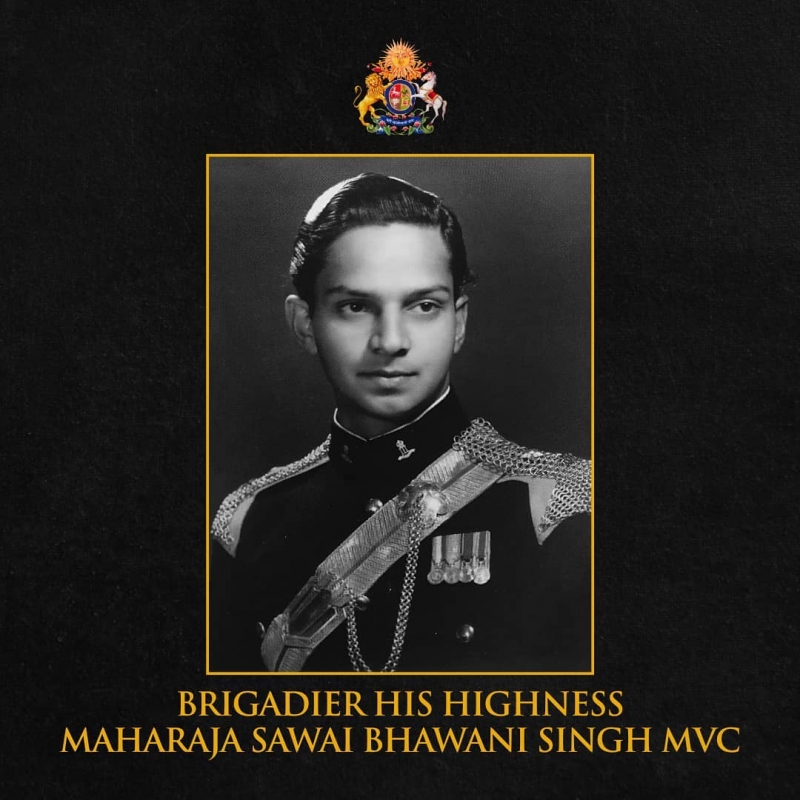
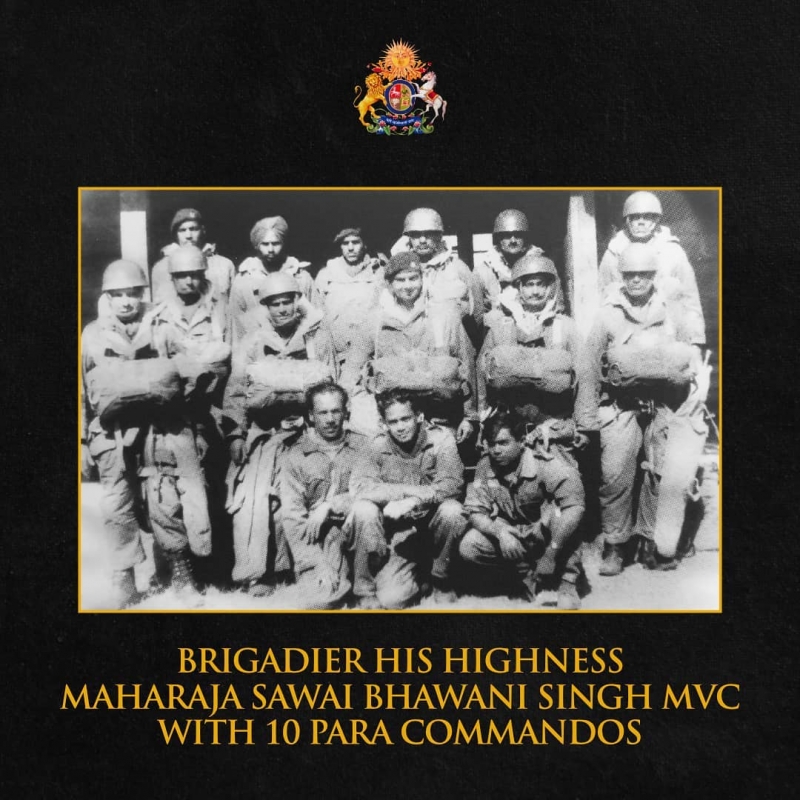
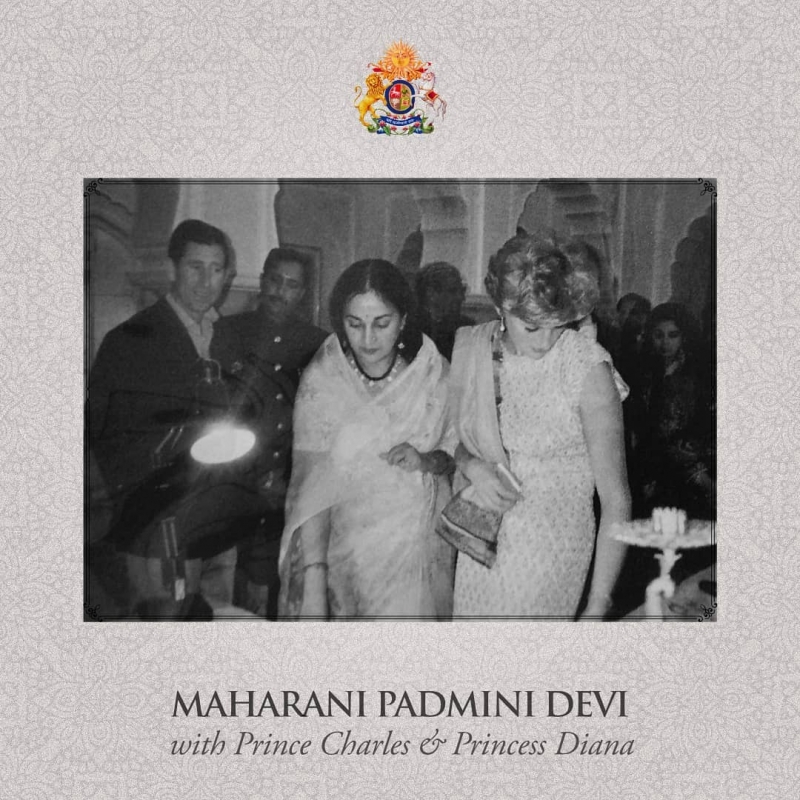
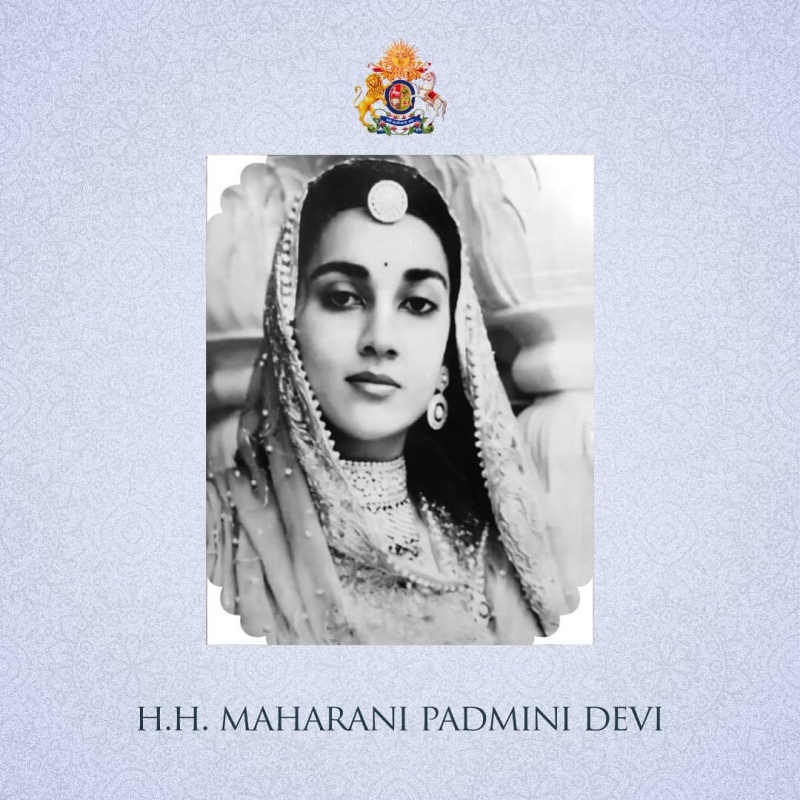
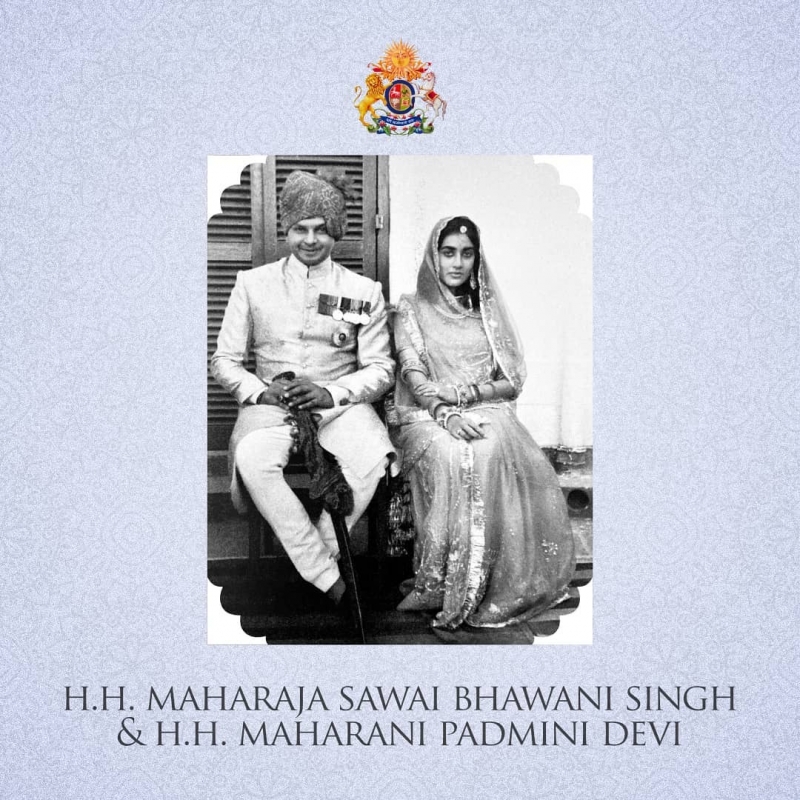
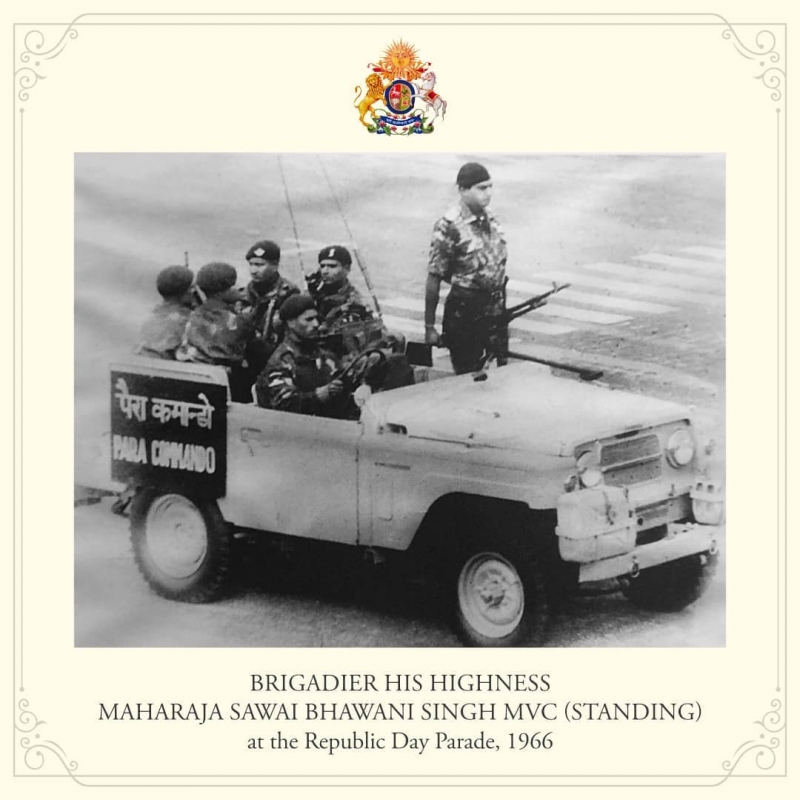
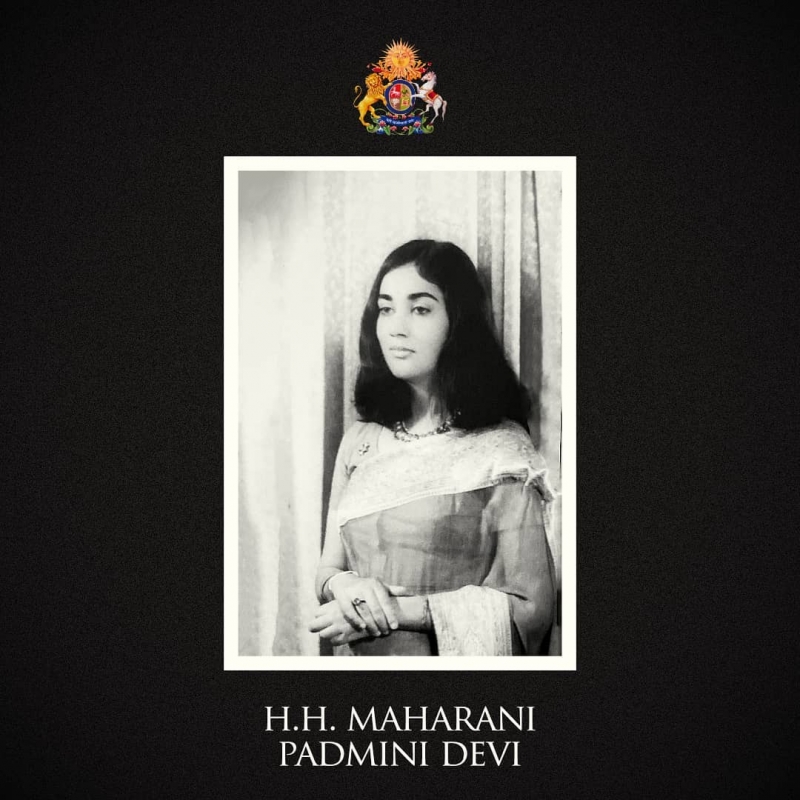
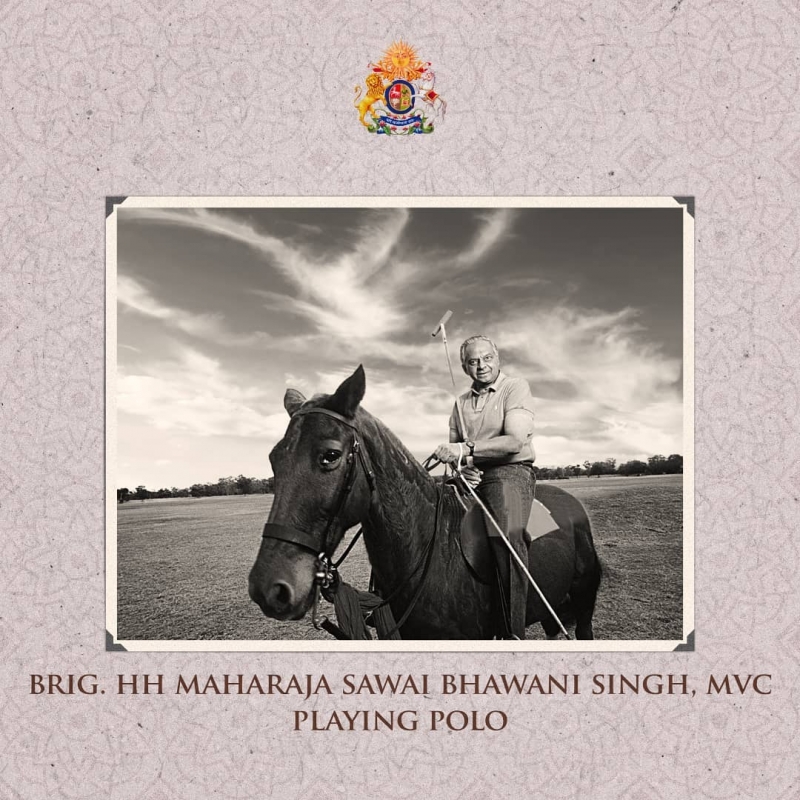
- Brig. HH Saramad-i-Rajahai Hindustan Raj Rajendra Shri Maharajadhiraj Sir Sawai BHAWANI SINGH Bahadur M.V.C., 11th Maharaja of Jaipur 1970/2011, born in Jaipur, educated in Kashmir, Dehradun and then at Harrow School (UK) 1946/1950, commissioned into Indian Army in the 3rd Cavalry regiments as a Second Lieutenant in 1951, selected for the Presidents bodyguard in 1954, posted to HQ 50 (Indep.) Para Brigade in 1963, selected and posted as Adjutant, Indian Military Academy, Dehradun 1964/1967, volunteered for the new Para Commando Unit and was posted to 10 Para Commando as 2nd-in-command in June 1967, became the commanding officer in the following year, awarded the second highest gallantry award "Maha Vir Chakra" in 1971, for his part in the Indo-Pak war, took voluntary retirement in 1974, he was granted the rank of Brigadier for life, served as the first Resident High Commissioner to the State of Brunei from July 1993 to January 1997; he was also a noted polo player in his youth; married 10th March 1967, HH Maharani Saheba Padmini Devi, daughter of Lt. HH Maharaja Rajendra Prakash Bahadur of Sirmur, and his second wife, HH Maharani Indira Devi (daughter of HH Thakore Sahib Shri Sir Bahadursinhji Mansinhji of Palitana), and had issue. He died in Gurgaon of multi-organ failure.
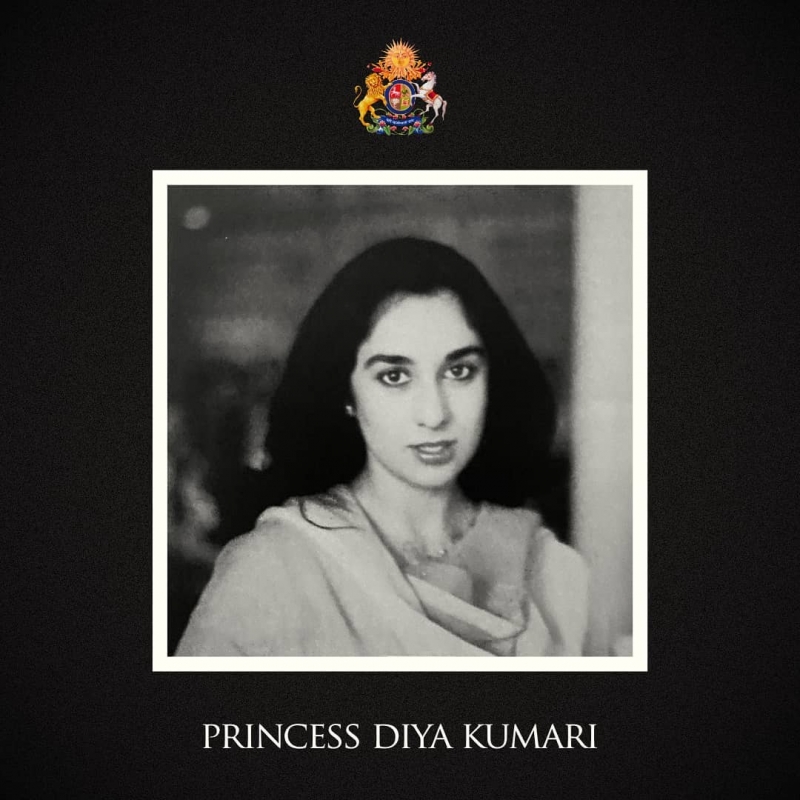
- Maharajkumari Diya Kumari, born , married 1997, Kanwar Narendra Singh Rajawat of Sawai Madhopur, son of Thakur Budh Singh of Kotda village in Tonk; he was granted the title of Maharaj in 2003, and has issue.
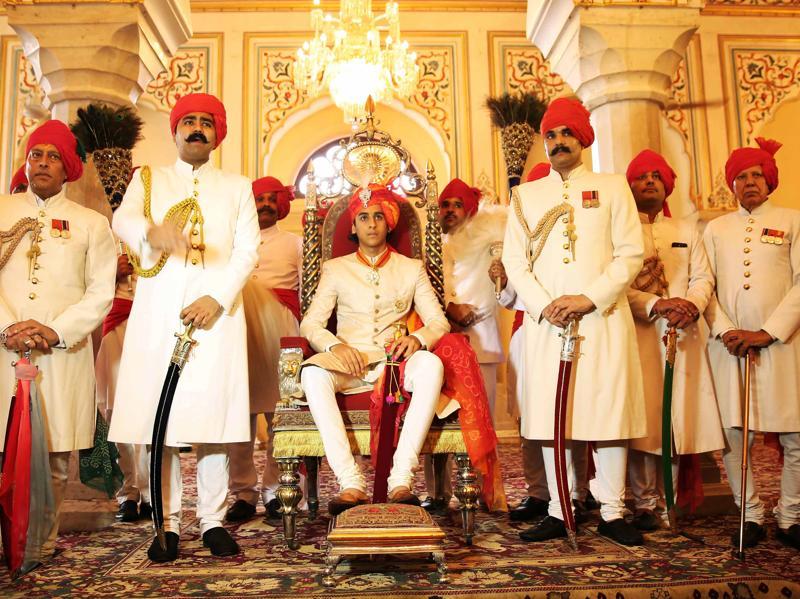
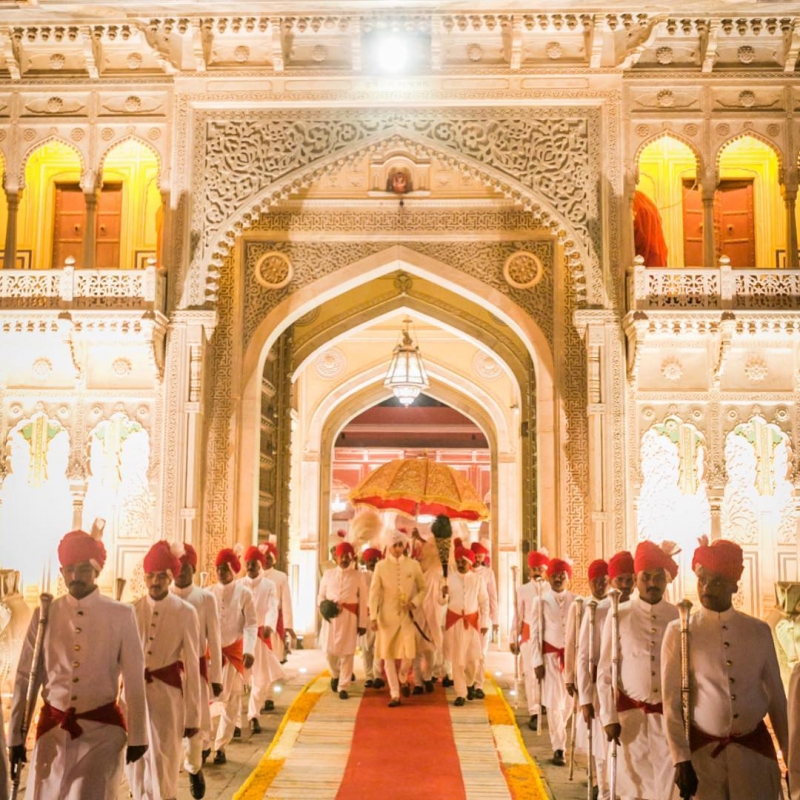
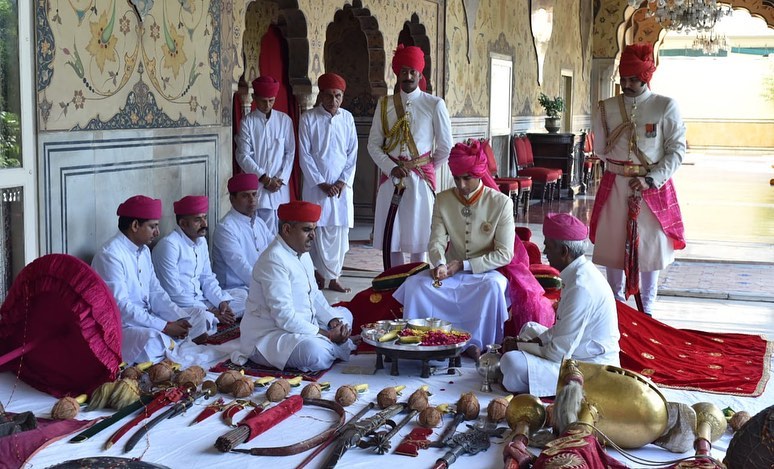
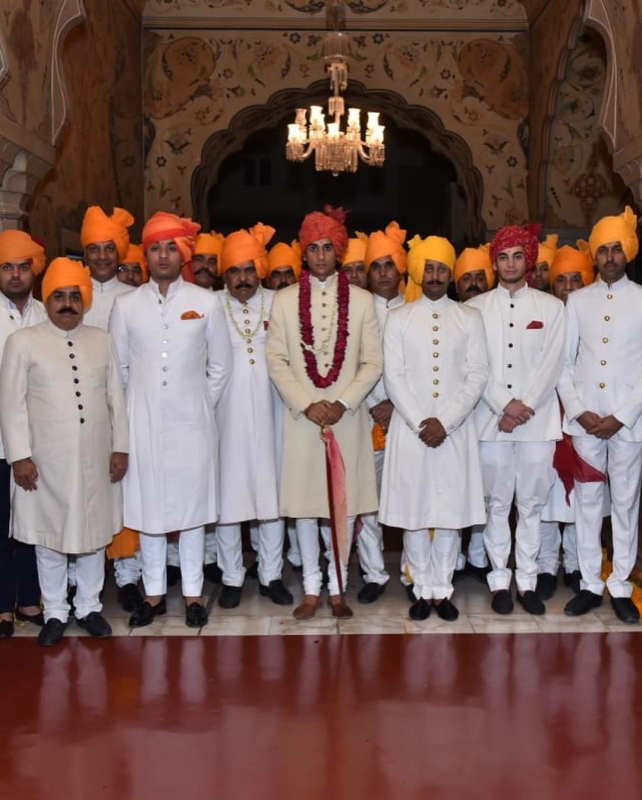
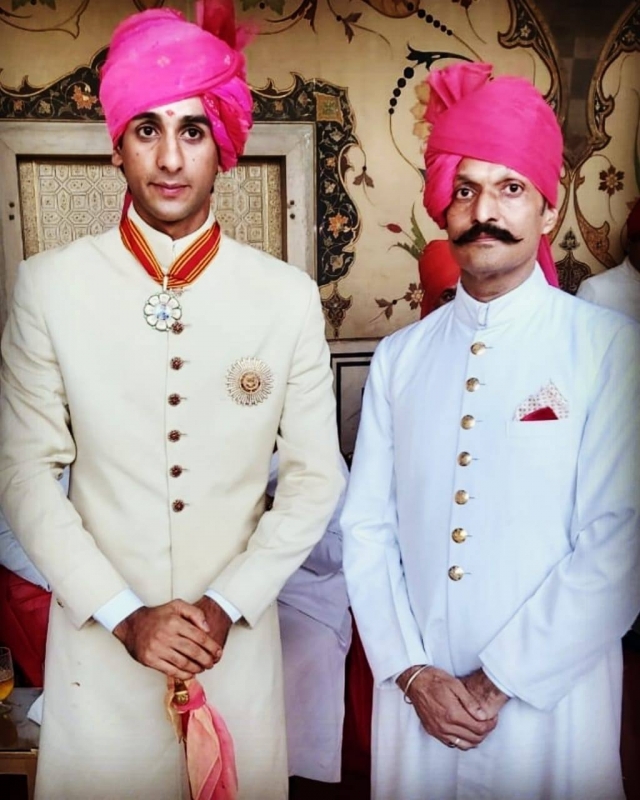
- Maharaja Padmanabh Singh, he succeded as HH Saramad-i-Rajahai Hindustan Raj Rajendra Shri Maharajadhiraj Sir Sawai Padmanabh Singhji Bahadur (qv)
- Baiji Lal Gaurvi Kumari, born .
- Rajkumar Laksh Raj Singh, on 15th May 2013 he succeeded as Maharaja Laksh Raj Prakash Bahadur of Sirmur.
- Maharajkumari Diya Kumari, born , married 1997, Kanwar Narendra Singh Rajawat of Sawai Madhopur, son of Thakur Budh Singh of Kotda village in Tonk; he was granted the title of Maharaj in 2003, and has issue.
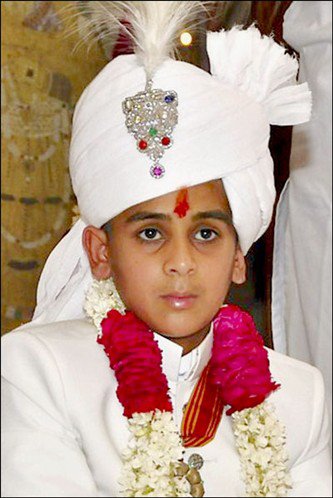
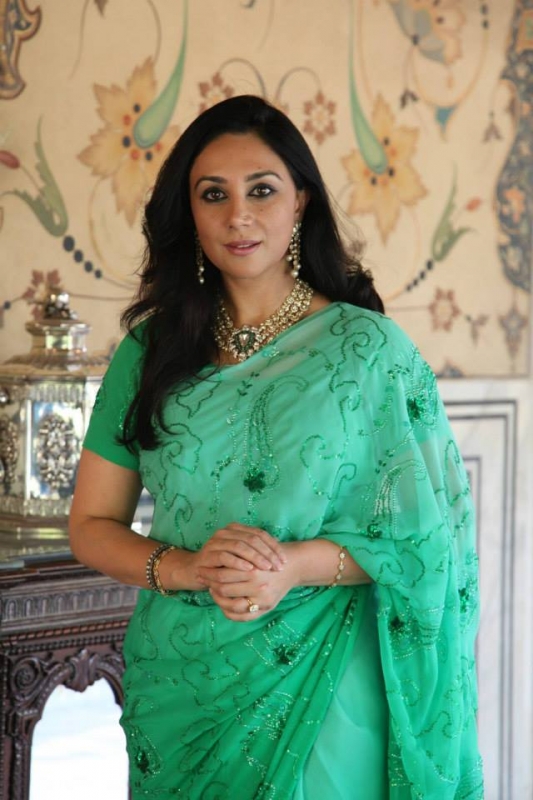
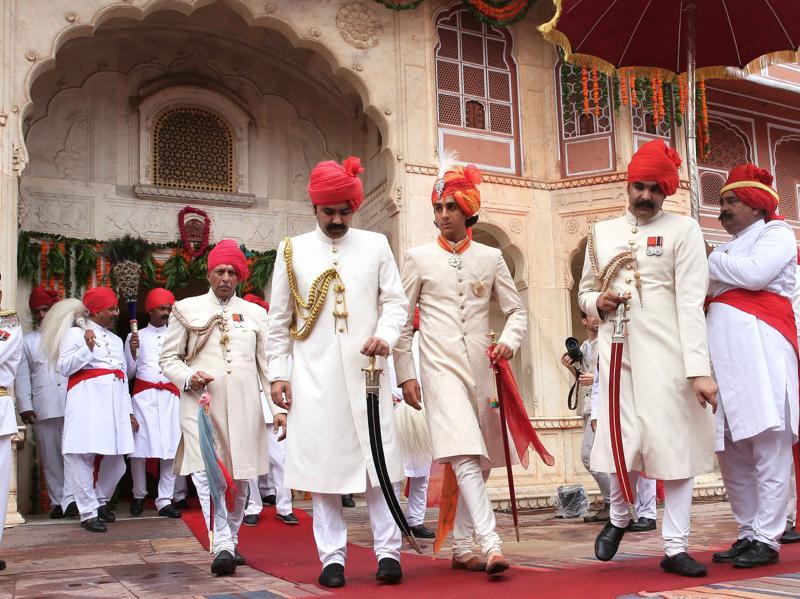
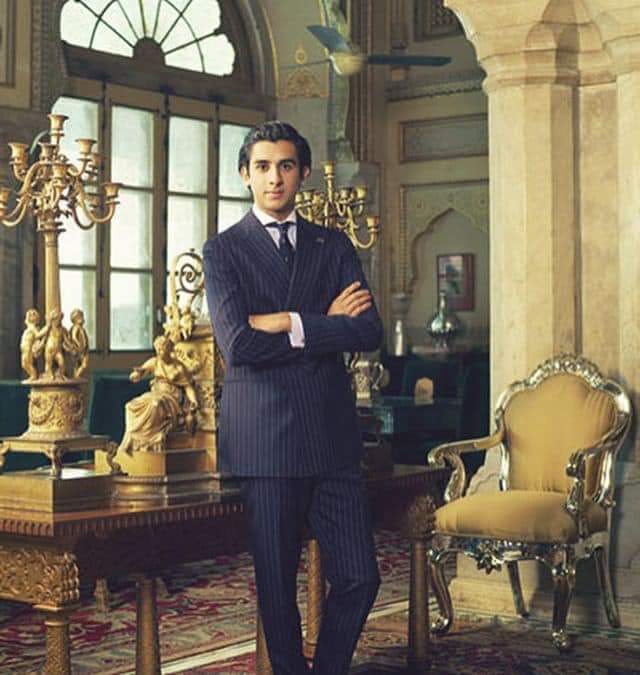
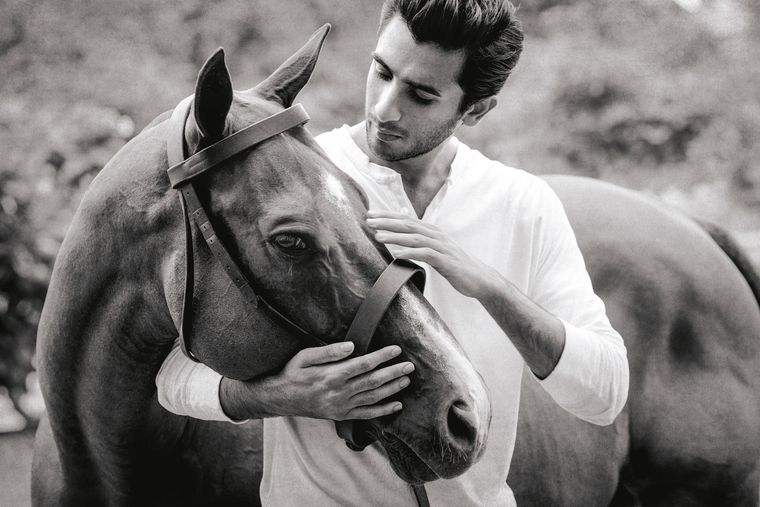
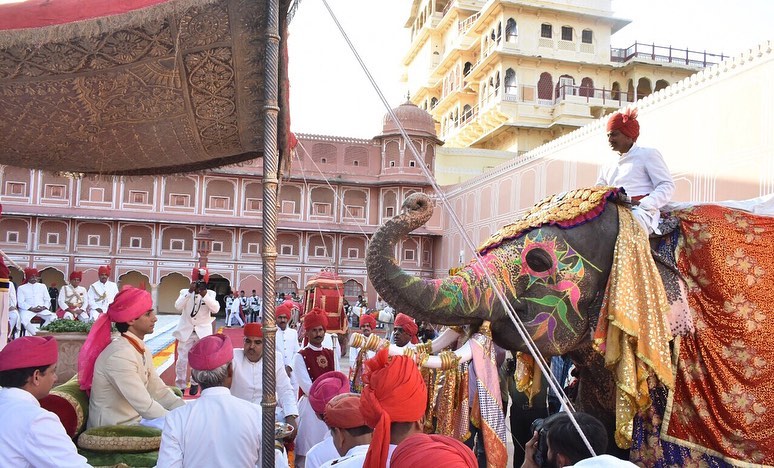
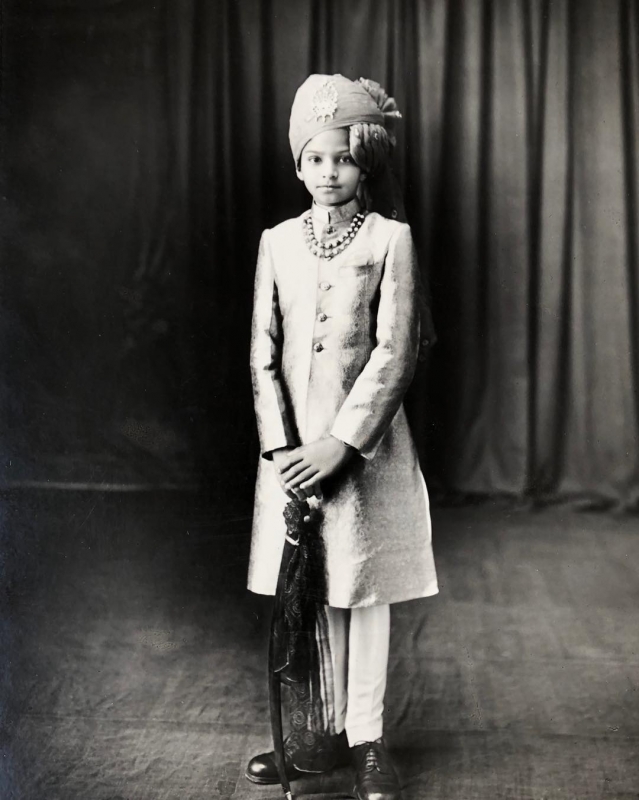
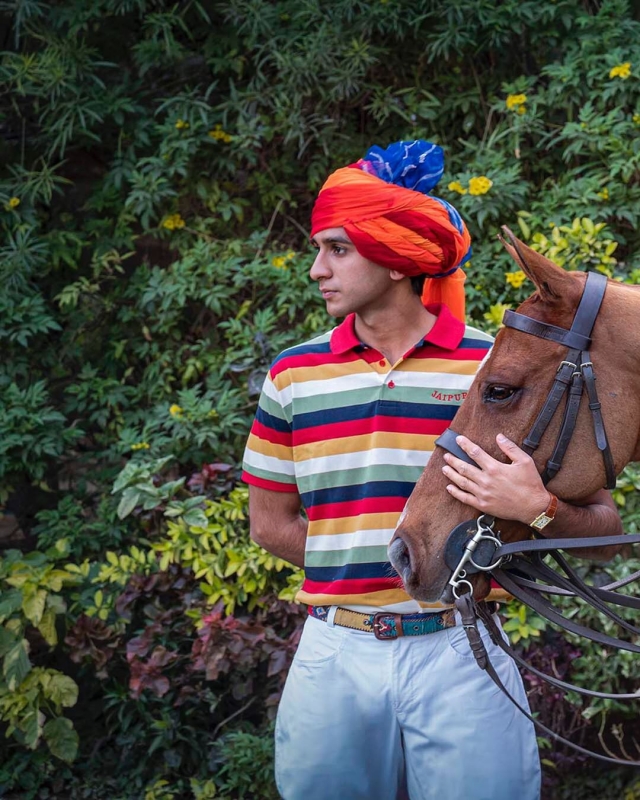
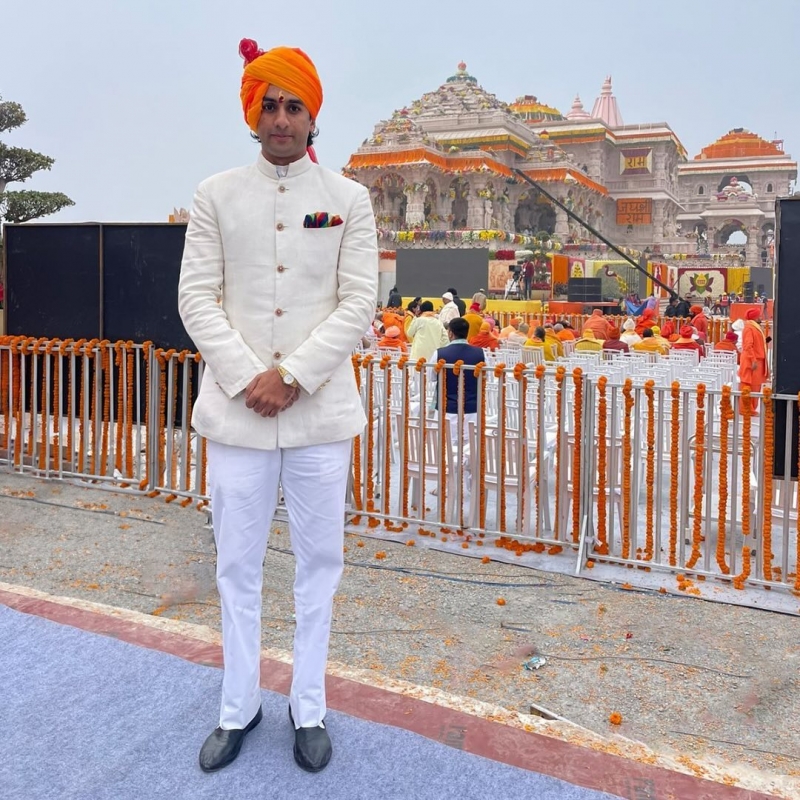
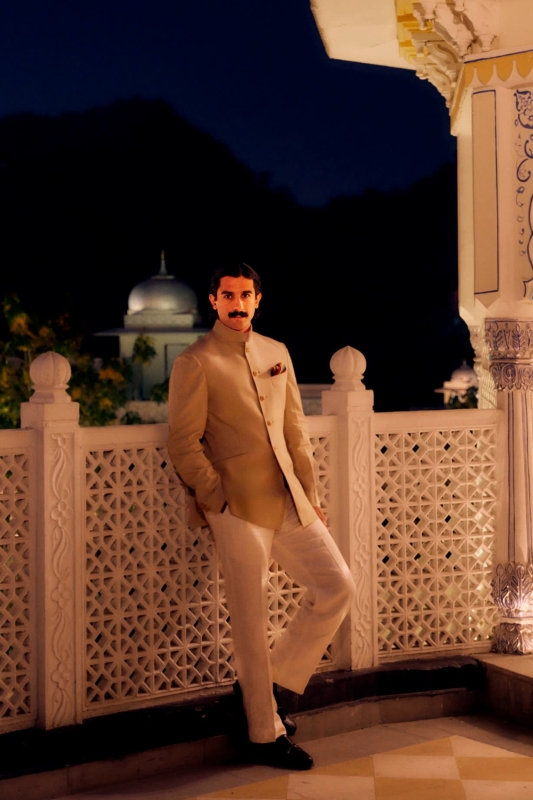
- HH Saramad-i-Rajahai Hindustan Raj Rajendra Shri Maharajadhiraj Sir Sawai PADMANABH SINGHJI Bahadur, 12th Maharaja of Jaipur (see above)
Notable Figures
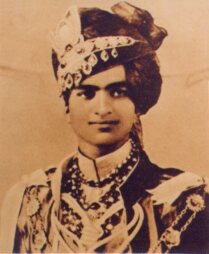
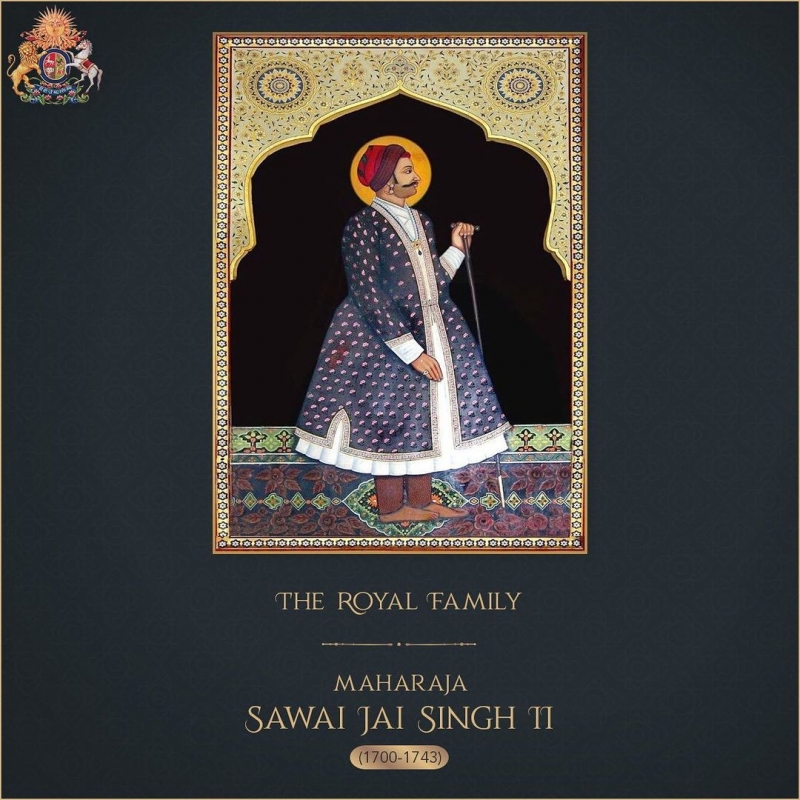
Maharaja Sawai Jai Singh II (1699–1743)
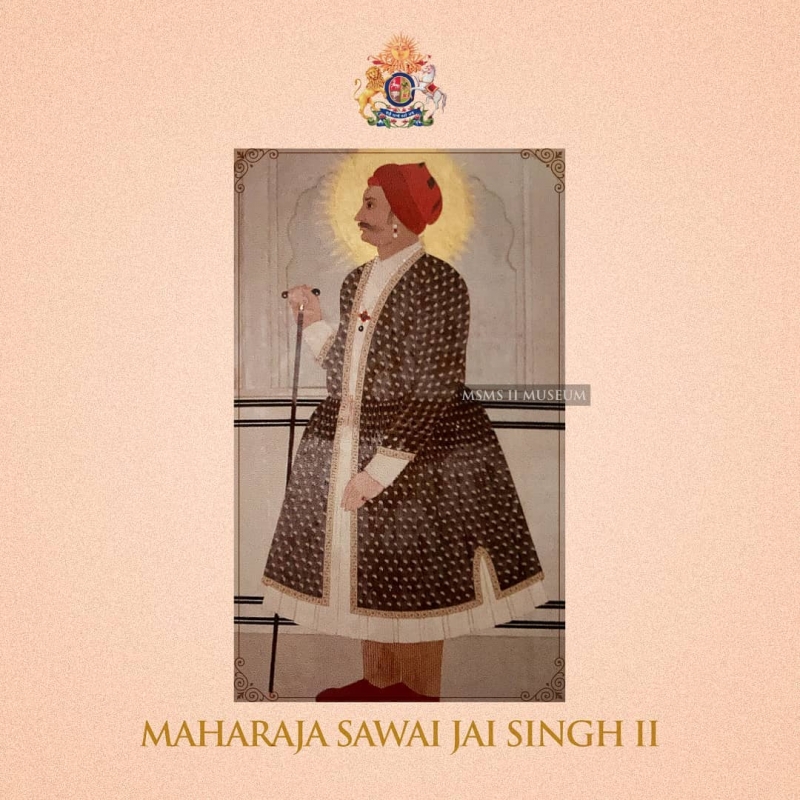
Maharaja Sawai Jai Singh II was the illustrious statesman, mathematician, and astronomer who founded the city of Jaipur in 1727. Ascending the throne of Amber at a young age, he navigated complex Mughal politics with sharp diplomacy, earning the title "Sawai" (meaning one and a quarter times superior to his contemporaries) from Emperor Aurangzeb. Jai Singh II shifted his capital from the rugged hills of Amber to the plains, commissioning the brilliant architect Vidyadhar Bhattacharya to design Jaipur based on classical Indian Vastu Shastra principles.
Beyond statecraft, his true passion lay in the sciences. He commissioned five astronomical observatories across Northern India, known as the Jantar Mantars. The largest and best-preserved of these is the Jantar Mantar in Jaipur, which houses the world's largest stone sundial and remains a UNESCO World Heritage site. His reign marked a golden era of scientific inquiry, urban planning, and cultural renaissance in Rajasthan.
Maharaja Sawai Ishwari Singh (1743–1750)
The son and successor of Jai Singh II, Maharaja Sawai Ishwari Singh faced a turbulent reign dominated by bitter succession battles. His claim to the throne was fiercely contested by his half-brother, Madho Singh I, who gained the military backing of the Mewar kingdom and Maratha commanders. Despite overwhelming odds, Ishwari Singh successfully defended Jaipur in the Battle of Rajmahal in 1747.
To commemorate this spectacular military triumph, he constructed the iconic Isarlat (also known as Sargasuli), a striking seven-story victory tower that still pierces the Jaipur skyline near Tripolia Bazaar. However, relentless financial pressures and shifting alliances from Maratha forces eventually took a heavy toll, leading to his tragic and untimely death by suicide in 1750.
Maharaja Sawai Madho Singh I (1750–1768)
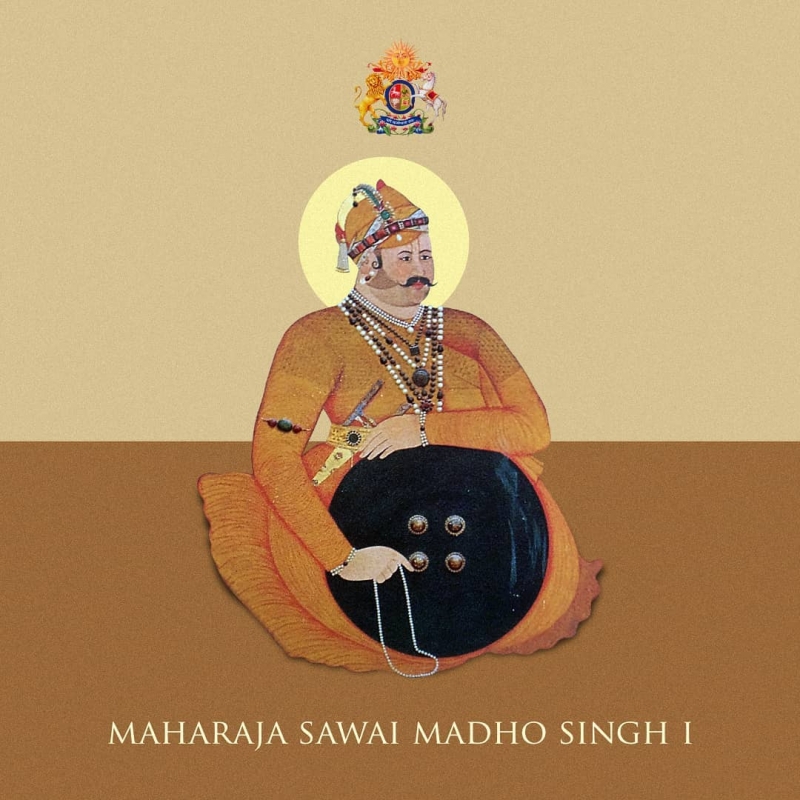
Following the death of his half-brother, Maharaja Sawai Madho Singh I ascended the throne and proved to be a resilient and powerful monarch. He successfully countered the aggressive territorial expansions of the Marathas and the Jat rulers of Bharatpur, securing Jaipur's borders through decisive military engagements such as the Battle of Kakor. He was also a keen urban planner and founded the heavily fortified city of Sawai Madhopur, located near the famous Ranthambore fort.
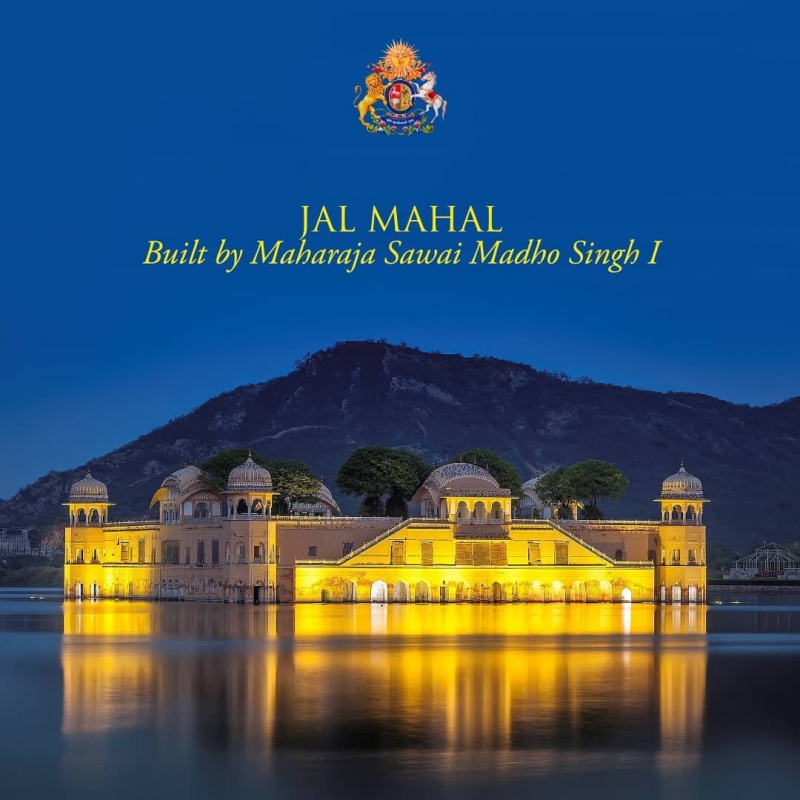
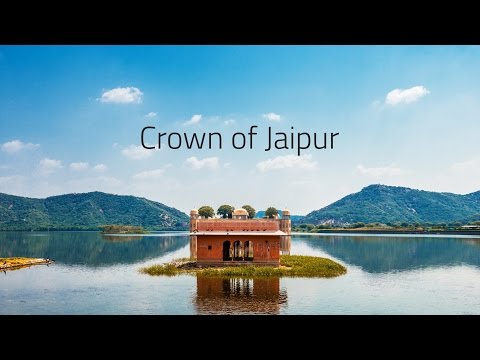
Madho Singh I was a great patron of literature, art, and architecture. He is credited with constructing the beautiful Jal Mahal (Water Palace) in the middle of Man Sagar Lake, which served as a pleasure resort for the royal family. His court attracted elite artists and scholars, solidifying Jaipur’s reputation as a flourishing center for miniature painting and classical education.
Maharaja Sawai Pratap Singh (1778–1803)
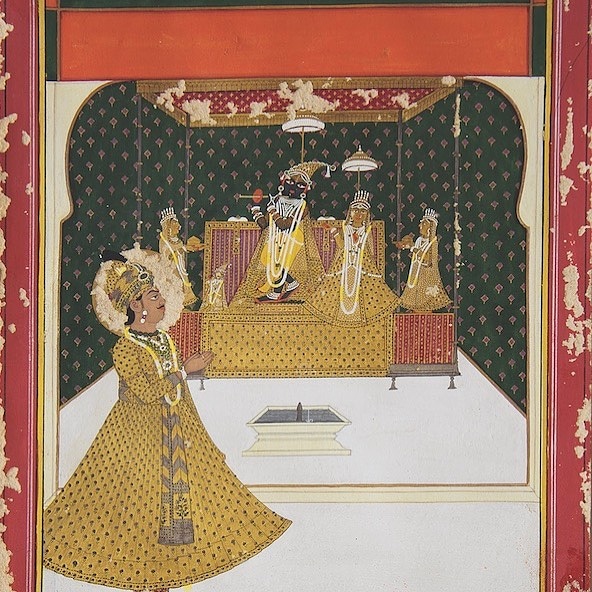
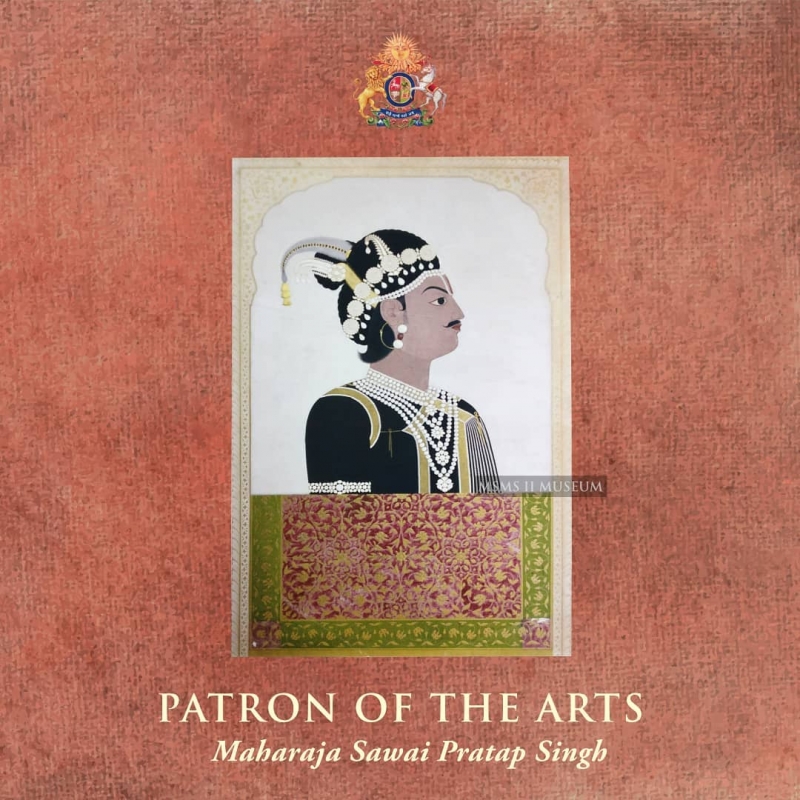
Maharaja Sawai Pratap Singh is remembered as one of Jaipur's most culturally vibrant and artistically inclined rulers. A deeply religious man and an ardent devotee of Lord Krishna, he wrote numerous devotional poems under the pen name "Brajnidhi." His reign was musically and artistically rich, famously establishing the Gunijankhana (an academy of top-tier musicians, scholars, and artists) within his court.
Pratap Singh left an indelible mark on global architecture by commissioning the world-famous Hawa Mahal (Palace of Winds) in 1799. Designed by Lal Chand Ustad, this stunning five-story, pink sandstone structure features 953 small casements (jharokhas) designed to allow royal women to witness street festivals without being seen. On the battlefield, he also showed great valor by defeating the Maratha forces at the famous Battle of Tunga.
Maharaja Sawai Ram Singh II (1835–1880)
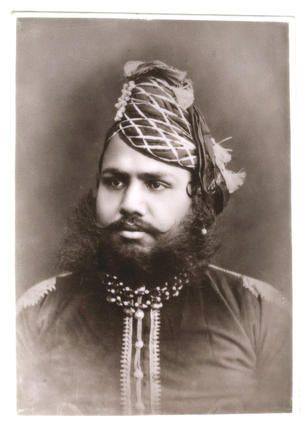
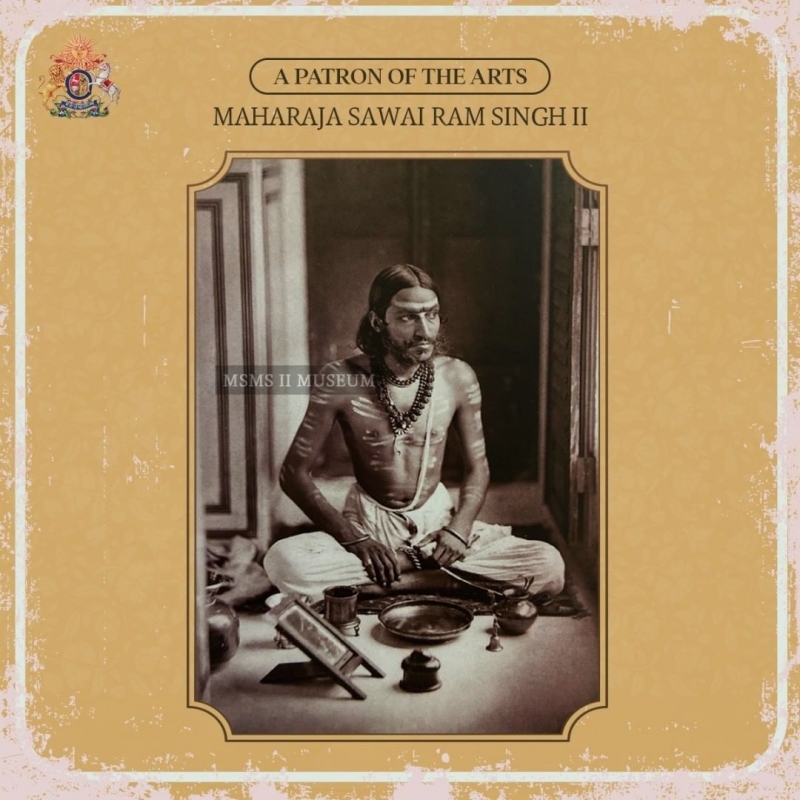
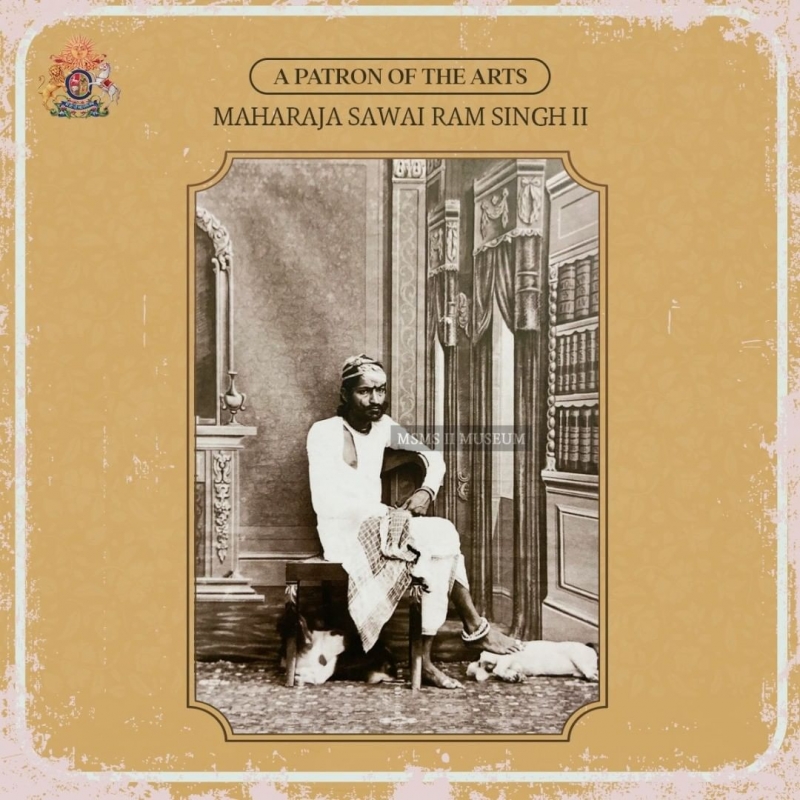
Widely regarded as the father of modern Jaipur, Maharaja Sawai Ram Singh II was a visionary reformist who transformed his kingdom into a progressive model state. Assuming full ruling powers in 1851, he completely overhauled the city's infrastructure by introducing modern roads, gas lighting, piped water systems, and a public railway connect. He fiercely championed social reforms, banning practices like infanticide and slavery, while heavily investing in healthcare and higher education.
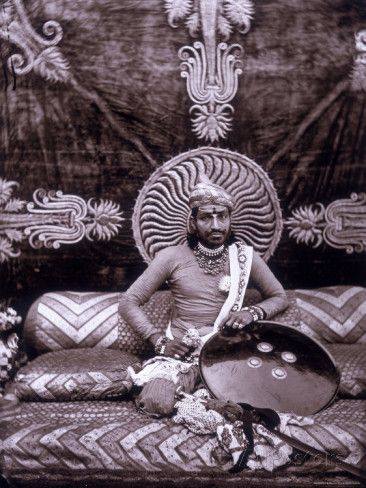
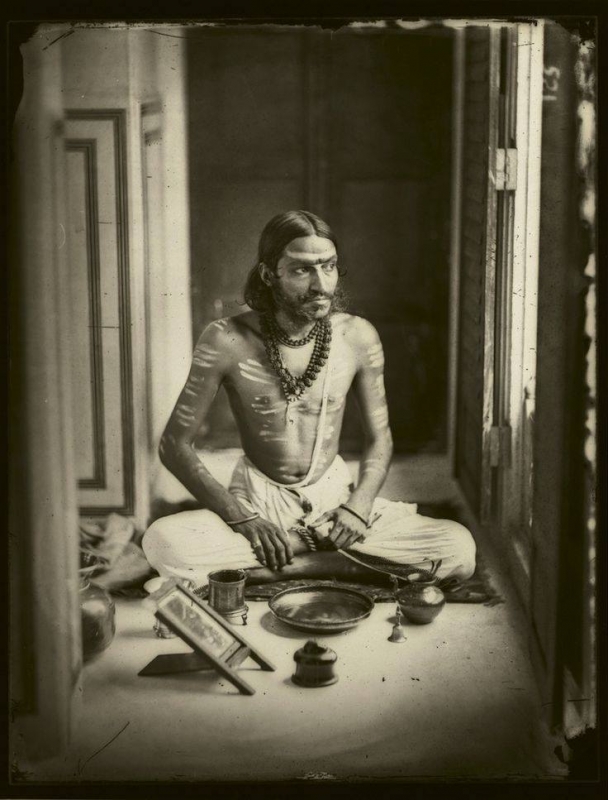
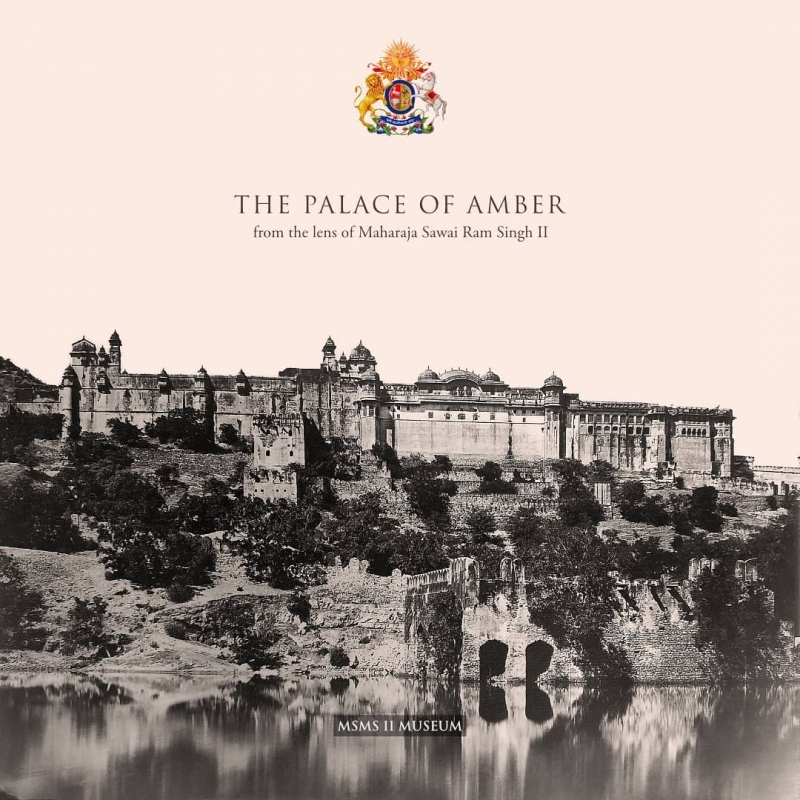
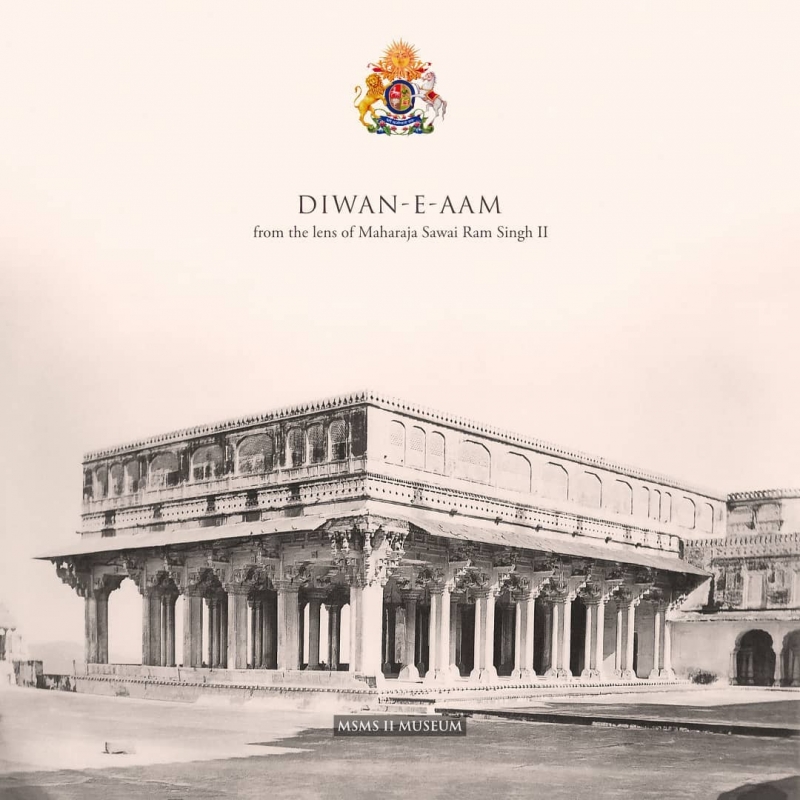
Ram Singh II was also a passionate pioneer of photography, capturing thousands of glass-plate negatives documenting 19th-century courtly life. In 1876, to welcome the visiting Prince of Wales (later King Edward VII), he ordered the entire city to be painted a warm terracotta pink—the traditional color of hospitality. This grand gesture gave Jaipur its enduring, globally recognized identity as the "Pink City."
Maharaja Sawai Madho Singh II (1880–1922)
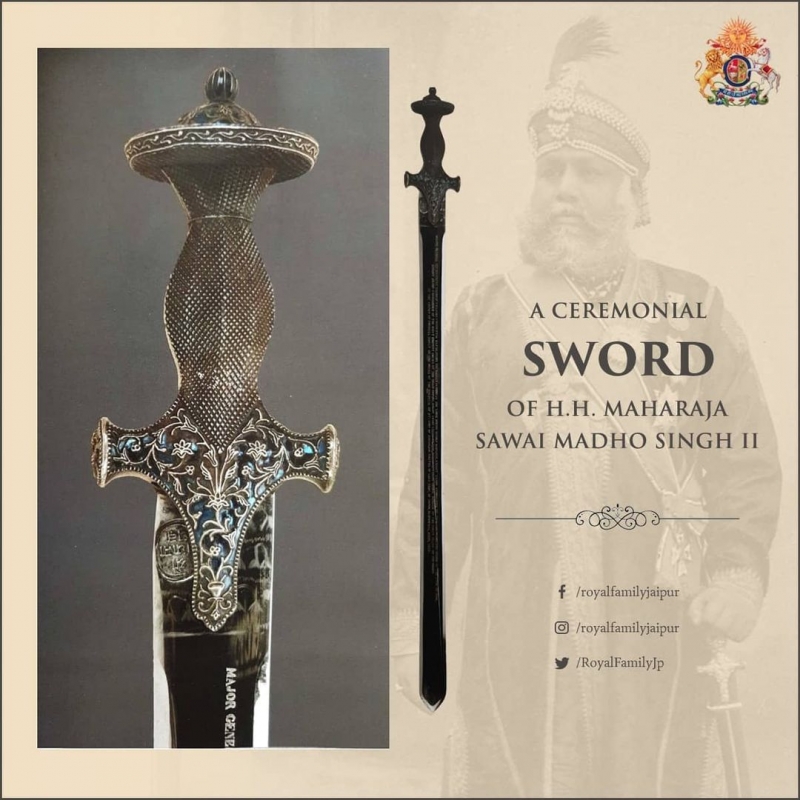
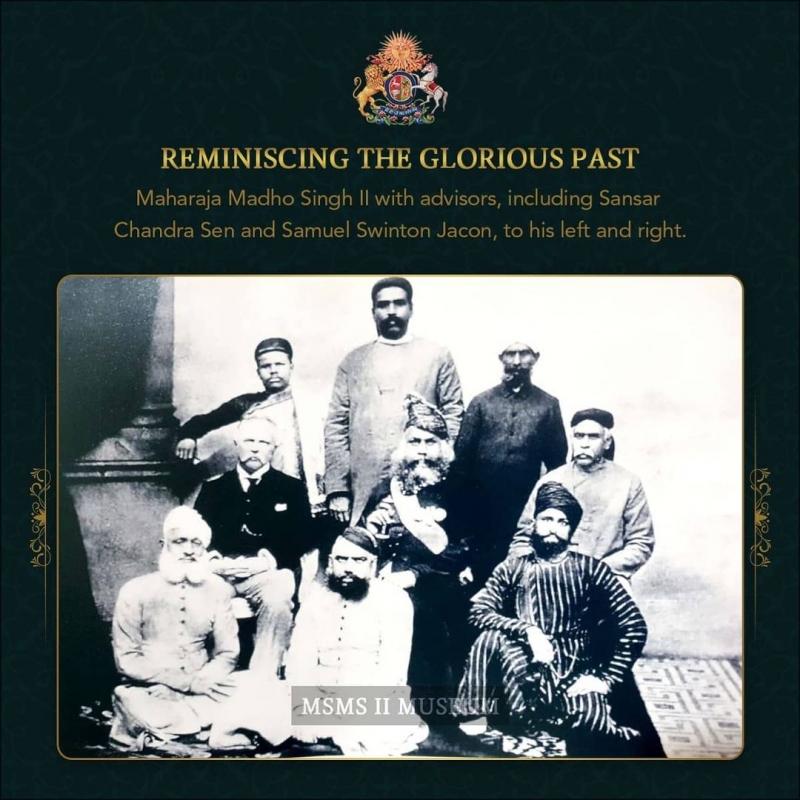
Adopted into the royal line, Maharaja Sawai Madho Singh II was a traditional yet highly capable ruler who focused his efforts on philanthropy, industrial growth, and civic development. He expanded the educational and medical institutions founded by his predecessor and established the Jaipur Combined Military Forces. He famously traveled to London in 1902 to attend the coronation of King Edward VII, bringing two massive, custom-made sterling silver vessels filled with holy Ganges water to avoid drinking foreign water—vessels that still hold a Guinness World Record.
His architectural legacy is anchored by the construction of the magnificent Mubarak Mahal (Auspicious Palace) within the City Palace complex, which beautifully blends Islamic, Rajput, and European structural styles. He also contributed heavily to famine relief funds and supported the establishment of the Banaras Hindu University, proving himself a deeply generous benefactor.
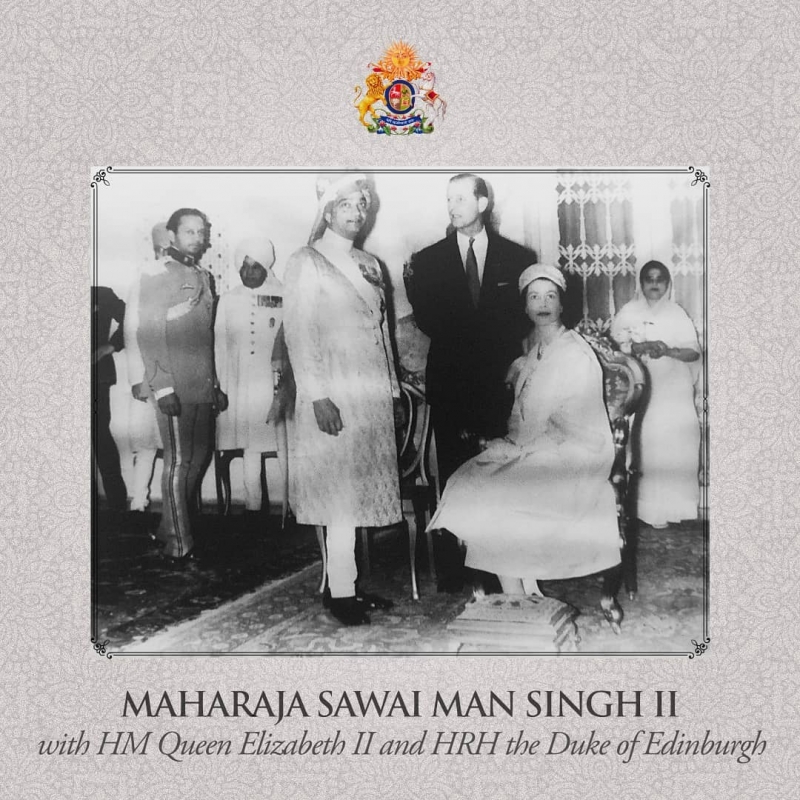
Maharaja Sawai Man Singh II (1922–1949)
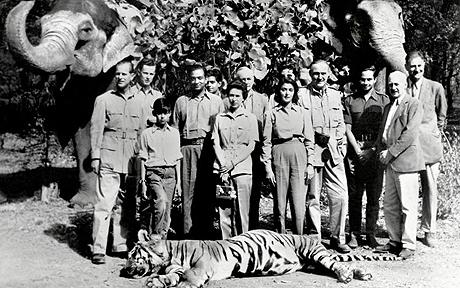
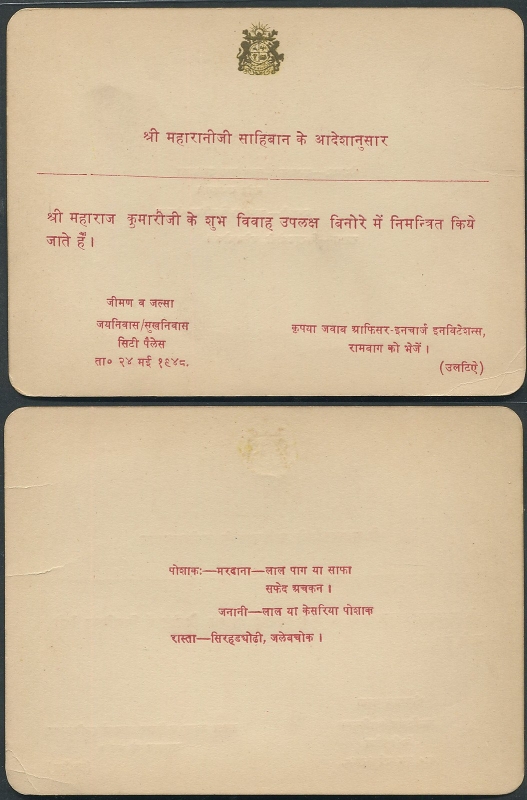
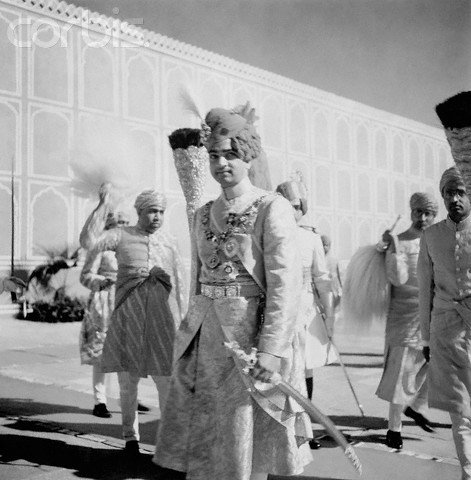
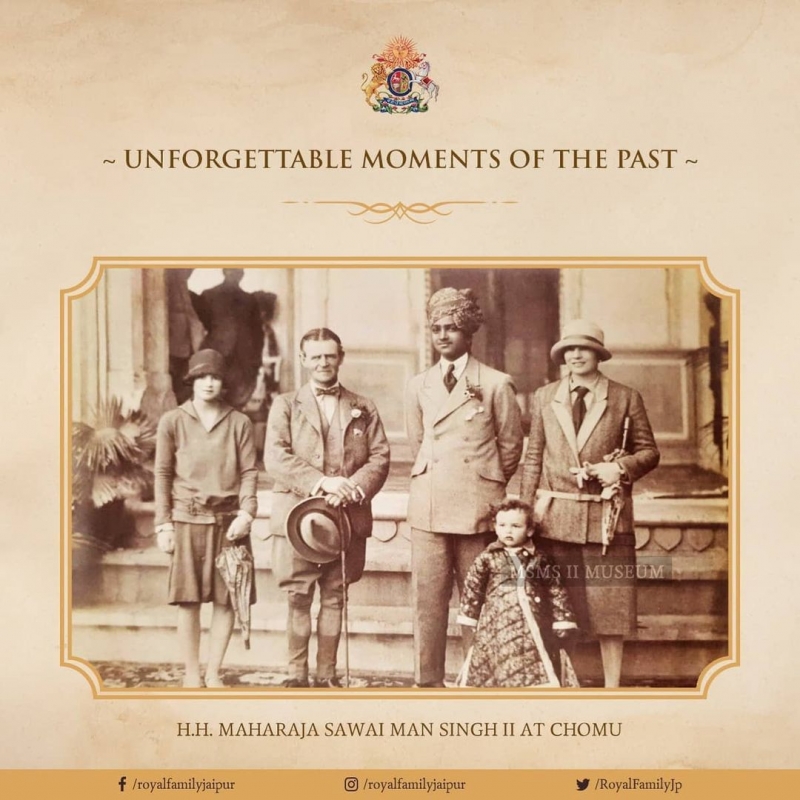
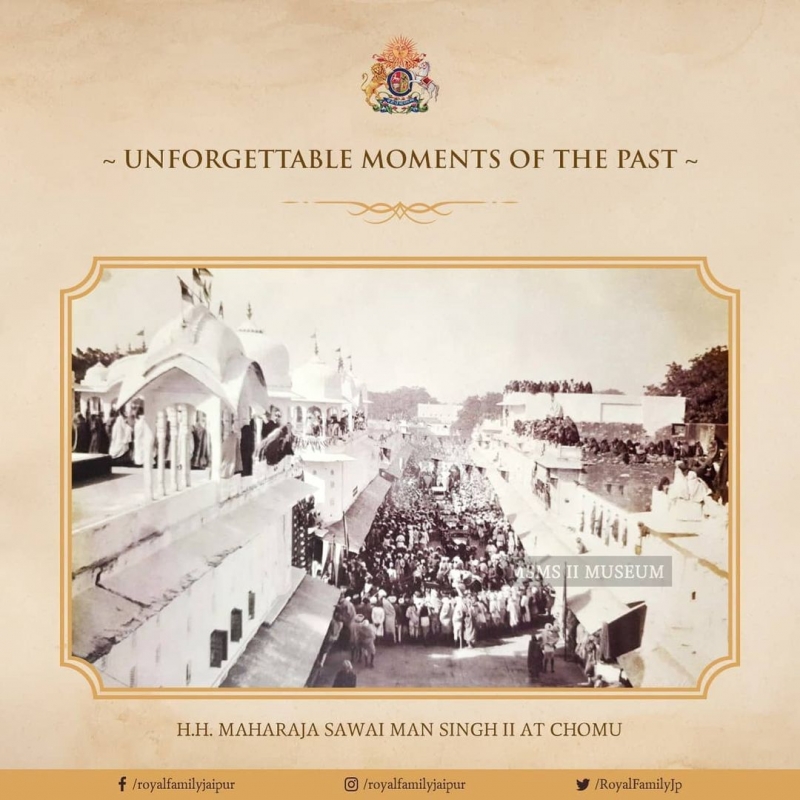
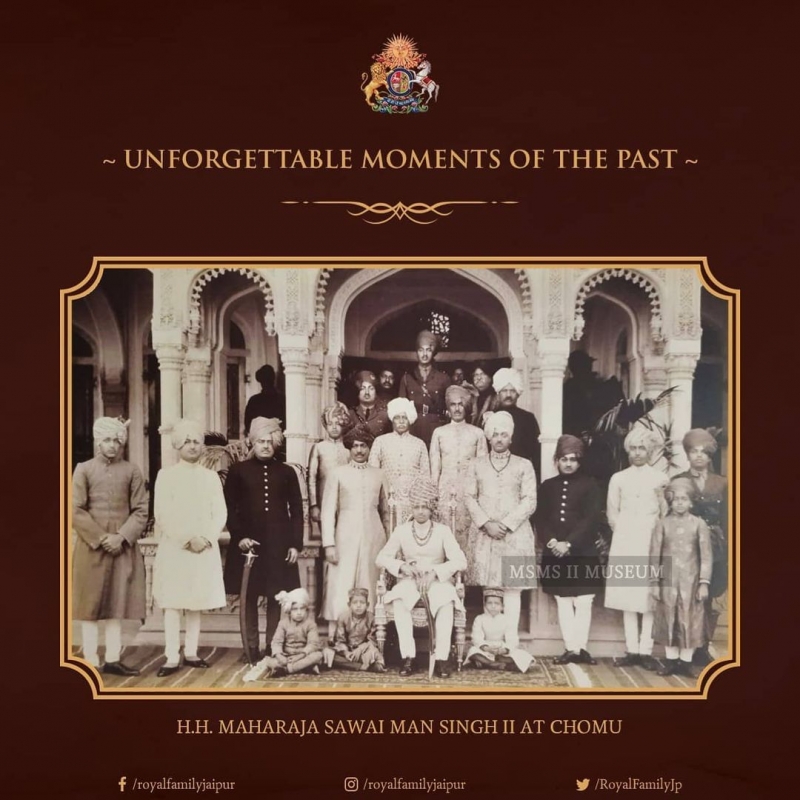
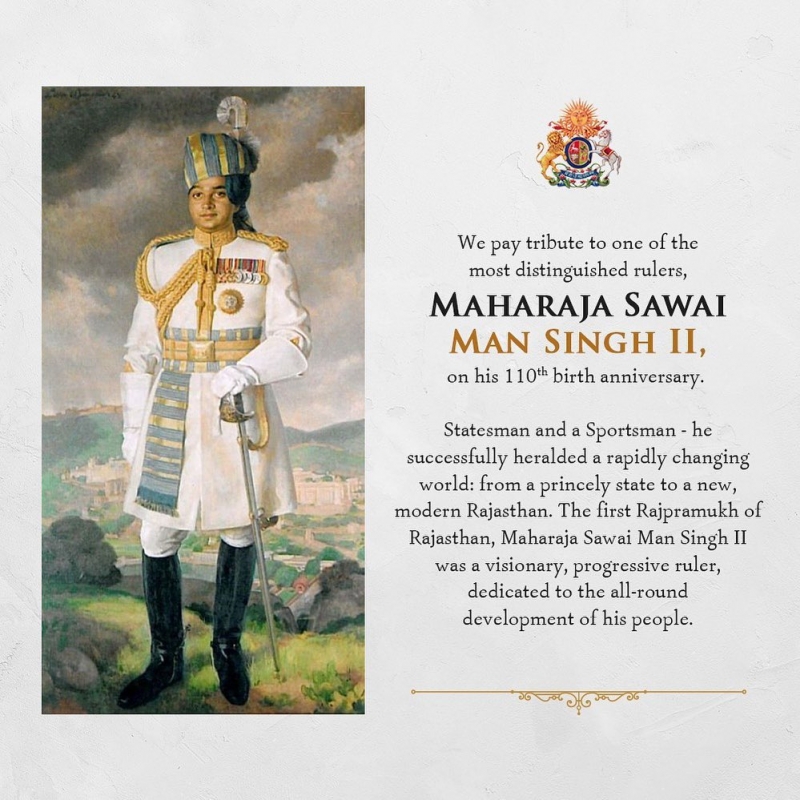
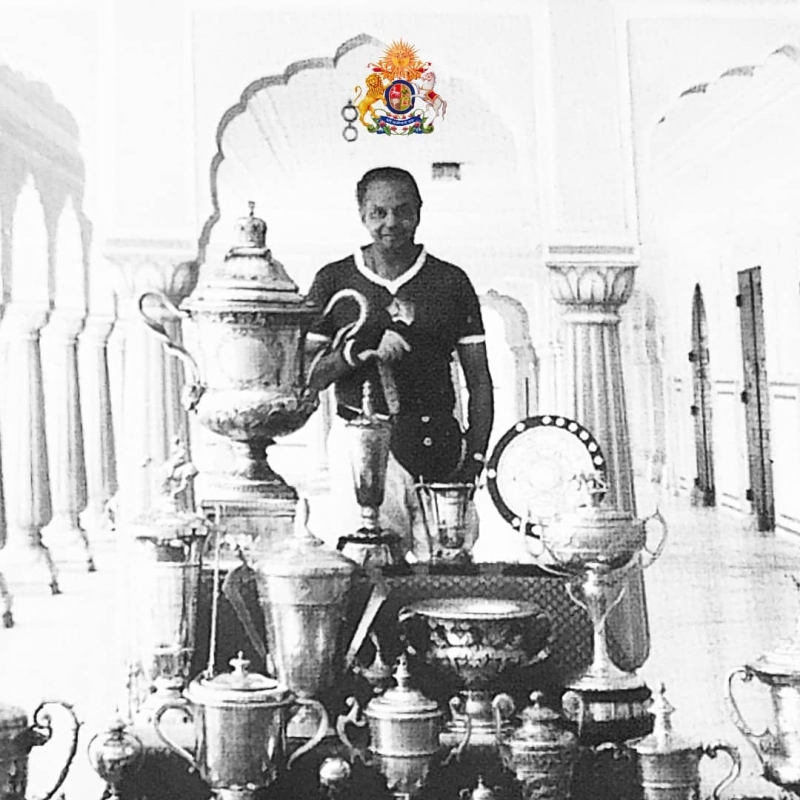
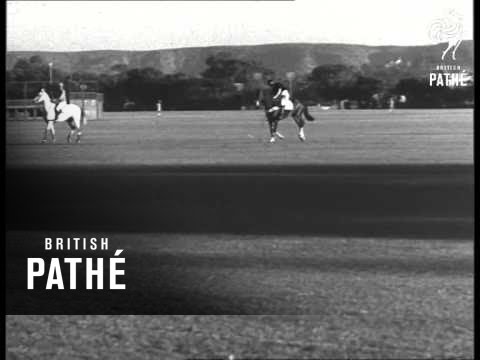
The final ruling monarch of the princely state, Maharaja Sawai Man Singh II, was a sophisticated, modern diplomat and an internationally celebrated sports icon. He led the legendary Jaipur polo team to consecutive world-class victories across Europe, winning the World Championship in 1933. Alongside his glamorous lifestyle and marriage to the iconic Maharani Gayatri Devi, he was a highly progressive administrator who modernized Jaipur's schools, hospitals, and judicial systems.
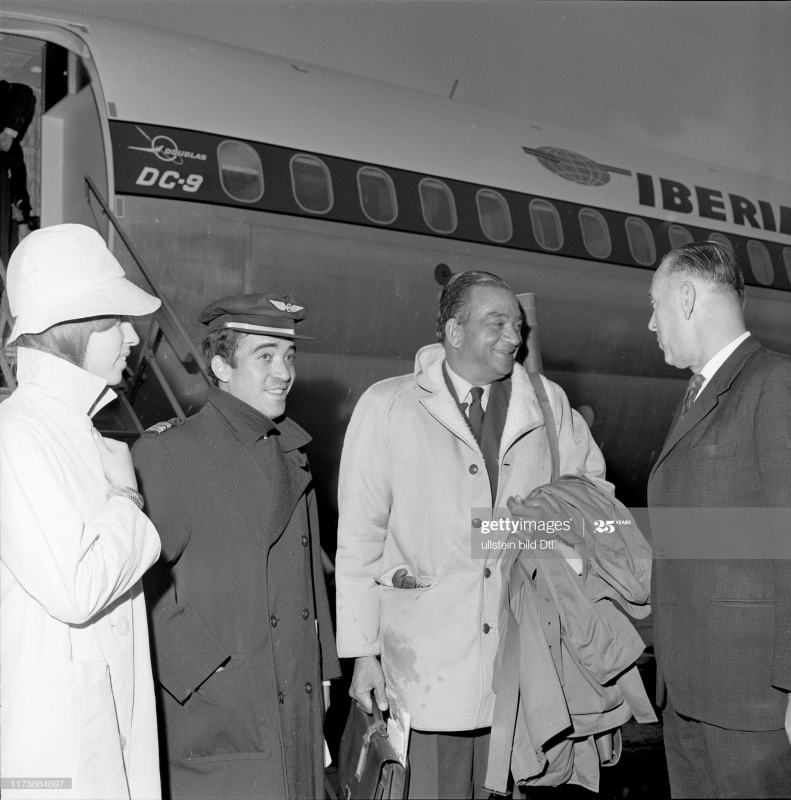
As the British colonial era drew to a close, Man Singh II showed exceptional statesmanship by gracefully signing the Instrument of Accession, integrating the historic kingdom of Jaipur into the newly independent Union of India in 1949. Following this political transition, he served with distinction as the first Rajpramukh (Governor) of the newly unified state of Rajasthan, and later as India's Ambassador to Spain.
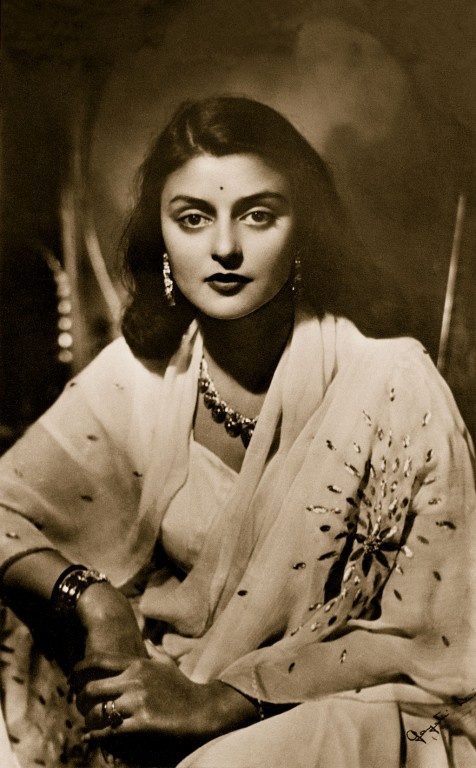
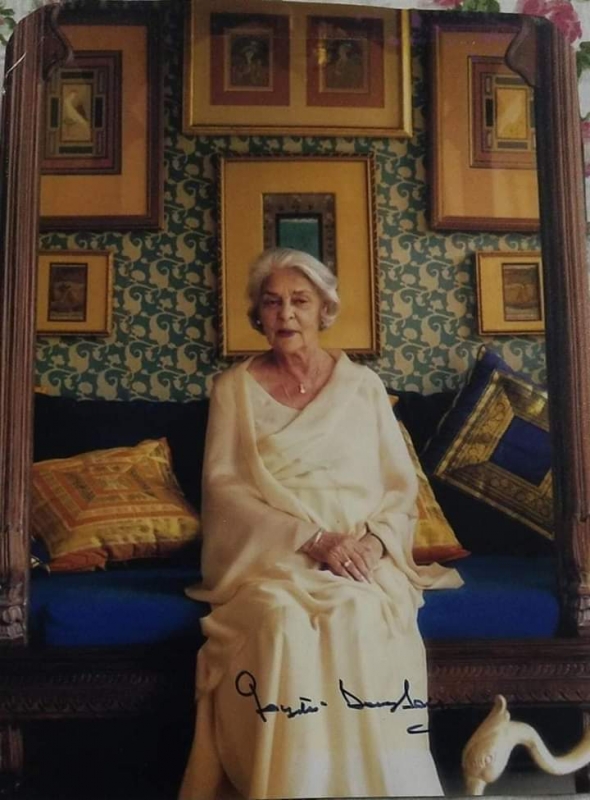
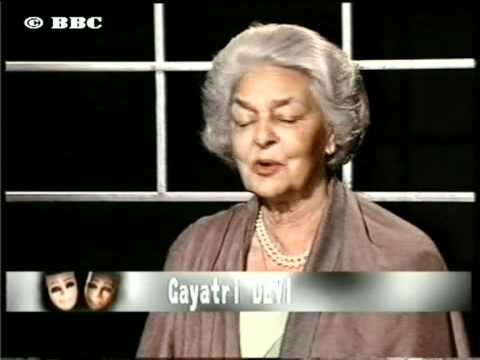
Maharani Gayatri Devi (1919–2009)
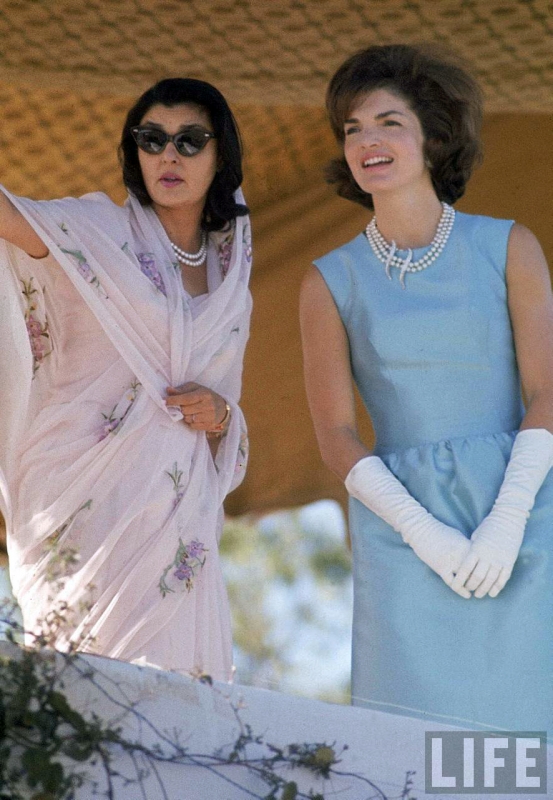
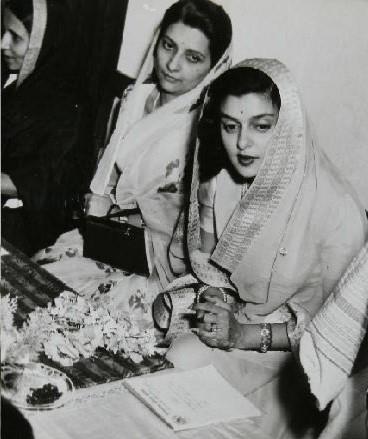
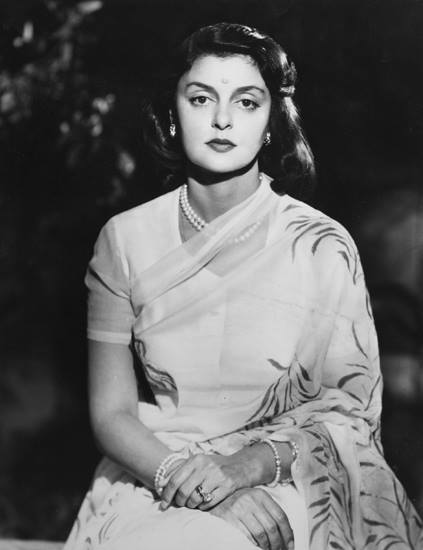
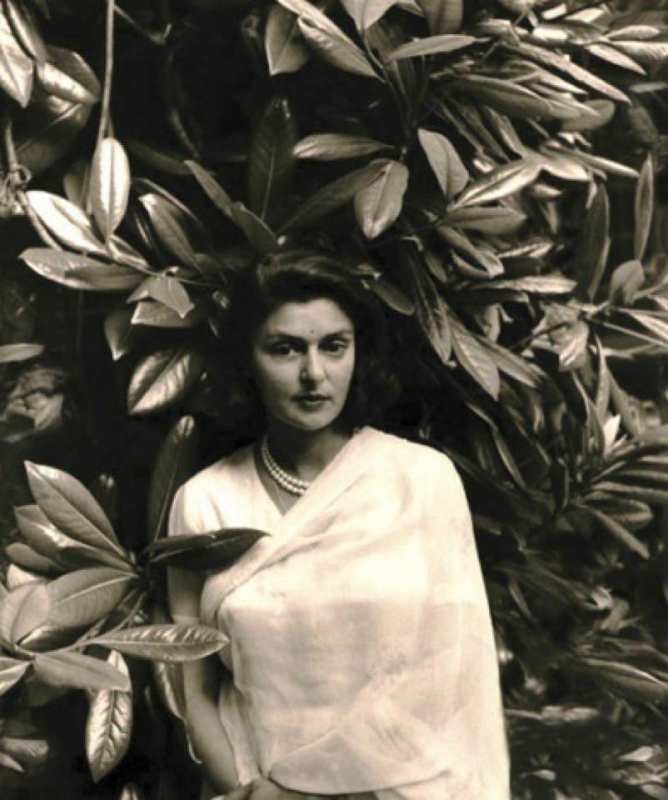
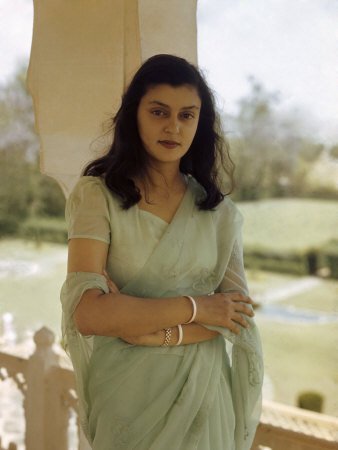
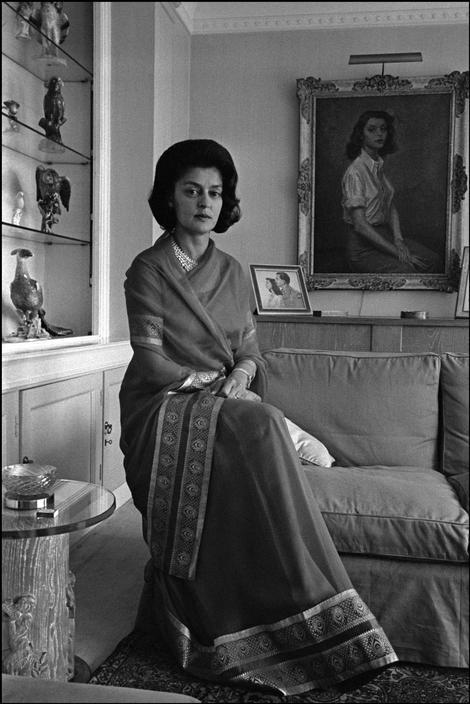
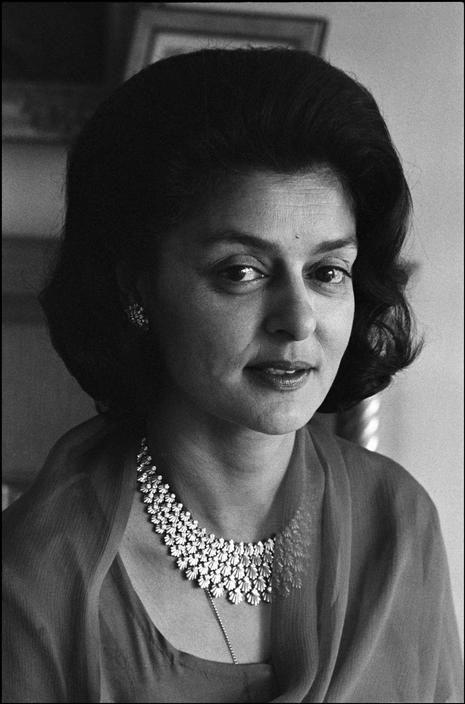
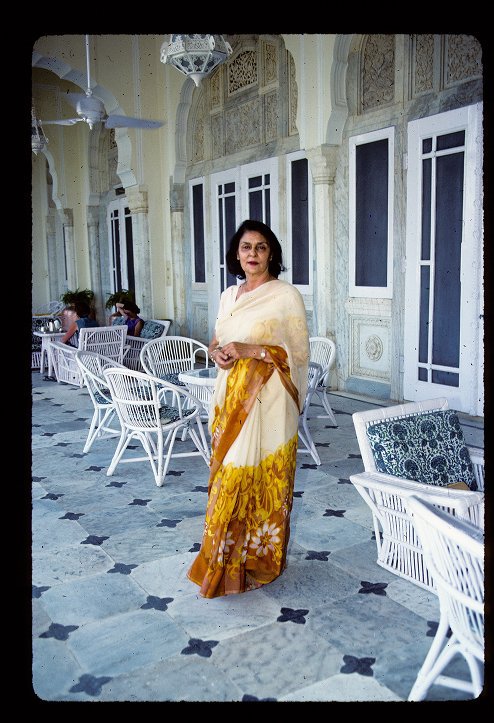
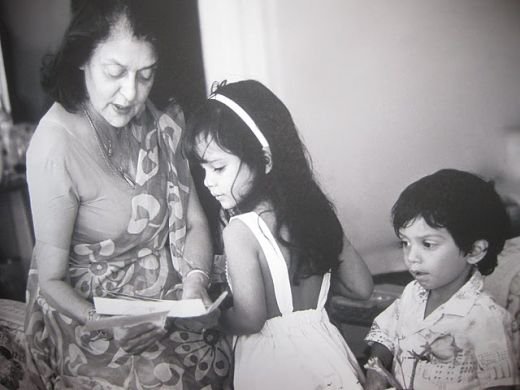
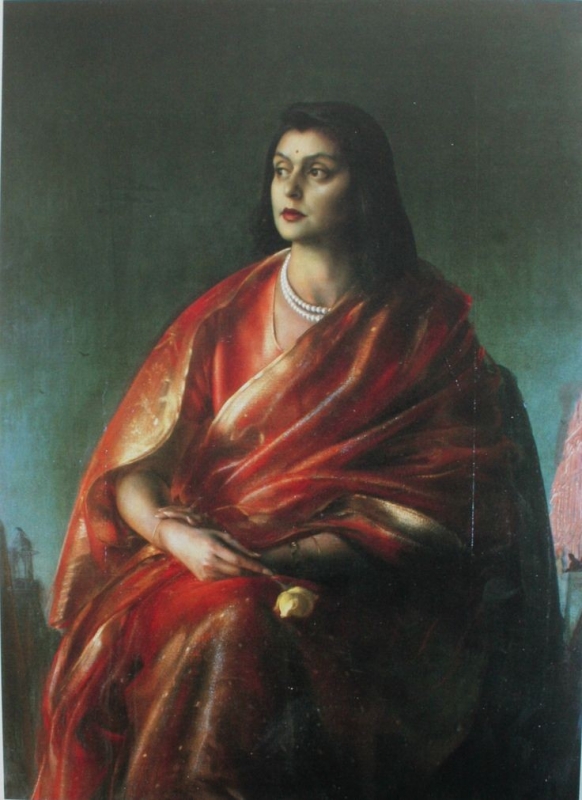
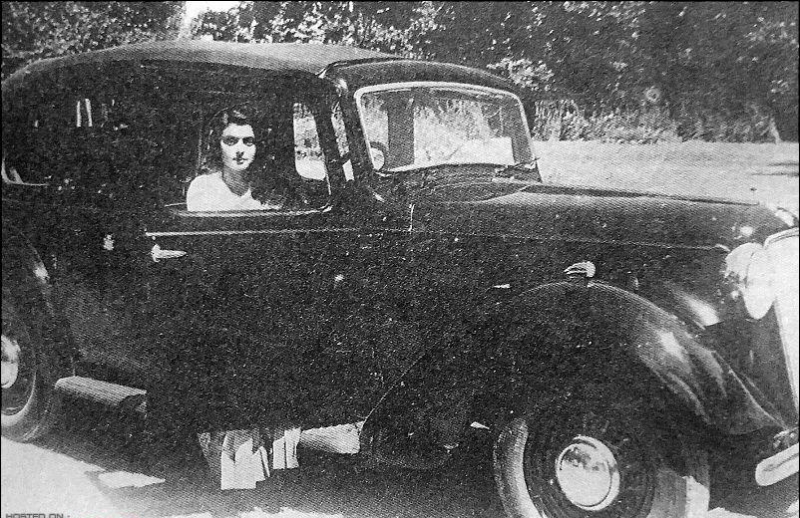
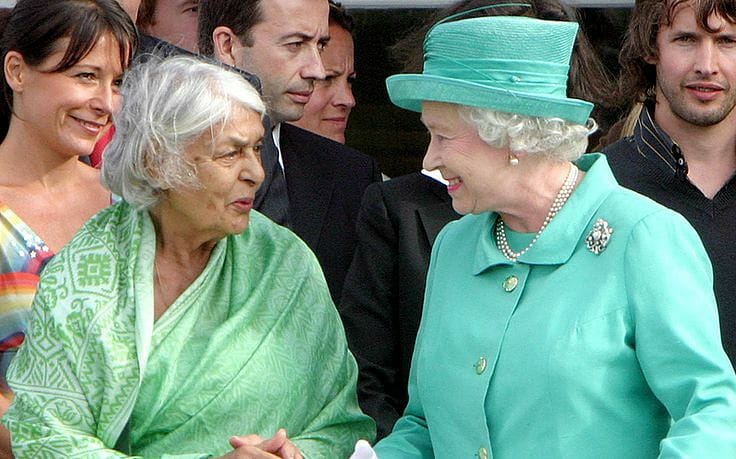
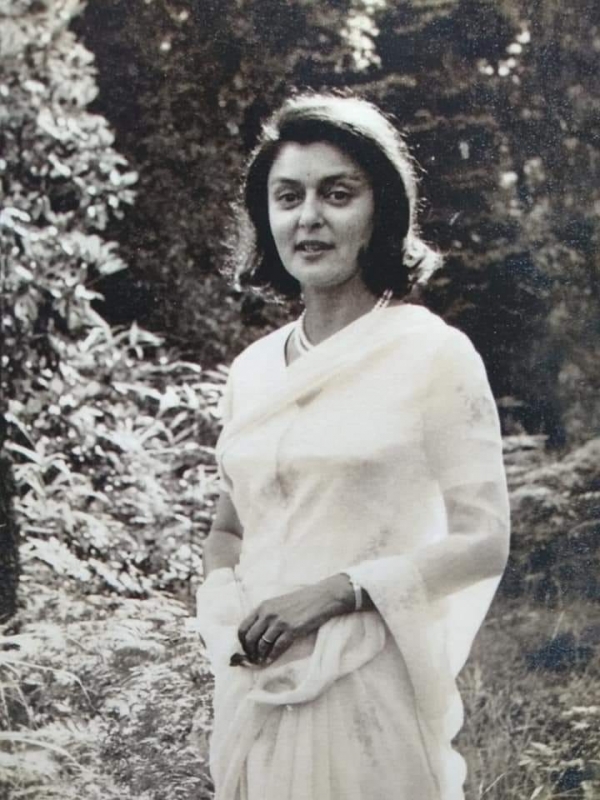
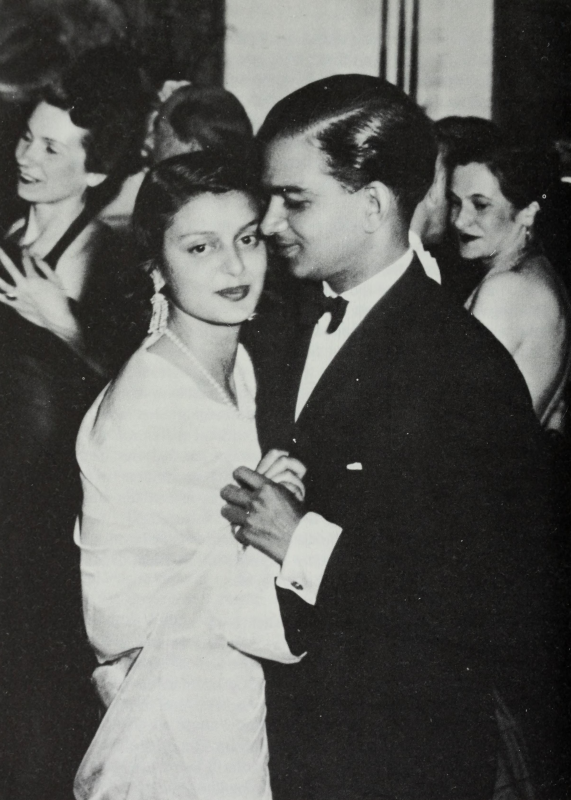
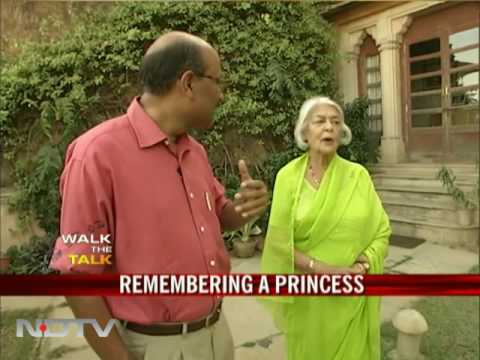
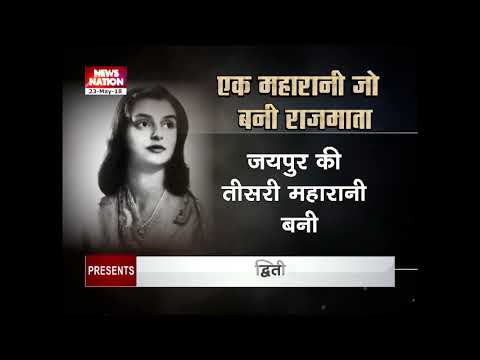
Maharani Gayatri Devi, born Princess of Cooch Behar, became the third consort of Maharaja Sawai Man Singh II in 1940 and grew to be one of modern India's most celebrated, progressive cultural icons. Renowned globally for her ethereal beauty, fashion elegance, and poise, she was named one of the "Ten Most Beautiful Women in the World" by Vogue magazine. However, her enduring legacy lies in her pioneering work for women's empowerment; she shattered traditional purdah customs and founded the prestigious Maharani Gayatri Devi Girls' Public School in 1943, introducing modern education to the girls of Rajasthan.
Following India's independence, she successfully transitioned from royal life to democratic politics. Entering public service in 1962, she ran for parliament representing the Swatantra Party and achieved a historic, landslide victory that entered the Guinness Book of World Records for winning the largest majority ever recorded in a democratic election. A formidable political figure and a passionate author of the celebrated autobiography A Princess Remembers, she remained deeply revered by the public as the beloved "Rajmata" (Queen Mother) of Jaipur until her passing in 2009.
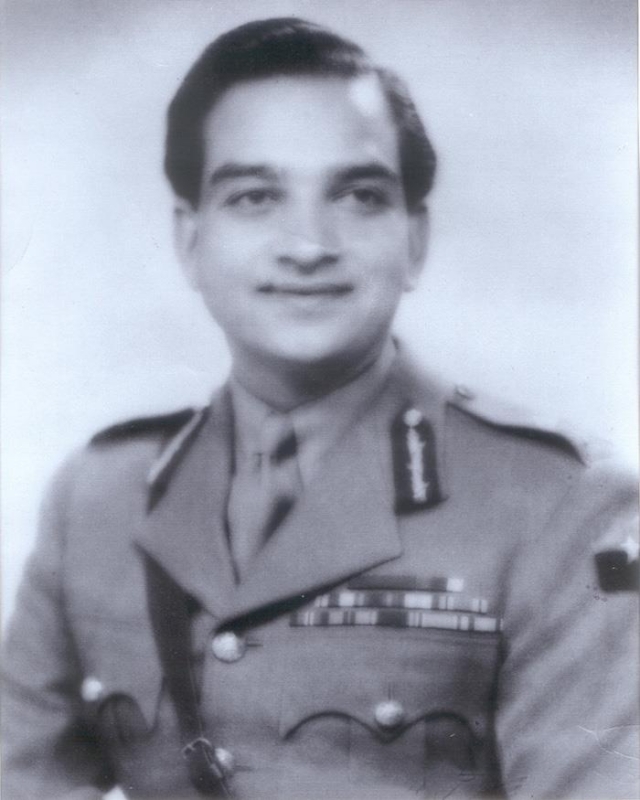
Brigadier Maharaja Sawai Bhawani Singh (1970–1971 / Titular until 2011)
Brigadier Maharaja Sawai Bhawani Singh, the eldest son of Sawai Man Singh II, was the last officially recognized ruling monarch of Jaipur before the 26th Amendment to the Constitution of India abolished princely titles and privy purses in late 1971. Affectionately called "Bubbles" from birth because of the sheer volume of champagne popped to celebrate the first direct male heir born to a ruling Maharaja of Jaipur in three generations, he achieved his greatest distinction as a brilliant career officer in the Indian Army, exemplifying a rare blend of royal lineage and soldierly discipline.
As the Commanding Officer of the elite 10 Para Commando unit during the Indo-Pakistani War of 1971, he led a legendary, daring nighttime raid 80 kilometers deep into enemy territory to capture the strategic Pakistani outpost of Chachro in Sindh. For his extraordinary combat leadership and valor under fire, he was awarded the Maha Vir Chakra (MVC), India's second-highest gallantry honor. In his post-military life, he preserved Jaipur's vast cultural inheritance through the Sawai Man Singh II Museum Trust, served as a global ambassador for the sport of polo, and briefly served the nation as India's High Commissioner to Brunei.