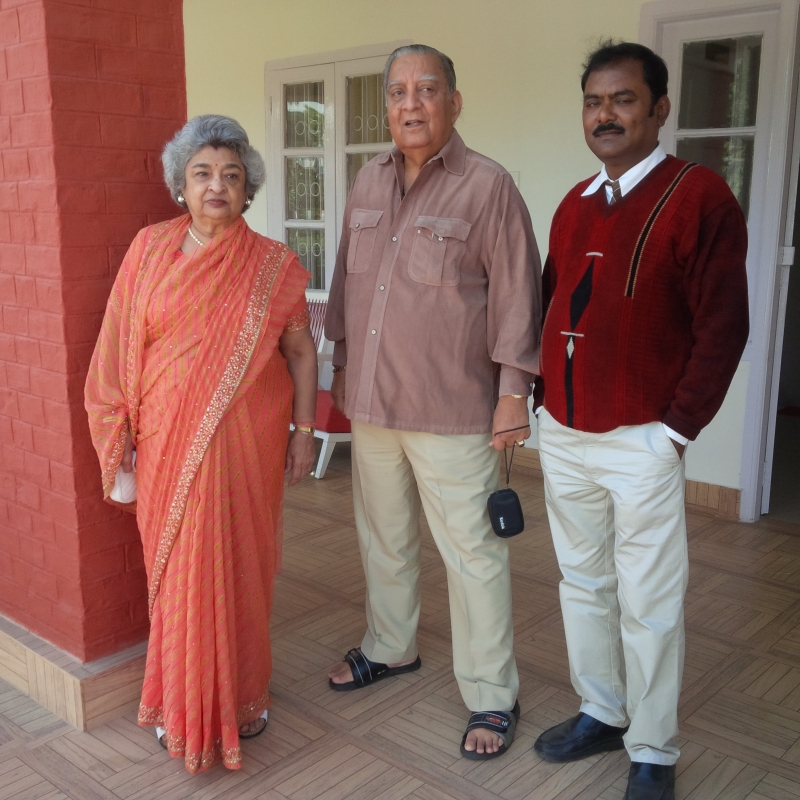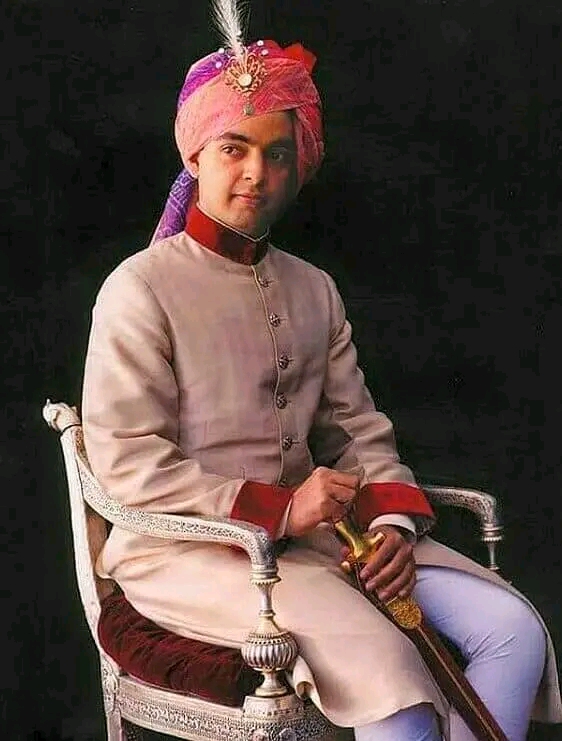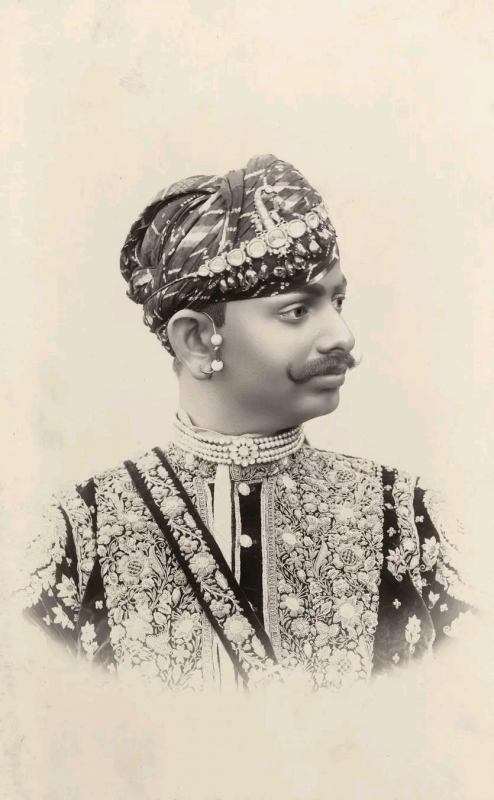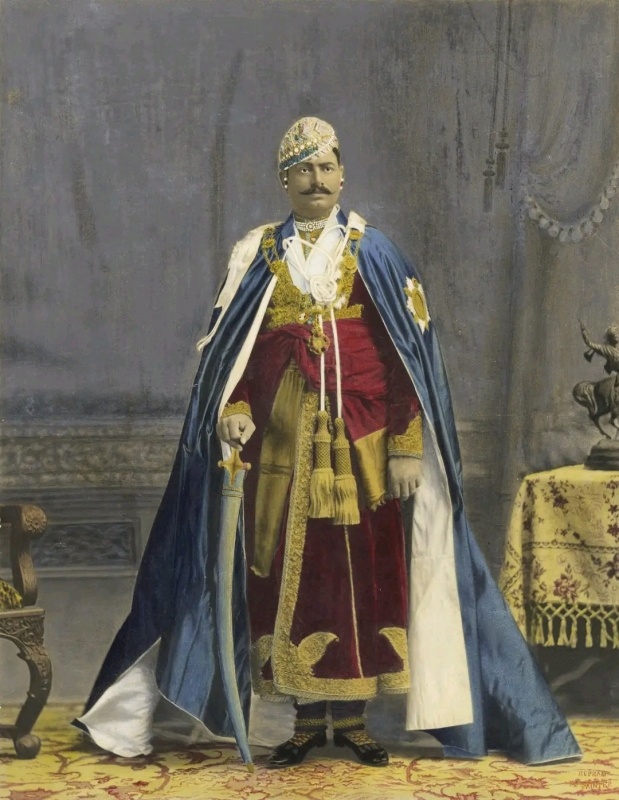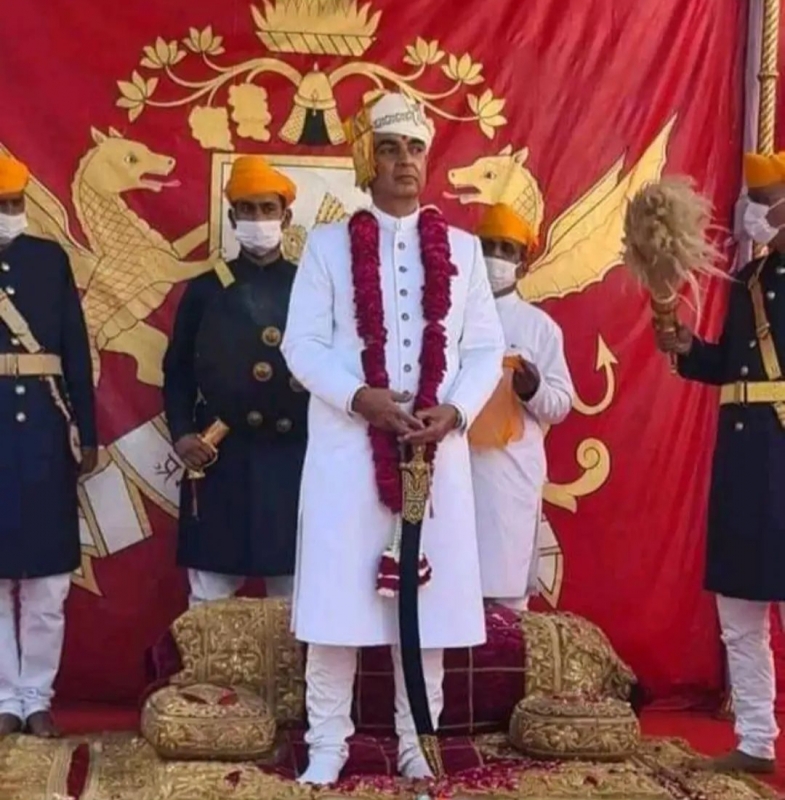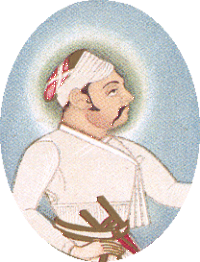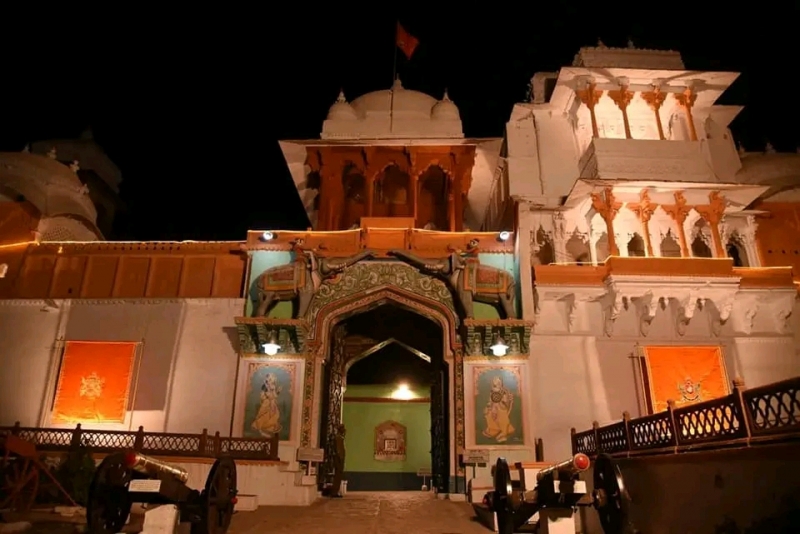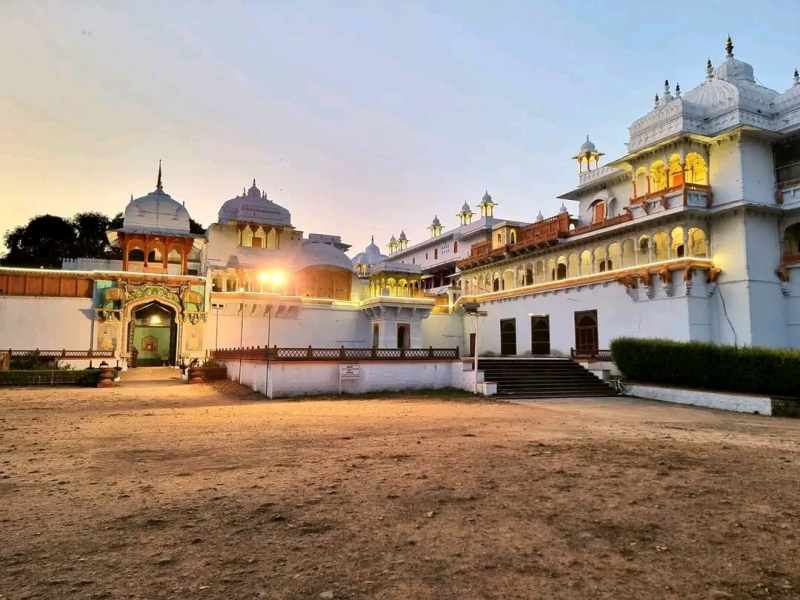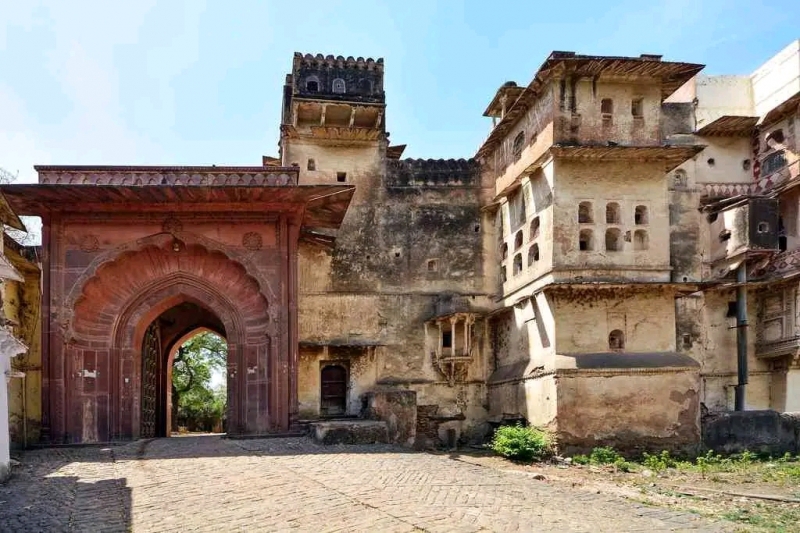
Present Head
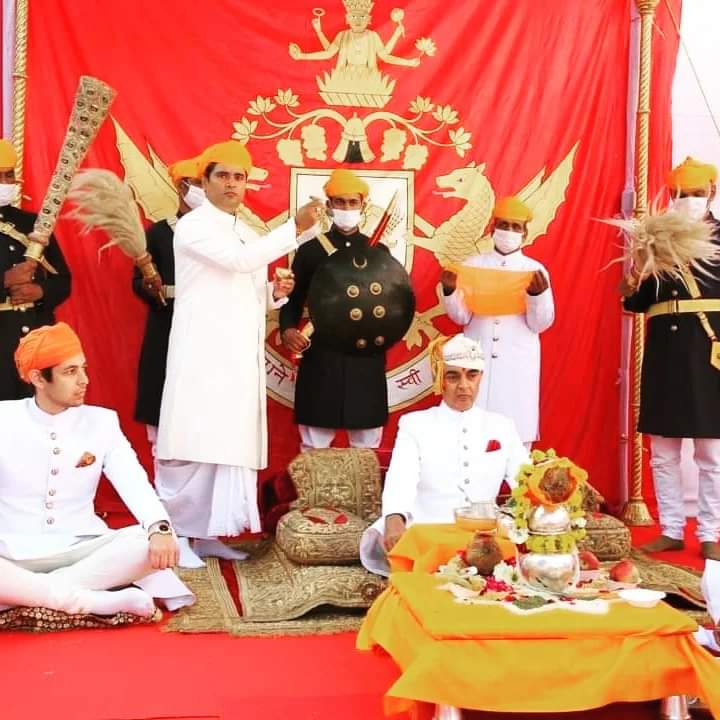
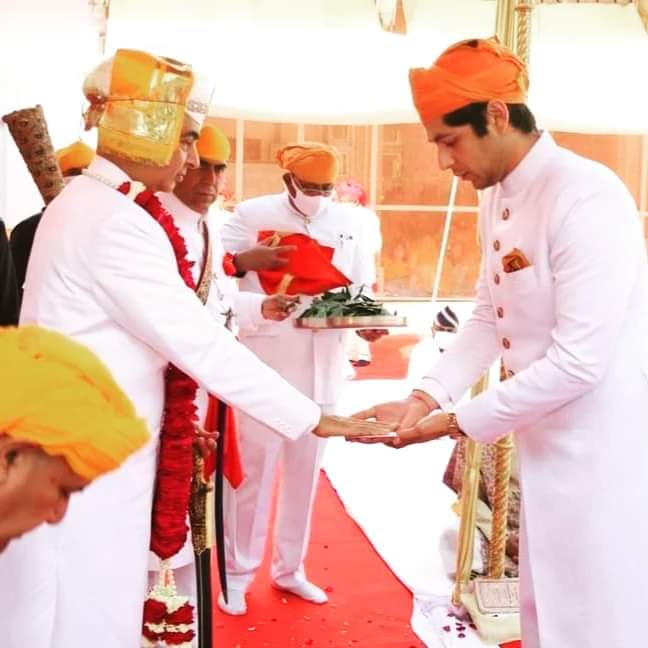
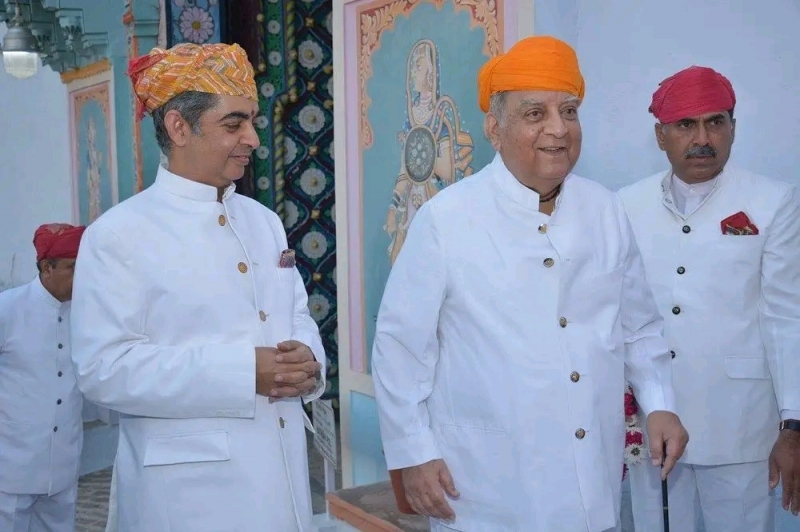
- Maharajkumar Shri Jaidev Singh, born .
History
Foundation and Separation from Bundi
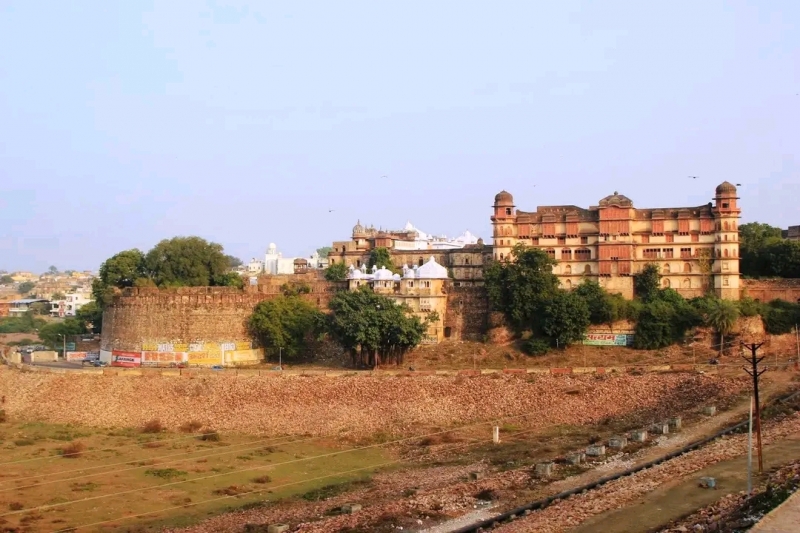
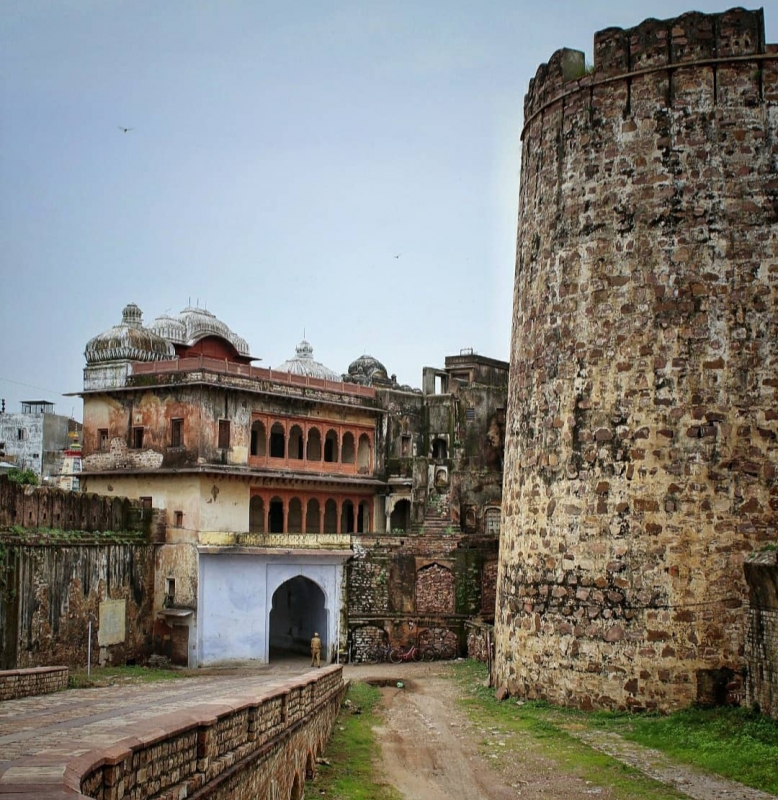
The territory of Kotah, located along the eastern banks of the mighty Chambal River in the fertile Hadoti region, was originally an integral part of the Hada Chauhan kingdom of Bundi. In 1264 CE, Kunwar Jait Singh, the younger son of Rao Samar Singh of Bundi, expanded the Hada frontiers by defeating the local Bhil chieftain, Kotya Bhil. Fascinated by the warrior's bravery, Jait Singh named the conquered township Kota in his honor and raised the state's first mud-walled fortress over the site. For centuries, Kotah served as the primary jagir (land grant) reserved for the younger princes of the Bundi royal family.
The path to independence opened during the reign of Mughal Emperor Jahangir. When Prince Khurram (the future Emperor Shah Jahan) staged a rebellion against his imperial father, he was kept under watch by the Bundi royal family at Burhanpur. Kunwar Madho Singh Hada, the second son of Maharao Raja Ratan Singh of Bundi, oversaw the prince's confinement but chose to treat him with profound kindness, dignity, and chivalry. Following Jahangir's death, a grateful Shah Jahan ascended the Mughal throne and rewarded Madho Singh's past nobility. In 1631 CE, the Emperor formally partitioned the territory from Bundi, establishing Kotah as an independent princely state and installing Madho Singh as its first official ruler with the title of Raja.
The Era of Supreme Martial Sacrifice
The Hada Chauhans of Kotah quickly earned an legendary reputation in the Mughal court for their uncompromising martial code and absolute loyalty to their feudal vows. This fierce devotion culminated tragically and gloriously in 1658 CE during the Mughal War of Succession at the Battle of Dharmat (near Ujjain).
When the sons of Shah Jahan fought for the throne, Rao Mukund Singh Hada of Kotah stood resolutely by the legitimate crown heir, Dara Shikoh, against the rebel prince Aurangzeb. In a display of unmatched Rajput valor, Rao Mukund Singh and all five of his brothers charged into the thick of the battle, fighting fiercely until every single brother fell dead on the battlefield. This unparalleled sacrifice remains one of the most revered chapters of martial honor in Rajputana history.
Cultural Zenith and the Rise of the "Machiavelli of Rajwarra"
By the 18th century, Kotah began to economically and politically eclipse its parent state of Bundi. Under Maharao Bhim Singh I, the state expanded its borders and became the first in the lineage to formally adopt the supreme title of Maharao.
The late 18th century witnessed the rise of one of the most brilliant and fascinating statesmen in Indian history: Rajrana Zalim Singh Jhala. Originally a young commander of the Kotah forces, Zalim Singh orchestrating a stunning victory over the massive Jaipur army at the Battle of Bhatwara in 1761 CE. He subsequently rose to become the Fauj Musahib (Regent and Prime Minister) and de facto ruler of Kotah.
Dubbed by British historians as the "Talleyrand of Northern India" and the "Machiavelli of Rajwarra," Zalim Singh masterfully navigated the chaotic collapse of the Mughal Empire. While neighboring kingdoms were systematically plundered by Maratha raiders and Pindari bandits, Zalim Singh used brilliant diplomacy, strategic tribute, and military deterrence to keep Kotah entirely safe. He revolutionized local agriculture, turning Kotah into the prosperous "Granary of Rajputana."
British Alliance and the Jhalawar Partition
Recognizing the shifting tides of power, Zalim Singh led Kotah to become one of the very first Rajput states to sign a treaty of subsidiary alliance with the British East India Company in 1817 CE. Shrewdly, Zalim Singh added a secret clause to the treaty ensuring that while the Hada Maharao remained the titular monarch, the actual governance of Kotah would remain with Zalim Singh’s descendants in perpetuity.
This dual-rule system inevitably caused intense domestic friction between the rightful Hada Maharaos and the Jhala Regents. To permanently resolve the explosive internal feud, the British intervened in 1838 CE with the reluctant consent of Maharao Ram Singh II. They partitioned the kingdom, severing a portion of Kotah's territory to create a brand-new princely state, Jhalawar, for Zalim Singh's grandson, leaving a slightly truncated but still vastly powerful Kotah state under Hada rule.
The Uprising of 1857 and Imperial Standing
During the Indian Rebellion of 1857, Kotah became the epicenter of the revolution in southeastern Rajasthan. Unlike many neighboring states where rulers successfully controlled their forces, the state troops of Kotah rose in an explosive mutiny against the British. The revolutionaries executed the British Political Agent, Major Burton, and seized control of the capital. While Maharao Ram Singh II II claimed to be a hostage to his own mutinous army, the British strongly suspected him of secretly sympathizing with and aiding the sepoys. As punishment after the rebellion was crushed, the British temporarily reduced the Maharao's personal gun salute.
However, the state quickly recovered its immense geopolitical prestige. By the late 19th century, Kotah was recognized as a premier, highly militarized state of the empire. As recorded in 1892, His Highness the Maharao of Kotah maintained a formidable state military apparatus consisting of:
- 949 Elite Cavalrymen
- 5,756 Disciplined Infantry Soldiers
- An arsenal of 148 Cannons
Reflecting this massive regional influence and lineage, the ruler held a permanent hereditary 17-gun salute.
Integration into the Indian Union
The historic, independent sovereign rule of the Hada Chauhans of Kotah came to an end following India's independence from British rule. The last ruling monarch, Maharao Bhim Singh II, proudly signed the Instrument of Accession to the newly independent nation. Due to Kotah's immense size and infrastructure, it served as the capital of the initial incarnation of the Rajasthan Union when it merged on 25 March 1948, with Maharao Bhim Singh II appointed as the Rajpramukh (Governor) of the union, before it was eventually integrated into the modern state of Rajasthan.
Genealogy
- Rao MADHO SINGH, 1st Rao of Kotah 1631/1648, he was made the ruler of Kotah by the Mughal Emperor Shahjahan in recognition of his military service to the emperor; married and had issue. He died aged 66.
- Rao Mukund Singh (see below)
- Maharaj Mohan Singh, he was granted the Jagir of Palaitha, married and had issue, the Rajgarh and Dabri families. He died in the Battle of Dharmath near Ujjain on 15th April 1658.
- Maharaj Kuniram Singh [Kanhi Ram], he was granted the Jagir of Koela, married and had issue. He died in the Battle of Dharmath near Ujjain on 15th April 1658.
- Rao Pem Singh [Paim Singh] (qv)
- Maharaj Jhujhar Singh, he was granted the Jagir of Kotra, married and had issue. He died in the Battle of Dharmath near Ujjain on 15th April 1658.
- Maharaj Kishore Singh, he was granted the jagir of Sangod, and later succeeded as Rao Kishore Singh I (see below)
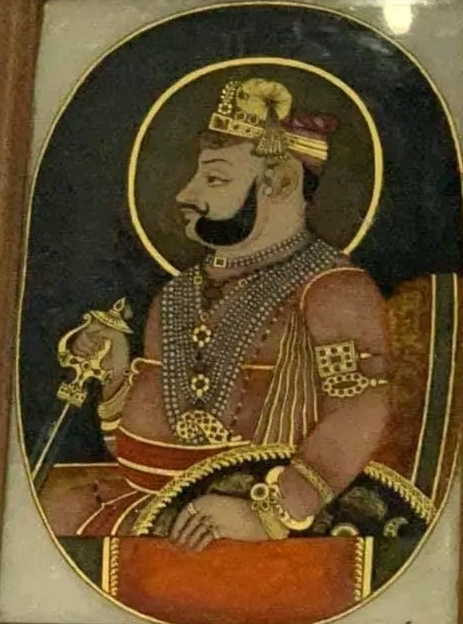
- Rao MUKUND SINGH, 2nd Rao of Kotah 1648/1658, his initially prosperous reign was cut short by the war of succession for the Mughal throne amongst the sons of Emperor Shahjahan, he sided with Shahjahan’s eldest son Dara Shikoh who was pitted against the army of his younger brothers, Aurangzeb and Murad, Dara Shikoh’s army was commanded by Raja Jaswant Singh of Jodhpur, who was assisted by Rao Mukund Singh, the two armies met on the battlefield at Dharmath near Ujjain on 15th April 1658, the Rao and his three younger brothers, were killed on the battlefield and the youngest brother, Kishore Singh, was found grievously injured with 42 wounds lying under a heap of corpses but with some signs of life, he was taken to Kotah to recuperate; married and had issue, one son. He died in the Battle of Dharmath near Ujjain on 15th April 1658.
- Rao Jagat Singh (qv)
- Rao JAGAT SINGH, 3rd Rao of Kotah 1658/1683, born , within a year of succeeding to the gadi, he was called on to serve the Mughal Emperor Aurangzeb, and he asked his uncle, Kishore Singh, to assist him and on 2nd January 1659, the Kotah forces joined the Imperial Army in attacking Shuja, another of Aurangzeb’s brothers. He was killed in October 1683 (Kartik Shukla Panchmi V.S.3 1740) whilst fighting against Sheikh Minaz at Hyderabad.
- Rao PEM SINGH, 4th Rao of Kotah 1683/1684 (deposed), within a year of his installation, the nobles of Kotah deposed him and sent him back to Koela.
- Rao KISHORE SINGH I, 5th Rao of Kotah 1684/1696, he initially was granted the Jagir of Sangode, married and had issue, three sons. He died in in the battle of Arni in Karnataka.
- Rao Bishen Singh (qv)
- Rao Ram Singh I (qv)
- Maharaj Harnath Singh, he was killed fighting for Rao Ram Singh against Bishen Singh, the eldest brother; married and had issue. He was killed in 1696 at the battle of Anwa.
- Maharaj (name unknown) Singh, he was granted the jagir of Sangod.
- Rao BISHEN SINGH, 6th Rao of Kotah 1696/1697, he succeeded to the throne when the news of his father’s death reached Kotah, his brother, Ram Singh, requested leave from the Emperor Aurangzeb in order to travel to Kotah to pay obeisance to his elder brother, Aurangzeb agreed and made Ram Singh a Mughal mansabdar of 3,000 and commander of 3,000 horses, Aurganzeb also conferred Kotah upon Ram Singh and gave him an Imperial sanad for the kingdom as well as providing a contingent of the Imperial Army to accompany Ram Singh to Kotah; Ram Singh arrived at Kotah with his army in 1696, and a battle was fought between the brothers at Anwa, with the youngest brother, Harnath Singh, siding with Ram Singh, Bishen Singh was grievously wounded on the battlefield and Harnath Singh was killed, Bishen Singh was carried away to his in-law’s jagir at Pander near Jahajpur in Mewar; married Rani Ranawatji, and had issue, she committed sati upon his funeral pyre and a cenotaph still marks the site where Bishen Singh was cremated. He died from his wounds at Pander.
- Maharaj Prithvi Singh, Thakur Sahib of Antah, he was invited to return to Kotah from Pander by Rao Ram Singh, a few years after the Rao had seized the throne; he was granted the jagir of Antah, which included Antah town and twelve villages with a revenue of Rs. 40,000; married and had issue, five sons.
- Kunwar Bhopal Singh, he was poisoned in court intrigues. He died vpsp.
- Rao Ajit Singh (qv)
- Maharaj Soorajmal, he was granted the jagir of Aton/Bambolia (12 villages and 40,000Rs), married and had issue.
- Several generations
- Maharaj Dhirat Singh of Amli.
- Maharaj Chaggan Singh of Kotra, married and had issue.
- Kunwar Jai Singh, he was adopted by Maharaj Narsingh Singh, Thakur Sahib of Bambolia, and succeeded there as Maharaj Jai Singh, Thakur Sahib of Bambolia.
- Kunwar Udai Singh, he was adopted by Maharao Shatrusal II of Kotah in 1889, and succeeded there as Lt.-Col.(Hon). HH Maharao Mahendra Shri Sir Umaid Singh II Bahadur (see below)
- Several generations
- Maharaj Bakhat Singh, he was granted the jagir of Itawa (30,000Rs)
- Maharaj Chain Singh, he was granted the jagir of Sorkhand (20,000Rs)
- Maharaj Prithvi Singh, Thakur Sahib of Antah, he was invited to return to Kotah from Pander by Rao Ram Singh, a few years after the Rao had seized the throne; he was granted the jagir of Antah, which included Antah town and twelve villages with a revenue of Rs. 40,000; married and had issue, five sons.
- Rao RAM SINGH I, 7th Rao of Kotah 1697/1707, went with his father to the Mughal court and served him faithfully; he took part with his father at the battle of Arni in Karnataka where Rao Kishore Singh was killed in April 1696; married (amongst others), a sister of Raja Himmat Singh of Umri, and had issue. He died in the battle of Jajaw whilst fighting for the Mughal prince Azam, the Viceroy of the Deccan, against Prince Moazzam in the battle of succession amongst Aurangzeb’s sons.
- Maharao Bhim Singh I (qv)
- Maharao BHIM SINGH I, 8th Rao of Kotah 1707/1720, he was granted the title of Maharao and punj hazari; married 1stly to Sisodiniji (Ranawatji) Kishan Kanwarji, daughter of Maharana Jai Singh of Mewar, 2ndly to Rathorji (name unknown) daughter of Maharaja Raj Singh of Kishangarh and 3rdly to Guhilotji (name unknown) of Banswara and had issue. He died .
- Maharao Arjun Singh (qv)
- Maharaj Shyam Singh, died .
- Maharao Durjan Sal (qv)
- Maha Singh
- Kishan Singh
- Rajkumari (name unknown), married to Maharaja Sawai Jai Singh II of Jaipur.
- Maharao ARJUN SINGH, 9th Rao of Kotah 1720/1723, married the sister of Kumar Shri Madhosinhji Jhala. He died sp 1723.
- Maharao DURJAN SAL, 10th Rao of Kotah 1723/1756, married multiple times, Sisodiniji (Ranawatji) Braj Kanwarji, daughter of Maharana Sangram Singh II of Mewar, Kachwahiji (Narukiji) of Mangrol in Kotah, Gaurji of Sheopur. He died sp 1756.
- Baiji Lal Vichitra Kanwarji, married to Yuvraj Fateh Singh, eldest son of Maharaja Vijay Singh of Jodhpur-Marwar.
- Maharao AJIT SINGH, 11th Rao of Kotah 1756/1758 and Thakur Sahib of Antah; he was adopted on Maharao Durjansal’s death and ascended the Kotah gaddi, but died after ruling for only a year-and-a-half; married and had issue. He died in 1758 aged over 80 years.
- Maharao Shatrushal Singh I [Chhatar Sal] (qv)
- Maharao Guman Singh (qv)
- Maharaj Raj Singh
- Maharao SHATRUSHAL SINGH I, 12th Rao of Kotah 1758/1764, died sp 1764.
- Maharao GUMAN SINGH, 13th Maharao of Kotah 1766/1771, married and had issue. He died .
- Maharao Umaid Singh I (qv)
- Maharaj Goverdhan Singh
- Maharaj Gopal Singh
- Maharao UMAID SINGH I, 14th Maharao of Kotah 1771/1819, born , married twice, 1stly to Kachwahiji (Shekhawatji) Umaid Kanwarji, daughter of Rao Kesari Singh of Bissau in Jaipur and 2ndly to Sisodiniji (Chundawatji) of Begun in Mewar. and had issue. He died .
- Maharao Kishor Singh II (qv)
- Maharaj Bishen Singh, born about 1784.
- Maharaj Prithvi Singh, born about 1792, married and had issue. He died .
- Maharao Ram Singh II (qv)
- Maharjkumari Kishor Kanwarji, married to Maharana Bhim Singh of Mewar.
- Maharao KISHOR SINGH II, 15th Maharao of Kotah 1819/1828, born about 1781, married and had issue. He died
- Yuvaraj (name unknown) Singh, died .
- Maharao RAM SINGH II, 16th Maharao of Kotah 1828/1866, in 1838 it was resolved, with the Maharao's consent, to dismember the state, and to create the new principality of Jhalawar as a separate provision for the descendants of Zalim Singh (see Jhalawar); married, (a) Rathorji (Chandrasenotji) Anand Kanwarji of Junia in Ajmer, (b) Tanwarji Abhai Kanwarji of Kelawa in Marwar, (c) Gulab Kanwarji, daughter of Maharaj Maha Singh of Jaisalmer, (d) Kachwahiji (Shekhawatji) Gulab Kanwarji of Khandela in Jaipur, (e) Gaurji Mehtab Kanwarji of Sheopur, (f) Sisodiniji (Ranawatji) Phool Kanwarji, daughter of Maharana Sardar Singh of Udaipur-Mewar, (g) Sisodiniji Chundawatji Anup Kanwarji of Salumbar in Mewar (h) Sisodiniji Mehtab Kanwarji, daughter of Raja Bhim Singh II of Banera, and had issue. He died .
- Maharao Shatrushal Singh II (qv)
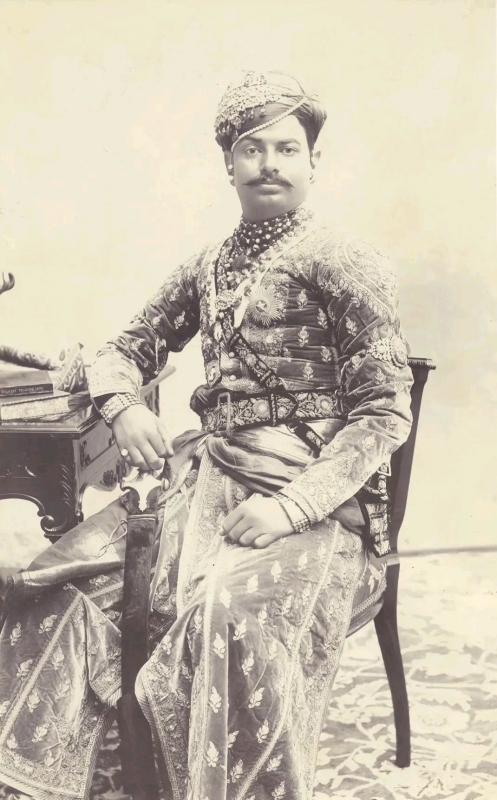
- Maharao SHATRUSHAL SINGH II, 17th Maharao of Kotah 1866/1889, born , married multiple times, Rathorji (Idaraniji) Gulab Kanwarji daughter of Maharaja Jawan Sinhji of Idar, Jadaunji daughter of Maharaja Pratap Pal Dev of Karauli, Jhaliji daughter of Raj Rana Roop Singh of Kunadi in Kotah, Tanwarji of Kelawa in Jodhpur-Marwar, Gaurji daughter of Raja Bhawani Singh of Sheopur, died sp 11th June 1889.
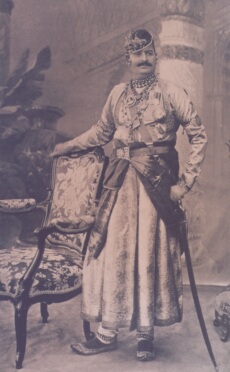
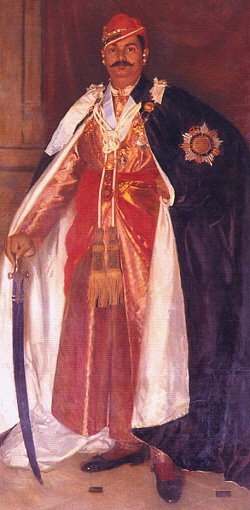
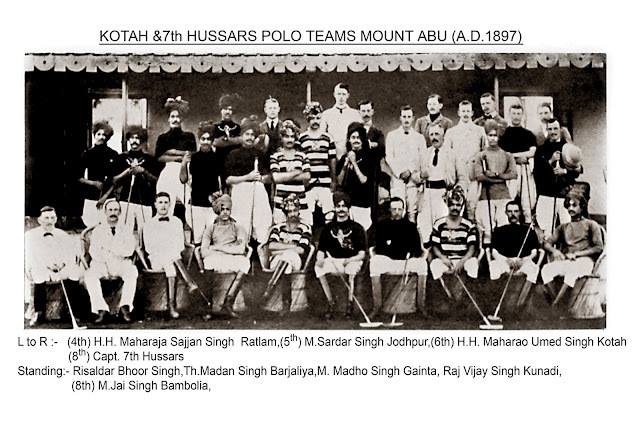
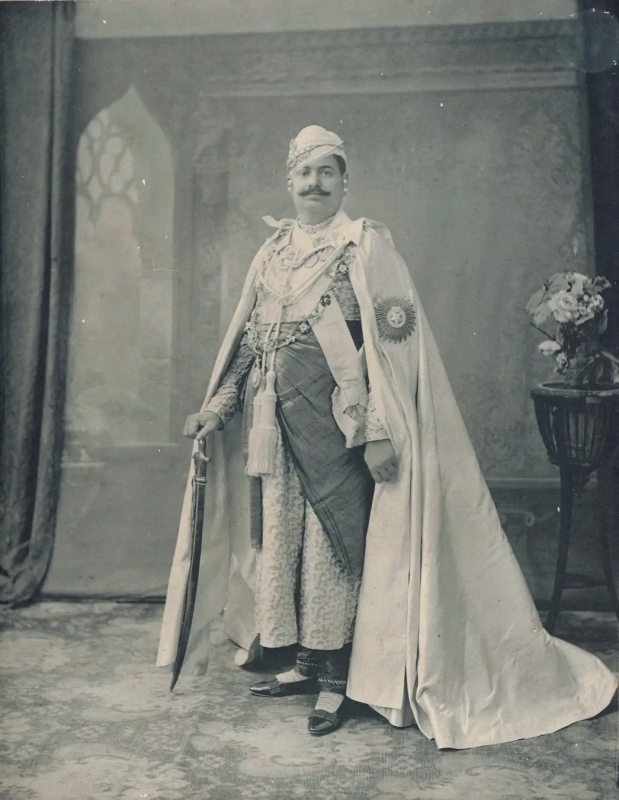
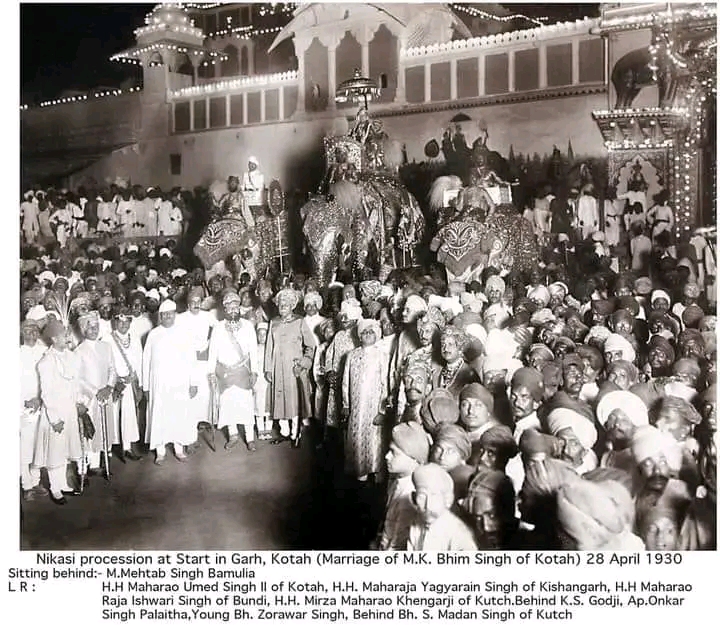
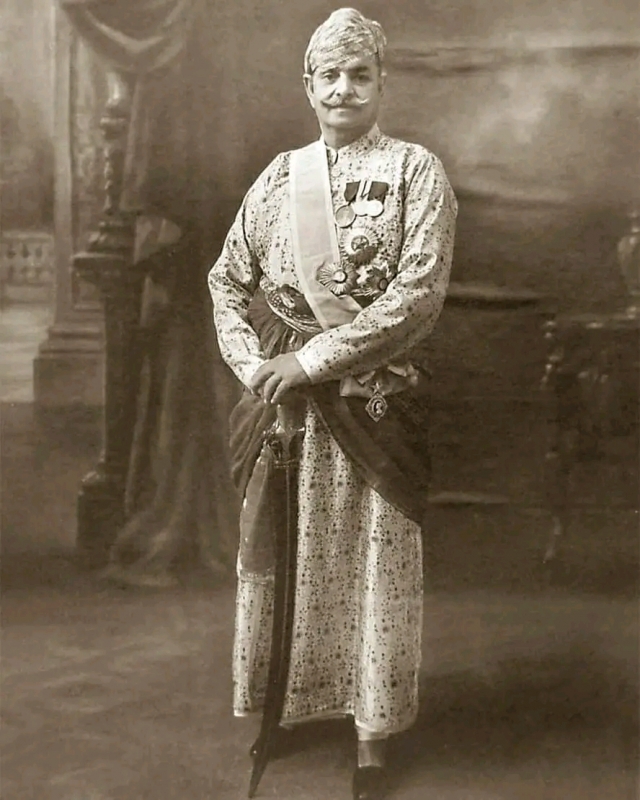
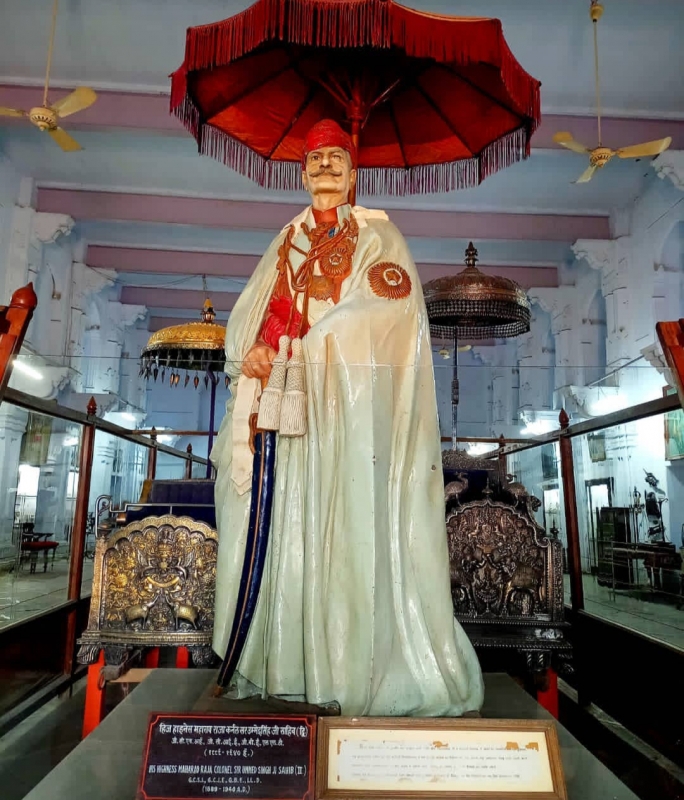
- Colonel HH Maharao Mahendra Shri Sir UMAID SINGHJI II Bahadur, 18th Maharao of Kotah 1889/1940, born as Kunwar Udai Singh, son of Thakur Chaggan Singh of Kotra, G.B.E.(civil) [cr.1918], G.C.S.I. [cr.1911], G.C.I.E. [cr.1907], K.C.S.I. [cr.1900], enjoys a personal salute of 19 guns, married 1stly, 21st November 1892, Nand Kanwarji, daughter of HH 108 Sri Maharaj Adhiraj Raj Rajeshwar Ravi Kula Bushana-Mahi Mahindra Yavadarya Kula Kamaldhivakara Chattis Rajkul Singar Maharana Shri Sir FATEH SINGHJI Bahadur Hindua Suraj Hindupati, Maharana of Udaipur, married 2ndly, 17th April 1897 at Bhuj, Maharajkumari Kesaba Saheb, daughter of HH Maharajadhiraj Mirza Maharao Shri Sir Khengarji Pragmalji III Sawai Bahadur of Kutch, married 3rdly, 1908, Kachwahiji (Rajawatji) Gulab Kanwarji of Isarda in Jaipur. He died .
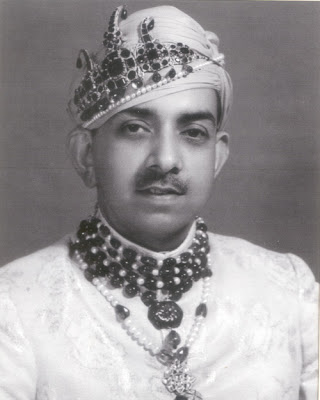
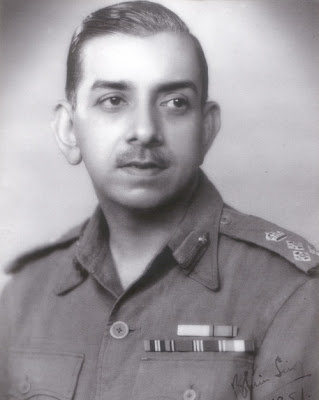
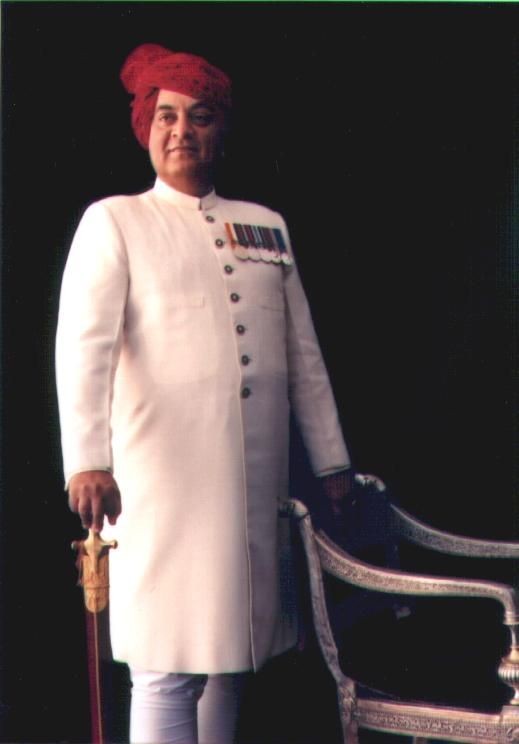
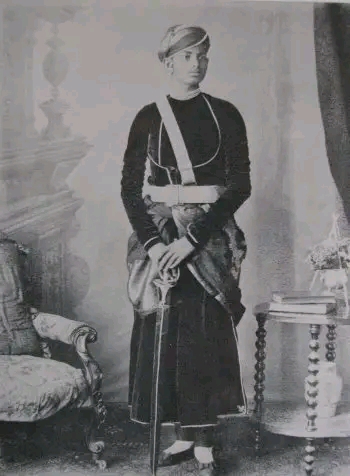
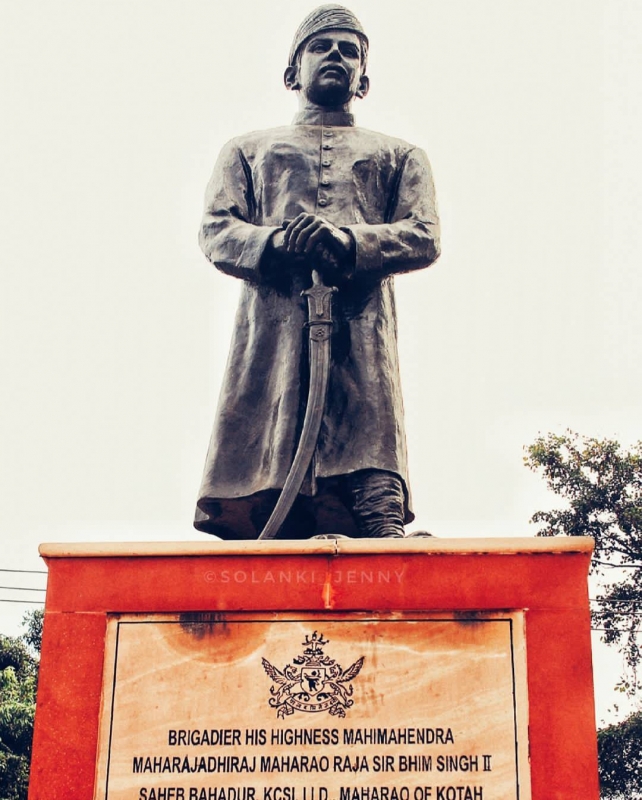
- HH Maharao Shri BHIM SINGH II Bahadur, 19th Maharao of Kotah 1940/1991, born , educated at Mayo College, Ajmer (Class-Captain 1928/29) from where he obtained his Diploma. He was Head monitor and captain of the College Cricket Team and held college colours for tennis. He was Patron and President of the Governing Body of Mayo College. He was Honorary Brigadier in the Indian Army and also Honorary Colonal of the 17 Poona Horse. During the Second World War he was a member of the Viceroy's War Council. Up-Rajpramukh of Rajasthan State 1948/1956. He has also served as India's alternate delegate to the United Nations General Assembly in 1956 and has travelled extensively all over the world. He Is keen sportsman and a wildlife photographer of repute. His study of wildlife is well known. He was President of the Rajasthan State Board of Wildlife since its inception and is now a Member of Rajasthan Wildlife Advisory Board. He has also given generous donations for educational and other purposes including a donation of 700,000Rs for the construction of a general hospital in Kota, which is known as 'Maharao Bhim Singh General Hospital.' He was Vice-President of Bikaner Thunderbolt Rifle Club and also a Life member and Vice-President of the National Rifle Association of India. He was patron of Kota Rifle Club and President of Rajasthan State Rifle Association. He was one of India's top shooters in Skeet and had been taking part In the National championships for the over 25 years. During this period he had won National championships a number of times and Kota Team Championship several times. He has also represented India in the following shooting championships: Took part in the Pre-olympics at Tokyo 1963, was Captain of the Indian Shooting Team which participated in the Singapore Shooting Championships in 1969. Member of the Indian Shooting Team for the World Shooting Championships at San Sebastian, Spain in 1969, represented India in the Polar Prize held in Finland 1970, represented India in the 2nd Asian Shooting Championships held at Sepul, missing the third position by only one point 1971, represented India in the VII Asian Games in shooting held in Tehran 1974, represented India in the 3rd Asian Shooting Championships held at Kuala Lumpur 1975, Captain of the Indian Shooting Team which took part in the Montreal Olympics 1976 (in the selection trials he broke the National Record by shooting 195 birds out of 200 which included 100 straight birds), Captain of the Indian Shooting Team for the VIII Asian Games held In Bangkok 1979. Vice-President of the National Rifle Association of India, President of the Rajasthan State Rifle Association, Member of the IX Asian Games General Organizing Committee. Awarded the 'Arjuna Award' in 1971 for the sport of Shooting, married 1930, HH Maharani Shiv Kumari, born , daughter of Maj.-Gen.HH Maharajadhiraj Raj Rajeshwar Narendra Siromani Maharaja Sri Sir GANGA SINGHJI Bahadur of Bikaner, and his second wife, HH Maharani Sri Bhatiyaniji Sahiba; M.L.A. of Khanpur, District Jhalawar for one term, from 1966 to 1971, and had issue, one son and two daughters. He died .
- HH Maharao Shri Brijraj Singh Bahadur (qv)
- Maharajkumari Indra Kumari [HH Rani Indra Kumari of Rajgarh], married HH Raja Rawat VIKRAMADITYA SINGH Bahadur of Rajgarh, M.P., born .
- Bai Saheba Bhuvaneshwari Kumari [Thakurani Bhuvaneshwari Kumari of Malasar], married Thakur Devi Singhji of Malasar.
- HH Maharao Shri BRIJRAJ SINGH Bahadur, 20th Maharao of Kotah from 20th July 1991 to 29th Jan 2022 (Brijraj Bhawan Palace, Kota, Rajasthan, India). Born , Chairman Board of Directors, Central Co-operative Bank, Kotah, 1959/61; Member, State Board for Preservation of Wildlife, rajasthan, 1959/74; Member of Lok Sabha 1962/67 and 1967/70; Member, Consultative Committee on Defence in Parliament from 1962/77; Member, Consultative Committee on Civil Aviation In Parliament 1962/71; Member, Consultative Committee on Atomic Energy in Parliament 1968/71; Member, State Planning Board, Rajasthan, 1962/66; Member (Associate), Delimitation Commission for Rajasthan, 1964/66; Member, Estimate Committee of Parliament, 1964/65 and 1969/79; Member, Zila Parishads of Kota and Jhalawar, 1962/77; Member, Programme Advisory Committee, A.I.R., Jaipur 1964/67; Member, Soil Conservation Centre, Kota, 1965/70; Member, Nehru Memorial Fund's Sub-Committee, Rajasthan, 1965/70; Member, Mayo College General Council, Ajmer 1955/60 and 1962/-; Member, Board of Governors, Mayo College, Ajmer 1974/-; President, Kshatriya Shiksha Pracharak Samiti Hadoti, Kota 1962/-; Member, Indian Goodwill Delegation to Malaysia, 1965; Member, Council for Development of Automobiles Tractors, etc. 1958/70; Director, The Bank of Rajasthan Ltd, 1963/69; President, Bal Hitakari Samiti, Kota, 1966/-; President, Small Industries Chamber, Kota, 1970/-; Member, Indian Board for Wildlife, 1974/77. Recreation and Hobbies: Photography, painting, hunting, reading, motoring and gliding. Has been a top trap shooter In All-India National Championships. Stood first in team event for Trap in 1955 and won bronze medal in 1963 for Individual Championships in Skeet. Clubs and Associations: President, Old Boy's Association, Mayo College, Ajmer, 1953 (1976/1981); President, Working Committee of Old Boy's Association, Mayo College, Ajmer 1974/77 and 1981; married 1stly, 5th December 1956 (annulled 11th September 1963 in Bombay), HH Maharani Maheshwari Devi, daughter of HH Maharawat Sir Ram Singhji II Bahadur of Pratapgarh, married 2ndly, 1963, HH Maharani Uttara Devi, daughter of Maharaj Kumar Indrajitendra Narayan of Cooch Behar, and his wife, Rani Kamala Dev, and has issues. He died on .
- Yuvaraj Ijyaraj Singh (qv)
- Maharajkumari Bhawani Kumari, born , married 1991, Maharajkumar Jai Chand Mahtab of Burdwan, and has issues, two daughters.
- Rajkumari Menaka Kumari, born .
- Rajkumari Kriti Kumari, born .
- HH Maharao Shri IJYARAJ SINGH Bahadur, (see above)
Notable Figures
Rao Madho Singh I (1631–1648)
Rao Madho Singh I was the founder of the independent state of Kotah. He was the second son of Rao Ratan Singh, the ruler of Bundi. Madho Singh distinguished himself at an early age through his exceptional military prowess and bravery in the Mughal imperial campaigns, particularly in the Deccan under Emperors Jahangir and Shah Jahan. In recognition of his loyal services and valor, Emperor Shah Jahan carved out Kotah as an independent principality from Bundi and bestowed it upon Madho Singh in 1631.
As the first ruler, he laid the administrative foundations of the Kotah state and successfully defended his newly formed territory from external threats, establishing the Hada Chauhan dynasty's rule firmly in the region. His reign marked the beginning of Kotah's distinct political identity in Rajputana. More details on the state's origin can be explored in the Kota State Wikipedia Article.
Rao Mukund Singh (1648–1658)
Succeeding his father Madho Singh, Rao Mukund Singh was a courageous military commander and a staunch vassal of the Mughal Empire. He is famously remembered in Rajput history for his heroic sacrifice at the Battle of Dharmat in 1658. Fighting alongside his four brothers on the side of the imperial prince Dara Shikoh against the rebel prince Aurangzeb, Mukund Singh died fighting bravely on the battlefield.
Rao Mukund Singh is also remembered for his love of nature and architecture. He built the famous Abli Meeni Mahal, situated in the Mukundara pass, for his favorite concubine, Abli Meeni. The pass and the surrounding hills were later named Mukundara Hills in his honor, which is now a well-known national park. Historical references to this region can be found in the Mukundara Hills National Park Page.
Maharao Bhim Singh I (1707–1720)
Maharao Bhim Singh I was one of the most powerful and influential rulers of Kotah. He was the first ruler of the state to officially assume the title of 'Maharao'. Bhim Singh I was an ambitious military leader who significantly expanded Kotah's territorial boundaries by capturing neighboring areas and playing a decisive role in the Mughal war of succession following the death of Emperor Aurangzeb.
He allied with the Mughal Emperor Bahadur Shah I, which elevated Kotah’s political stature above its parent state of Bundi. Bhim Singh was also a deeply religious ruler and a devout follower of Lord Krishna. He renamed Kotah as "Nandgaon" and assumed the title of "Brijnathji ka Dewan" (the prime minister of Lord Krishna), establishing a tradition where the state was symbolically ruled in the name of the deity.
Raj-Rana Jhala Zalim Singh (1739–1823)
Though not a crowned monarch of the Hada Chauhan dynasty, Raj-Rana Jhala Zalim Singh was arguably the most prominent and legendary personality in the history of Kotah. Serving as the Diwan (Prime Minister) and de facto Regent of the state for over five decades, his political genius, administrative acumen, and diplomatic foresight saved Kotah from destruction during one of the most chaotic eras of Indian history.
Zalim Singh successfully navigated the turbulent period characterized by devastating Maratha raids, Pindari plunder, and the decline of the Mughal Empire. He raised a highly disciplined modern army, reformed the revenue system, and turned Kotah into a prosperous, secure haven. In 1817, he negotiated and signed the treaty of alliance with the British East India Company, which guaranteed the security of the state and secured a unique hereditary regency clause for his own descendants, eventually leading to the creation of the separate princely state of Jhalawar. Detailed insights into his life can be read in the Zalim Singh Biography on Wikipedia.
Maharao Umaid Singh I (1771–1819)
Maharao Umaid Singh I's long reign coincided almost entirely with the regency of the powerful Diwan, Jhala Zalim Singh. While the Maharao held nominal sovereignty and acted as the ceremonial head of state, the actual governance and military command were exercised by Zalim Singh. Despite being kept away from active administration, Umaid Singh I was highly respected for his dignified stance and patronage of the arts.
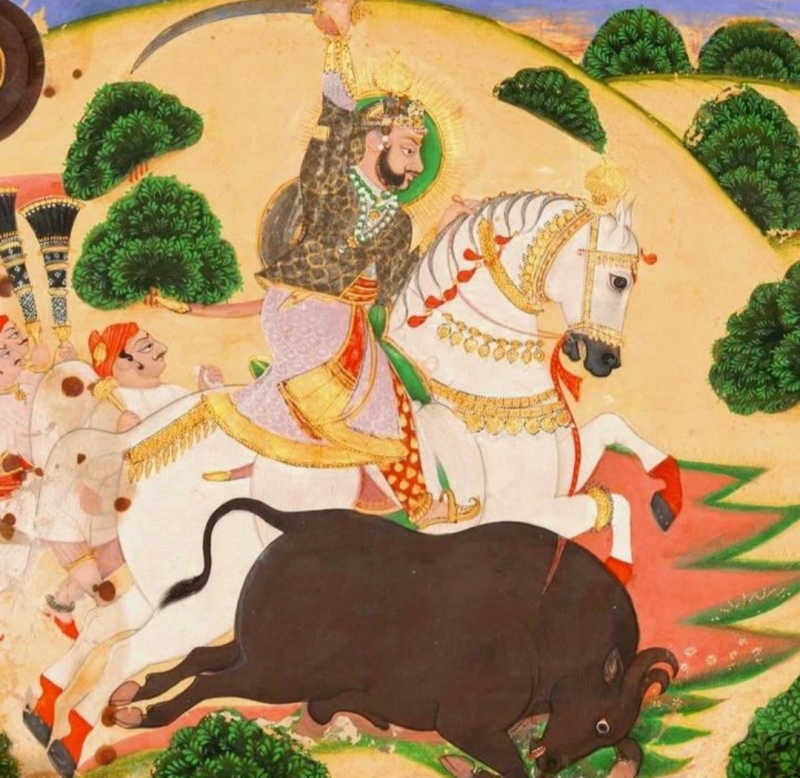
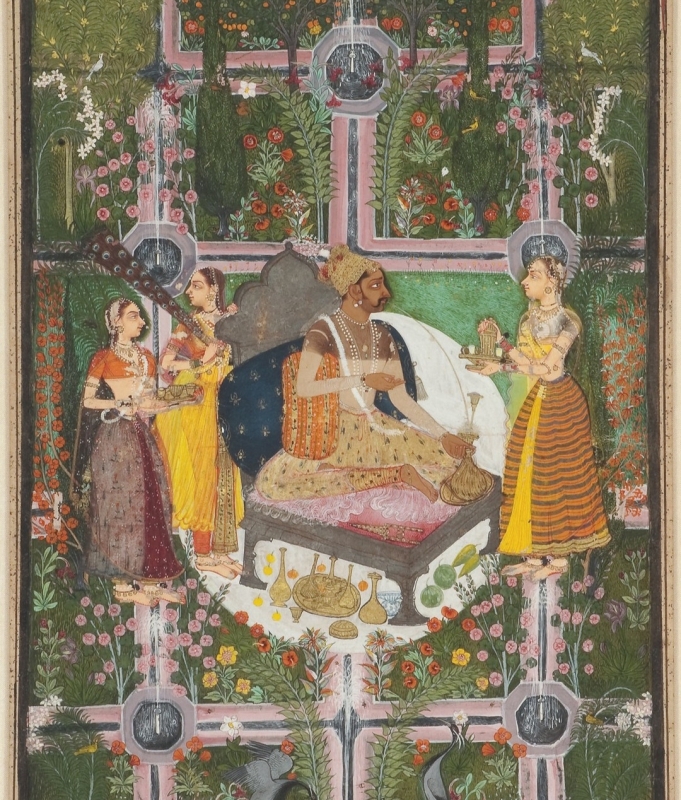
During his reign, the unique Kotah school of miniature painting reached its zenith. The Maharao was an avid hunter, and under his patronage, local artists developed a distinct style characterized by vivid, realistic depictions of hunting expeditions, dense forests, and wildlife, which remain world-famous today.
Maharao Ram Singh II (1827–1866)
Maharao Ram Singh II ruled during the highly critical period of the Indian Rebellion of 1857. His reign saw immense turmoil when the local state troops of Kotah mutinied against the British forces stationed there. The mutineers killed the British Political Agent, Major Charles Burton, along with his sons, and besieged the Maharao inside his own palace for several months.
Ram Singh II was eventually rescued by the loyal forces of the neighboring Maharaja of Karauli. After the rebellion was suppressed by British forces under General Roberts, the British administration accused the Maharao of complicity or lack of resolve in helping the British, which led to a temporary reduction of his official gun salute. Further details on his life and the 1857 uprising in Kotah are documented on the Ram Singh II Wikipedia Page.
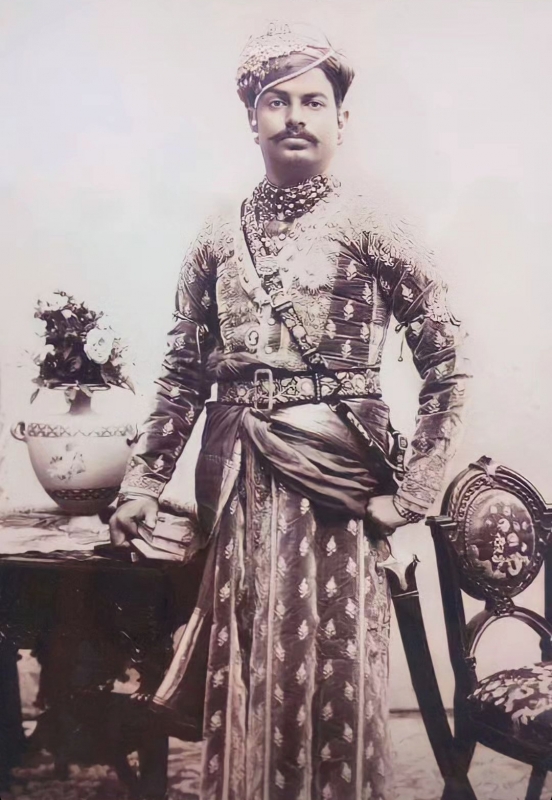
Maharao Shatru Sal II (1866–1889)
Succeeding his father Ram Singh II, Maharao Shatru Sal II ruled during a period of transition and reconciliation. Following the friction caused by the Mutiny of 1857, Shatru Sal II worked to restore relations with the British Raj and focused on stabilizing the state's internal administration. During his reign, the long-standing political friction between the ruling Hada chief and the descendants of Jhala Zalim Singh was permanently resolved by the British government through the partition of the state, which finalized the borders of the independent principality of Jhalawar.
Shatru Sal II was known for his benevolence, love for traditional music, and patronage of religious institutions. Having no direct male heir, he adopted Umaid Singh II, a descendant of the Maharaj of Kotra, to succeed him.
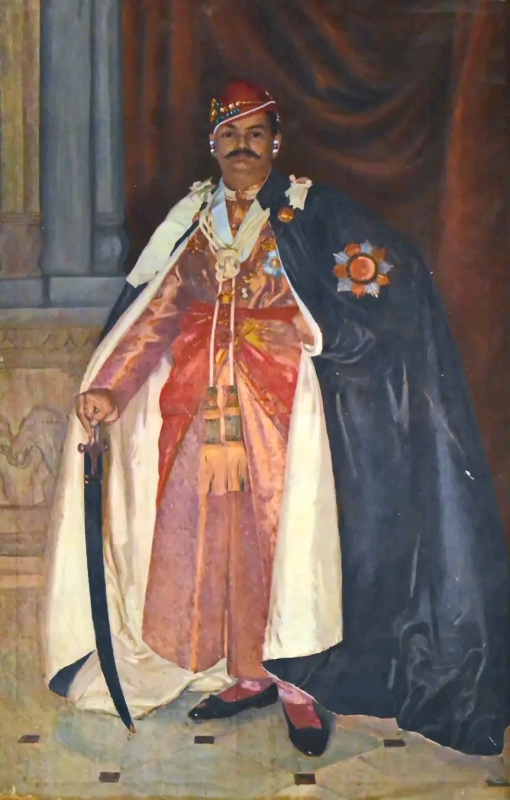
Maharao Umaid Singh II (1889–1940)
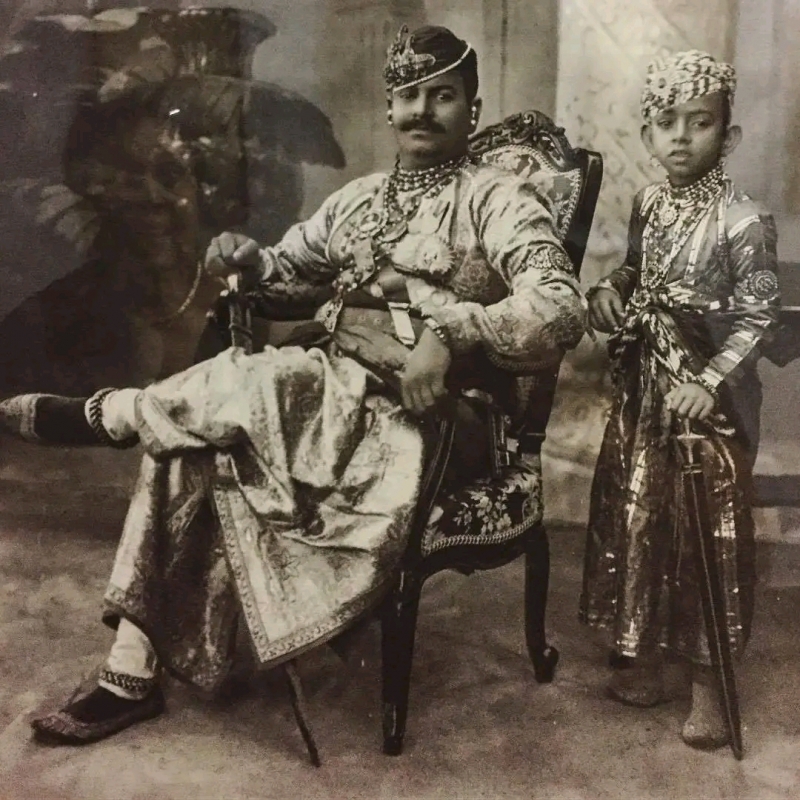
Maharao Sir Umaid Singh II is widely regarded as the architect of modern Kotah. Educated at Mayo College in Ajmer, he brought a modern outlook to the administration of the state. He initiated extensive reforms in land revenue, judiciary, healthcare, and education. He also oversaw the construction of railways, modern roads, and irrigation works that laid the foundation for Kotah's future industrial growth.
Umaid Singh II built the magnificent Umaid Bhawan Palace, designed by the famous architect Sir Samuel Swinton Jacob, blending traditional Rajput architecture with contemporary Western elements. He served with distinction in the British Imperial army and was a prominent figure in the Chamber of Princes. For his contributions, he was highly decorated by the British government. His legacy as a progressive ruler is highlighted in the Umaid Singh II Wikipedia Page.
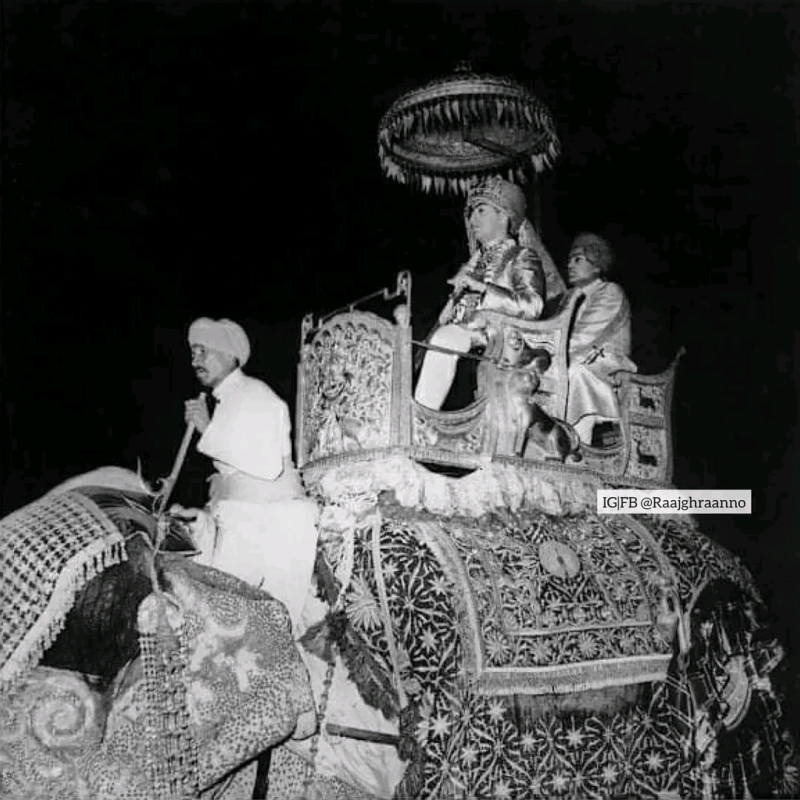
Maharao Bhim Singh II (1940–1991)
Maharao Bhim Singh II was the last ruling monarch of Kotah. He assumed power just before the outbreak of World War II and guided the state through the momentous era of India's independence. In 1947, he signed the Instrument of Accession, integrating Kotah into the newly formed Dominion of India. He played a pivotal role in regional integration and served as the Rajpramukh (Governor) of the newly formed United State of Rajasthan, and later as the Up-Rajpramukh (Deputy Governor).
Bhim Singh II was also an internationally acclaimed sportsman. He was a champion trap and skeet shooter, representing India in various international shooting championships, including the Olympic Games in 1976. He dedicated much of his post-independence life to philanthropy, sports, and preserving the historical legacy of the Hada Chauhans. Detailed information on his public life and athletic career is available on the Bhim Singh II Wikipedia Page.
Maharao Brijraj Singh (1991–2022)
Maharao Brijraj Singh succeeded his father as the titular head of the royal house of Kotah in 1991. He was a prominent public figure, intellectual, and politician. He was elected as a Member of Parliament (Lok Sabha) three times representing the Jhalawar constituency, contributing actively to national and regional politics.
Brijraj Singh was highly passionate about history, wildlife conservation, and literature. He was instrumental in maintaining the extensive archives of the Kotah state and opening parts of the royal palaces to the public as museums, ensuring the preservation of Hadoti’s rich cultural heritage. His obituary and life details can be read on the Brijraj Singh Wikipedia Page.