History
Origin and Foundation of Khetri
The historical estate of Khetri was founded in 1742 by Thakur Kishan Singh, the son of Raja Shardul Singh of Jhunjhunu. Belonging to the illustrious Shekhawat clan of the Kachwaha dynasty of Rajputs, Kishan Singh carved out this estate from the ancestral territories of the Shekhawati region. Khetri grew rapidly to become the second-largest Thikana (fiefdom) under the princely state of Jaipur, surpassed in size and revenue only by the neighbouring estate of Sikar. The lineage of Khetri is closely intertwined with several other prominent Shekhawat estates, including Harina, Alsisar, Badangarh, and Arooka, all of which share ancestral bonds through the descendants of Raja Shardul Singh.
The Mughal, Maratha, and British Periods
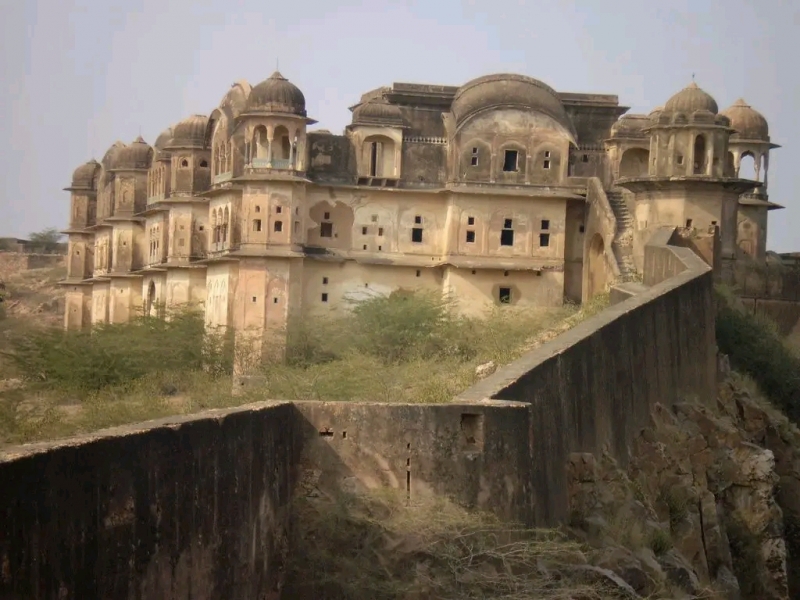
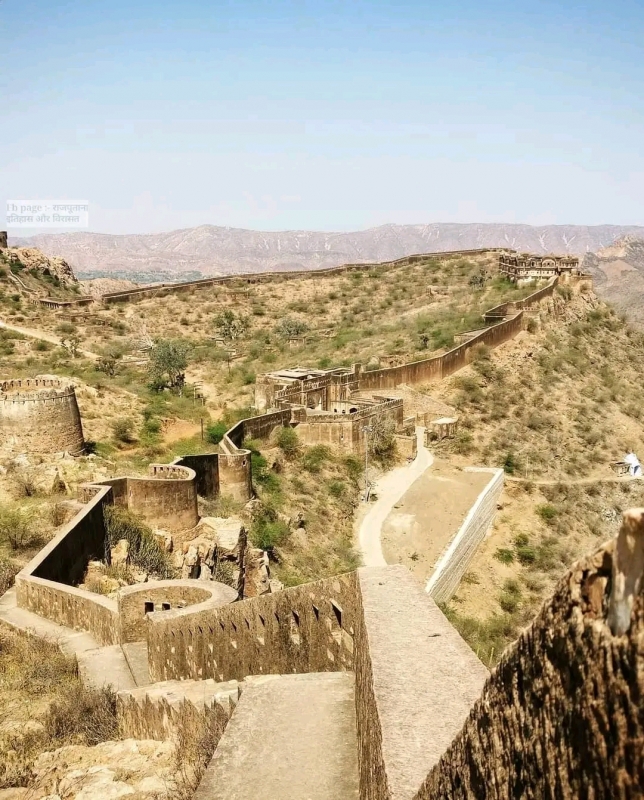
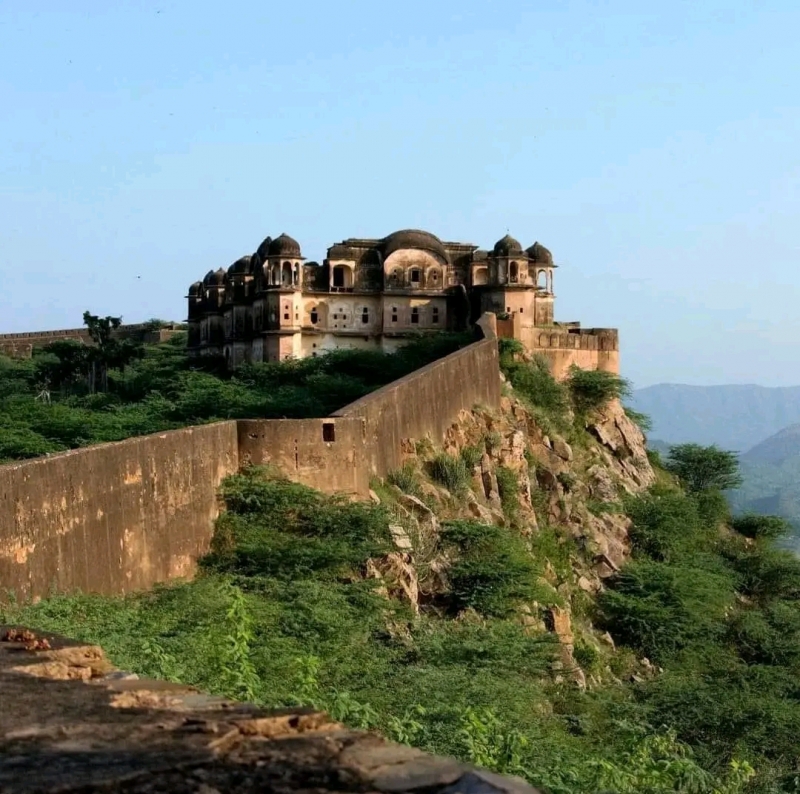
During the mid-to-late 18th century, Khetri navigated a complex political landscape dominated by the declining Mughal Empire, predatory Maratha raids, and the rising power of the Jaipur Durbar. The rulers of Khetri fortified their territory to safeguard their autonomy. Raja Bhopal Singh (reigned 1756–1800), a prominent early ruler, constructed the formidable Bhopalgarh Fort, which served as a crucial military stronghold against invading forces.
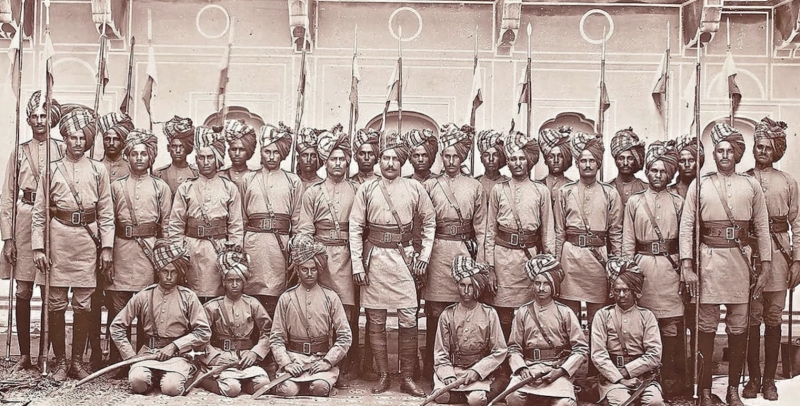
With the expansion of the British East India Company, Khetri entered into treaty relations alongside the Jaipur State. The British recognized the strategic and economic importance of the region, which was rich in copper and strategically positioned. Under British paramountcy, the rulers of Khetri were granted the hereditary title of "Raja Bahadur", emphasizing their elevated status among the non-salute states of Rajputana. To learn more about the regional history, you can explore the Shekhawati Region History.
Raja Ajit Singh Bahadur and Swami Vivekananda
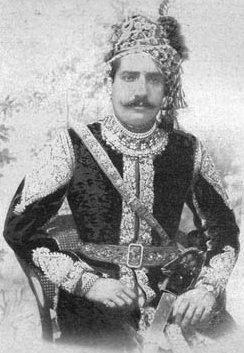
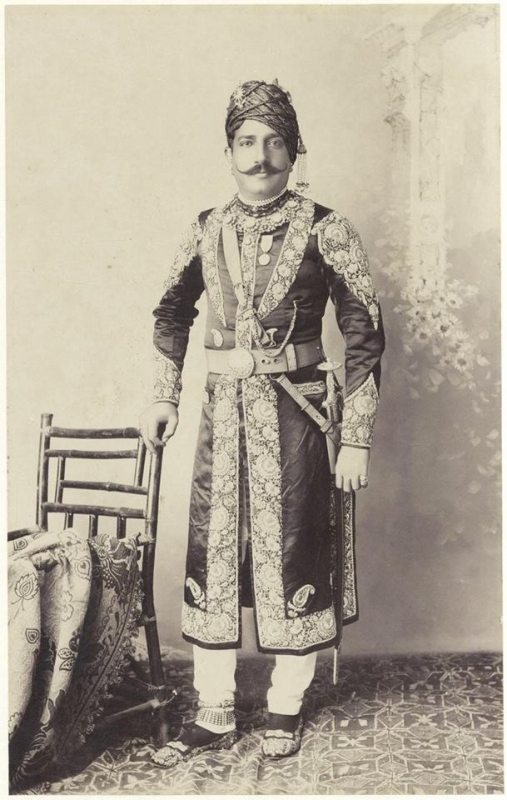
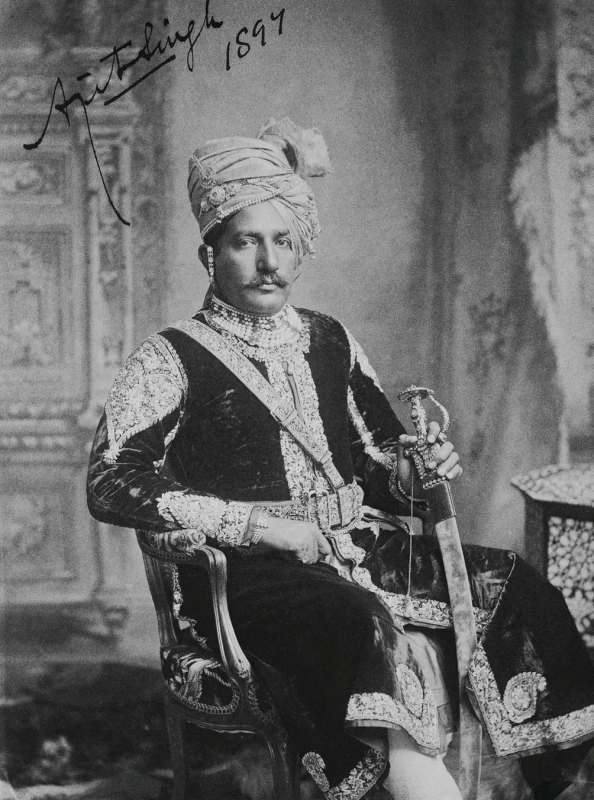
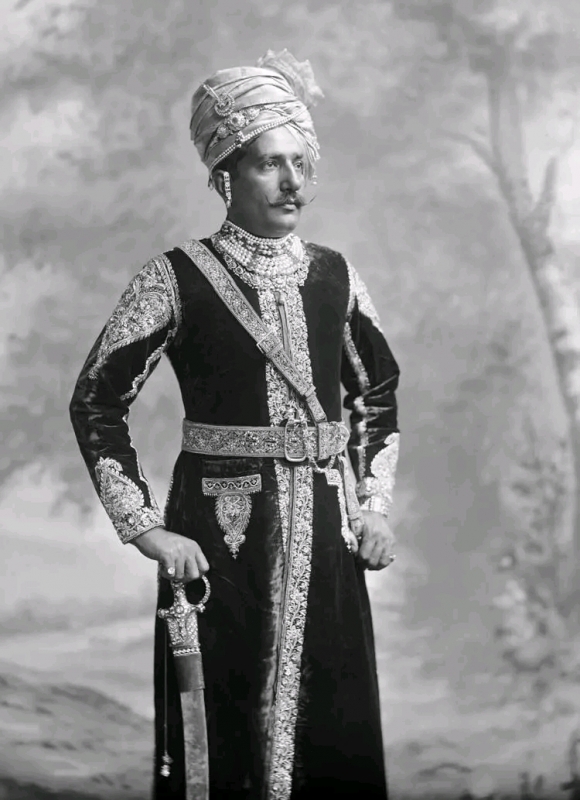
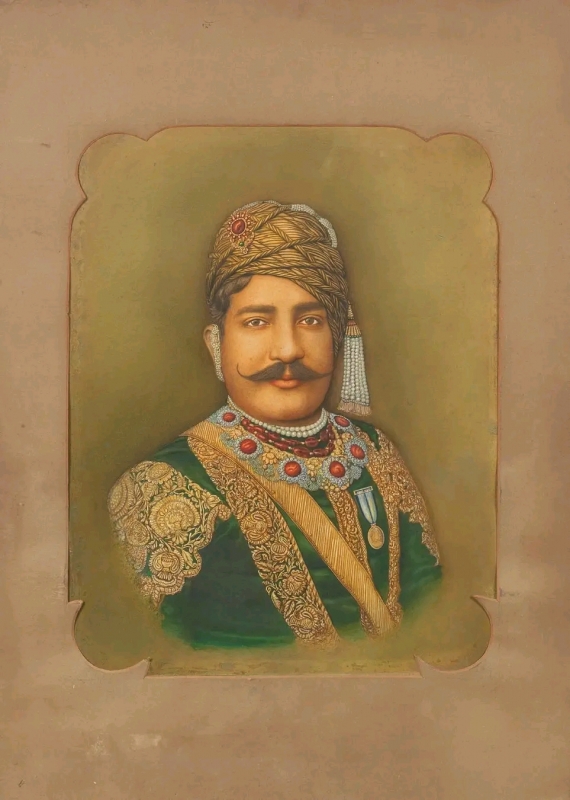
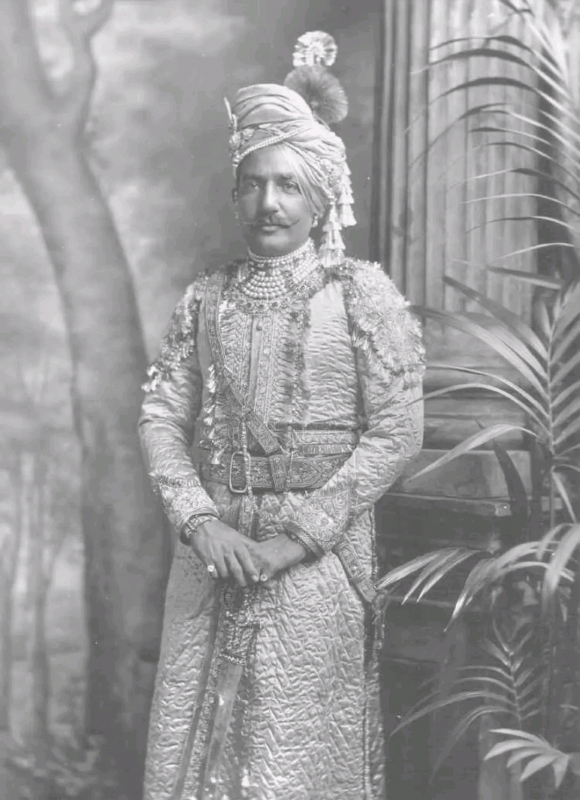
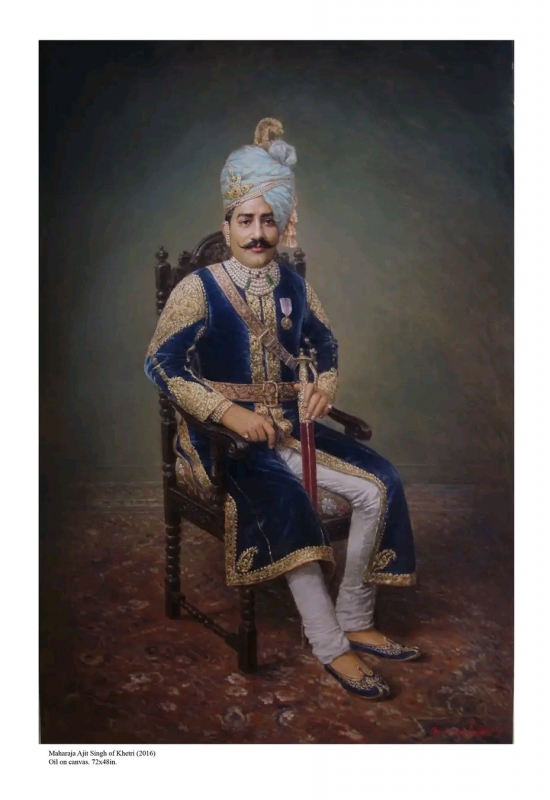
The most celebrated era in Khetri’s history occurred during the reign of Raja Ajit Singh Bahadur (reigned 1870–1901). A visionary ruler, scholar, and reformer, Raja Ajit Singh was a patron of modern education, music, and the sciences. He established modern schools, introduced administrative reforms, and set up state-of-the-art infrastructure in his province.
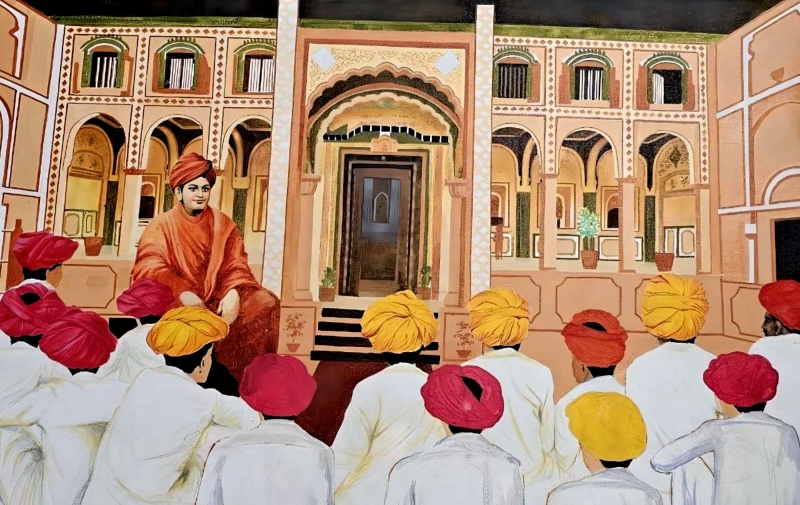
Raja Ajit Singh is globally remembered for his profound friendship with and patronage of the great Hindu philosopher, Swami Vivekananda. It was Raja Ajit Singh who urged Narendra Nath Datta to adopt the name "Swami Vivekananda" and provided him with the financial support and royal attire necessary for his historic journey to the Parliament of Religions in Chicago in 1893. The deep bond between Khetri and the Ramakrishna Mission remains a cornerstone of the region's cultural legacy. Detailed insights on this relationship can be found on the Ajit Singh of Khetri Biography Page.
Post-Independence and the Modern Era
Following India's independence in 1947, the Khetri estate, under its last ruling chief, Raja Sardar Singh, signed the Instrument of Accession, leading to its merger into the United State of Greater Rajasthan in 1949. Raja Sardar Singh later served the nation as a diplomat, including a tenure as India's Ambassador to Laos.
In the modern era, Khetri gained international prominence for its vast mineral wealth. The Government of India established the public sector undertaking Hindustan Copper Limited in the newly developed township of Khetri Nagar to harness the region's ancient copper reserves, which date back to the Indus Valley Civilization. Today, the heritage of Khetri is preserved by the Khetri Trust, which continues to run educational institutions and philanthropic projects in Rajasthan. For geographic and current administrative details, visit the Khetri Wikipedia Page.
Genealogy
- Thakur KISHAN SINGH, 1st Thakur of Khetri 1742/1745, born , married three wives, and had issue, eight sons. He died .
- Thakur Bhopal Singh (qv)
- Raja Bagh Singh (qv)
- Thakur Pahar Singh of Alsisar, Heerwa, Badangarh and Arooka. He was killed by his older brother in or about 1771.
- Kunwar Dalel Singh, died young.
- Kunwar Bhawani Singh, died young.
- Kunwar Bhao Singh, died young.
- Kunwar Pratap Singh, died young.
- Kunwar Jaswant Singh, died young.
- Kumari (name unknown) [Maharani Sahiba Shekhawatji of Jodhpur], married Maharaja Bijay Singh of Jodhpur.
- Thakur BHOPAL SINGH, 2nd Thakur of Khetri 1745/1771, born , granted a mansab of 1000 in 1756, later raised to 1250, he constructed the Khetri Mahal, married 1stly, the daughter of Thakur Amar Singh Nirban of Jasrapur, married 2ndly, Thakurani Suraj Kanwar, she committed sati in 1771, daughter of Thakur Jait Singh of Auwa, and his second wife, Thakurani Amba Kanwar, married 3rdly, Thakurani Tanwariji, married 4thly, Thakurani Chandrawatiji, married 5thly, Thakurani Jodhiji. He died sp in 1771.
- Raja BAGH SINGH, 3rd Raja of Khetri 1771/1800, granted the title of Raja by Madhoji Scindia, married Rani Mertaniji, daughter of Thakur Karni Ram Meertia of Bhikha Mather, and had issue. He died .
- Kunwar Hari Singh, adopted by Thakur Pahar Singh but killed while young by his own father in about 1771.
- Thakur Abhai Singh (qv)
- Raja ABHAI SINGH, 4th Raja of Khetri 1800/1826, born , the title of Raja is confirmed by the Maharaja of Jaipur, he was granted the pargana of Kotputli in 1806, married 1stly, Rani Gulab Kanwar, daughter of Rajshri Thakur Sawai Singh of Pokhran, married 2ndly, Rani Swaroop Kanwar, daughter of Thakur Shiv Singh of Auwa, and his first wife, Thakurani Ratan Kanwar, and had issue. He died .
- Raja Bakhtawar Singh (by 1st wife) (qv)
- Raja BAKHTAWAR SINGH, 5th Raja of Khetri 1826/1829, born , married 1stly, Rani Bhatianiji, married 2ndly, Rani Bhatianiji, married 3rdly, daughter of Rawat Sardar Singh of Salumber, she committed sati, and had issue. He died .
- Raja Shivnath Singh (by Rani Bhatianiji) (qv)
- Raja SHIVNATH SINGH, 6th Raja of Khetri 1829/1843, born , married 1841, the daughter of Thakur Gulab Singh of Kesroli in Alwar, and had issue. He died .
- Rajkumari Rukmani Kumari, born , married Rajkumar Bhawani Singh of Narsinghgarh, and had issue.
- Raja Fateh Singh (qv)
- Raja FATEH SINGH, 7th Raja of Khetri 1843/1870, born , he was given full administrative powers on 12th August 1861, married 1stly, 1860 at Diggi, Rani Chand Kanwar, daughter of Thakur Kushal Singhji of Auwa, married 2ndly, Rani Jodhiji, daughter of Thakur Hari Singh of Neema, married 3rdly, Rani Jodhiji, daughter of Raja Zorawar Singh of Bhinai, and had adoptive issue. He died spl on 30th November 1870 at Delhi, and was cremated at Khetri.
- Kumari (name unknown) (by a concubine), married 1879, Rao Raja Mool Singh of Jodhpur.
- (A) Raja Ajit Singh Bahadur (qv)
- Raja AJIT SINGH Bahadur, 8th Raja of Khetri 1870/1901, born at Alsisar as Kunwar Ajit Singh, son of Thakur Chattu Singh of Alsisar, and his wife, the daughter of the Thakur of Nimaj in Jodhpur, married 1876, Rani Champawatiji Sahiba, daughter of Thakur Devi Singh of Auwa, died (1908), and had issue. He died at Sikandra, and was cremated at Mathura.
- Raja Shri Jai Singh Sahib (qv)
- HH Rani Suraj Kanwar [Surya Kumari], born , married 1894, HH Svasti Shri Rajadhiraja Sahib Umaid Singhji II Bahadur of Shahpura, and had issue. She died at Shahpura.
- Yuvrani Chandra Kumari, born , married 1903, Yuvraj Man Singh of Pratapgarh.
- Raja Shri JAI SINGH Bahadur, 9th Raja of Khetri 1901/1910, born at Agra, educated at Mayo College, Ajmer 1904/1910, he dedicated the Ajit Singh Hospital in memory of his father in 1905; invested with the sacred thread (yajnopavita) in 1908; he bequeathed 50,000Rs to charity, which enabled the enlarging of the Jai Singh High School in Khetri. He died sp of tuberculosis 30th March 1910 at Jaipur.
- Raja Shri AMAR SINGH Bahadur, 10th Raja of Khetri 1911/1927, born , son of Thakur Jaswant Singh of Alsisar, educated at Mayo College, Ajmer; married 1stly, Rani Jhaliji, married 2ndly, Rani Jhaliji, married 3rdly, Rani Chauhaniji, married 4thly, Rani Champawatiji, and died sp 6th May 1927 at Jaipur.
- Raja Shri SARDAR SINGH Bahadur, 11th Raja of Khetri 1927/1987, born , educated at Mayo College, Ajmer, M.A. (Cantab), Bar-at-Law, Member of the Jaipur Legislative Council 1945, the Constituent Assembly 1947/1950, the Provisional Parliament 1950/1952 and the Rajya Sabha 1952/1956, secretary to the Maharaja of Jaipur, Indian Ambassador to Laos in 1959, married 25th November 1948 (div.), Rani Bhuvan Laxmi Devi, daughter of Supradipta Manyabara Lt.Gen. Maharajkumar Singha Shumsher Jung Bahadur Rana of Nepal, and his wife, Rani Tara Rajya Lakshmi Devi, daughter of HH Maharaja Dhiraj Prithvi Bir Bikram of Nepal. He died sp 23rd February 1987.
Notable Figures
Thakur Kishan Singh (r. 1742 – 1745)
Thakur Kishan Singh was the founder of the Khetri Thikana. He was the son of Thakur Shardul Singh of Jhunjhunu, a celebrated ruler of the Shekhawat clan. Following the partition of the Jhunjhunu estate among Shardul Singh's five sons—historically referred to as the Panchpana—Kishan Singh inherited the territory of Khetri. In 1742, he established Khetri as an independent estate, laying the foundation for what would eventually grow into one of the wealthiest and most politically influential Thikanas under the suzerainty of the Jaipur State.
Raja Bhopal Singh (r. 1771 – 1800)
Raja Bhopal Singh succeeded to the gaddi of Khetri and was highly regarded for his military fortitude and administrative acumen. To defend his territories from frequent Maratha incursions and regional rivals, he commissioned the construction of the formidable Bhopalgarh Fort. Under his leadership, Khetri expanded its territorial borders and fortified its military defenses, establishing itself as a dominant power within the Shekhawati region. His patronage of local art, architecture, and religious institutions also laid the groundwork for the unique cultural heritage of Khetri.
Raja Abhai Singh (r. 1800 – 1826)
Raja Abhai Singh ruled during a critical era of geopolitical transition in Rajputana. A sagacious diplomat, he recognized the shifting balance of power in northern India and entered into a treaty of alliance with the British East India Company under Lord Lake in 1803, actively assisting British forces in their campaigns against the Marathas. In recognition of his loyalty and military assistance, both the Mughal Emperor and the British authorities formally recognized his title of 'Raja'. He is also credited with systematizing the copper mining operations in Khetri, which significantly boosted the state's treasury and paved the way for the region's long-standing mining legacy.
Raja Fateh Singh (r. 1859 – 1870)
Raja Fateh Singh was an enlightened and progressive ruler who succeeded to the throne during the mid-19th century. He was responsible for initiating several modernizing reforms within the administration of Khetri, including structural improvements in land revenue assessment, the judicial system, and public infrastructure. He maintained stable, cordial relations with the Jaipur Durbar and the British administration, ensuring that Khetri remained a peaceful and prosperous enclave during the turbulent decades of the mid-1800s.
Raja Ajit Singh Bahadur (r. 1870 – 1901)
Raja Ajit Singh Bahadur is widely celebrated as the most illustrious and visionary ruler of Khetri. Ascending the throne at a young age, he grew to become a profound scholar, reformer, and patron of arts, education, and sciences. He introduced modern educational institutions, established state-of-the-art hospitals, and promoted progressive social welfare reforms within his estate.
Raja Ajit Singh is globally immortalized for his deep friendship with and patronage of the great philosopher-saint Swami Vivekananda. It was Raja Ajit Singh who encouraged Swamiji to adopt the saffron robes and the name 'Vivekananda' prior to his journey to the West, and he personally financed Swamiji's historic voyage to the Parliament of Religions in Chicago in 1893. His life and contributions are detailed extensively on the Ajit Singh of Khetri Wikipedia page.
Raja Sardar Singh Bahadur (r. 1927 – 1987)
Raja Sardar Singh Bahadur was the last formal ruler of Khetri before the integration of princely states into the Indian Union. A highly educated statesman and legal scholar, he played a crucial role in the nation-building process of independent India. He was elected as a member of the Constituent Assembly of India, representing the princely states of Rajasthan, and actively contributed to the drafting of the Constitution of India.
Recognizing his diplomatic acumen, the Government of India appointed him to serve as the Indian Ambassador to Laos in the 1950s. Since he passed away without leaving a direct male heir, his demise marked the end of the direct ruling line of the Khetri estate. His legacy as a diplomat, legislator, and philanthropist is preserved on the Sardar Singh of Khetri Wikipedia page.