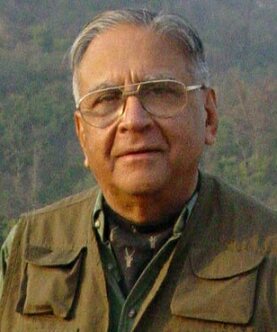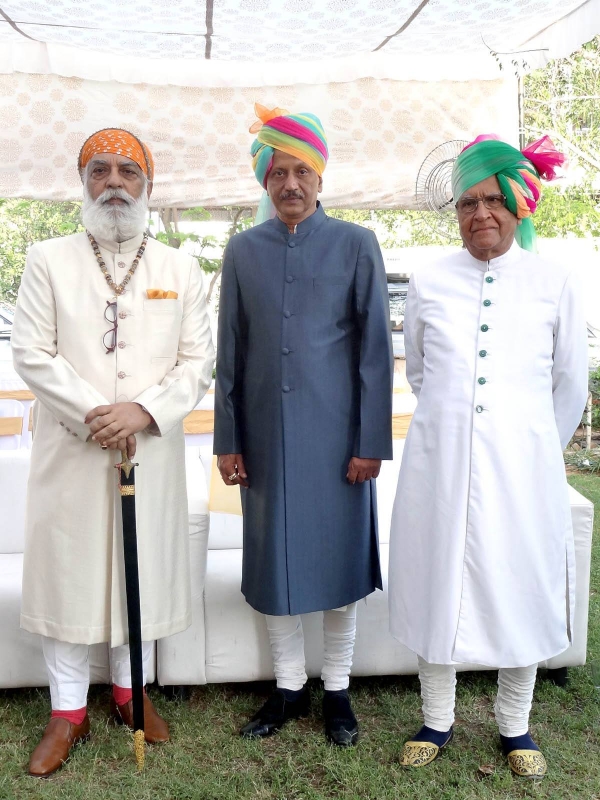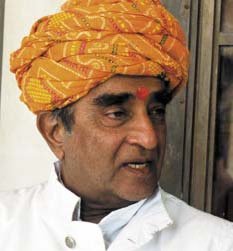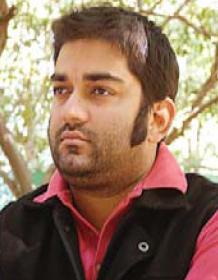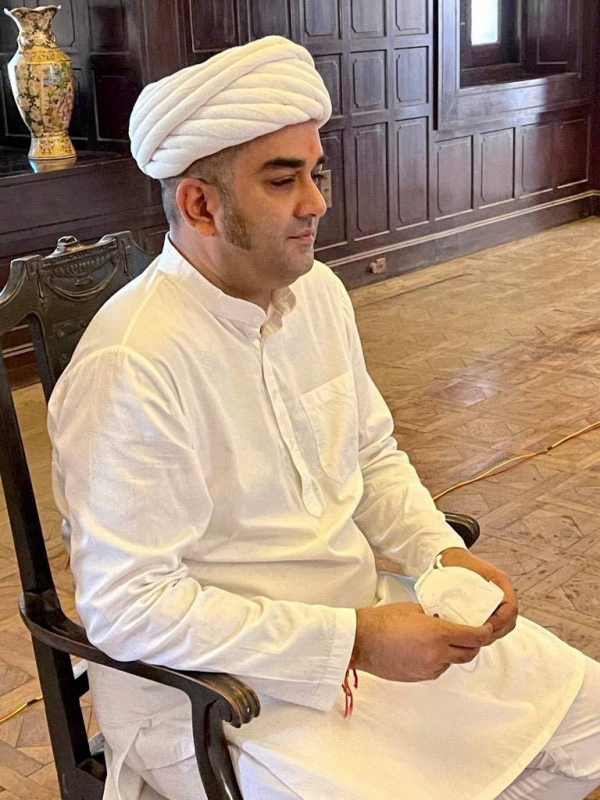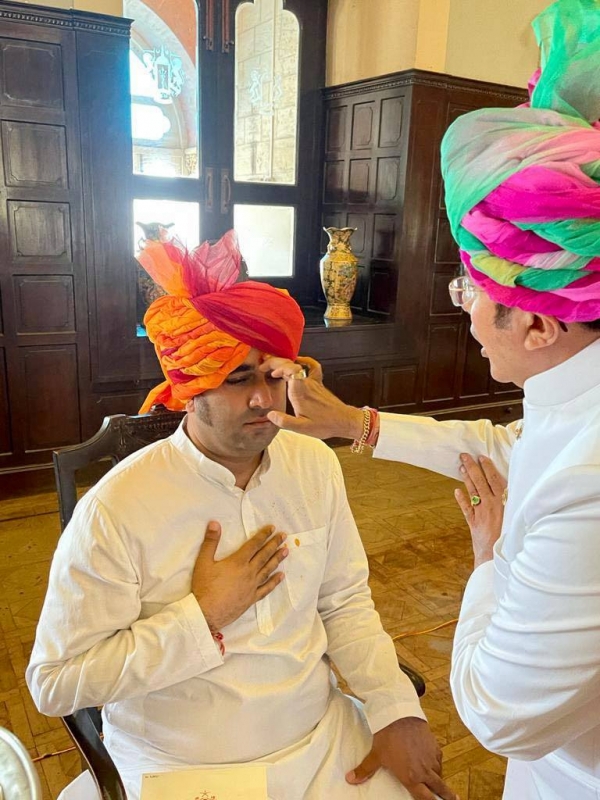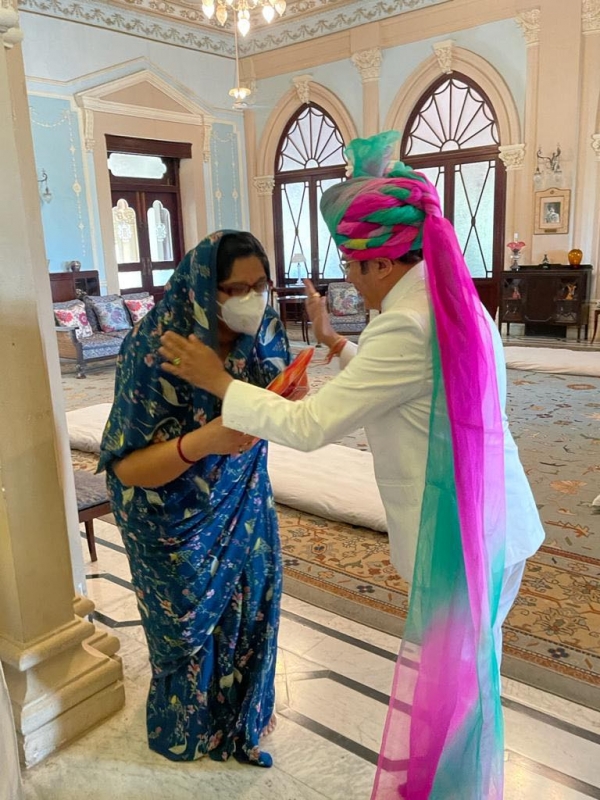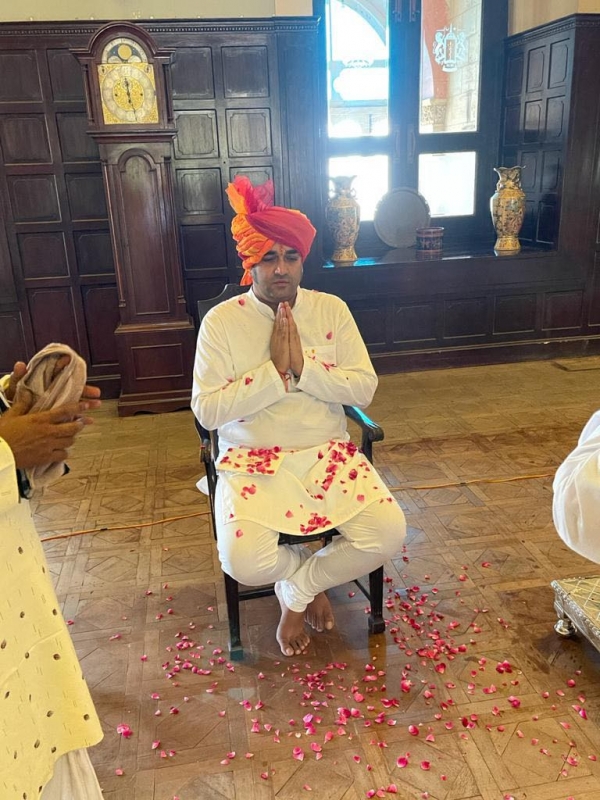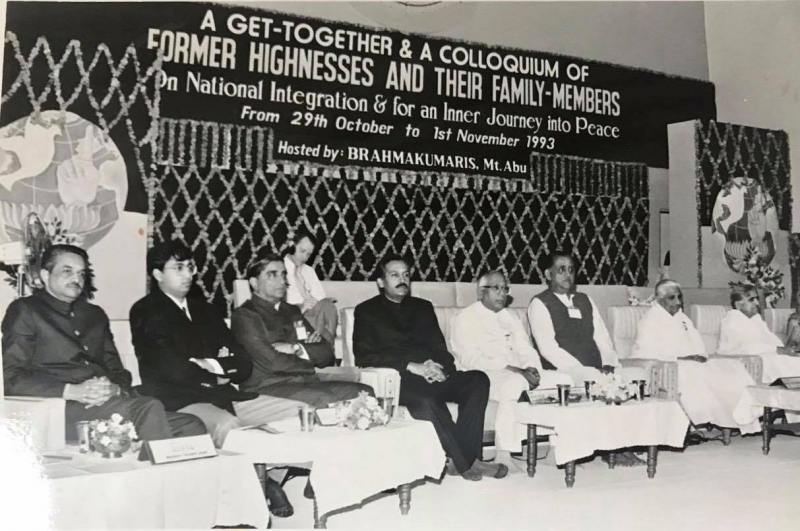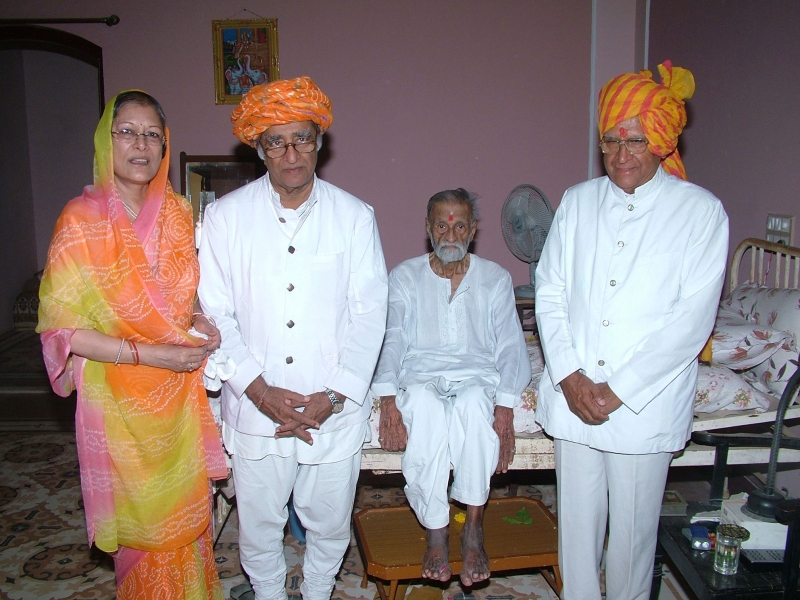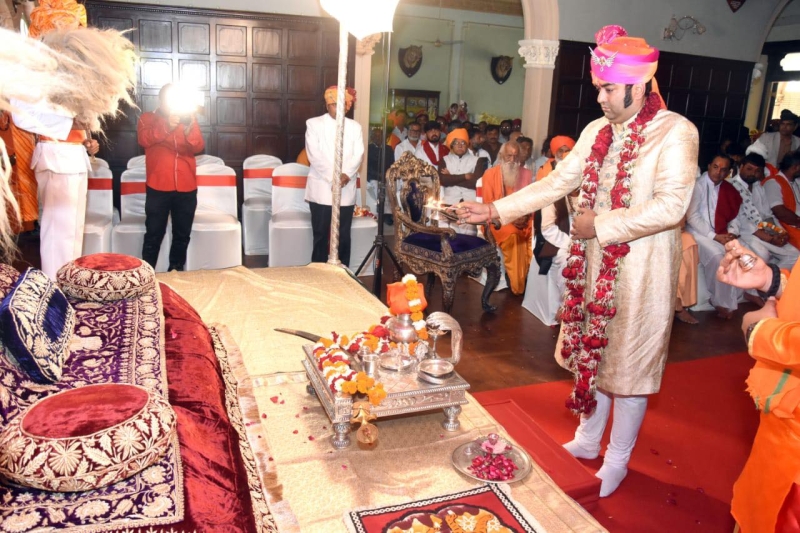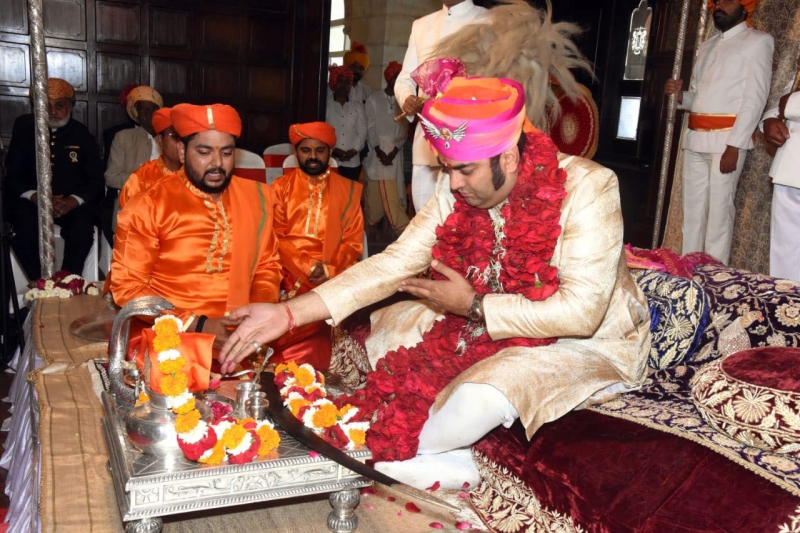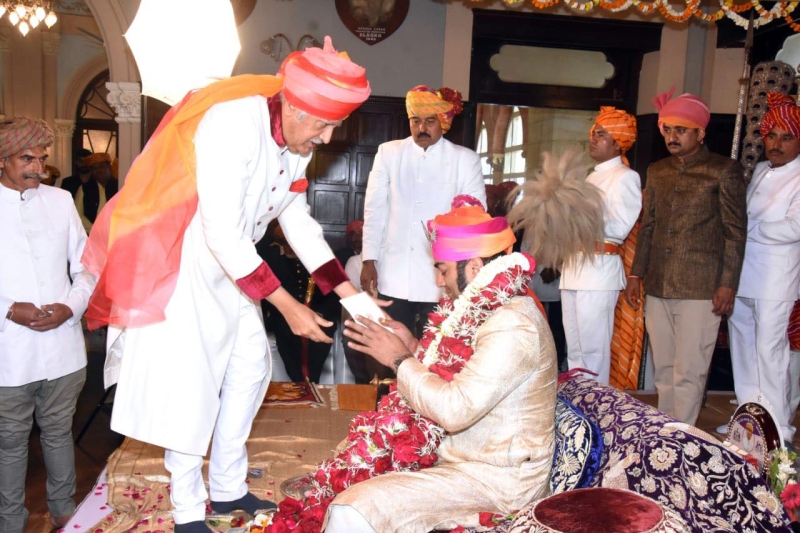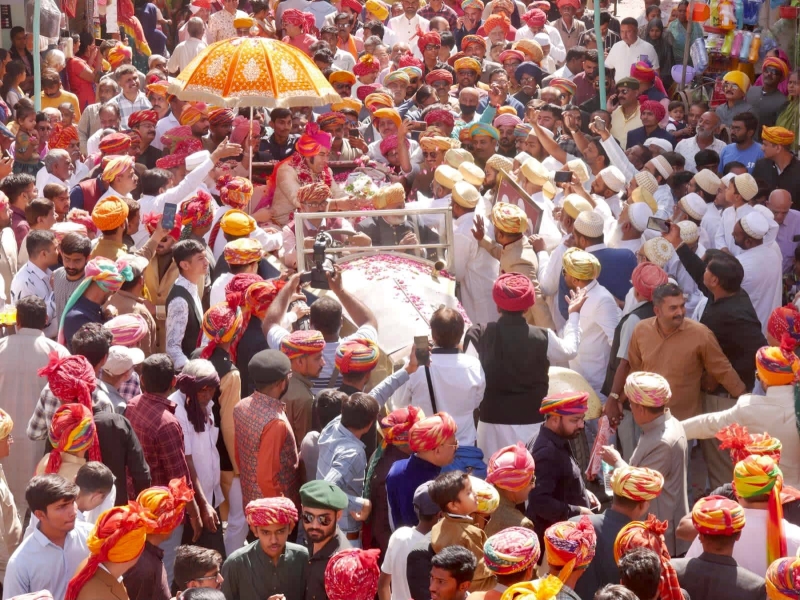

Present Head

- Patvi Namdar Maharajkumar Shri Sartanjay Singh Jhala, born .
History
Origin and Foundation
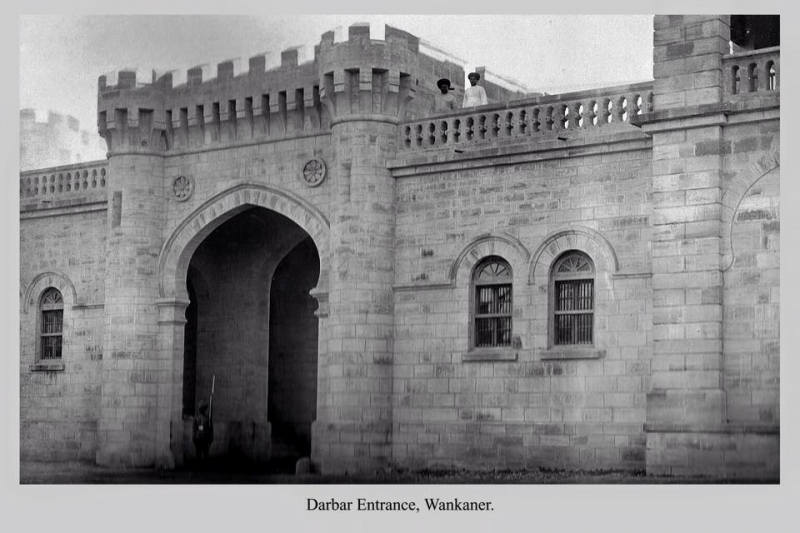
The princely state of Wankaner was established in 1605 CE by Raj Sartanji, the grandson of Raj Chandrasinhji of Halvad, who was the ruler of the parent state of Dhrangadhra. Following succession rivalries within the ruling house of Halvad, Sartanji and his supporters sought out new territories to establish their independent domain. Sartanji established his capital at Wankaner, strategically located on a bend (wanka) of the Machchhu River, surrounded by hills (ner), which gave the town and the state its distinctive name. The ruling clan belonged to the Jhala dynasty of Rajputs, a clan renowned for its bravery, diplomatic skill, and administrative capabilities across the Kathiawar peninsula.
The Mughal and Maratha Eras
During the 17th and 18th centuries, the rulers of Wankaner successfully guarded their autonomy amidst shifting political dynamics in Gujarat. Under the height of the Mughal Empire, Wankaner existed as a semi-independent tributary principality, navigating relations with the Mughal Subahdars at Ahmedabad. As Mughal authority declined in the early 18th century, the Maratha Empire, spearheaded by the Peshwas and the Gaekwads of Baroda, expanded their influence into Kathiawar. Wankaner was subjected to the Maratha Mulkgiri campaigns and agreed to pay ghasdana (tribute) to the Gaekwads of Baroda. Throughout this turbulent period, the Jhala rulers fortified Wankaner and preserved their internal sovereignty through strategic defense and alliances.
The British Period and the Kathiawar Settlement
A crucial turning point in Wankaner's history came in 1807-1808, when the state signed a treaty with the British East India Company during the landmark settlement conducted by Major Alexander Walker. This settlement stabilized the tribute payments, ending the annual military campaigns of the Gaekwads and placing the region under British protection. Under British suzerainty, Wankaner was classified as a second-class state in Kathiawar and was later granted the honor of an 11-gun salute. You can explore more about the administrative division of this period on the Kathiawar Agency Wikipedia Page.
The Golden Age of Reform: Maharana Sir Amarsinhji
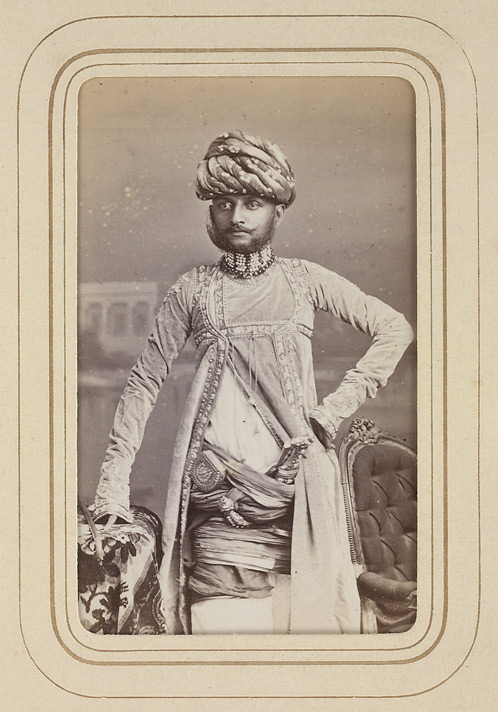
Wankaner’s transition into a modern, progressive state occurred during the long and benevolent reign of Maharana Raj Saheb Sir Amarsinhji Banesinhji (who ruled from 1881 until 1948). An enlightened and visionary ruler, Sir Amarsinhji introduced several key reforms that elevated the socio-economic status of his subjects:
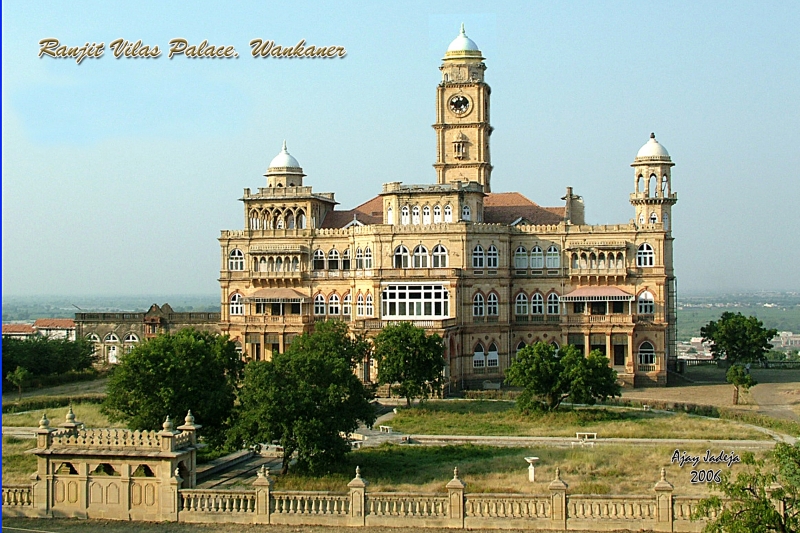
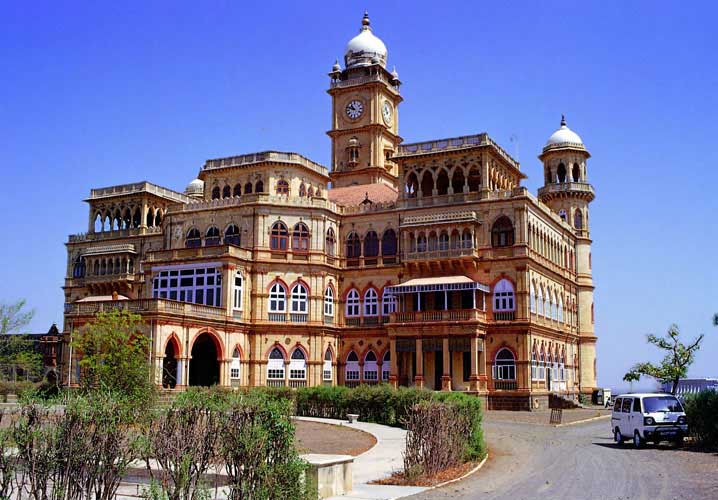
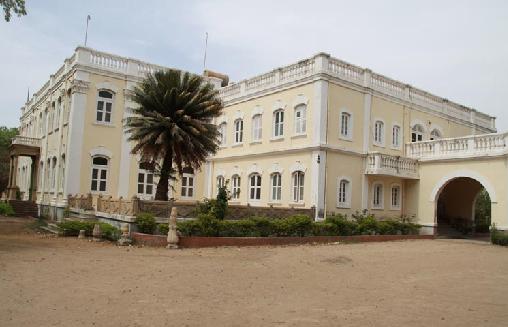
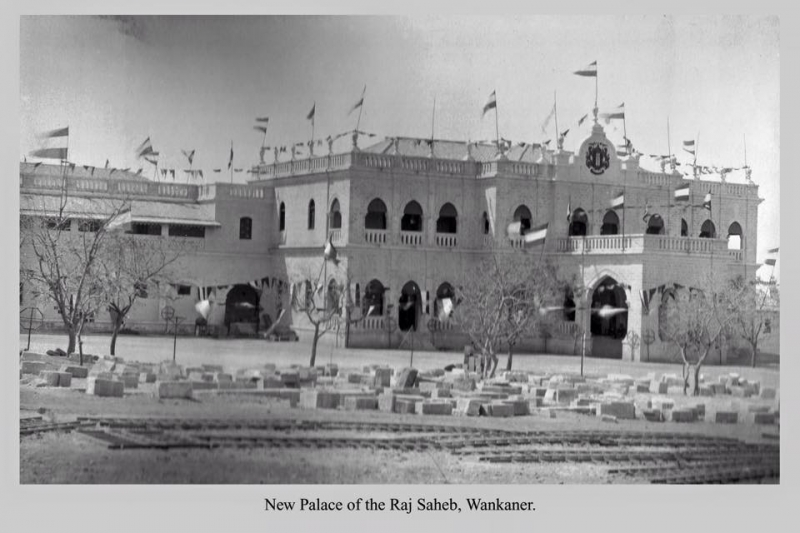
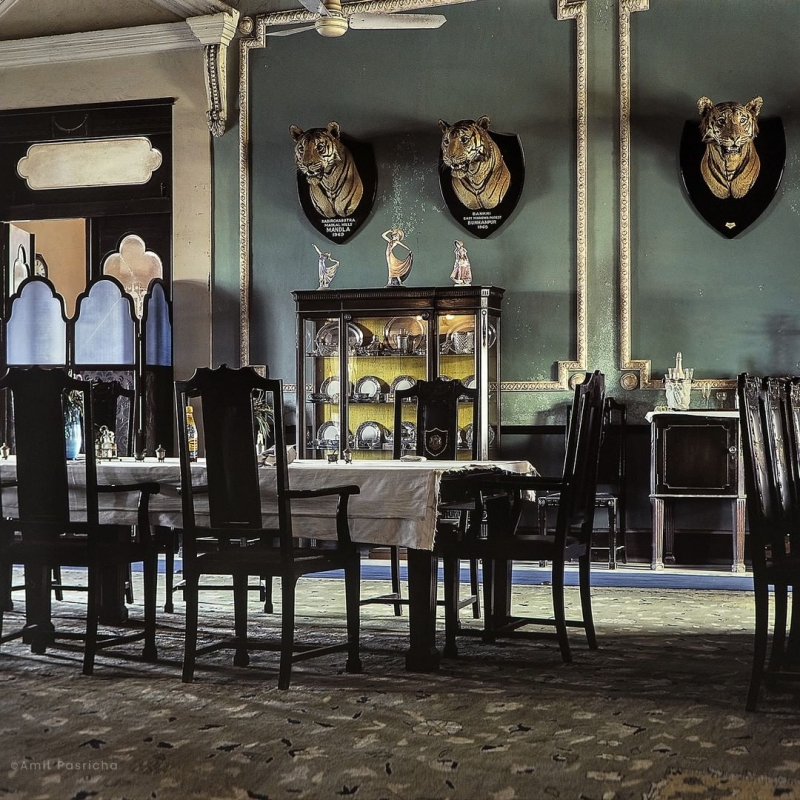
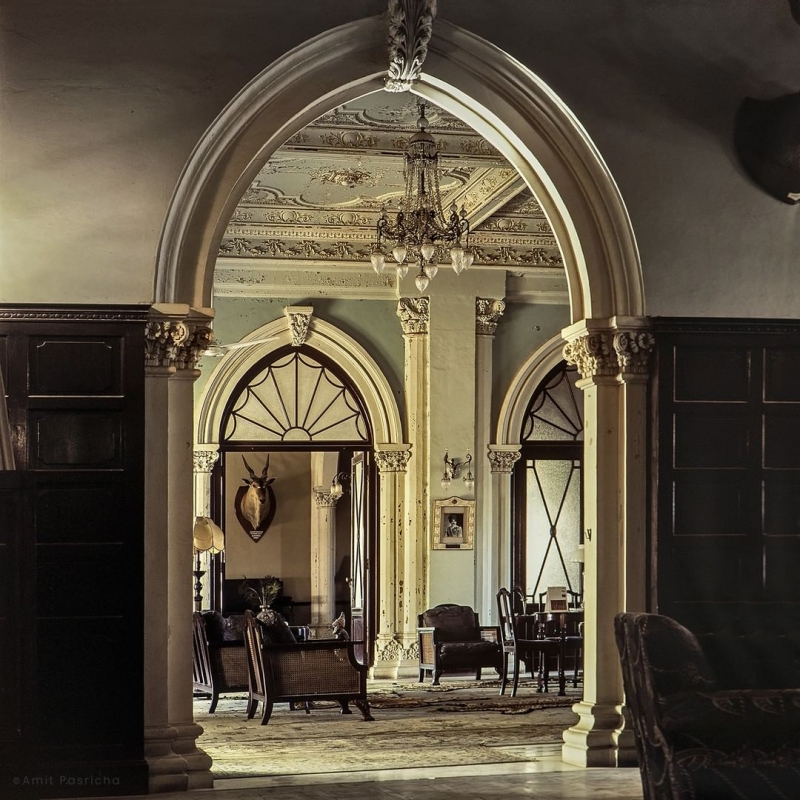
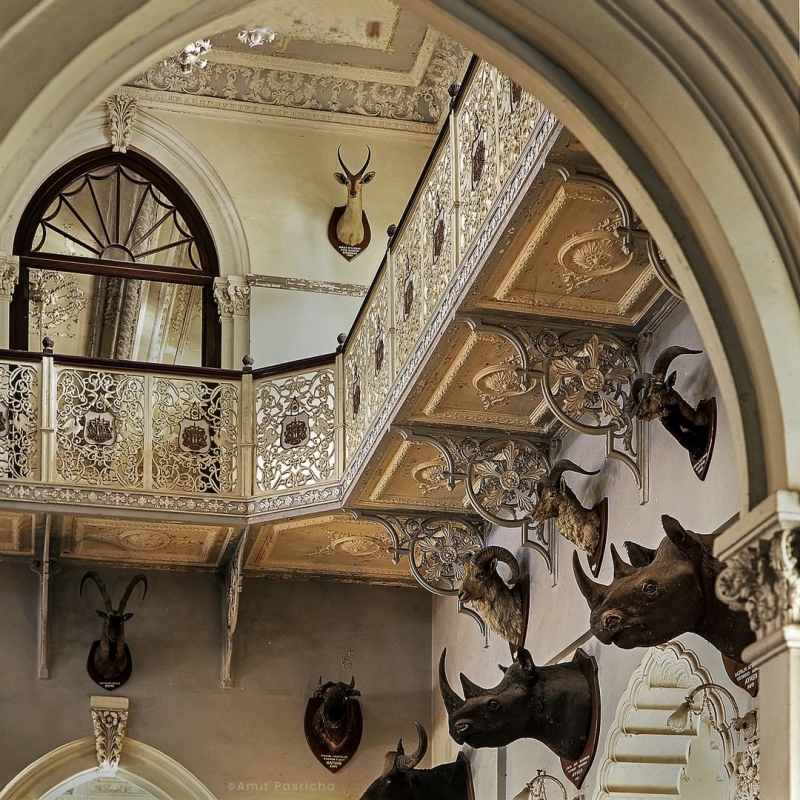
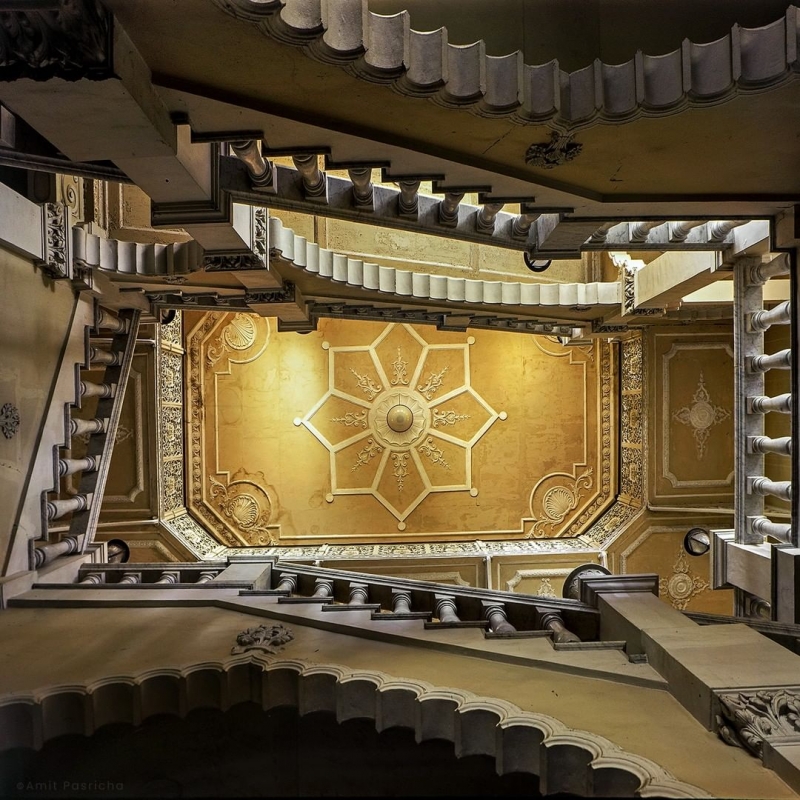
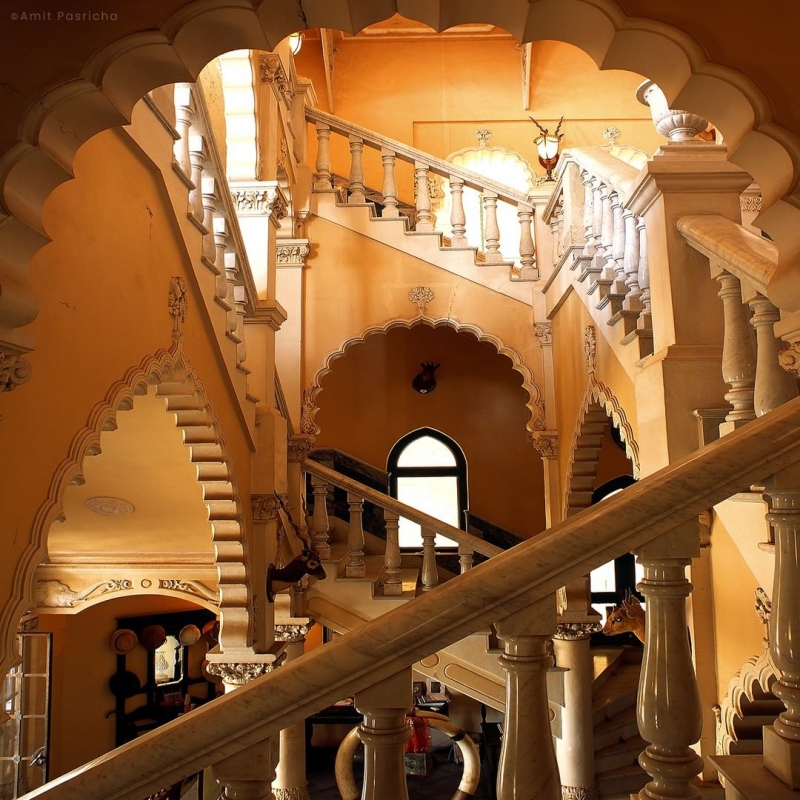
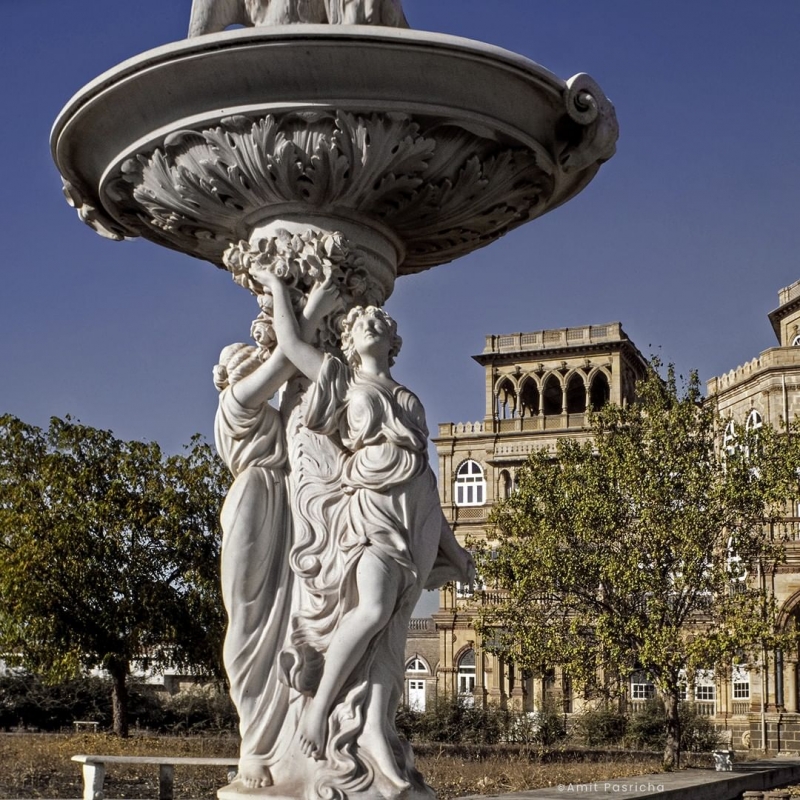
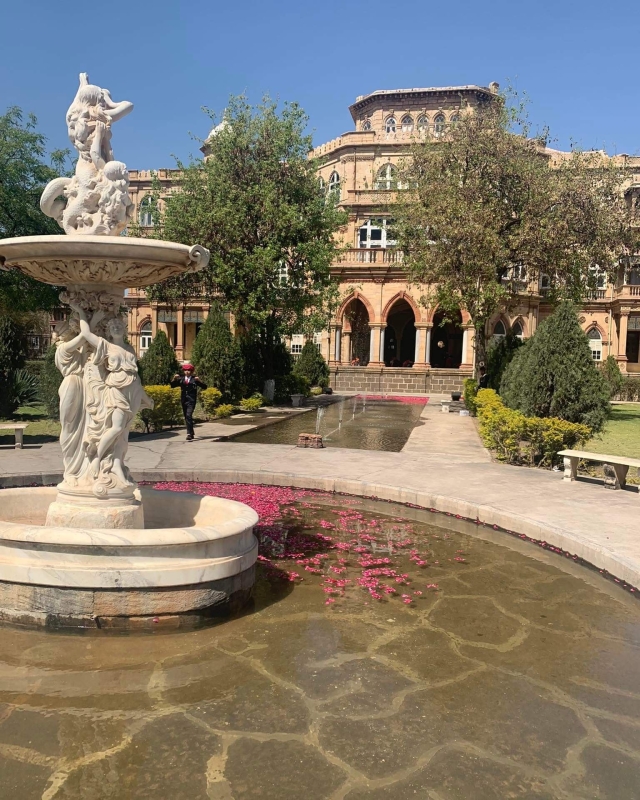
- Infrastructure and Architecture: He commissioned the construction of the magnificent Ranjit Vilas Palace, an architectural masterpiece blending Gothic, Victorian, Mughal, and Dutch styles.
- Education and Health: He introduced free primary education across the state, built modern schools for girls, and established well-equipped hospitals and dispensaries.
- Industrial Growth: Under his patronage, Wankaner became a hub for the manufacture of pottery, tiles, and agricultural tools. He also introduced a state-run railway system, connecting Wankaner to the broader Indian rail network.
Post-Independence and Modern Era
Following India's independence in August 1947, Maharana Sir Amarsinhji signed the Instrument of Accession, merging the state of Wankaner into the United State of Kathiawar (later renamed Saurashtra State) in 1948. In 1956, Saurashtra was merged into bilingual Bombay State, and subsequently, with the linguistic reorganization in 1960, Wankaner became a part of the newly formed state of Gujarat. For further historical context on this political transition, see the Saurashtra State Wikipedia Page.
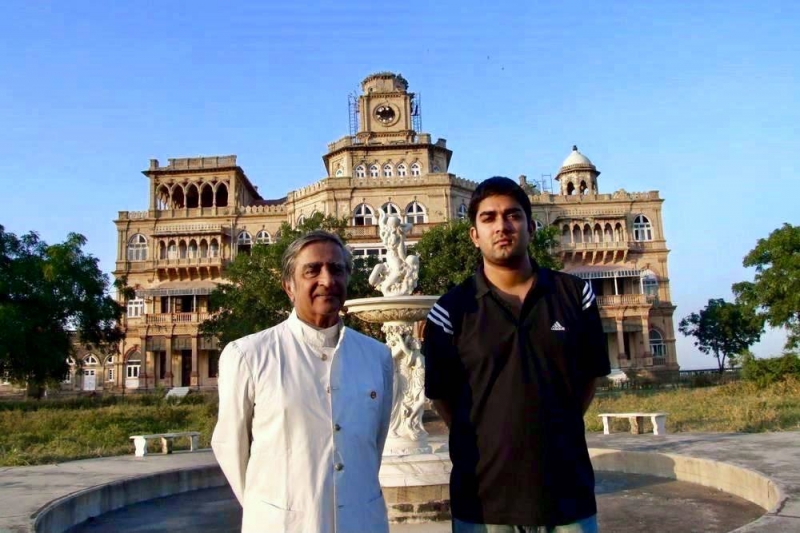
In the post-independence era, the royal family continued to serve the public. Maharana Digvijaysinhji Jhala (1932–2021) was an active environmentalist and politician, who served as India’s first Union Deputy Minister of Environment under Prime Minister Indira Gandhi. The family has actively preserved their historic legacy, transforming portions of the Ranjit Vilas Palace into a heritage destination, which continues to attract historians and tourists from across the globe.
References and External Links
Genealogy
- Raj Saheb SARTANJI/SULTANJI, Raj Saheb of Wankaner 1605/1632, married 1stly [name unknown] daughter of Jam Saheb JASAJI SATAJI of Nawanagar and married 2ndly Pratapkunverba daughter of Rao VIRAMDASJI of Idar.
- Raj Saheb Mansinhji Sartanji (qv)
- Kumar Shri Ramsinhji Sartanji
- Raj Saheb MANSINHJI SULTANJI, Raj Saheb of Wankaner 1632/1653
- Raj Saheb RAISINHJI MANSINHJI, Raj Saheb of Wankaner 1653/1679
- Raj Saheb CHANDRASINHJI I RAISINHJI, Raj Saheb of Wankaner 1679/1721
- Raj Saheb PRITHVIRAJJI CHANDRASINHJI, Raj Saheb of Wankaner 1721/1728
- Raj Saheb KESARISINHJI I CHANDRASINHJI, Raj Saheb of Wankaner 1728/1749
- Raj Saheb BHAROJI KESARISINHJI [Bhavaji], Raj Saheb of Wankaner 1749/1784, married (amongst others), Rani Kunkabai Sahiba, daughter of Kumar Shri Sagramji Kumbhoji Sahib of Gondal, and had issue.
- Kumar Shri Raisinhji Bharoji, married and had issue. He died vp before 1784.
- Raj Saheb Kesarisinhji II Raisinhji (qv)
- Kumar Shri Raisinhji Bharoji, married and had issue. He died vp before 1784.
- Raj Saheb KESARISINHJI II RAISINHJI, Raj Saheb of Wankaner 1784/1787
- Raj Saheb CHANDRASINHJI II KESARINHJI [Raj Dosaji], Raj Saheb of Wankaner 1787/1839
- Raj Saheb VAKHATSINHJI CHANDRASINHJI, Raj Saheb of Wankaner 1839/1842, married and had issue, 8 sons.
- Kumar Shri Jaswantsinhji Vakhatsinhji, married and had issue. He died vp before 1842.
- HH Maharana Raj Saheb Shri Banesinhji Jaswantsinhji (qv)
- Kumar Shri Jaswantsinhji Vakhatsinhji, married and had issue. He died vp before 1842.
- HH Maharana Raj Saheb Shri BANESINHJI JASWANTSINHJI, Maharana Raj Saheb of Wankaner 1842/1881, born , installed 1861, married (amongst others), HH Maharani Shri Bajirajba, daughter of Thakore Saheb Meruji Modji, 5th Thakore Saheb of Gavridad, and had issue. He died .
- Capt. HH Maharana Raj Saheb Shri Sir Amarsinhji Banesinhji (qv)
- Maharajkumari Phool Kunvarba, married (as his first wife), HH Maharana Shri Sir Chhatrasinhji Gambhirsinhji of Rajpipla.
- HH Maharani Takhat Kunverba Saheba, married 1916, HH Maharaja Purna Chandra Bhanj Deo of Mayurbhanj.
- Capt. HH Maharana Raj Saheb Shri Sir AMARSINHJI BANESINHJI [Gangubha], Maharana Raj Saheb of Wankaner 1881/1954, K.C.I.E. [cr.1911], born , educated at Rajkumar College, Rajkot; married 1stly, 1896, HH Maharani Shri Gulab Kunverba Sahiba, daughter of Shri Rajadhiraj Sir Naharsinhji Sahib Bahadur, Raja of Shahpura, married 2ndly, HH Maharani Shri Devkunverba Sahiba, daughter of HH Thakore Sahib Shri Bawajiraj Mehramansinhji Sahib, Thakore Sahib of Rajkot, married 3rdly, HH Maharani Shri Padmarajkunverba Sahiba, a lady from Mandva, married 4thly, HH Maharani Shri Phul Kunverba Sahiba, daughter of Thakore Sahib Shri Vakhatsinhji Meghrajji Sahib, Thakore Sahib of Vala, and had issue. He died .
- HH Maharani Takhat Kunverba Saheba, married 1916, HH Maharaja Purna Chandra Bhanj Deo of Mayurbhanj.
- Maharajkumari Manher Kunverba [HH Maharani Kusum Kunwari of Lunawada], married Col. HH Maharaja Sri Virbhadrasinhji Ranjitsinhji of Lunawada, and had issue.
- Rani Vilas Kunverba, married Raol Shri Sajjansinhji Takhatsinhji of Mansa, and had issue.
- HH Maharana Raj Saheb Pratapsinhji Amarsinhji (qv)
- Maharaj Saheb Chandra Bhanu Singhji, married Rani Kumud Manjli of Mayurbhanj, and had issue, four children.
- Kumar Shri Jitendra Singh, married Camilla.
- Kumar Shri Bhartendrasinhji Chandrabhanusinhji, educated at Rajkumar College, Rajkot (1947).
- Rajkumari Bhagyawanti Devi, born in Wankaner, Gujarat; married 24th November 1968 in Wankaner, Maharaj Devendra Pal Singh of Jhabua, and has issue, one son.
- Maharajkumar Rasikkumarsinhji Jhala, married Baijilal Chandrawali Kumari, daughter of Rajkumar Pratap Singh, Yuvaraj Saheb of Banera, and had issue.
- Kumar Shri Janakkumarsinhji Rasikkumarsinhji Jhala, educated at Rajkumar College, Rajkot (1964).
- HH Maharana Raj Saheb PRATAPSINHJI AMARSINHJI, Maharana Raj Saheb of Wankaner 1954/2007, born ; educated at Rajkumar College, Rajkot; succeeded on the death of his father in 1954; married 5th February 1929, HH Maharani Rama Kunver, born , died , daughter of HH Rai-i-Rayan Maharawal Shri Bijay Singhji Bahadur of Dungarpur, and his first wife, HH Maharani Devendra Kumari, and had issue, two sons and three daughters. He died .
- Maharajkumari Padmini Kumari [Rani Sahiba Padmini Kunverba of Kutch], married Maharajkumar Saheb Himmatsinhji Vijayrajji of Kutch, and had issue. She died at Kutch after a long illness.
- Maharajkumari Nalini Kumari, married Maharajkumar Shivbhadrasinhji Krishnakumarsinhji Gohil of Bhavnagar.
- HH Maharani Mohini Kumari, married HH Maharaja Govind Singh of Bijawar, born , died , and has issue.
- HH Maharaja Jai Singhji of Bijawar.
- HH Maharana Raj Saheb Dr. Digvijaysinhji (qv)
- Maharajkumar Dr. Ranjitsinhji, born , educated at Rajkumar College, Rajkot (1954); an expert on Indian wildlife and natural history, he has authored many books, including "Beyond the Tiger: Portraits of Asian Wildlife", joined the Indian Administrative Service in 1961, and held several environment-related jobs. As Forests and Tourism Secretary to Madhya Pradesh, he was responsible for the creation of 14 national parks and 11 wildlife sanctuaries. Later, he drafted the key Wild Life (Protection) Act of 1972, and served as India's first Director of Wildlife Preservation. He is perhaps best known for his work on Project Tiger, but he also played a crucial role in bringing back from the brink of extinction, the endangered central and eastern populations of the barasingha or swamp deer, (the eastern barasingha, cervus d. Ranjitsinhi, is named after him), married Maharajkumarani Kalpnakumari Ranjitsinhji Jhala, born , daughter of Shri Laxmansinghji Dilipsinghji Rathore of Sailana, and has issue.
- HH Maharana Raj Saheb Dr. DIGVIJAYSINHJI, Maharana Raj Saheb of Wankaner [22nd May 2007 - 4th April 2021]; (Ranjit Vilas Palace, Wankaner - 363621, Gujarat, India). Eeducated at Rajkumar College, Rajkot and later did his graduation from Claire College at Cambridge University and doctorate from St Stephen's College from Delhi University. He entered politics after independence of India. He was a Member of Legislative Assembly from Wankaner for the years 1962-67 as an independent candidate and as a member of the Swatantra Party from 1967-71. He then joined the Congress party and became Member of Parliament from Surendranagar for two terms from1979 to 1989. He formed the environment ministry of India under Prime minister Indira Gandhi and became first Environment Minister from 1982-1984. He represened India in the United Nations on more than one occasion, speaking on environmental issues facing the World. He is credited with declaring many national parks in India to conserve wildlife and nature and made major reforms such as coordinating with the Indian Railways to replace the wooden sleepers under railway tracks with cement ones to help save India’s trees. He has written a book on sustainable development called Eco-vote. He was a convener of the Indian Heritage Hotels Association, and later was one of the founding members and elected as the first Chairman of the Gujarat Heritage Hotels Association. He was among the first erstwhile royals of Gujarat to open his property the summer palace known as the Royal Oasis as a heritage hotel. He has served as a director of India Tourism Development Corporation also for many years 1968-1982. He was elected as the President of the Old Boys association of the Rajkumar College, Rajkot. He was also elected to the board of trustees of Rajkumar College. Amongst other things he is a founder member of the Indigenous Horse Society of India founded in 1999, a member of the Gujarat State Water Pollution Control Board in 1976, National Committee for Environmental Planning in 1981. He has been President of the Akhil Bharatiya Kshatriya Mahasabha since 1989, which is the oldest organization for the welfare of the community. He has held a rally from Kashmir to Kanyakumari and culminating in gathering of lakhs of supporters at the Red Fort in New Delhi to highlight issues relating to the community. He died on .
- Yuvraj Shri Kesri Singhji (qv)
- HH Maharana Raj Saheb KESRI SINGHJI, Maharana Raj Saheb of Wankaner (see above)
Notable Figures
Raj Sartanji I (1605 – 1623)
Raj Sartanji I was the illustrious founder of the Wankaner State, establishing the Jhala Rajput dynasty's rule over the region in 1605. He was the son of Raj Chandrasinhji, the ruler of Halvad (later known as the Dhrangadhra State). Following succession disputes in his ancestral home of Halvad, Sartanji carved out his own independent principality. He strategically chose a site located at a sharp bend ("wanka") of the Machchhu River, establishing his capital and naming it Wankaner (meaning "the bend of the river").
Under his leadership, Wankaner was fortified against neighboring clans and local bandits. He initiated agrarian settlements and consolidated his hold over the surrounding villages. His reign laid the geopolitical foundation for Wankaner as an independent state in the Kathiawar peninsula. More information about his lineage and the early foundation can be found on the Wankaner State Wikipedia Page.
Raj Prethirajji II Chandrasinhji (1787 – 1839)
Raj Prethirajji II ruled during a critical transitional phase in Kathiawar's history, marked by the decline of Mughal hegemony and the rise of the Maratha Empire and British influence. His long reign of over five decades was characterized by efforts to preserve Wankaner's autonomy against the predatory tribute collection raids of the Gaekwads of Baroda.
In 1807–08, Raj Prethirajji II represented Wankaner in signing the historic Walker's Settlement (negotiated by Colonel Alexander Walker of the British East India Company). This treaty brought permanent stability to the region by fixing the state's tribute (jamabandi) and bringing Wankaner under British protection, transforming it into a princely state under the Kathiawar Agency. Historical records of this settlement can be reviewed in the Gazetteer of the Bombay Presidency: Kathiawar.
Maharana Raj Saheb Sir Banesinhji Jaswantsinhji (1860 – 1881)
Maharana Raj Saheb Sir Banesinhji ascended the throne in 1860. He is widely credited with initiating the early stages of modernization in Wankaner. Before his reign, the administration was largely traditional and decentralized. Banesinhji worked to reform the land revenue system, establish formal courts of justice, and introduce a structured police force to maintain law and order.
A forward-thinking ruler, Banesinhji also paid great attention to public education and welfare, setting up some of the earliest state-funded schools in Wankaner. His administrative capabilities earned him deep respect from both his subjects and British administrators. His life and administrative reforms are cataloged in Sir Roper Lethbridge's historical directory, The Golden Book of India.
Maharana Raj Saheb Sir Amarsinhji Banesinhji (1881 – 1948)
Maharana Raj Saheb Sir Amarsinhji Banesinhji was arguably the most visionary and influential ruler of Wankaner. Succeeding as a minor in 1881, he was educated at the prestigious Rajkumar College, Rajkot, and assumed full ruling powers in 1899. Under his long reign, Wankaner underwent an extraordinary transformation into a highly progressive, modern state. He constructed extensive railway lines, introduced electricity, established state-of-the-art hospitals, and made primary education free and compulsory.
Sir Amarsinhji was a great patron of art and architecture, famously commissioning the construction of the magnificent Ranjit Vilas Palace, which elegantly blends Gothic, Mughal, and Rajput architectural styles. He was highly decorated by the British crown, receiving the KCSI and GCIE titles. In 1947, demonstrating great statesmanship, he signed the Instrument of Accession, integrating Wankaner into the Dominion of India. He continued to guide his people as a respected elder statesman until his passing in 1954.
Maharana Raj Saheb Pratapsinhji Amarsinhji (1948 – 2007)
Maharana Raj Saheb Pratapsinhji succeeded his father as the titular head of the Wankaner royal family. Having witnessed the integration of Wankaner into the United State of Kathiawar (Saurashtra) and later into Gujarat, Pratapsinhji successfully navigated the complex transition from royal ruler to a democratic citizen. He dedicated himself to preserving the cultural, architectural, and historical heritage of the Jhala dynasty.
Under his stewardship, the family legacy was preserved, and parts of the royal estate were adapted to heritage tourism, showcasing Wankaner's history to the world. He remained a respected figure in the Saurashtra region until his demise in 2007. His succession and family history are detailed in the Wankaner State records on Wikipedia.
Maharana Raj Saheb Dr. Digvijaysinhji Pratapsinhji (2007 – 2021)
Maharana Raj Saheb Dr. Digvijaysinhji Pratapsinhji Jhala was a highly distinguished political leader, environmentalist, and diplomat in post-independence India. Educated at Cambridge University and holding a doctorate, Digvijaysinhji entered public service early. He was elected as a Member of the Gujarat Legislative Assembly and later served as a Member of Parliament (Lok Sabha) representing the Surendranagar constituency.
A pioneer in environmental conservation, Digvijaysinhji was appointed by Prime Minister Indira Gandhi as India's first Union Minister of Environment, serving from 1982 to 1984. He played a pivotal role in drafting India's early environmental protection laws and establishing national parks. To learn more about his significant national contributions, visit his dedicated Wikipedia page: Digvijaysinhji Jhala.
Maharana Raj Saheb Kesridevsinhji Digvijaysinhji (2021 – Present)
Maharana Raj Saheb Kesridevsinhji Jhala is the current titular head of the Wankaner royal family, succeeding his father in 2021. Born in , Kesridevsinhji is an active and prominent political figure in Gujarat. He is a member of the Bharatiya Janata Party (BJP) and currently serves as a Member of Parliament in the Rajya Sabha representing the state of Gujarat.
Kesridevsinhji continues to manage the historic family estates, including the Ranjit Vilas Palace, and is deeply involved in local social welfare, heritage preservation, and regional development initiatives in the Wankaner and Morbi districts. His ongoing public service and political career can be followed on his official biography: Kesridevsinhji Jhala on Wikipedia.