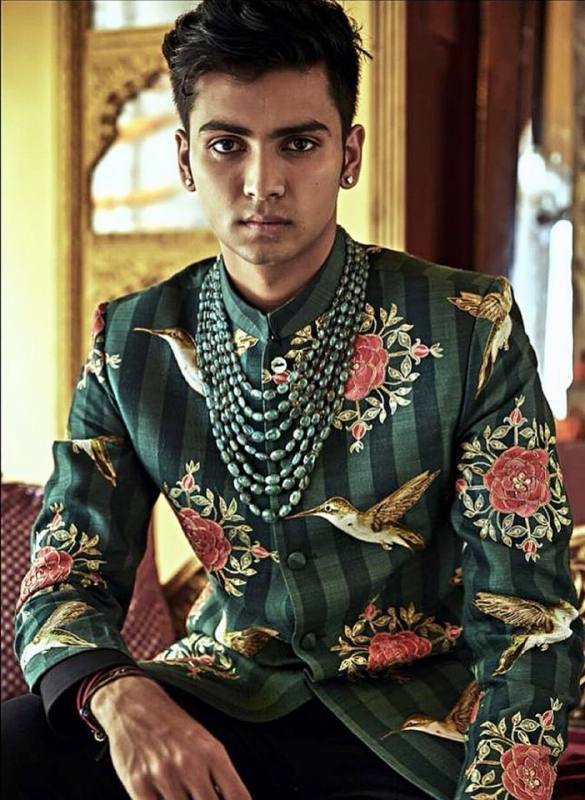

Present Head

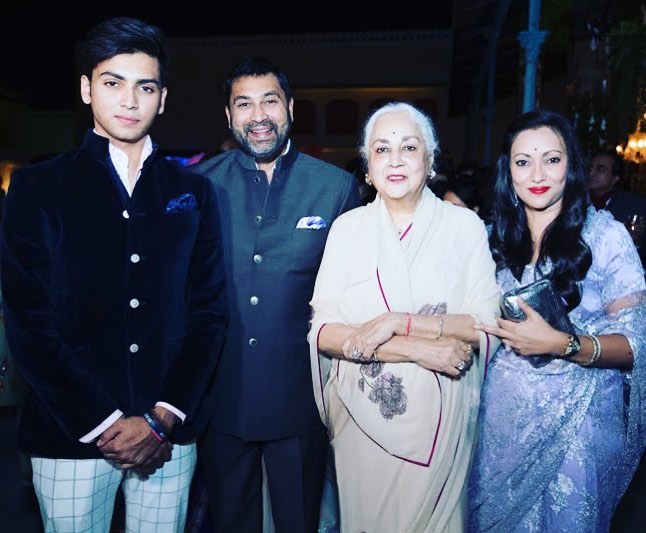
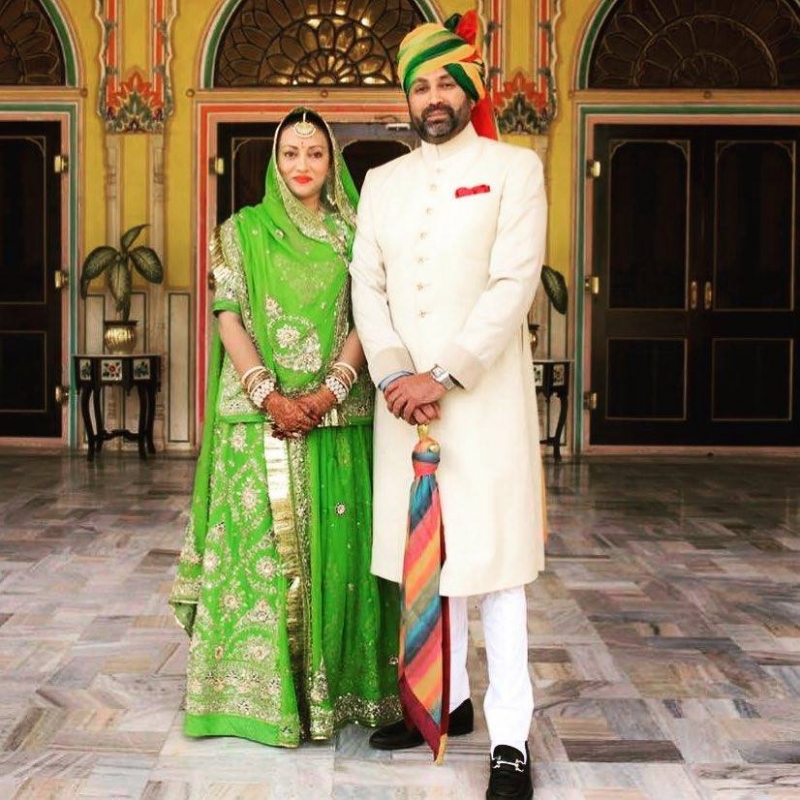
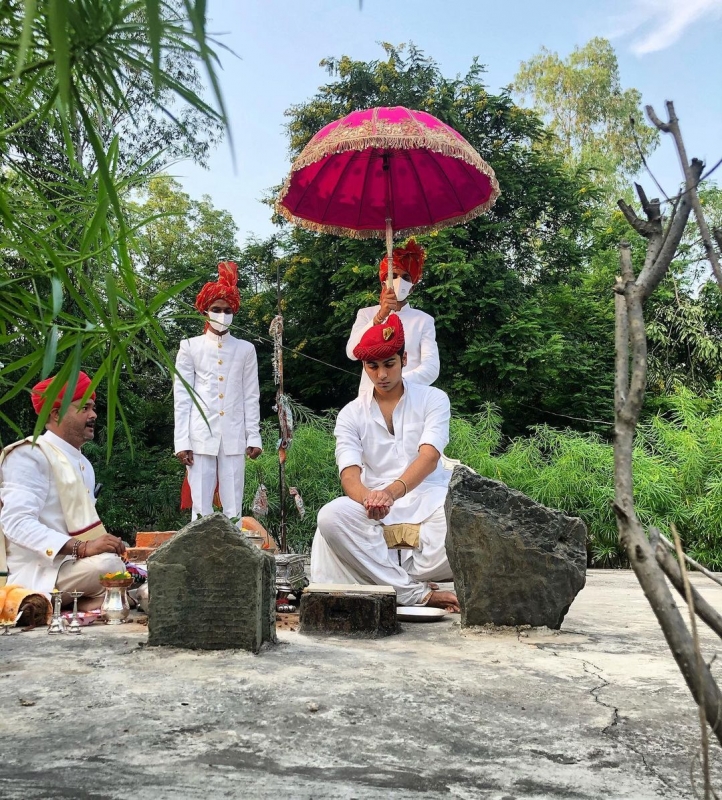
- Maharajkumari Kritiranjani Kumari, born , married to Yuvraj Sahib Jaiveerraj Singh Gohil of Bhavnagar.
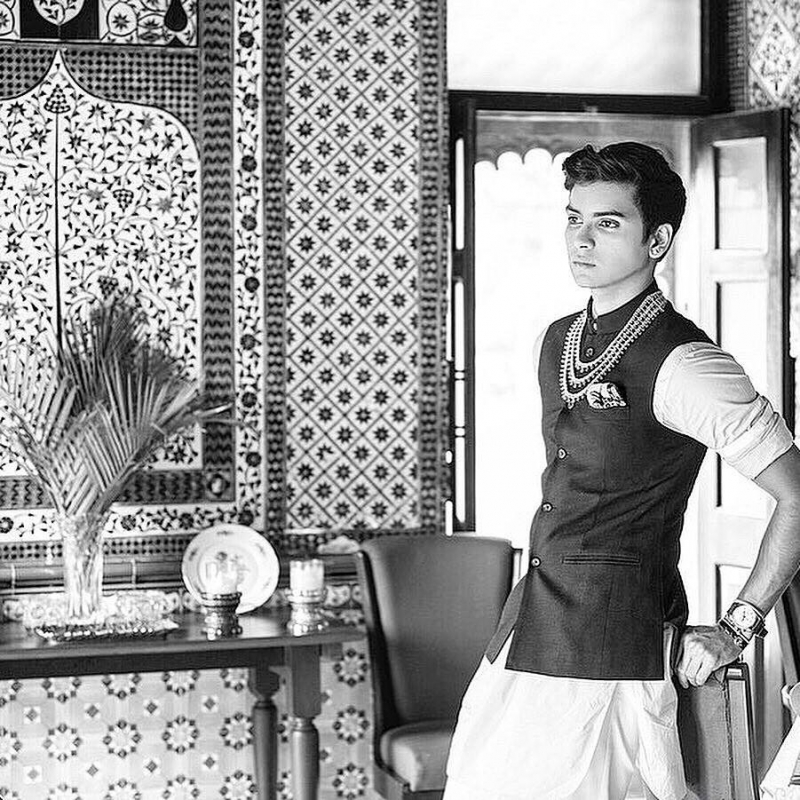
- Yuvaraj Vrisharankadityasinhji Paranjayadityasinhji, born .
History
Origin and Foundation of Sant State
The ruling dynasty of Sant (or Sunth) claims descent from the imperial Parmar (Pawar) dynasty of Dhar and Ujjain in Malwa. According to historical records and local chronicles, the ancestors of the family migrated from Dhar after its decline. They initially established themselves at Jhalod in the Panchmahal region. However, in the 13th century, after facing military pressures from local powers, the chief Rana Sunthji (or Sant) migrated further into the rugged, forest-clad hilly tracts of the region.
In 1255, Rana Sunthji successfully established an independent principality after defeating the local Bhil chieftains who inhabited the wild borderlands. The newly founded capital and the state were named "Sunth" after the founder chief. The state's geographical layout, consisting of dense forests and defensive hills, provided a natural stronghold that helped the rulers preserve their independence through subsequent centuries of regional conflict.
Mughal and Maratha Periods
During the medieval era, Sant State maintained a delicate political balance with neighboring powerful states. Under the Gujarat Sultanate and later the Mughal Empire, the rulers of Sant managed to retain their autonomy by paying a nominal tribute (peshkash) and providing military contingents when summoned. The rugged terrain made any direct conquest of the state highly difficult and unprofitable for the imperial powers.
With the decline of the Mughals in the 18th century, the Maratha Empire expanded its influence over Gujarat. The Maratha confederacy, represented by the Gaekwads of Baroda and the Scindias of Gwalior, asserted suzerainty over the Rewa Kantha region. During this turbulent period, Sant State was subjected to heavy tribute demands and frequent military raids (Mulkgiri) by Maratha forces. To protect its territories, the state was forced to pay tribute to Scindia, which severely strained its financial resources.
The British Period and Reforms
In 1803, the British East India Company entered into relations with the states of the Rewa Kantha Agency. In 1819, with the mediation of the British government, a treaty was concluded between the Scindia of Gwalior and the state of Sant. This agreement fixed the tribute payable to Scindia and placed Sant under British protection, bringing long-awaited peace, stability, and relief from predatory raids.
The administrative integration with the British Raj took a concrete shape under the Rewa Kantha Agency of the Bombay Presidency. The rulers of Sant were recognized as First Class chiefs in the agency, enjoying extensive judicial and executive powers. They were granted a formal 9-gun salute.
The late 19th and early 20th centuries were marked by major progressive reforms and modernization. Under the long and enlightened reign of Maharana Pratapsinhji Zorawarsinhji (who ascended the gadi in 1896), the state underwent a significant socio-economic transformation. Key achievements during this period included:
- The introduction of modern land revenue settlements and the abolition of oppressive taxes.
- Establishment of primary schools, high schools, and free medical dispensaries for the subjects, particularly benefiting the local tribal Bhil population.
- Construction of metalled roads, public buildings, and irrigation tanks to boost agriculture.
- Establishment of the capital city of Santrampur as a center of trade, art, and administrative excellence.
Post-Independence and Modern Era
Following the end of British rule in August 1947, the last ruling Chief, Maharana Pravinsinhji Pratapsinhji, signed the Instrument of Accession to the Dominion of India. On June 10, 1948, Sant State was officially merged into the Bombay State. Following the linguistic reorganization of Indian states in 1960, the region became a part of the Panchmahal district of Gujarat.
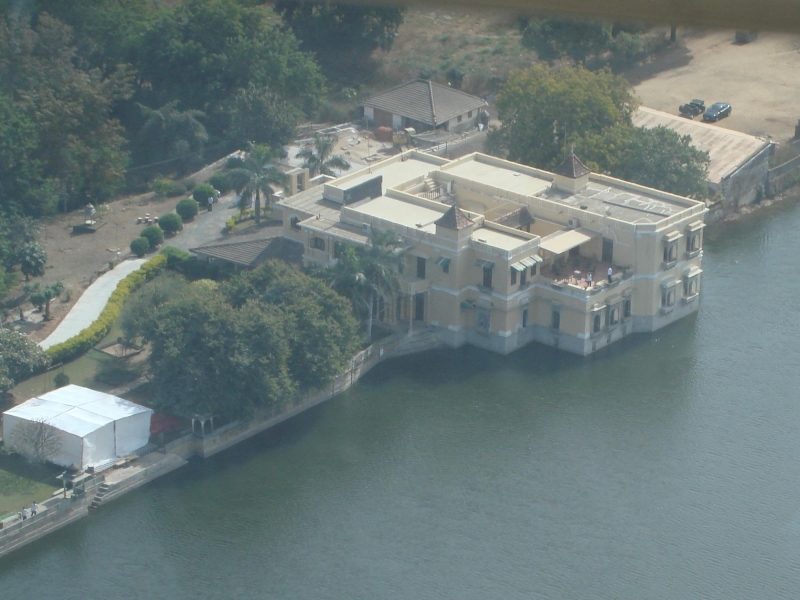
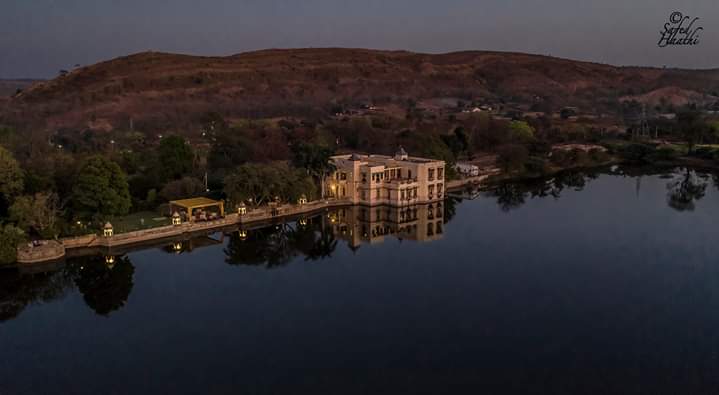
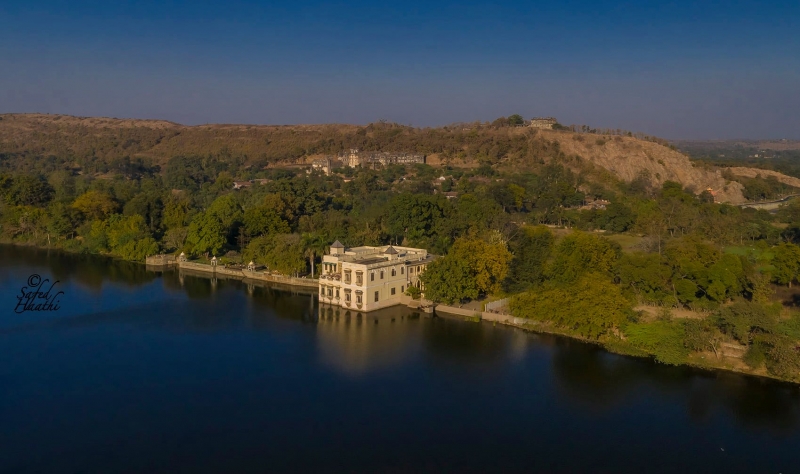
Today, Santrampur is a taluka headquarters in the Mahisagar district of Gujarat. The royal palace, known as the Shri Pratap Palace, stands as a grand monument to the state's architectural and cultural legacy, drawing historians and tourists alike.
References and External Links
- To read more about the administrative history of the region, visit the Digital South Asia Library - Imperial Gazetteer of India.
- Further details about the regional history can be found on the Wikipedia Page on Sant State.
Genealogy
- Rana Prithvi Sinhji I
- Rana Sabal Sinhji (1607-1635)
- Rana Gaj Sinhji I
- Rana Maha Sinhji (1688-1704)
- Rana Prithvi Sinhji II (1728-1735)
- Rana Ratan Sinhji
- Rana Badan Sinhji
- Rana Shiv Sinhji
- Rana Kesari Sinhji (qv)
- Rana Kalyan Sinhji (qv)
- Rana Kesari Sinhji
- Gaj Sinhji II (qv)
- Rana Gaj Sinhji II
- Rana KALYANSINHJI, Rana of Sant Rampur (1819-1835), married amongst others Rathorji Gulab Kunverba who acted as regent during the minority of her son.
- Rana Bhawanisinhji (qv)
- Rana BHAWANSINHJI, Rana of Sant Rampur (1835-1872), married and had no issues. Adopted Maharana Pratap Sinhji's from a collateral branch of Sangwada.
- Rana Pratapsinhji Bhawanisinhji (qv)
- Rana PRATAPSINHJI BHAWANISINHJI, Maharana of Sant-Rampur [1873/1896], born on , succeeded to the gaddi as a minor on 17th April 1873; educated at the Rajkumar College, Rajkot; died ; married, amongst others in 1879 to Sisodiniji Chundawatji Dariyav Kunverba of Bambora in Mewar, Phool Kunverba (she died in ) and had issues.
- HH Maharana Shri JORAWARSINHJI PRATAPSINHJI, Raja of Sant Rampur 1896/1946, born and succeeded 31st August 1896, educated at Rajkumar College, Rajkot; married twice, Sisodiniji Phool Kanwarji, daughter of Rajadhiraj Sir Nahar Singh of Shahpura and Sisodiniji (Sarangadevotji) Chaman Kanwarji, daughter of Kunwar Lakshman Singh of Kanore in Mewar and had issue. He died .
- HH Maharana Shri Pravinsinhji Jorawarsinhji (qv)
- Rajkumari (name unknown), married to Kunwar Pravin Sinhji Raghunath Sinhji of Lunawada.
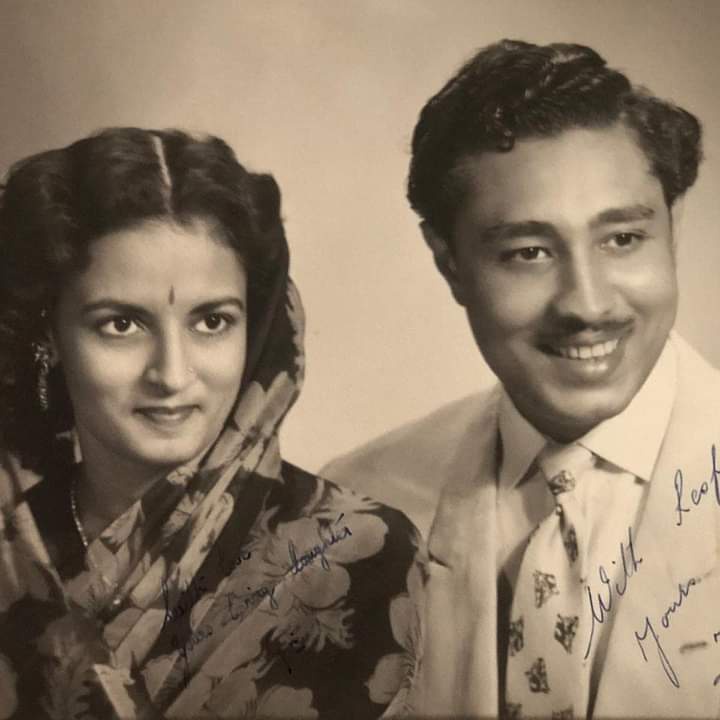
- HH Maharana Shri PRAVINSINHJI JORAWARSINHJI, Raja of Sant Rampur 1946/- , born ; and succeeded on 22 December, 1946 on the death of his father; educated at Rajkumar College, Rajkot; married HH Maharani Hansa Kumari, daughter of HH Maharajadhiraj Mirzan Maharao Shri Vijayrajji Khengarji Sawai Bahadur of Kutch, and his wife, HH Maharani Shri Padmakunwar Ba Sahiba, and had issue.
- HH Maharana Shri Krishnakumarsinhji Pravinsinhji (qv)
- HH Maharana Shri KRISHNAKUMARSINHJI PRAVINSINHJI, Raja of Sant Rampur -/1991, married HH Maharani Goverdhan Kumari, born , daughter of HH Umdae Rajhae Buland Makan Maharajadhiraja Maharaja Yagyanarayan Singhji Bahadur of Kishangarh, and had issue. He died .
- HH Maharana Shri Paranjayadityasinhji Krishnakumarsinhji (qv)
- HH Maharana Shri PARANJAYADITYASINHJI KRISHNAKUMARSINHJI (see above)
Notable Figures
Rana Santaji (Sunthji)
Rana Santaji, a Parmar Rajput prince belonging to the illustrious Malwa branch, founded the Sant State in the year 1255. Following the aggressive expansion of the Delhi Sultanate into Malwa and the fall of Dhar, Santaji migrated westward into the rugged, hilly tracts of Gujarat. He successfully displaced the local Bhil chieftains and established his capital at Sant, which later grew into a prominent regional power. His migration preserved the sovereign lineage of the Parmar dynasty in this newly conquered territory.
For more details on the geographical and historical origins of the state, please refer to the Sunth State Wikipedia Page.
Rana Mandansinghji
During the late 18th and early 19th centuries, Sant State faced continuous predatory raids and tribute demands from the Maratha powers, particularly the Scindias of Gwalior and the Gaekwads of Baroda. Rana Mandansinghji guided the state through these turbulent times. Recognizing the need for external security, his administration facilitated the transition of Sant State into a British protectorate. In 1819, under the mediation of the British East India Company, a treaty was signed that settled the tribute disputes and guaranteed the internal autonomy of the state.
The administrative transitions of this period are detailed in historical archives such as the Imperial Gazetteer of India.
Rana Pratapsinghji
Rana Pratapsinghji ascended the gadi in 1872 and ruled until 1896. He was an enlightened administrator who initiated the modernization of the state's judicial and revenue departments. He recognized the importance of welfare and education, establishing the first English-medium primary schools and dispensary in the capital town of Santrampur. His reign transitioned the state from a medieval feudal estate into a progressive, well-administered principality.
Maharana Zorawarsinghji Pratapsinghji
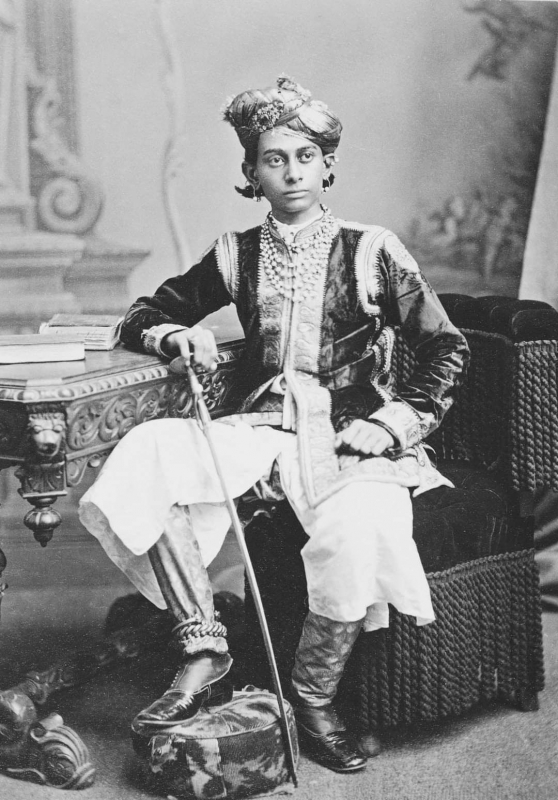
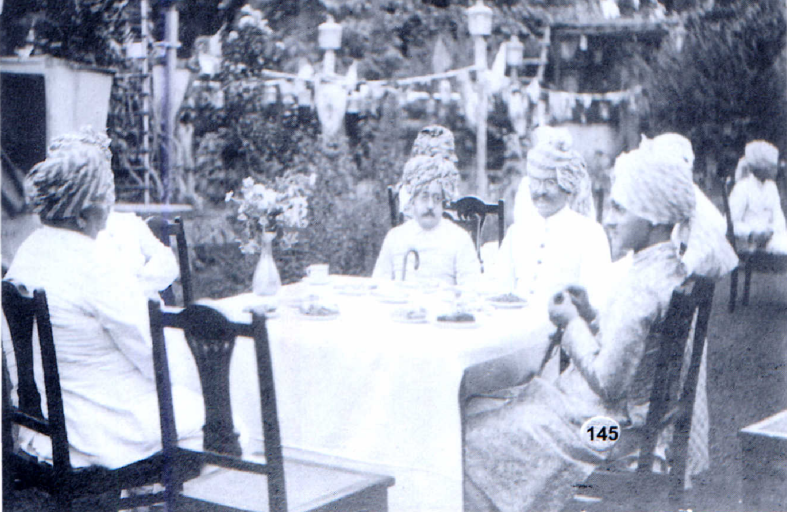
Maharana Zorawarsinghji succeeded to the throne in 1896 as a minor and assumed full ruling powers in 1902. His long and peaceful reign of nearly five decades was marked by extensive public works, administrative reforms, and infrastructural development. He constructed the grand Sri Pratap Palace in Santrampur, laid down a network of metalled roads, and introduced piped drinking water systems. Because of his loyal services and administrative efficiency during World War I and World War II, the British government granted him a personal salute of 9 guns and the hereditary title of Maharana.
Further information on his reign and the state's military contributions can be found on the Santrampur Wikipedia Page.
Maharana Pravinsinghji Zorawarsinghji
Ascending the throne in 1946, Maharana Pravinsinghji was the last ruling chief of the Sant Princely State. He ruled during a critical juncture in Indian history as the nation transitioned to independence. On 10 June 1948, he signed the Instrument of Accession, merging his state into the Indian Union. Consequently, Sant State became part of the Panchmahal district in the Bombay Province, later reorganized into the modern state of Gujarat.
The political integration details of the western Indian states are documented in the history of the Political Integration of India.