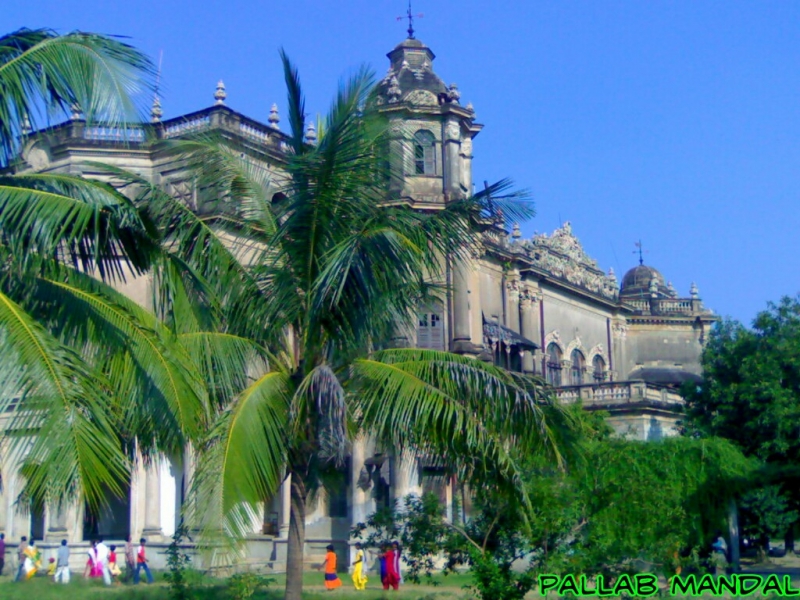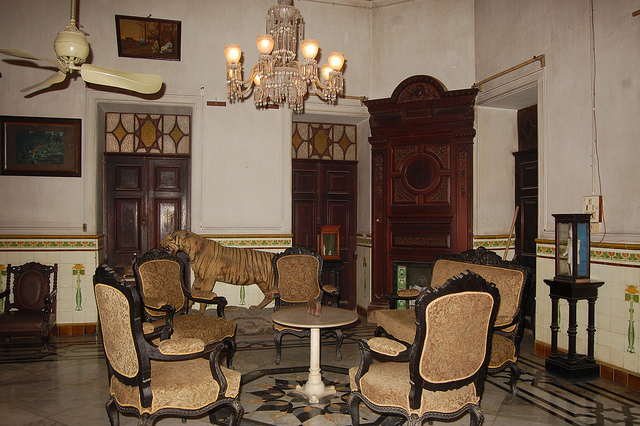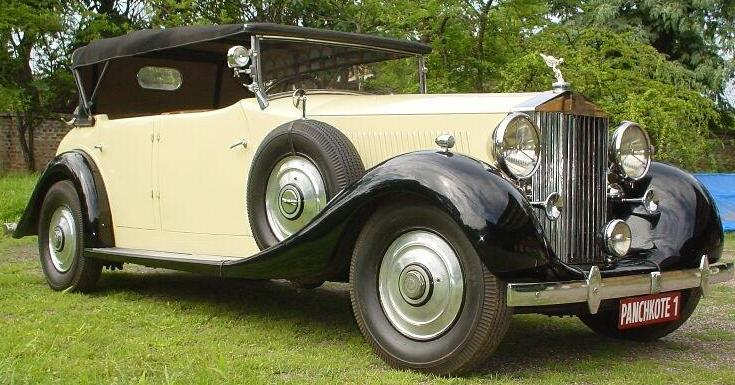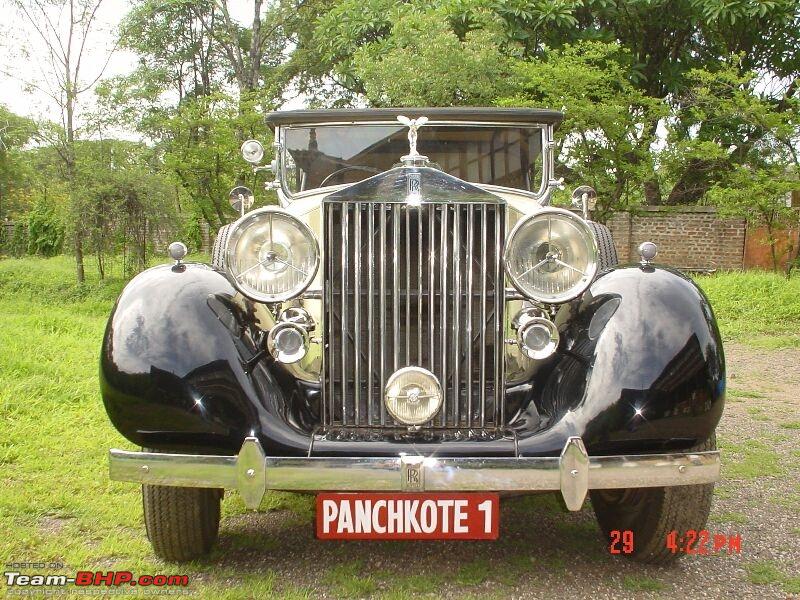
History
Origin and Foundation
The Zamindari Raj of Panchkot, historically known as Chakla Panchkot or Panchet Raj, was an ancient sovereign estate situated on the western frontier of Bengal (comprising modern-day Purulia district in West Bengal and parts of neighboring Jharkhand). According to regional chronicles and dynastic records, the state was founded around 81 AD by Maharajadhiraj Sri Damodar Sekhar Deo. He was a scion of the Parmar Rajput clan, descended from Maharaja Dhiraj Udayji Singh Deo of Dhonagarh in the North-West Provinces.
Legend holds that during a pilgrimage to Jagannath Puri, the queen of the Dhar state gave birth to Damodar Sekhar in the dense forests of the region. Believing the newborn to have been lost or abandoned, the royal entourage proceeded. The child was subsequently rescued and raised by the local indigenous communities. He was eventually acknowledged as their ruler, unifying five local chieftains (known as the Panch Khunt or five clans), which gave the kingdom its name—Panchkot (Five Forts). The rulers of Panchkot adopted the title of "Sekhar Deo" or "Singh Deo" and claimed their lineage from the illustrious Parmar dynasty of Central India.
The Medieval Era and Mughal Relations
For centuries, the rulers of Panchkot reigned from their fortified capital at the foot of the Panchkot Hill (Garh Panchkot). Due to its strategic location amidst rugged hills and dense forests, the kingdom acted as a buffer state between the Hindu kingdoms of Odisha, Jharkhand, and the Muslim-ruled Bengal Sultanate. The ruins of temples, security gates, and moats at Garh Panchkot bear testimony to the architectural grandeur of this era, characterized by a unique blend of terracotta art and stone craftsmanship.
During the Mughal period, the region was referred to as "Panchet" in administrative texts like the Ain-i-Akbari and the Akbarnama. While the Mughals exercised nominal suzerainty over the region, the Rajas of Panchkot enjoyed considerable autonomy, paying a yearly tribute (peshkash) to the Mughal Subahdar of Bengal. The kingdom was renowned for its fierce resistance to external interventions, utilizing the difficult terrain to repel imperial advances on multiple occasions.
Maratha Invasions and the Shift of Capital
The mid-18th century brought severe devastation to Panchkot during the Maratha invasions of Bengal (popularly known as the Bargi Hungama). Led by Bhaskar Pandit, the Maratha cavalry repeatedly raided the western frontiers of Bengal. Around the 1740s, the Marathas attacked and plundered the capital city of Garh Panchkot, destroying its magnificent palaces and murdering many of its inhabitants.
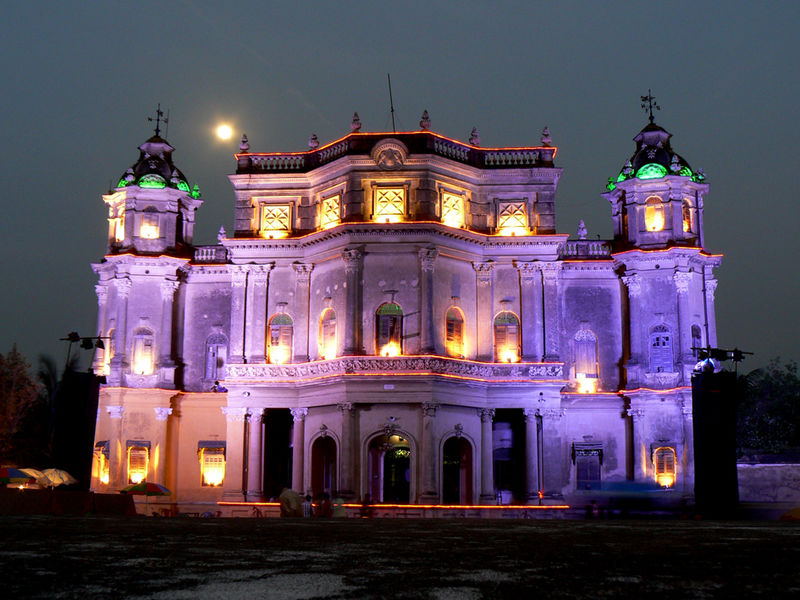
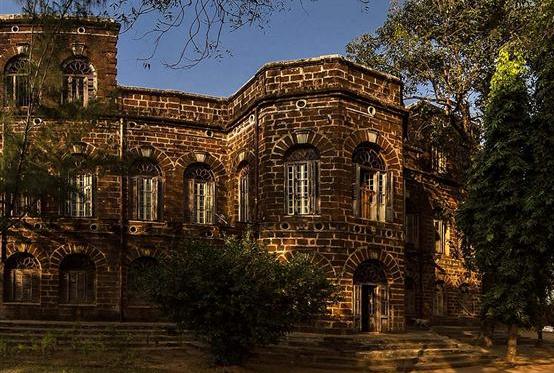
Following this catastrophe, the royal family abandoned the fortified settlement at the foot of Panchkot Hill. They temporarily relocated to different defensive positions before establishing a new administrative capital at Kashipur (now in the Purulia district) in the early 19th century. The Kashipur Palace, built in the later years, became the seat of the dynasty's modern history.
The British Raj and the Zamindari Period
With the grant of the Diwani of Bengal, Bihar, and Odisha to the British East India Company in 1765, the political status of Panchkot underwent a drastic transformation. The British reduced the sovereign rulers of Panchkot to the status of zamindars, demanding high land revenues. This transition was met with intense local resistance, culminating in the Chuar Rebellion (or Bhumij revolt), where the local peasantry and militia, loyal to the Panchkot Raj, rose against the exploitative revenue policies of the British.
The introduction of the Permanent Settlement of 1793 severely impacted the estate's finances. Unable to meet the exorbitant revenue demands, large portions of the Panchkot estate were put up for auction by the East India Company. However, through strategic negotiations, court battles, and the deep-seated loyalty of the local populace who refused to accept external buyers, the ruling family managed to retain control over most of their ancestral lands.
Post-Independence and Modern Legacy
Following India's independence in 1947, the princely states and zamindaris were integrated into the Indian Union. With the passage of the West Bengal Estates Acquisition Act of 1953, the formal zamindari rights of the Panchkot Raj were abolished, and the estate's vast forestlands and agrarian holdings were acquired by the state government.
Today, the historical legacy of the Panchkot Raj is preserved through the ruins of Garh Panchkot, which has been recognized as a significant archaeological and heritage tourism site in West Bengal. The Pancharatna temple, the Jor-Bangla temple, and the crumbling fortification walls stand as silent witnesses to the glorious past of the Parmar Rajput rulers on the eastern frontiers of India. The royal descendants still maintain the Kashipur Palace, celebrating traditional festivals like Durga Puja and Raj Rajeshwari Puja with historical fervor.
Genealogy
- Raja BIR NARAIN SINGH Deo, Raja of Panchkot, he was the commander of 300 horses for Padhshah Shahjehan of Delhi. He died .
- .....
- Raja NILMONI SINGH Deo, Raja of Panchkot, he had 13 children from 3 wives. He died /1907.
- Yuvraj Joy Narayan, died young.
- Yuvraj Hari Narayan, He died vp. (qv)
- Raja HARI NARAYAN SINGH Deo, Raja of Panchkot, married and had issue.
- Yuvraj Jyoti Prasad Singh Deo (qv)
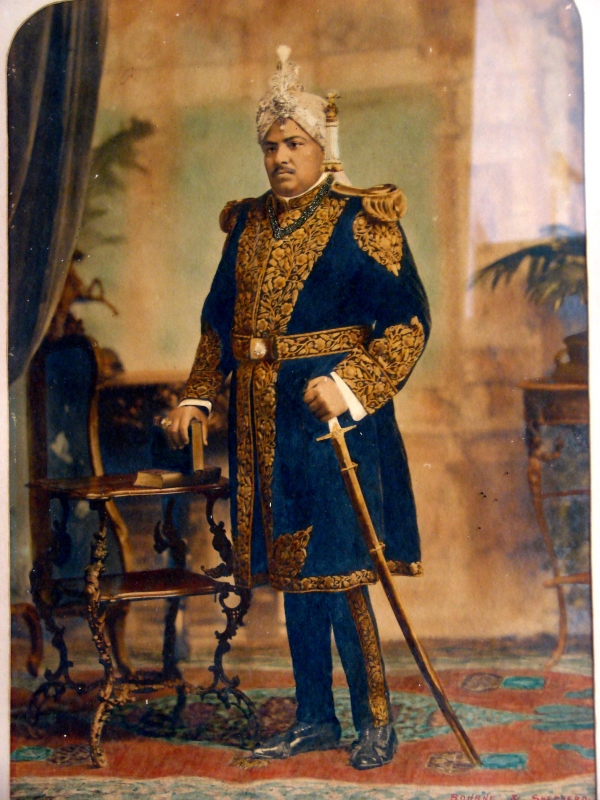
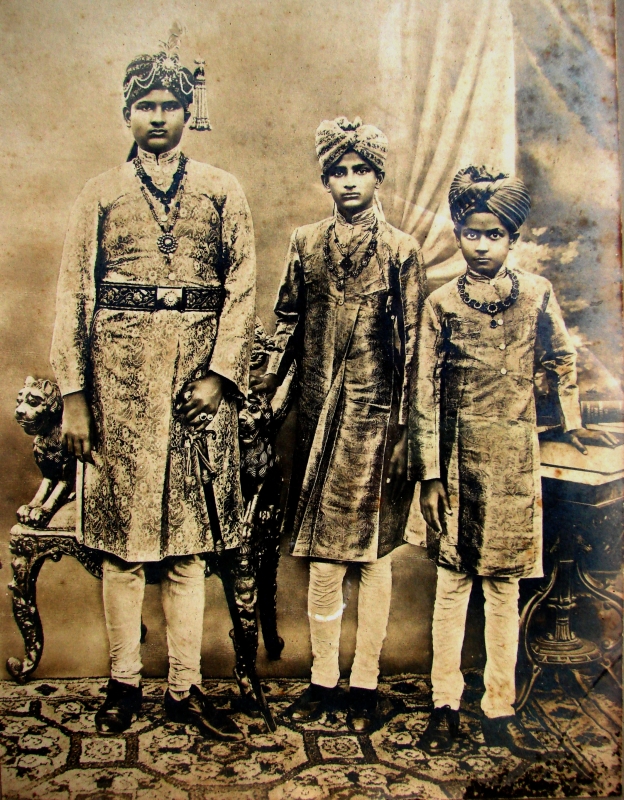
- Raja Bahadur Shri JYOTI PRASAD SINGH Deo, Raja of Panchkot 1901/-, born , ascended 1901, died , he was granted the title of Raja in June 1912 as a personal distinction; married a daughter of Maharaja Krishna Chandra Bhanj Deo of Mayurbhanj, and had issue, three sons and at least five daughters.
- Raja Kalyani Prasad Singh Deo (qv)
- Rajkumar Rajkrishna Prasad Singh Deo, died unmarried.
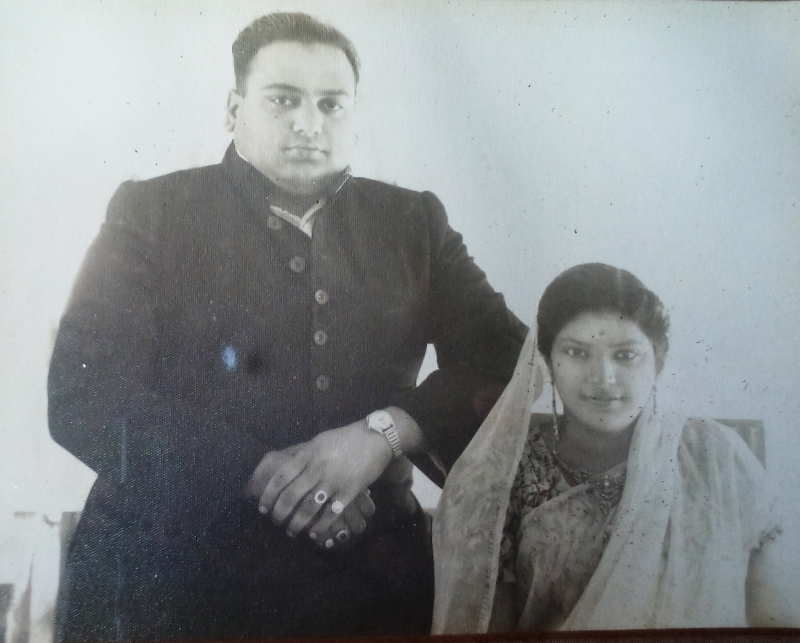
- Rajkumar Ajit Prasad Singh Deo, educated at Rajkumar College, Raipur; he served as a Minister in the Bihar Government in 1934, also a Minister in the Government of West Bengal, M.L.A. (West Bengal); married to Kunwarani Sarojini Devi of Bamra State, Orissa, and had issue, four sons and two daughters.
- Kumar Raj Rajeshwari Prasad Singh Deo, died unmarried.
- Kumar Jagadanandan Prasad Singh Deo, married and has issue, two sons.
- Kumar Biswajit Prasad Singh Deo, married Kumari Jaishree Devi of Kharsawan State and has issues, one daughter and a son.
- Kumari Bishwashree Singh Deo, married to Kunwar Vikramaditya Singh of Gajiapur Estate, Arrah, Bihar, now settled in Australia.
- Kumar Kalyan Shekar Deo
- Thatrani Soma Devi, married Thatraj Ranarnab Deb of Puri, and has issue, one son.
- Kumar Debjit Prasad Singh Deo, married to Kumari Namrata Kumari, daughter of Kunwar Dharmendra Singh Parihar of Nagod, and his wife, Rajkumari Bhuwaneshwari Devi, has issue, one daughter.
- Kumari Srividya Singh Deo
- Kumar Biswajit Prasad Singh Deo, married Kumari Jaishree Devi of Kharsawan State and has issues, one daughter and a son.
- Kumar Bhagwati Prasad Singh Deo, BJP President Purulia Dist., married to Kunwarani Pushpa Devi of Raidihi and has issues, 2 daughters and a son.
- Kumari Aparajita Singh, married to Kumar Ravi Singh of Akhoragarh, Dehri, U.P.
- Kumari Neelu Singh, married to Kunwar Kamakhaya Singh of Shakarpura Raj.
- Kumar Amarjyoti Singh Deo, married to Kunwarani Khushboo Singh Deo.
- Kumar Kamakhya Prasad Singh Deo, MLA (Trinamul Congress) 2011-2016, Chairman Purulia Municipality, and Chairman of Standing Committee W.B. Govt. for Home, Administrative, Law, Judicial and Jail; married and has issues, one son and a daughter. He died in .
- Kumar Dibyajyoti Prasad Singh Deo, married to Kumari Vishakha Singh Deo and has issue, one daughter.
- Kumari Diya Singh Deo
- Kumari Sushmita Devi, married to Kumar Rajiv Lochan Singh Deo of Dhenkanal.
- Kumar Dibyajyoti Prasad Singh Deo, married to Kumari Vishakha Singh Deo and has issue, one daughter.
- Rajkumari Sharda Devi, married Raja Audhendra Pratap Sahi of Deara, U.P., and had issue.
- Rajkumari Brija Kumari, fifth daughter, married Dewan Sahab Bhagwati Pratap Singhji of Ramganj Taluq in Oudh, and had issue.
- Rajkumarani Kamlesh Kumari, married 8th March 1950, Rajkumar Rukmani Raman Braham of Agori-Barhar.
- Raja KALYANI PRASAD SINGH Deo, Raja of Panchkot, ascended 1938, died , married twice and had issue, two sons and one daughter.
- Raja Sankari Prasad Singh Deo (qv)
- Rajkumar Jagdishwari Prasad Singh Deo, married Rajmata Vidya Devi of Bandhi Talukdari in Madhya Pradesh, and had issue, (Benaras, India).
- Rajkumari Mamta Kumari, married Kumar Brajesh Singh of Shehdol in Rewa, and has issue, two daughters.
- Kumari Darshika Singh
- Kumari Shagorika Singh
- Kunwar Vikramaditya Prasad Singh Deo, died , married Kunwarani Ishwari Raje Singh Deo, and has issue.
- Kunwar Jyotishwar Prasad Singh Deo
- Kunwar Kartikeya Prasad Singh Deo
- Kumari Jyotishwari Prasad Singh Deo
- Kunwar Udayaditya Prasad Singh Deo, married 8th March 1995, Kunwarani Dharini Kumari, daughter of Thakore Saheb Ajitsinhji Vijaysinhji of Lodhika Junior, and has issue.
- Kunwar Prithviraj Prasad Singh Deo
- Kumari Rudrani Prasad Singh Deo
- Rajkumari (now H.H Maharani Saheba) Mahima Kumari, married Maharajkumar Vishvaraj Singh, Yuvaraj Sahib of Udaipur, and has issues, one daughter and a son.
- Bhanwar Baisa Jayati Kumari
- Bhanwar Devajaditya Singh
- Rajkumari Mamta Kumari, married Kumar Brajesh Singh of Shehdol in Rewa, and has issue, two daughters.
- Rajkumari Jayanti Kumari, died unmarried.
- Late Rajkumari Gauri Devi, married to Late Raja Chandrabhal Deo Singh (Ex-MLC) of Rajabazar Raj, Jaunpur, UP.
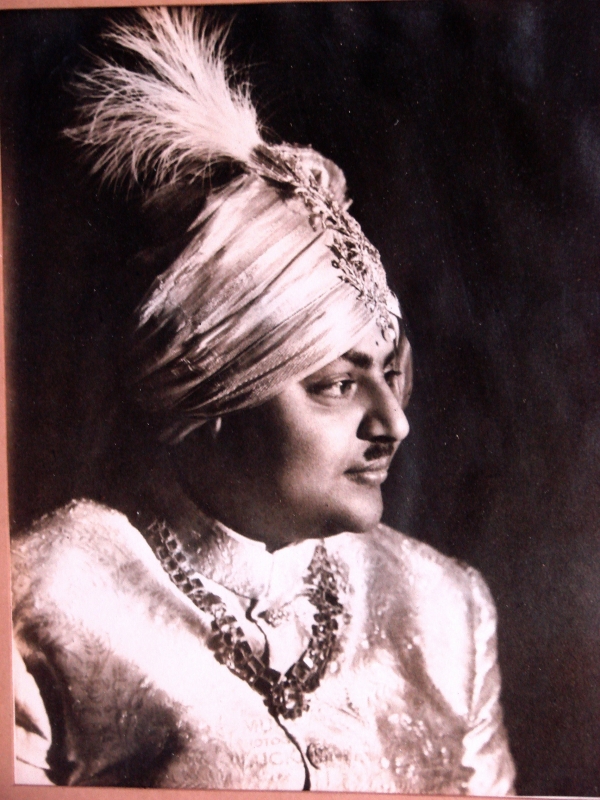
- Raja SANKARI PRASAD SINGH Deo, Raja of Panchkot, ascended 1945, died , married married 1stly, Rani Durgesh Kumari from Tirwa, married 2ndly, Rani Soubhagyawati Kumari, and had issue, one son and one daughter.
- Raja Bhubaneshwari Prasad Singh Deo (by Rani Durgesh Kumari) (qv)
- Rajkumari Maheswari Kumari (by Rani Durgesh Kumari), married to Virpal Singh Rajawat and has issues.
- Anshul Rajawat
- Rajiv Rajawat
- Roli Rajawat
- Raja BHUBANESWARI PRASAD SINGH Deo, Raja of Panchkot, ascended 1956, died , unmarried.
- Kumar Sachindra Narayan Singh Deo, married Kumari Gayatri Devi, daughter of Rajkumar Samarendra Pratap Singh Deo of Dhenkanal.