Present Head
History
Origin and Foundation
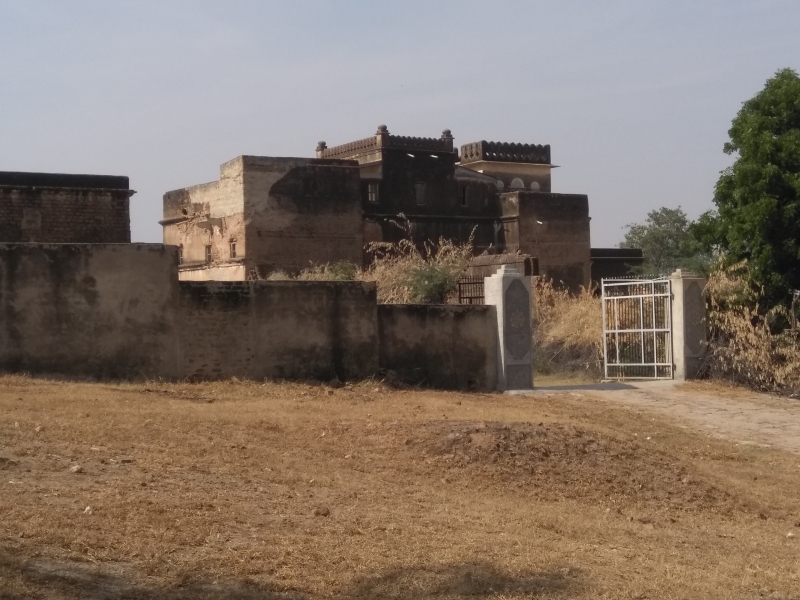
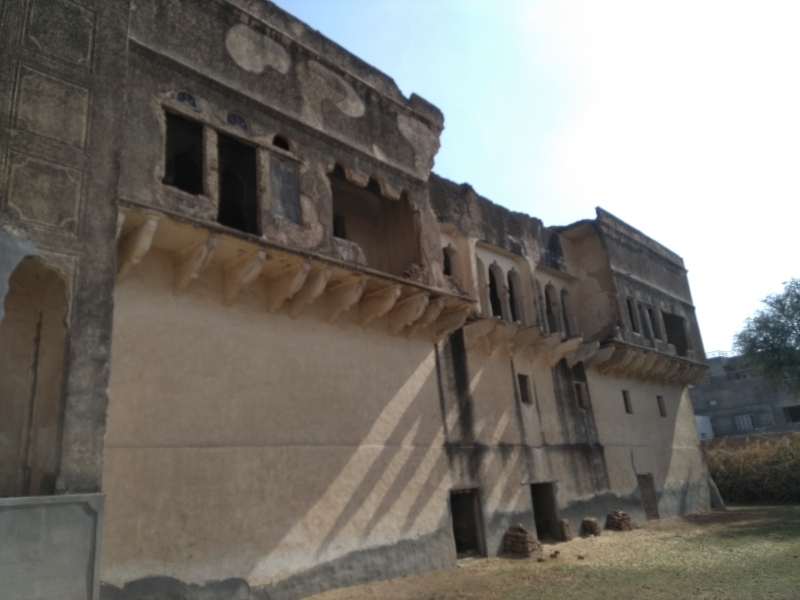
Neema Thikana is a prominent historic estate and an ancestral seat of the Kishansinghot clan of Bika Rathores. The rulers of this Thikana trace their lineage directly to Maharaj Kishan Singhji, who was the second son of Raja Rai Singh I, the illustrious ruler of Bikaner (r. 1571–1612 AD). Maharaj Kishan Singhji’s elder brother, Raja Sur Singhji, succeeded to the throne of Bikaner as its 8th ruler. The Kishansinghot clan established several influential estates within the princely state of Bikaner, with Neema being among the most distinguished.
Courtly Prestige and "Misl Davi Samli"
The family commanded exceptional respect in the royal court of Bikaner. The close connection between the branches is exemplified by the historical conferral of the hereditary Dohri Tazim (double honor) and Hathro Kurab (honor of hand-touching) to Thakur Saheb Jagat Singhji of Sankhu in 1630 AD, a closely related Kishansinghot seat. In the highly structured hierarchy of the Bikaner Durbar, the Thakurs of Neema occupied a highly prestigious position. They were seated at Number 3 in the "Misl Davi Samli" (the Left Wing of the Royal Court), a testament to their high aristocratic status and proximity to the ruling house of Bikaner.
Role in the Uprising of 1857 and Military Service
The Thikana of Neema has a storied legacy of martial valour and loyalty to the Bikaner State. During the Indian Rebellion of 1857 (Sepoy Mutiny), when Maharaja Sardar Singh of Bikaner actively deployed state forces to assist the British East India Company in suppressing the rebellion in neighboring regions like Hansi, Hissar, and Sirsa, the nobles of Neema provided critical military support. Thakur Mohkam Singhji of Neema led his forces to the frontlines and died gallantly on the battlefield, cementing the Thikana's reputation for ultimate sacrifice.
As part of their feudal obligations to the Bikaner State, Neema was mandated to provide a chakari asvar (military horsemen service) of 12 armed cavalrymen to the state's standing forces during times of peace and war.
Post-Independence and Modern Era
With India gaining independence in 1947 and the subsequent merger of the princely state of Bikaner State into the United State of Greater Rajasthan in 1949, the feudal system and the jagirdari rights of Neema were officially abolished under the Rajasthan Land Reforms and Resumption of Jagirs Act, 1952. Despite the dissolution of their political privileges, the descendants of the Neema Thikana continue to preserve their rich cultural heritage, historical archives, and ancestral traditions in modern Rajasthan.
Genealogy
- Maharaj Kishan Singhji, son of Raja Rai Singhji of Bikaner, 1st Ruler of Sankhu, married had issue.
- Thakur Saheb Jagat Singhji, 2nd Thakur of Sankhu and 1st of Neema, married and had issues.
- Kunwar Durjan Singh, heir apparent to Sankhu.
- Kunwar Bhim Singh (qv)
- Thakur Saheb Bhim Singhji, 2nd Thakur of Neema, married and had issue.
- Thakur Saheb Ram Singhji, 3rd Thakur of Neema, married and had issue.
- Thakur Saheb Bagh Singhji, 4th Thakur of Neema, married and had issue.
- Thakur Saheb Pem Singhji, 5th Thakur of Neema, amongst the most dynamic, brave thakurs of his era. He was in charge of Artillery during the dynastic tussle for heir to Bikaner and was instrumental in defeat of Jodhpur State Army, led by rebel Thakurs of Mahajan and Bhadra who were in connivance with Maharajah Abhay Singhji of Jodhpur in 1746 AD. He was also made responsible for security of Maharaja Vijay Singhji of Jodhpur, post fall of Nagore to Jaiappa Scindia of Gwalior, married and had issue.
- Thakur Saheb Bisen Singhji, 6th Thakur of Neema, married and had issues.
- Thakur Saheb Sher Singhji, 7th Thakur of Neema, married and had issues.
- Thakur Saheb Hari Singhji, 8th Thakur of Neema, married and had issues.
- Baisa (name unknown), married to Raja Fateh Singh Ji, 7th Raja of Khetri.
- Thakur Saheb Shivnath Singhji, 9th Thakur of Neema, married and had issues.
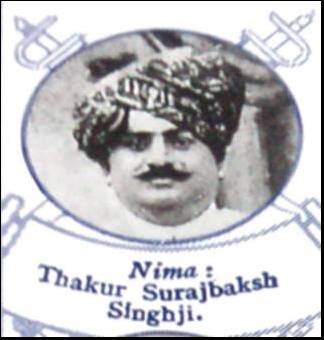
- Thakur Saheb Surajbaksh Singhji (qv)
- Baisa (name unknown), married to Raj Shri Thakur Bagh Singh Ji, 7th Thakur of Mandrella.
- Thakur Saheb Surajbaksh Singhji, adopted from Thakur's of Janau Meethi (see above)