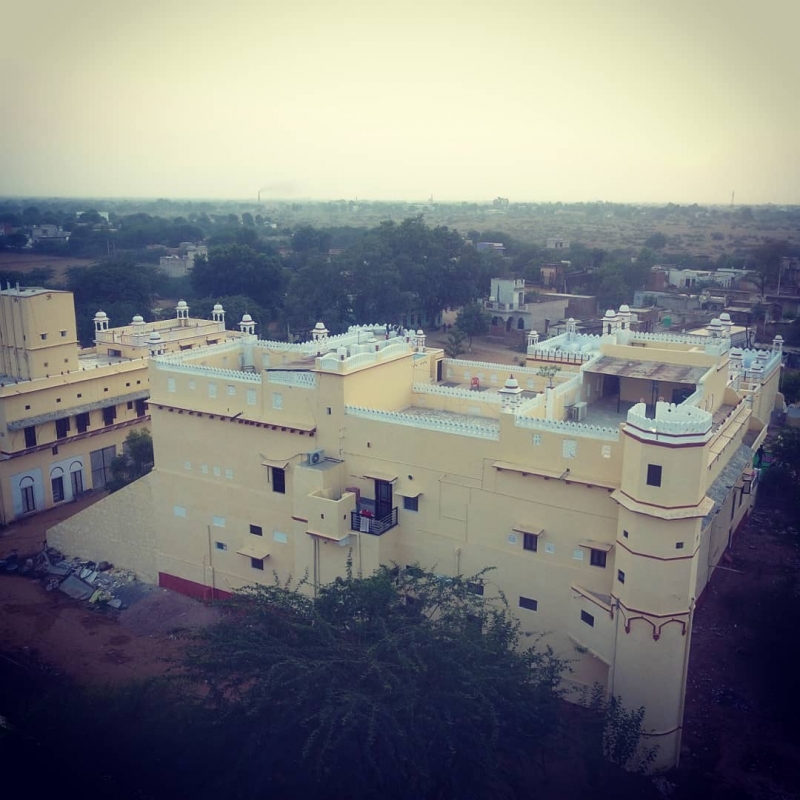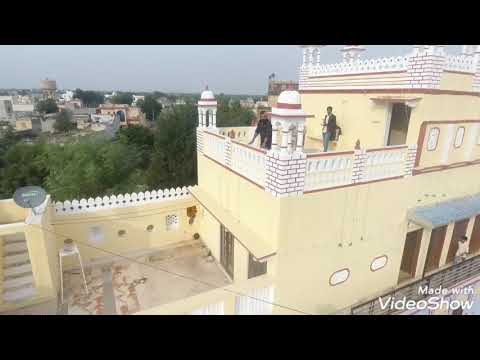

Present Head
History
Origin and Foundation of Arooka
The historical land of Arooka (often spelled as Aruka), located in the Jhunjhunu district of Rajasthan, is an integral part of the historic Shekhawati region. The province's history is deeply intertwined with the rise of the Shekhawat clan, a prominent sub-clan of the Kachwaha Rajputs who descended from Maharao Shekha Ji.
The foundation of Arooka as an independent Thikana (fiefdom) dates back to the expansion of the descendants of Thakur Shardul Singh Ji, the legendary ruler of Jhunjhunu who consolidated Shekhawat rule over the region by displacing the Kaimkhani Nawabs in 1730. Following Shardul Singh's death, his territories were divided among his five surviving sons, a partition known historically as the Panchpana. Arooka was established by the descendants of the eldest son, Thakur Zorawar Singh Ji of Taen, whose lineage (the Zorawarsinghot Shekhawats) founded several prominent estates, including Taen, Gangiyasar, Mandrella, and Arooka.
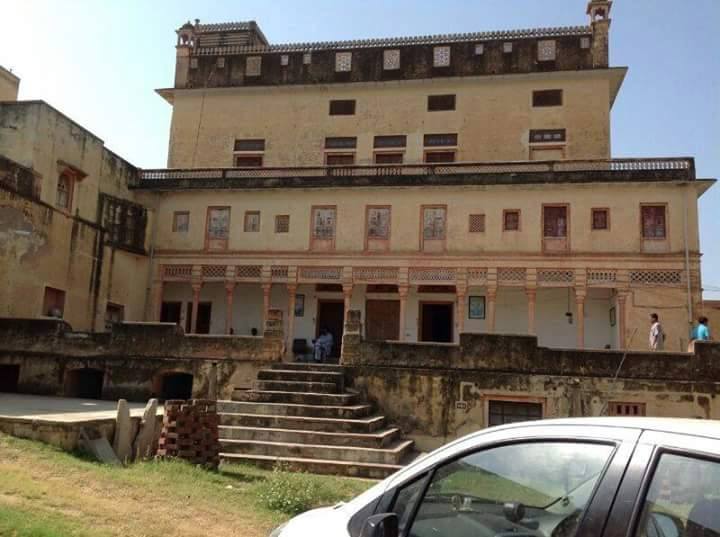
The fort of Arooka was constructed in the late 18th century to serve as a strategic defensive outpost. This stronghold not only protected the borders of the estate from neighboring rival clans but also secured the crucial trade routes running through the semi-arid plains of northern Rajasthan.
The Mughal, Maratha, and British Periods
During the late 18th and early 19th centuries, Arooka and the wider Shekhawati confederacy navigated a turbulent political landscape. As the Mughal Empire declined, regional powers and mercenary armies, including the Marathas under the Scindia and Holkar dynasties, frequently raided the region to extract tribute.
The rulers of Arooka, aligned with their kinsmen from the Panchpana estates, actively resisted these incursions. The region faced threats from notorious freebooters and military adventurers like George Thomas. This era of instability prompted the Shekhawat chiefs to seek alliances. In 1818, the Jaipur State, of which the Shekhawati Thikanas were vassals, signed a treaty of subsidiary alliance with the British East India Company.
To curb the rampant banditry and lawlessness in the region, the British established the Shekhawati Brigade in 1835 under the command of Major Henry Forster. The Thikana of Arooka contributed both revenue and cavalry contingents to this force, which successfully restored order and ushered in a period of commercial prosperity for the local merchant communities.
Social Reforms and Cultural Heritage
The late 19th and early 20th centuries marked a significant cultural renaissance in Arooka. Under the patronage of its local Thakur sahibs, the village witnessed the construction of magnificent Havelis adorned with intricate fresco paintings—a signature art form of the Shekhawati region. These frescoes depicted mythological themes, historical battles, and later, elements of British influence such as trains and motor cars.
Key reformers and visionary community members in the region championed the cause of education and social upliftment. They worked closely with the Marwari merchant families (who migrated from these estates to major trading hubs like Calcutta and Bombay) to fund schools, public wells (baoris), and dharamshalas. These efforts helped transition the estate from a feudal military outpost into a center of community-led development.
Post-Independence and the Modern Era
Following India's independence in 1947, the princely state of Jaipur integrated into the United State of Greater Rajasthan in 1949. Consequently, the Thikana of Arooka was formally merged into the modern state of Rajasthan.
With the passage of the Rajasthan Land Reforms and Resumption of Jagirs Act in 1952, the traditional jagirdari system was abolished, and land ownership was redistributed to the actual tillers of the soil. The descendants of the royal house transitioned into democratic citizens, with many pursuing careers in the armed forces, civil services, and business.
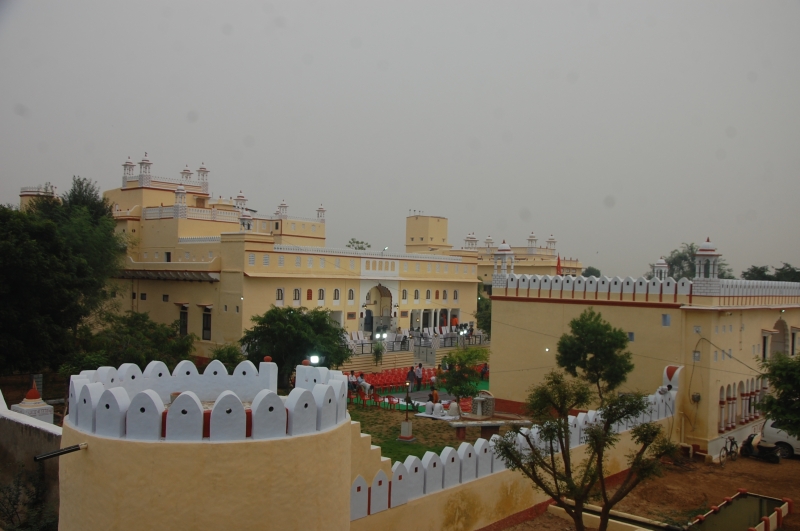
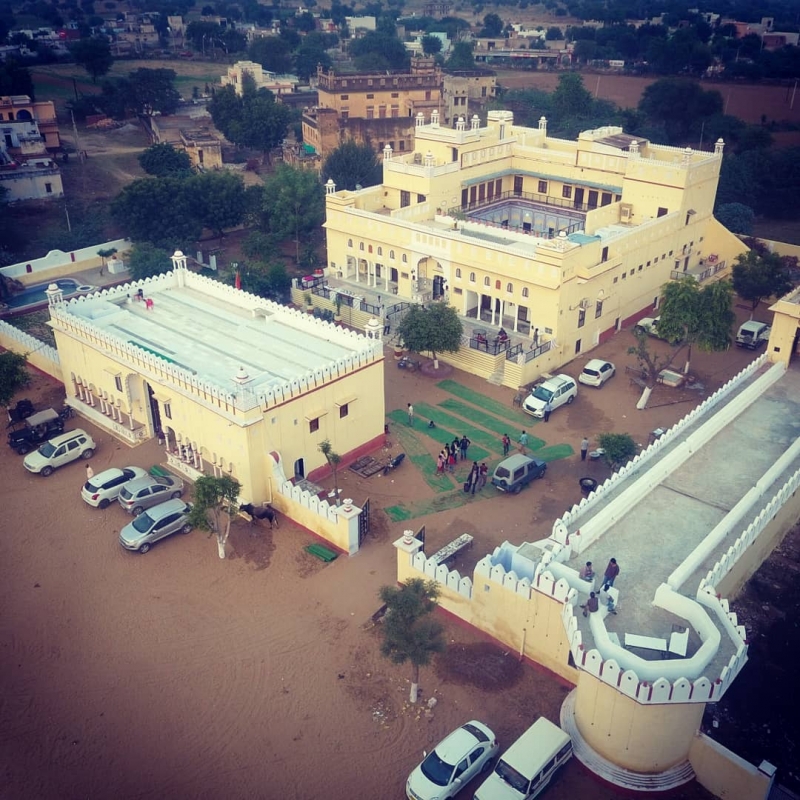
Today, Arooka is recognized for its rich cultural heritage and historical architecture. While agriculture remains the economic mainstay, the village is increasingly drawing interest from heritage enthusiasts and tourists exploring the historical circuits of Jhunjhunu district. The community remains proud of its martial legacy and its contributions to the historical fabric of Rajasthan.
References and Historical Sources
- Singh, Ranbir (2001). History of Shekhawats. Jaipur: Publication Scheme.
- Tod, James (1829). Annals and Antiquities of Rajasthan. London: Smith, Elder, and Co.
- Mishra, Dr. Ramprasad (1984). History of the Shekhawat Clan. New Delhi: Heritage Publishers.
- Government of Rajasthan. Official Portal of Jhunjhunu District.
Genealogy
- Thakur DULEHA SINGH, Thakur of Arooka 1796/1837, born , settled in Arooka in 1796, married (amongst others), daughter of Thakur Bahadur Singh Bikawat of Chadwas in Bikaner State, and had issue. He died .
- Thakur Man Singh (qv)
- Kunwar Jiwan Singh, died young.
- Kunwar Ranjit Singh, died young.
- Thakur Fateh Singh. married and had issue. He died after 1831.
- Thakur Shobhag Singh, married and had issue.
- Thakur Sayonath Singh, married and had issue.
- Thakur Jai Singh, married 1stly, Thakurani Fateh Kanwar Bidawatji of Thikana Gopalpura, married 2ndly, Thakurani Jadav Kanwar of Thikana Kansar, married 3rdly, Thakurani Daulat Kanwar, daughter of Thakur Madho Singh Shaktawat of Thikana Kangeti, and had issue.
- Thakur Mahaveer Singh (by Thakurani Daulat Kanwar)
- Thakur Umaid Singh (by Thakurani Daulat Kanwar), married 1stly, Thakurani Gaind Kanwar of Thikana Tasing, married 2ndly, Thakurani Pritam Kanwar, daughter of Thakur Narpat Singh Champawat of Thikana Ransigaon and has issue.
- Baisa Ashok Kumari Sahiba, married Raol Tribhuwan Singh of Thikana Mansa in Gujarat, and has issue, three daughters and one son.
- Thakur Durga Singh, married to Dimple Kanwar, daughter of Thakur Mahendra Singh of Thikana Babra.
- Baisa Neha Kanwar
- Baisa Harsh Kanwar
- Kunwar Rajyavardhan Singh
- Thakur Dalpat Singh, married and has issue.
- Thakur Prithvi Singh (by Thakurani Daulat Kanwar)
- Thakur Ripudaman Singh (by Thakurani Daulat Kanwar), married to Marudhar Kanwar, daughter of Th.Narpat Singh Champawat of Thikana Ransigaon. He died on .
- Baisa Kanchan Kanwar
- Baisa Baleshwari Kanwar
- Navratan Singh, married to Raj Kanwar, daughter of Thakur Bahadur Singh of Thikana Raidhana. He died on .
- Baisa Manak Kanwar
- Baisa Moti Kanwar
- Thakur Dashrath Singh
- Thakur Jagat Singh married and had issue
- Thakur Jai Singh, married 1stly, Thakurani Fateh Kanwar Bidawatji of Thikana Gopalpura, married 2ndly, Thakurani Jadav Kanwar of Thikana Kansar, married 3rdly, Thakurani Daulat Kanwar, daughter of Thakur Madho Singh Shaktawat of Thikana Kangeti, and had issue.
- Thakur Sayonath Singh, married and had issue.
- Thakur Shobhag Singh, married and had issue.
- Thakur MAN SINGH, Thakur of Arooka 1837/1839, born , married the daughter of Thakur Prithi Singh of Bhadran, and had issue.
- Thakur Madho Singh, married two wives from Harsora (Chauhan)
- Thakur Panney Singh, married Thakurani Vijay Kanwar, daughter of Thakur Ratan Singh of Heedal in Bikaner. He died sp.
- Thakur Mahtab Singh (qv)
- Thakur MAHTAB SINGH, Thakur of Arooka 1839/1895, married Thakurani Chand Kanwar, daughter of Thakur Laxman Singh of Sewar, and had issue. He died .
- Thakur Ramlal Singh (qv)
- Kunwar Bhagwant Singh, died vpsp aged 21.
- Thakur RAMLAL SINGH, Thakur of Arooka 1895/1904, married the daughter of the Thakur of Meedhri, and had issue. He died (Chait Badi 3, 1961VS).
- Thakurani Bhanwar Kanwar, married Thakur Jai Singh of Jotiyan.
- Thakur Karni Singh (qv)
- Kunwar Narain Singh, born , died young.
- Kunwar Sawai Singh, born , died sp in 1935 (Jaith Badi 12, 1992VS).
- Baisa (name unknown), married (as his second wife) Kunwar Ranchod Singh (later Raja Saheb Ranchor Das Senji) of Pisangan. She died sp.
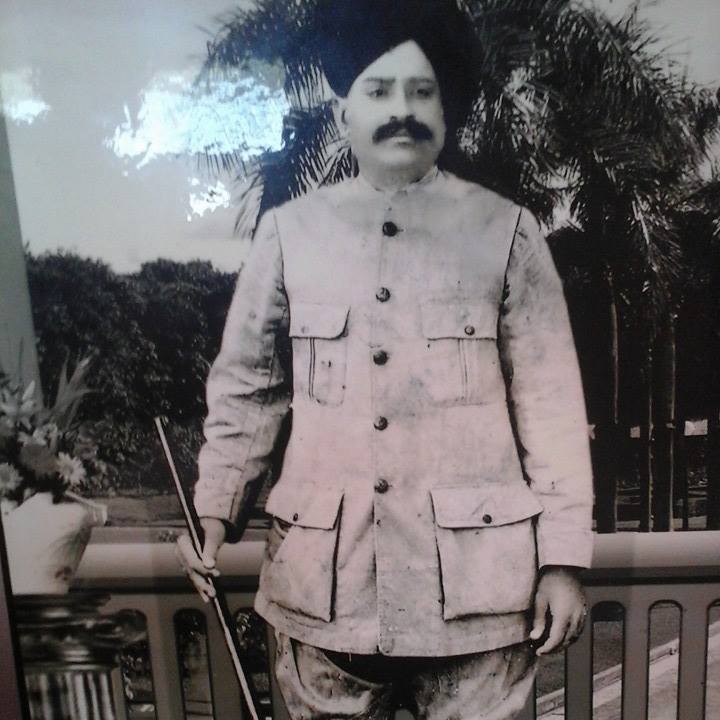
- Thakur KARNI SINGH, Thakur of Arooka 1904/1951, born , Member of the Walter Hitkarni Sabha, married 1907 (Falgun Sudi 3, 1964VS), the daughter of Thakur Udai Singh of Santhu, and had issue. He died (Maha Badi 14, 2008VS).
- Thakur Laxman Singh (qv)
- Baisa Uchhab Kanwar [Kunwarani Uchhab Kanwar of Siriyari], married Kunwar Vijay Singh of Siriyari, and had issue.
- Baisa (name unknown), married Kunwar Kalyan Singh of Beerantiya.
- Thakur LAXMAN SINGH, Thakur of Arooka 1951/-, born , married 30th April 1939, the daughter of Thakur Nawal Singh of Magrasar, and had issue.
- Baisa (name unknown), married Kanwar Narendra Singh of Asope, and has issue, one son.
- Thakur RAGHUVEER SINGH, Thakur Saheb of Arooka, married to Thakurani Kiran Kanwar of Manglana and has issues, four sons. He died on .
- Kunwar Devi Singh (qv)
- Kunwar Mohan Singh
- Kunwar Dalip Singh
- Kunwar Bhagwan Singh
- Thakur DEVI SINGH, Thakur of Arooka (see above)