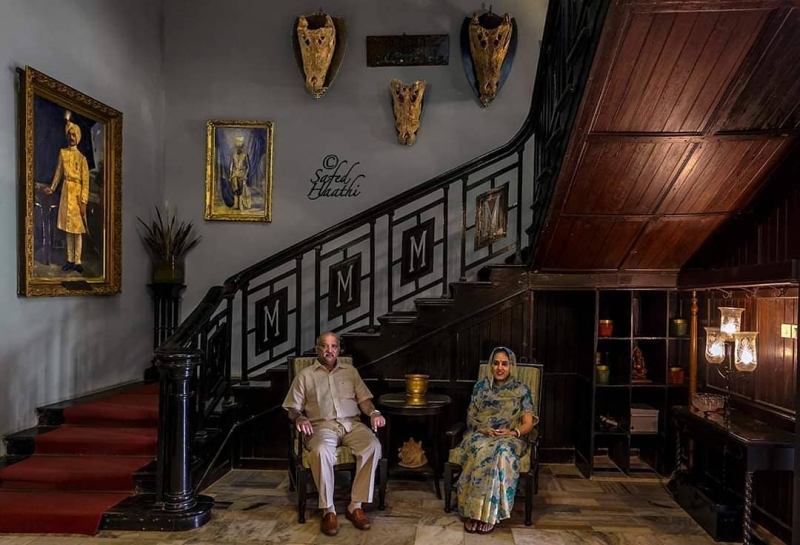
Present Head
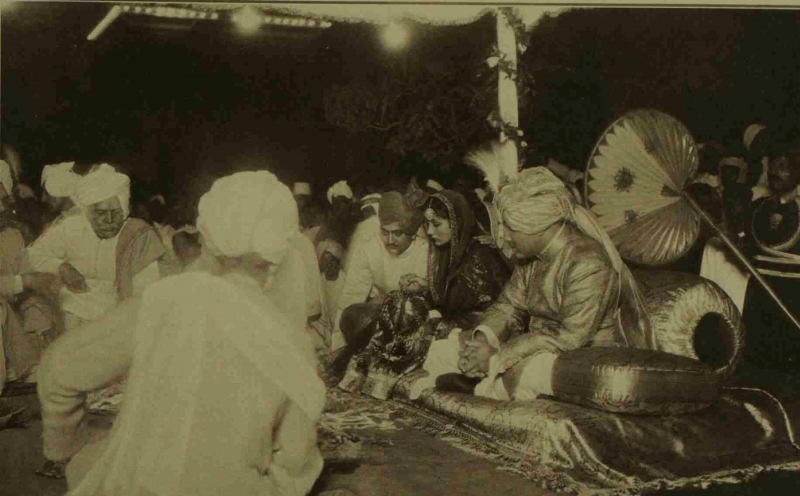
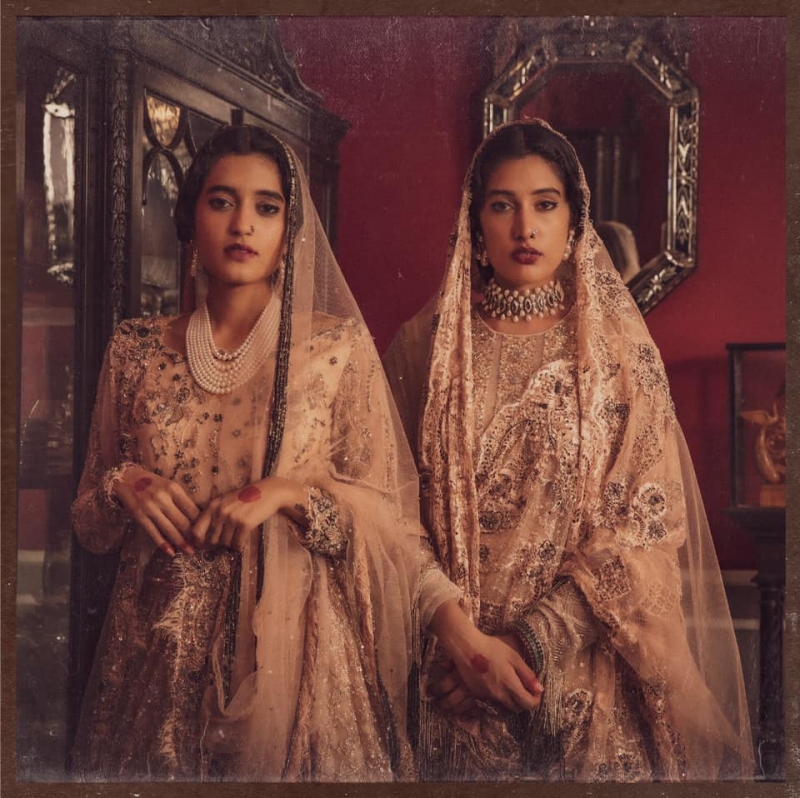
- Maharajkumari Rajyashree Manjari Devi, born in Calcutta, married 10th December 2009 in Bhubaneshwar, Maharajkumar Jai Singh, second son of HH Raja Narendra Singh, Raja Saheb of Jhabua.
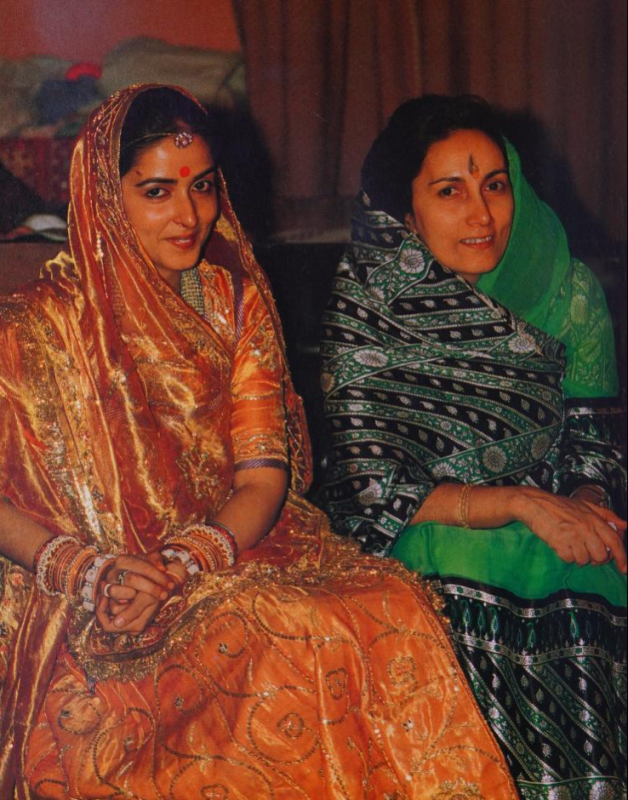
- Maharajkumari Mrinalika Manjari Devi, born in Calcutta, educated at United World College of South East Asia, UVA. Currently (2013) she lives at Charlottesville, Virginia.
- Maharajkumari Akshita Manjari Devi, born in Calcutta.
History
Origin and Early History of the Bhanja Dynasty
The Princely State of Mayurbhanj boasts an ancient lineage, with its origins deeply rooted in the Bhanja dynasty. According to historical records and local legends, the dynasty was established in the 9th century AD. The legendary founder of the dynasty was Raja Jaisingh, a Rajput prince who visited the shrine of Jagannath at Puri. Jaisingh was granted a tract of land by the Gajapati ruler of Odisha, which laid the foundation of the state.
The early capital of the Bhanjas was established at Khijjinga Kotta (modern-day Khiching), which flourished as a major center of art, architecture, and religious synthesis under the early Bhanja rulers. The archaeological ruins of Khiching, including the famous Kutaitundi and Kichakeswari temples, bear testimony to the sophisticated stone-carving traditions of this era. Over the centuries, due to geopolitical changes and external incursions, the capital was shifted to Haripur in the 16th century, and eventually to Baripada in the late 18th century.
The Medieval Period: Mughal and Maratha Relations
During the medieval period, the rulers of Mayurbhanj maintained a delicate balance of power to preserve their autonomy. Under the Mughal Empire, Mayurbhanj was recognized as a significant chieftaincy. The Mughal general Raja Man Singh acknowledged the strategic importance of Mayurbhanj, allowing the state to retain internal administrative control in exchange for formal allegiance and tribute.
With the decline of Mughal authority in the 18th century, the Marathas of Nagpur established dominion over Odisha. This period was marked by political turbulence and frequent raids. The Marathas imposed heavy levies (known as Chauth) on Mayurbhanj. Despite the heavy pressure, rulers like Maharani Sumitra Devi, who ruled as regent in the late 18th and early 19th centuries, demonstrated remarkable administrative skill and diplomacy in navigating the conflicts with the Marathas and the rising power of the British East India Company.
British Feudatory Era and the Golden Age of Reforms
Following the defeat of the Marathas in the Anglo-Maratha Wars, Mayurbhanj entered into a treaty relationship with the British East India Company in 1829. Under British suzerainty, Mayurbhanj was recognized as a premier Class-I feudatory state. The British period, while restricting external sovereignty, brought administrative stability and ushered in a golden era of modern reforms during the late 19th and early 20th centuries.
The most prominent architect of modern Mayurbhanj was Maharaja Sri Ram Chandra Bhanj Deo (who ruled from 1882 to 1912). Often referred to as the "Philosopher King," he was a highly progressive administrator and a great visionary. His key reforms and contributions included:
- Infrastructure and Connectivity: The Maharaja funded and constructed the Mayurbhanj State Railway, connecting Baripada to the Bengal Nagpur Railway network, which catalyzed economic growth in the region.
- Education and Health: He made significant financial donations to establish the Ravenshaw College’s science department and the Cuttack Medical School (now SCB Medical College). He also introduced free primary education in his state.
- Water Management and Forestry: He pioneered scientific forestry management and initiated major irrigation projects, including the construction of the Sunei and Haldia dams.
- Urban Development: Baripada was developed as a planned municipality with modern sanitation, street lighting, and public parks.
His successor, Maharaja Pratap Chandra Bhanj Deo, continued these welfare policies, establishing the famous Mayurbhanj State Bank and promoting the preservation of tribal culture and languages, particularly Santali.
Integration into Modern India and Post-Independence Era
At the time of Indian independence in August 1947, Maharaja Pratap Chandra Bhanj Deo took a progressive stance towards national integration. Unlike some princely states that resisted integration, the administration of Mayurbhanj initially opted to remain independent for a brief transitional period to ensure the welfare of its tribal and local populations.
On October 17, 1948, the Maharaja signed the Instrument of Accession, agreeing to merge the state with the Dominion of India. Due to specific administrative considerations and discussions regarding its merger with either Bihar or Odisha, the formal merger was completed on January 1, 1949, when Mayurbhanj officially became a district of the state of Orissa (now Odisha). Today, Mayurbhanj remains the largest district of Odisha by area, retaining its rich cultural legacy, tribal traditions, and historical pride.
References and Historical Sources
- For detailed records of Mayurbhanj's history under the British, see the Feudatory States of Orissa by L.E.B. Cobden-Ramsay (1910) on the Internet Archive.
- To explore the archaeological legacy of the early Bhanja dynasty, visit the Odisha State Department of Culture portal.
- For administrative gazetteers and regional history, refer to the Official Portal of Mayurbhanj District Administration.
- For insights into the modernization of the state under Maharaja Sri Ram Chandra Bhanj Deo, see the historical archives maintained by Odisha State Archives.
Genealogy
- Raja SAVESHWARA BHANJ, Raja of Mayurbhanj 1688/1711
- Raja VIRAVIKRAMADITYA BHANJ, Raja of Mayurbhanj 1711/1728
- Raja RAGHUNATH BHANJ, Raja of Mayurbhanj 1728/1750
- Raja CHAKRADHAR BHANJ, Raja of Mayurbhanj 1750/1761, second son of the Raja of Keonjhar, married and had issue
- Raja Damodar Bhanj (qv)
- Raja DAMODAR BHANJ, Raja of Mayurbhanj 1761/1796 , married 1stly, Rani Sumitra Devi, married 2ndly, Rani Jamuna Devi, daughter of Raja Abhiram Singh of Seraikella. He died spm. Rani Sumitra Devi, Regent of Mayurbhanj 1796/1810, married (as his first wife), Raja Damodar Bhanj (see above). She died sp. Rani Jamuna Devi, Regent of Mayurbhanj 1810/1813, married (as his second wife), Raja Damodar Bhanj (see above), and had issue, two sons who died young.
- Raja TRIBIKRAM BHANJ, Raja of Mayurbhanj 1813/1822, son of Raja Pratap Balbhadra Bhanj of Keonjhar, he succeeded by adoption, married and had issue. He died .
- Maharaja Jadunath Bhanj Deo (qv)
- Maharaja JADUNATH BHANJ DEO, Raja of Mayurbhanj 1822/1863, granted the title of Maharaja for personal use only, married and had issue. He died .
- Raja Shrinath Bhanj Deo (qv)
- Rajkumar Sitanath Bhanj Deo, married and had issue.
- Maharaja Krishna Chandra Bhanj Deo (qv)
- Chotrai Sahib Brindabhan Chandra Bhanj Deo, married and had issue.
- Kumari (name unknown) (elder daughter), married 1894, Raja Sahib Mehrban-i-Dostan Sri Harihara Marda Raja Deo Bahadur of Khallikote and Atagada.
- Kumari (name unknown) (younger daughter), married 1895, Raja Sahib Mehrban-i-Dostan Sri Harihara Marda Raja Deo Bahadur of Khallikote and Atagada.
- Rautrai Saheb Gokul Chandra Bhanj Deo, married and had issue.
- Lalsaheb Girish Chandra Bhanj Deo, married and had issue, two sons and three daughters.
- Lalsaheb Nalin Chandra Bhanj Deo, M.L.A. (Orissa) 1957/1961; married Lalsaheba Akshaya Kumari Devi, daughter of Rajkumar Padmalochan Deb of Bamra, and had issue, two sons and one daughter. He died .
- Lalsaheb Nirmal Chandra Bhanj Deo, married and had issue.
- Lalsaheb Purnendu Chandra Bhanj Deo, married and has issue.
- Lalsaheb Kamakshya Prasad Bhanj Deo
- Lalsaheb Chandra Sekhar Prasad Bhanj Deo
- Kumari Sharada Manjari Devi
- Lalsaheb Divyendu Chandra Bhanj Deo
- Kumari Swarna Manjari Devi
- Lalsaheb Purnendu Chandra Bhanj Deo, married and has issue.
- Lalsaheb Bimal Chandra Bhanj Deo
- Kumari Bhabamohini Manjari Devi
- Lalsaheb Nirmal Chandra Bhanj Deo, married and had issue.
- Lalsaheb Nabin Chandra Bhanj Deo
- Rani Binode Manjuri Dev, married (as his first wife), Raja Narasingha Malla Ugal Sanda Deb of Jhargram, and had issue. She died .
- Lalsaheb Nalin Chandra Bhanj Deo, M.L.A. (Orissa) 1957/1961; married Lalsaheba Akshaya Kumari Devi, daughter of Rajkumar Padmalochan Deb of Bamra, and had issue, two sons and one daughter. He died .
- Lalsaheb Sirish Chandra Bhanj Deo
- Lalsaheb Girish Chandra Bhanj Deo, married and had issue, two sons and three daughters.
- Rajkumar Dwarkanath Bhanj Deo
- Raja SHRINATH BHANJ DEO, Raja of Mayurbhanj 1863/1868, died .
- Maharaja KRISHNA CHANDRA BHANJ DEO, Maharaja of Mayurbhanj 1868/1882, born , Raja (Hereditary) [cr.21.5.1874]; Maharaja [cr.1877], married and had issue, three sons and four daughters. He died .
- HH Maharaja Shri Sriram Chandra Bhanj Deo (qv)
- Raja Shyam Chandra Mardraj Harichandan, adopted by the Raja of Nilgiri in 1882.
- Routrai Saheb Shridam Chandra Bhanj Deo, born circa 1879, married Routrai Saheba Ramesh Priya Devi, daughter of Kumar Devi Dutt Singh of Nuagarh in Seraikella (and great grand daughter of Raja Ajamber Singh of Seraikella), and had issue. He died .
- Lal Sahib Prafulla Chandra Bhanj Deo, born , M.A. (Cantab.), F.R.A.I., F.R.A.S.; Member of Parliament, Rajya Sabha, for two terms: 1952-1954 / 1954-1960, Member Committee of Parliament on Official Language 1957; married 1stly, 1927, Rani Prafulla Kumari Devi, daughter and heir of Raja Rudra Pratap Deo of Bastar, and his first wife, Rani Kusumlata Devi, married 2ndly, 1938, Lal Saheba Tilottama Devi, born , died , and had issue, seven sons and four daughters. He died .
- Rajkumari Kamla Devi (by Rani Prafulla Kumari Devi), born , married in Bijwa U.P. She died .
- Maharaja Pravir Chandra Bhanj Deo (by Rani Prafulla Kumari Devi) (see Bastar)
- Rani Saheba Geeta Kumari Devi (by Rani Prafulla Kumari Devi), born , married Raja Saheb Kadamba Keshari Chandra Deo, Raja Saheb of Bonai, and has issue. She died .
- Raja Vijay Chandra Bhanj Deo (by Rani Prafulla Kumari Devi) (see Bastar)
- Kumar Meghnath Bhanj Deo (by Shrimati Tilottama Devi), married Kumari Saraswati Devi of Ratu (Chhota Nagpur), no issue.
- Kumar Makardhwaj Bhanj Deo (by Shrimati Tilottama Devi), married married Kumari Sisirrangini Devi of Dugni, Distt. Seraikella-Kharswan, and has issue, three sons and three daughters.
- Kumar Mahesh Bhanj Deo
- Kumari Sangeeta Bhanj Deo
- Kumari Sunita Bhanj Deo
- Kumar Manoj Bhanj Deo
- Kumar Mandeep Bhanj Deo
- Kumari Sumitra Devi, married Barun Ganguly, and has issue, one daughter.
- Rima Sen, married Deb Sen, and has issue, one daughter and one son.
- Kumar Manmath Bhanj Deo (by Shrimati Tilottama Devi), married Kumari Prabhas Devi of Chemrudihi, Kharswan, and had issue, one son.
- Kumar Mahendra Bhanj Deo
- Kumar Minketu Bhanj Deo (by Shrimati Tilottama Devi), married Kumari Jaya Devi of Kolkata, and has issue, one son and one daughter.
- Kumar Manjit Bhanj Deo
- Kumari Rinku Devi
- Kumar Madan Bhanj Deo (by Shrimati Tilottama Devi), died unmarried.
- Kumari Subhadra Devi (by Shrimati Tilottama Devi), married Maharajkumar Juga Bhanu Singh Deo, third son of Tikayat Nrupendra Narayan Singh Deo of Seraikella, and his wife, Tikayet Rani Kusum Manjari Devi, and has issue, one son and one daughter.
- Lal Sahib Prafulla Chandra Bhanj Deo, born , M.A. (Cantab.), F.R.A.I., F.R.A.S.; Member of Parliament, Rajya Sabha, for two terms: 1952-1954 / 1954-1960, Member Committee of Parliament on Official Language 1957; married 1stly, 1927, Rani Prafulla Kumari Devi, daughter and heir of Raja Rudra Pratap Deo of Bastar, and his first wife, Rani Kusumlata Devi, married 2ndly, 1938, Lal Saheba Tilottama Devi, born , died , and had issue, seven sons and four daughters. He died .
- Kumari (name unknown), married Raja [?Narpat Singh IV] of Porahat, and had issue, four daughters.
- Kumari (name unknown), married Raja Bahadur Shri Jyoti Prasad Singh Deo of Panchkot, and had issue.
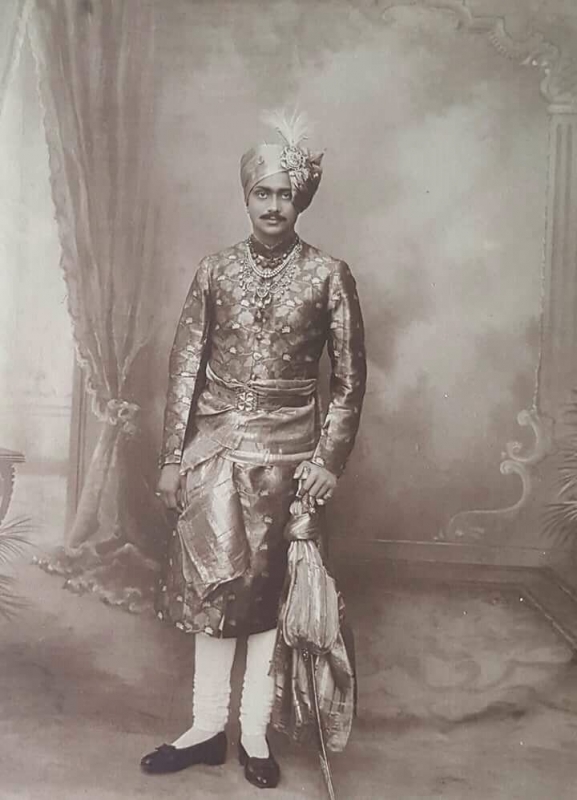
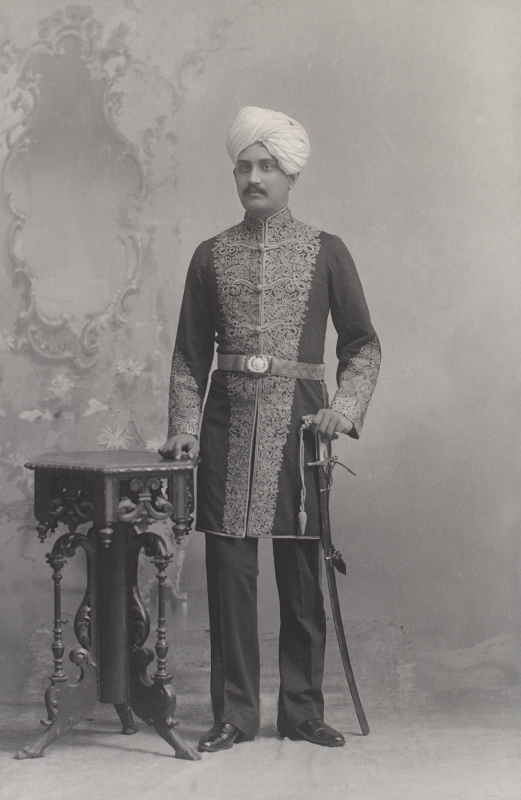
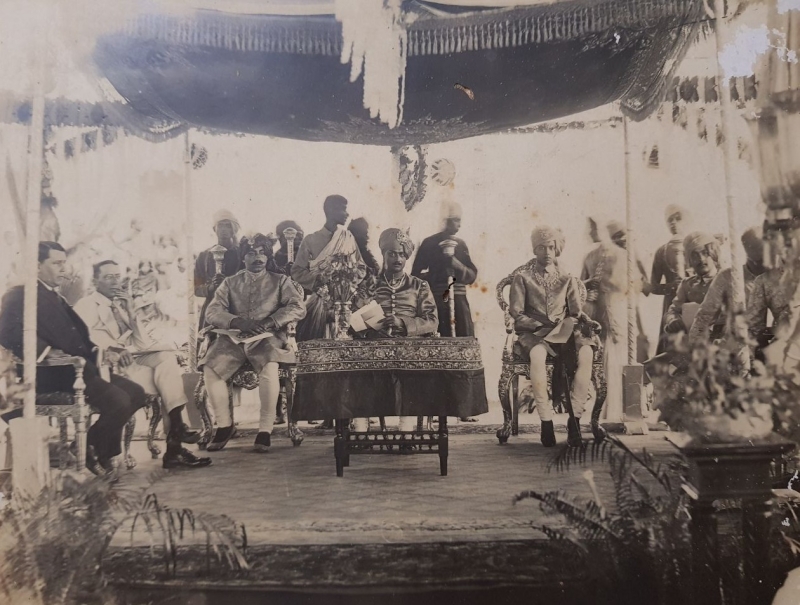
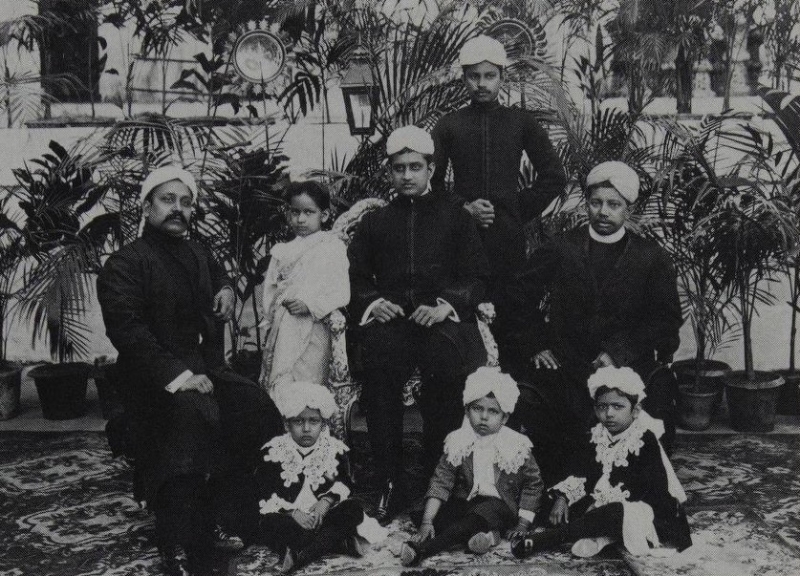
- HH Maharaja Shri SRIRAM CHANDRA BHANJ DEO, Maharaja of Mayurbhanj 1882/1912, born , succeeded 29th May 1882, Maharaja [cr.1910], installed 15th August 1892, he worked for allround development of the Mayurbhanj state and implemented various welfare schemes designed to help the people. He was revered as a Philosopher king. Impressed with the noble qualities of Utkal Mani Gopabandhu Das he made him his advocate. Gopabandhu turned out to be friend, philosopher and guide for the ruler. He constituted the state council for administration in the state and brought about reforms in the sphere of language, health and administration. During his reign, scientific operation of iron mines was started for the first time. He commissioned a narrow gauge railway line from Rupsa to Baripada. He presided over the first meeting of Utkal Samilani on 3rd December 1933. He was a patriot and great patron of the Oriya language and helped tremendously in setting up educational and medical institutions for the benefit of the people; married 1stly, 1896, HH Maharani Lakshmi Kumari Devi of Panchkot, born , died , married 2ndly, 1904 in Calcutta, HH Maharani Suchara Devi, daughter of Maharishi Keshub Chandra Sen, and had issue. He died .
- Rajkumari Sripat Manjari Devi (by Maharani Lakshmi Kumari Devi), born , died .
- HH Maharaja Shri Purna Chandra Bhanj Deo (by Maharani Lakshmi Kumari Devi) (qv)
- HH Maharaja Sir Shri Pratap Chandra Bhanj Deo (by Maharani Lakshmi Kumari Devi) (qv)
- Maharaj Kumar Dhrubendra Bhanj Deo (by Maharani Suchara Devi), an I.A.F. Pilot during WWII. He died in action on 2nd August 1942.
- Maharajkumari (name unknown), born , proposed in 1946 as a bride for the minor Maharaja of Vizianagram.
- Maharaj Kumari Jyoti Manjari Devi (by Maharani Suchara Devi), married Mahant Sarveshwar Das of Nandgaon.
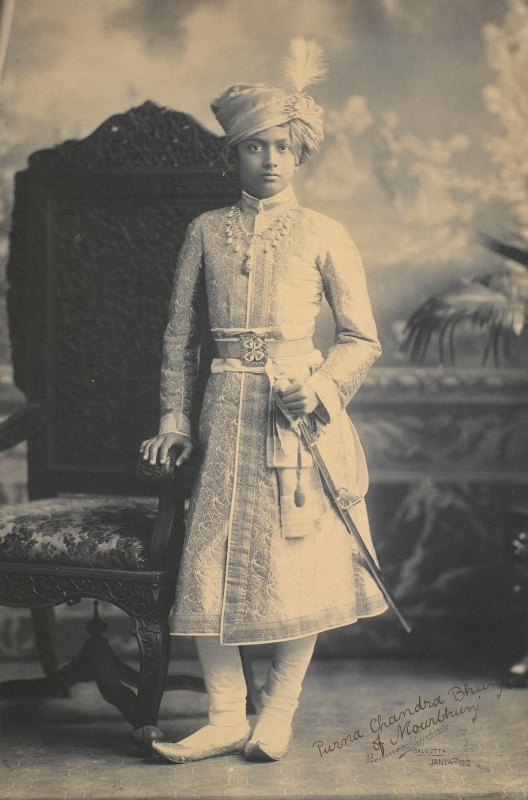
- HH Maharaja Shri PURNA CHANDRA BHANJ DEO, Maharaja of Mayurbhanj 1912/1928, born , married 27th January 1917, HH Maharani Takhat Kunwerba, daughter of Capt. HH Maharana Raj Sahib Shri Sir Amarsinhji Banesinhji of Wankaner. He died sp 21st April 1928.
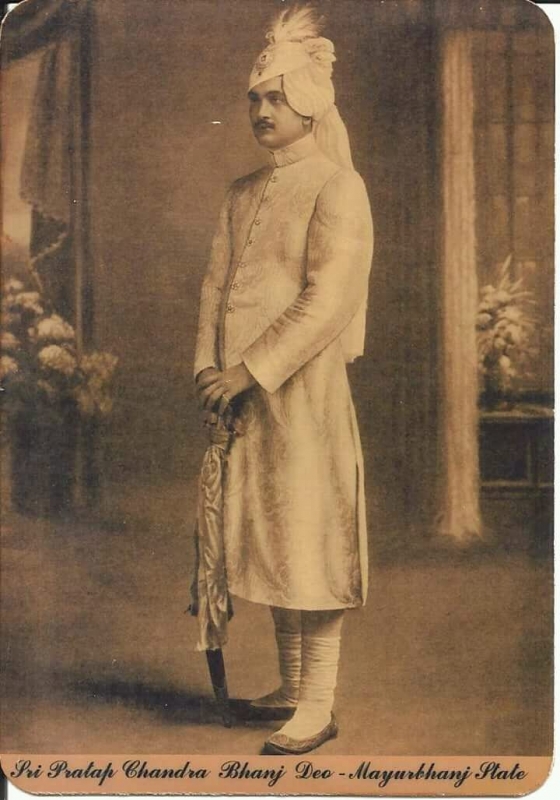
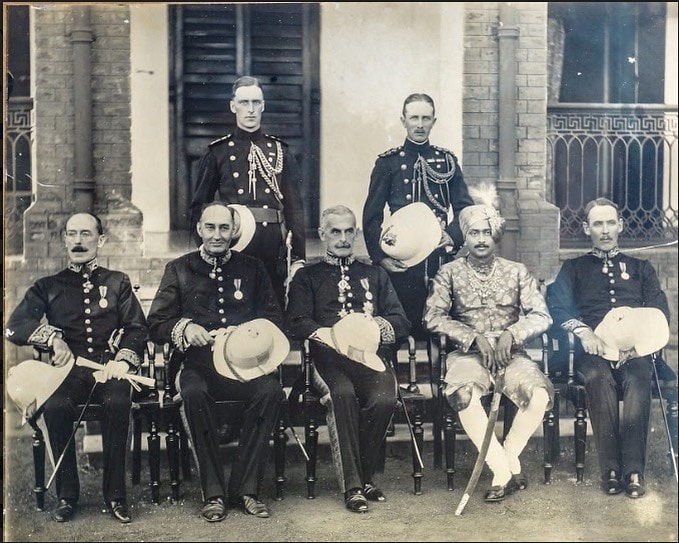
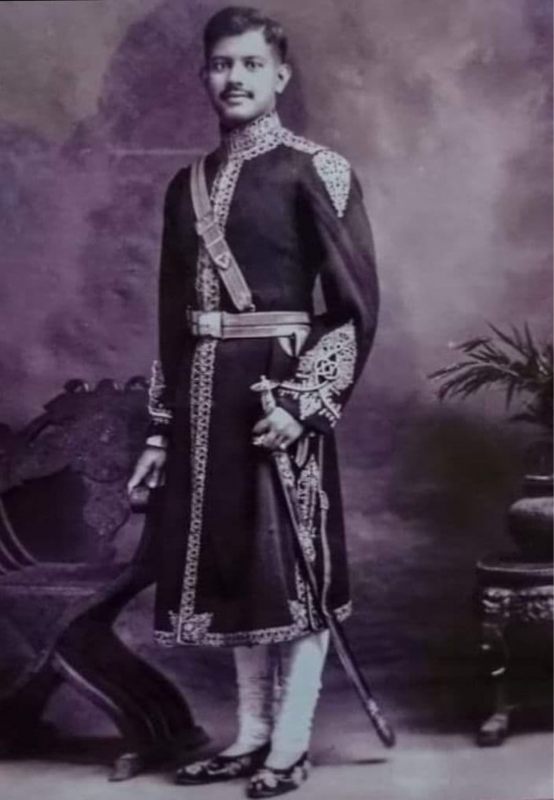
- HH Maharaja Sir Shri PRATAP CHANDRA BHANJ DEO, Maharaja of Mayurbhanj 1928/1968, born , educated at Rajkumar College, Ajmer and Muir Central College, Allahabad; G.C.I.E. [cr.1946] , K.C.I.E. [cr.1935], Flight Lt. RAF, first Pro-Chancellor of Uktal University, Member of the Standing Committee of the Chamber of Princes, First President of the Council of Rulers of the Eastern States, Member of the International Committee for Bird Preservation in London, Member of the Royal Society for Encouragement of Arts, Manufacturing and Commerce in London, Member of the Bombay National Historical Society, Member of the Royal Asiatic Society of Bengal, married 25th November 1925, HH Maharani Prema Kumari Devi, daughter of Rajakumar Sirdar Singh of Shahpura, and had issue. He died .
- HH Maharaja Shri Pradeep Chandra Bhanj Deo (qv)
- Maharaj Swaroop Chandra Bhanj Deo, educated Mayo College, Ajmer, Rajkumar College, Raipur, Massachussets Institute of Technology and CalTech, USA; married Rani Asha Bhanjdeo [née Asha Bhatnagar], daughter of Dr. Bhatnagar, who was Research Director (India), Ciba-Geigy. He died .
- Maharani Pratibha Manjari Devi, born , married 22nd May 1955, Maharaja Bahadur Pratap Singh of Gidhaur and has issue.
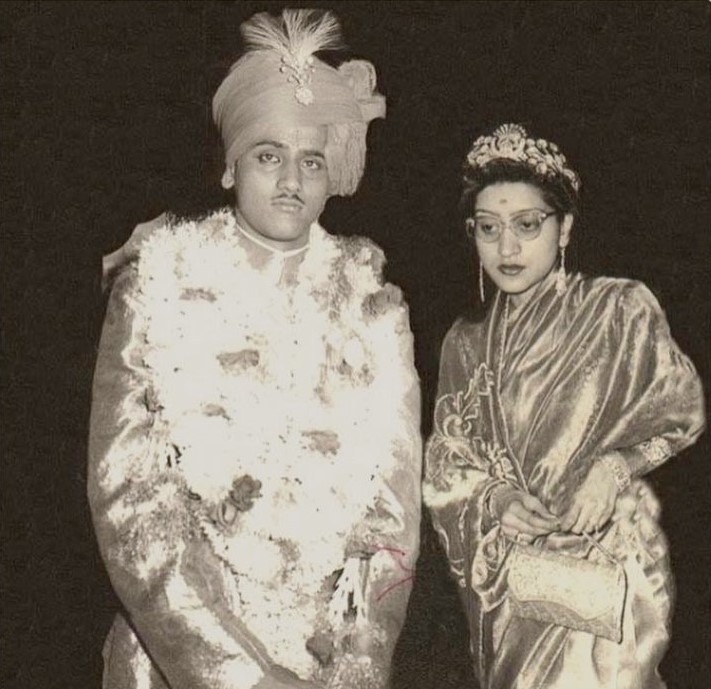
- HH Maharaja Shri PRADEEP CHANDRA BHANJ DEO, Maharaja of Mayurbhanj 1968/2000, born in Calcutta, married 8th February 1951 in Calcutta, HH Maharani Bharati Rajya Lakshmi Devi, daughter of HM King Tribhuvan of Nepal, born in Kathmandu, and had issue. He died .
- HH Maharaja Shri Praveen Chandra Bhanj Deo (qv)
- Maharaj Kumari Prabha Manjari Devi, born in Calcutta, died in London.
- Maharajkumari Padma Manjari Devi [HH Maharani Padma Manjari Devi of Kalahandi], born O ctober 1953 in Calcutta, married HH Maharaja Shri Udai Pratap Deo of Kalahandi, and has issue.
- Maharaj Kumari Sneha Manjari Devi, born in Calcutta, married 7th May 1981 in Kathmandu, Shri Sarad Shumsher Jung Bahadur Rana of Nepal.
- HH Maharaja Shri PRAVEEN CHANDRA BHANJ DEO, Maharaja of Mayurbhanj (see above)
- Lal Saheb (name unknown) Chandra Bhanj Deo of Sompata, married and had issue.
- Kumari (name unknown) Manjari Devi [HH The Maharani Saheba of Patna], married (as his second wife), HH Maharaja Prithviraj Singh Deo of Patna. She died sp.
- Lal Saheb Sarat Chandra Bhanj Deo of Sompata in Mayurbhanj, and had issue.
- Lal Saheb Bharat Chandra Bhanj Deo, married Lal Saheba Parvati Bhanj Deo, daughter of Maharajkumar Bira Kesari Deo B.A. of Kalahandi, and his wife, Maharajkumari Manjushree Devi, and has issue, three sons.
- Lal Saheb Gautam Chandra Bhanjdeo, born in Cuttack, educated at the Xavier Institute of Management (M.B.A.); presently (2010) employed with Birla Sunlife A.M.C. as a Regional Head, West Bengal; married 12th December 2006 in Kolkata, Lal Saheba Babita Rawat Bhanjdeo, daughter of Thakur Swarup Singh Rawat of Pauri-Garhwal, and his wife, Thakurani Kamla Devi Rawat, and has issue, one daughter.
- Kumari Adya Manjari Devi
- Lal Saheb Gautam Chandra Bhanjdeo, born in Cuttack, educated at the Xavier Institute of Management (M.B.A.); presently (2010) employed with Birla Sunlife A.M.C. as a Regional Head, West Bengal; married 12th December 2006 in Kolkata, Lal Saheba Babita Rawat Bhanjdeo, daughter of Thakur Swarup Singh Rawat of Pauri-Garhwal, and his wife, Thakurani Kamla Devi Rawat, and has issue, one daughter.
- Kumari Manjul Manjari Devi [Rani (now Rajmata) Manjul Manjari Devi of Narsinghpur], married Raja Trilochan Mansingh Harichandan Mahapatra of Narsinghpur, and has issue, three sons and one daughter.
- Lal Saheb Bharat Chandra Bhanj Deo, married Lal Saheba Parvati Bhanj Deo, daughter of Maharajkumar Bira Kesari Deo B.A. of Kalahandi, and his wife, Maharajkumari Manjushree Devi, and has issue, three sons.
Notable Figures
Adi Bhanja (9th Century AD)
Adi Bhanja is revered as the legendary founder of the Bhanj dynasty of Mayurbhanj. Establishing his rule around the 9th century AD, he carved out a sovereign territory with its historical capital at Khijjinga Kotta, modern-day Khiching. His reign laid the foundational administrative and cultural framework for the dynasty, establishing a lineage of rulers that would govern the region for over a millennium.
For more details on the origins of the state, see the Mayurbhanj State Wikipedia Page.
Maharani Sumitra Devi (r. 1796 – 1811)
Maharani Sumitra Devi was one of the few prominent female rulers of the Mayurbhanj State. She ascended the throne following the death of her husband, Raja Damodar Bhanja. Her reign was characterized by exceptional diplomatic acumen as she successfully navigated the turbulent geopolitics of the late 18th and early 19th centuries, maintaining the territorial integrity of Mayurbhanj amidst Maratha incursions and the growing influence of the British East India Company.
Her administrative historical records are preserved in the regional archives of Odisha. Learn more about the dynasty's historical succession on the Mayurbhanj State Wikipedia Page.
Raja Krishna Chandra Bhanj Deo (r. 1868 – 1882)
Raja Krishna Chandra Bhanj Deo was a highly progressive administrator who initiated the modern transition of Mayurbhanj. Under his reign, Western-style English education was introduced to the state, and significant administrative reforms were implemented. He was known for his philanthropic works, setting up schools and healthcare facilities, and establishing a reputation as a benevolent and modernizing ruler.
Read more about his life and contributions on the Krishna Chandra Bhanja Deo Wikipedia Page.
Maharaja Sriram Chandra Bhanj Deo (r. 1882 – 1912)
Often referred to as the "Philosopher King," Maharaja Sriram Chandra Bhanj Deo is widely considered the maker of modern Mayurbhanj. He implemented revolutionary reforms in public health, education, and judicial administration. He commissioned the construction of the Mayurbhanj State Railway, founded the Baripada Municipality, and donated generously toward the establishment of Ravenshaw College in Cuttack and the University of Calcutta. Under his patronage, the world-famous Mayurbhanj Chhau dance received significant royal support and international recognition.
Detailed biographical information can be found on the Sriram Chandra Bhanj Deo Wikipedia Page.
Maharani Sucharu Devi (1874 – 1961)
Maharani Sucharu Devi was the consort of Maharaja Sriram Chandra Bhanj Deo. The daughter of the illustrious Brahmo Samaj reformer Keshab Chandra Sen, she was a pioneering social reformer and feminist icon in eastern India. She co-founded the Maharani Girls' High School in Darjeeling and dedicated her life to the education, upliftment, and empowerment of women in both Bengal and Odisha.
Her life and social reform work are detailed on the Sucharu Devi Wikipedia Page.
Maharaja Purna Chandra Bhanj Deo (r. 1912 – 1928)
Maharaja Purna Chandra Bhanj Deo succeeded his father, Sriram Chandra Bhanj Deo, at a young age. He continued the progressive developmental projects initiated by his predecessor, focusing on expanding the state's railway network, upgrading administrative infrastructure, and fostering industrial development. He was also an active member of the Chamber of Princes, representing the interests of the Odia princely states on national platforms.
Further historical information is available on the Purna Chandra Bhanj Deo Wikipedia Page.
Maharaja Pratap Chandra Bhanj Deo (r. 1928 – 1947, titular until 1968)
Maharaja Pratap Chandra Bhanj Deo was the last ruling monarch of the Mayurbhanj Princely State. A visionary leader, he signed the Instrument of Accession on 1 January 1949, leading to the merger of Mayurbhanj into the Union of India as a district of Odisha. He was a great patron of arts, culture, and sports, serving as an important figure in the integration and unification process of the Odia-speaking regions.
Read about his reign and the merger of the state on the Pratap Chandra Bhanj Deo Wikipedia Page.
Princess Mrinalika Bhanj Deo and Princess Akshita Bhanj Deo (Modern Era)
Princess Mrinalika Bhanj Deo and Princess Akshita Bhanj Deo, daughters of the titular Maharaja Pradeep Chandra Bhanj Deo, represent the contemporary generation of the Bhanj dynasty. They are prominent entrepreneurs, heritage conservationists, and social activists. They successfully restored their ancestral property, the Belgadia Palace in Baripada, converting it into an internationally recognized boutique eco-hotel.
Through their sustainable tourism initiative, they actively promote local arts such as Sabai grass weaving, Dokra metal casting, and Black Stone carving, while also supporting the preservation of the traditional Mayurbhanj Chhau dance. Their work has revitalized the local economy and put Mayurbhanj back on the global heritage map.
More information about their heritage preservation efforts can be found on the Belgadia Palace Wikipedia Page.