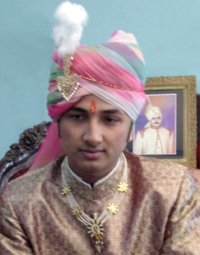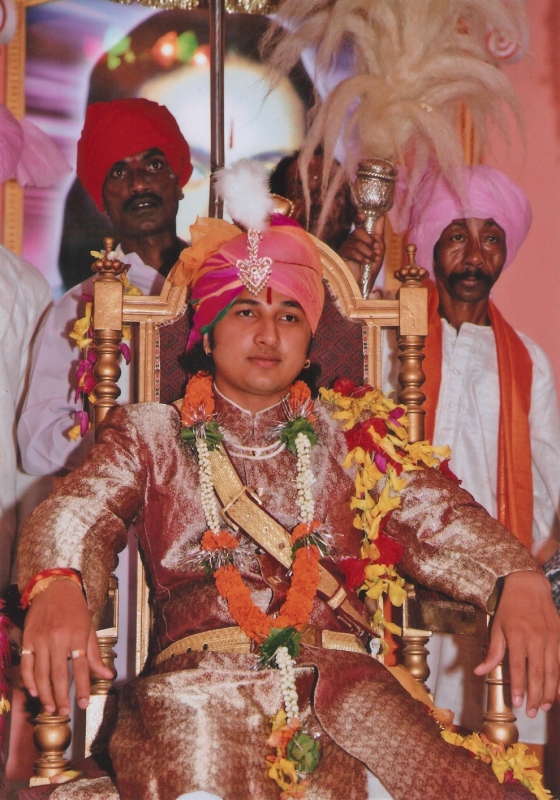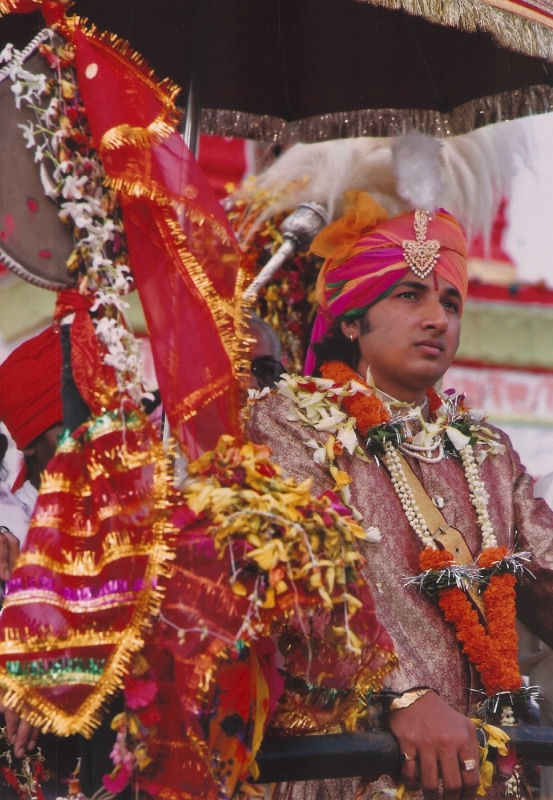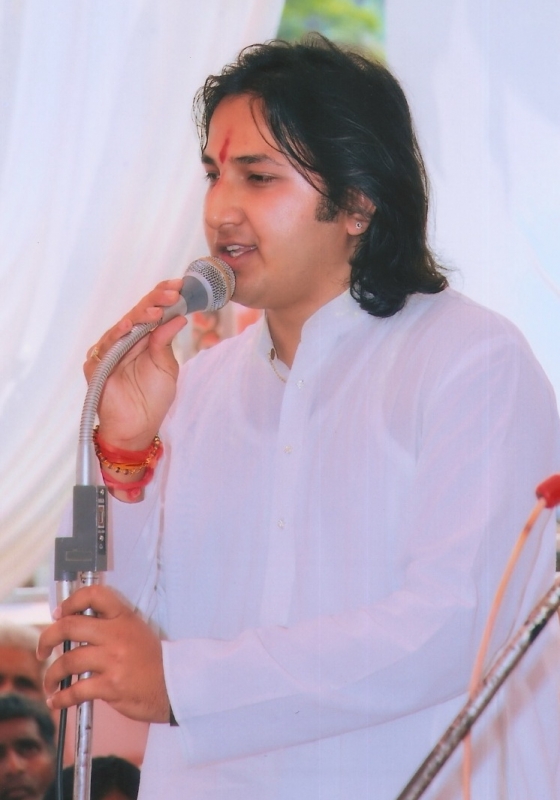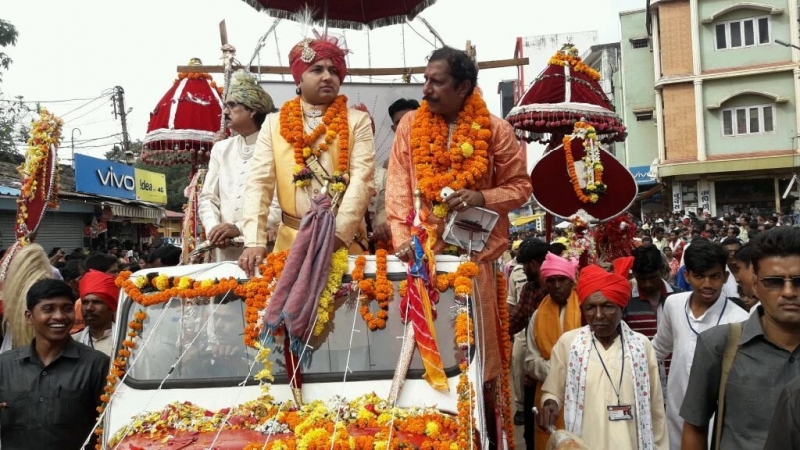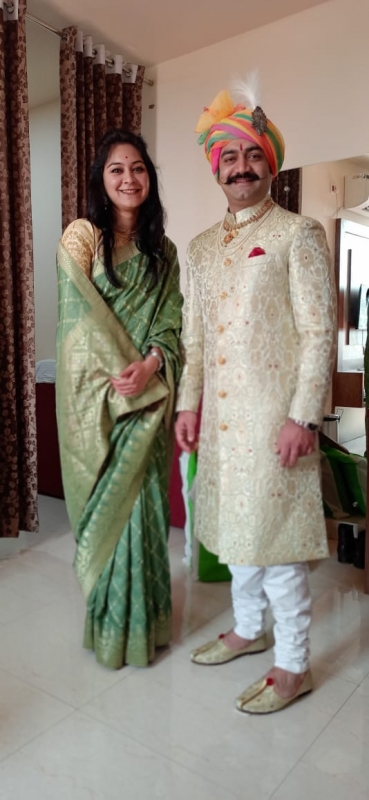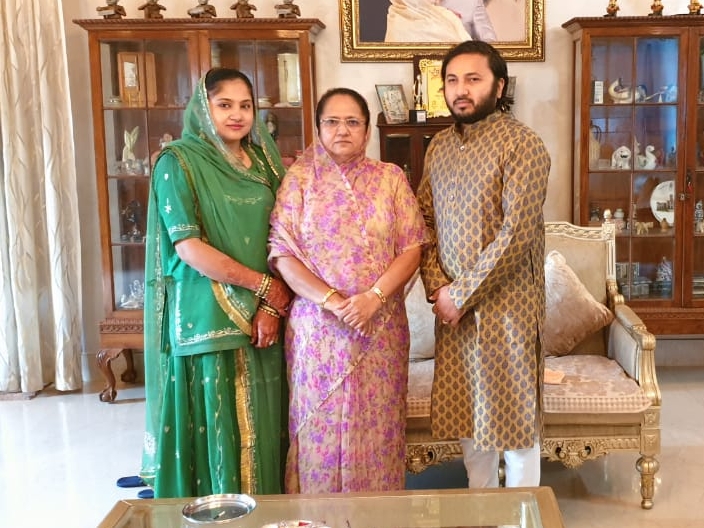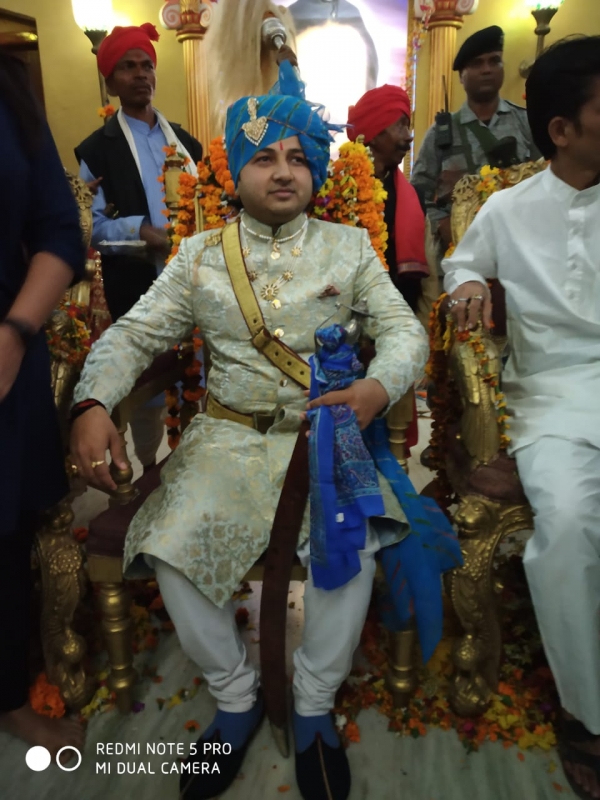
Present Head

History
Origin and Foundation of Bastar State
The princely state of Bastar, located in the southern reaches of modern-day Chhattisgarh, boasts a history deeply intertwined with Rajput-Kakatiya lineage and indigenous tribal traditions. The state was founded in 1324 CE by Maharaja Annama Deva, the brother of the last great Kakatiya monarch of Warangal, Prataparudra II. Following the tragic fall of the Kakatiya Empire to the forces of the Delhi Sultanate under Ghiyas-ud-din Tughluq, Annama Deva migrated north across the Godavari River into the dense, hilly forests of Dandakaranya.
According to local legends and historical chronicles, Annama Deva established his kingdom under the divine patronage of Goddess Danteshwari, an incarnation of Shakti who became the tutelary deity (Ishta-devi) of the Bastar ruling house. The goddess allegedly promised to follow Annama Deva on his journey, establishing his sovereignty over as much land as he could traverse on foot, on the condition that he never looked back. The historical capital was initially established at Madhota, later shifted to Bastar, and finally consolidated at Jagdalpur on the banks of the Indravati River.
The Kakatiya Dynasty and Early Medieval Settlements
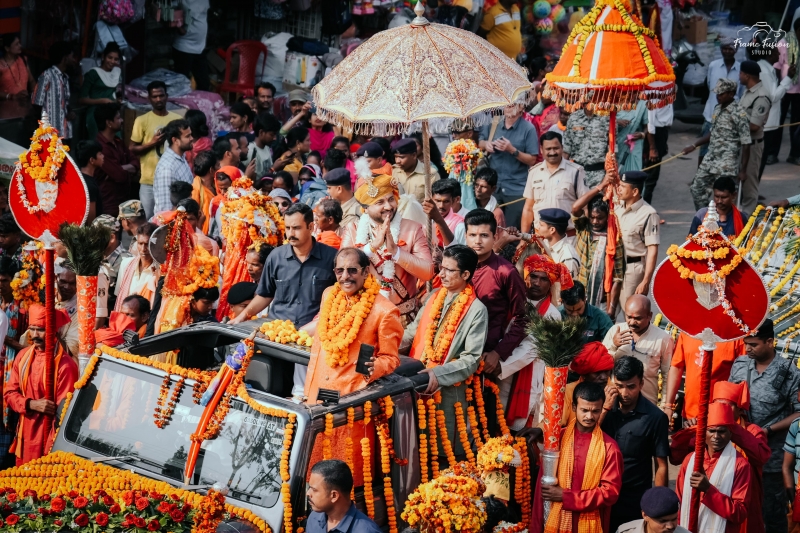
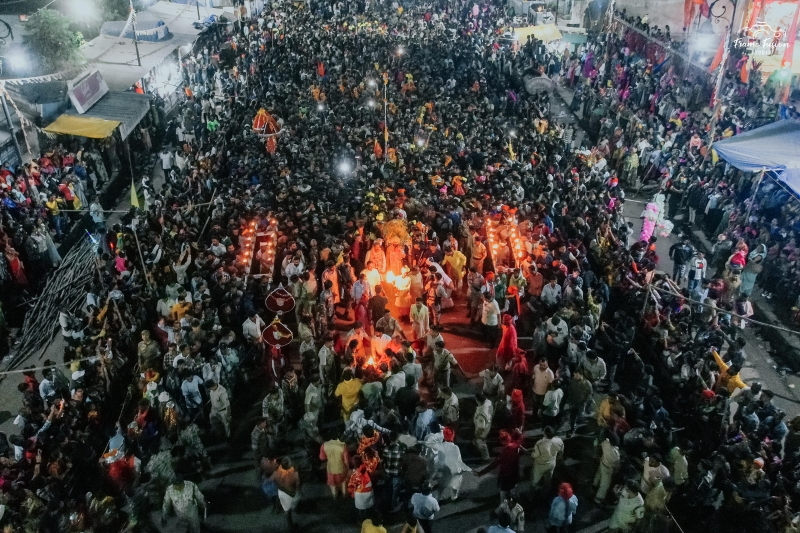
The early Kakatiya rulers of Bastar successfully assimilated with the local Maria, Muria, Bhatra, and Halba tribal populations. Unlike many other princely states where rulers maintained a rigid distance from tribal subjects, the Kings of Bastar assumed the sacred role of the chief priest (Pat-Raja) of Goddess Danteshwari, bridging the gap between temporal administration and spiritual leadership. This unique socio-religious synthesis is still celebrated during the famous 75-day-long Bastar Dussehra festival.
During the medieval era, the rulers of Bastar maintained relative isolation due to the state’s rugged geography, which was protected by dense forests, deep gorges, and the roaring Indravati River. This isolation shielded Bastar from direct intervention by the major Islamic Sultanates of the Deccan and Northern India.
The Maratha Influence and the Treaty of Kotpad (1778)
By the late 18th century, the expansion of the Bhonsle Marathas of Nagpur shattered Bastar's geographic isolation. Internal succession disputes further weakened the state. In 1774, a civil war erupted between Raja Ajmer Singh and his brother Daryao Dev. Ajmer Singh led the historic Halba Rebellion (1774–1779), which is recognized as one of the earliest anti-feudal and anti-colonial uprisings in Indian history.
To secure his throne, Daryao Dev sought the assistance of the Marathas and the neighboring kingdom of Jeypore. This culminated in the signing of the pivotal Treaty of Kotpad in 1778. Under this treaty, Bastar lost the fertile pargana of Kotpad to Jeypore and was forced to pay an annual tribute (tanka) to the Bhonsles of Nagpur, effectively reducing the state to a tributary vassal of the Marathas. More information on these regional power shifts can be explored in the historical archives of the Nagpur District Gazetteers.
The British Raj and Tribal Uprisings
When the British East India Company annexed Nagpur in 1853 under Lord Dalhousie’s Doctrine of Lapse, Bastar came under British suzerainty. In 1863, the British recognized Bhairam Deo as the Raja of Bastar. However, British administrative interventions, aggressive forest conservation laws, and exploitation by non-tribal merchants (the thekedari system) disrupted the traditional tribal way of life, sparking multiple rebellions:
- The Tarapur Rebellion (1842–1854): A protest against the imposition of heavy taxes by the Anglo-Maratha administration.
- The Maria Rebellion (1842–1863): Sparked by British interference in local religious practices, specifically the attempts to abolish the ritual of Meriah (human sacrifice, which was often misconstrued by British administrators).
- The Koi Revolt (1859): A successful environmental and tribal resistance against the commercial felling of sacred Sal trees by British contractors.
The Historic Bhumkal Rebellion of 1910
The most formidable challenge to British imperial authority in Central India was the Bhumkal Rebellion of 1910. Led by the charismatic tribal leader Gundadhur, with the tacit support of Lal Kalendra Singh (the uncle of the ruling Raja Rudra Pratap Deo), the rebellion was a massive popular uprising against British forest policies that restricted tribal access to timber, fuel, and forest produce.
The rebels utilized traditional communication methods, such as passing branches of mango trees, lumps of earth, and red chilies (known as Lal Mirchi) from village to village to signal the revolt. The British administration reacted with brutal military force, suppressing the rebellion after several weeks of intense guerrilla warfare. Though Gundadhur was never captured, the rebellion forced the British to temporarily suspend their aggressive forest reservation policies. For a detailed academic analysis of this movement, refer to researches hosted on JSTOR.
The Princely Heraldry and State Flag
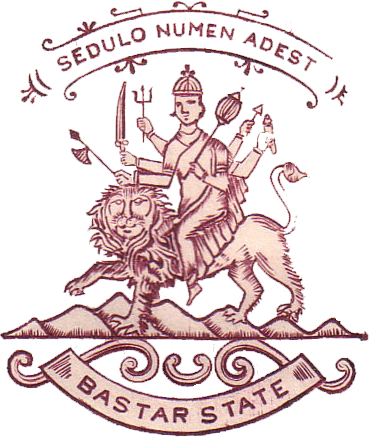
The heraldic emblems of Bastar State reflected its rich spiritual heritage and local biodiversity. The Coat of Arms of Bastar featured:
- The Shield: Depicted the trident (Trishul) of Goddess Danteshwari, symbolizing divine protection and sovereignty.
- Supporters: A wild Gaur (Indian Bison) and a Tiger, representing the rich wildlife and the untamed spirit of the Bastar forests.
- The Crest: A representation of Hanuman, the deity of strength and loyalty, holding a mountain.
- Motto: "Dharma dasha jaya" (Victory to Righteousness/Duty).
The State Flag of Bastar was a rectangular bicolor consisting of horizontal bands of saffron and yellow, representing the traditional Rajput colors of sacrifice, purity, and connection with the divine mother goddess.
Key Reformers and Eminent Rulers
Despite administrative challenges, several rulers worked toward modernizing the state while preserving its unique cultural fabric:
- Raja Rudra Pratap Deo (r. 1891–1921): Known for his benevolent governance, he planned and built the modern town of Jagdalpur on a grid system with wide roads and public parks. During the First World War, he provided significant financial and material support to the British Empire, for which he was awarded the title of Maharaja and made a Knight Commander of the Order of the Star of India (KCSI).
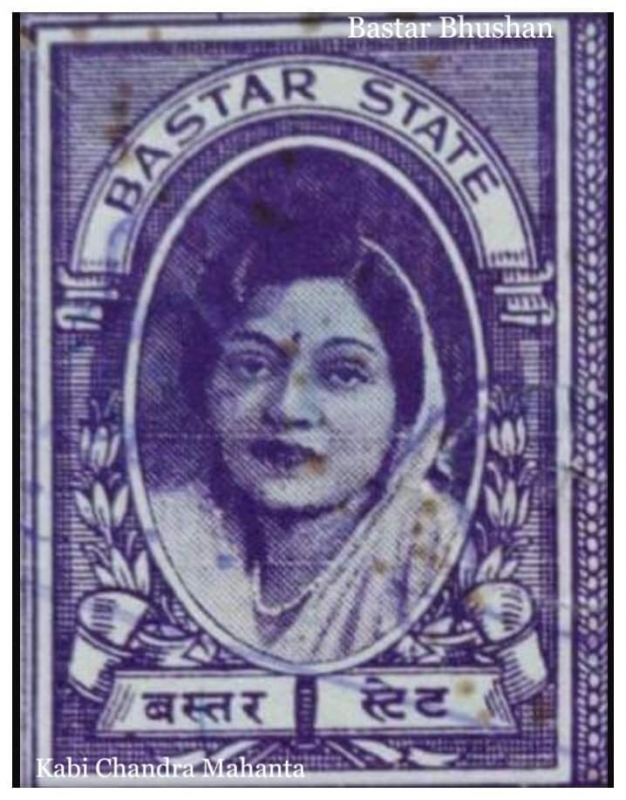
- Maharani Prafulla Kumari Devi (r. 1921–1936): The first and only female ruler of Bastar. She succeeded her father at a young age. Despite facing constant intrigue from British political agents who sought to undermine her authority, she remained deeply beloved by her subjects. Her tragic and untimely death in London in 1936 remains a subject of historical debate. More details on her reign can be accessed via the British Newspaper Archive.
Post-Independence Integration and Modern Era
The last ruling Maharaja of Bastar was Maharaja Pravir Chandra Bhanj Deo, who ascended the gadi in 1936. Following India’s independence in 1947, Maharaja Pravir Chandra signed the Instrument of Accession, merging Bastar State into the Union of India on January 1, 1948. The state was initially integrated into the Central Provinces and Berar, which later became Madhya Pradesh, and eventually part of the state of Chhattisgarh in 2000.
Maharaja Pravir Chandra Bhanj Deo remained an immensely popular and messianic figure among the tribal population. He championed tribal land rights against government exploitation, which brought him into direct conflict with the ruling Congress government. On March 25, 1966, during a major tribal protest, the Maharaja was shot dead along with dozens of his tribal followers inside the Jagdalpur Palace grounds under controversial circumstances.
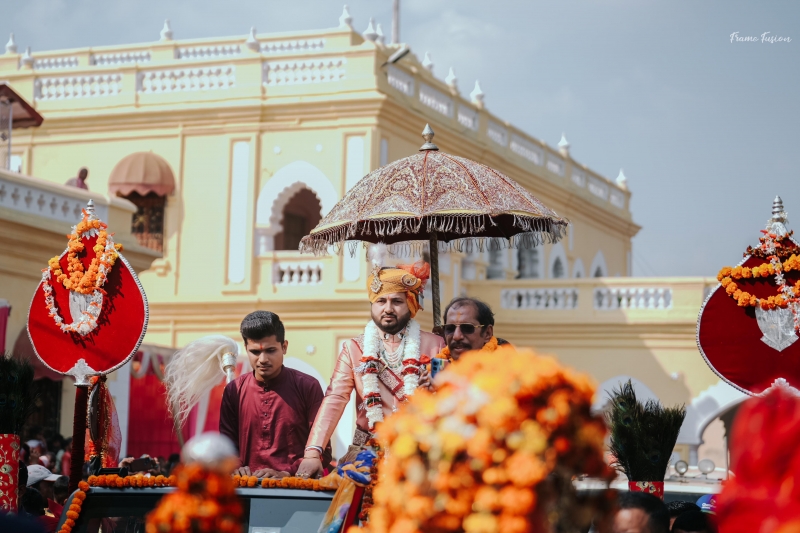
Today, Bastar is celebrated globally for its vibrant tribal culture, exquisite bell-metal handicrafts (Dhokra art), and pristine natural beauty. The legacy of the Kakatiya dynasty lives on, as the descendants of the royal family still perform the traditional royal rituals during the annual Bastar Dussehra festival, keeping a multi-centuries-old tradition alive in the heart of modern India.
References and Historical Bibliography
- Grigson, Wilfrid. The Maria Gonds of Bastar. Oxford University Press, 1938. Available on Internet Archive.
- Elwin, Verrier. The Muria and their Ghotul. Oxford University Press, 1947.
- Sundar, Nandini. Subalterns and Sovereigns: An Anthropological History of Bastar, 1854-2006. Oxford University Press.
- Imperial Gazetteer of India, v. 7, p. 121-124. Digital source hosted by the Digital South Asia Library (University of Chicago).
Genealogy
- Raja ANNAM DEV, 1st Raja of Bastar 1324/1369, traditional founder, brother of the Kakatiya Raja of Warangal, Pratap Rudra Dev, said to have established himself at Bastar, defeating the Nagvanshi Raja, and established his capital at Mudhota under the protection of the goddess, Danteshwari, still the family deity.
- Raja HAMIR DEV, 2nd Raja of Bastar 1369/1410
- Raja BHAITAI DEV, 3rd Raja of Bastar 1410/1468
- Raja PURUSHOTTAM DEV, 4th Raja of Bastar 1468/1534, he shifted his capital to Old Bastar.
- .....
- Raja PRATAP RAJ DEV, Raja of Bastar 1602/1625, married and had issue, extinct in the 3rd generation,
- ......
- Raja DIGPAL DEO, Raja of Bastar 1680/1709
- Raja RAJPAL DEO, Raja of Bastar 1709/1721, descended from the younger brother of Raja Pratap Raj Dev, married 1stly, a Baghela Princess, married 2ndly, a Chandel Princess, and had issue.
- Rajkumar Dakhin Singh (by 1st wife)
- Raja Dalpat Deo (by 2nd wife) (qv)
- Rajkumar Pratap Singh (by 2nd wife)
- Raja MAMA, Raja of Bastar 1721/1731
- Raja DALPAT DEO, Raja DALPAT DEO, Raja of Bastar 1731/1774, moved his capital to Jagdalpur; he married (amongst 7 wives), 1stly, a daughter of Raja Goor Sai Deo of Kanker, and also married the daughter of Raja Saheb of Sukma Estate Rajkumari Saheb Kamal Kunwar , and had issue.
- Rajkumar Ajmer Singh (by 1st wife), usurped the gaddi for a short time.
- Raja Daryao Deo (by 2nd wife) (qv)
- Raja DARYAO DEO, Raja of Bastar 1774 and 1777/bef 1819, married and had issue.
- Raja Mahipal Deo (qv)
- Raja MAHIPAL DEO, Raja of Bastar fl. 1819, married and had issue.
- Raja Bhopal Deo (qv)
- Lal Dalganjan Singh, Dewan of Bastar 1846/1863, married and had issue. He died .
- Lal Kalendra Singh, Dewan of Bastar 1882/-; deported to Illichpur for his part in the Bastar rebellion of 1910, where he died . He died 1916 at Illichpur.
- Kunwar Chakar Singh
- Raja BHOPAL DEO, Raja of Bastar 1830/1853, married and had issue, as well as further issue.
- Raja Bhairam Deo (qv)
- Kunwar Durjan Singh (by a secondary union), Dewan of Bastar -/1881, died
- Raja BHAIRAM DEO, Raja of Bastar 1853/1891, born , succeeded 27th August 1853, recognized as a Feudatory Chief by the British Government in 1865; he married (amongst others), Senior Rani Subra Kanwar, died O ctober 1910 at Raipur, Rani Saheb Janaki Kanwar, daughter of Raja RamChandra Raj of Sukma Estate, (a) Nawabai (concubine), and had issue, as well as illegitimate issue. He died .
- Raja Rudra Pratap Deo (qv)
- Maharanidhirani Padmalaya Devi, married Maharajadhiraj Nahar Deo of Kanker, and had issue.
- Kunwar Bahadur Singh (by a secondary union)
- Kunwar Arjun Singh (by a secondary union)
- Raja RUDRA PRATAP DEO, Raja of Bastar 1891/1921, born , succeeded 20th July 1891, installed in January 1908, educated at Rajkumar College, Raipur; married 1stly, Rani Kusumlata Devi, daughter of Raja Sir Basudeb Sudhal Deb of Bamra, she died , married 2ndly, Rani Chandra Kumari, she died sp, and had issue, one son and one daughter. He died 1921.
- Yuvaraj (name unknown) (by Rani Kusumlata Devi), died at the age of ten months.
- Rani Prafulla Kumari Devi (by Rani Kusumlata Devi) (qv)
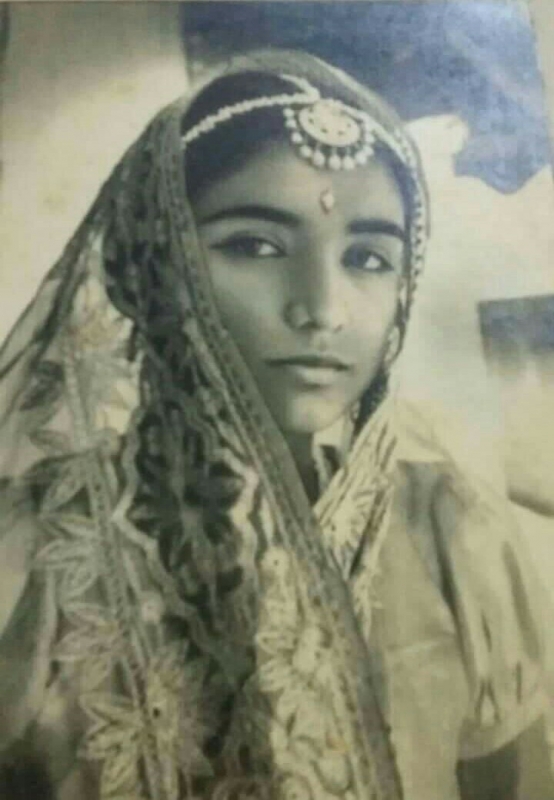
- HH Maharani Saheba Prafulla Kumari Devi, Rani of Bastar 1921/1936, born , married 1927, Lal Sahib Prafulla Chandra Bhanj Deo of Mayurbhanj, born , Member of Parliament, Rajya Sabha, for two terms: 1952 -1954 / 1954 - 1960, Member Committee of Parliament on Official Language 1957, died , and had issue. She died in London.
- Rajkumari Kamla Devi (by Rani Prafulla Kumari Devi), born , married in Bijwa U.P. She died .
- Maharaja Pravir Chandra Bhanj Deo (qv)
- Rajkumari Geeta Kumari Devi, born , married Raja Saheb Kadamba Keshri Chandra Deo of Bonai, and had issue. She died .
- Maharaja Vijay Chandra Bhanj Deo (qv)
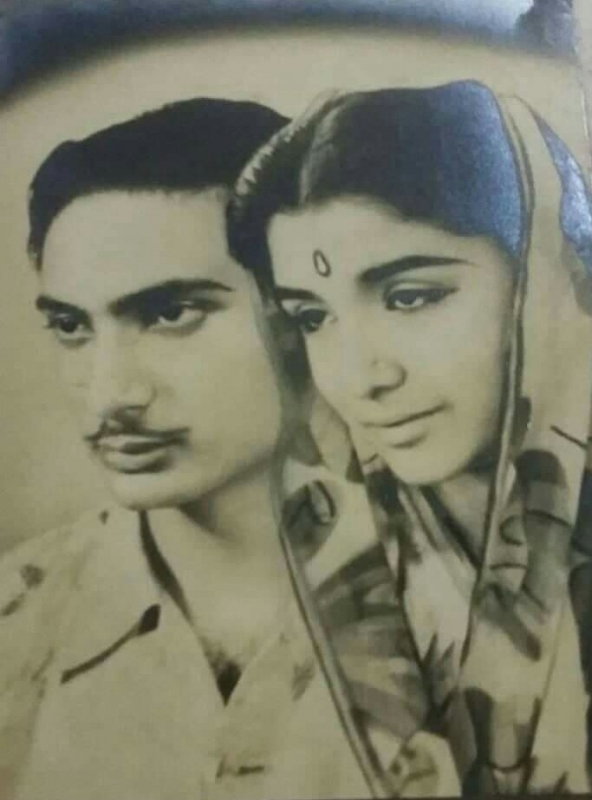
- HH Maharaja Saheb PRAVIR CHANDRA BHANJ DEO, Maharaja of Bastar 1936/1966, born (or 25th June 1929), educated at Rajkumar College, Raipur; succeeded 28th October 1936, deposed by the Indian authorities in 1961, M.L.A. (Madhya Pradesh), married 4th July 1961, Maharani Shubhraj Kumari, born , died sp on 11th September 1996, daughter of Rao Sahib Udaya Singhji of Patan. He died sp on 25th March 1966.
- Maharaja VIJAY CHANDRA BHANJ DEO, Maharaja of Bastar 1966/1970, born , married Maharani Hitendra Kumari, daughter of Thakore Saheb Surendrasinhji Karansinhji of Sayla, and had issue. He died .
- Maharaja Bharat Chandra Bhanj Deo (qv)
- Maharajkumar Shri Harihar Chandra Bhanj Deo, educated at Rajkumar College, Rajkot (1974); a practising lawyer in the capital Jagdalpur, married and had issue.
- Kumar Suryaveer Chandra Bhanj Deo
- Maharajkumar Shri Devesh Chandra Bhanj Deo, married to Jyoti Devi Rana and had issues.
- Kumar Mohit Chandra Bhanj Deo, born , education at Rajkumar College Raipur and Graduation from Christ University Bangalore.
- Kumari Juhika Devi Bhanj Deo, born , education at Rajkumar College Raipur Chhattisgarh, Masters in Visual Arts, she is freelance Artist.
- Rani Saheba Puspa Devi, married Raja Rajendra Chandra Deb Birabara Harichandan Mahapatra, 25th Raja Saheb of Talcher, and has issue, two sons.
- HH Maharaja Saheb BHARAT CHANDRA BHANJ DEO, Maharaja of Bastar 1970/1996, born , educated at Rajkumar College, Rajkot (1972); married Maharani Krishna Kumari Devi (now Rajmata Saheb of Bastar) from Tharad (Gujrat) and had issue. He died .
- Maharaja Kamal Chandra Bhanj Deo (qv)
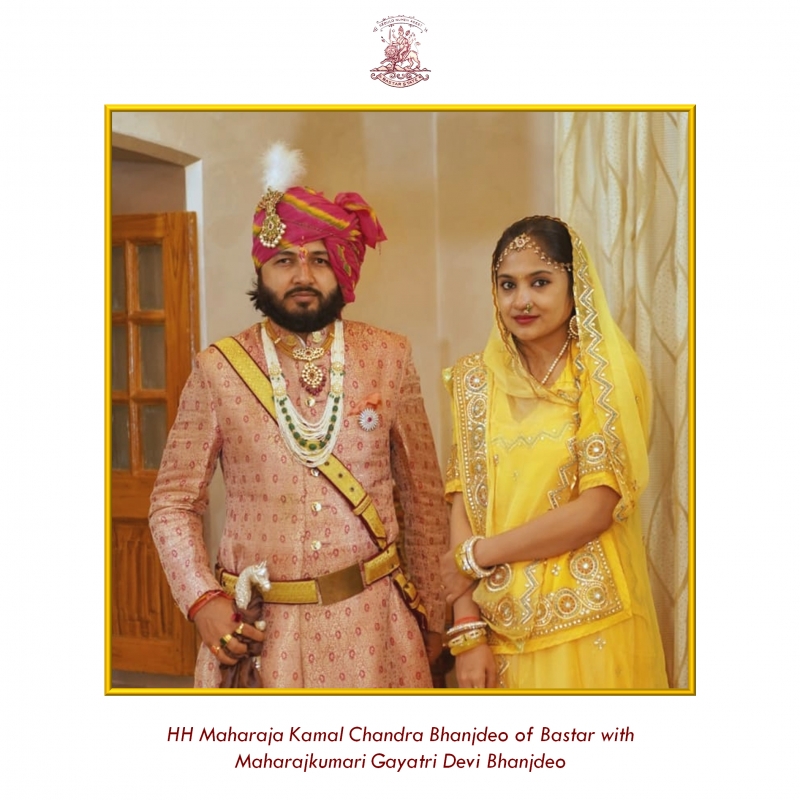
- Maharajkumari Gayatri Devi Bhanjdeo, born 13th January, educated at Mayo College Girls School, Ajmer, a Gold Medalist. Graduated from Mount Carmel College, Bangalore (BBM) and has an MBA degree in Finance and Marketing from MIT, Pune. Ventured into many businesses at Jagdalpur, Bastar and actively involved in the management of Bastar Palace.
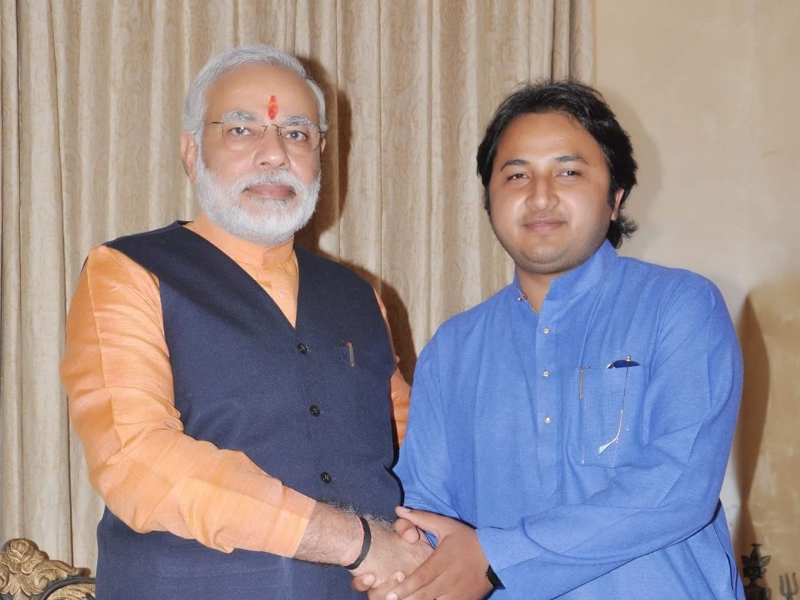
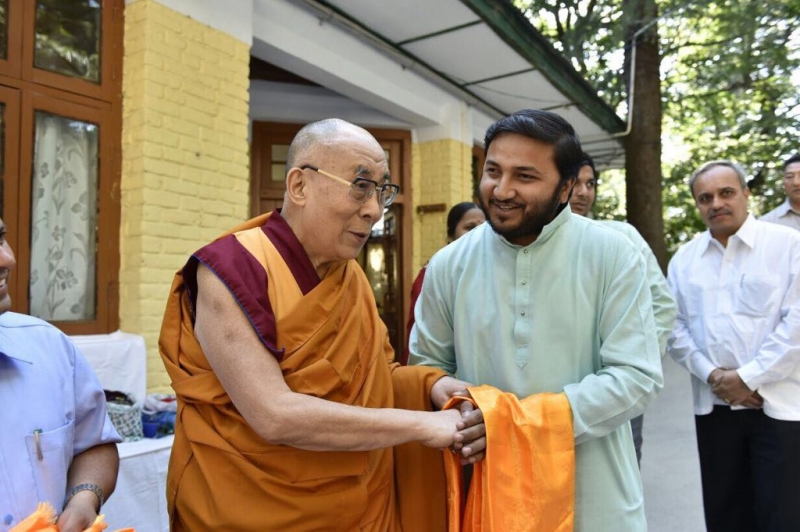
- HH Maharaja Saheb KAMAL CHANDRA BHANJ DEO (see above)