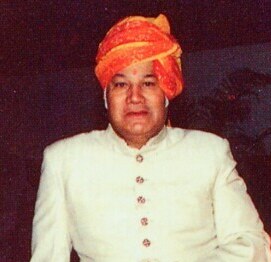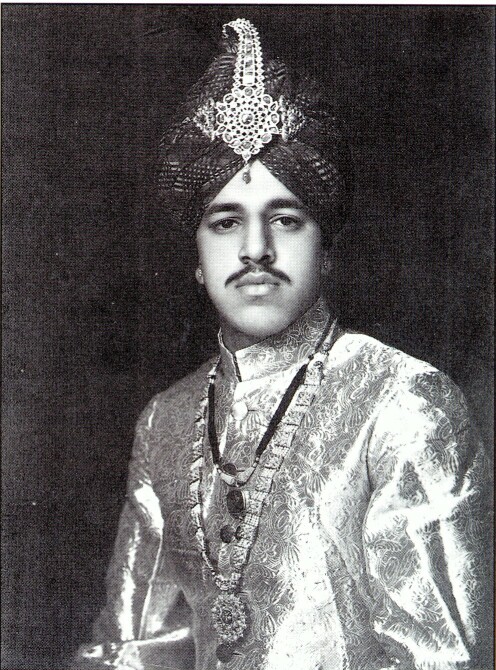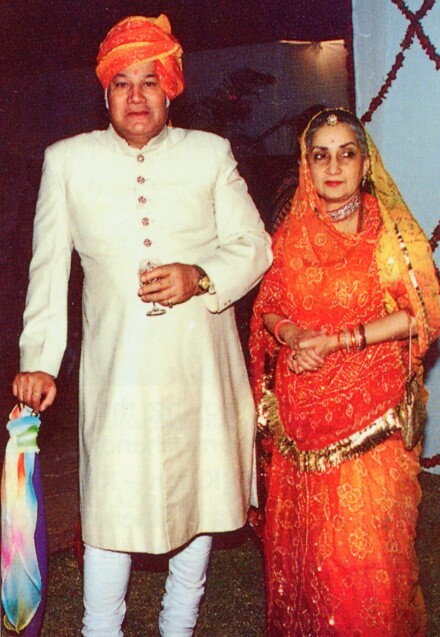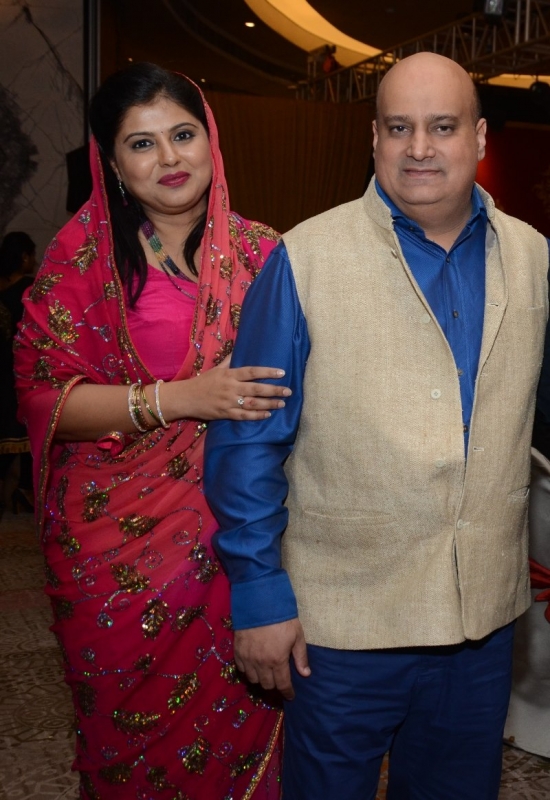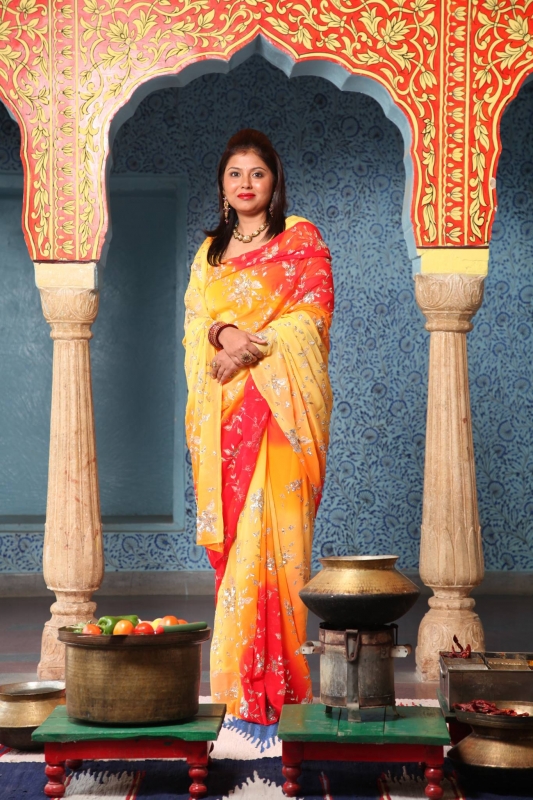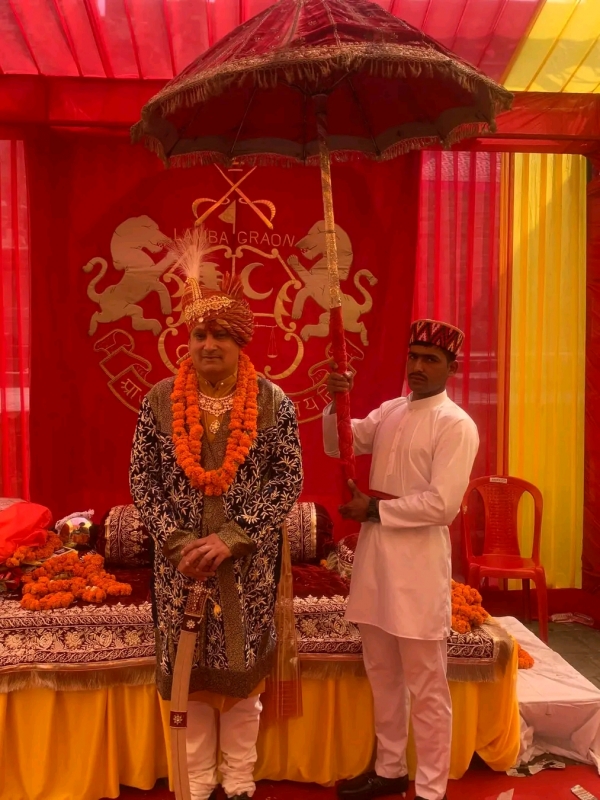
Present Head
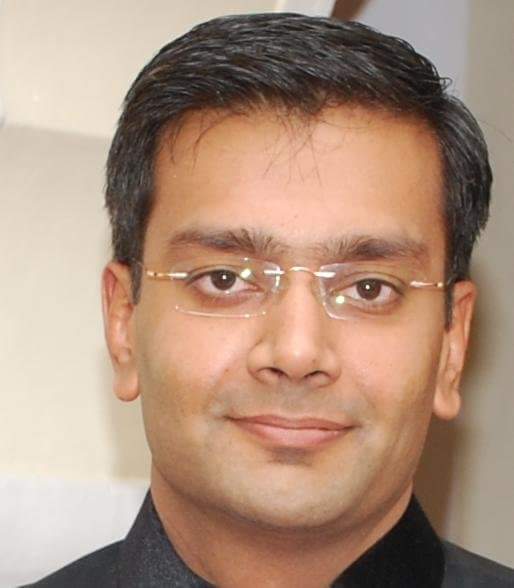
- Tikka Ambikeshwar Dev Chand Katoch, born .
History
Origin and Mythological Foundations of Kangra (Trigarta)
The historical region of Kangra, anciently known as Trigarta, holds the distinction of being one of the oldest surviving dynasties in the Indian subcontinent. According to local traditions, epic literature, and the Puranas, the state was founded by Raja Bhuma Chand, who sprang from the sweat of the goddess Ambika at the temple of Kangra. Historically, the name "Trigarta" signifies the land watered by three rivers: the Ravi, the Beas, and the Sutlej.
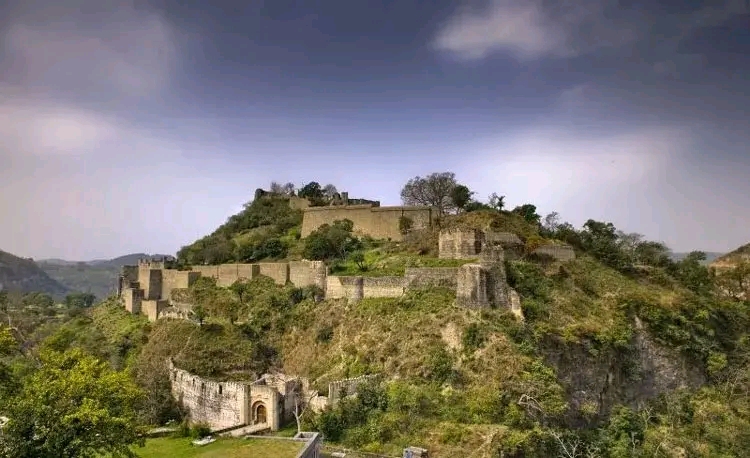
The ruling clan of Kangra, the Katoch dynasty, traces its lineage back to this mythological era. The Trigarta kingdom is prominently mentioned in the Sanskrit epic Mahabharata, where Raja Susharma Chandra of Trigarta allied with the Kauravas and fought against the Pandavas on the battlefield of Kurukshetra. Following the catastrophic war, Susharma Chandra withdrew from his ancestral seat in the plains of Multan (modern Pakistan) and established a secure stronghold in the Shiwalik hills, constructing the magnificent Kangra Fort (historically known as Bhimkot or Nagarkot).
The Katoch Dynasty: Ancient and Early Medieval Era
The first modern recorded mention of the state, however, is from the 11th century AD. The Katoch dynasty are reputed to have ruled the town of Kangra and its vicinity since time immemorial. Several very extended interregnums are acknowledged, during which foreign powers asserted temporary authority, though the resilient Katochs repeatedly reclaimed their sovereign patrimony.
Throughout the ancient and early medieval periods, Kangra was a flourishing hub of commerce, religious pilgrimage, and political power. The strategic location of the Kangra Fort, perched on a steep cliff overlooking the confluence of the Banganga and Manjhi rivers, made it virtually impregnable. This security allowed the Katoch rulers to amass staggering wealth inside the temples of Nagarkot, particularly the revered temple of Vajreshwari Devi.
Medieval Invasions and the Struggles for Kangra Fort
The immense wealth sequestered within the walls of the Kangra Fort and its temples acted as a magnet for several waves of foreign invaders. At least three major medieval rulers sought to conquer the Kangra fort and plundered the treasures of its temples: Mahmud of Ghazni in 1009, Firuz Shah Tughluq in 1360, and Sher Shah Suri in 1540.
During the reign of Mahmud of Ghazni in 1009 AD, the fort was subjected to a fierce siege. The garrison, overwhelmed by the rapid onslaught, surrendered, allowing Mahmud to plunder an astronomical quantity of gold, silver, pearls, and precious gems. Despite this devastating blow, the Katoch rajas successfully re-established their control over the fort within a few decades.
During the Battle of Kangra (1333), which took place during Raja Prithvi Chand II's reign, the hill forces successfully defeated the army of Sultan Muhammad bin Tughluq. The Sultan's imperial army, unaccustomed to the treacherous mountainous terrain and guerilla tactics of the hill Rajputs, was completely routed in the hills. Nearly all of his 100,000 soldiers perished in 1333 AD during this ill-fated Qarachil expedition, forcing the Delhi Sultanate to retreat in humiliation.
Later, in 1360 AD, Sultan Firuz Shah Tughluq personally led another siege against Kangra, then ruled by Raja Rup Chand. After a prolonged blockade, a compromise was reached wherein the Raja acknowledged the nominal suzerainty of the Sultan. In 1540, the Afghan emperor Sher Shah Suri's general, Khwas Khan, successfully captured the fort and plundered it once again, establishing an Afghan garrison that was later expelled as Suri power waned.
The Mughal Era and the Fall of the Fort
With the rise of the Mughal Empire, the independent hill principalities faced a formidable centralized power. The fort of Kangra resisted Akbar's siege during the early years of his reign. Akbar attempted to conquer the fort in 1572 by dispatching a force under Raja Birbal and Husain Quli Khan, but the siege had to be abandoned due to political disturbances in Gujarat. Akbar successfully reduced the surrounding hill states to vassalage, but the core fortress of Kangra remained a symbol of Katoch defiance.
It was Akbar's son, Emperor Jahangir, who successfully subdued the fort in 1620, annexing the surrounding area and reducing the Katoch rajas to the status of vassals. Kangra was at the time ruled by Raja Hari Chand Katoch of Kangra (also known as Raja Hari Chand II). Mughal Emperor Jahangir, with the help of the rebel-turned-ally Suraj Mal of Dhameri (Nurpur), initially garrisoned the region with his troops. Under Jahangir's orders, Murtaza Khan, the governor of Punjab, was directed to conquer Kangra, but he failed on account of the jealousy and opposition of the Rajput chiefs who were associated with him in the command.
Subsequently, Prince Khurram (later Emperor Shah Jahan) was put in charge of the imperial command. The siege of Kangra was pushed on for weeks and months. Imperial forces cut off all external supplies to the fort. The besieged garrison was reduced to eating boiled dry grass to survive. Faced with imminent starvation and death, the defenders could hold out no longer. After a brutal siege of 14 months, the fort surrendered in November 1620.
In 1621, Jahangir visited the conquered fort in person, ordering the slaughter of a bullock within the sacred precincts to mark his triumph. A mosque was also built within the fort of Kangra to cement the Mughal footprint. Despite this, the Katoch kings did not submit quietly; they repeatedly looted Mughal-controlled regions from their hideouts in the surrounding hills, weakening the Mughal administrative grip and significantly contributing to the eventual decline of Mughal power in the Punjab hills.
The Golden Age of Sansar Chand II and Katoch Renaissance
As the Mughal power waned in the mid-18th century, many former officers of the Mughal empire took autonomous charge of the areas under their power, and this situation deeply affected Kangra. Seizing the opportunity, the Katoch dynasty began preparing for a resurgence. Meanwhile, in 1758, Raja Ghamand Chand, a capable and ambitious scion of the dispossessed royal family, attained a position of immense power in the Punjab plains, being appointed the governor (Nazim) of Jalandhar Doab by the Afghan emperor Ahmad Shah Abdali.
Building upon this political ascendency, Ghamand Chand's grandson, the legendary Raja Sansar Chand II, rallied a powerful army. He sought to oust the last Mughal governor of the Kangra Fort, Saif Ali Khan. Although Saif Ali Khan held out for years, his death in 1783 paved the way for Sansar Chand to gain possession of his ancestral patrimony. Sansar Chand was aided in this campaign by the Kanhaiya Misl, one of the prominent Sikh confederacies ruling the Punjab in that era, led by Sardar Jai Singh Kanhaiya.
Raja Sansar Chand II succeeded in recovering the ancient fort of his ancestors in 1789, establishing himself as the undisputed sovereign of the western Himalayan hills. During his long and illustrious reign, Sansar Chand overran nearby hill principalities—including Chamba, Mandi, Kutlehar, and Bilaspur—compelling the submission of their rulers. His court became a vibrant center of art, culture, and literature. Under his direct patronage, the famous Kangra School of Painting (a delicate style of Pahari miniature painting) reached its zenith, characterized by its exquisite use of color, natural beauty, and romanticism.
The Gorkha-Sikh Conflict and the Treaty of Jawalamukhi
Raja Sansar Chand’s imperial ambitions eventually brought him into direct conflict with other regional powers. His expansionist policies alarmed the neighboring hill chiefs, who allied with the rapidly expanding Gorkha Empire of Nepal. Led by the Gorkha commander Amar Singh Thapa, the combined coalition of Gorkhas and humbled hill states invaded Kangra in 1806.
The Katoch army was decisively defeated in battle, and Raja Sansar Chand was forced to seek refuge within the high walls of the Kangra Fort. The Gorkhas besieged the fort for four years, devastating the surrounding countryside. Left with no territory beyond the immediate vicinity of the fortress, Sansar Chand managed to retain control of the fort only with the help of a small Sikh force sent to his aid by Maharaja Ranjit Singh, the ruler of the Sikh Empire.
In this state of utter despair, the Raja negotiated the historic Treaty of Jawalamukhi with Maharaja Ranjit Singh in 1809. By this treaty, Raja Sansar Chand surrendered the strategic Kangra Fort along with the district of Sandhata to Ranjit Singh in return for military assistance to expel the Gorkhas. After the Gorkhas were driven back across the Sutlej River, Ranjit Singh established his direct rule over the fort and the surrounding lands. Sansar Chand was reduced to a vassal chief, though he was granted the substantial estate of Lambagraon to maintain his royal dignity. This estate consisted, in 1947, of 20 villages yielding a revenue of Rs. 40,000/- and encompassing an area of 324 km².
British Raj and the Lambagraon Estate
Following the death of Maharaja Ranjit Singh, the Sikh Empire fell into instability, leading to the First Anglo-Sikh War (1845–1846). Following the defeat of the Sikh forces, the Treaty of Lahore was signed, by which the territory between the Sutlej and Ravi rivers, including the hill states of Kangra, was ceded by the Sikhs to the Honorable East India Company (HEIC).
Consequently, the Lambagraon estate was annexed by the British and placed under the administrative control of the Simla Hill States' Superintendency. Out of respect for the ancient lineage of the Katoch rulers and their historical association with the town of Kangra, the princely estate was officially designated as "Kangra-Lambagraon." The British recognized the rulers of this line with the hereditary title of "Raja of Lambagraon." The Katoch rulers maintained a loyal relationship with the British Raj, providing administrative and military assistance during regional conflicts and the World Wars.
Heraldry, Royal Flag, and Culture
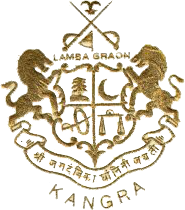
The heraldry of the Kangra-Katoch dynasty reflects its deep mythological origins and military pride. The traditional flag of the Katoch state features a sacred white or saffron background, adorned with a representation of a crescent moon (Ardhachandra) and a trident (Trishul), signifying their devotion to Lord Shiva and the Goddess Durga.
The royal coat of arms depicts a shield supported by a pair of lions or mountain goats, representing the rugged terrain of the Shiwalik hills. At the center of the emblem is the image of the sacred temple of Vajreshwari Devi or the mythical figure of Bhuma Chand, representing the divine protection bestowed upon the clan. The royal motto of the family, translated from Sanskrit, emphasizes righteousness, courage, and protection of the motherland.
Post-Independence Era and Modern Kangra
At the dawn of Indian independence, the princely estate of Kangra-Lambagraon acceded unto the Dominion of India on August 15, 1947. In 1948, the estate was formally merged with its sister states of the erstwhile Simla Hill States Superintendency to form the newly created province of "Himachal Pradesh," which was initially administered by a Chief Commissioner.
With the reorganization of states in 1966, the Kangra district was officially transferred from Punjab to Himachal Pradesh, becoming its most populous and politically influential district. Today, Kangra is renowned globally for its natural beauty, historical monuments, and religious shrines. The ancient Kangra Fort, managed by the Archaeological Survey of India (ASI), stands as a monumental testament to the turbulent and heroic history of the region. The town of Dharamshala, located in the Kangra district, serves as the winter capital of Himachal Pradesh and the international headquarters of the Tibetan government-in-exile, making modern Kangra a unique confluence of ancient Hindu heritage, Rajput valor, and Tibetan Buddhist culture.
References and Historical Bibliography
- Hutchison, J., & Vogel, J. Ph. (1933). History of the Panjab Hill States. Lahore: Government Printing. Available on Internet Archive.
- Imperial Gazetteer of India, v. 14, p. 380. (1908). Kangra District. Clarendon Press. Available on the Digital South Asia Library (University of Chicago).
- Archaeological Survey of India (ASI). Kangra Fort Conservation and History. Available on Official ASI Website.
Genealogy
- Raja MEGH CHAND, Raja of Kangra 1390/1405, he took part in a batle against Timur, married and had issue.
- Raja Hari Chand I (qv)
- Raja Karan Chand II (qv)
- Raja Pratap Chand, founder of Bhimbar.
- Raja HARI CHAND I, Raja of Kangra 1405/1415, founded Guler in 1415 with his capital at Haripur, ancestor of the families of Siba and Datarpur.
- Raja KARAN CHAND II, Raja of Kangra 1415/1430, granted the title of Bada Raja.
- Raja SANSAR CHAND I, Raja of Kangra 1430/1450, married and had issue.
- Raja Devangga Chand (qv)
- Raja Narendra Chand (qv)
- Raja DEVANGGA CHAND, Raja of Kangra 1450/1465, married and had issue.
- Raja NARENDRA CHAND, Raja of Kangra 1465/1480, married (amongst other), a daughter of the Raja of Puna, and had issue.
- Raja Suvira Chand (qv)
- Raja SUVIRA CHAND, Raja of Kangra 1480/1490 or 1480/1499, married and had issue.
- Raja Prayag Chand (qv)
- Raja PRAYAG CHAND, Raja of Kangra 1490/1510 or 1499/1520, married and had issue.
- Raja Ram Chand (qv)
- Raja RAM CHAND, Raja of Kangra 1510/1528 or 1520/1538, married and had issue. [He died sp 1538.]
- Raja Dharam Chand (qv)
- Mian Kalyan Chand, married and had issue.
- Three generations
- Raja Chandarbhan Chand (qv)
- Three generations
- Raja DHARAM CHAND, Raja of Kangra 1528/1563, born ?, he was granted the title of Maharaja by the Mughal Emperor Akbar, married and had issue. He died .
- Raja Manikya Chand (qv)
- Raja MANIKYA CHAND, Raja of Kangra 1563/1570, died .
- Raja JAI CHAND V, Raja of Kangra 1570/1585, married and had issue. He died .
- Raja Bidhi Chand (qv)
- Raja BIDHI CHAND, Raja of Kangra 1585/1607, fought against the Mughal Emperor Akbar. He died .
- Raja TRILOKA CHAND, Raja of Kangra 1607/1612, rebelled against the Mughals, died [or January 1615]
- Raja HARI CHAND II, Raja of Kangra 1612/1627, born (1603), killed sp in 1627 by Padshah Jahangir of Delhi
- Raja CHANDARBHAN CHAND, Raja of Kangra 1627/1658, married and had issue. He died in Delhi.
- Raja Vijay Ram Chand (qv)
- Raja Udai Ram Chand (qv)
- Mian Narpat Chand of Bijaipur, married and had issue.
- Mian Prag Chand, married and had issue.
- Mian Agar Chand, married and had issue. He died .
- Mian Nigahi Chand, married and had issue. He died .
- Generations
- Mian Molak Chand, born , married and had issue. He died .
- Mian Mordhaj Chand, born , married and had issue. He died .
- Mian Devi Chand, born , 12th Vice-regal Darbari of Kangra District, married and had issue.
- Kanwar Mehr Chand
- Kanwar Durga Chand
- Kanwar Raghbir Chand
- Mian Devi Chand, born , 12th Vice-regal Darbari of Kangra District, married and had issue.
- Mian Mordhaj Chand, born , married and had issue. He died .
- Mian Molak Chand, born , married and had issue. He died .
- Generations
- Mian Nigahi Chand, married and had issue. He died .
- Mian Agar Chand, married and had issue. He died .
- Mian Prag Chand, married and had issue.
- Kumari (name unknown), married Raja Suraj Sen of Mandi.
- Raja VIJAY RAM CHAND, Raja of Kangra 1660/1687, received a mansab of 5000 foot, died .
- Raja UDAI RAM CHAND, Raja of Kangra 1687/1690, married and had issue. He died .
- Raja Bhim Chand (qv)
- Mian Kirpal Chand, died .
- Raja BHIM CHAND, Raja of Kangra 1690/1697, Dharam Rakshak, married and had issue. He died .
- Raja Alam Chand II (qv)
- Raja ALAM CHAND II, Raja of Kangra 1697/1700, founded Alampur, married and had issue. He died .
- Raja Hamir Chand (qv)
- Raja Ghamir Chand (qv)
- Raja HAMIR CHAND, Raja of Kangra 1700/1747, built the fort of Hamirgarh and founded the town of Hamirpur, married and had issue. He died .
- Raja Abhay Chand (qv)
- Mian (name unknown) Chand, married and had issue.
- Raja Ghamand Chand (qv)
- Raja ABHAY CHAND, Raja of Kangra 1747/1750, built the fort of Riyal-Tira-Abhymanpur and the temple of Thakurdwara, married (amongst others), Rani Suratu Devi, daughter of Raja Sampat Pal, Raja of Bhadrawah, and had issue.
- Kumari (name unknown), married Raja Amrit Pal of Basohli.
- Raja GHAMIR CHAND, Raja of Kangra 1750/1751, married and had issue, 11 sons excluded from the succession. He died .
- Raja SHRINGAR CHAND, Raja of Kangra in 1751 (deposed)
- Raja GHAMAND CHAND, Raja of Kangra 1751/1774, rebuilt Pathiar Fort, appointed Nazim of the Jalandhar Doab by Ahmad Shah Durrani in 1758. He died .
- Raja Tegh Chand (qv)
- Raja TEGH CHAND, Raja of Kangra 1774/1775, born about 1745; married and had issue. He died .
- Raja Sansar Chand II (qv)
- Raja Fateh Chand, received the Jagir of Rajgir, married and had issue. He died .
- Mian Rudra Chand [Ludar Chand] of Rajgir, married and had issue. He died .
- Raja Pratap Chand, adopted by the Rani of Pramodh Chand of Lambagraon (see below).
- Mian Kirat Chand, married and had issue.
- Mian Jagroop Chand, born , married and had issue.
- Kanwarani Amar Dei, married Kanwar Pratap Singh of Chamba, and had issue.
- Mian Moti Chand
- Mian Jagroop Chand, born , married and had issue.
- Mian Udai Chand, married and had issue.
- Mian Daljit Singh, born , married and had issue.
- Kanwar Pargas Chand, born .
- Kanwar Shyam Chand, born .
- Mian Daljit Singh, born , married and had issue.
- Mian Rai Singh (natural son), married and had issue.
- Rani Katochan, married (as his fourth wife), Maharaja Naunihal Singh of Lahore. She committed sati November 1840.
- Kumari (name unknown), married Raja Hira Singh of Jasrota.
- Kumari (name unknown), married (as his first wife), Raja Ishwari Sen, Raja of Mandi, and had issue.
- Mian Rudra Chand [Ludar Chand] of Rajgir, married and had issue. He died .
- Mian Man Chand. died sp.
- Kumari (name unknown), married 1775, Raja Dharam Prakash [or Raja Jagat Prakash] of Sirmur.
- Raja SANSAR CHAND II, Raja of Kangra 1775/1823, born in Bijapur, assumed the titles of Naresh and Chhatrapati, lost most of his possessions by the Treaty of Jawalamukhi in 1810, being allocated the small Jagir of Lambagraon for his maintenance, married 1stly Rani (?Prasanna Devi), daughter of Mian Kishan Singh of Suket, married 2ndly, a Rani from Sirmur, married 3rdly, a Rani from Bangahal, married 4thly, Gulab Dassi Gaddan, and had issue. He died .
- Raja Aniruddh Chand (by first wife), Jagirdar of Lambagraon, married and had issue. (see below)
- Kumari (name unknown) (by first wife), married Raja Sudarshan Shah of Tehri-Garhwal.
- Kumari (name unknown) (by first wife), married Raja Sudarshan Shah of Tehri-Garhwal.
- Kumari (name unknown), married Raja Bhir Singh, Raja of Nurpur.
- Raja Sir Jodhbir Chand (by Gulab Dassi Gaddan), he was granted the estate of Nadaun.
- Rani Mahtab Devi [Rani Katochan] (by Gulab Dassi Gaddan), married 1829, Maharaja Ranjit Singh of Lahore. She committed sati on 28th June 1839.
- Rani Raj Banso Devi (by Gulab Dassi Gaddan), married 1829, Maharaja Ranjit Singh of Lahore. She committed suicide in 1835.
Lambagraon
Following the fall of Kangra, the Raja was granted the Jagir of Lambagraon for his maintenance. Estate holders were...- Raja ANIRUDDH CHAND II, Raja of Lambagraon 1823/1833, son of Raja Sansar Chand II of Kangra (see above) which was annexed by Maharaja Ranjit Singh of Lahore, married 1stly, 1804, a Rani from Jasrota, married 2ndly, 1820, a Rani from Suket, and had issue. He died .
- Raja Ranbir Chand (qv)
- Raja Pramodh Chand (qv)
- Raja RANBIR CHAND, Raja of Lambagraon 1833/1847, born , recieved the Jagir of Mahal Moria in Kangra of 50,000Rs in value. He died spl in 1847.
- Mian Pradhan Chand, he was granted a jagir at Alampur in 1851; married (amongst others), a daughter of Rana Shiv Saran Singh of Baghal, and had issue, the jagirdars of Alampur. He died .
- Mian (name unknown) Chand, married and had issue. He died .
- Kanwar Bhawani Singh, married and had issue.
- Kanwar Ram Singh
- Kanwar Devi Singh
- Kanwar Bhawani Singh, married and had issue.
- Mian (name unknown) Chand, married and had issue. He died .
- Mian Pradhan Chand, he was granted a jagir at Alampur in 1851; married (amongst others), a daughter of Rana Shiv Saran Singh of Baghal, and had issue, the jagirdars of Alampur. He died .
- Raja PRAMODH CHAND, Raja of Lambagraon 1847/1851, born , opposed the authorities and was deported for life to Almora, official Freedom Fighter of India, married a daughter of Raja Ram Saran Singh of Nalagarh. He died sp in 1851 in Almora.
- Raja PRATAP CHAND III, Raja of Lambagraon 1851/1864, born (1827), originally of Rajgir, married (amongst others) a daughter of HH Raja Fateh Prakash of Sirmur, and his wife, from Kumharsain, and had issue. He died .
- Col. Maharaja Sir Jai Chand VI (qv)
- Rajkumari (name unknown), married Raja Ram Singh of Jammu and Kashmir.
- Col. His Highness Maharaja Shri Sir Jai Chand Katoch of Kangra-Lambagraon, Dharam Rakshak, Dharam Rattan, K.C.I.E., C.S.I., Raja of Lambagraon 1864/1933, born , adopted by the Rani of Raja Pramodh Chand, the Jagir was under the control of the Court of Wards till 1883, the title of Raja was conferred as a hereditary distinction on 15th March 1909 by the Viceroy, Maharaja [cr.1922] (personal), K.C.I.E. [cr.1918], Dharam Ratan, C.S.I. [cr. Jan-1913], F.R.S.A., Member of Council of Governor-General of India and Hon. Lieutenant Colonel Indian Army, granted a personal gun salute of 11 guns, married 1stly, a daughter of HH Raja Amar Chand, Raja of Bilaspur, married 2ndly, a Rani from Mankot, married 3rdly, another Rani from Mankot, maried 4thly, a Rani from Manaswal, married 5thly, another Rani from Manaswal, married 6thly, another Rani from Manaswal, married 7thly, another Rani from Manaswal, married 8thly, a Rani from Jammu, married 9thly, a Rani from Suket, and had issue. Served with distinction in the Black Mountain and Chitral Relief expeditions. He was also an Honorary Magistrate invested with criminal and civil powers. He was also a 2nd Viceregal Darbari in the Kangra district. He died .
- Raja Shri Dhruv Dev Chand (qv)
- Maharajkumar Dewan Chand, died .
- Maharajkumar Baldev Chand
- Rani Jwale Dei, married (as his eighth wife), Raja Sir Padam Singh of Bashahr, and had issue. She died .
- Raja Shri DHRUV DEV CHAND, Raja of Lambagraon 1935/1988, born , married Rani Narendra Kumari, daughter of Lt.-Col. HH Sir Maharaja Narendra Shah Sahib Bahadur of Tehri-Garhwal, and his wife, HH Maharani Kamlendu Mati Devi, and had issue. He died .
- Raja Shri Aditya Dev Chand Katoch (qv)
- Col. Rajkumar Manikya Dev Chand Katoch, born , educated at the Doon School, Dehra Dun, Uttrakhand, later attended the N.D.A. and the I.M.A. and served with the Poona Horse Regiment and saw action in the Indo-Pakistan war of 1971; married 4th February 1972, Rajkumar Rani Kiran Kumari of Sirmathura in Rajasthan, and has issue, one son and one daughter.
- Kanwar Abhiudaya Chand Katoch, married Baiji Lal Priyanjali Kumari, daughter of Thakur Kesari Singh of Mandawa, and his wife, Thakurani Darshana Kumari.
- Kumari Himani Devi Katoch, to marry on 19th February 2009 at Jaipur, Shri Virat Shumshere Jung Bahadur Rana, born in Kathmandu, son of Shri Gautam Shumsher Jung Bahadur Rana, and his wife, Rani Bhavna Kumari, daughter of Kunwar Ratan Singh of Dhami.
- Rajkumari Madhvi Kumari, married Thakur Ajay Vikram Singh of Bhagsuri in Rajsathan.
- Raja Shri ADITYA DEV CHAND, 488th Raja of his line, Head of the Royal House of Kangra, Jagirdar of Lambagraon, Rajgir and Mahal Moria since 1988 (Clouds End Villa, Dharamsala, District Kangra, Himachal Pradesh, India). Educated at the Doon School, Dehra Dun; married 4th December 1968, Rani Shrimati Chandresh Kumari, daughter of HH Raj Rajeshwar Maharajadhiraj Maharaja Shri Hanwant Singhji Sahib Bahadur of Jodhpur, and his wife, HH Maharani Krishna Kumari Ba Sahiba, and had issue, one son.
- Tikka Aishwariya Chand Katoch (qv)
- Raja Shri AISHWARIYA CHAND, Raja of Lambagraon (see above)
Notable Figures
Rajan Bhumi Chand
According to regional folklore, ancient Puranic texts, and dynastic chronicles, Rajan Bhumi Chand is revered as the mythological founder of the Katoch dynasty. He is believed to have emerged from the sweat of Goddess Ambika (Parvati) during her battle against the demons. As a token of divine favor, he was granted the kingdom of Trigarta, making the Katoch line one of the oldest surviving royal houses in India.
Bhumi Chand established the spiritual and temporal foundations of the clan, dedicating his lineage to the service of the goddess. To this day, the Katoch rulers revere Goddess Ambika Devi as their patron deity, and her shrine inside the historic Kangra Fort remains a center of devotion. More information on the mythical origins of the clan can be explored on the Katoch Dynasty Wikipedia Page.
Maharaja Susharma Chandra
Maharaja Susharma Chandra is the first major historical figure of the Katoch dynasty mentioned in classical Indian literature, specifically the epic Mahabharata. Ruling over the ancient kingdom of Trigarta, he allied with the Kauravas against the Pandavas. Susharma Chandra is famous for launching an attack on the Matsya Kingdom of King Virata to capture their cattle, which led to a fierce battle with Arjuna.
Following the catastrophic events of the Kurukshetra War, Susharma Chandra migrated from his ancestral territories in the fertile plains of Multan to the safety of the western Himalayan foothills. There, he built the monumental Kangra Fort (historically known as Bhimkot or Nagarkot) to defend his new domain. For more historical details on his reign, refer to the Trigarta Kingdom Wikipedia Page.
Raja Dharam Chand (r. 1540–1563)
Raja Dharam Chand ruled Kangra during a period of massive geopolitical shifts in North India, characterized by the Mughal-Sur rivalry. Recognizing the rising power of the Mughal Empire under Akbar, Dharam Chand chose a path of diplomatic pragmatism. He maintained a cautious peace with the imperial court, preserving the internal autonomy of the Katoch state.
His reign is notable for the famous expedition of imperial forces led by Akbar's generals, which sought to curb the independence of the hill states. Dharam Chand's diplomatic maneuvers ensured that the sacred shrines of Kangra remained largely unmolested during his tenure. He is recorded in contemporary Mughal chronicles like the Akbar-nama. His life is also documented on the Kangra Fort Wikipedia Page.
Raja Ghamand Chand (r. 1751–1774)
Raja Ghamand Chand was a visionary and aggressive ruler who initiated the resurgence of the Katoch dynasty after decades of Mughal domination. Exploiting the decline and fragmentation of the Mughal Empire, Ghamand Chand raised a powerful army of local hill clans and Rohilla mercenaries to reclaim the lost territories of Kangra in the Jalandhar Doab.
His military prowess caught the attention of the Afghan invader Ahmad Shah Abdali, who recognized Ghamand Chand's authority by appointing him the governor (Nizam) of the Jalandhar Doab in 1758. Ghamand Chand fortified his territories and founded the scenic town of Tira Sujanpur on the banks of the Beas River, which later became a cultural capital. His strategic reign is detailed on the Kangra State Wikipedia Page.
Maharaja Sansar Chand II (r. 1775–1823)
Maharaja Sansar Chand II was the most celebrated and illustrious ruler of the Katoch dynasty, bringing the kingdom of Kangra to the height of its territorial, political, and cultural glory. Ascending the throne at a young age, he successfully captured the impregnable Kangra Fort from its last Mughal governor in 1786. Under his expansionist policies, Kangra established suzerainty over almost all neighboring hill states of the Punjab Hills.
Sansar Chand is globally renowned as a magnificent patron of the arts. Under his generous patronage, the Kangra school of Pahari miniature painting reached its artistic zenith, characterized by its delicate brushwork, lyrical beauty, and depiction of devotional Vaishnavite themes. His imperial ambitions eventually brought him into conflict with the Gurkhas of Nepal and Maharaja Ranjit Singh of the Sikh Empire, leading to the Treaty of Jwalamukhi in 1809. Learn more about his grand legacy on the Sansar Chand Wikipedia Page.
Raja Anirudh Chand (r. 1823–1828)
Raja Anirudh Chand succeeded his father, Sansar Chand, during a turbulent era when Kangra was a tributary to the Sikh Empire of Lahore. Anirudh Chand is remembered for his high sense of honor and dedication to his family's lineage. When the powerful Sikh Prime Minister, Raja Dhyan Singh of Jammu, sought the hand of Anirudh Chand's sister in marriage for his son, Anirudh Chand vehemently opposed the match on the grounds of caste status and royal protocol.
Rather than submit to the forced alliance threatened by Maharaja Ranjit Singh's court, Anirudh Chand chose to abandon his ancestral lands. He fled across the Sutlej River into British-protected territory with his family and sisters, seeking asylum. This act of defiance cost him his kingdom but preserved his family's honor. His life and struggles are discussed on the Kangra District Wikipedia Page.
Raja Ranbir Chand (r. 1833–1847)
Raja Ranbir Chand, the son of Anirudh Chand, spent much of his early life in exile. Following diplomatic negotiations with Maharaja Ranjit Singh, he was eventually granted a modest jagir (estate) at Mahal Morian within the ancestral Katoch territories. Despite being a vassal of the Lahore Durbar, he kept the hope of restoring the independent Katoch Raj alive.
During the First Anglo-Sikh War (1845–1846), Ranbir Chand actively supported the British forces, hoping that a British victory would lead to the restoration of his family's historical principality. However, after the war, the British annexed the territory directly into their empire, offering Ranbir Chand a pension instead. His reign represents the transition of Kangra from a sovereign state to a mediatized estate under British suzerainty, as recorded on the Kangra State Wikipedia Page.
Maharaja Aditya Dev Chand Katoch (r. 1970–1999)
Maharaja Aditya Dev Chand Katoch was the titular head of the Katoch dynasty during the late 20th century. Succeeded by his father Raja Dhruv Dev Chand, Aditya Dev Chand worked tirelessly to preserve the rich historical and cultural heritage of the Katoch family in post-independence India. He maintained the traditional religious ceremonies associated with the royal house, particularly at the ancestral temples inside the Kangra Fort.
Under his stewardship, the family preserved invaluable historical documents, royal artifacts, and weapons that date back to the medieval era. His efforts ensured that the rich cultural memory of the Pahari region remained intact for future generations. His genealogical lineage is featured on the Katoch Dynasty Wikipedia Page.
Tikaraj Aishwarya Chand Katoch (b. 1970 - present)
Tikaraj Aishwarya Chand Katoch is the current representative and head of the historic royal house of Kangra. Educated at prestigious institutions including the Lawrence School, Sanawar, he has been a prominent figure in heritage conservation, tourism development, and public welfare in Himachal Pradesh. He is married to Shailaja Katoch, who hails from the royal family of Sailana in Madhya Pradesh.
Aishwarya Chand Katoch has taken significant steps to keep the legacy of the Katoch dynasty alive in the modern era. He was instrumental in establishing the Maharaja Sansar Chand Museum near the historic Kangra Fort, which showcases the royal family's private collection of exquisite Pahari miniature paintings, royal arms, and historical photographs. Through his work in heritage tourism and conservation, he continues to promote the rich history of the Western Himalayas. For more details on the modern-day family, visit the Katoch Dynasty Wikipedia Page.