Present Head
- Rajkumari Beejaksharee Devi, born at Bangalore.
- Tikka Sahil Varman Singh, born at Bangalore.
History
Origin and Foundation of the Princely State
The princely state of Chamba, one of the oldest surviving states in the western Himalayas, was founded in approximately 550 AD by Raja Maru (also referred to as Raja Marut). Belonging to the Suryavanshi (Surajbansi) lineage of Rajputs, who traced their ancestry back to the legendary Solar Dynasty of Ayodhya, Raja Maru migrated to the hills and established his capital at Brahmapura (modern-day Bharmour).
For several generations, the rulers of this dynasty governed the rugged mountain territory from Brahmapura. Early rulers, such as Raja Meru Varman (c. 680 AD), consolidated the kingdom through military prowess and left an indelible cultural mark by commissioning several exquisite wooden and bronze temples, including the famous Lakshana Devi and Ganesh temples at Bharmour. These early centuries established Chamba as a resilient bastion of Hindu culture and sovereign power in the Panjab Hill States. Detailed historical documentation of this early period can be found in the authoritative History of the Panjab Hill States by J. Hutchison and J.Ph. Vogel.
The Shift of Capital to Chamba (10th Century)
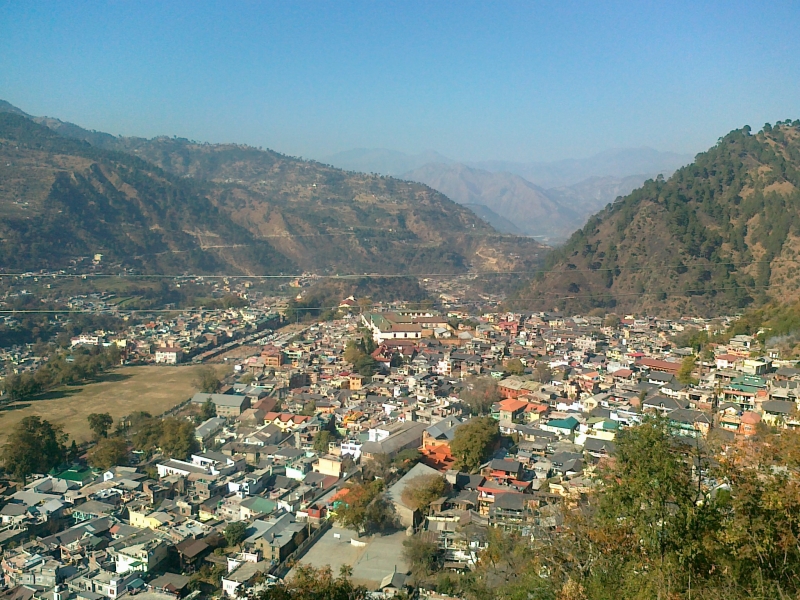
A pivotal moment in the state’s history occurred during the reign of Raja Sahil Varman (c. 920 AD). Recognizing the strategic and commercial limitations of the high-altitude Brahmapura, Sahil Varman conquered the lower valley of the Ravi River from local petty chieftains known as Ranas and Thakurs. He founded a new capital at a picturesque plateau and named it Chamba, reportedly dedicated to his beloved daughter, Champavati, or inspired by the fragrant Champa trees that bloomed in the region.
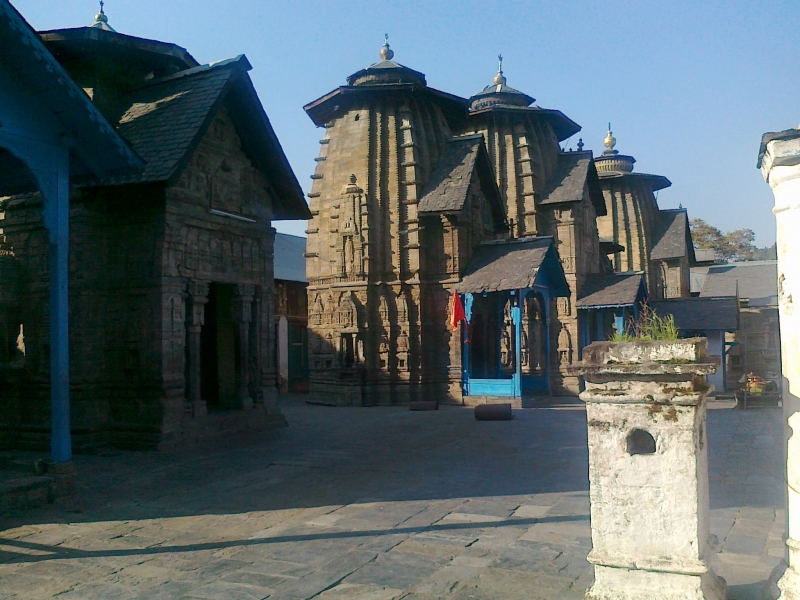
Raja Sahil Varman is revered as the architect of medieval Chamba. He established the iconic Laxmi Narayan Temple complex, which remains the spiritual heart of the city, and introduced administrative reforms that unified the state. Under his descendants, Chamba flourished as a center of trade, art, and metallurgy, successfully preserving its sovereignty despite the turbulent political shifts occurring in the northern plains of India.
Medieval Era and Relations with the Mughal Empire
Due to its formidable geographical isolation, surrounded by high mountain passes, Chamba remained largely insulated from the early wave of Islamic invasions that swept across northern India. However, during the 16th century, the expansionist policy of the Mughal Empire under Emperor Akbar brought the hill states under imperial suzerainty. Chamba became a tributary state, but its rulers maintained internal autonomy.
During the reign of Raja Prithvi Singh (1641–1664 AD), Chamba developed cordial relations with the Mughal court of Shah Jahan. Prithvi Singh visited the imperial court multiple times, introducing Mughal court etiquette, architecture, and miniature painting styles to the hills, which later coalesced into the world-famous Pahari school of art.
This amicable relationship turned to defiance during the reign of Raja Chhatar Singh (1664–1690 AD). When the Mughal Emperor Aurangzeb issued an imperial decree ordering the destruction of all prominent Hindu temples in the state, Chhatar Singh flatly refused. Instead, in open defiance, he ordered gilded pinnacles to be placed on the temple domes of Chamba. He subsequently formed an alliance with neighboring hill rulers to drive out the Mughal governors from the hills, successfully preserving Chamba's ancient heritage.
Sikh Dominance and British Suzerainty (1846)
With the decline of the Mughal Empire in the 18th century, Chamba faced incursions from the Gurkhas of Nepal and the rise of the Sikh Empire under Maharaja Ranjit Singh. By the early 19th century, Chamba was forced to pay tribute to the Lahore Durbar.
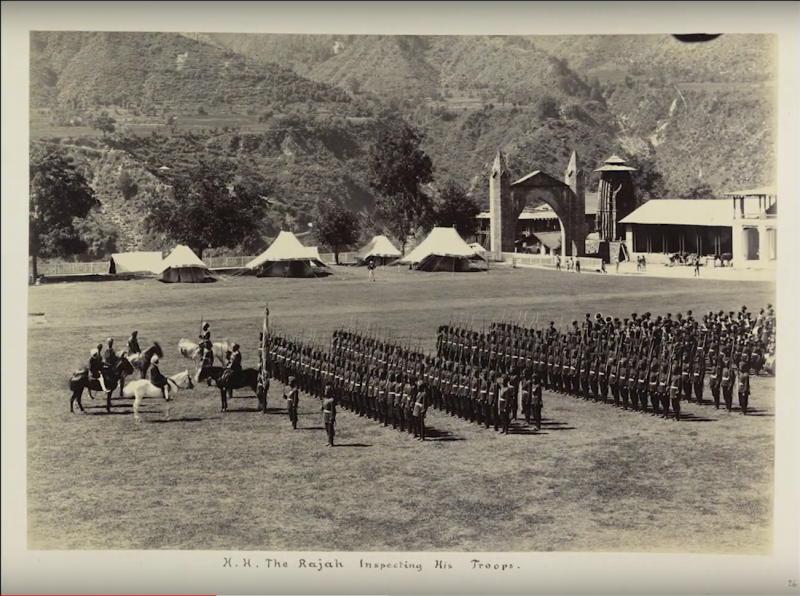
Following the defeat of the Sikh Empire in the First Anglo-Sikh War, the British East India Company assumed control of the trans-Sutlej territories under the Treaty of Lahore in 1846. Chamba came into British possession that same year. Recognizing the strategic value of the region, the British chose to preserve the state's autonomy rather than annexing it. In 1848, a formal Sanad (charter) was granted to Raja Sri Singh, securing his territory in perpetuity in exchange for a yearly tribute. Chamba was ranked 15th in order of precedence among the princely states of the Punjab Darbar, and its ruler was accorded an 11-gun salute.
Modernization and Key Reformers
The late 19th and early 20th centuries were marked by peace, administrative modernization, and infrastructural development under progressive rulers:
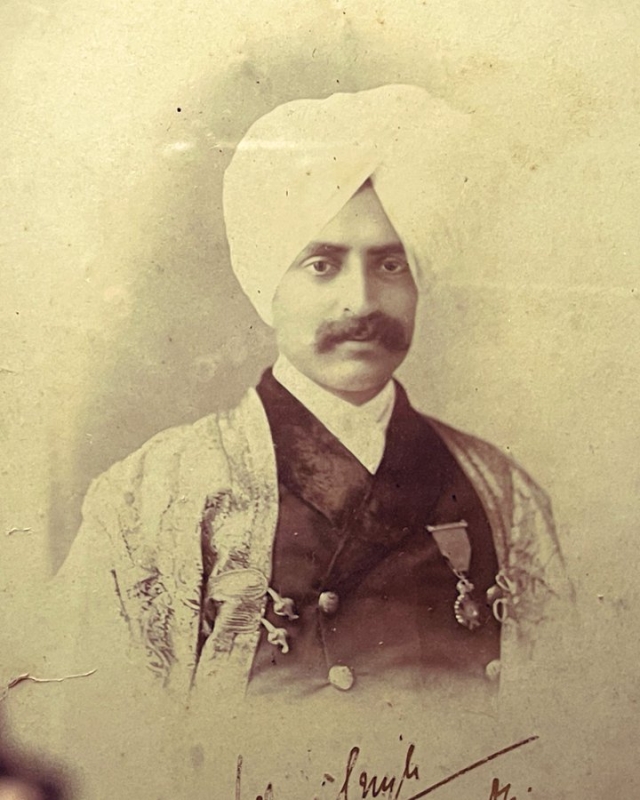
- Raja Sham Singh (1873–1904): Under his rule, Chamba entered the modern era. He constructed roads, the Sham Singh Suspension Bridge over the Ravi River, schools, and the modern Sham Singh Hospital.
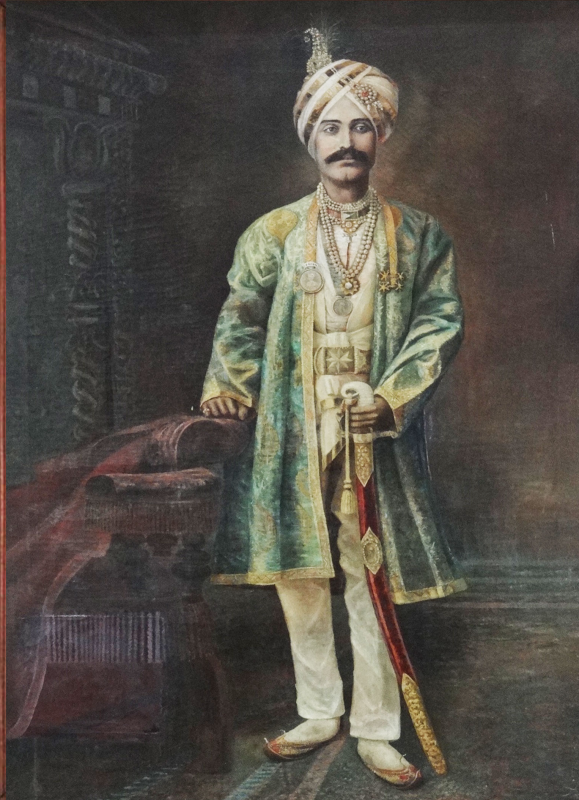
- Raja Bhuri Singh (1904–1919): A highly enlightened administrator, Raja Bhuri Singh worked closely with British engineers to construct the Chamba Hydro-electric Project in 1910, making Chamba one of the earliest towns in northern India to have electricity. He founded the famous Bhuri Singh Museum in 1908 to preserve the state’s priceless collection of historical sanads, inscriptions, and Pahari miniature paintings. For his administrative excellence and support during World War I, he was knighted by the British Crown.
State Heraldry and Flag
The heraldic symbol of Chamba State reflected its ancient Suryavanshi lineage. The state flag was a rectangular banner of saffron or deep red, bearing the emblem of a golden sun in splendor, signifying the dynasty's mythical descent from the Sun God.
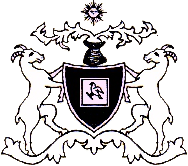
The State Coat of Arms featured a shield depicting three mountain peaks (representing the geographic terrain of the Himalayas) surmounted by the sun. The crest featured a flying figure of Lord Hanuman carrying the mountain, symbolizing devotion and strength. The shield was supported by two leopards, and the motto below emphasized righteousness, charity, and steadfastness in duty.
Post-Independence and Modern Era
Following India’s independence from British rule in August 1947, the last ruling monarch, Raja Lakshman Singh, signed the Instrument of Accession. On April 15, 1948, Chamba formally merged with the Indian Union, forming a key district of the newly created province of Himachal Pradesh.
Today, Chamba is celebrated globally for its rich cultural legacy. It is famous for the annual Minjar Mela festival, its unique wood-and-stone temple architecture, and the geographical indication (GI) protected crafts, such as the intricate Chamba Rumal (embellished handkerchiefs) and traditional leather footwear. Information regarding the district's modern administration and current cultural initiatives can be accessed via the Official Website of Chamba District.
References and Historical Citations
- Hutchison, J., and Vogel, J.Ph. (1933). History of the Panjab Hill States. Lahore: Government Printing, Punjab. Available on Internet Archive.
- Imperial Gazetteer of India, v. 10, p. 129-137. Viewable online via the Digital South Asia Library (University of Chicago).
- Official Cultural and Historical Records of Chamba, Government of Himachal Pradesh. Available on District Chamba History Portal.
Genealogy
- Raja MERU VERMAN, 1st Raja of Chamba 670/-
- ......
- Raja SAHILA VERMAN, 20th Raja of Chamba 920/940, he built the town of Chamba named after his daughter around 920, married (amongst others) Rani Nenna Devi, and had issue.
- Raja Yugakar Verman (qv)
- Kumari Champavati Devi
- Raja YUGAKAR VERMAN, 21st Raja of Chamba 940/-, married (a), Rani Tribhuvanarekha Devi, married (b), Rani Bhogamati Devi, and had issue.
- Raja Vidagdha Verman (by 2nd wife) (qv)
- Raja VIDAGDHA VERMAN, 22nd Raja of Chamba
- Raja DODAKA VERMAN, 23rd Raja of Chamba
- Raja VICHITAR VERMAN, 24th Raja of Chamba, his younger brother founded the Bandralta-Ramnagar estate in Jammu.
- Raja DHAIRYA VERMAN, 25th Raja of Chamba
- Raja SALAVAHANA VERMAN, 26th Raja of Chamba fl.1060, married and had issue.
- Raja Soma Verman (qv)
- Raja Asata Verman (qv)
- Rani Bappika, married Raja Kalasa of Kashmir and had issue.
- Raja SOMA VERMAN, 27th Raja of Chamba fl.1066
- Raja ASATA VERMAN, 28th Raja of Chamba fl.1088, married and had issue.
- Raja Jasata Verman (qv)
- Raja JASATA VERMAN, 29th Raja of Chamba 1105/1118, married and had issue.
- Raja Dhala Verman (qv)
- Raja DHALA VERMAN, 30th Raja of Chamba 1118/1120
- Raja UDAYA VERMAN, 31st Raja of Chamba 1120/-
- ......
- Raja ANAND VERMAN, Raja of Chamba ca1475/1512, married a daughter of the Raja of Kangra. He died ca1512.
- Raja GANESA VERMAN, Raja of Chamba 1512/1559, married (amongst others), Rani Sahib Devi, and had issue. He died .
- Raja Pratapsingh Verman (by Sahib Devi) (qv)
- Mian Jit Singh
- Mian Bhir Bahadur
- Mian Hari Singh
- Mian Satargun Singh
- Mian Rupanand Singh
- Raja PRATAPSINGH VERMAN, Raja of Chamba 1559/1586, married 3 wives from Kullu, and had issue. He died .
- Raja Vir Vahnu Verman (qv)
- Raja VIR VAHNU VERMAN, Raja of Chamba 1586/1589, married and had issue. He died .
- Raja Balbhadra Verman (qv)
- Raja BALBHADRA VERMAN, Raja of Chamba 1589/1641, deposed, with his son acting as Regent, married and had issue. He died .
- Raja Janardan Verman, Regent of Chamba 1613/1623, married and had issue. He died about 1623 at Chamba.
- Raja Prithvi Singh (qv)
- Mian Bishambhar Verman, died .
- Mian Man Singh
- Mian Sudar Sen
- Raja Janardan Verman, Regent of Chamba 1613/1623, married and had issue. He died about 1623 at Chamba.
- Raja PRITHVI SINGH, Raja of Chamba 1641/1664, born , married (amongst others), a daughter of Raja Bhupat Pal of Basohli, and had issue. He died .
- Raja Chhatar Singh (qv)
- Mian Jai Singh, Wazir of Chamba 1664/1696
- Mian Indar Singh
- Mian Mahipat Singh, married and had issue.
- Raja Ugar Singh (qv)
- Mian Raghunath Singh, married and had issue.
- Raja Dalel Singh (qv)
- Mian Ram Singh
- Mian Shakat Singh
- Mian Raj Singh, Wazir of Chamba. He died shortly after 1690.
- Raja CHHATAR SINGH, Raja of Chamba 1664/1690, married and had issue. He died .
- Raja Udai Singh (qv)
- Mian Lakshman Singh, died sp in 1720.
- Kumari (name unknown), married 1680, Raja Bidhi Singh of Kullu.
- Raja UDAI SINGH, Raja of Chamba 1690/1720, married and had issue. He died spm in 1720.
- Kumari Sushil Kanwar, married Banda Singh Bahadur (Lachman Dev Minhas of Jammu).
- Raja UGAR SINGH, Raja of Chamba 1720/1735 (deposed), Regent, married and had issue. He died .
- Raja Umed Singh (qv)
- Mian Sher Singh, married and had issue.
- Kumari (name unknown), married into Jammu.
- Kumari (name unknown), married Raja Shamsher Sen of Mandi. (cf. above)
- Raja DALEL SINGH, Raja of Chamba 1735/1748 (abdicated), married a Princess of Jammu, and had issue. He died spm at Jwalamukhi.
- Kumari (name unknown), married Raja Bajai Dev of Jammu.
- Raja UMED SINGH, Raja of Chamba 1748/1764, born , married (a), a daughter of the Raja [?Kiral Dev] of Jasrota, married (b), a daughter of Raja Dhruv Dev of Jammu, died , and had issue. He died (13th of Baisakh, Vik.1820).
- Rani Ananta Devi (by the Jammu Rani), married Raja Prakash Chand, Raja of Guler.
- Raja Raj Singh (by the Jammu Rani) (qv)
- Raja RAJ SINGH, Raja of Chamba 1764/1794, born in Rajnagar, married Rani Naginu Devi, daughter of Raja Sampat Pal of Bhadrawah, and had issue. He died (7th Har, Vik.1850).
- Raja Jit Singh (qv)
- Kumari (name unknown), born about 1772, married Raja Brijraj Dev of Jammu.
- Raja JIT SINGH, Raja of Chamba 1794/1808, born , married Rani Sarda Devi of Jammu, died after 1825, and had issue. He died .
- Raja Charhat Singh (qv)
- Kumari (name unknown), married Raja Bir Singh of Nurpur, died .
- Raja Zorawar Singh, raised to the dignity of Raja of Bhadrawah in 1833, married and had issue. He died .
- Raja Parakam Singh, Raja of Bhadrawah in 1845. The state was annexed the same year by Maharaja Gulab Singh of Jammu; married and had issue. He died .
- Kanwar Solan Singh, married and had issue. He died .
- Kanwar Kartar Singh born , married 1stly, Kanwarani Rattan Dei of Tilokpur (see Bhadu), married 2ndly, Kanwarani Laxmi Devi of Ladori, married 3rdly, Kanwarani Himgula Devi of Lilh, and had issue.
- Kanwar Gori Singh, married Kanwarani Brahmi Devi of Dunera, and had issue.
- Kanwar Narendra Singh
- Kanwar Gori Singh, married Kanwarani Brahmi Devi of Dunera, and had issue.
- Kanwar Amar Singh, born .
- Kanwar Kartar Singh born , married 1stly, Kanwarani Rattan Dei of Tilokpur (see Bhadu), married 2ndly, Kanwarani Laxmi Devi of Ladori, married 3rdly, Kanwarani Himgula Devi of Lilh, and had issue.
- Kanwar Dhian Singh, born .
- Kanwar Solan Singh, married and had issue. He died .
- Raja Parakam Singh, Raja of Bhadrawah in 1845. The state was annexed the same year by Maharaja Gulab Singh of Jammu; married and had issue. He died .
- Raja CHARHAT SINGH, Raja of Chamba 1808/1844, born , married 1stly, 1825, a daughter of the Raja of Chenani, she committed sati in 1844, married 2ndly, 1836, Rani (name unknown), she committed sati in 1844, married 3rdly, 1838, Rani Katochni of Kangra, and had issue. He died , when two Ranis and six concubines committed sati.
- Raja Sri Singh (by 3rd wife) (qv)
- Raja Gopal Singh (by 2nd wife) (qv)
- Mian Suchet Singh (by 3rd wife), born , died spm in August 1896 in London.
- Raja SRI SINGH, Raja of Chamba 1844/1870, born , granted a sanad confirming his possession of the state in 1848, a sanad of 1862 confirms the right of adoption, married (amongst other) Rani Sarda Devi, daughter of Raja Ugar Sen of Suket, and had issue. He died . (11th Assuj).
- Mian (name unknown), died in infancy.
- Kumari (name unknown), married 10th February 1862, HH Maharaja Pratap Singhji of Jammu and Kashmir.
- Raja GOPAL SINGH, Raja of Chamba 1870/1873 (abdicated), born , after abdicating he was granted a jagir at Manjir for his maintenance where he lived in retirement until his death; married 1stly, Rani Raj Dei, daughter of Mian Ishwari Singh of Reh (see Nurpur), married 2ndly, a daughter of Raja Shamsher Singh of Guler, and had issue. He died in at Manjir.
- HH Raja Saheb Shri Shyam Singh (by Rani Raj Dei) (qv)
- HH Raja Saheb Shri Sir Bhuri Singh (by Rani Raj Dei) (qv)
- Mian Pratap Singh (by Rani Guleriya), born after 1873, married Kanwarani Amar Dei, daughter of Mian Jagroop Chand of Kangra, and had issue. He died before 1919.
- Kanwar Dharam Singh, married Kanwarani Sushila Kumari, daughter of Mian Sarup Singh of Reh (see Nurpur), and his wife, Kumari Sahib Dei, and had issue, five daughters.
- Kumari Randhir Dei
- Kumari Asha Dei
- Kumari Kunver Dei
- Kumari Sushma Dei
- Kumari Kiran Dei
- Kumari Pramila Dei
- Kanwar Dharam Singh, married Kanwarani Sushila Kumari, daughter of Mian Sarup Singh of Reh (see Nurpur), and his wife, Kumari Sahib Dei, and had issue, five daughters.
- Kumari (name unknown), married the Raja of Tilokpur (see Bhadu).
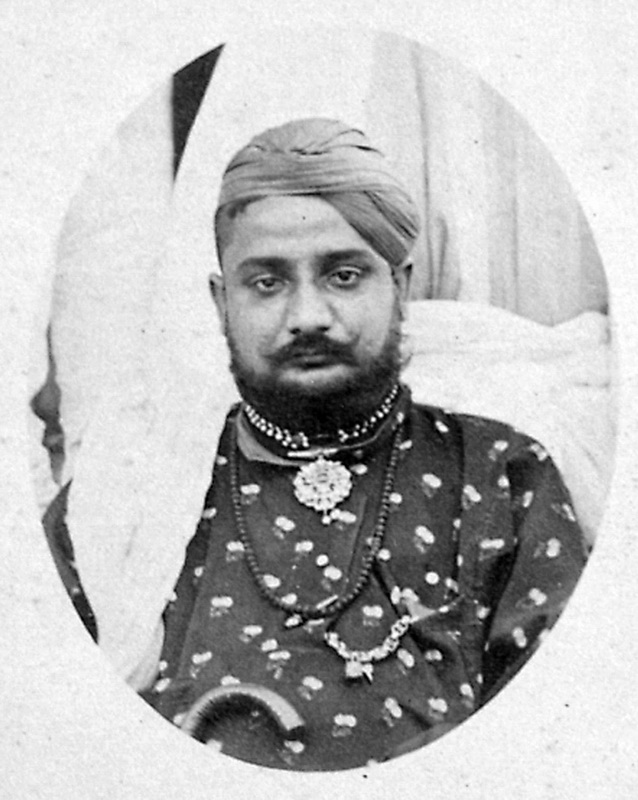
- HH Raja Saheb Shri SHYAM SINGH, Raja of Chamba 1873/1904 (abdicated), born , installed as Raja on 7th October 1873, married eleven wives, including, (a), February 1883, a grand-daughter of Maharaja Ranbir Singh of Jammu and Kashmir, married (b), 1883, cousin of the Raja of Sirmur, married (c), Rani Sansar Dei of Tilokpur (see Bhadu), married (d), a daughter of the Rana of Bhadrawah, and had issue. He died .
- Kanwar Saheb Shri Devi Singh, born , he died vpspl.
- Kanwar Saheb Shri Tej Singh, born .
- Kanwar Saheb Shri Nihal Singhji (by 4th wife), born , educated at Aitchison Chiefs' College, Lahore, married 1stly, 1917, Kanwarani Leela Devi, daughter of Kanwar Surinder Singh of Sirmur, married 2ndly, 1943, Kanwarani Kanchan Devi of Bhawarna, and had issue.
- Kumari Uttam Dei, married Kanwar Inder Singh of Jaswan, and had issue, one son and four daughters.
- Kumari Neeru Kumari, married Kanwar Vijay Singh of Sirmur, and has issue.
- Kumari Suraj Dei, born , married 1948, Kanwar Pritam Singh, and had issue.
- Rani Saheb Shrimati Kamal Deiji, born in Palampur, married 8th December 1964, Raja Saheb Shri Mahendra Palji Bahadur of Kutlehar.
- Kanwar Maharaj Singh, born , married and had issue.
- Kumari Uttam Dei, married Kanwar Inder Singh of Jaswan, and had issue, one son and four daughters.
- Rajkumari Laxmi Dei, died unmarried in 1965.
- HH Raja Saheb Shri Sir BHURI SINGH, Raja of Chamba 1904/1919, born K.C.S.I. [cr.1906], C.I.E. [cr.1901], married and had issue, two sons and two daughters. He died .
- HH Raja Saheb Shri Ram Singh (qv)
- Kanwar Sahib Kesari Singh, educated at Aitchison's Chiefs College, Lahore; Wazir of Chamba 1920/1922, Regent of Chamba [xx.6.1922] - [21.9.1923], married 1stly, 1914, Kanwarani Champa Devi, daughter of Raja Jai Singh of Dada-Siba, and had issue, as well as further issue by a secondary liaison. He died O ctober 1949 in Chamba.
- Kumari Uttam Devi, born in .
- Kumari Suraj Devi, born , married 1949, Raja Harmahendra Singh of Dada-Siba, and had issue, one son and two daughters.
- Kumari Kamal Devi, born , married and had issue.
- Kanwar Sahib Gulab Singh, born in Chamba, married 1945, Kanwarani Padma Devi, and had issue, one son and three daughters. He died in Delhi.
- Kanwar Arvind Singh, born on in Chamba Himachal Pradesh, married to Kunwarani Ramola Rajeshwari Thapa Singh (born on in Kathmandu Nepal), daughter of Late His Excellency Shri Nara Pratap Thapa Nepalese Ambassador to India from 1960 to 1961 and Rani Smt. Kamla Thapa at The Oberoi Hotel New Delhi on 30th June 1982. They have two children.
- Nandita Singh, born on in New Delhi.
- Pashupati M.K.Singh, born on in New Delhi.
- Kanwar Arvind Singh, born on in Chamba Himachal Pradesh, married to Kunwarani Ramola Rajeshwari Thapa Singh (born on in Kathmandu Nepal), daughter of Late His Excellency Shri Nara Pratap Thapa Nepalese Ambassador to India from 1960 to 1961 and Rani Smt. Kamla Thapa at The Oberoi Hotel New Delhi on 30th June 1982. They have two children.
- Kanwar Sahib Sher Singh, born , married married 30th November 1953, Kanwarani Bijaya Kumari, daughter of Raja Shri Panch Mohan Bikram Shah II [alias Rama Raja], Raja of Ramnagar, and his wife, Rani Sita Rajya Lakshmi Devi, and had issue.
- Kanwar Kameleshwar Singh, born , married (his cousin) 23rd December 1978 in Varanasi, Kanwarani Sangita Shah, daughter of Shri Manmohan Bikram Shah [Manmohan Raja] of Ramnagar, and has issue.
- Thakurani Hemant Kanwar, born , married 9th April 1979, Thakur Pradyuman Singh of Mandawa-Junior, and has issue, two sons.
- Kumari Sheela Devi (by a secondary wife), born , married 1945, Kanwar Upendra Chand, born , third son of Raja Mahendra Chand of Nadaun, by his second wife, and had issue. She died .
- Kumari Prakash Devi (by a secondary wife), born , married 1949, Kanwar Devinder Singh of Sirmur, and has issue.
- Kanwar Bhawani Singh (by a secondary wife), born , married and has issue.
- Rani Saheb Shrimati Rattan Deiji Saheba, married Raja Saheb Shri Brijmohan Palji Bahadur of Kutlehar, and had issue.
- HH Maharani Dhan Deiji Saheba, married 1915, HH Shri Maharaja Hari Singhji Bahadur of Jammu & Kashmir. She died .
- HH Raja Saheb Shri RAM SINGH, Raja of Chamba 1919/1935, born , educated at Aitchison Chiefs' College, Lahore, installed on 24th April 1920, married HH Rani Dharam Deiji Saheba, daughter of Raja Raghunath Singh of Jaswan, and his wife, a daughter of HH Maharaja Ranbir Singh of Jammu and Kashmir, and had issue. He died .
- HH Raja Saheb Shri Lakshman Singh (qv)
- Rajkumari Asha Devi, born , died unmarried 1961.
- Rajkumar Narayan Singh, born , married 4th February 1957 in Chamba, Rajkumar Rani Shakuntala Kumari, daughter of HH Maharaja Sir Brijnath Singh Ju Deo Bahadur of Maihar, and his wife, HH Maharani Brinda Devi, and has issue.
- Kanwar Jitendra Singh, born in Chamba.
- Kanwar Harmahendra Singh, born in Chamba.
- Rajkumari Vidya Devi, born .
- HH Raja Saheb Shri LAKSHMAN SINGH, Raja of Chamba 1935/1971, born , educated at Aitchison Chiefs' College, Lahore, married 3rd May 1944, HH Rani Devendra Kumari, daughter of HH Maharawat Sir Ram Singhji II Bahadur of Pratapgarh, and his first wife, HH Maharani Raj Kunwari, and had issue, five children. He died .
- Rajkumari Durga Kumari [Princess Pinky], born at Pratapgarh, Rajasthan, married 11th December 1969 (div.1971), HH Maharao Ranjit Singhji of Bundi. She died sp on 8th April 1978 in Chamba.
- HH Raja Saheb Shri Prem Singh (qv)
- Rajkumar Brijendra Singhji [Prince Tutu Chamba], born at Pune, Maharashtra, educated at the Mayo College, Ajmer, Rajasthan, finishing his schooling in 1966, graduated in 1970, from St. Stephen's College, Delhi University (History Honours), married 19th April 1979, Rajkumari Asha Kumari, daughter of Maharaja Madaneshwar Singh Deo of Surguja, and his second wife, Maharani Devendra Kumari, and had issue. He died at Ganga Ram Hospital in New Delhi due to a burst ulcer.
- Kumari Ravinandini Kumari, born in Bhopal, educated at the Sacred Heart School, Dalhousie and at Mayo Girls' College, Ajmer, married 9th May 2006 at The Palace, Jandrighat, Dalhousie Town, District Chamba, Mr. Mathew Ashley John Westlake, son of Mr. and Mrs. John and Wendy Westlake of Vancouver, Canada.
- Rajkumar Hem Singh, born at Pune, Maharashtra, educated at the Mayo College, Ajmer, Rajasthan; graduated from the Government College, Chandigarh; married February 1976 in New Delhi, Kumari Jagdishwari Kumari, born at Bangalore, South India, daughter of Kumar Shri Bharat Sinhji of Vana, Gujarat, and his wife, Kumarani Jagat Kumari of Sangana (?Sanganwa), and has issue, two children.
- Kunwar Manav Singh Varman, born at Bangalore, married 6th February 2011 in Surguja, to Rajkumari Abha Singh Deo, daughter of Rajkumar Someshwar Saran Singh Deo of Surguja, and his wife, Kanwarani Manju Singh.
- Kumari Japakshri Kumari, born at Bangalore.
- Rajkumari Padma Kumari [HH Maharani Padma Kumari of Bikaner], born at Chamba, educated at the Sacred Heart School at Dalhousie, District Chamba, and at Auckland House, Simla; married 27th April 1971 at New Delhi, Yuvaraj Narendra Singh [later HH Maharajadhiraj Raj Rajeshwar Narendra Shiromani Maharajah Sri Narendra Singhji Bahadur of Bikaner] and has issue, three daughters.
- HH Raja Saheb Shri PREM SINGH, Raja of Chamba (see above)
Notable Figures
Raja Maru
Raja Maru is regarded as the traditional founder of the ruling dynasty of Chamba, tracing his lineage back to the legendary Suryavansha (Solar Dynasty) and the Mushana clan. Around 550 AD, he migrated from Ayodhya and established his capital at Brahmapura (modern-day Bharmour) in the upper Budhil valley. He was an adventurous conqueror who secured the territory from local chieftains known as Ranas and Thakurs, establishing a stable administration that would endure for centuries.
Historical accounts in the Chamba Vanshvali (genealogy) praise Raja Maru for his piety and political foresight. His descendants ruled over the Brahmapura kingdom for several generations, slowly expanding their influence over the surrounding mountain passes. More information on the early history of the region can be found on the Bharmour Wikipedia Page.
Raja Meru Varman
Raja Meru Varman was one of the most powerful early monarchs of the Chamba state, ruling from Brahmapura in the late 7th century. He is highly celebrated for his architectural patronage and military conquests. He expanded the boundaries of his kingdom down to the Ravi Valley and successfully defended his territories against external threats, including Tibetan incursions. He was the first in the dynasty to systematically patronize classical temple architecture in the Western Himalayas.
Meru Varman built several exquisite wooden and stone temples in Bharmour, which still stand today as masterpieces of post-Gupta art. These include the famous Lakshana Devi Temple, Mani Mahesh Temple, and Ganesh Temple, all featuring highly detailed brass icons cast by his master craftsman, Gugga. His reign marked a golden era of artistic and cultural revival in the region. Detailed archaeological analyses of his monuments are accessible via the Chamba State Wikipedia Page.
Raja Sahil Varman
Raja Sahil Varman is arguably the most illustrious ruler of the Mushana dynasty. He is credited with shifting the capital of the state from the high-altitude Brahmapura to the more accessible and strategic plains of Chamba in 920 AD. He named the new capital 'Champa' after his beloved daughter, Champavati, which later evolved into Chamba. Sahil Varman was a deeply spiritual ruler, mentored by the famous yogi Charpatnath, and he built the iconic Laxmi Narayan Temple complex, which remains the principal shrine of Chamba.
His reign was also marked by military prowess, successfully defending the state against Turushka (Turkic) invaders and forming alliances with neighboring hill states like Kangra and Kuluta. His queen, Narda, made the ultimate sacrifice by burying herself alive to bring water to the new capital, a legend commemorated to this day during the annual Sui Mata Mela. Learn more about his legendary reign and accomplishments on the Sahil Varman Wikipedia Page.
Raja Prithvi Singh
Raja Prithvi Singh was a prominent ruler of Chamba during the medieval period, known for his diplomatic relations with the Mughal Empire. He ascended the throne during a period of intense regional rivalry with the state of Nurpur. Prithvi Singh successfully allied with the Mughal Emperor Shah Jahan, visiting the imperial court several times and obtaining military assistance to reclaim territories seized by Nurpur's rebellious ruler, Jagat Singh.
Prithvi Singh was a great patron of arts and introduced courtly Mughal refinements into Chamba's administration and lifestyle. He is credited with constructing several temples, including the Khajji Nag Temple at Khajjiar and the Hidimba Temple at Mehla. His close association with the Mughal court initiated the influx of artists and craftsmen into the hills, laying the groundwork for the famous Pahari miniature painting school. His historical contributions are documented in the history section of the Chamba State Wikipedia Page.
Raja Umed Singh
Raja Umed Singh was a visionary builder and administrator who ruled Chamba during the mid-18th century. He took advantage of the declining power of the Mughal Empire to consolidate Chamba’s territorial integrity and expand its borders. Umed Singh is best remembered for commissioning the construction of the grand Akhand Chandi Palace in Chamba town, which served as the royal residence and a symbol of Chamba's sovereign prestige.
He was a prolific patron of the Chamba school of miniature painting, encouraging local artists to blend traditional Pahari styles with Mughal techniques. He also initiated the construction of the Chamunda Devi Temple overlooking the Chamba valley. Under his stable rule, trade flourished, and the state became a major cultural hub in the Western Himalayas. His architectural legacy is explored on the Akhand Chandi Palace Wikipedia Page.
Raja Sham Singh
Raja Sham Singh ascended the throne as a minor and ruled during a transformative era of modernization under the British Raj. Assisted by capable British advisors and administrators, Sham Singh introduced widespread judicial, land, and infrastructural reforms. He constructed the modern Sham Singh Hospital, established a postal system, and built the first suspension bridge over the Ravi River, significantly improving connectivity with the rest of India.
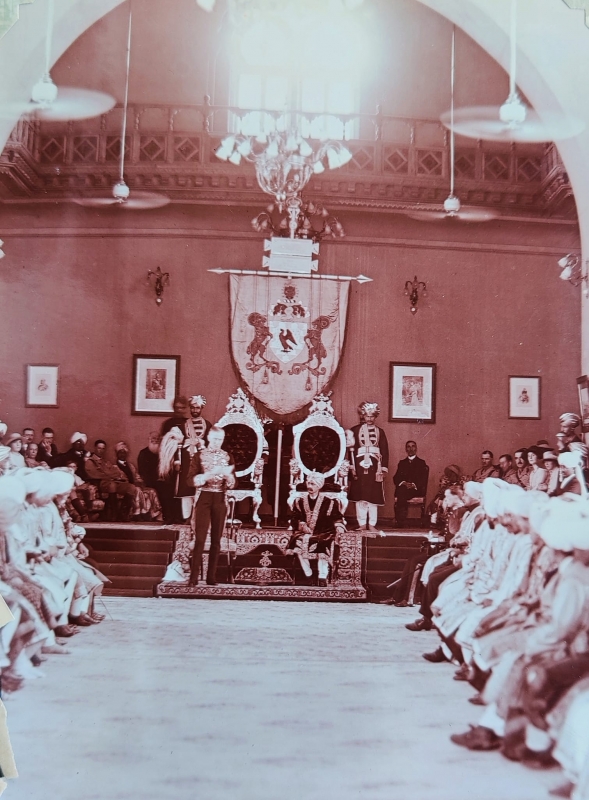
Under his reign, Western education was introduced to Chamba with the opening of several state schools. He was also a loyal ally of the British Crown, attending the Delhi Durbar of 1877 and 1903. His developmental works transformed Chamba from a medieval hill state into a progressive, well-administered principality. For further details on this era of transformation, refer to the modern history section of the Chamba State Wikipedia Page.
Raja Sir Bhuri Singh
Raja Sir Bhuri Singh was one of Chamba's most enlightened and progressive rulers. Installed on the gadi (throne) in 1904, he was highly educated and deeply committed to the welfare of his subjects. In 1908, he founded the famous Bhuri Singh Museum to preserve Chamba’s rich heritage, including invaluable family collections of Pahari miniature paintings, royal sanads, and historical inscriptions. He also built the Bhuri Singh Power House in 1910, making Chamba one of the earliest towns in India to have electricity.
Bhuri Singh actively supported the Allied war effort during the First World War, contributing troops and resources, for which he was knighted by the British Government (KCSI). His reign is widely considered a golden epoch of administrative efficiency, infrastructure development, and heritage preservation. His life and contributions are detailed on the Bhuri Singh Wikipedia Page.
Raja Lakshman Singh
Raja Lakshman Singh was the last ruling Maharaja of the Chamba Princely State. Ascending the throne in 1935, his reign coincided with the turbulent years of the Indian Independence movement and the Second World War. He maintained administrative stability and continued the welfare policies of his predecessors, ensuring access to healthcare and education throughout the state.
Following India's independence, Raja Lakshman Singh signed the Instrument of Accession on April 15, 1948, merging the historic state of Chamba into the newly formed Indian Union as part of Himachal Pradesh. He retained his royal titles and privy purse until the 26th Amendment to the Constitution of India abolished them in 1971. His reign marked the peaceful transition of Chamba from a sovereign princely state to an integral part of modern democratic India. His role in the accession is chronicled on the Chamba State Wikipedia Page.