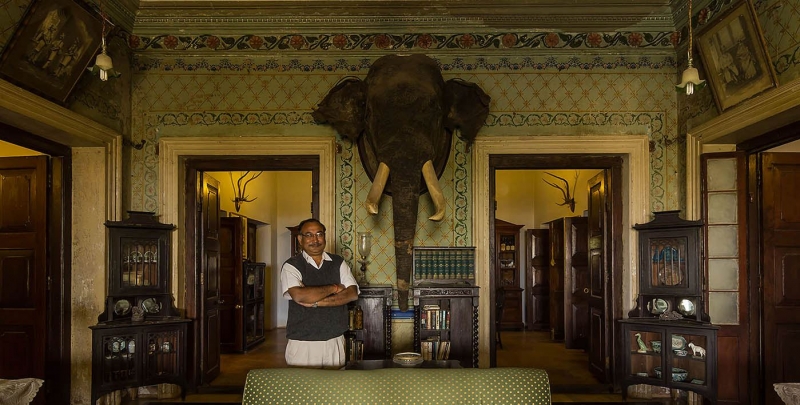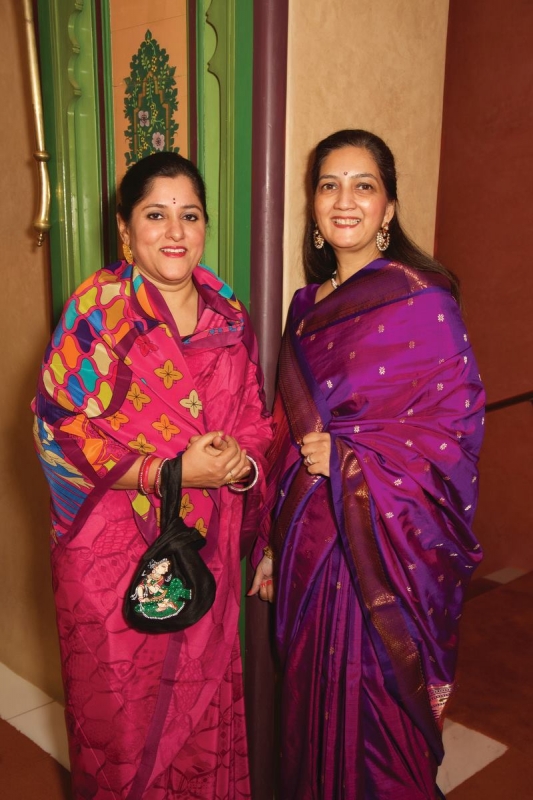
Present Head
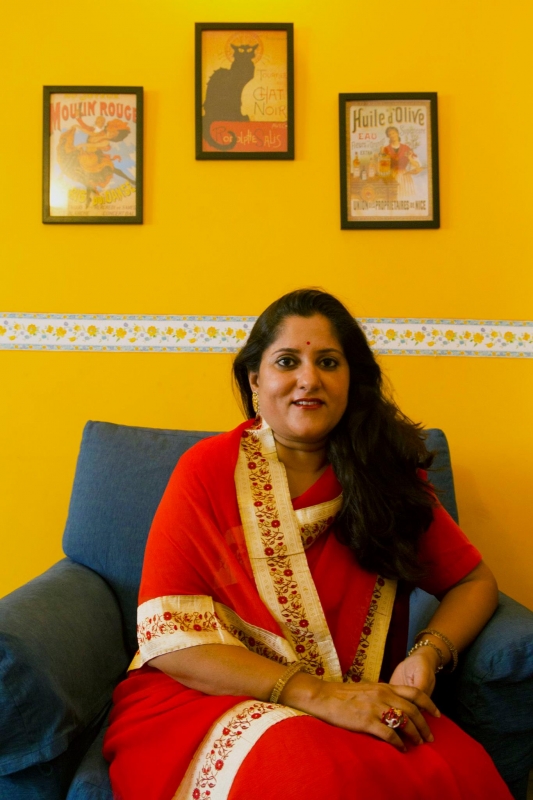
- Rajkumar Yuvaraj Amar Jyoti Singh Deo, married 8th December 1990, Rajkumari Meenal Kumari, elder daughter of Maharajkumar Ranjitsinhji of Wankaner, and has issue, one son and one daughter.
- Yuvraj Kumari Yashashwani Devi
- Yuvraj Kumar Vidvattam Singh Deo, studying at Lamartiniere for Boys, Kolkata.
- Raj Kumari Annapurna Devi, married Kunwar Vikramaditya Ranawat of Bhupalgarh, and has issue, three daughters and one son.
- Raj Kumari Anuradha Devi, married Kunwar Chandraveer Singh, son of Maharaj Amarendra Singh Ji of Salumber, and has issue, one son.
- Raj Kumar Pattayet Ashok Vardhan Singh Deo, a pilot with Kingfisher Airlines, married Pattayet Rani Ritu Devi, and has issue, one son and one daughter.
- Kumari Ananya Devi
- Kumar Jaivardhan Singh Deo
- Raj Kumari Anusuya Devi
History
Origin and Foundation
The princely state of Dhenkanal, located in the central highlands of Odisha, has a rich and ancient history. According to local chronicles and historical records, the state was founded around 1529–1530 CE by Hari Singh Vidyadhar (Harisingh Vidyadhara), a Southern branch scion and commander of the Gajapati Bhoi dynasty of Khurda. Hari Singh Vidyadhar conquered the region by defeating the local tribal chieftain of the Savara (Sabar) tribe named Dhenka Savara.
Legend has it that as Dhenka Savara lay dying, he requested his conqueror to preserve his name. Honoring this last wish, Hari Singh Vidyadhar named the newly founded principality Dhenkanal (after "Dhenka" and "Anala", which translates to the hearth or canal of Dhenka). Hari Singh Vidyadhar established his capital at the foot of the hills and initiated a lineage that would rule the state for over four centuries. Under his successors, the state expanded its boundaries by absorbing neighboring smaller estates and chiefdoms.
The Mughal and Maratha Epochs
During the late 16th and 17th centuries, when the Mughals established their administrative grip over Odisha, Dhenkanal operated as a semi-autonomous tributary state. The rulers paid annual tribute (Peshkash) to the Mughal Subahdars of Cuttack while enjoying internal sovereignty.
In the mid-18th century, with the decline of Mughal power, Odisha passed into the hands of the Bhonsle Marathas of Nagpur. This period was marked by intense conflict and resistance. One of the most celebrated chapters of Dhenkanal's history occurred during the reign of Raja Trilochan Singh (1743–1785 CE). Raja Trilochan fiercely resisted Maratha encroachment and refused to pay the exorbitant tribute demanded by them. This led to a major military confrontation with the Maratha forces under Chimnaji Bapu. The heroic defense of the Dhenkanal fort and the subsequent peace negotiations became the subject of the famous contemporary Odia epic poem Samara Taranga ("The Wave of War"), composed by the court poet Brajanath Badajena.
British Suzerainty and Treaties
Following the defeat of the Marathas in the Second Anglo-Maratha War, the British East India Company took control of Odisha in 1803. In 1804, Raja Ramachandra Mahendra Bahadur of Dhenkanal signed a treaty of fealty with the British, recognizing the suzerainty of the Company. Dhenkanal was classified as one of the Tributary Mahals of Orissa.
In the subsequent decades, the state's relationship with the British Crown was formalized. The rulers were granted the hereditary title of Raja, and later, more prominent rulers were elevated to the rank of Maharaja. The British administration oversaw the codification of the state's judicial, revenue, and military systems.
Key Reformers and Eminent Rulers
Dhenkanal witnessed significant socio-economic development and administrative modernization under several forward-thinking rulers:
- Maharaja Bhagiratha Mahendra Bahadur (ruled 1830–1877 CE): Widely regarded as the architect of modern Dhenkanal, he was a highly educated and benevolent ruler. He established schools, hospitals, and courtrooms, built roads, and encouraged Sanskrit learning and Odia literature. In recognition of his public works and loyalty during the Great Famine of 1866, the British government conferred upon him the personal title of Maharaja in 1869, which was later made hereditary.
- Raja Surapratap Singh Dev (ruled 1885–1918 CE): He continued the modernization process by introducing land settlement reforms, constructing public buildings, and developing the state's forest and mineral resources. He was also a patron of arts, music, and sports.
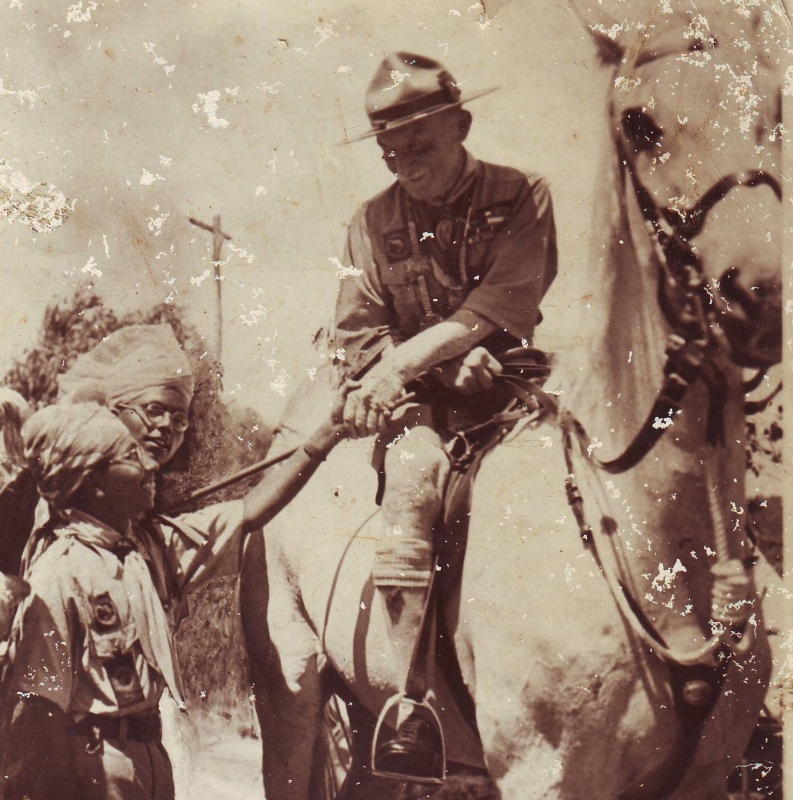
- Raja Sankar Pratap Singh Dev (ruled 1918–1947 CE): The last ruling chief of Dhenkanal, he was educated at the Rajkumar College, Raipur. While he focused on infrastructural developments and electricity generation, his reign was also characterized by severe political turbulence due to growing democratic aspirations among his subjects.
The Prajamandal Movement and Martyrdom of Baji Rout
In the late 1930s, Dhenkanal became the epicenter of the Prajamandal Movement (People's Association Movement) in Odisha, which demanded democratic reforms, the abolition of forced labor (bethi), and a reduction in high taxes imposed by the ruler. The state administration, backed by British police forces, responded with severe repression.
On October 11, 1938, in the village of Nilakanthapur on the banks of the Brahmani River, British police forces demanded that a young 12-year-old boat boy named Baji Rout row them across the river to escape a mob of protesters. Baji Rout bravely refused to assist the oppressive forces. Infuriated, the police shot him dead, along with several other villagers. Baji Rout became the youngest martyr of the Indian freedom struggle, and his sacrifice galvanized the anti-feudal and anti-colonial struggle across the princely states of India.
Heraldry, Crest, and State Flag
The princely state of Dhenkanal possessed distinct heraldic symbols that represented its sovereignty and royal lineage. The state emblem featured:
- A shield supported by two tigers (or sometimes leopards), representing courage and power.
- An image of a Katar (traditional Indian dagger) in the center of the crest, symbolizing the martial heritage of the ruling Bhoi-Vidyadhar dynasty.
- The state flag was a rectangular bi-color, consisting of horizontal bands of saffron and blue, with the royal crest embroidered in the center.
Post-Independence Integration and Modern Era
Following India's independence in August 1947, the princely states were integrated into the Indian Union. Under the leadership of Sardar Vallabhbhai Patel and local leaders like Sarangadhar Das, the Merger Agreement was signed. On January 1, 1948, the state of Dhenkanal officially merged with the Province of Orissa (now Odisha).
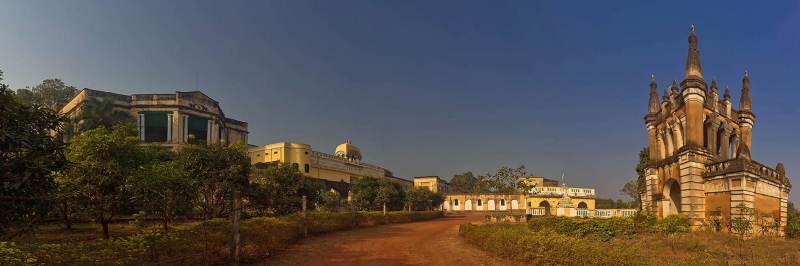
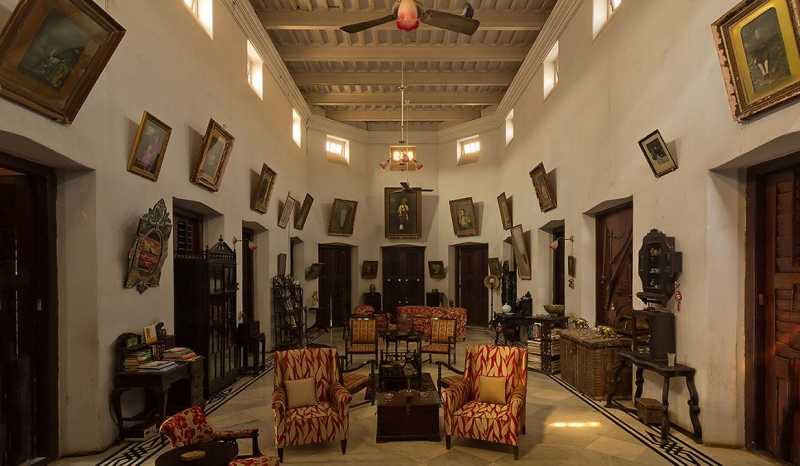
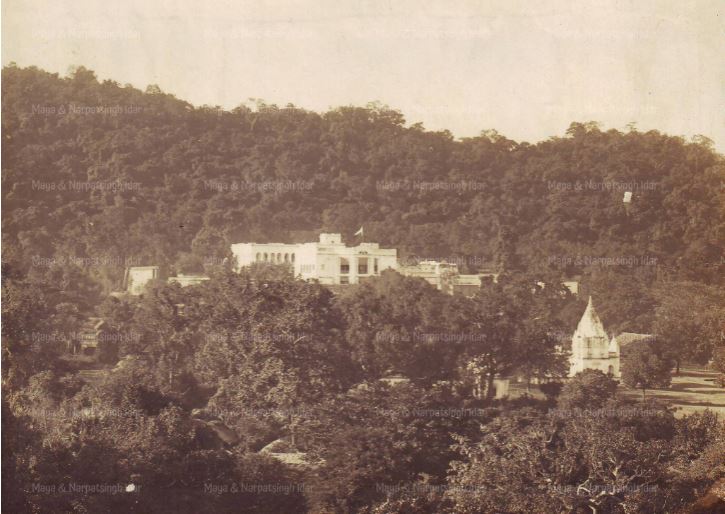
Today, Dhenkanal is a thriving district of Odisha, known for its rich cultural heritage, industrial development, and historical monuments, including the Kapilash Temple and the majestic Dhenkanal Palace, which continues to stand as a testament to the region's royal legacy.
References and Further Reading
- Official History of Dhenkanal District - Government of Odisha
- Cobden-Ramsay, L. E. B. (1910). Feudatory States of Orissa. Bengal Secretariat Book Depot.
- Hunter, W. W. (1908). Imperial Gazetteer of India, Vol. XI. Oxford: Clarendon Press.
- The Story of Baji Rout - The Youngest Martyr of India
Genealogy
- Unknown, married and had issue.
- Raja Govinda Singh Bidyadhar, he was appointed Prime Minister to the Raja of Orissa, and eventually succeeded as Raja Govindaraja Vidyadhara Deva of Orissa in 1541.
- Raja Hari Singh Bidyadhar (qv)
- Raja Janardan Singh Bidyadhar, he was appointed Finance Minister to the Raja of Orissa.
- Raja HARI SINGH Vidyadhar, Raja of Dhenkanal 1530/1584, he came to Puri from Paschim, with his two brothers, and was appointed Commander of the Army by the Raja of Orissa; later he was granted as a jagir, a strip of land called Karamol-Patna, to which he added Dhenkanal after overthrowing the last Bhanja Raja; he was granted the title of Raisingha Bharamarbar Ray by the Raja of Puri; married and had issue. He died .
- Raja Loknath Rai Singh Bharamarbar (qv)
- Raja LOKNATH Rai Singh Bhramarbar Rai, Raja of Dhenkanal 1584/1615 or 1585/1606, his reign was peaceful, and was noted for the foundation of the temple of Baldev Jew, still the most important shrine in Dhenkanal; married and had issue.
- Raja Balbhadra Rai Singh Bharamarbar (qv)
- Raja BALBHADRA Rai Singh Bhramarbar Rai, Raja of Dhenkanal 1615/1641 or 1606/1632, he annexed a portion of the adjoining Talcher state.
- Raja NILAKANTH Rai Singh Bhramarbar Rai, Raja of Dhenkanal 1641/1682 or 1632/1652, a peaceful reign, during which the Nilakanthapur Sasan was established; married and had issue.
- Raja Nrusinha Rai Singh Bhramarbar Rai (qv)
- Raja NRUSINGH Rai Singh Bhramarbar Rai, Raja of Dhenkanal 1682/1708 or 1652/1694, he defeated the Raja of Madhupur in battle and annexed a portion od his state; he further extended the area of Dhenkanal by attaching parts of Keonjhar, Athgarh, Tigria and Sukhinda;
- Raja KUNJA BEHARI Rai Singh Bhramarbar Rai, Raja of Dhenkanal 1708/1728 or 1694/1720
- Raja BRAJA BEHARI Bhramarbar, Raja of Dhenkanal 1728/1741 or 1720/1744
- Raja DAMODAR Rai Singh Bhramarbar Rai, Raja of Dhenkanal 1741/1743 or 1744/1746
- Raja TRILOCHAN SINGH Mahendra Bahadur, Raja of Dhenkanal 1743/1785 or 1756/1798 or 1746/1788, he quarelled with the Raja of Nagpur over a disagreement in payment of tribute, troops were sent by the Subedar to Dhenkanal but were defeated, the Subedar then asked the Raja of Nagpur for more troops and a large army was sent in 1781, the result was indecisive but in the ensuing treaty the tribute was halved and the Raja of Dhenkanal was honoured by the granting of the title of Mahendra Bahadur by the Maharaja of Puri (the title of Rai Singh Bhramarbar Rai was then reserved for the Yuvaraj); married and had issue.
- Raja Dayanidhi Mahendra Bahadur (qv)
- Raja DAYANIDHI Mahendra Bahadur, Raja of Dhenkanal 1785/1796 or 1788/1798, his reign was a peaceful one.
- Raja RAM CHANDRA Mahendra Bahadur, Raja of Dhenkanal 1796/1807 or 1798/1812
- Raja KRISHNA CHANDRA Mahendra Bahadur, Raja of Dhenkanal 1807/1822 or 1812/1822
- Raja SHYAM CHANDRA Mahendra Bahadur [or Shyam Sundar], Raja of Dhenkanal 1822/1832
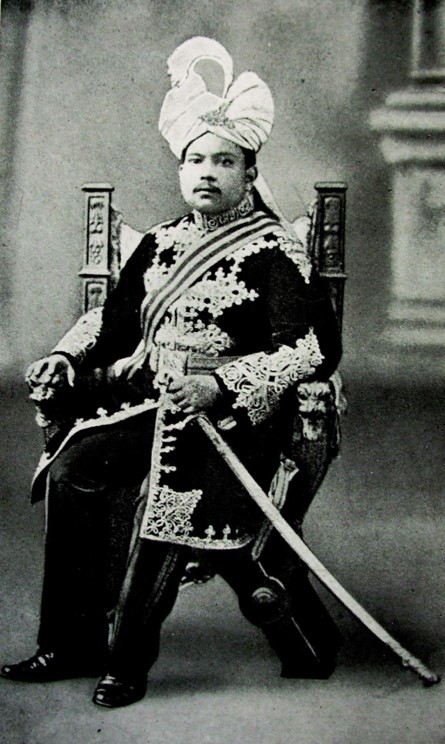
- Maharaja BHAGIRATH Mahendra Bahadur, Raja of Dhenkanal 1832/1877, born , a profound scholar of high Sanskrit learning, an able administrator, a patron of learning and of industrial improvements, a man of rare intellect, high morals, exemplary character, and of liberal views, he restored all administrative reforms and secured order by settling the tenure of the State and by introducing working methods and the keeping of accounts in the various departments; the establishment of all public institutions such as schools, dispensaries, jails, and courts, was undertaken by him; and by virtue of his successful reign he was created Maharaja by the British Government in 1869; he donated substantially towards the establishment of public institutions abroad, such as the Ravenshaw College of Cuttack, the Cuttack Printing Company, and medical schools, and to several pandits and scholars; he was charitable to the poor and needy, and dispensed justice in an impartial and even-handed manner; he was a successful sportsman and a keen shot, and he killed no fewer than 352 tigers during his lifetime; married and had adoptive issue. He died .
- (A) Raja Dinabandhu Mahendra Bahadur (qv)
COURT OF WARDS 1877/1885
- Raja DINABANDHU Mahendra Bahadur, Raja of Dhenkanal 1877/1885, younger son of Raja Pitamber Deo of Baudh; married a Princess of Bonai, and had issue. He died .
- Raja Shura Pratap Singh Dev Mahendra Bahadur (qv)
COURT OF WARDS 1885/1906
- Raja SHURA PRATAP SINGH Dev Mahendra Bahadur, Raja of Dhenkanal 1885/1918, born about February 1885 (or 1884), succeeded 29th August 1885 under the management of the Court of Wards, educated at the Ravenshaw Collegiate School; placed in charge of his state in 1906; married 1902, Rani Krushna Priya Devi, daughter of Tikayat Nruparaj Singh Deo of Seraikella, and had issue, six sons. He died .
- Raja Shankar Pratap Singh Dev Mahendra Bahadur (qv)
- Rajkumar Pattayet Sahib Narsingh Pratap Singh Deo, married Pattayet Rani Jatan Kumari Devi, daughter of Rao Bahadur Thakur Shivnath Singhji of Bera in Marwar, and his second wife, Rani Narendar Kanwar, and had issue.
- Kumar Arjendu Pratap Singh Deo, married 1stly (div.), Kumari Laxmi Kumari, daughter of the Raja Saheb of Sallyan in Nepal, married 2ndly, Rajkumari Chandra Kumari, daughter of Capt. Maharaj Mohan Singhji of Raoti, and his wife, Rani Nain Kanwar Sodisa, and has further issue, two sons and two daughters.
- Kumar Sagar Singh Deo (by Kumari Laxmi Kumari)
- Jyoti Pratap Singh Deo (by Rajkumari Chandra Kumari), married to Savita Singh of Bari Sadri.
- Kritika Singh Deo (by Rajkumari Chandra Kumari)
- Mrigakshi Singh Deo (by Rajkumari Chandra Kumari)
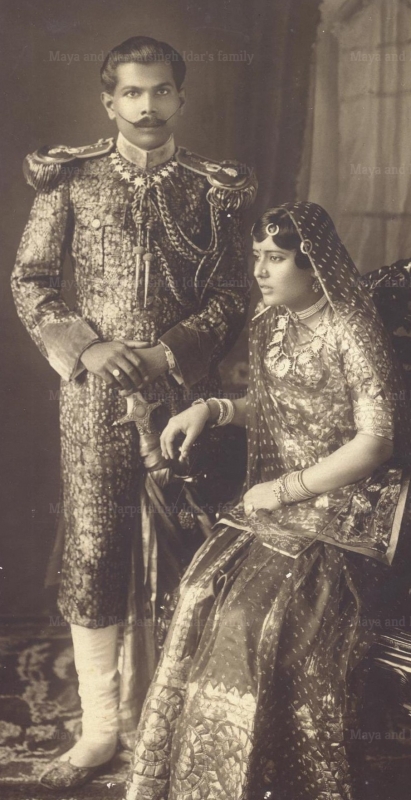
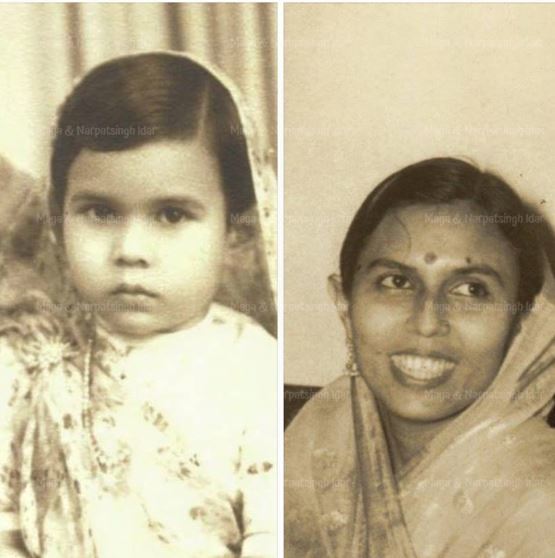
- Rani Saheba Jogmaya Devi, married Maharaj Sahib Narpat Singhji of Idar, and has issue. She died on .
- Kumar Arjendu Pratap Singh Deo, married 1stly (div.), Kumari Laxmi Kumari, daughter of the Raja Saheb of Sallyan in Nepal, married 2ndly, Rajkumari Chandra Kumari, daughter of Capt. Maharaj Mohan Singhji of Raoti, and his wife, Rani Nain Kanwar Sodisa, and has further issue, two sons and two daughters.
- Raj Kumar Sri Shesh Pratap Singh Deo, married Raj Kumari Mohan Devi, daughter of Rao Ranjit Singhji of Kushalgarh, Rajasthan, and had issue, two daughters and one son.
- Kumari Kamlesh Devi (Kolkata, India)
- Kumari Amaresh Devi, married Kumar Har Mohan Singh Roy, retired General Manager of United Commercial Bank, and has issue, three sons.
- Ambar Singh Roy, journalist, married and has issue.
- Arup Singh Roy, married, and had issue, one son.
- Anirudha Singh Roy
- Kumar Ranendra Pratap Singh Deo, married Rajkumari Kavita Devi, daughter of Raja Brajraj Kshatriya Birbar Chamupati Singh Mahapatra of Tigiria, and his wife, Rani Rasmanjari Devi, and has issue, one son and one daughter.
- Kumar Jeetendra Pratap Singh Deo, born , married Kumari Nabonita Devi, daughter of Thakur Gajendra Singh of Dhamotar, and his wife, Thakurain Devendra Kumari, and has issue, one daughter.
- Kumari Mridvika, aged 7 years (2007).
- Kumari Aparna Devi, born , married in Pachlana, Kumar Vrish Kirti Rathore, and has issue, one daughter.
- Kumari Shamadmika
- Kumar Jeetendra Pratap Singh Deo, born , married Kumari Nabonita Devi, daughter of Thakur Gajendra Singh of Dhamotar, and his wife, Thakurain Devendra Kumari, and has issue, one daughter.
- Raj Kumar Brajesh Pratap Singh Deo, adopted by Rajmata Indumati Debi of Dompada on 18th December 1922, and succeeded there as Raja Amarendra Mansingh Bhramabar Rai, Raja Saheb of Dompada, married Rani Pritam Kumari, daughter of Rao Ranjit Singhji of Kushalgarh in Rajasthan, and had issue, one daughter.
- Rani Indira Devi, married Raja Rajendra Chandra Mardraj Harichandan of Nilgiri, and has issue, two sons and one daughter.
- Raj Kumar Gaurendra Pratap Singh Deo, married Raj Kumari Pratibha Devi of Raidihi, a Zamindari of Kharswan, and has issue, three sons.
- Kumar Sailaja Shankar Singh Deo, married to Rajkumari Jaishree Devi, daughter of Raja Sir Narashingha Malla Deb, O.B.E, K.B.E, Ex-Member of Parliament of Jhargram Raj, and has issue, two married daughters.
- Kumari Sailashree Devi
- Kumari Sushree Devi
- Kumar Bhawani Shankar Singh Deo, retired Executive Director of National Aluminium Co. Ltd.; married Rajkumari Sucharumoni Devi, daughter of Sri Raja Vyricharla Durga Prasad Deo Raju Bahadur Garu of Kurupam, and his wife, Rani Vyricharla Sobhalata Devi, and has issue, two sons.
- Kumar Sujit Singh Deo
- Kumar Sameer Singh Deo
- Wg.-Cdr Kumar Biroja Shankar Singh Deo, married Kumar Rani Alaknanda Devi, daughter of Maharaj Sajjan Singhji of Jodhpur, and his wife, Rani Ratan Kanwar, and has issue, two sons.
- Kumar Sidharth Singh Deo
- Kumar Gautam Singh Deo
- Kumar Sailaja Shankar Singh Deo, married to Rajkumari Jaishree Devi, daughter of Raja Sir Narashingha Malla Deb, O.B.E, K.B.E, Ex-Member of Parliament of Jhargram Raj, and has issue, two married daughters.
- Rajkumar Samarendra Pratap Singh Deo, married Rajkumar Rani Nirmala Devi, daughter of the Thakur Saheb of Eral in Gujarat, and had issue, one daughter.
- Kumari Gayatri Devi, married Kumar Sachindra Narayan Singh Deo of Panchkote, and has issue, two daughters.
- Raja SHANKAR PRATAP SINGH Dev Mahendra Bahadur, Raja of Dhenkanal 1918/1965, born and succeeded 16th October 1918, educated at Cambridge College (Senior), Rajkumar College, Raipur and Ravenshaw College, Cuttack (B.A.); topped in India in the Chiefs College Diploma Examinations in 1922, Member of the Chamber of Princes 1929/1946; Member of the Orissa Legislative Assembly 1957/1961 and Member of the Rajya Sabha [3.4.1964] - [3.8.1965]; Author of a number of books in Oriya and Hindi; Member of standing committee of Rural Council, Eastern State Agency; his interest in philosophy led to Philosophical research, discussion on Vedanta Philosophy, Bhakti Cultures and Aurobindo Philosophy; married Rani Shrimati Ratna Prabha Devi, born , died , daughter of Raja Aditya Pratap Singh Deo of Seraikella, and his wife, Rani Padmini Kumari Devi, and had issue, two sons. He died .
- Brig.(retd) Raja Kamakshya Prasad Singh Deo Mahendra Bahadur (qv)
- Raj Kumar Pattayet Matru Prasad Singh Deo, married Pattayet Rani Basanti Devi, daughter of Kumar Govind Pratap Singh Deo, of Nuagarh in Seraikella, and has issue, two sons and two daughters.
- Kumar Saheb Harsh Vardhan Singh Deo, married Kumar Rani Chandrika Kumari, elder daughter of Maharaj Dileep Singh of Jobat, and his wife, Rani Bhubaneshwari Devi, and has issue, one son and one daughter.
- Kumar Som Kirti Singh Deo, studying at Ooty
- Kumari Nilambika Kumari.
- Kumar Rani Padmini Devi, married to Lt.-Col. Kumar Sanjay Shah Deo of Ratu (Chhota Nagpur), and has issue, two daughters.
- Kumari Akansha
- Kumari Anukriti
- Kumar Sahib Rajiv Lochan Singh Deo, married Kumar Rani Sushmita Devi, daughter of Kumar Kamkshya Pratap Singh Deo of Panchkote.
- Kumar Rani Rukmini Devi, married to Kumar Kirti Dev Singh of Nagod, and has issue, one daughter.
- Kumari Nandika
- Kumar Saheb Harsh Vardhan Singh Deo, married Kumar Rani Chandrika Kumari, elder daughter of Maharaj Dileep Singh of Jobat, and his wife, Rani Bhubaneshwari Devi, and has issue, one son and one daughter.
- Brig.(retd) Raja KAMAKSHYA PRASAD SINGH Deo Mahendra Bahadur, Raja of Dhenkanal (see above)