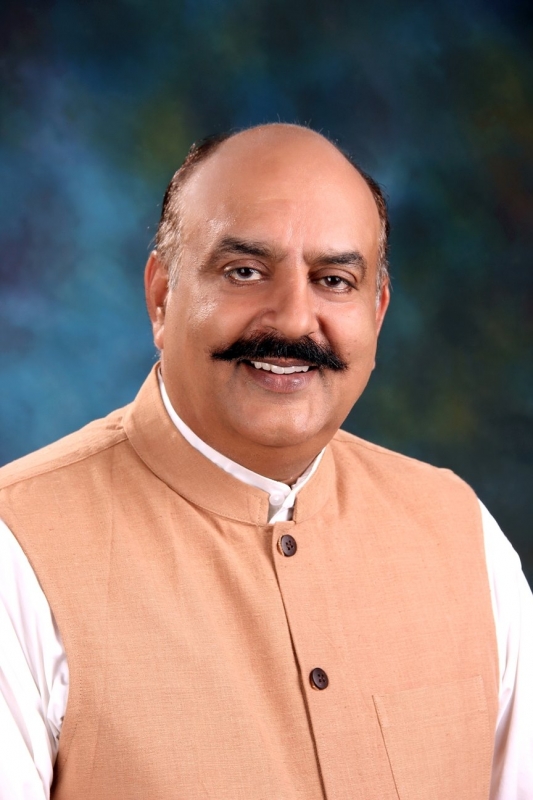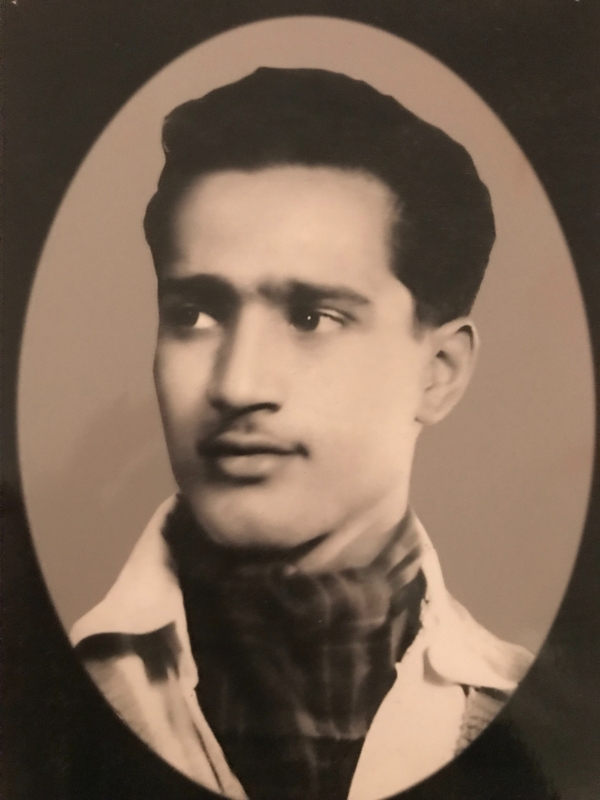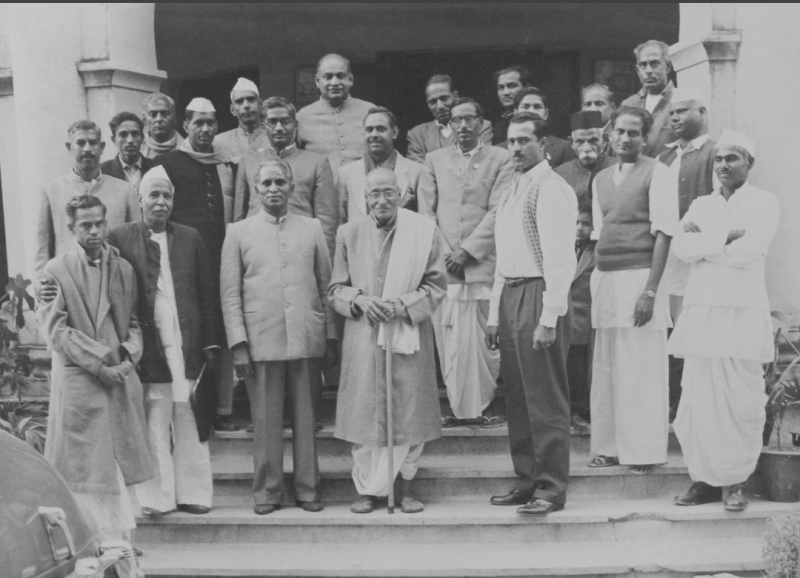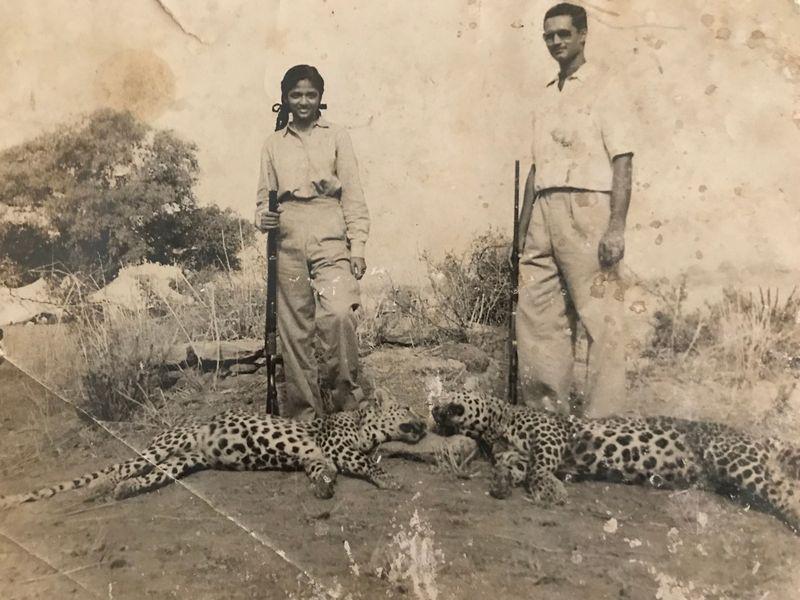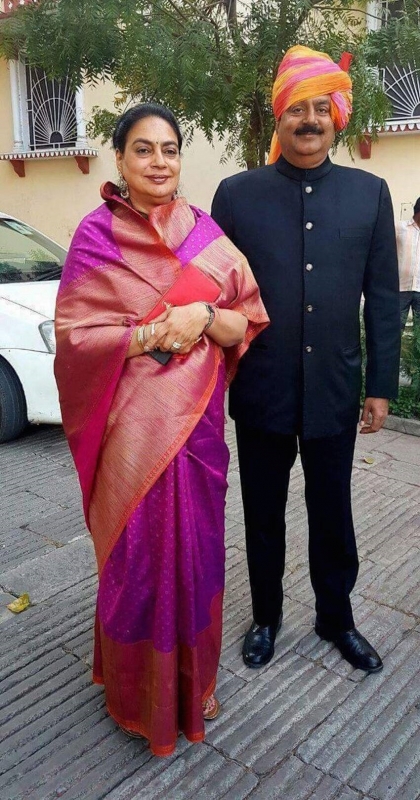
Present Head
- Rajkumar Tripurdaman Singh, born , educated at St. Peter's College, Agra, at the University of Warwick, U.K. and at the University of Cambridge, U.K.
History
Origin and Foundation of Bhadawar
The illustrious history of the Bhadawar province is deeply intertwined with the Bhadauria clan of Rajputs, a prominent branch of the Chauhan dynasty. The foundation of this historical principality dates back to 794 AD, established by Raja Chandrapal Dev. His son, Raja Bhado Rao, established his seat of power at Bhadaura (situated near the modern-day borders of Agra and Bhind districts), which subsequently gave the clan its name "Bhadauria" and designated the surrounding territory as Bhadawar. The clan's lineage is exceptionally well-documented, tracing a lineage of over 56 generations spanning more than 1,300 years of political and military prominence in Northern India.
The Sultanate Era and Resistance at Hatkant
During the medieval era, the Bhadauria rulers defended their sovereignty against successive waves of foreign invasions from the Delhi Sultanate. A pivotal figure of this period was Raja Shalya Dev (who ruled during the late 12th and early 13th centuries). He fought valiantly and died in battle against Qutb-ud-din Aibak, the founder of the Delhi Sultanate. Following this period of intense conflict, his son, Raja Rajju Raut (1228–1262 AD), successfully mobilized the clan, recaptured their ancestral stronghold, and re-established Bhadauria rule at Hatkant, which became a legendary fortress of regional resistance.
Throughout the Sultanate period, the Bhadaurias of Hatkant were recorded as fierce warriors who resisted central taxation and imperial dominion. Their fortresses along the rugged ravines of the Chambal River provided a natural defense, making them a formidable military power that successive Sultans of Delhi struggled to subdue, as documented in various historical chronicles of the era.
The Mughal Alliance and Military Achievements
With the rise of the Mughal Empire, the Bhadaurias transitioned from fierce regional rivals to some of the empire's most valued military commanders and administrators. This shift began during the reign of Emperor Akbar, who recognized the strategic importance of the Chambal ravines and the martial prowess of the Bhadaurias. The clan is prominently mentioned in Abu'l-Fazl's Ain-i-Akbari as key zamindars of the Agra subah.
Two of the most celebrated Bhadauria rulers, Maharaja Badan Singh and Maharaja Maha Singh, served as high-ranking mansabdars (imperial commanders) in the Mughal army. They led imperial campaigns in the difficult terrains of Kabul, Balkh, and Badakhshan (modern-day Afghanistan and Central Asia). In recognition of their exceptional military services, the Mughal emperors bestowed upon them high mansab ranks, the hereditary title of Maharaja, and consolidated their control over the Bhadawar region.
Zenith of Power under Maharaja Mahendra Gopal Singh
The state of Bhadawar reached its maximum territorial and political zenith during the decline of the Mughal Empire in the early 18th century. Following the death of Emperor Aurangzeb in 1707, Maharaja Mahendra Gopal Singh took advantage of the fracturing imperial authority to vastly expand his domains.
By the time of his death in 1730, the boundaries of Bhadawar extended over an area of close to 12,000 square kilometers. The state's influence stretched up to Gwalior in the south, Dholpur in the west, and encompassed Etawah, parts of Mathura, and Kanpur in the east. Under his rule, Bhadawar became a premier military and economic power in the Doab and Chambal regions.
Maratha Incursions and the British Raj
The latter half of the 18th century brought severe challenges to Bhadawar. The rise of the Maratha Empire under the Peshwas and the Scindias of Gwalior led to frequent incursions into the Chambal valley. Despite fierce resistance, the Bhadaurias were overwhelmed by the superior numbers and tactical cavalry of the Marathas. Much of Bhadawar’s outer territories, including Gwalior and parts of Etawah, were annexed or tributary-bound to the Scindias of Gwalior.
By the early 19th century, with the expansion of the British East India Company, the remnants of the Bhadawar estate came under British suzerainty. Under the British Raj, the Bhadauria rulers were recognized as prominent taluqdars and local rulers, maintaining administrative and cultural authority over their reduced ancestral estates, primarily centered around Bah in the Agra district and Ater in Bhind.
Heraldry and the Royal Flag
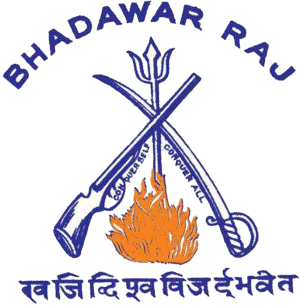
The heraldry of Bhadawar reflects its martial lineage and devotion to traditional Hindu deities. The royal standard of Bhadawar historically featured a deep saffron (kesariya) and red flag, symbolizing courage, sacrifice, and the Sun (representing their Suryavanshi connections through the Chauhan line). The state emblem depicted a shield flanked by two crossed swords, representing their historical role as guardians of the Chambal and Yamuna ravines, with an depiction of Lord Hanuman, the deity of strength and loyalty, in the center.
Post-Independence and the Modern Era
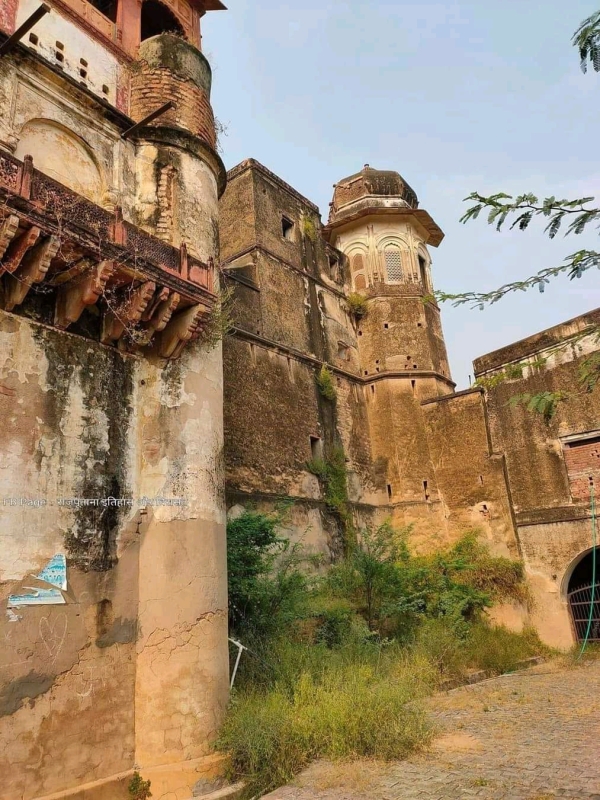
Following India's independence in 1947, the princely estate of Bhadawar formally merged into the Indian Union. The territories were integrated into the modern states of Uttar Pradesh and Madhya Pradesh. The historical legacy of the Bhadauria Rajputs remains highly respected in the region. Today, members of the royal family continue to be active in public life, preserving their rich cultural heritage, ancestral forts like the Ater Fort in Bhind and Hatkant Fort, and maintaining educational and social institutions for the welfare of the local community.
Historical References and Citations
- For details on the Bhadauria mansabdars in the Mughal court, see Abu'l-Fazl's The Ain-i-Akbari (Translated by H. Blochmann).
- To understand the geopolitical shifts in the Chambal region during the 18th century, see Fall of the Mughal Empire by Sir Jadunath Sarkar.
- For the historical geography and lineage records of the region, consult the District Gazetteers of the United Provinces of Agra and Oudh.
Genealogy
- Raja MANIK RAE, Raja of Sambhar 720/794, he was the Chauhan ruler of Sambhar, and is generally accepted to be the patriarch of the age, the founder of the Chauhan power that would one day rule Delhi. He became King when his brother, the King of Ajmer was killed during the invasion of Mohammed bin Kasim, and he had to flee, later he recovered Ajmer from the Muslims in about 756, he married and had issue, ancestor of the 24 clans of the Chauhan dynasty.
- Raja Chandrapal Dev (qv)
- Raja CHANDRAPAL DEV, Raja of Chandwar 794/816, he was the 12th son and established his rule at Chandwar around 793AD. He is credited with constructing the massive fort at Chandwar, in present day Firozabad. Chandwar remained in Bhadauria hands till 1208, he married and had issue.
- Raja Bhado Rao (qv)
- Raja BHADO RAO, Raja of Bhadaura 816/842, sometimes referred to as Bhado Rana, succeeded his father in 816. He constructed the township and fortress of Bhadaura on the banks of the river Uttangan, in present day Ater tehsil. There is some confusion as to the actual date of construction, with vansavali writers accepting 832AD while British historians R.Smeaton and W.H.L. Impey estimate 820 AD. It is from this celebrated Raja Bhado Rana and the village of Bhadauragarh that this branch of Chauhans came to be called Bhadauria.
- Rao ALAM DEV, Raja of Bhadaura 842/857
- Rao BHAGWAT DEV, Raja of Bhadaura in 857 (for 6 months)
- Rao BHAN DEV, Raja of Bhadaura 857/858
- Rao PRAGYA DEV, Raja of Bhadaura 878/889
- Rao KANKAR DEV, Raja of Bhadaura 889/903
- Rao HASAN DEV, Raja of Bhadaura 903/917
- Rao GOPAL DEV, Raja of Bhadaura 917/933
- Rao KHARAG SEN, Raja of Bhadaura 933/936
- Rao RAM SEN, Raja of Bhadaura 936/950
- Rao VIJAY SEN, Raja of Bhadaura 950/954
- Rao GUJARMAL DEV, Raja of Bhadaura 954/970
- Rao BHOGMAL DEV, Raja of Bhadaura 970/984
- Rao ARJUN DEV, Raja of Bhadaura 984/1008
- Rao PAHAD SEN, Raja of Bhadaura 1008/1025
- Rao KARAM SEN, Raja of Bhadaura 1025/1048
- Rao TATTAR DEV, Raja of Bhadaura 1048/1054
- Rao HARDOL DEV, Raja of Bhadaura 1054/1066
- Rao TARACHAND DEV, Raja of Bhadaura 1066/1081
- Rao TIHAR DEV, Raja of Bhadaura 1081/1092
- Rao BILLOR DEV, Raja of Bhadaura 1092/1123
- Rao KAJJAL DEV, Raja of Bhadaura 1123/1163, he expanded the state to include much of present day Bah tehsil of Agra, capturing the fortress of Hatkant in 1153.
- Rao AASAL DEV, Raja of Bhadaura 1163/1183
- Rao VISAL DEV, Raja of Bhadaura 1183/1194
- Raja SHALYA DEV, Raja of Bhadaura 1194/1208, referred to as Sella Deo by British historians, he was one of the most illustrious rulers of his age. Taking advantage of the disorder prevailing in the country during Ghouri Shah's invasion, Raja Shalya Dev plundered Meerut and Farrukhabad. Qutubuddin Aibak marched on Bhadaura in 1208, and in the great battle of Bhadauragarh, which was accompanied by great slaughter, Raja Shalya Dev was slain. His pregnant wife, who was the daughter of the Rao of Sikri escaped by concealing herself in a gutter. She was taken to Sikri by two loyal servants, and while crossing the Jumna, she gave birth to a boy, the future Rajju Raut, who would resurrect and re-establish his fathers lost kingdom; he married a daughter of the Rao of Sikri and had issue. He died .
- Raja Rajju Raut (qv)
INTERREGNUM 1208/1228
- Raja RAJJU RAUT, Raja of Bhadaura 1228/1262, born posthumously in 1208, he re-established Bhadauriya rule by ejecting the Meo's. In 1246 he stormed the fort of Hatkant, killing the dreaded Mewati chief Hatiyameo Beg. By 1258 he was again in possession of all his land. Emperor Nasiruddin confirmed him in posession of Bhadawar and granted him the title of Raja. He married 1stly, a daughter of Rao Khir Samad of Barsala Pinahat, married 2ndly, a daughter of Rao Gumam Singh Tomar of Asa Morena, married 3rdly, a daughter of Rao Gyan Singh Gaur of Narkejri in Rajasthan, married 4thly, a daughter of Raja Karan Singh Kachwaha of Lahar, and had issue. He died .
- Kunwar Baamdeo (by 1st marriage), ancestor of the Raut Bhadaurias, also sometimes called Rawat Bhadaurias.
- Kunwar Maan Singh (by 2nd marriage), ancestor of the Mainu Bhadaurias.
- Kunwar Tas Singh (by 3rd marriage), ancestor of the Tasela Bhadaurias.
- Raja Udai Raj (by 4th marriage) (qv)
- Raja UDAI RAJ, Raja of Bhadaura 1262/1296
- Raja MADAN SEN, Raja of Bhadaura 1296/1328
- Raja ABHAI CHANDRA, Raja of Bhadaura 1328/1371, a celebrated Rajput ruler, he led, along with Rai Sabir Chauhan of Etawa, Raja Surysen Dev of Chakarnagar, Raja Bir Bhan of Mainpuri and Raja Jit Singh Rathor of Rampur Etah, the great Rajput rebellion in 1371. At Chandwar, Rajput forces almost overwhelmed the Imperial army, but Raja Abhai Chandra was treacherously killed by the Imperial general Malik Muqarrab-ul-mulk during a diplomatic conference at Kannauj.
- Raja RATAN SEN, Raja of Bhadaura 1371/1427
- Raja JAIT SINGH, Raja of Bhadaura 1427/1464, he led the Bhadauria forces that fought Emperor Mubarak Shah at Hatkant, but was handed a crushing defeat, as a result, Jait Singh lost his capital for some time in 1428, but recovered it later in 1434. In 1440, the Nawab of Kalpi invaded the Kachwaha kingdom of Lahar, when the Raja of Lahar appealed to Jait Singh for aid, Jait Singh sent his brother Bhao Singh with 5,000 horsemen. At Gopalpura, Bhadauria soldiers thouroughly annihilated the Muslims. After killing the nawab, Bhav Singh seized the crown or kulha of the nawab. Thus Bhav Singh's descendents are known as Kulhaiya Bhadaurias and further his descendants founded Bidhupura. Jait Singh founded the modern day township of Jaitpur.
- Raja CHANDRASEN, Raja of Bhadaura 1464/1480, he invaded and annexed Pinahat in 1470 and constructed a fort there in 1474. After the battle of Rapri, Raja Chandrasen sacked the camps of the imperial armies.
- Raja KARAN SINGH, Raja of Bhadaura 1480/1509
- Raja PRATAP RUDRA, Raja of Bhadaura 1509/1549, married 1stly, a daughter of Raja Shyam Singh Chandel of Shivrajpur, married 2ndly, a daughter of the Raja of Lahar, married 3rdly, a daughter of Raja Madan Singh Parihar of Ramgarh Eta, married 4thly, a daughter of Rao Jayant Singh Tomar of Asa Morena, and had issue, fourteen sons.
- Kunwar Hriday Narayan (by Rani Chandeliji), became the first Dewan of Parna around 1550.
- Kunwar Dalpat Rae (by Rani Chandeliji)
- Kunwar Bhopat (by Rani Chandeliji)
- Kunwar Kesri Shah (by Rani Chandeliji)
- Kunwar Hodal Shah (by the Lahari Rani)
- Kunwar Sahab Rae (by the Lahari Rani)
- Kunwar Mitra Sen (by the Lahari Rani)
- Kunwar Angad Rae (by the Lahari Rani)
- Raja Mukutman (by Rani Parihariji) (qv)
- Kunwar Jamniman (by Rani Parihariji)
- Kunwar Mangat Rae (by Rani Parihariji)
- Kunwar Indrajit Singh (by Rani Tomariji)
- Kunwar Bhadai Singh (by Rani Tomariji)
- Kunwar Hira Singh (by Rani Tomariji)
- Raja MUKUTMAN, Raja of Bhadaura 1549/1590, he succeeded his father in preference to eight older brothers whose descendants are known as Athbhaiya Bhadaurias. In 1558, the Mughal army under Padshah Akbar's foster brother, Adham Khan, invaded Bhadawar and subdued the country. Afterwards, like many other Rajput princes, Mukutman became a mansabdar in the Mughal army with a rank of 1,000; he married 1stly, a daughter of Raja Dharmangad Chauhan of Mainpuri, married 2ndly, a daughter of Raja Radha Singh Kachwaha of Toda Tank, and had issue.
- Raja Mahendra Bikramaditya (by Rani Kachwahaji) (qv)
- Raja Mahendra BIKRAMADITYA, Raja of Bhadaura 1590/1617, like his father before him, he was a Mughal mansabdar and general. He commanded the Bhadauria contingent against Bir Singh Deo Bundela in Orchha, against Maharana Amar Singh in Mewar and against rebels in Gujrat. He was granted the hereditery title of Mahendra (Lord of the Earth) by Padshah Jahangir Shah, Emperor of Delhi; he married 1stly, a daughter of Raja Keerat Singh Rathor of Rampur Etah, married 2ndly, a daughter of Raja Shobh Singh Parmar of Garhwal (Srinagar), and had issue.
- Raja Mahendra Bhoj Singh (by Rani Parmariji) (qv)
- Kunwar Vijay Singh (by Rani Parmariji)
- Raja Mahendra BHOJ SINGH, Raja of Bhadawar 1617/1623, he commanded his contingents in the Deccan campaign; married 1stly, a daughter of Raja Dalpat Singh Chauhan of Mainpuri, married 2ndly, a daughter of Raja Madho Singh Sikarwar of Pahargarh, and had issue.
- Raja Mahendra Kishan Singh (by Rani Sikarwarji) (qv)
- Raja Mahendra KISHAN SINGH, Raja of Bhadawar 1623/1637, he was a prominent Mughal general enjoying a rank of 1000/600. He commanded his contingents during the first Bundela campaign under Mahabat Khan, in the Deccan during the capture of Daulatabad in 1633, against Jhujhar Singh Bundela of Orchha with Raja Amar Singh Rathor of Jodhpur and Indrasal Hada of Bundi. He married (as his only wife), a daughter of Raja Bahadur Singh Sisodia of Shahpura, and had issue.
- Raja Mahendra Mangat Ray (qv)
- Raja Mahendra MANGAT RAY, Raja of Bhadawar 1637/1638, married (as his only wife), a daughter of Raja Kirat Singh Sengar of Bhaderwah, and had issue, one son.
- Raja Mahendra Keerat Singh (qv)
- Raja Mahendra KEERAT SINGH, Raja of Bhadawar 1638/1643, married 1stly, a daughter of Raja Madho Singh Parihar of Ramgarh, married 2ndly, a daughter of Mirza Raja Jai Singh I Bahadur of Amber (Jaipur).
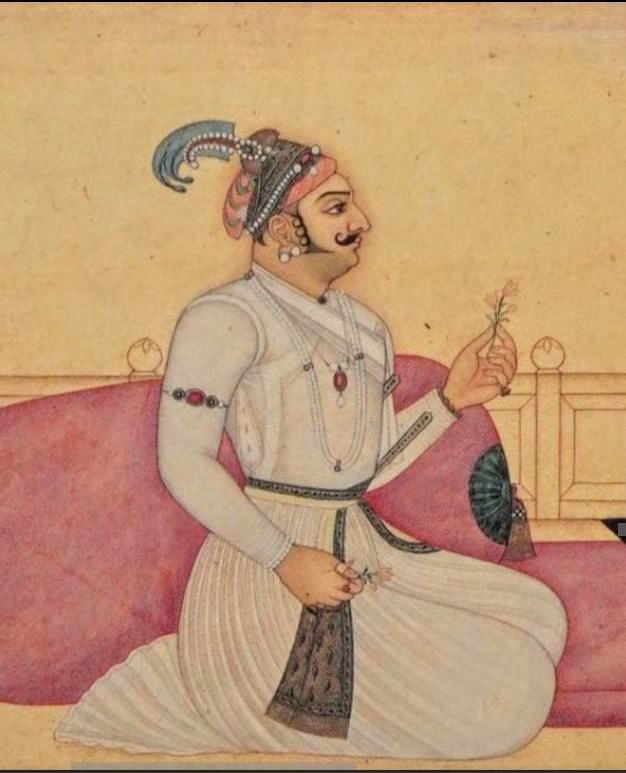
- Maharajadhiraj Maharaja Mahendra BADAN SINGH, Maharaja of Bhadawar 1644/1654, he was one of the foremost Rajput rulers of the age. There is a famous incident mentioned about him in the Badshahnaama, when during a carnival in 1648, he single handedly attacked a mad elephant and rescued an attendant from the elephants tusks. For his exemplary bravery, he was rewarded with a remission of 50,000 rupees from the 200,000 rupees that Bhadawar annually paid as assesment. In 1644 he commisioned the construction of the fort of Ater - one of the most magnificent forts in the country. In 1649 he built the 1.5 km long dam across the river Jumuna and a 27 km long diversionary canal and built the town of Bateshwar and 101 Shiv temples on this dam. Bateshwar is now famous for the largest cattle fair in India; married 1stly, a daughter of Raja Manohar Singh Rathor of Shamshabad, married 2ndly, a daughter of Raja Mangal Singh Gaur of Shyampur, married 3rdly, a daughter of Raja Pratap Singh Chauhan of Mainpuri, married 4thly, a daughter of the Raja of Banelu (?), and had issue. He died while commanding the Mughal armies in Kandahar, Afghanistan with Dara Shukoh.
- Maharajadhiraj Maharaja Mahendra Maha Singh (by Maharani Rathoriji) (qv)
- Kunwar Pratap Singh (by Maharani Rathoriji)
- Rao Bhagwat Singh (by Maharani Gauriji), recieved Nowgaon in appanage.
- Kunwar Kuchatr Singh (by Maharani Chauhaniji), recieved Barasav in appanage.
- Kunwar Gaj Singh (by Maharani Chauhaniji), recieved Ahroli in appanage.
- Kunwar Bakhtawar Singh (by the Baneli Maharani), recieved Pachera in appanage.
- Maharajadhiraj Maharaja Mahendra MAHA SINGH, Maharaja of Bhadawar 1654/1684, completed the construction of the fort at Ater. He also constructed the fort at Bhind in 1656, the Gauri tal lake at Bhind and the Bankhandeshwar temple. He commanded the Mughal armies in Afghanistan during the Yusufzai rebellion in 1667. He married 1stly, Maharani Raj Kunwar, daughter of Raja Kishore Singh Kachwaha of Lahar, married 2ndly, Maharani Sobha Kunwar, daughter of Raja Sripal Singh Jadon of Karauli, and had issue.
- Maharaja Mahendra Udot Singh (by Maharani Raj Kunwar) (qv)
- Kunwar Bhao Singh (by Maharani Sobha Kunwar)
- Rao Ajab Singh (by Maharani Sobha Kunwar), Rao of Kachaura.
- Kunwar Amar Singh (by Maharani Sobha Kunwar)
- Maharaja Mahendra UDOT SINGH, Maharaja of Bhadawar 1684/1694, Governor of Chittor (Mewar) from 1680 to 1684 and secretly assisted Maharana Raj Singh I during the Rajput rebellion. He also commanded his contingents in the Golconda campaign and played a prominent part in the capture of Ibrahimgarh in 1686. He enjoyed the high rank of 1500/1500. He married 1stly, a daughter of Raja Raj Singh of Pratapgarh, married 2ndly, a daughter of Raja Ratan Singh Chauhan of Rajaur, married 3rdly, a daughter of Raja Harchand Singh Chauhan of Mainpuri, married 4thly, a daughter of Raja Maharay Singh Gaur of Syampur, and had issue.
- Maharaja Mahendra Kalyan Singh (by the Pratapgarh Rani) (qv)
- Rao Sujan Singh (by the Rajauri Rani), 1st Rao of Para and ancestor of the Para and Jiwasa family.
- Kunwar Surat Singh (by the Syampuri Rani), ancestor of the Vijaygarh family.
- Kunwar Anand Singh (by the Syampuri Rani), ancestor of the Madhyapura family.
- Kunwar Raghunath Singh (by the Syampuri Rani), ancestor of the Barh-ke-pura family (Barhpura).
- Maharaja Mahendra KALYAN SINGH, Maharaja of Bhadawar 1694/1707, he was a military genius and is credited with the establishment of the township of Bah in 1700. In 1707, Kalyan Singh commanded the Bhadauriya troops in person during the 1st Jat campaign. Taking the Jat army by surprise at Dholpur, he inflicted on them a sound thrashing and wrested control of Dholpur. The Dholpur fort was held by the Bhadauriya garrisons until 1761; he married (as his only wife), Maharani Hira Kunwar, daughter of Raja Surat Singh Gaur of Shyampur, and had issue.
- Umara-i-Uzzam Maharaja Mahendra Gopal Singh (qv)
- Rani Dwand Kunwar, married Rajawat Raja Jait Singh of Kama.
- Umara-i-Uzzam Maharaja Mahendra GOPAL SINGH, Maharaja of Bhadawar 1707/1730, he was appointed governor of Narwar in 1707. In 1708 he captured the Jat fort of Gohad and in 1712 stormed the fort of Rampura. He enjoyed a high rank of 4000/4000 in the Mughal court which later became 5000/5000 and was thus titled Umara-i-Uzzam. He commanded the Mughal armies during the seige of Gurdaspur in 1715. In 1719 he was appointed the governor of Agra province and held the post till 1720. But Agra became the centre of rebellion when the new governor, Ghairat Khan took over and Gopal Singh played a pivotal role in retaking Agra fort. At the Battle of Hasanpur in 1720 between Muhammad Shah and Abdullah Khan, Gopal Singh commanded the imperial rear and prevented Churaman Jat from attacking the rear. In 1724, again Gopal Singh was sent against Ajit Singh of Jodhpur and in 1729 against Hinduput Singh of Chachendi. At this time the Bhadauriya state covered some 30,000 sq kms in area i.e. the tehsil Bah in Agra, large parts of Bhind, Gwalior, Dholpur and Etawah; he married 1stly, Maharani Surat Kunwar, daughter of Raja Sonpal Jadon of Byangarh or Vaiyangarh, married 2ndly, Maharani Phul Kunwar, daughter of Raja Udot Singh Chauhan of Mainpuri, married 3rdly, Maharani Sobha Kunwar, daughter of Maharaja Abhay Singh Rathor of Jodhpur, married 4thly, Maharani Sardar Kunwar, daughter of Raja Man Singh Sengar of Ruru, married 5thly, a daughter of Raja Madho Singh Sirnet of Bansi, married 6thly, Maharani Dhir Kunwar, daughter of Rao Karan Singh Jadon of Madrayal(?), and had issue.
- Umara-i-Uzzam Maharaja Mahendra Aniruddh Singh (by Maharani Surat Kunwar) (qv)
- Raja Mahendra Bahadur Singh (by Maharani Surat Kunwar) (qv)
- Raja Mahendra Himmat Jai Singh (by Maharani Phul Kanwar) (qv)
- Maharajkumari Kanak Kunwar (by Maharani Phul Kanwar), married Raja Chattar Singh Kachwaha of Narwar.
- Maharajkumari Basant Kunwar (by Maharani Sobha Kunwar), married Raja Kumer Singh Sisodia of Banera.
- Maharajkumari Ratan Kunwar (by Maharani Sardar Kunwar), married Maharana Raj Singh II of Udaipur.
- Maharajkumar Maharay Singh (by Maharani Sardar Kunwar)
- Maharajkumari Sagun Kunwar (by the Bansi Maharani), married Maharaja Abhyadut Singh Baghel of Rewah.
- Umara-i-Uzzam Maharaja Mahendra ANIRUDDH SINGH, Maharaja of Bhadawar 1730/1741, he enjoyed the exalted rank of 6000/6000 and was also Governor of Kannauj. He commanded the Bhadauriya army during the Maratha war. His forces consisted of 20,000 infantry, 7,000 cavalry and 45 elephants while the Maratha host numbered 100,000 horse under Peshwa Baji Rao. After facing the Marathas in the field, he retired to Ater where he resisted them for some time. He sued for peace after a month of fighting and had to pay 2,000,000 rupees as indemnity as well as ten elephants. In March 1737 A.D. He along with his political ally, the Nawab of Awadh, Saadat Khan defeated the large cavalry of Malhar Rao Holkar near the town of Ater and persuaded him towards Gwalior and later attacked Dholpur on the camps of Peshwa Bajirao made him retired towards Bundelkhand. He married 1stly, Maharani Ser Kunwar, daughter of Raja Mangal Singh Bisen of Gonda, married 2ndly, Maharani Tej Kunwar, daughter of Raja Pahar Singh Solanki of Chitrakoot, married 3rdly, Maharani Raj Kunwar, daughter of Rao Khusal Singh Rajawat of Jhalai in Jaipur, married 4thly, Maharani Pehop Kunwar, daughter of Rao Ram Singh Rathor of Banbarha in Jodhpur, married 5thly, Maharani Hem Kunwar, daughter of Raja Surat Singh of Shyampur (?), married 6thly, Maharani Gyan Kunwar, daughter of Raja Prathipat Singh Bisen of Mankapur, married 7thly, Maharani Devi Kunwar, daughter of Rajkumar Dariyav Singh Sengarh of Bayavli(?), married 8thly, Maharani Chandra Kunwar, daughter of Raja Hinduput Singh Chandel of Chahendi, married 9thly, Maharani Man Kunwar, daughter of Raja Anuradh Singh Sengarh of Bhareh, married 10thly, a daughter of the Raja of Khwasa (?), and had issue. He died .
- Raja Mahendra BAHADUR SINGH, Raja of Bhadawar 1741/1743
- Raja Mahendra HIMMAT JAI SINGH, Raja of Bhadawar 1743/1755, married 1stly, Rani Fateh Kunwar, daughter of Raja Surtan Singh of Banera, married 2ndly, Rani Syoraj Kunwar, daughter of Raja Marikhram Singh Kachwaha of Bakawat (?). He died sp in 1755.
- Raja Mahendra BAKHAT SINGH, Raja of Bhadawar 1755/1803, adopted from Jiwasa, he lost Bah to the Jat Raja Jawahar Singh of Bharatpur in 1767, but recovered it in 1770, married Rani Saubhagya Kumari, third daughter of Raja Sardar Singh of Banera.
- Maharaja Mahendra PRATAP SINGH, Maharaja of Bhadawar 1803/1820, adopted from Para, married and had issue.
- Maharaja Mahendra Sirnet Singh (qv)
- [?Maharajkumari (name unknown), married Raja Devi Baksh Singh of Gonda.]
- Maharaja Mahendra SIRNET SINGH, Maharaja of Bhadawar 1820/1839, died sp 1839.
- Maharaja Raja Mahendra Sir MAHENDRA SINGH, Maharaja of Bhadawar 1839/1902, C.I.E, K.C.S.I. [cr.1892], born , adopted from Para, Chief of the Bhadauriya sept of the Chauhan clan, granted the title of Maharaja on 25th July 1881 as a personal distinction, married the daughter of Raja Bhawani Singh Sahib Bahadur C.S.I. of Mainpuri, and had issue. He died .
- Hon. Lt. Maharaja Mahendra MAAN SINGH, Maharaja of Bhadawar 1902/1942, adopted from Para and brought up by the widow of Maharajkumar Samarth Singh; he was granted the rank of honourary lieutenant for his support of the British government in 1940; co-founder of the Central Cooperative Bank (Parna) and honourary magistrate within Bhadawar; he was also allowed to maintain his own police force; married 1stly, the niece of HH Maharaja Sir Ganga Singh of Bikaner, married 2ndly, the daughter of Raja Udit Narayan Singh of Tirwa, married 3rdly, the daughter of HH the Maharaja of Shahpura, and had issue. He died .
- Maharaja Mahendra Ripudaman Singh (qv)
- Maharajkumari Chandraprabha (by the Tirwar Rani), married Rao Bahadur Raja Yadvendra Singh Judeo of Alipura, and has issue.
- Maharaja Mahendra RIPUDAMAN SINGH, Maharaja of Bhadawar 1942/1991, elected as the Member of the Legislative Assembly from Bah Constituency (Uttar Pradesh) from 1957 - 1962, 1974 - 1977, 1977 - 1980 and 1980 - 1985; Minister for Tourism, Forests, Sports and Youth affairs from 1977 to 1979; he married Maharani Braj Shree Devi, daughter of HH Maharaja Sir Rajendra Narayan Singh Deo of Patna, by his wife, HH Maharani Kailash Kumari Devi, and had issue. He died .
- Maharaja Mahendra Aridaman Singh (qv)
- Maharajkumari Madhulika Kumari, born , married Maharajkumar Shiladitya Singh of Narsinghgarh, and has issue, two daughters.
- Maharaja Mahendra ARIDAMAN SINGH, Maharaja of Bhadawar (see above)
Notable Figures
Raja Bhado Rao (r. 1194 – 1210)
Raja Bhado Rao is traditionally regarded as the illustrious founder of the Bhadoria clan of Rajputs and the progenitor of the Bhadawar estate. Descended from the Chauhan dynasty of Ajmer, his lineage migrated towards the rugged terrain of the Yamuna and Chambal ravines following the fall of Prithviraj Chauhan. He consolidated the local clans, established his initial stronghold at Hatkant, and laid the foundation of a sovereign principality that would later be known as Bhadawar.
Under his leadership, the clan adapted to the challenging geography of the Chambal ravines, using the natural defenses of the cliffs and valleys to secure their autonomy against early medieval expansionist sultanates. For more historical context on his clan, see the Bhadoria Clan on Wikipedia.
Raja Kalyan Singh (r. 1618 – 1645)
Raja Kalyan Singh was a crucial figure in transitionary medieval Bhadawar, shifting the administrative focus of the state and formally establishing the capital at Ater. Recognizing the geopolitical realities of the Mughal Empire, he established diplomatic relations with Emperor Jahangir, who recognized his authority and granted him an imperial mansab (rank). This integration allowed the Bhadawar state to secure its borders and prosper economically.
He is also credited with initiating the construction of the formidable Devgiri Fort, popularly known today as the Ater Fort, strategically located deep within the Chambal ravines to withstand heavy military sieges. You can read more about this architectural marvel on the Ater Fort Wikipedia Page.
Raja Maha Singh (r. 1645 – 1684)
Raja Maha Singh was one of the most powerful and militarily distinguished rulers of the Bhadawar state. Serving under Mughal Emperors Shah Jahan and Aurangzeb, he commanded several imperial campaigns, most notably in the Deccan and the Balkh-Badakhshan expeditions. His valor in imperial service elevated the status of the Bhadoria clan to the upper echelons of the Mughal court nobility, earning him enhanced mansabs and the official title of Raja.
During his reign, the construction of Ater Fort was completed, featuring grand structures such as the Khoon ki Khoji and the Hathiapor gate. His military exploits and court status are documented in contemporary Mughal accounts such as the Maasir-i-Alamgiri on the Internet Archive.
Raja Mahendra Gopal Singh (r. 1684 – 1707)
Raja Mahendra Gopal Singh succeeded Raja Maha Singh and continued the tradition of high-ranking military service under Emperor Aurangzeb. His reign is highly significant because it was during this period that the Mughal Emperor bestowed the hereditary title of "Mahendra" (meaning Lord of the Earth) upon the rulers of Bhadawar. This title became a permanent hereditary prefix used by all subsequent rulers of the dynasty.
In addition to his military contributions in the Deccan wars, he successfully defended the northern territories of his state against the rising incursions of regional powers, ensuring the stability and territorial integrity of Bhadawar. His lineage and title details can be explored on the Bhadawar Wikipedia Page.
Raja Mahendra Anirudh Singh (r. 1707 – 1743)
Raja Mahendra Anirudh Singh ruled during the turbulent era of the decline of the Mughal Empire. He was an exceptionally skilled diplomat and military strategist who expanded the boundaries of Bhadawar to its historical zenith, encompassing parts of modern-day Agra, Etawah, Bhind, and Gwalior. He negotiated complex alliances and engaged in significant military conflicts with both the Maratha Empire, led by Peshwa Baji Rao I, and the Jat state of Bharatpur.
He was also a great patron of arts, literature, and public welfare, commissioning numerous stepwells, temples, and palaces across his territory. His reign marks the peak of Bhadawar's political influence in North India as detailed in historical records of the Bhadawar State.
Raja Mahendra Himmat Singh (r. 1743 – 1755)
Raja Mahendra Himmat Singh took charge of the state during a period of intense geopolitical pressure, particularly from the expanding Scindia dynasty of Gwalior. Despite facing repeated invasions and heavy financial demands from the Maratha confederacy, Himmat Singh exhibited great resilience and personally commanded defensive forces in the ravines to safeguard his state's independence.
Though the state lost some of its outlying territories during his reign, his stubborn resistance preserved the core sovereignty of the Bhadoria heartland. Details of the regional conflicts of this era are archived on the Bhadawar History Section.
Raja Mahendra Mahendra Singh (r. 1803 – 1840)
Raja Mahendra Mahendra Singh's reign coincided with the rise of the British East India Company in Northern India. Following the Second Anglo-Maratha War, he entered into diplomatic treaty relations with the British, transitioning Bhadawar into a princely state under British suzerainty. Due to geopolitical shifts and the changing nature of administration, he shifted the primary royal residence from Ater to the town of Bah (located in modern-day Agra district, Uttar Pradesh).
His reign was marked by administrative consolidation and transition from a militarized feudal state to a peaceful protectorate. For more on the geographic shift of the estate, see the Bah Wikipedia Page.
Raja Mahendra Ripudaman Singh (r. 1902 – 1931)
Raja Mahendra Ripudaman Singh was a modernizer and reformist ruler of the Bhadawar estate during the British Raj. Highly educated and socially progressive, he introduced extensive administrative, educational, and agricultural reforms within his estate. He established public schools, healthcare dispensaries, and modern irrigation facilities, vastly improving the quality of life in the Chambal-Yamuna region.
He was an active member of the Chamber of Princes and maintained strong relations with other prominent ruling houses of Rajputana and Central India. His progressive governance is noted in colonial-era records of the Bhadawar Princely Estate.