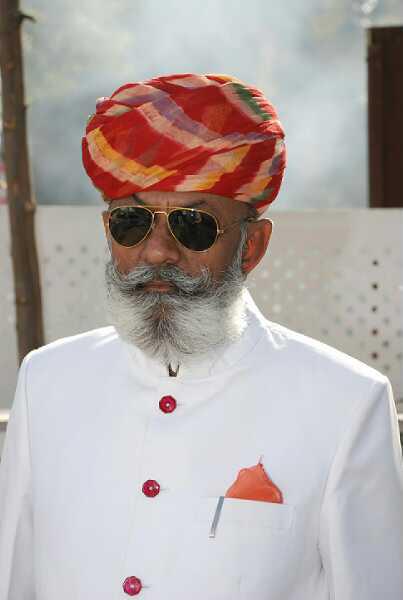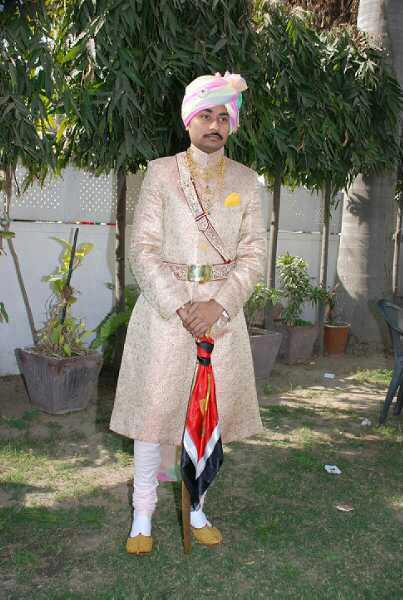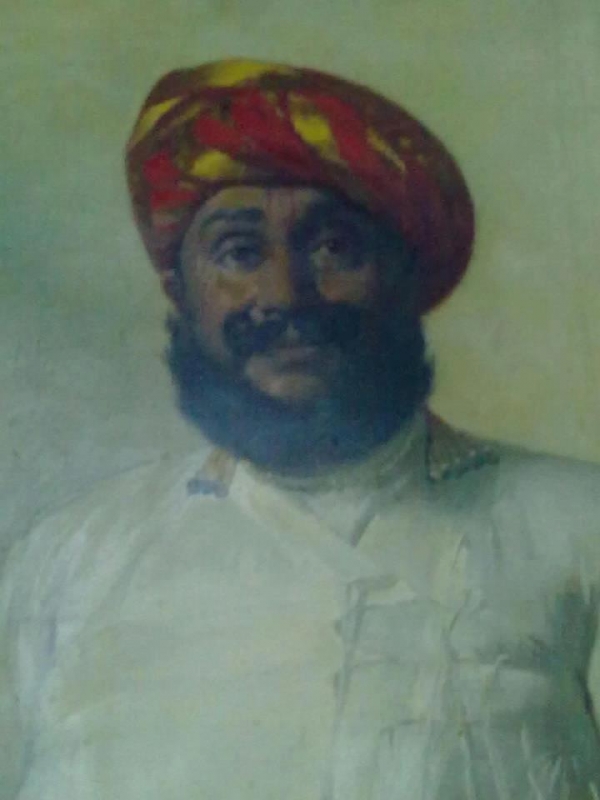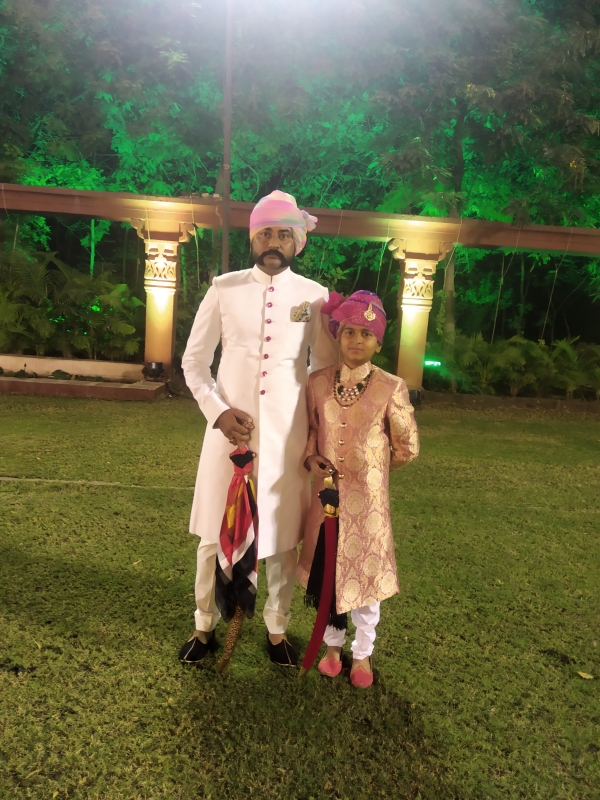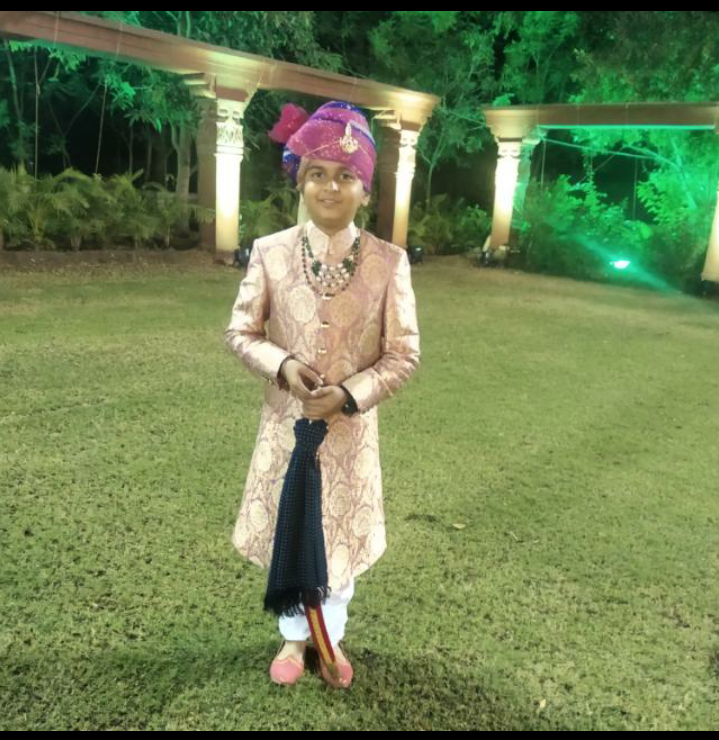
Present Head
History
The Foundation and Early History
The history of Lakhtar is intrinsically linked with the Jhala dynasty of the Jhalawadh region of Gujarat. The state was founded in the early 17th century, specifically in 1604, when Thakore Saheb Abhaisinhji, the younger son of the ruler of Halvad-Dhrangadhra, was granted the estate of Lakhtar and surrounding villages as his appanage (Giras). The Jhala Rajputs, known for their chivalry and administrative acumen, established a strong fortress here to secure their territories against local rivals and banditry. Over the decades, the rulers of Lakhtar expanded their territory, building fortified walls, lakes, and administrative structures that consolidated their rule in the Jhalawar prant (province).
Mughal and Maratha Influence
During the 17th and 18th centuries, Lakhtar, like many Kathiawar states, navigated the complex geopolitical landscape dominated by the fading Mughal Empire and the rising Maratha Confederacy. The state paid tribute to the Mughal Viceroys of Gujarat to maintain its internal autonomy. With the decline of Mughal influence, the Maratha Peshwas and the Gaekwads of Baroda extended their authority over the Kathiawar peninsula. During this turbulent period, Lakhtar was subjected to the periodic military expeditions of the Marathas, known as Mulkgiri, designed to collect unpaid tributes. Despite these pressures, the Jhala rulers maintained their distinct identity and administrative grip on Lakhtar through strategic diplomacy and military preparedness.
British Suzerainty and the Treaty of 1807
In 1807-1808, the political landscape of Kathiawar underwent a permanent transformation with the arrival of Colonel Alexander Walker, the British Resident at Baroda. To put an end to the destructive annual Maratha military campaigns, the British East India Company brokered the "Walker's Settlement." Lakhtar signed this historic treaty, which fixed the annual tribute to the Gaekwad of Baroda and placed the state under British protection.
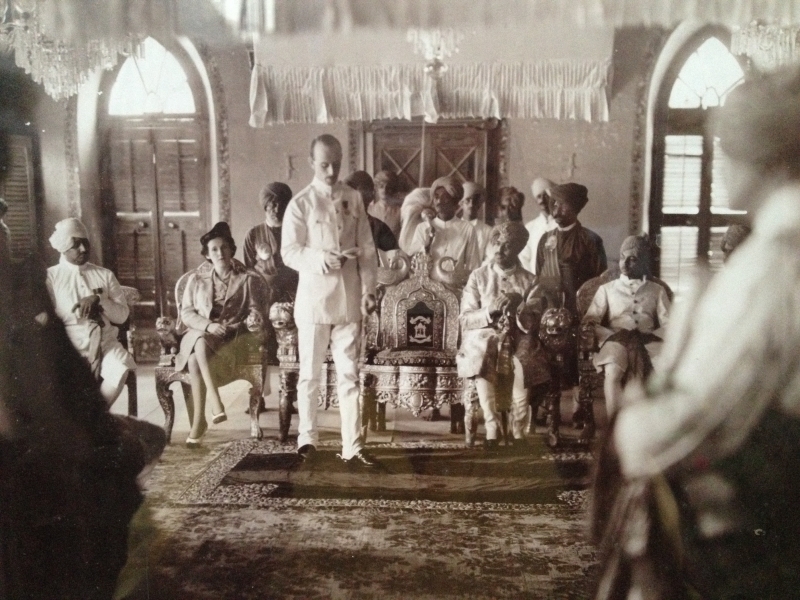
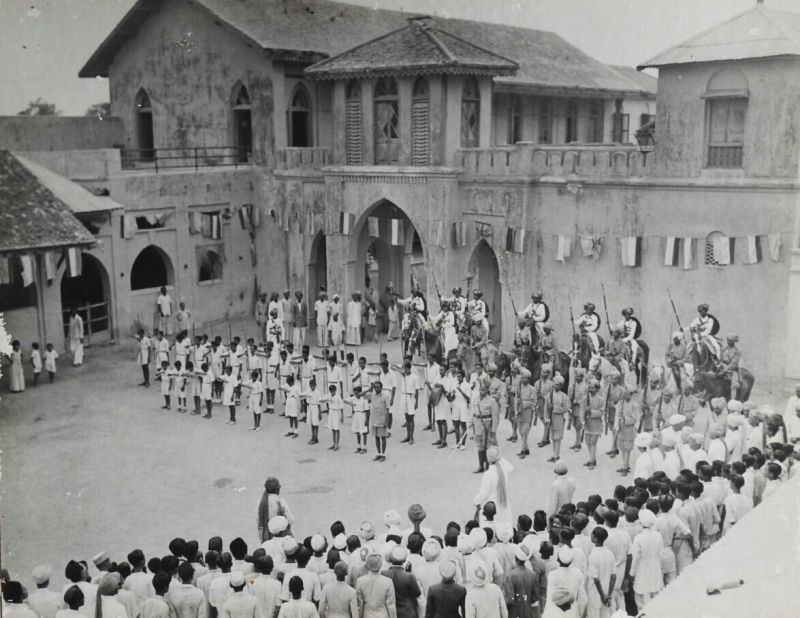
Under British paramountcy, Lakhtar was classified as a second-class princely state within the Kathiawar Agency of the Bombay Presidency. The Thakore Saheb was granted substantial civil and criminal jurisdictional powers. The administrative stability brought by the British protectorate allowed the state to pivot from military defense to civic development and infrastructure growth.
Administrative Reforms and Key Rulers
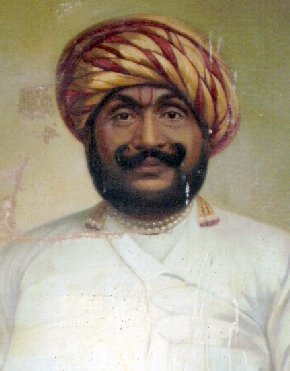
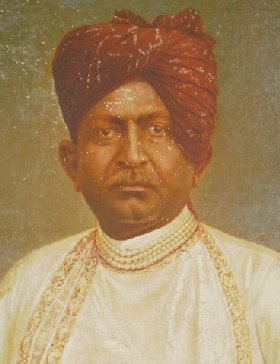
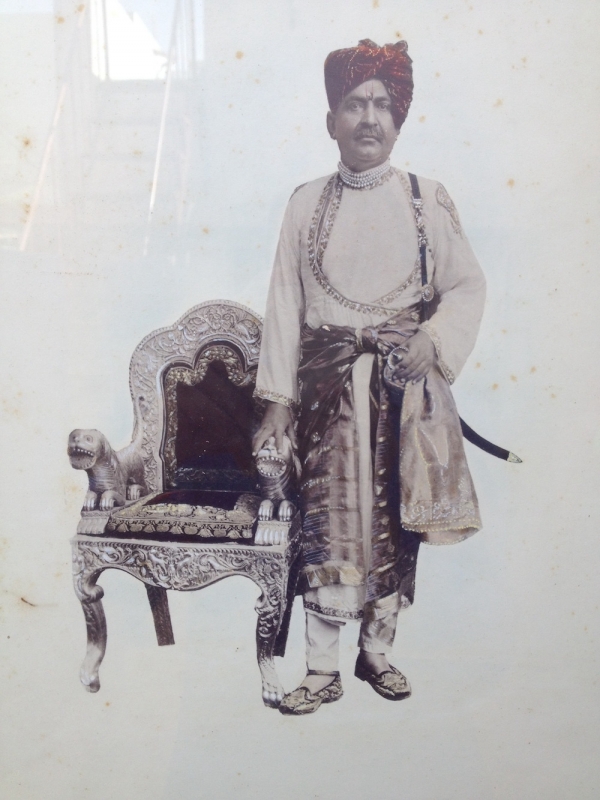
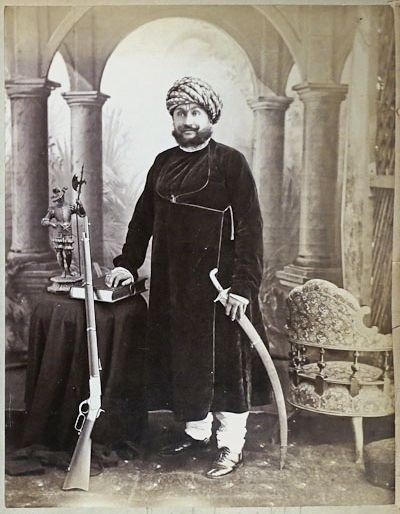
Lakhtar was blessed with several forward-thinking rulers who prioritised public welfare, education, and modern infrastructure. One of the most notable rulers of the late 19th and early 20th centuries was Thakore Saheb Karansinhji Vajirajji, who initiated extensive land revenue reforms, introduced modern police forces, and established primary schools for both boys and girls.
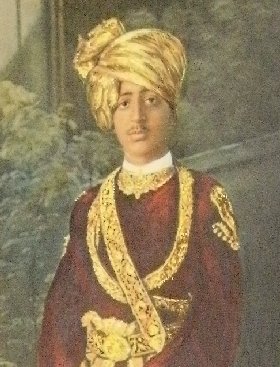
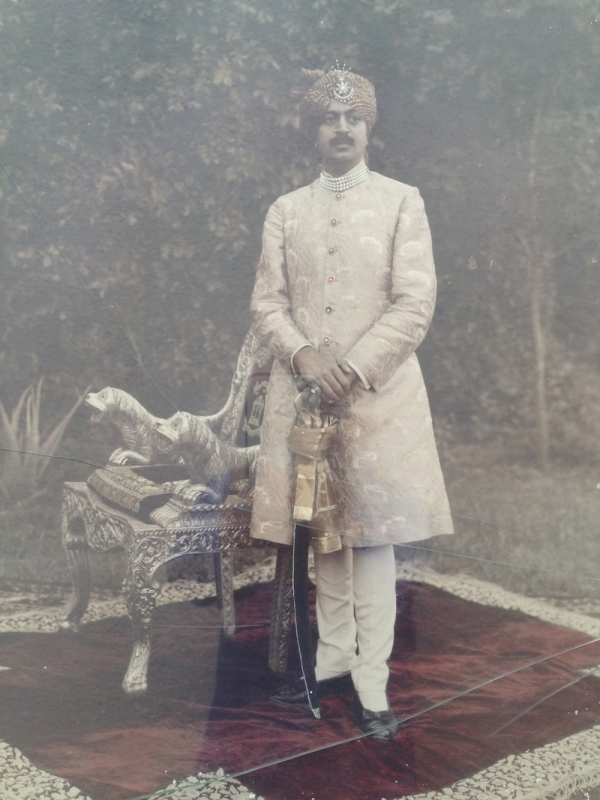
During the reign of Thakore Saheb Balvirsinhji Karansinhji (who succeeded in 1924), the state saw the construction of modern public buildings, improved road connectivity, and agricultural reforms. The state’s proximity to the railway network facilitated trade, primarily in cotton and food grains, making Lakhtar an important trading hub in the Jhalawar region. You can read more about the administrative divisions of this era in the historical records available at the Gazetteer of the Bombay Presidency (Kathiawar).
Post-Independence Integration and Modern Era
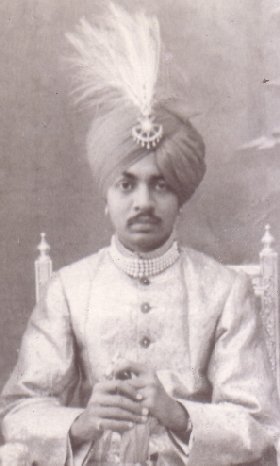
Following India's independence in August 1947, the last ruling chief of Lakhtar, Thakore Saheb Indrasinhji Balvirsinhji, signed the Instrument of Accession to the Dominion of India. On February 15, 1948, the state officially merged into the United State of Kathiawar, which later became the State of Saurashtra. In 1960, following the linguistic reorganization of Indian states, the region became an integral part of the newly formed Gujarat state.
Today, Lakhtar is a thriving taluka town within the Surendranagar district of Gujarat. The heritage of the Jhala rulers is preserved in the local architecture, historical stepwells, and the Lakhtar Palace, which stands as a silent witness to the state's royal past. For comprehensive geographical and administrative statistics of the princely era, historians refer to the Imperial Gazetteer of India (Volume 16).
Genealogy
- Thakore ABHAISINHJI CHANDRASINHJI, Thakore Sahib of Lakhtar 1604/1639, son of Raj Saheb Chandrasinhji of Dhrangadhra.
- Thakore VAJERAJJI ABHAISINHJI, Thakore Sahib of Lakhtar 1639/1665, married and had issue.
- Thakore Sahib Sheshmalji Vajerajji (qv)
- Kunwar Shri Kanaji Vajerajji
- Kunwar Shri Rayadharji Vajerajji
- Kunwar Shri Kalyansinhji Vajerajji, shared Modhwana with his brother.
- Kunwar Shri Karansinhji Vajerajji, shared Modhwana with his brother.
- Kunwar Shri Akherajji Vajerajji
- Kunwar Shri Laxmansinhji Vajerajji
- Kunwar Shri Kashiaji Vajerajji, received Savlana as his share of the patrimony.
- Kunwar Shri Samatsinhji Vajerajji
- Kunwar Shri Shaktiji Vajerajji
- Kunwar Shri Ratanji Vajerajji
- Thakore Sahib SHESHMALJI VAJERAJJI, Thakore Sahib of Lakhtar 1665/1696, married and had issue.
- Thakore Sahib Gopalsinhji Sheshmalji (qv)
- Kunwar Shri Jesangji Sheshmalji, shared Pedhda with his brother.
- Kunwar Shri Sangramji Sheshmalji, shared Pedhda with his brother.
- Kunwar Shri Ranmalji Sheshmalji, shared Pedhda with his brother and also shared Ravarni, Tarnetar and Hansiya with his brother.
- Kunwar Shri Keshavdasji Sheshmalji, shared Pedhda with his brother and also shared Ravarni, Tarnetar and Hansiya with his brother.
- Thakore Sahib GOPALSINHJI SHESHMALJI, Thakore Sahib of Lakhtar 1696/1714, married and had issue.
- Thakore Sahib Karansinhji Gopalsinhji (qv)
- Kunwar Shri Vikaji Gopalsinhji, shared Larkhadiya with his brother.
- Kunwar Shri Chandaji Gopalsinhji, received Sakar as his share of the patrimony.
- Kunwar Shri Kashiaji Gopalsinhji, died spm.
- Kunwar Shri Bhagaji Gopalsinhji, died spm.
- Kunwar Shri Hathisinhji Gopalsinhji, shared Larkhadiya with his brother.
- Thakore Sahib KARANSINHJI GOPALSINHJI, Thakore Sahib of Lakhtar 1714/1741, married and had issue.
- Thakore Sahib Abherajji Karansinhji (qv)
- Kunwar Shri Adaji Karansinhji, shared Keshariya and Dhanki-Malika with his brother.
- Kunwar Shri Punjaji Karansinhji, shared Keshariya and Dhanki-Malika with his brother.
- Kunwar Shri Modji Karansinhji, shared Keshariya and Dhanki-Malika with his brother.
- Kunwar Shri Lakhaji Karansinhji, shared Keshariya and Dhanki-Malika with his brother.
- Kunwar Shri Bachanji Karansinhji, received Karela as his share of the patrimony.
- Kunwar Shri Muluji Karansinhji, shared Sadad with his nephew.
- Kunwar Shri Jivajji Karansinhji
- Kunwar Shri Tamachiji Karansinhji
- Kunwar Shri Jesangji Karansinhji
- Kunwar Shri Akherajji Karansinhji
- Kunwar Shri Sujoji Karansinhji
- Thakore Sahib ABHERAJJI KARANSINHJI, Thakore Sahib of Lakhtar 1741/1769, married and had issue.
- Thakore Sahib Raydhanji Abherajji (qv)
- Kunwar Shri Hardholji Abherajji, shared Kalam with his brother.
- Kunwar Shri Rayabji Abherajji, shared Kalam with his brother.
- Kunwar Shri Kashiaji Abherajji, received Kadu as his share of the patrimony.
- Kunwar Shri Sahebji Abherajji, shared Sadad with his uncle.
- Thakore Sahib RAYDHANJI ABHERAJJI, Thakore Sahib of Lakhtar 1769/1798, married and had issue.
- Thakore Sahib Sangramji Raydhanji (qv)
- Thakore Sahib Chandrasinhji Raydhanji (qv)
- Kunwar Shri Akherajji Raydharji, received Ingordi as his share of the patrimony.
- Kunwar Shri Gondji Raydharji, received Olak as his share of the patrimony.
- Thakore Sahib SANGRAMJI RAYDHANJI, Thakore Sahib of Lakhtar in 1798
- Thakore Sahib CHANDRASINHJI RAYDHANJI, Thakore Sahib of Lakhtar 1798/1803
- Thakore Sahib PRITHIRAJJI CHANDRASINHJI, Thakore Sahib of Lakhtar 1803/1835, married and had issue. He died .
- Thakore Sahib Vajirajji Prathirajji (qv)
- Maharani Gena Bai, married Maharaja Gaekwad Govindrao Gaekwad Shamsher Bahadur of Baroda.
- Thakore Sahib VAJIRAJJI PRITHIRAJJI, Thakore Sahib of Lakhtar 1835/1846, died .
- Kunwar Akherajji Vajerajji, died spm.
- Thakore Sahib Karansinhji Vajerajji (qv)
- Thakore Sahib KARANSINHJI VAJIRAJJI C.S.I., Thakore Sahib of Lakhtar 1846/1924, born , succeeded 15th June 1846, C.S.I. [cr. 12.12.1911] (at Coronation Darbar at Delhi), married and had issue. He died .
- Bai Shri Sunderba, married to H.H. Maharana Shri Bhavsinhji of Porbandar
- Bai Shri Majirajba, married to Kumar Dipsinhji of Dhrol.
- Thakore Sahib Balvirsinhji Karansinhji (qv)
- Kunwar Shri Mansinhji Karansinhji, received Gangad as his share of the patrimony, died spm.
- Kunwar Shri Bhagwatsinhji Karansinhji, married and had issue, received Vadla as his share of the patrimony.
- Kumari Prankuverba [Panuba], married HH Thakore Saheb Shri Chandrasinhji Dipsinhji Saheb of Dhrol, and had issue, one daughter.
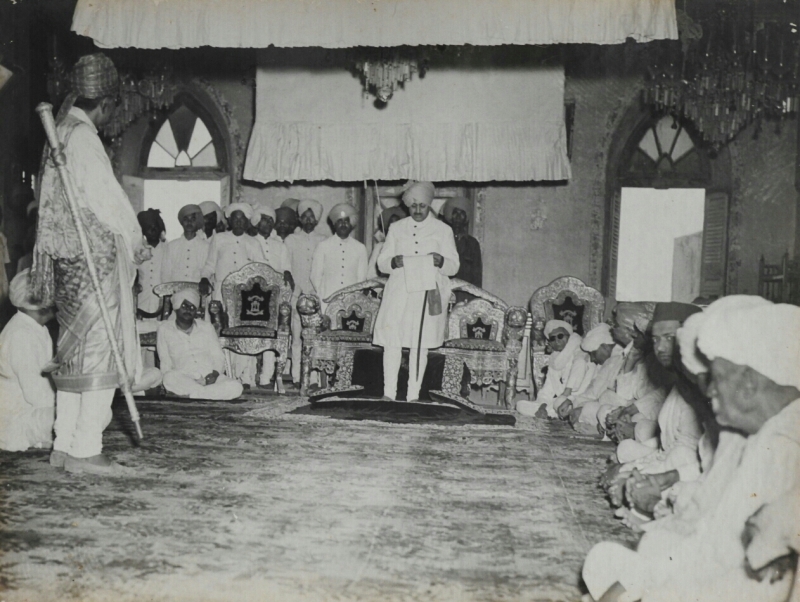
- Thakore Sahib BALVIRSINHJI KARANSINHJI C.S.I., Thakore Sahib of Lakhtar 1924/1940, born , he succeeded his father on 8th August 1924, educated at Rajkumar College, Rajkot, married daughter of Thakore Saheb SARTANSINHJI RAMABHAI, 20th Thakore Saheb of Muli [1870/1894] and had issue, 1st wife two sons and two daughters and 2nd wife have five sons and two daughters. The 2nd wife was from Dharampur.
- Thakore Sahib Shri Indrasinhji Balvirsinhji [from 1st wife] (qv)
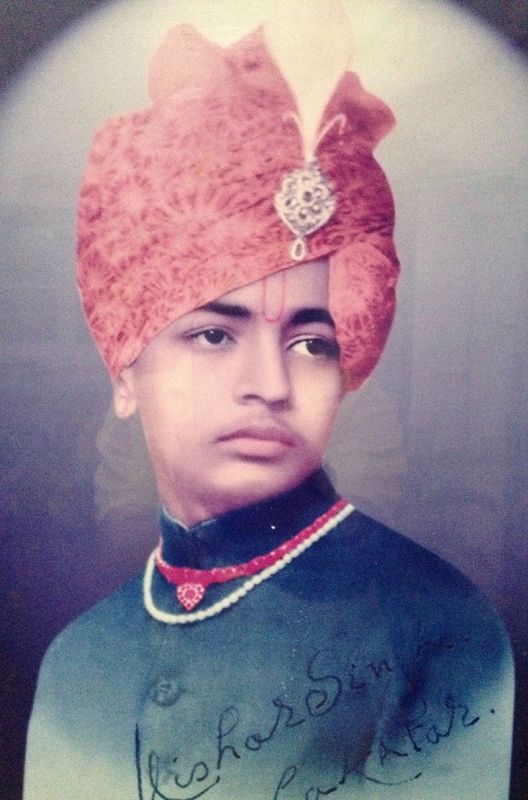
- Maharaj Kumar Sahib Shri Kishorsinhji Balvirsinhji [from 1st wife], born , educated at Panchgani High School; married Kumar Rani Jaychandra Kunwarba, daughter of Darbar Saheb Prabhatsinhji of Shapar, and had issue.
- Kunwar Shri Girirajsinhji Zala, married Kumari Dilherkunwarba, daughter of Thakore Saheb Kishorsinhji of Metral, and has issue.
- Kunwar Shri Rudraduttsinhji Girirajsinhji, married Kumari Durgeshwari Devi, daughter of Kumar Shri Balwantsinhji of Panched, and has issue.
- Kumari Devyani, married to Digveersinhji Jadeja, son of Rajveersinhji Jadeja, who is Kakasaheb of current Maliya Thakor Saheb.
- Kumar Manvendrasinh Zala
- Kumari Mohini, married Kumar Shri Kalikakumar Chudasama of Gamph.
- Kumari Padmini, married Kumar Shri Girirajsinhji Chudasama of Rojka.
- Kumari Yogini, married Kumar Shri Rajendrasinhji Rathore of Bakrol.
- Kumar Arjunsinhji Rathod
- Kumari Priyaba
- Kumari Brijeshwari, married Kumar Shri Pratapsinhji Jadeja of Roha.
- Kumari Rajeshwari, married Kumar Shri Surendrasinhji Parmar of Abhra.
- Kumari Meenakshi, married Kumar Shri Abhimanyusinhji Ranavat of Rajpur.
- Kunwar Shri Rudraduttsinhji Girirajsinhji, married Kumari Durgeshwari Devi, daughter of Kumar Shri Balwantsinhji of Panched, and has issue.
- Kunwar Shri Mayurdhwajsinhji Zala, married Kumari Amrapali Devi, daughter of Maharaj Shri Manvendrasinhji Jadeja of Khijadiya in Morvi, and has issue.
- Kumari Shri Devi, married Thakore Saheb Jayrajsinhji Solanki of Mogar, and has issue (see Wadhwan).
- Kumari Bhuneshwari Devi, married Kumar Shir Kirtirajsinhji Chouhan of Bhawaniya.
- Kunwar Shri Divyarajsinhji Zala, married Kumar Rani Nirmala Kumari, daughter of Thakore Saheb Bhimsinhji of Tharad, and has issue.
- Kunwar Shri Yashpalsinhji Divyarajsinhji Zala, married Kumar Rani Yogeshwari Devi, daughter of Thakur Shri Kailashsinhji of Thana (Mewar), and has issue.
- Kumar Sahib Shri Rudrapratapsinhji Yashpalsinhji Zala, born on , educated at Rajkumar College, Rajkot. Now doing B.A in Political science from Maharaja Sayajirao University of Baroda.
- Kunwar Shri Yashpalsinhji Divyarajsinhji Zala, married Kumar Rani Yogeshwari Devi, daughter of Thakur Shri Kailashsinhji of Thana (Mewar), and has issue.
- Kunwar Shri Girirajsinhji Zala, married Kumari Dilherkunwarba, daughter of Thakore Saheb Kishorsinhji of Metral, and has issue.
- Kunwar Shri Juwansinhji Balvirsinhji, shared Kishol-Mahal with his brothers.
- Kunwar Shri Vikramsinhji Balvirsinhji, shared Kishol-Mahal with his brothers.
- Kunwar Shri Mahendrasinhji Balvirsinhji, shared Kishol-Mahal with his brothers.
- Kunwar Shri Natvarsinhji Balvirsinhji, Barrister educated at the Inns of Court in London, fl.1974, shared Kishol-Mahal with his brothers.
- Kunwar Shri Jaiveersinhji Balvirsinhji, shared Kishol-Mahal with his brothers.
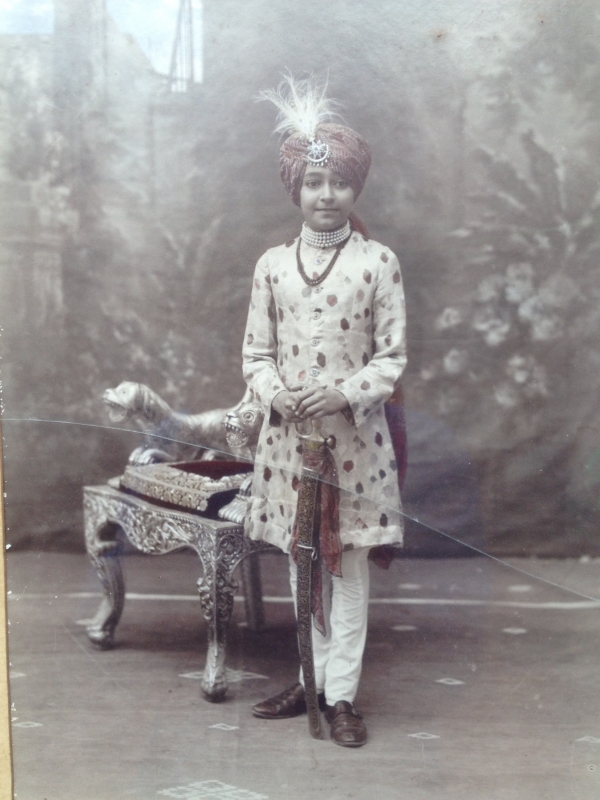
- Thakore Sahib Shri INDRASINHJI BALVIRSINHJI, Thakore Sahib of Lakhtar 1940/- , born and succeeded 2nd July 1940, educated at Rajkumar College, Rajkot; married and had issue.
- Thakore Sahib BALBHADRASINHJI INDRASINHJI, Thakore Sahib of Lakhtar (see above)
- Kumari of Lakhtar, married Thakur Nahar Singh of Auwa, and had issue.