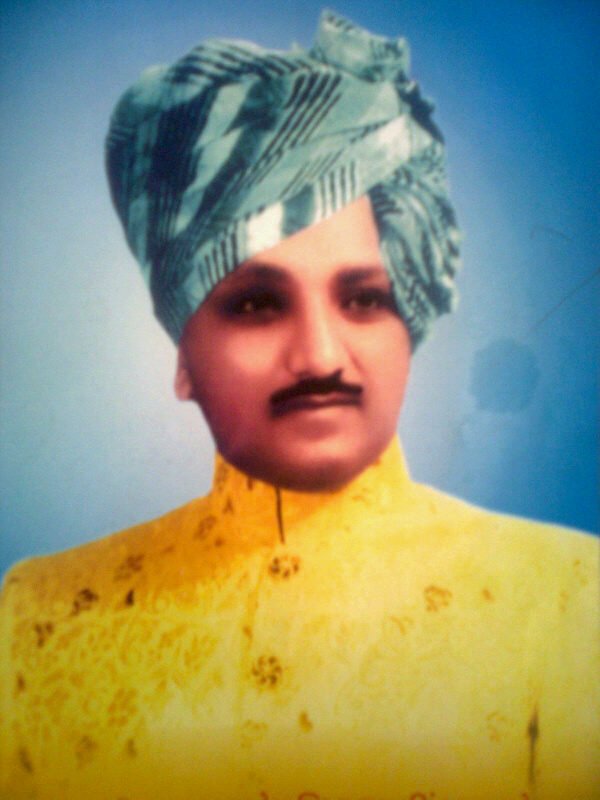
Present Head
History
Origin and Foundation (1193 – 1307)
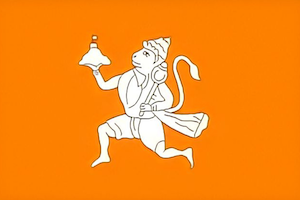
The princely state of Porbandar boasts one of the most ancient lineages in the Kathiawar peninsula of Gujarat, ruled by the illustrious Jethwa Rajput dynasty. The Jethwas claim a divine ancestry, tracing their lineage back to Makardhwaja, the son of the Hindu deity Hanuman. The predecessor state of Porbandar was founded in 1193 by Rana Bhanji Jethwa, who established a strong foothold in the region after the decline of earlier local dynasties. During this early period, the Jethwa rulers held sway over a vast territory in western Saurashtra, battling rival clans and foreign invaders to secure their sovereign rights over the land.
The Medieval Transitions: Ranpur and Chhaya (1307 – 1785)
The geopolitical center of the state shifted multiple times due to strategic military necessities and local conflicts:
- Ranpur (1307): Following intense conflicts and the destruction of their historical capital at Ghumli by the Jadeja rulers of Sindh, the Jethwas shifted their capital to Ranpur under the leadership of Rana Sangaji in 1307. Here, they fortified their positions and adapted to the changing medieval power structure of Gujarat.
- Chhaya (1574): In 1574, Rana Bhanji Ramji chose to move the capital further south to Chhaya. This move was prompted by the expanding influence of the Mughal Empire and the need for a more defensible stronghold. In Chhaya, the Jethwa rulers constructed a formidable fort and successfully preserved their autonomy by navigating complex alliances with the Mughal viceroys of Gujarat.
Establishment of the Porbandar Capital (1785)
The final and most significant relocation occurred in 1785 when Rana Sartanji II shifted the capital from Chhaya to the coastal port city of Porbandar. Recognizing the vast economic potential of maritime trade, Rana Sartanji fortified Porbandar with massive stone walls, bastions, and a protected harbor. The transition to Porbandar transformed the state from a land-bound principality into a prosperous maritime power, dealing in cotton, stone, and spices with Arabian, East African, and Persian Gulf ports.
The British and Maratha Periods
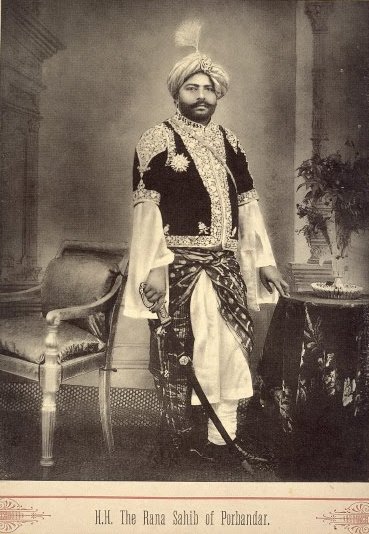
During the late 18th century, Porbandar faced constant pressure from the Gaekwad dynasty of Baroda and the Peshwas, to whom they were obliged to pay tribute. To secure protection against external threats and internal rebellion, Porbandar entered into a treaty with the British East India Company. In 1807, during the historic Walker Settlement led by Colonel Alexander Walker, Porbandar officially became a British protectorate. It was classified as a First Class State within the Kathiawar Agency. The state was granted a 13-gun salute, and succession was governed strictly by the traditional law of primogeniture.
Prominent Rulers and Key Reformers
Porbandar was blessed with visionary rulers and administrators who steered the state toward modernization:
- The Gandhi Dewan Family: The administrative efficiency of Porbandar was largely managed by capable Dewans. Notable among them was Karamchand Gandhi, the father of Mahatma Gandhi, who served as the Diwan of Porbandar. His son, Mohandas Karamchand Gandhi (Mahatma Gandhi), was born in Porbandar on October 2, 1869, immortalizing the city on the global stage.
- Maharana Bhavsinhji Madhavsinhji (r. 1900–1908): A highly progressive ruler, he established modern educational institutions, introduced the local railway network, and laid the foundation for the famous Porbandar stone quarrying industry.
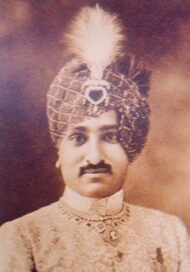
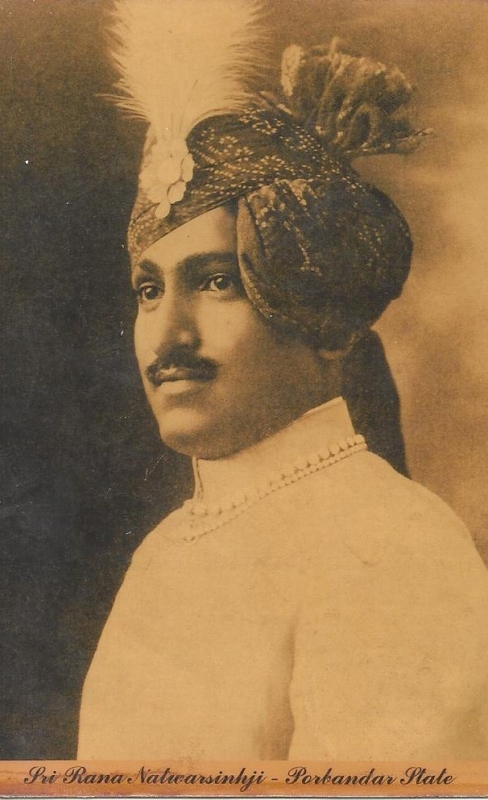
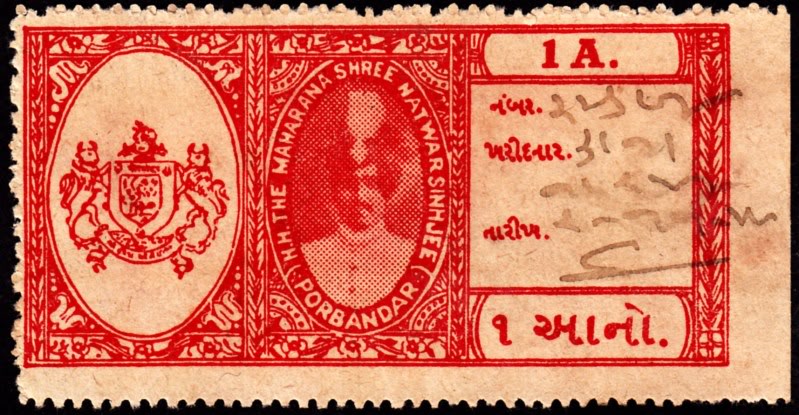
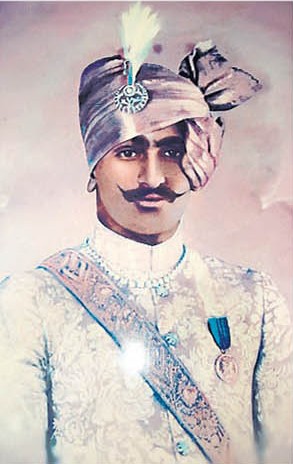
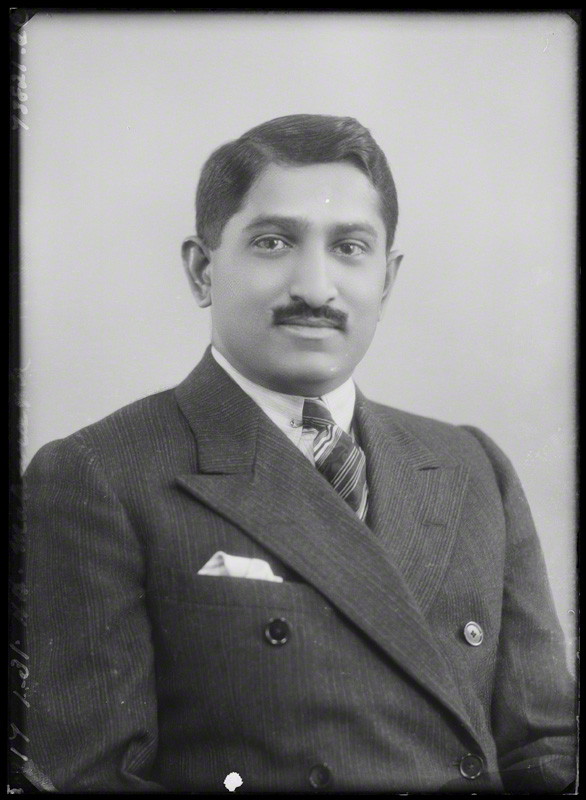
- Maharana Sir Natwarsinhji Bhavsinhji (r. 1908–1948): The last ruling Maharaja of Porbandar, he was an enlightened statesman, writer, and an accomplished musician. A passionate sportsman, he captained the Indian cricket team on its historic first-ever Test tour of England in 1932. He established the Maharana Mills and oversaw the industrialization of the state.
Post-Independence and Modern Era
Following the partition and independence of India in August 1947, Maharana Natwarsinhji signed the Instrument of Accession, merging the state into the Dominion of India. On February 15, 1948, Porbandar officially integrated into the United State of Kathiawar, which later became the Saurashtra State. In 1960, with the linguistic reorganization of Indian states, the region became an integral part of the newly created state of Gujarat.
Today, Porbandar is a thriving port city, an industrial hub famous for its cement and chemical industries, and a world-renowned pilgrimage site. The ancestral home of Mahatma Gandhi, preserved as the Kirti Mandir, stands as a monument to peace and attracts visitors from all over the world.
References and Further Reading
- To explore more about the history of the Kathiawar Agency and the Jethwa rulers, visit the Porbandar State Wikipedia Page.
- For detailed geographical and historical gazetteers, refer to the Encyclopaedia Britannica - Porbandar.
- Read about the life and contributions of the rulers of Saurashtra in the Project Gutenberg Historical Archives.
Genealogy
- Rana SAGHJI, Jethwa ruler and 1st Rana 1120/1150
- Rana SHIYOJI, Jethwa ruler
- Rana VIKIOJI, 154th Jethwa ruler 1193/1220
- Rana WAJSIJI, 155th Jethwa ruler 1220/1245
- Rana BHANJI, 160th Jethwa ruler and Rana of Ranpur 1307/1360
- .....
- Rana KHIMAJI I, 167th Jethwa ruler and Rana of Ranpur, married (amongst others), a daughter of Jam Shri Vibhaji Ravalji of Nawanagar, and had issue.
- Rana Ramdevji IV (qv)
- Rana RAMDEVJI IV, 168th Jethwa ruler and Rana of Ranpur 1550/1574, married and had issue. He died .
- generation
- Rana Khimaji II (qv)
- generation
- Rana KHIMAJI II, 169th Jethwa ruler and Rana of Chhaya 1574/1626, died .
- Rana VIKMATJI II, 170th Jethwa ruler and Rana of Chhaya 1626/1671
- Rana KHIMAJI III, 171st Jethwa ruler and Rana of Chhaya 1671/1699, married and had issue.
- Rani As Kunwarba Sahiba, married Raj Sahib Meghrajji II Amarsinhji of Dhrangadhra.
- Rana BHIMSINHJI, 172nd Jethwa ruler and Rana of Chhaya 1699/1709, married and had issue.
- Rani Manba Sahiba, married (as his 10th wife), Raj Sahib Meghrajji II Amarsinhji of Dhrangadhra.
- Rana SULTANJI, ?Rana of Chhaya?, married and had issue.
- generation
- Rana Khimaji IV (qv)
- generation
- Rana KHIMAJI IV, 173rd Jethwa ruler and Rana of Chhaya 1709/1728, died .
- Rana VIKMATJI KHIMAJI III, 174th Jethwa ruler and Rana of Chhaya 1728/1759
- Rana SULTANJI IV VIKMATJI, 175th Jethwa ruler and Rana of Chhaya 1759/1785 then Rana of Porbandar 1785/1804 and 1812/1813, married (amongst others), Rani Bonjiba Sahiba, daughter of Raj Sahib Gajsinhji Raisinhji of Dhrangadhra, and his second wife, Rani Phuljiba Sahiba, and had issue. He died .
- Rana Halaji Sultanji (qv)
- Kumar Shri Abhaisinhji Sultanji, of the Kathevana branch, married and had issue.
- Kumar Shri Meghrajji Abhaisinhji, married and had issue.
- Kumar Shri Kalubha Meghrajji, died sp.
- Kumar Shri Gagjibhai Abhaisinhji, married and had issue.
- Kumar Shri Nagsinhji Gagjibhai, married and had issue.
- Kumar Shri Balubha Nagsinhji, married and had issue.
- Kumar Shri Mohansinhji Balubha, married and had issue.
- Kumar Shri Sardarsinhji Nagsinhji, married and had issue.
- Kumar Shri Samatsinhji Nagsinhji, married and had issue.
- Kumar Shri Devubha Nagsinhji, married and had issue.
- Kumar Shri Mobatsinhji Devubha
- Kumar Shri Manubha Nagsinhji, married and had issue.
- Kumar Shri Mangalsinhji Manubha
- Kumar Shri Balubha Nagsinhji, married and had issue.
- Kumar Shri Abhairaji Gagjibhai, married and had issue.
- Kumar Shri Gagubha Abhairaji, married and had issue.
- Kumar Shri Mahipatsinhji Gagubha
- Kumar Shri Gagubha Abhairaji, married and had issue.
- Kumar Shri Nagsinhji Gagjibhai, married and had issue.
- Kumar Shri Meghrajji Abhaisinhji, married and had issue.
- Rana HALAJI SULTANJI, 176th Jethwa ruler and Rana of Porbandar 1804/1812, of the Shrinagar branch, married and had issue. He died .
- Rana Khimaji Halaji (qv)
- Kumar Shri Ramsinhji Halaji, married and had issue.
- Kumar Shri Naransinhji Ramsinhji, married and had issue.
- Kumar Shri Motiji Naransinhji, married and had issue.
- Kumar Shri Shivsinhji Motiji, married and had issue.
- Kumar Shri Indrasinhji Shivsinhji Jethwa, educated at Rajkumar College, Rajkot (1949); married and had issue.
- Kumar Shri Rajendrasinhji Indrasinhji Jethwa, educated at Rajkumar College, Rajkot (1976)
- Kumar Shri Kishansinhji Shivsinhji Jethwa, educated at Rajkumar College, Rajkot (1954).
- Kumar Shri Dharmendrasinhji Shivsinhji, educated at Rajkumar College, Rajkot (1964).
- Kumar Shri Indrasinhji Shivsinhji Jethwa, educated at Rajkumar College, Rajkot (1949); married and had issue.
- Kumar Shri Kesubha Motiji
- Kumar Shri Ramsinhji Motiji
- Kumar Shri Shivsinhji Motiji, married and had issue.
- Kumar Shri Motiji Naransinhji, married and had issue.
- Kumar Shri Naransinhji Ramsinhji, married and had issue.
- Rana KHIMAJI HALOJI [Pratirajji], 177th Jethwa ruler and Rana of Porbandar (1812?) 1813/1831
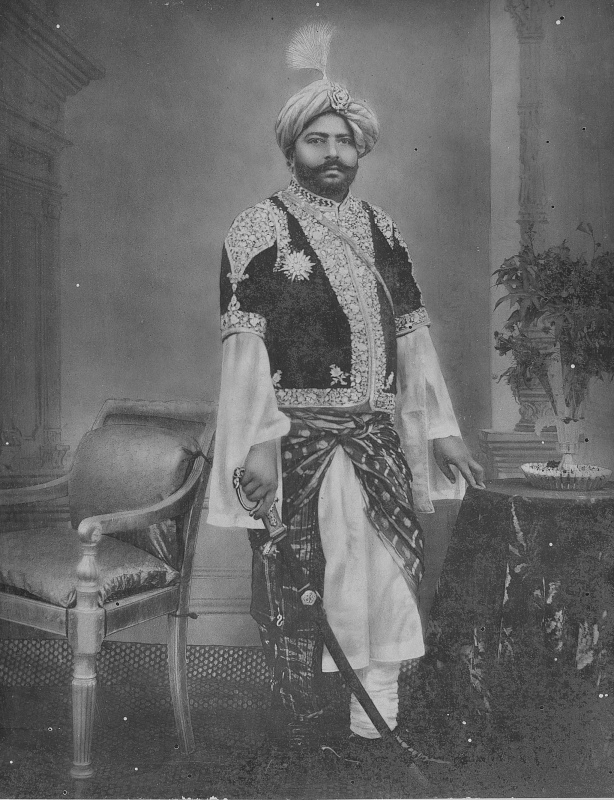
- HH Rana Sahib VIKMATJI IV KHIMAJI, 178th Jethwa ruler and Rana of Porbandar 1831/1894, born , succeeded 20th June 1831, married (amongst others), HH Rani Bonjiba Sahiba, daughter of Raj Sahib Amarsinhji Raisinhji of Dhrangadhra, and his sixth wife, Rani Ram Kunwarba Sahiba, and had issue. He died .
- Yuvraj Saheb Madhavsinhji Vikmatji, married and had issue. He died vp before 1900.
- HH Rana Sahib Bhavsinhji Madhavsinhji Bahadur (qv)
- Kumar Shri Pratapsinhji Vikmatji, died sp.
- Kumar Shri Hamirsinhji Vikmatji of Bapodar, married and had issue.
- Kumar Shri Vajesinhji Hamirsinhji, married and had issue.
- Kumar Shri Dadubha Vajesinhji Jethwa
- Kumar Shri Vajesinhji Hamirsinhji, married and had issue.
INTERREGNUM 1894/1900
- Yuvraj Saheb Madhavsinhji Vikmatji, married and had issue. He died vp before 1900.
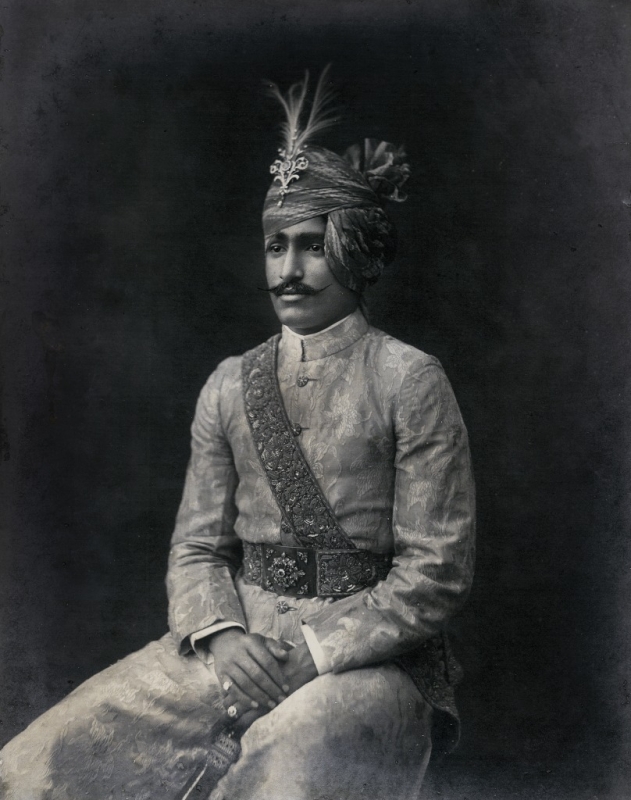
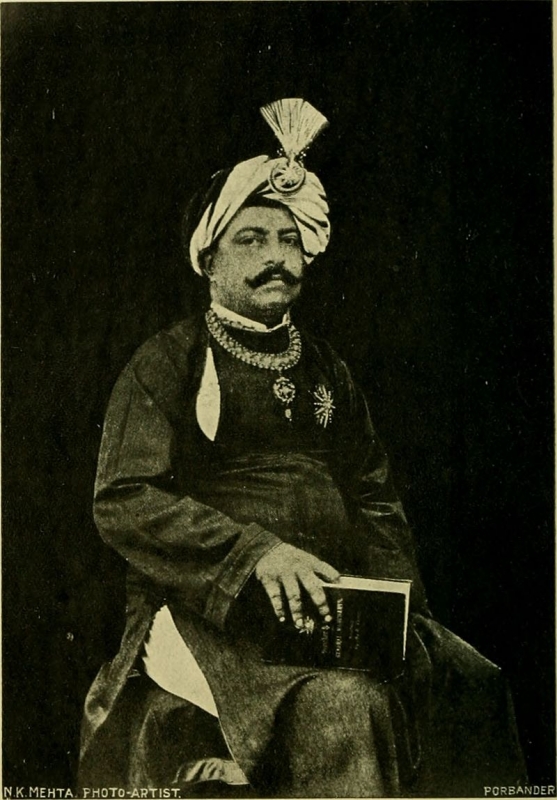
- HH Rana Sahib BHAVSINHJI MADHAVSINHJI Bahadur, 179th Jethwa ruler and Rana of Porbandar 1900/1908, educated at Rajkumar College, Rajkot; succeeded to the gaddi 15th September 1900, married (a), a daughter of Thakur Saheb Suraji II Surtanji of Virpur, married (b), 1902, a daughter of HH Thakur Sahib Takhatsinhji Jaswantsinhji of Bhavnagar, and had issue. He died .
- Lt.Col. HH Maharaja Rana Sahib Shri Sir Natwarsinhji Bhavsinhji Bahadur (qv)
- Lt.Col. HH Maharaja Rana Sahib Shri Sir NATWARSINHJI BHAVSINHJI Bahadur, 180th Jethwa ruler and Maharaja Rana of Porbandar 1908/1979, born , Investiture was held on 26th January 1920, K.C.S.I., Maharaja Rana Sahib [cr.1918], educated at Rajkumar College, Rajkot (Diploma 1918); Captain of the All India Cricket Team in 1932; married 1stly, 5th February 1920, HH Maharani Shri Rupaliba Sahiba, M.B.E., died , daughter of HH Thakore Sahib Shri Sir Daulatsinhji Jashwantsinhji [Dadha Muluji] of Limbdi, married 2ndly, 20th November 1954, Maharani Anant Kunverba (a Welsh lady), died . He died sp 4th October 1979 at Porbandar. His heir was a distant cousin, Kumar Shri Udaybhan Sinhji Bahadur, who died sp in 1973, as a result, there is no representative of the Royal Family presently known, although a number of young nobles of the Morana, Ratdi, Shrinagar, Pandavadar and Baredia branches were eligible for adoption. The property was inherited by the second family of Maharani Anant Kunverba.
- Maj.-Gen. Kumar Shri Chandrasinhji Desaiji Jethwa of Morana, educated at Rajkumar College, Rajkot (1951); I.A. (ret'd.), President of the Old Boys Association of Rajkumar College 1997/2000, died .
- K.S.Rajdeepsinh Jethwa, educated from Rajkumar College, Rajkot.
- Lt.Col.Krishnadeepsinh Jethwa, educated from Rajkumar College, Rajkot.
- Kumar Shri Hamirsinhji Takhatsinhji Jethwa, educated at Rajkumar College, Rajkot (1952)
- Rani Badan Kunwarba Sahiba, married (as his fifteenth wife), Raj Sahib Raisinhji Pratapsinhji of Dhrangadhra.
- Kumar Shri Pratapsinhji Jethwa of Srinagar, married 1976, Kumari Kiran Kunverba, daughter of Rana Shri Udaisinhji Mansinhji Sahib of Bhadakva, and his wife, Rani Bharati Kunwarba Sahiba.
Notable Figures
Rana Sartanji II (r. 1757 – 1813)
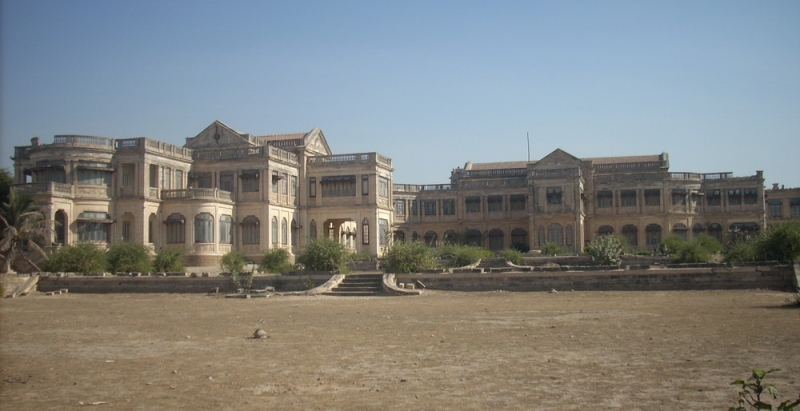
Rana Sartanji II was a pivotal ruler of the Jethwa dynasty who shifted the capital of the state from Chhaya back to Porbandar in 1785. Recognizing the geopolitical and commercial value of the coast, he constructed the massive stone fortifications around Porbandar town, complete with bastions and heavy artillery, as well as the historic Darbargadh Palace. His strategic foresight transformed Porbandar into a highly secure and prosperous maritime port city in the Kathiawar peninsula.
During his long reign, Porbandar frequently defended its territories against raids from neighboring states and maritime pirates. His rule established the foundational infrastructure that allowed Porbandar to thrive as an independent mercantile state before the onset of British paramountcy in Kathiawar.
- For more details on the state's transition under his reign, see the Porbandar State Wikipedia Page.
- Refer to historical records in the Gazetteer of the Bombay Presidency: Kathiawar (Volume VIII).
Rana Khimojiraj (r. 1813 – 1831)
Rana Khimojiraj succeeded to the gaddi (throne) during a turbulent period of political realignment in Gujarat. In 1807, during the settlement of Kathiawar by the British East India Company and the Gaekwad of Baroda (known as the Walker's Settlement), Porbandar accepted British suzerainty. Under Rana Khimojiraj's reign, the formal treaty of 1809 was strictly observed, which brought much-needed stability and protection from the aggressive expansions of neighboring states.
His reign was marked by efforts to stabilize the state's finances, which had been depleted by decades of warfare and tribute demands. By cooperating with British administrators, he secured the maritime trade routes, laying the groundwork for Porbandar's 19th-century commercial boom.
- Read about the treaty alignments on the Porbandar State Wikipedia Page.
Rana Vikramatji Khimojiraj (r. 1831 – 1900)
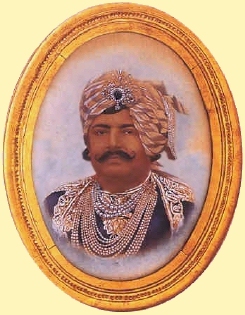
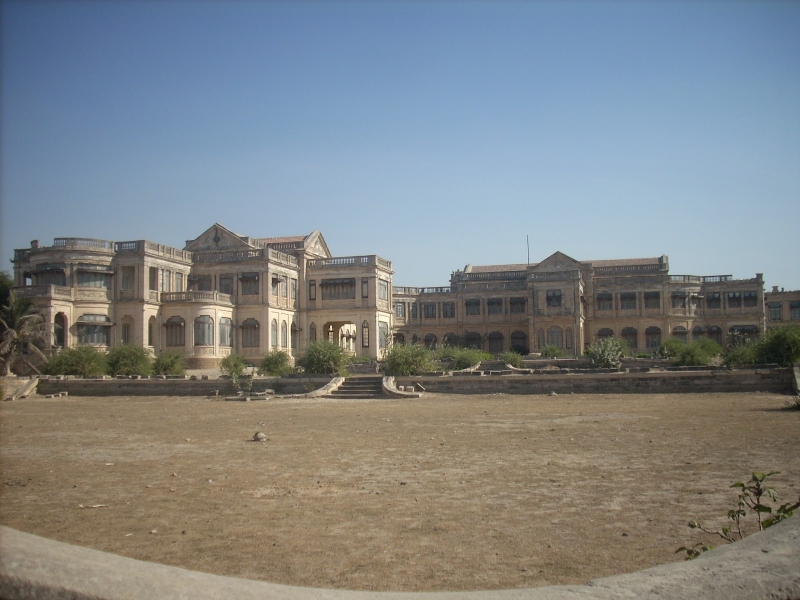
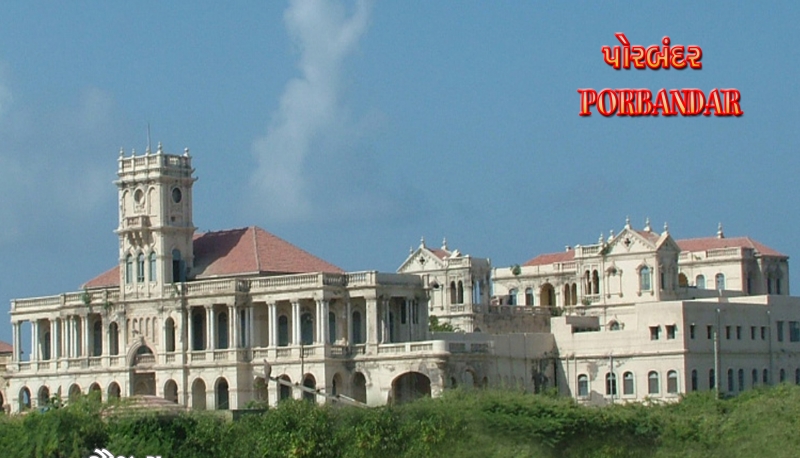
Succeeding as an infant in 1831, Rana Vikramatji Khimojiraj's early reign was managed under the capable regency of his mother, Rani Rupaliba, until he attained full ruling powers in 1841. His incredibly long reign of nearly seven decades saw monumental changes in Porbandar, spanning the transition of India from Company rule to the British Crown. He was a ruler of traditional tastes but oversaw the physical modernization of his state, including the construction of the public offices, school buildings, and the majestic Huzur Palace.
In his later years, administrative disputes with the British authorities led to a temporary curtailment of his powers, and the state was placed under joint administration. Despite these political frictions, his long tenure is remembered as an era of peace, infrastructural development, and deep cultural preservation.
- View his biographical profile on the Vikramatji Khimojiraj Wikipedia Page.
- Detailed accounts of his administration can be found in the Ruling Chiefs, Nobles and Zamindars of India.
Rana Bhavsinhji Madhavsinhji (r. 1900 – 1908)
Rana Bhavsinhji Madhavsinhji was a highly progressive and reformist ruler who succeeded his grandfather, Rana Vikramatji. Having received a modern education at the Rajkumar College in Rajkot, he was determined to modernize Porbandar's administration. He established the first local municipal system, introduced comprehensive judicial reforms, and championed the cause of public education, with a special emphasis on establishing schools for girls.
His short but impactful reign also saw the expansion of the Porbandar State Railway, which connected the port city to the wider Indian railway network, vastly boosting the export of Porbandar stone and local agricultural produce. He also established the state's first printing press to publish official gazettes and promote local literature.
- Learn more about his progressive reforms on the Bhavsinhji Madhavsinhji Wikipedia Page.
Maharana Natwarsinhji Bhavsinhji (r. 1908 – 1979)
Maharana Maharaja Rana Shri Sir Natwarsinhji Bhavsinhji was the last ruling Maharaja of Porbandar and arguably the most famous internationally. Succeeded as a minor in 1908, he was invested with full ruling powers in 1920. He was a highly cultured polymath—an accomplished painter, a classical musician, and a legendary sportsman. He famously captained the first-ever Indian Test cricket team during its historic tour of England in 1932.
Under his administration, Porbandar saw rapid industrialization, including the establishment of cement factories, textile mills, and chemical plants. He was a close associate of Mahatma Gandhi (who was born in Porbandar, where Gandhi's father and grandfather had served as Dewans of the state) and contributed generously to the construction of the Kirti Mandir memorial. In 1948, Maharana Natwarsinhji signed the Instrument of Accession, merging his state into the United State of Kathiawar (Saurashtra), which later became part of modern Gujarat.
- Read about his multifaceted life on the Natwarsinhji Bhavsinhji Wikipedia Page.
- For details on his cricketing career, visit the ESPNcricinfo Profile of Maharaja of Porbandar.