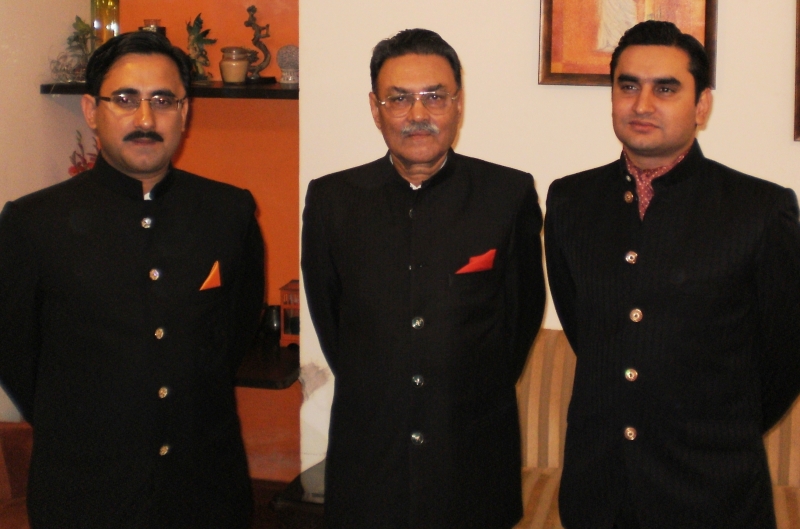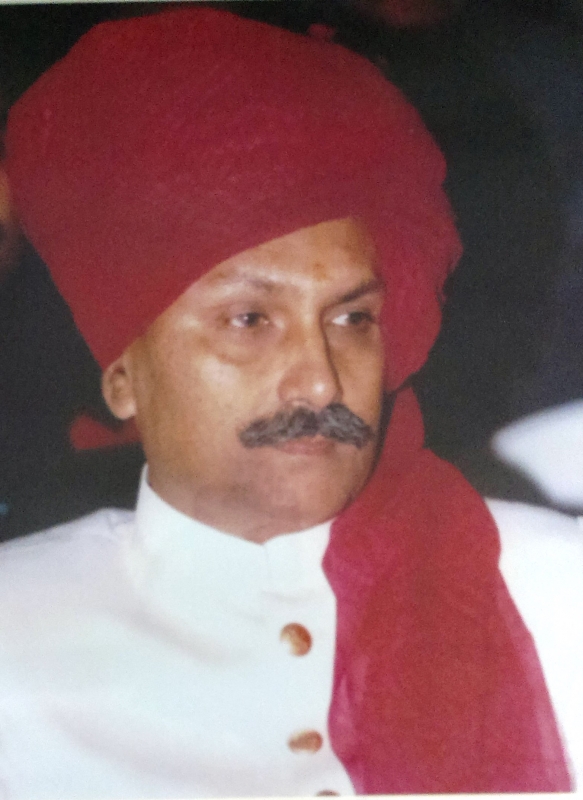
Present Head
- Rajkumar Anirudh Singh, born , studied at Hindu College D.U. and IIM Kolkata, married to Kunwarani Amrita Singh and has issues.
- Kumari Riya Singh, born , studying at Mumbai.
- Rajkumar Akshay Singh, born , educated at Delhi University, St. Xavier's Mumbai and Nanyang Technological University, Singapore. He married Kunwarani Bhumika Kumari Singh, daughter of Thakur Narendra Singh and Rani Saheba Narendra Singh of Bidwal (Dhar- MP) and has an issue.
- Kumari Saatwiki Raje Singh, born .
History
The Rise of the Gaur Dynasty in Pawayan
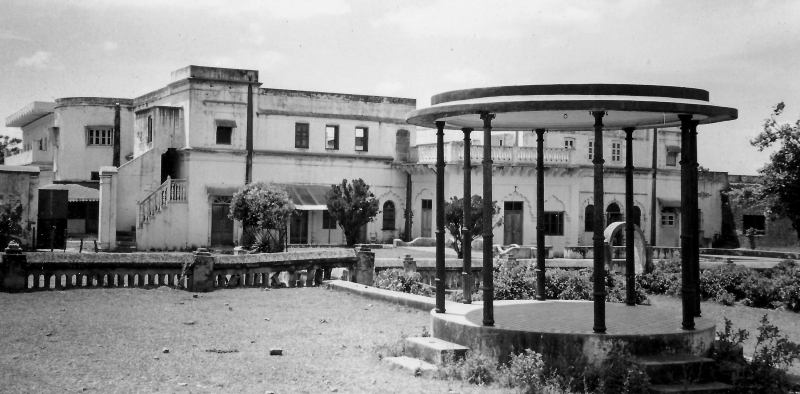
Following the foundation of the fortress in 1705 AD by Raja Udai Singh, the Gaur Rajputs of Pawayan consolidated their authority over the fertile plains of Rohilkhand. Positioned strategically, the estate served as a bulwark against the regional geopolitical fluctuations involving the Nawabs of Awadh, the Rohilla Afghans, and the expanding Maratha Empire. Over the 18th century, the rulers of Pawayan expanded their agricultural base, constructed security outposts, and fostered local trade, which eventually transformed Pawayan into the preeminent Zamindari estate in the Shahjahanpur region. Detailed historical records of this territorial expansion and administrative organization can be explored through the official Shahjahanpur District Administration archives.
The Role in the Uprising of 1857
The Pawayan state played a pivotal and controversial role during the Indian Rebellion of 1857 (First War of Independence). In 1858, as the British forces gradually regained control of Northern India, the legendary rebel leader Maulvi Ahmadullah Shah (famously known as the Maulvi of Faizabad) sought to build a united front against the British. He marched towards Pawayan to enlist the military assistance of Raja Jagannath Singh of Pawayan.
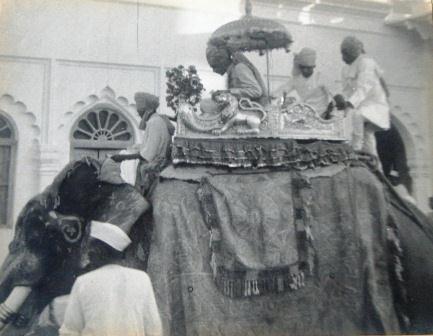
Raja Jagannath Singh, assessing the might of the East India Company and seeking to protect his territory from destruction, refused to join the rebel alliance and closed the gates of the Pawayan Fort. On June 15, 1858, a confrontation ensued at the palace gates. The Maulvi, riding an war elephant, attempted to breach the fort's defenses. During the skirmish, Baldeo Singh, the brother of Raja Jagannath Singh, shot and killed the Maulvi.
Following his death, the Maulvi's head was severed and delivered to the British District Magistrate at Shahjahanpur. This act effectively crushed the rebellion in the Rohilkhand sector. For this loyalty and crucial assistance, the British Government awarded Raja Jagannath Singh a massive bounty of 50,000 rupees and formally recognized the hereditary title of 'Raja', ensuring the estate's security and prosperity throughout the British Raj. Further documentation on this historical encounter can be read in the biographical records of Ahmadullah Shah.
British Period and Estate Administration
Under the British Raj, the Tilakdhari Rajas of Pawayan enjoyed a highly privileged status among the Oudh and Rohilkhand aristocracy. The estate was vast, comprising 537 villages spread across the Parganas of Pawayan, Baragaon, and Khutar. The Rajas of Pawayan were noted for their administrative reforms, introducing structured revenue systems, building local schools, and establishing primary healthcare facilities in the region. Their patronage of arts, classical music, and traditional wrestling (Dangal) made Pawayan a cultural hub in northern Uttar Pradesh.
Post-Independence and Modern Era
Following India’s independence in 1947 and the subsequent passing of the Uttar Pradesh Zamindari Abolition and Land Reforms Act in 1950, the princely privileges and vast landholdings of the Pawayan Estate were integrated into the Indian Union. Despite the loss of their feudal revenue rights, the descendants of the Pawayan royal family remained prominent in public life, transitioning successfully into democratic politics, social service, and agriculture. The historic Pawayan Fort still stands today as a majestic symbol of the Gaur Rajput legacy, representing centuries of political influence, military resilience, and cultural heritage in Rohilkhand.
Genealogy
- Raja UDAI SINGH, founder and first Raja of Pawayan.
- Raja JASWANT SINGH, 2nd Raja of Pawayan
- Raja BHAGWANT SINGH, 3rd Raja of Pawayan
- Raja RAGHUNATH SINGH, 4th Raja of Pawayan 1802/1825, married Rani Raj Kunwari (qv), and had adoptive issue.
- (A) Raja Jagannath Singh (qv)
- Rani Raj Kunwari, 5th Rani of Pawayan 1825/1850
- Raja JAGANNATH SINGH, 6th Raja of Pawayan 1850/1880, born , during his rule, the rebel leader, Maulvi Ahmad-ullah Shah was killed at the outer gate of the Pawayan Fortress in a skirmish when the Maulvi was trying to forcefully break through the outer gate, he adopted his nephew, married and had adoptive issue.
- (A) Raja Fateh Singh (qv)
COURT OF WARDS 1880/1889
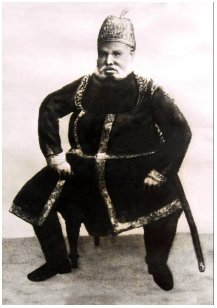
- Raja FATEH SINGH, 7th Raja of Pawayan 1889/1906, born , he succeeded by adoption to the gadi on 17th May 1889, a scholar of repute and an honourary magistrate for the tehsil; married, and had issue, two sons. He died .
- Raja Indra Vikram Singh (qv)
- Kunwar Vijai Varma, married and had issue, one daughter. He died .
- Shrimati Kumari Vijai Kunwari
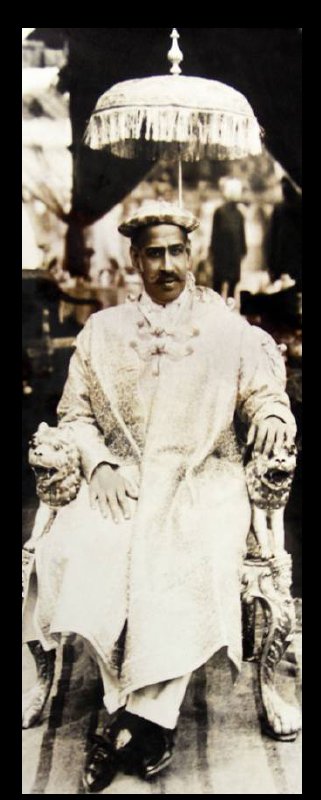
- Raja INDRA VIKRAM SINGH, 8th Raja of Pawayan 1906/1928, married 1stly, Rani Griha Rajya Laxmi Devi of the Shah family of Nepal, married 2ndly, Rani Indraj Lakshmi Devi, and had issue, two sons and two daughters. He died .
- Raja Ajai Varma Singh (qv)
- Kunwar Keshav Varma Singh (by Rani Indraj Lakshmi Devi), married Kunwarani Preeti Rajya Lakshmi Devi, daughter of Gen. Khem Shumsher Jung Bahadur Rana of Nepal (see Kaski and Lambjung).
- Rajkumari Rama Devi, married Raja Pratap Bahadur Singh of Kurwar, in Sultanpur Dist., U.P.
- Rajkumari Laxmeshwari Devi, married Raja Shri Mohan Prasad Singh Deo of Badagoda [Bodogodo] in Ganjam Dist., Orissa.
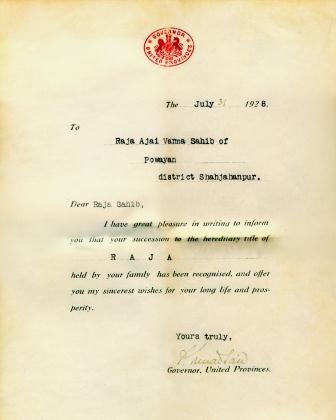
- Raja AJAI VARMA SINGH, 9th Raja of Pawayan 1928/1989, born , last Raja Saheb of Pawayan before the abolition of Princely states and Zamindaris in 1950; he contibuted significantly to the development of the Pawayan area with initiatives such as setting up the present day Pawayan Inter College; married Rani Indira Devi, daughter of HH Sawai Maharaja Punya Pratap Singh, Maharaja of Ajaigarh, and his wife, HH Maharani Rukmini Devi, and had issue, three sons and one daughter. He died in .
- Raja Surendra Singhji (qv)
- Wing Cmdr. (ret'd.) Rajkumar Abhay Singh (qv)
- Rajkumari Shobha Singh, born , married Shri Amit Ray, and had issue, one daughter. She died .
- Sanyukta Ray, born .
- Rajkumar Jai Singh, born , married Kunwarani Mridul Singh, daughter of Kunwar Lal Chandan Singh of Asothar, and has issue.
- Maj. Kunwar Manujendra Singh, born , married Kunwarani Kulgauravi Singh, daughter of Raja Ganga Singh Chauhan of Baneria, and has issue.
- Abhijay Vikram Singh, born .
- Maj. Kunwar Manujendra Singh, born , married Kunwarani Kulgauravi Singh, daughter of Raja Ganga Singh Chauhan of Baneria, and has issue.
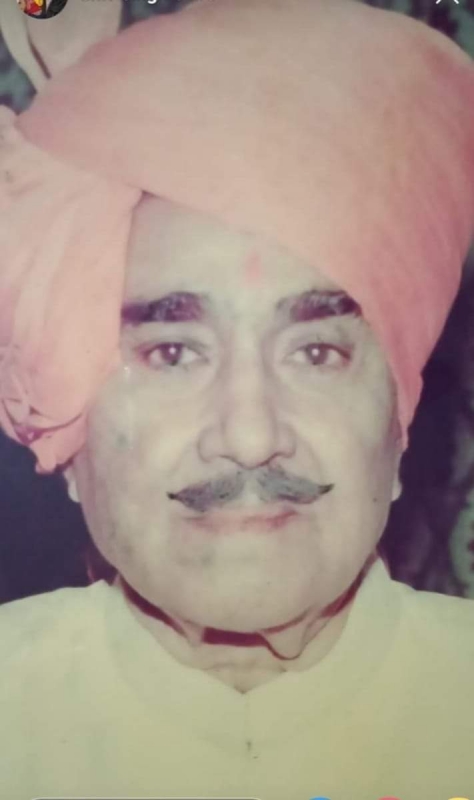
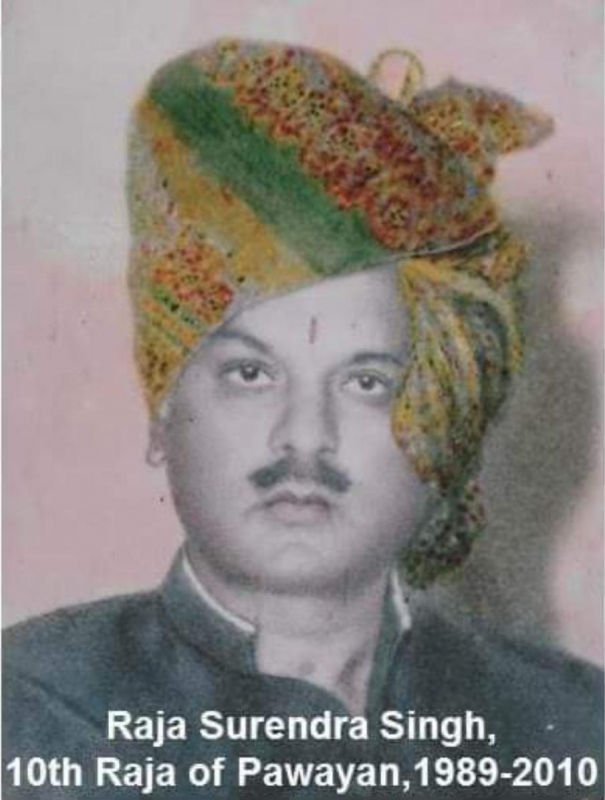
- Raja SURENDRA SINGHJI, 10th Raja of Pawayan 1989/2010, born , educated at Colvin Taluqdars' College, and at Lucknow Univeristy (LL.B.); M.L.A. (Uttar Pradesh) 1957/1962. He died .
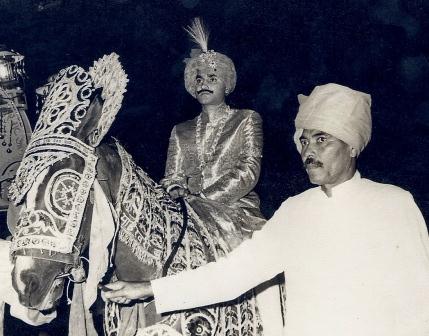
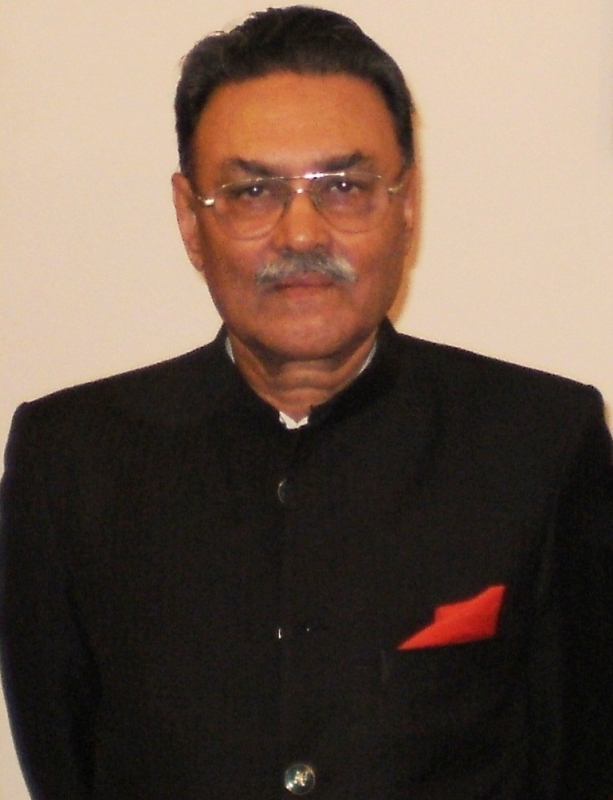
- Wing Cmdr. (ret'd.) Raja ABHAY SINGH, 11th Raja of Pawayan (see above)