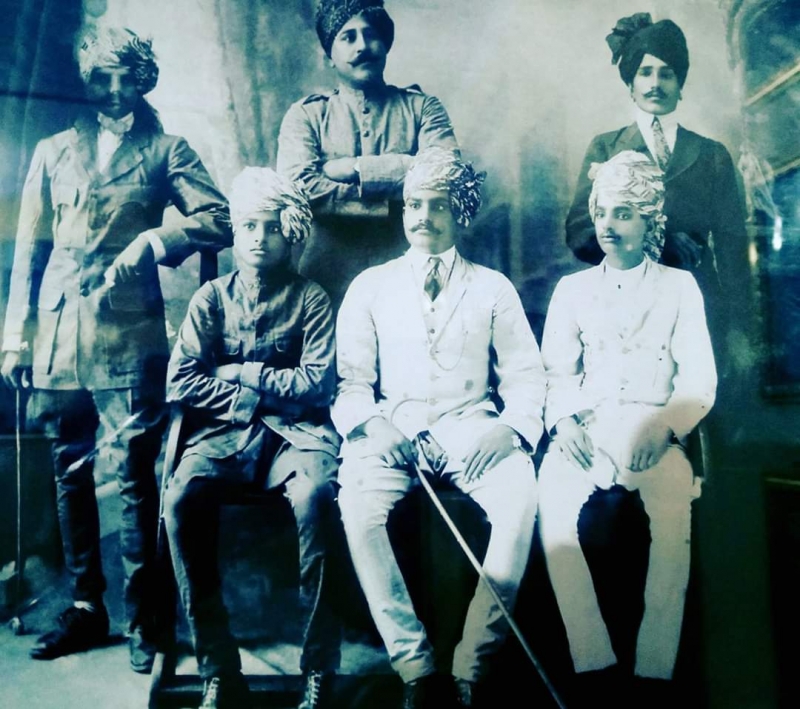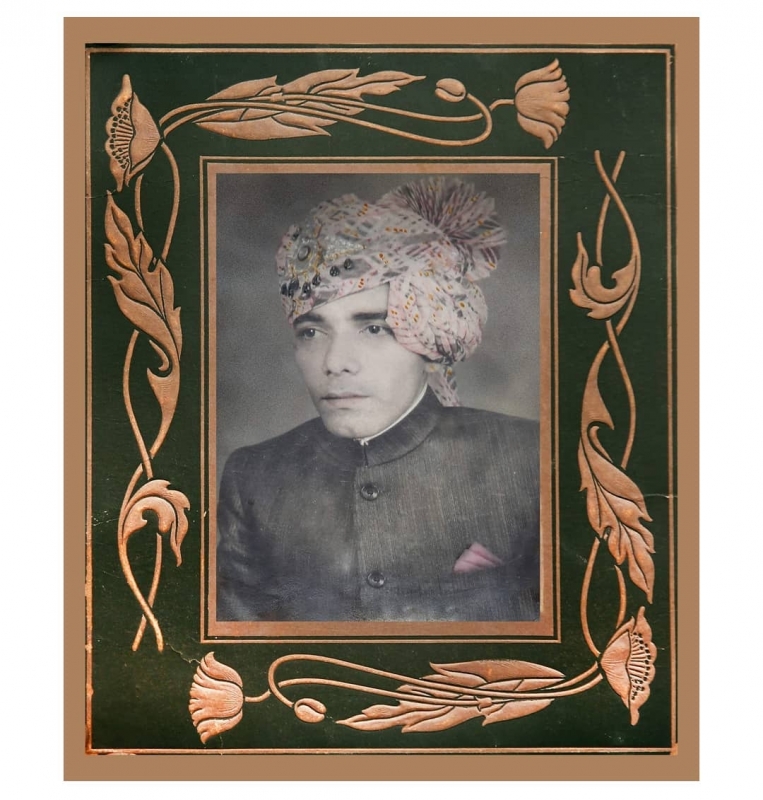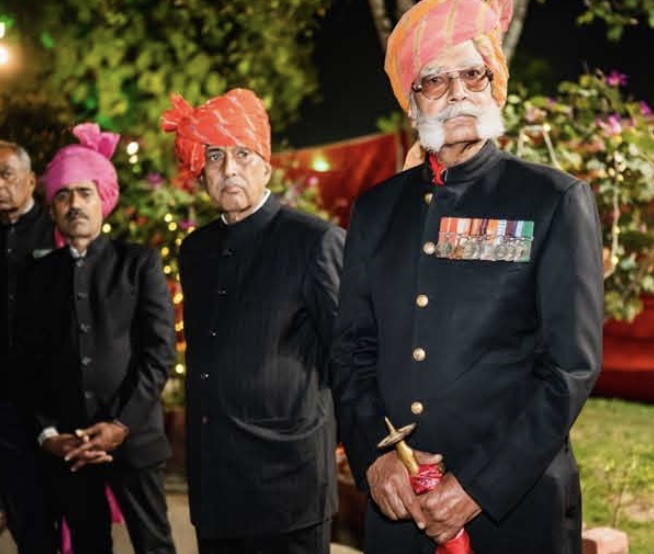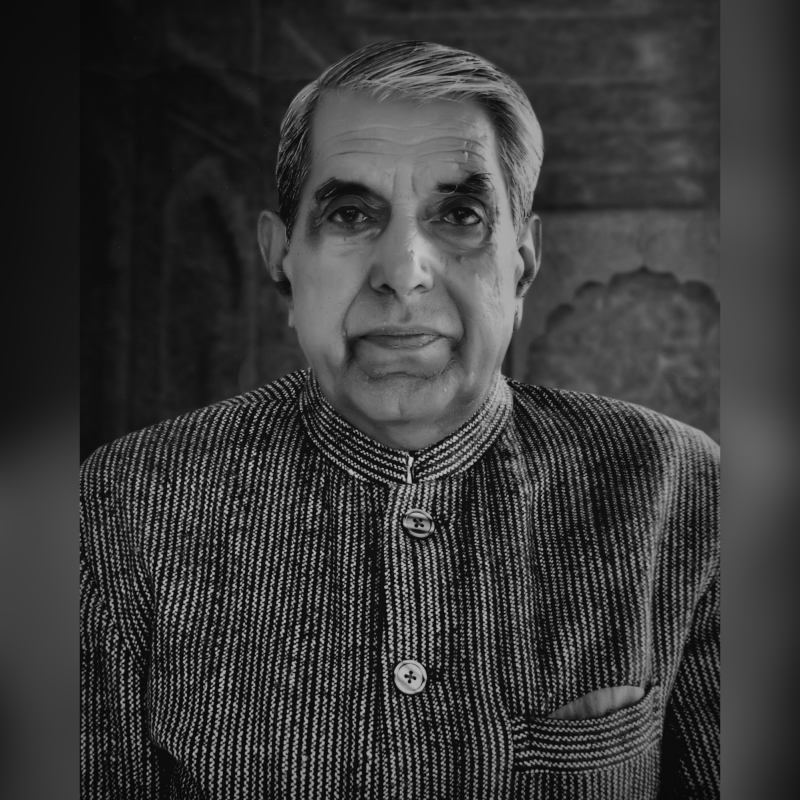
Present Head
History
Origin and Foundation of Mandrella
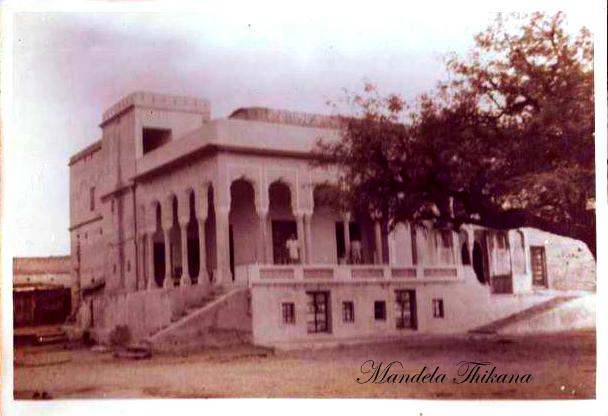
The foundation of Mandrella in 1751 AD represents a crucial chapter in the territorial expansion of the Shekhawat clan in Rajasthan. Following the demise of the visionary ruler Maharao Shardul Singh Ji in 1742, his vast territories in Jhunjhunu were partitioned among his five surviving sons. This unique administrative division became renowned as the Panchpana (the five estates) of Shekhawati. Rao Zorawar Singh, being the eldest son, inherited a significant portion of the ancestral holdings. To secure his frontiers and establish direct lineage authority, his son, Thakur Daulat Singh Ji, founded the fortified town of Mandrella, establishing it as an influential Thikana (feudal estate) within the Shekhawati confederacy.
The Panchpana System and Regional Geopolitics
The decentralization of power through the Panchpana system created a highly resilient network of defensive bastions across northern Rajasthan. Mandrella acted as a vital strategic outpost, safeguarding trade routes connecting the fertile plains of Haryana with the commercial centers of Rajputana. The rulers of Mandrella maintained a high degree of autonomy while remaining loyal to the collective defense pacts of the Shekhawat clan, which was essential during the tumultuous geopolitical shifts of the 18th century.
Mughal Decline and Maratha Incursions
During the mid-to-late 18th century, as the Mughal Empire's authority dissolved, the Shekhawati chieftains frequently clashed with regional powers. The vacuum left by the Mughals attracted predatory raids from the Maratha Empire under leaders like Mahadji Scindia. The defensive fortification at Mandrella played an active role in resisting these incursions, ensuring the preservation of local sovereignty and protecting agricultural communities from heavy tribute demands.
The British Period and the Shekhawati Brigade
By the early 19th century, the East India Company sought to pacify the volatile Rajputana region. Following the Treaty of 1818 between the British and the Kingdom of Jaipur (under whose nominal suzerainty the Shekhawati estates lay), British administrators sought to suppress local banditry and rebellious Thikanedars. In 1835, Major Henry Forster established the Shekhawati Brigade to restore order in the region. Mandrella adapted to this new administrative landscape, transitioning from a militaristic outpost to an economically stable estate aligned with the regulatory and tax reforms introduced by the British Raj.
Architectural Heritage and the Marwari Migration
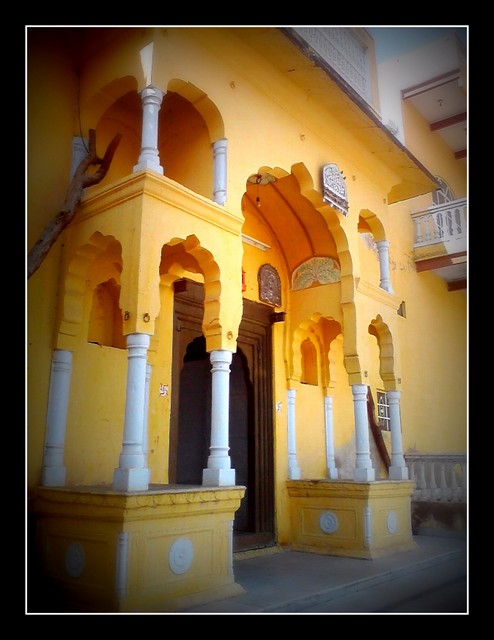
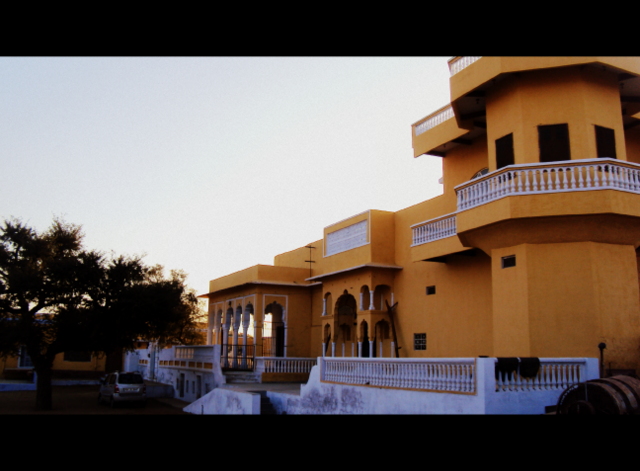
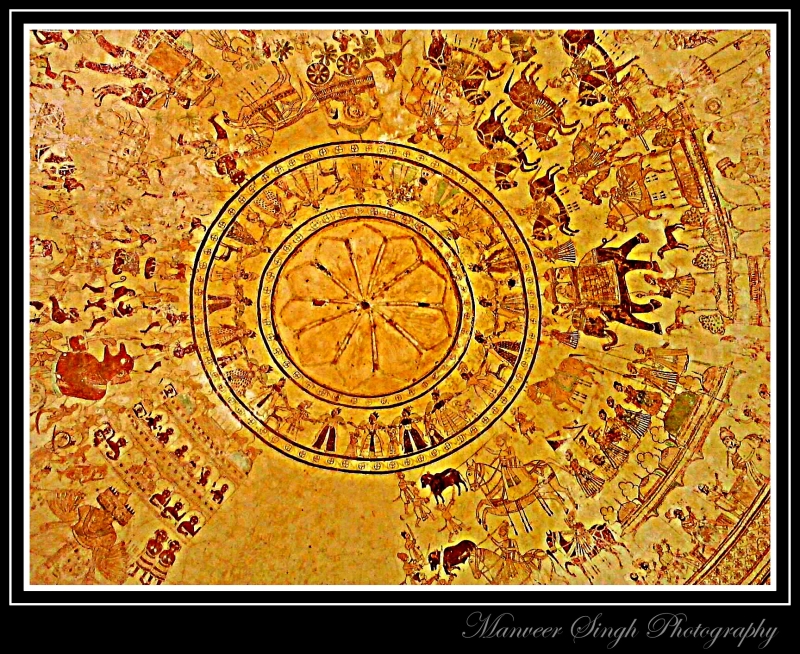
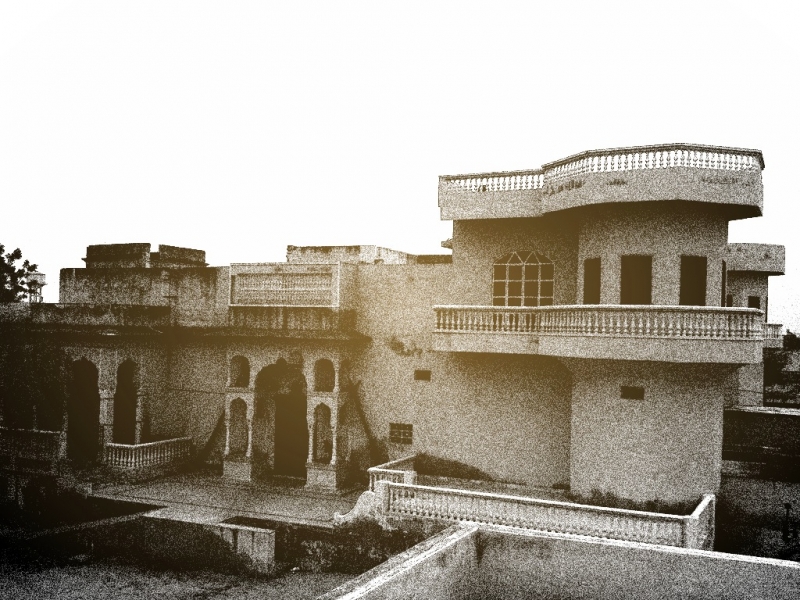
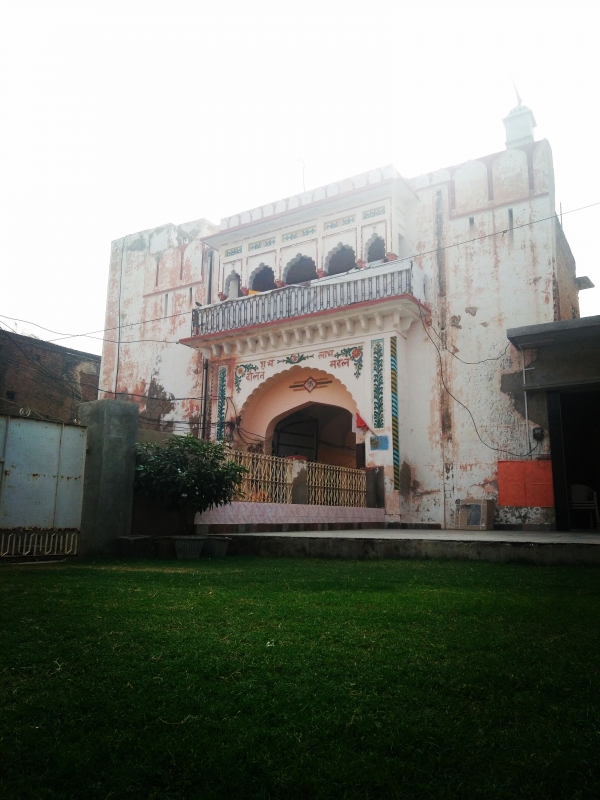
The late 19th century witnessed a remarkable cultural and architectural renaissance in Mandrella. With relative peace established under British administration, wealthy mercantile families, historically referred to as the Marwaris, settled in the area. Families such as the Budhias and Khetans constructed magnificent, multi-patioed havelis (mansions). These structures were adorned with exquisite frescoes depicting religious epics, royal processions, and contemporary European innovations like trains and motor cars. Today, these historic structures form a crucial part of the heritage tourism in the Jhunjhunu District.
Post-Independence and the Modern Era
With India attaining independence in 1947 and the subsequent integration of princely states, the historical Thikana of Mandrella was merged into the state of Rajasthan. The feudal system was formally dissolved under the Rajasthan Land Reforms and Resumption of Jagirs Act, 1952. Mandrella successfully transitioned into a modern municipal town. In the contemporary era, Mandrella is celebrated as a key cultural destination within the Shekhawati Region, drawing global historians and tourists eager to explore its preserved forts, stepwells, and historic murals.
Genealogy
- Raj Shri Thakur DAULAT SINGH, 1st Thakur of Mandrella 1751/1791, born , third son of Thakur Zorawar Singh of Jhunjhunu, married 1stly, a daughter of Thakur Bijay Singh of Chadwas in Bikaner, married 2ndly, another daughter of Thakur Bijay Singh of Chadwas in Bikaner, married 3rdly, a daughter of Thakur Sawai Singh of Churu, and had issue. He died .
- Thakur Lakshman Singh (qv)
- Thakur Saiva Singh (qv)
- Thakur Kan Singh, married and had issue.
- Kunwar Nandram Singh
- Rambilas Singh
- Chand Singh
- Mehtab Singh
- Raj Shri Thakur Bheem Singh
- Raj Shri Thakur Shivlal Singh
- Raj Shri Thakur Jagat Singh
- Raj Shri Thakur Keshav Singh
- Raj Shri Thakur Col Hem Singh
- Raj Shri Thakur Randhir Singh
- Raj Shri Thakur Bheem Singh
- Kunwar Madan Singh
- Kunwar Nandram Singh
- Thakur Lal Singh, married and had issue.
- Kunwar Ram Singh, died young.
- Thakur Ranjit Singh, he constructed the Fort of Chanana, married and had issue.
- Thakur Bhagwant Singh, fl.1831
- Thakur Panney Singh, fl.1831
- Raj Shri Thakur LAKSHMAN SINGH, 2nd joint Thakur of Mandrella 1791/1802 , born , married the daughter of the Thakur of Depalsar, and had issue. He died .
- Thakur Bishan Singh (qv)
- Thakur Swaroop Singh, joint Thakur of Mandrella 1799/-, adopted by his uncle Thakur Saiva Singh, he succeeded by adoption, married and had issue, four sons.
- Thakur Nathu Singh, died .
- Thakur Ratan Singh, married the daughter of Thakur Hanwant Singh of Oreint. He died sp in or about April 1853.
- Thakur Gopal Singh, died .
- Thakur Roop Singh, married and had issue. He died at Jaipur.
- Thakur Magni Singh (qv)
- Thakur Udai Singh, he was adopted by Thakur Duleha Singh of Malsisar.
- Baiji Lal Asman Kumari
- Raj Shri Thakur SAIVA SINGH, 3rd joint Thakur of Mandrella 1791/1799, born , adopted his nephew, died sp in 1799.
- Raj Shri Thakur BISHAN SINGH, 4th joint Thakur of Mandrella 1802/-
- Raj Shri Thakur MAGNI SINGH, 5th Thakur of Mandrella -/1853, married and had issue.
- Thakur Jawahar Singh (qv)
- Raj Shri Thakur JAWAHAR SINGH, 6th Thakur of Mandrella 1853/1908, he adopted Kunwar Bagh Singh, second son of Thakur Bur Singh of Malsisar; married and had adoptive issue.
- Raj Shri Thakur BAGH SINGH, 7th Thakur of Mandrella 1908/1934, born , married in 1906, the daughter of Thakur Shivnath Singh of Neema, died . He died sp on 26th January 1934. INTERREGNUM 1934/1942
- Raj Shri Thakur TAKHAT SINGH, 8th Thakur of Mandrella 1942/1970, son of Thakur Bhur Singh of Malsisar, he succeeded by adoption on 25th November 1942, died sp on 5th May 1970 without leaving a successor.