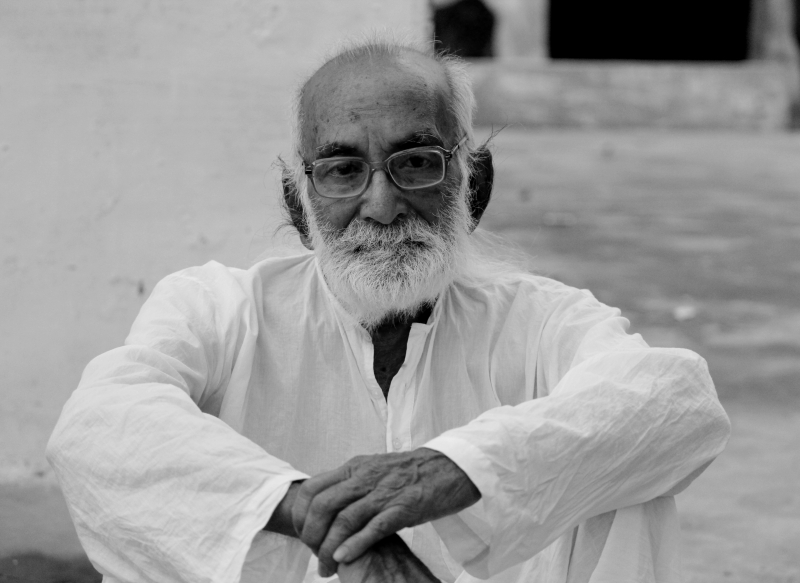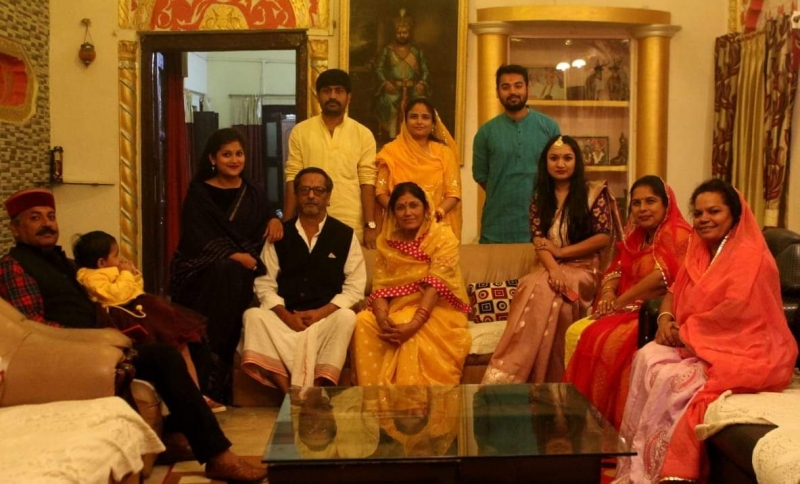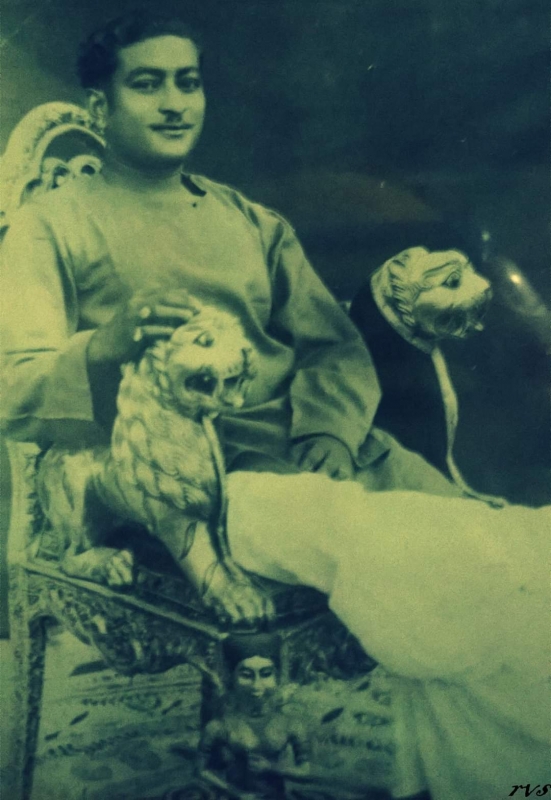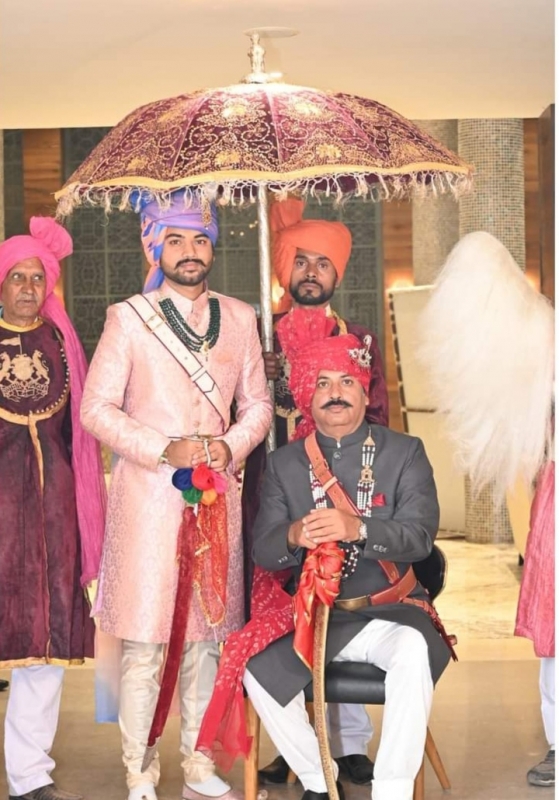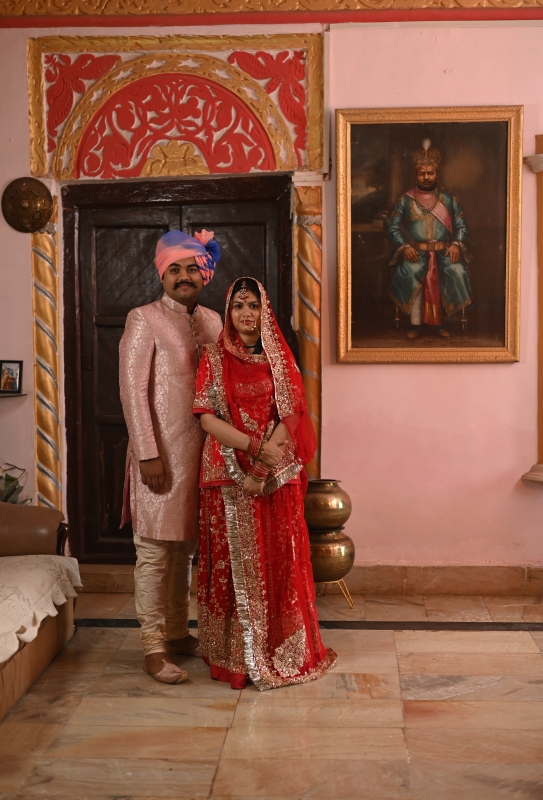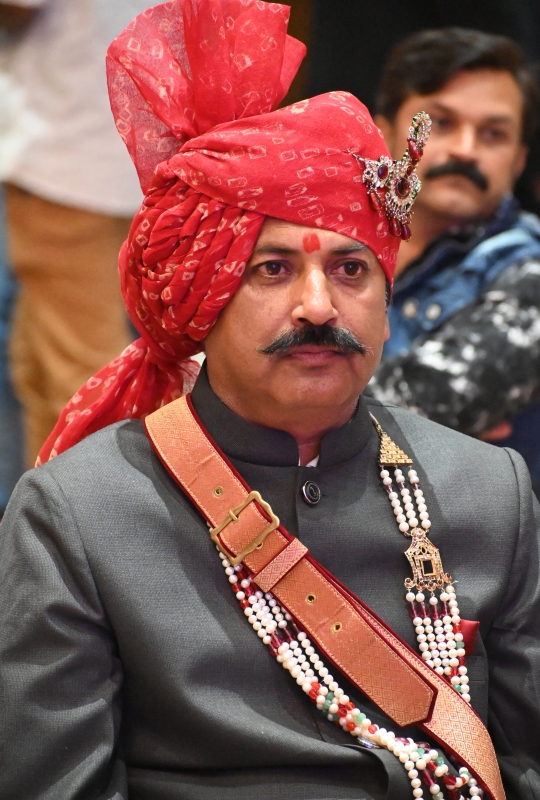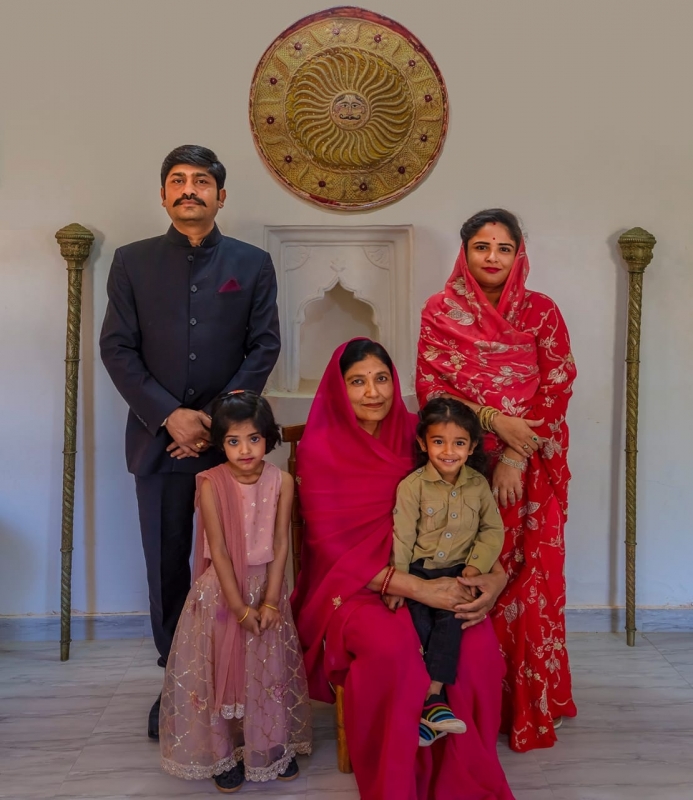
Present Head
- Rajkumari Shravantika Singh, born .
- Yuvraj Trayaksh Pratap Singh Ju Dev, born .
History
Origin and Foundation of Kothi State
The historical origin of Kothi State is deeply tied to the migration of Rajput clans into the rugged terrains of Baghelkhand. Originally, the territory was inhabited and governed by the indigenous Bhar tribe. Around the late 17th century, Jagat Rai Singh Baghel, a scion of the Baghel Rajput dynasty (a branch of the Solanki clan that migrated from Anhilwara, Gujarat), launched a military campaign in the region. He successfully displaced the local Bhar chieftain and established an independent jagir. This marked the transition of the region from a tribal chiefdom to a feudal Rajput principality.
The Bundela and Maratha Periods
During the 18th century, Kothi's sovereignty was constantly challenged by neighboring powers. With the rise of the Bundela kingdom under Maharaja Chhatrasal and his successors, Kothi was forced to acknowledge the suzerainty of Panna State. During the reign of Chhatrarao Bundela of Panna, the Kothi chiefs paid regular tribute and were treated as vassals.
However, this subordinate status shifted dramatically during the late 18th century when the region was thrown into turmoil by Maratha incursions. Under the leadership of Nawab Ali Bahadur of Banda (a military commander of Maratha allegiance), Panna's central authority weakened. Seizing this geopolitical opportunity, the Kothi chiefs successfully asserted their independence, repelling external claims and preserving their autonomy until the arrival of the British.
British Protection and the Sanad of 1810
Following the expansion of the British East India Company in Central India, the status of Kothi became a matter of diplomatic dispute. The Raja of Panna claimed suzerainty over Kothi, arguing that it had historically been a tributary. However, the British political agents, recognizing that Kothi had maintained de facto independence during the rule of Ali Bahadur of Banda, rejected Panna's claims.
To formalize this direct relationship, the British Government granted a Sanad in 1810 to Rais Lal Duniyapati Singh. This agreement made the Kothi chief a direct feudatory of the British Crown, bypassing any subordinate relationship to Panna.
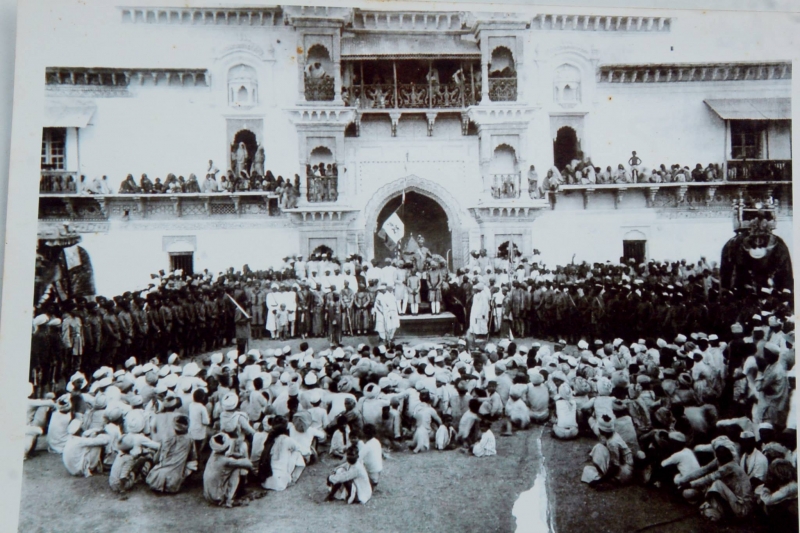
During the Indian Rebellion of 1857, the ruling chief, Lal Abdhut Singh, remained loyal to the British, securing the dynasty’s position. In 1878, the hereditary title of Raja Bahadur was officially conferred upon Lal Ran Bahadur Singh. Despite its modest size, Kothi maintained a organized state administration, maintaining a modest force of 35 cavalry, 210 infantry, and 4 guns by the late 19th century.
Heraldry, Flag, and State Emblems
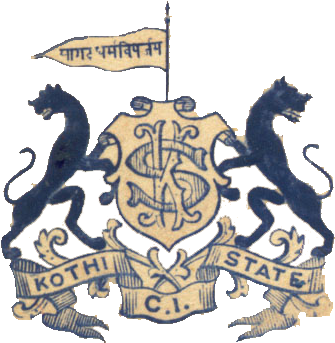
The rulers of Kothi, being Baghel Rajputs, adopted heraldic symbols representing their ancestral heritage. The state flag was a traditional Rajput bi-color, displaying saffron and yellow, symbolizing chivalry and sacrifice. The state coat of arms featured a shield supported by tigers (the Vyaghra), which is the traditional totem of the Baghel clan (derived from the mythological origin of their ancestor from the sweat of Brahma's holy vessel, associated with a tiger).
Post-Independence and Modern Era
Following India's independence in 1947, the last ruling chief of Kothi, Raja Bahadur Govind Singh, signed the Instrument of Accession to merge the state into the Union of India.
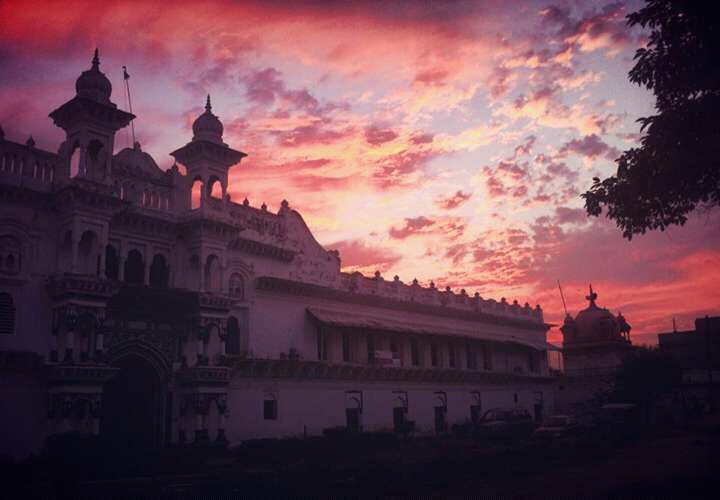
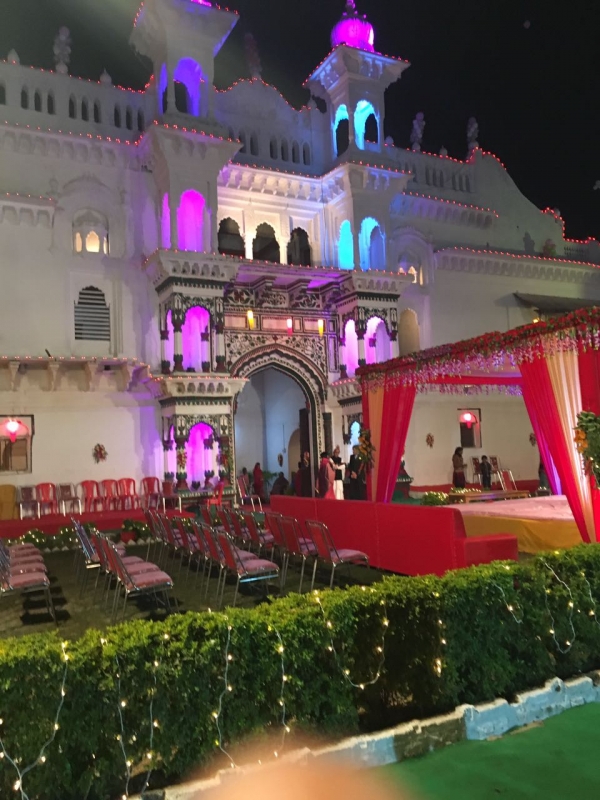
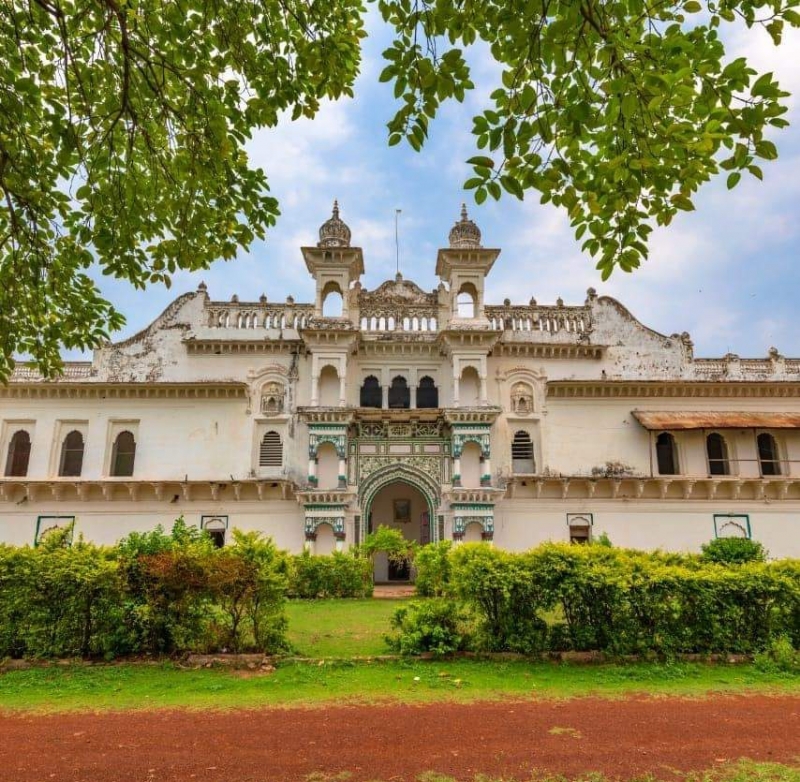
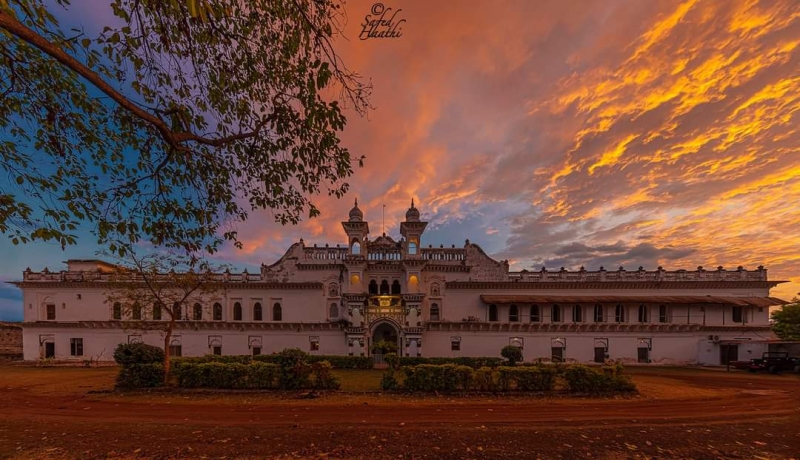
In 1948, the state was formally integrated into the newly created province of Vindhya Pradesh. Under the States Reorganisation Act of 1956, Vindhya Pradesh was merged into Madhya Pradesh. Today, the territory of the former princely state is situated within the Raghuraj Nagar tehsil of the Satna district in Madhya Pradesh. The historic Kothi Fort stands as a monument to the legacy of the Baghel rulers in the region.
Historical References and Citations
- To read more about the administrative records of Baghelkhand states, see the Imperial Gazetteer of India, Volume 15, on the Digital South Asia Library.
- For historical records of treaties and sanads granted to Central Indian states, refer to C.U. Aitchison's treaties on Archive.org.
- For administrative details of the state in the early 20th century, see the Memoranda on the Indian States available on Archive.org.
Genealogy
- Rais DUNIYAPATI SINGH, Rais of Kothi fl.1810, married and had issue.
- Rais Abdhut Singh (qv)
- Rais ABDHUT SINGH, Rais of Kothi, married and had issue.
- Rao Ran Bahadur Singh (qv)
- Rais RAN BAHADUR SINGH, Raja of Kothi 1862/1887, born , he was granted the title of Raja Bahadur as a hereditary distinction on 1st January 1878 in recognition of his loyalty, public spirit, and benevolence; married and had issue. He died .
- Raja Bahadur Bhagwat Bahadur Singh (qv)
- Raja Bahadur BHAGWAT BAHADUR SINGH, Raja of Kothi 1887/1895, born , he succeded to the gadi on 5th June 1887, married only daughter of the Kanhpuria Raja of Jamon in Sultanpur District. She had issue three sons out of which younger two were adopted to Jamon but died on e by one. Lastly the eldest son succeeded to Kothi and Jamon both.
- Raja Bahadur AVADHENDRA SINGH, Raja of Kothi 1895/1914
- Raja Bahadur Kaushalendra Pratap Singh (qv)
- Umaraman Pratap Singh, born , succeeded to Jamon.
- Tej Pratap Singh
- Raja Bahadur SITARAM PRATAP Bahadur Singh, Raja of Kothi 1914 – 1934.
- Raja Bahadur KAUSHALENDRA PRATAP SINGH, Raja of Kothi 1934/-, born , married to a daughter of Raja Narendra Bahadur Pal of Mahson in Basti district of U.P., and had issue.
- Raja Bahadur GOVIND PRATAP SINGH, Raja of Kothi fl.1970. Married to Ranisaheb Jaswant Kumari of Mandwa. He died on .
- Raja Bahadur Ghanshyan Singh Judeo (qv)
- Raja Bahadur Aditya Pratap Singh Judeo.
- Rajkumar Rajvardhan Singh Judeo, married on 7th December 2020 to Kumari Nivedita Raje, daughter of Kunwar Aditya Vardhan Singh Hazari and Padmaja Raje Hazari of Hatta.
- Rajharshita Singh
- Raja Bahadur GHANSHYAM SINGH JUDEO, present Raja of Kothi, married to Ranisaheba Savitri Singh of Thikana Ganshipur (Allahabad) and has issues, one son and 2 daughters.
- Yuvraj Harshvardhan Singh (qv)
- Harshita Singh, married to Yuvraj Jay Mardaraj of Nilgiri (Odisha).
- Sanyogita Singh, born .
- Raja Bahadur HARSHVARDHAN SINGH JUDEO (see above)
- Kumari Vanshika Singh, married Capt. Kunwar Hameer Singh of Banera.
- Thakurani Kamlesh Kumari, married Thakur Shiv Mangal Singh, Zamindar of Jigirsar, Balia, U.P., and had issue.
- Pattayet Rani Vijay Laxmi Kumari Devi, married Pattayet Anang Uday Singh Deo of Patna, and has issue, three sons.
- Thakur Sanjeev Singh B.A. (Hons.), born in Lucknow, U.P., son of the late Thakur C. K. Singh, died , and his wife Thakurani Ibha Devi; married 14th November 1991 in New Delhi, Thakurani Sharika Singh, and has issue, one son.
- Kunwar Abhimayu Singh, born .
Notable Figures
Jagat Raj Singh (Founder)
Jagat Raj Singh, a Baghela Rajput chief, founded the Kothi State in 1625. He migrated from the neighboring Rewa region and successfully subdued the local Bhar chieftains who ruled the territory. By establishing his authority, he laid the foundation of the Baghela dynasty's rule in Kothi, which lasted for over three centuries.
For more details on the origins of the state, see the Kothi State Wikipedia Page.
Lal Duniyapat Singh (r. 1810 – 1862)
Lal Duniyapat Singh was one of the most prominent rulers of Kothi, under whom the state transitioned into a formal princely state under British suzerainty. Prior to his reign, Kothi was considered a feudatory of the larger Panna State. In 1810, the British East India Company granted a sanad (charter) directly to Lal Duniyapat Singh, recognizing his independence from Panna and establishing a direct treaty relationship with the British Crown.
His long reign of over fifty years brought much-needed political stability and administrative organization to the state. Historical records of this transition can be found in the Imperial Gazetteer of India (Volume 15) on Internet Archive.
Rao Bahadur Lal Ran Bahadur Singh (r. 1862 – 1887)
Succeeding Lal Duniyapat Singh in 1862, Lal Ran Bahadur Singh continued the administrative consolidation of the state. He was a loyal ally of the British administration, which earned him the personal title of "Rao Bahadur" in 1878. His reign was marked by efforts to improve local agriculture and maintain peace within the Baghelkhand agency.
Raja Bahadur Bhagwat Bahadur Singh (r. 1887 – 1895)
Bhagwat Bahadur Singh ascended the gaddi in 1887. During his reign, the hereditary title of "Raja Bahadur" was officially recognized and conferred upon the rulers of Kothi by the British Government, elevating the status of the state within the Bundelkhand and Baghelkhand agencies. He worked towards streamlining the state's revenue collection and judicial administration.
Information regarding the hereditary titles of the Baghelkhand rulers is documented in The Golden Book of India by Sir Roper Lethbridge.
Raja Bahadur Avadhendra Singh (r. 1895 – 1934)
Raja Bahadur Avadhendra Singh succeeded to the throne as a minor in 1895, with the state initially managed under a regency. Upon attaining full ruling powers, he initiated several progressive reforms, including the establishment of primary schools, public health dispensaries, and improved road connectivity in Kothi. His stable and peaceful reign spanned nearly four decades, making him one of the most respected chiefs in the Baghelkhand Agency.
Raja Bahadur Govind Singh (r. 1934 – 1948)
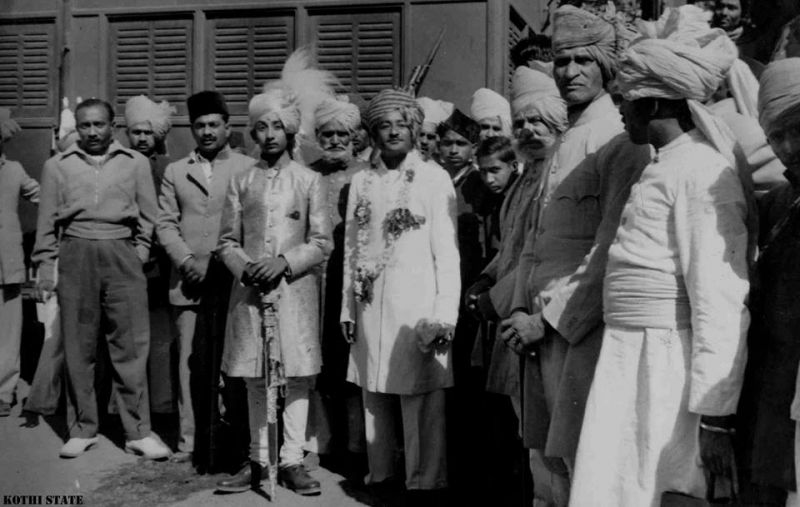
Born in , Raja Bahadur Govind Singh was the last ruling chief of Kothi State. Ascending the throne in 1934, he navigated the complex political landscape of the Indian independence movement. Following India's independence in August 1947, he signed the Instrument of Accession, merging Kothi State into the new Indian Union. In 1948, the state was integrated into the province of Vindhya Pradesh, which was later merged into Madhya Pradesh in 1956.
The details of the merger and accession are outlined on the Vindhya Pradesh Wikipedia Page.