Present Head

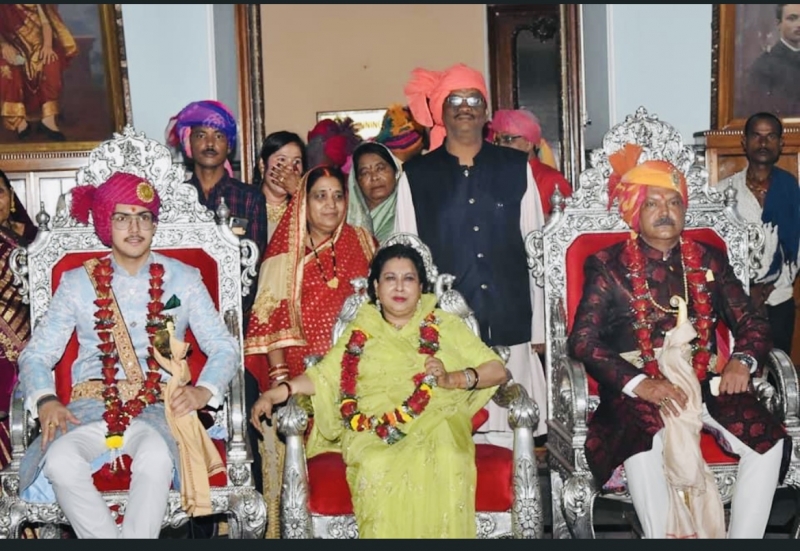
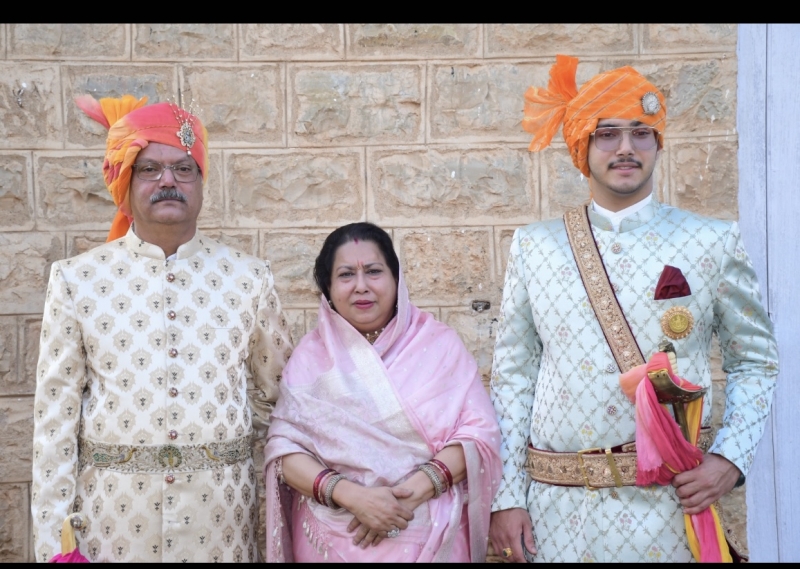
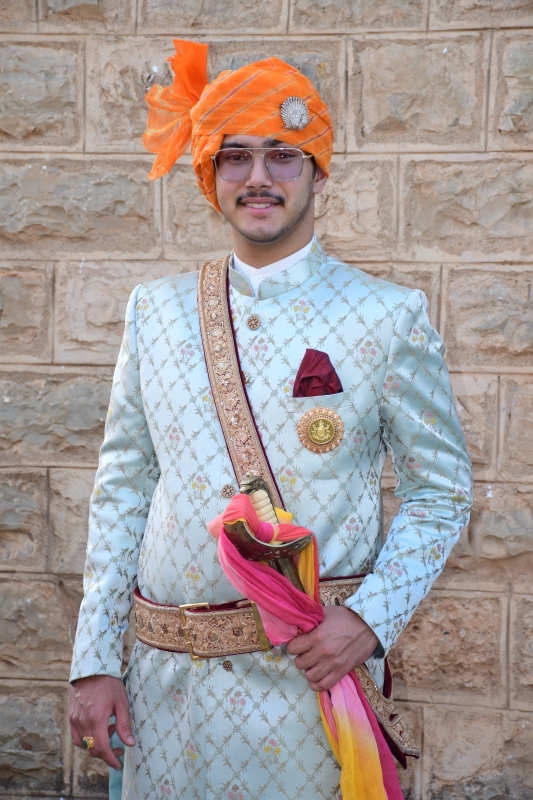
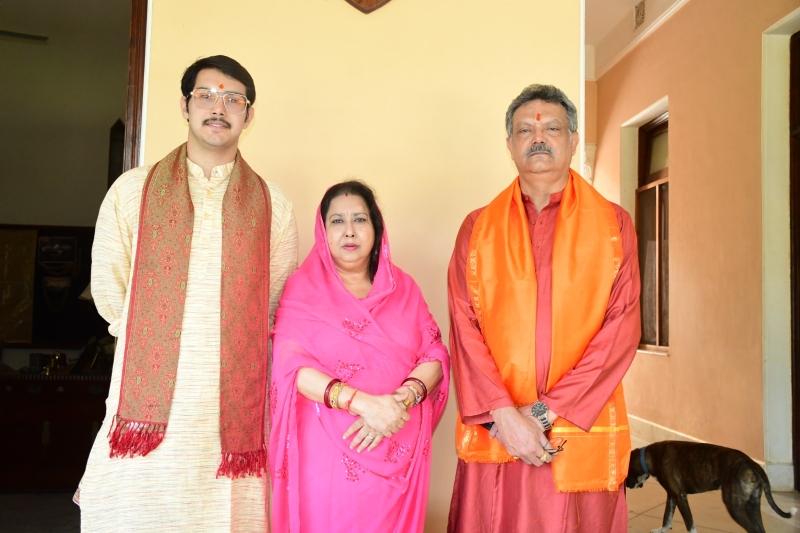
- Yuvraj Maikaleshwar Raj Singh, born , in Calcutta, West Bengal; educated at Rajkumar College, Raipur, and is currently pursuing his undergraduate studies at WGSHA, Manipal.
History
Origin and Foundation of Kawardha State
The princely state of Kawardha, nestled in the scenic valleys of the Maikal Range in modern-day Chhattisgarh, was established in 1751. The state was founded by Mahabali Singh, a prominent chieftain belonging to the Raj Gond dynasty. The ruling family of Kawardha traced its lineage back to the illustrious Gond rulers of Mandla, a powerful medieval kingdom of Central India. The strategic location of Kawardha, bordered by dense forests and hills, allowed the state to maintain a degree of autonomy while serving as a crucial buffer zone between the northern plains and the southern plateau of the Chhattisgarh region.
For more detailed records on the geographical and historical profile of the region during its early administration, historians often refer to the Imperial Gazetteer of India (Volume 15), which highlights the early geopolitical boundaries of the Kawardha territory.
The Maratha Influence and British Protectorate
During the late 18th century, the expansionist Bhonsle Marathas of Nagpur established their hegemony over the Chhattisgarh plains. Kawardha was forced to acknowledge Maratha suzerainty and pay an annual tribute (tanka) to the Nagpur treasury. Despite this vassal status, the local Gond rulers managed to retain internal administrative control over their ancestral lands.
With the defeat of the Bhonsle dynasty in the Third Anglo-Maratha War (1817–1818), the British East India Company assumed administrative control over the territories of Nagpur. Kawardha formally transitioned into a British protectorate. In 1867, under the administration of the British Raj, the ruling chief of Kawardha, Thakur Rajpal Singh, was granted a formal Sanad (patent of recognition), which officially acknowledged him as a Feudatory Chief. The British classified Kawardha as one of the Chhattisgarh Feudatory States under the Central Provinces administration.
A comprehensive history of this transition can be explored in the Chhattisgarh Feudatory States Gazetteer (1909), which outlines the treaty agreements and administrative transformations of the era.
Key Rulers and Reformative Era
The late 19th and early 20th centuries marked a period of significant modernization and social reform in Kawardha. Several visionary rulers contributed to the welfare of the state:
- Thakur Rajpal Singh (1863–1885): He was instrumental in stabilizing the state's economy after years of Maratha-British transition. He introduced structured land revenue assessments and prioritized local law and order.
- Thakur Jadunath Singh (1885–1891): His reign focused on establishing primary schools and setting up basic medical dispensaries in rural areas.
- Mahant Vasudev Prasad Singh (1891–1920): Under his rule, infrastructural projects were accelerated. He worked closely with British administrators to mitigate the devastating effects of the Central Indian Famines of 1896 and 1899 by organizing state-sponsored relief works and constructing irrigation tanks.
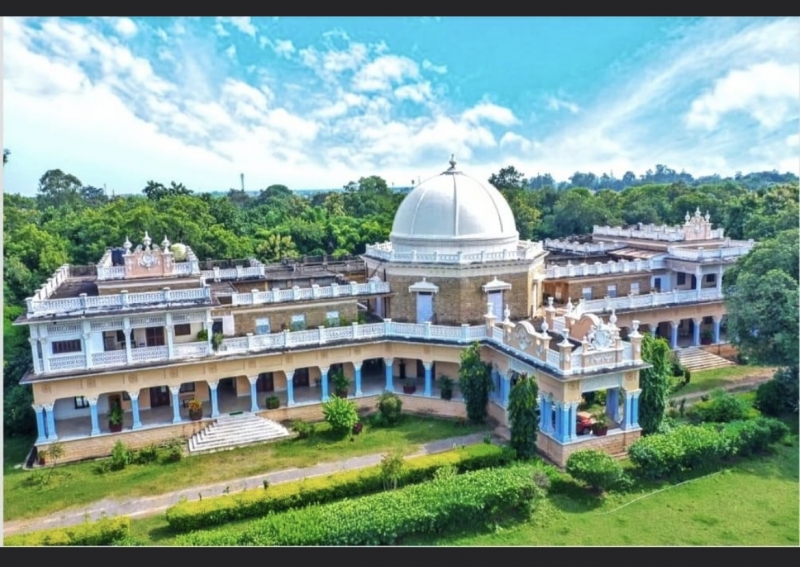
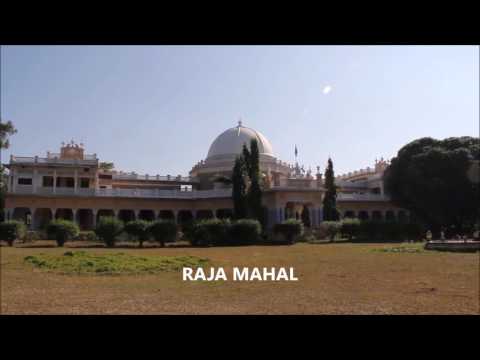
- Lal Dharamraj Singh (1920–1947): The last ruling chief of Kawardha, he was an enlightened administrator who championed public education, judicial reforms, and modern civic planning. He commissioned the construction of the famous Kawardha Palace, an architectural marvel blending Italian and local design elements.
The Kabir Panth Connection
Kawardha holds a sanctified position in the spiritual history of Central India as a principal seat (Gaddi) of the Kabir Panth, a progressive, monotheistic spiritual movement based on the teachings of the 15th-century saint-reformer Kabir. In the early 19th century, the spiritual heads of the sect relocated their headquarters to Kawardha. The ruling chiefs of Kawardha, despite their Raj Gond lineage, patronized the Kabir Panthi gurus and provided rent-free land grants to support their spiritual and social welfare programs, transforming Kawardha into a renowned center of pilgrimage and philosophical discourse.
State Heraldry and the Flag
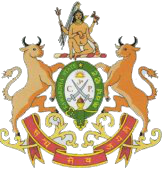
The heraldry of Kawardha State reflected both its martial Gond heritage and its regional sovereignty. The State Coat of Arms featured a shield supported by two rampant tigers, representing the strength and the rich wildlife of the Maikal forests. The shield itself depicted a fortress wall and local riverine symbols, representing security and agricultural prosperity. Atop the shield sat a crest featuring a traditional Indian dagger (Katar), signifying the defensive readiness of the state's rulers.
The State Flag of Kawardha was a rectangular bicolor banner, featuring horizontal bands of saffron and green. The saffron represented courage, sacrifice, and the deep spiritual association with the Kabir Panth, while the green symbolized the lush, fertile lands of the state.
Post-Independence and Modern Era
Following the declaration of Indian Independence in August 1947, the last ruling chief of Kawardha, Lal Dharamraj Singh, signed the Instrument of Accession. On January 1, 1948, Kawardha State officially merged into the Dominion of India. It was initially integrated into the Bilaspur district of the Central Provinces and Berar, which later became the state of Madhya Pradesh.
In 1998, recognizing the unique historical and cultural identity of the region, the Government of Madhya Pradesh carved out Kawardha as a separate district. Following the creation of the state of Chhattisgarh in 2000, Kawardha became an integral part of the new state. In 2003, the district was officially renamed Kabirdham to honor the historical presence and legacy of the Kabir Panth.
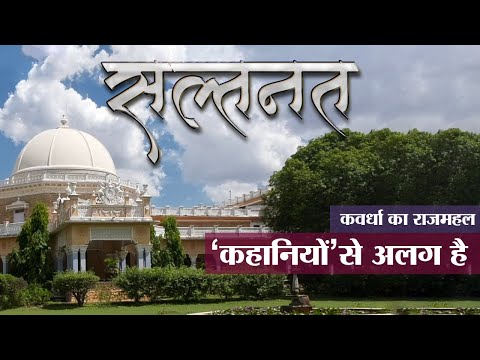
Today, Kawardha is a thriving cultural and ecological tourism hub. The majestic Kawardha Palace, still maintained by the descendants of the royal family, serves as a premium heritage hotel, offering visitors a glimpse into the grand history and rich legacy of this historic province.
Genealogy
- Thakur MAHABALI SINGH, Thakur of Kawardha 1751/1801
- Thakur Ujiyar Singh(qv)
- Thakur Baijnath Singh, Mahabali Singh gave this to his younger sons 84 Village Sahaspur Lohara for their Maintenance, Following the advent of British rule, it was constituted as a separate Zamindari within the Durg district.
- Thakur UJIYAR SINGH, Thakur of Kawardha 1801/1848
- Thakur TOK SINGH, Thakur of Kawardha 1848/1852
- Thakur BAIJNATH SINGH, Thakur of Kawardha fl.1860
- Thakur RAM SINGH, Thakur of Pandaria -/1863, married and had issue.
- Thakur Rajpal Singh (qv)
- Thakur Gajpal Singh, Thakur of Pandaria.
- Thakur BAHADUR SINGH, Thakur of Kawardha 1863/1864
- Thakur RAJPAL SINGH, Thakur of Kawardha 1864/1891, born , 13th in descent from Raja Sham Chand, he succeeded to the gadi on 11th December 1874,
- Thakur JADUNATH SINGH, , Thakur of Kawardha 1891/1920, born , married Rani Devkumari Devi Singh and Had issue.
- Raja Dharamraj Singh (qv)
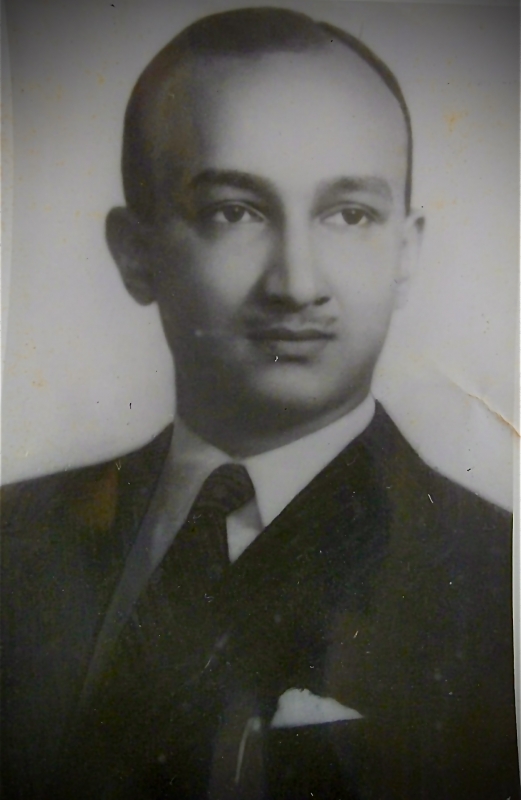
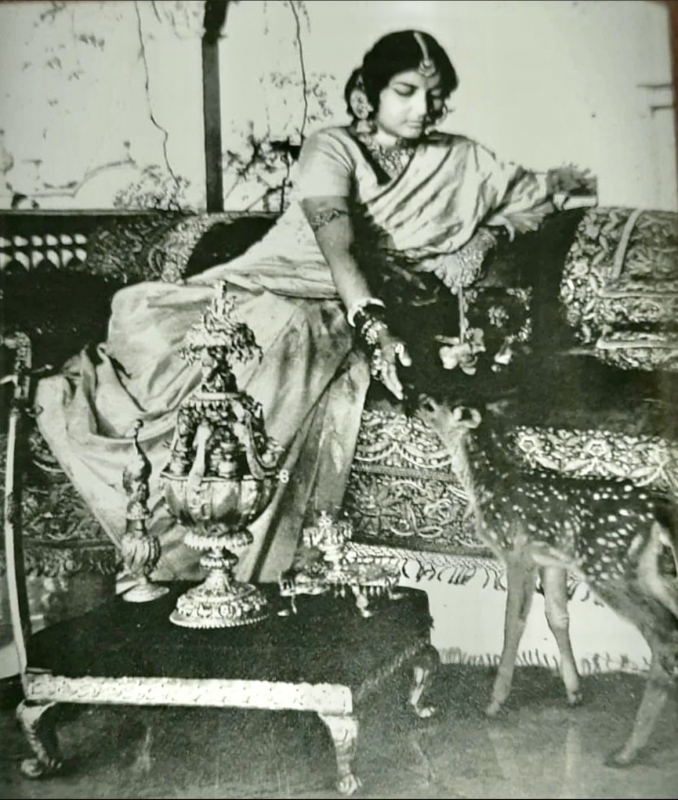
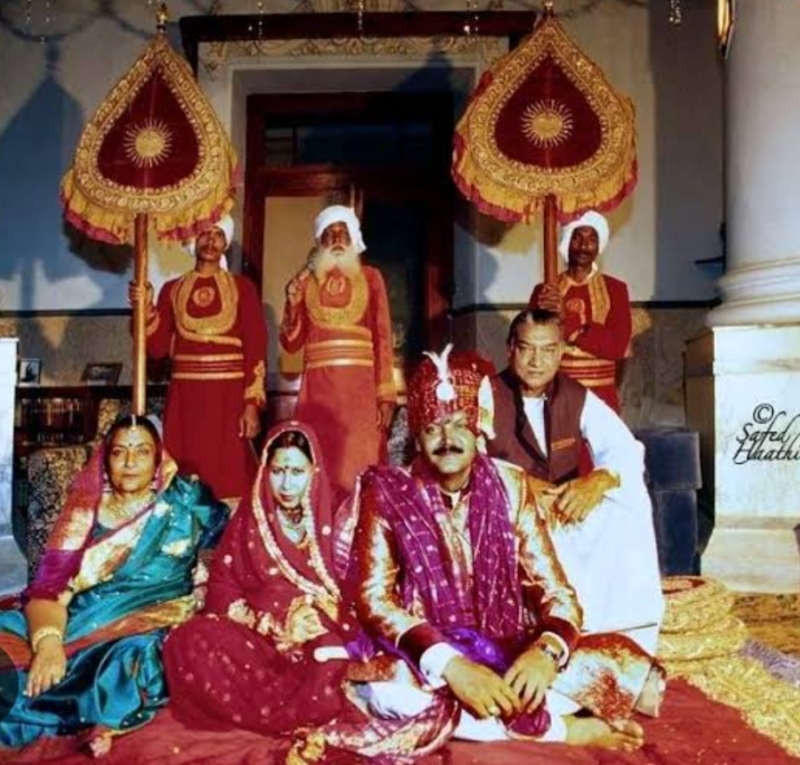
- Raja DHARAMRAJ SINGH, Raja of Kawardha 1920/- , born and succeeded 4th February 1920, educated at Rajkumar College, Raipur; married and had issue. He built the Kawardha RajMahal Palace in 1939, which is made of Italian marble and gold and silver carvings and is spread over 11 acres. He also contested the 1957 general elections and was a Congress MLA from the Kawardha Assembly constituency in the divided Madhya Pradesh. He was married to Rani Priyamvada Devi Singh, daughter of Thakur Janardan Singh of the Birra Zamindari in (Maihar, Madhya Pradesh) and they had issue. He died
- Raja Vishwaraj Pratap Singh (qv)
- Kumar Yashwant Raj Singh (Now Raja Yashwant Raj Singh), Raja of Sahapur-Lohara, adopted by the Zamindar of Sahaspur-Lohara and became the next successor. Educated at Rajkumar College, Raipur, and as the Member of the Legislative Assembly (MLA) for the Kawardha constituency in undivided Madhya Pradesh from 1972 to 1977. He married and had issue.
- Raja Khadag Raj Singh, present Raja of Sahapur Lohara, born , educated at Rajkumar College Raipur. Married Rani Aakanksha Devi Singh and had issue.
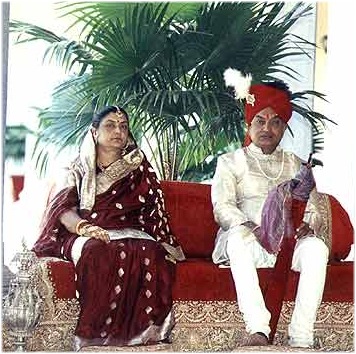
- Raja VISHWARAJ PRATAP SINGH, Raja of Kawardha 1959/2007, succeeded to the gadi of Kawardha on the death of his father on 20th August 1959, M.L.A. (Madhya Pradesh), Member of the Executive Committee of Rajkumar College at Raipur, married Rani Shashi Prabha Devi of Mallapur in U.P. (now the Rajmata of Kawardha), and had issue. He died at Durg.
- Rajkumari Manjari Kumari [Princess Chinky], born , married 12th December 1989, Kunwar Rudra Dev Singh of Orchha, born .
- Rajkumari Gopika Kumari, born ; schooling from Rajkumar College (Raipur) and topped the Chattisgarh state in ISC 2011-2012 exams. Studied B.A. History (Hons.) at St. Stephen's College, Delhi. Studied M.A. History at Delhi University and won a gold medal.
- Rani Vasundhara Kumari [Princess Twinky] (Now Rajmata Vasundhara Kumari), married 28th April 1982, Rawal Shri Sanjai Singhji of Bissau, son of Rawal Chakrapani Singh Bissau and his wife Rani Sharda Kumari Devi of Khairagarh, daughter of Maj.Raja Birendra Bahadur Singh and his wife Rani Padmawati Devi Daughter of Raja Pratap Bahadur Singh of Pratapgarh Taluk, and has issue.
- Rawal Eklavya Singhji (see Bissau)
- Raja Yogeshwar Singh (qv)
- Rajkumari Manjari Kumari [Princess Chinky], born , married 12th December 1989, Kunwar Rudra Dev Singh of Orchha, born .
- Raja YOGESHWAR SINGH, Raja of Kawardha (see above)
- Kumar Shri Yashwant Raj Singh of Kawardha, M.L.A. (Madhya Pradfesh).