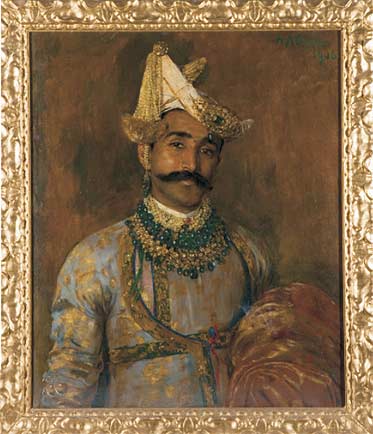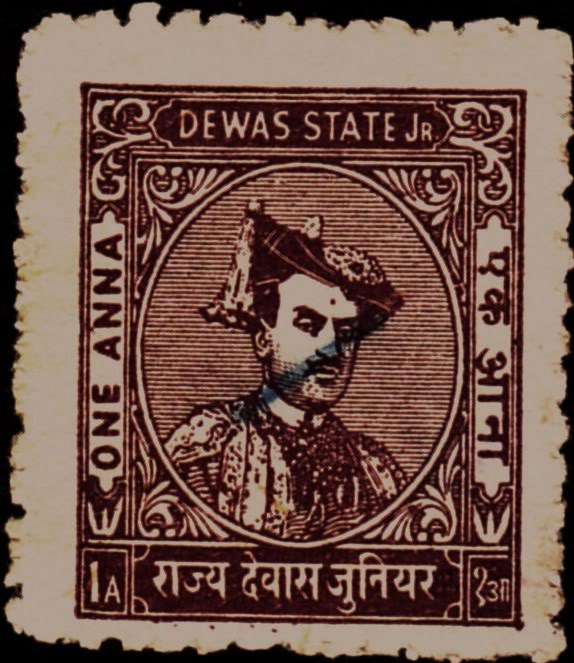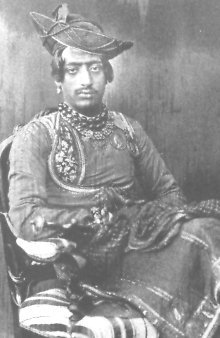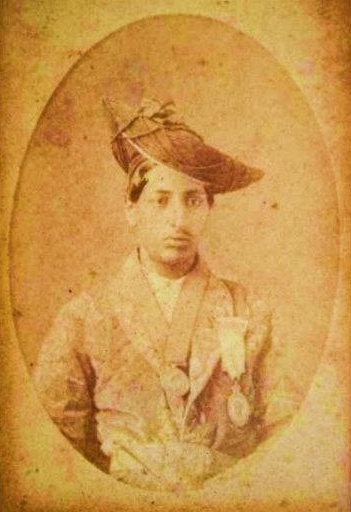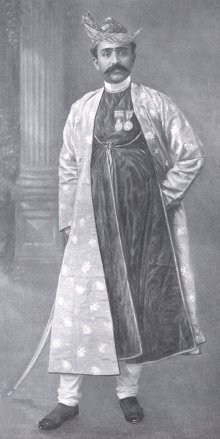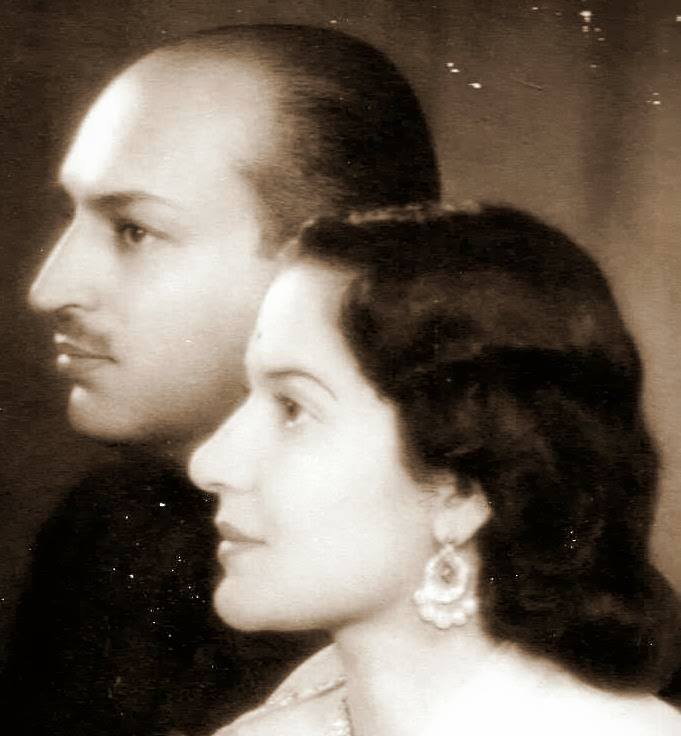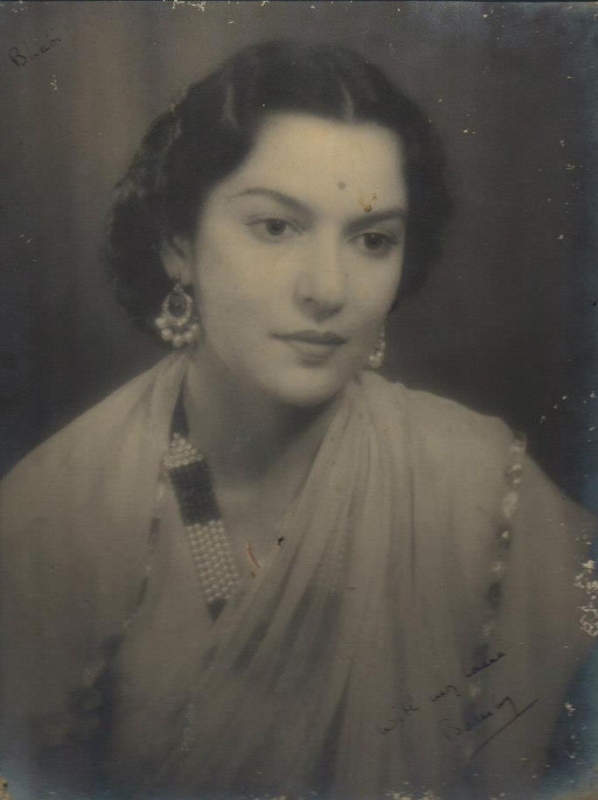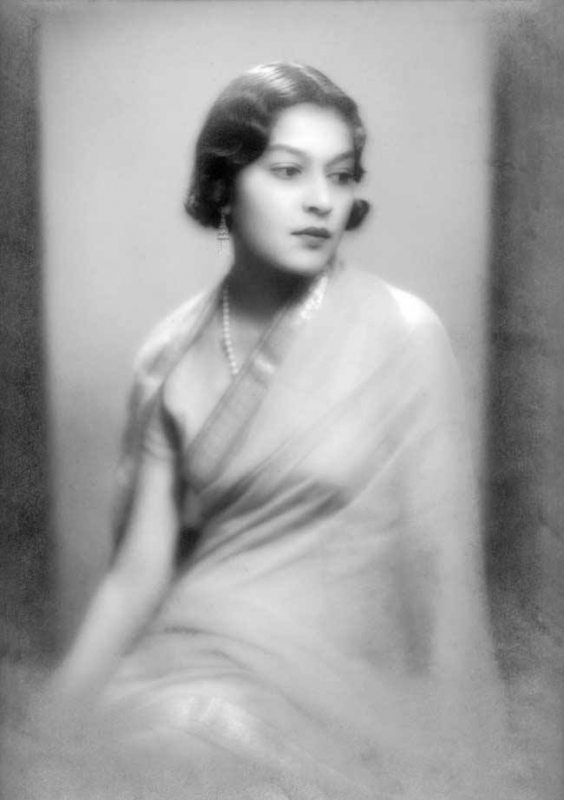
Present Head
History
Introduction to Dewas Junior
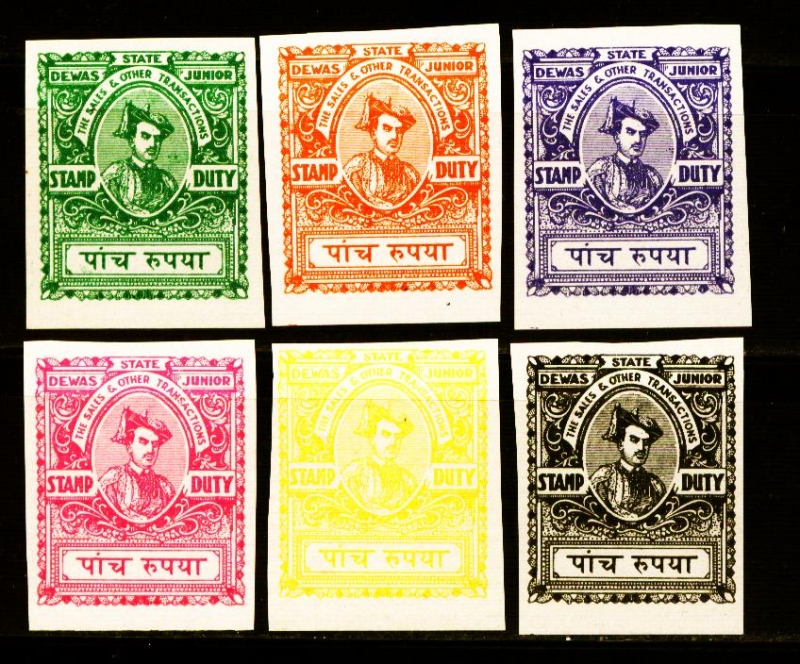
Dewas Junior (historically known as Dewas Chhoti Pati) was a prominent princely state in Central India during the British Raj, ruled by the Maratha Puars (or Pawars) who traced their ancestry to the legendary Pramara Rajput clan. The state presented a unique administrative phenomenon in Indian history, sharing its capital, the town of Dewas, with its sister state, Dewas Senior (Badi Pati). The two states, though distinct in their administrations, revenues, and territories, ruled side-by-side from the same capital, sharing public spaces, main streets, and even administrative functions in a remarkable display of dual sovereignty.
Origin and Foundation
The ruling dynasty of Dewas Junior belonged to the Puar (Pawar) clan, which traces its lineage back to the ancient Pramara Rajputs of Malwa. Following the decline of the Paramara dynasty in Central India, branches of the clan migrated southward to the Deccan region, where they adapted to Maratha culture and became prominent military commanders under Chhatrapati Shivaji Maharaj and later the Peshwas.
The foundation of the Dewas states is tied to the expansion of the Maratha Empire into Northern India under Peshwa Baji Rao I. In 1728, Peshwa Baji Rao I granted the pargana of Dewas and surrounding territories to two brothers, Tukoji Rao I and Jiwaji Rao I, for their military services. The brothers ruled jointly until their territories were partitioned. Jiwaji Rao I Puar became the founder and first ruler of the Dewas Junior (Chhoti Pati) branch, while his elder brother Tukoji Rao I established the Dewas Senior branch.
For more detailed historical documentation on the origins of the state, see the Golden Book of India by Sir Roper Lethbridge.
The Maratha Period and British Alliance
During the late 18th century, Malwa became a battleground for competing Maratha factions (the Holkars and Scindias) and predatory bands of Pindaris. Dewas Junior suffered severely from these incursions, losing significant territory and facing economic ruin. The state's survival was ensured only through the intervention of the British East India Company.
In 1818, under the reign of Rukmangad Rao (popularly known as Babasaheb), Dewas Junior, along with Dewas Senior, entered into a treaty of protective alliance with the British East India Company. This treaty brought stability to the region, defined the boundaries of the state, and protected it from external aggression. The British acknowledged the joint rulers' sovereign rights, and the states were integrated into the Central India Agency.
The exact terms of these historical alliances can be reviewed in A Collection of Treaties, Engagements, and Sanads (Volume IV) by C.U. Aitchison.
Key Reformers and Modernization
The late 19th and early 20th centuries marked an era of rapid modernization and progressive administration under several visionary rulers:
- Maharaja Narayan Rao "Dada Saheb" Puar (1864–1892): He initiated administrative reforms, improved land revenue systems, and fostered better agricultural practices in the region.
- Maharaja Malhar Rao "Baba Saheb" Puar (1892–1934): A highly educated and modern ruler, he was a great patron of education and social reforms. He established several schools, introduced modern healthcare facilities, and worked toward eradicating social evils. He attended the Coronation Durbar in Delhi and was widely respected for his progressive views.
- Maharaja Sadashiv Rao "Khase Saheb" Puar (1934–1943): His reign focused on judicial reforms, infrastructural development, and rural upliftment. He worked diligently to bridge the gap between rural agrarian communities and urban administrative centers.
Further administrative and demographic accounts of this period can be found in the Imperial Gazetteer of India, Vol XI.
Heraldry and State Symbols
The heraldic symbols of Dewas Junior represented both their ancient Rajput lineage and their proud Maratha heritage:
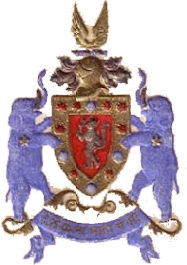
- The Coat of Arms: The arms of Dewas Junior typically featured a shield depicting traditional Maratha weaponry, supported by two tigers or Maratha soldiers, symbolizing strength and courage. The crest above the shield often depicted a demi-horseman or a representation of the family deity.
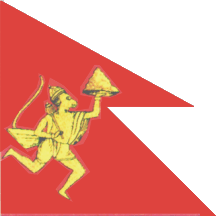
- The State Flag: The flag was the sacred Maratha Bhagwa Zenda (a swallow-tailed saffron flag), representing the state's deep ties to Chhatrapati Shivaji Maharaj's empire and Hindu spiritual traditions.
Post-Independence and the Modern Era
Following India's independence in 1947, the last ruling Maharaja of Dewas Junior, Yeshwant Rao "Bhao Saheb" Puar, signed the Instrument of Accession to the Dominion of India. In 1948, Dewas Junior merged with neighboring princely states to form the newly created state of Madhya Bharat. Later, in 1956, Madhya Bharat was merged into the state of Madhya Pradesh.
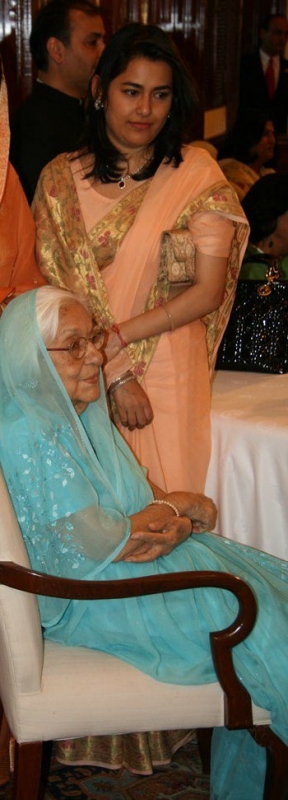
Today, the royal legacy of Dewas Junior is preserved by their descendants. The family remains highly respected in the region, continuing to participate in local cultural, social, and political affairs, keeping the unique heritage of the dual-state of Dewas alive in the modern era.
Genealogy
- Raja Kaloji, married and had issue.
- Raja Tukojirao I Kaloji Puar, Raja of Dewas Senior (qv)
- Raja Jivajirao I Kaloji Puar, Raja of Dewas Junior (qv)
- Raja JIVAJIRAO KALOJI PUAR, 1st Raja of Dewas-Junior 1728/1774, died .
- Raja SADASHIVRAO I PUAR, 2nd Raja of Dewas-Junior 1774/1790, died .
- Raja RUKMANGADRAO PUAR, 3rd Raja of Dewas-Junior 1790/1817
- Raja ANANDRAO PUAR, 4th Raja of Dewas-Junior 1817/1840, he adopted his successor in 1837, married and had adoptive issue.
- (A) Raja Haibatrao Anandrao Puar (qv)
- Raja HAIBATRAO ANANDRAO PUAR, 5th Raja of Dewas-Junior 1840/1864, married and had issue. He died .
- HH Raja Narayanrao Haibatrao [Dada Saheb] Puar (qv)
- HH Raja NARAYANRAO HAIBATRAO [DADA SAHEB] PUAR, 6th Raja of Dewas-Junior 1864/1892, born , succeeded 8th August 1864, educated at Daly College, Indore, he rendered good service during the Mutiny, married and had adoptive issue. He died .
- (A) HH Maharaja Sir Malharrao [Baba Saheb] Puar (qv)
- HH Maharaja Sir MALHARRAO [BABA SAHEB] PUAR, 7th Maharaja of Dewas-Junior 1892/1934, Maharaja [cr.1918], K.C.S.I. [cr.1917], born , adopted by his uncle in January 1892; educated at Daly College, Indore; succeeded 23rd May 1892; formally invested with ruling powers in November 1897; he was granted the K.I.H. Gold Medal in June 1912; married (unequally) Shrimant Prabhavati Bai Saheba, and had issue, not in line of succession. He died .
- Maharajkumar Martand Rao Puar, born , died in Darjeeling.
- Maharajkumari Shashiprabha (Wallia)
- HH Maharaja SADASHIVRAO II [KHASE SAHEB] PUAR, 8th Maharaja of Dewas-Junior 1934/1943, born , died
- HH Maharaja Sir YESHWANTRAO [BHAU SAHEB] PUAR, 9th and last Maharaja of Dewas-Junior 1943/1965, born , married 1942, HH Maharani Menaka Devi, daughter of HH Maharaja Jitendra Narayan Bhup Bahadur of Cooch Behar, and his wife, HH Maharani Indira Devi, and had issue, two daughters. He died .
- Maharajkumari Udaya Raje Puar [Princess Pixie], born , married Raja Rudendra Bikram Singh of Payagpur.
- Maharajkumari Durga Raje Puar
Notable Figures
Shrimant Jivaji Rao I Puar (1728 - 1774)
Shrimant Jivaji Rao I Puar was the founder of the Dewas Junior branch. Alongside his elder brother, Tukoji Rao I (who founded the Dewas Senior branch), he received a joint sanad (grant) of the Malwa territory from the Maratha Peshwa Baji Rao I in 1728. The two brothers established a unique dual-rule administration where they shared the same capital of Dewas but ruled over distinct territories and revenues. He belonged to the illustrious Pawar (Parmar) Rajput clan, which trace their ancestry back to the ancient Parmar dynasty of Malwa.
To understand the unique administrative division of the state, you can refer to the Dewas State Wikipedia Page.
Shrimant Sadashiv Rao I Puar (1774 - 1790)
Following the death of Jivaji Rao I, Shrimant Sadashiv Rao I Puar ascended the gaddi (throne) of Dewas Junior. His reign was largely focused on consolidating his authority and preserving the borders of the young state against the expansionist designs of neighboring Maratha states, particularly the Scindias of Gwalior and the Holkars of Indore.
Shrimant Rukmangad Rao Puar (1790 - 1817)
Commonly referred to as Rao Saheb, Rukmangad Rao Puar's reign coincided with one of the most chaotic eras in Central Indian history. The region of Malwa was severely ravaged by Pindari raids, plunder by rival Maratha factions, and internal instability. Despite these heavy tribulations, Rukmangad Rao managed to keep the administration of Dewas Junior intact, laying the groundwork for British protection.
Shrimant Anand Rao II Puar (1817 - 1840)
Popularly known as Dada Saheb, Shrimant Anand Rao II Puar's reign marked a major turning point for the state. In 1818, under his leadership, Dewas Junior entered into a treaty of protective alliance with the British East India Company. This treaty restored law and order, permanently shielded the state from the threat of Pindari raids, and guaranteed the sovereignty of the ruling family under British paramountcy.
For more context on the administrative structures during this era, you can explore the Central India Agency Wikipedia Article.
Shrimant Haibat Rao Puar (1840 - 1864)
Succeeding Anand Rao II, Shrimant Haibat Rao Puar ruled during the critical period of the Indian Rebellion of 1857. He maintained absolute loyalty to the British Crown, ensuring that the state of Dewas Junior remained peaceful and unaffected by the widespread uprisings across Central India. His cooperative stance secured the goodwill of the British administration, solidifying the state's status.
Shrimant Narayan Rao Puar (1864 - 1892)
Known affectionately as Dada Saheb, Shrimant Narayan Rao Puar was a highly progressive administrator who initiated several structural, judicial, and educational reforms. He worked on improving the revenue collection system, established early modern schools, and laid out new roads to enhance trade and connectivity with neighboring states like Dhar.
Maharaja Shrimant Sir Malhar Rao Puar (1892 - 1934)
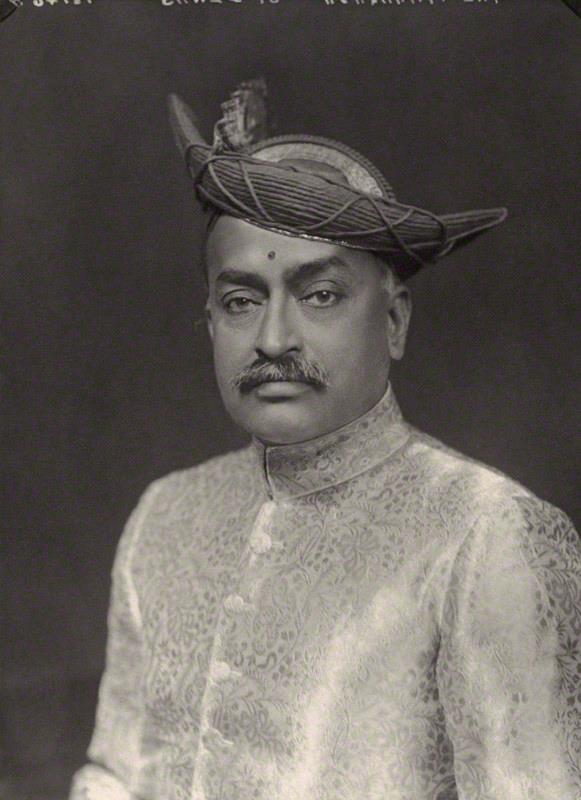
Known as Baba Saheb, Maharaja Sir Malhar Rao Puar was one of the most influential and longest-reigning rulers of Dewas Junior. He was highly educated, visionary, and deeply committed to the welfare of his subjects. Under his long reign of over four decades, the state made massive strides in agriculture, healthcare, and education. For his administrative excellence and loyalty, he was knighted by the British Crown as a Knight Commander of the Most Exalted Order of the Star of India (KCSI).
To learn more about the honors and salutes associated with states like Dewas Junior, view the Salute States of India on Wikipedia.
Maharaja Shrimant Sadashiv Rao II Puar (1934 - 1943)
Known as Khase Saheb, Maharaja Sadashiv Rao II succeeded Sir Malhar Rao Puar. He was an extremely intellectual and forward-thinking ruler who continued his predecessor’s welfare policies. He took a keen interest in modernizing public health infrastructure and expanding municipal amenities within the capital city of Dewas.
Maharaja Shrimant Yeshwant Rao Puar (1943 - 1948)
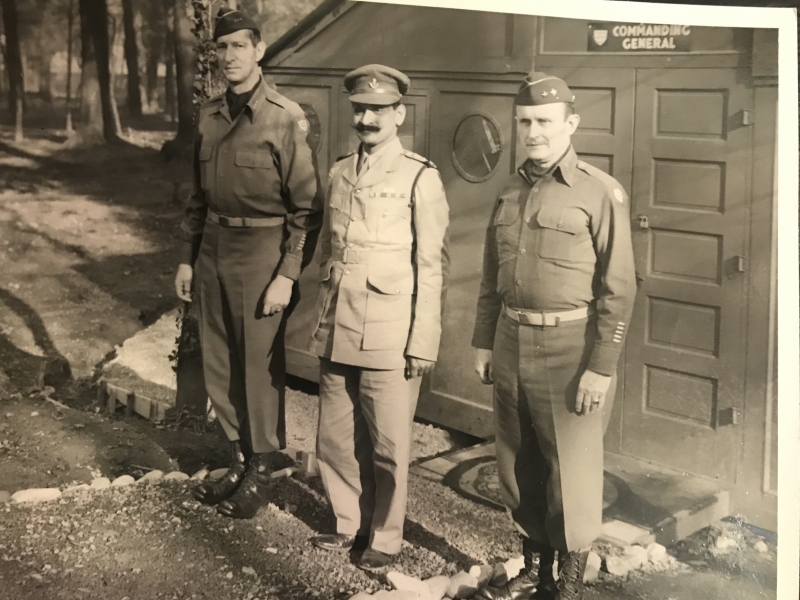
Maharaja Shrimant Yeshwant Rao Puar was the last ruling Maharaja of the Dewas Junior princely state. He navigated the state through the challenging years of the Second World War and the transition of India towards independence. In 1948, he signed the Instrument of Accession, merging Dewas Junior into the newly created Indian Union. The state was integrated first into the temporary province of Madhya Bharat, which was later merged into Madhya Pradesh in 1956.
Details about the historical integration process can be read on the Political Integration of India Wikipedia Article.