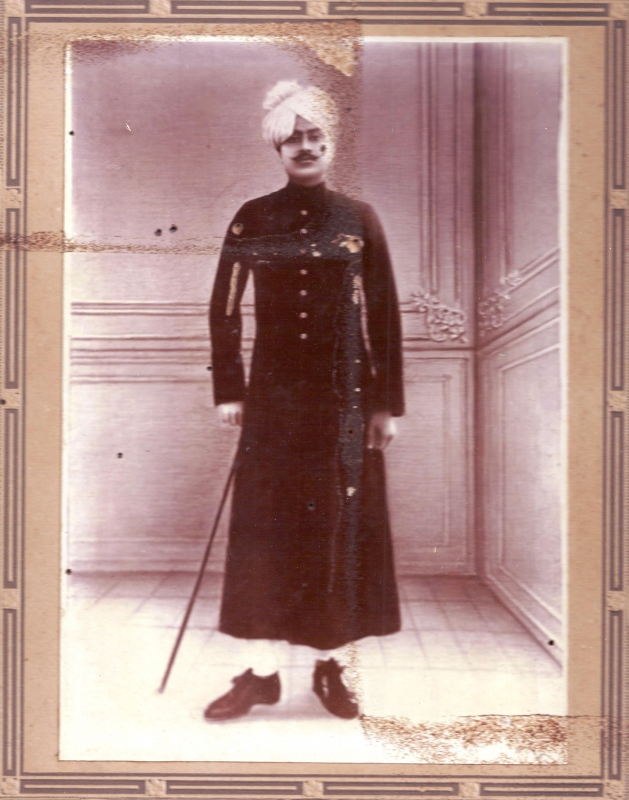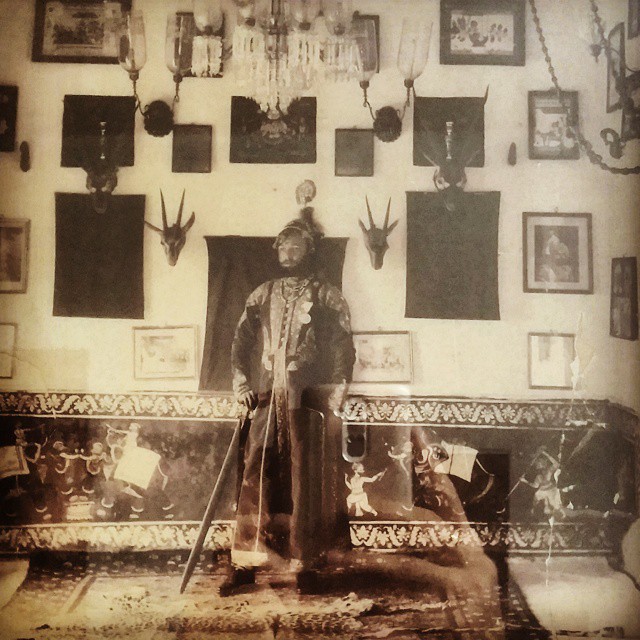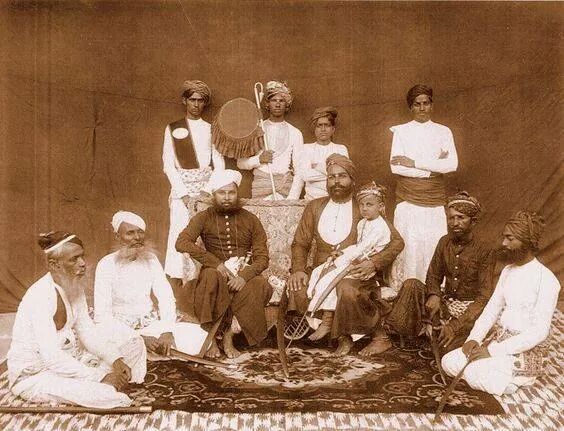
Present Head
- Kunwar Saheb Shouryraj Jodha
History
Origin and Foundation of Deolia Kalan
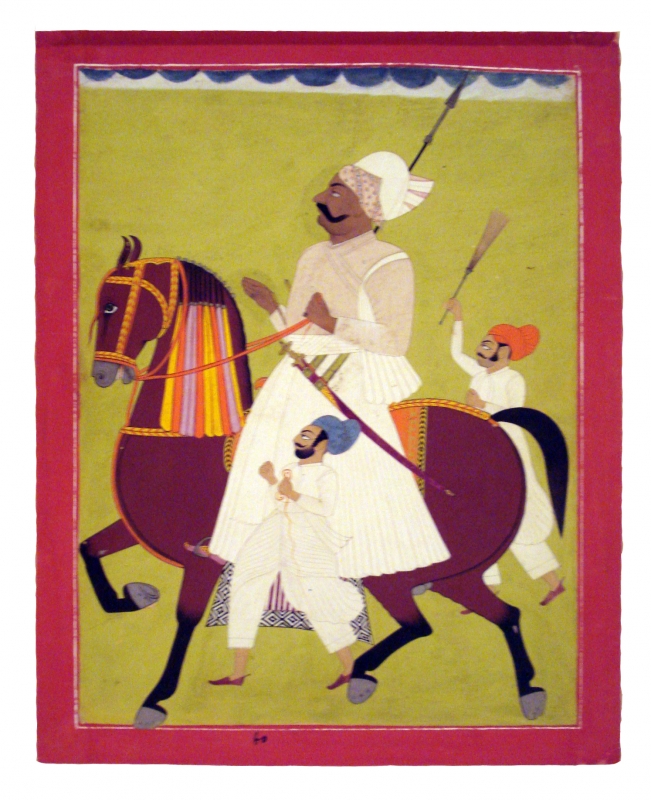
The estate of Deolia Kalan (historically categorized as an Istimrari estate) is situated in the historic Ajmer-Merwara region of Rajasthan. The ruling house of Deolia Kalan belongs to the illustrious Jodha Rathore clan, tracing their patrilineal descent directly from Rao Jodha, the 15th-century founder of Jodhpur and the state of Marwar. Over the generations, branches of Rao Jodha's descendants migrated eastward toward the fertile plains of Ajmer, establishing various thikanas (feudal estates) under the suzerainty of the central powers ruling Ajmer.
Deolia Kalan was carved out as a prominent seat of power, where the Jodha Rathores established their fort and administrative center. The rulers of this estate were known for their martial prowess and administrative capability, which helped them secure hereditary rights over their lands amidst the shifting geopolitical landscapes of medieval Rajputana.
Mughal and Maratha Periods
During the Mughal era, Ajmer served as an important imperial province (Subah). The Jodha Rathore chieftains of Deolia Kalan maintained a delicate political balance, paying nominal allegiance to the Mughal Emperors while preserving their internal autonomy and traditional Rajput administrative structure. They contributed to regional defense and took part in military expeditions under the imperial banner when called upon.
With the decline of the Mughal Empire in the 18th century, the region of Ajmer-Merwara witnessed severe instability and fell under the influence of the Maratha Empire, particularly the Scindias of Gwalior. The Thakur of Deolia Kalan, along with neighboring Rathore chieftains, fiercely defended their territories against excessive Maratha revenue demands (chauth), engaging in localized skirmishes and strategic treaties to safeguard their clan's honor and estate boundaries.
The British Raj and Istimrari Status
Following the treaty of 1818, Daulat Rao Scindia ceded the territory of Ajmer to the British East India Company. The British administrators, recognizing the deep-rooted influence of the local Rajput nobility, chose not to disrupt the existing feudal structure. Under the landmark land settlements of Ajmer-Merwara, Deolia Kalan was officially recognized as an Istimrari estate. The term Istimrari referred to land held under a permanent, fixed revenue settlement (tribute) payable to the government, exempting the thikana from periodic revenue reassessments.
The Thakurs of Deolia Kalan exercised judicial and police powers within their domain, maintaining local law and order, managing water bodies (such as local baoris and tanks), and patronizing local arts and temples. Historical records, such as the Gazetteer of Ajmer-Merwara, document the active participation of the Istimrardars of the region in the administrative and social councils of the province.
Post-Independence and Modern Era
With India's independence in 1947, the princely states and feudal estates underwent integration into the democratic Indian Union. Under the provisions of the Rajasthan Land Reforms and Resumption of Jagirs Act, 1952, the feudal privileges, jagirdari rights, and the Istimrari system of Deolia Kalan were formally abolished. The agricultural lands were distributed among the local cultivators, and the administrative functions of the estate were integrated into the state governance of Rajasthan.
Despite the loss of formal political authority, the descendants of the Jodha Rathore house of Deolia Kalan have continued to play a significant role in local community leadership, preservation of regional heritage, and agriculture. The ancestral fort and traditional customs of the clan remain a testament to the rich historical legacy of the Jodha Rathores in the Ajmer district.
Genealogy
- Thakur AKSHAY RAJ, 1st Thakur Sahib of Deolia Kalan, second son of Thakur Shyam Singh of Bhinai.
- Thakur ISHWAR DAS, 2nd Thakur Sahib of Deolia Kalan.
- Thakur ADITYA SINGH, 3rd Thakur Sahib of Deolia Kalan.
- Thakur RAGUNATH SINGH, 4th Thakur Sahib of Deolia Kalan, he succeeded by adoption.
- Thakur MUHABBAT SINGH, 5th Thakur Sahib of Deolia Kalan.
- Thakur Sheodan Singh of Deoliya (qv)
- Thakur Bagh Singh of Arwad
- Thakur Kushal Singh
- Thakur Prem Singh
- Thakur Bahadur Singh
- Thakur Maan Singh
- Thakur Brijraj Singh
- Thakur Bharat Singh, married to Prem Kanwar, daughter of Anand Singh Chouhan of Thikana Baghera.
- Thakur Ganpat Singh Rathore, married to Shobhag Kanwar, daughter of Bajrang Singh Shekhawat Thikana Kariri.
- Kunwar Harsh Vardhan Singh Rathore
- Kunwar Shatrudaman Singh Rathore
- Thakur Hamendra Singh Rathore, married to Anup Kanwar, daughter of Mahendra Singh Shekhawat Thikana Kariri.
- Kunwar Aaditya Veer Singh Rathore
- Thakur Ganpat Singh Rathore, married to Shobhag Kanwar, daughter of Bajrang Singh Shekhawat Thikana Kariri.
- Thakur Himmat Singh, married to Shyam Kanwar, daughter of Bhagirath Singh Naruka of Thikana Lawa.
- Thakur Narendra Singh, married to Vishnu Kanwar Shekhawat of Thikana Rulana.
- Thakur Bharat Singh, married to Prem Kanwar, daughter of Anand Singh Chouhan of Thikana Baghera.
- Thakur Brijraj Singh
- Thakur Maan Singh
- Thakur Bahadur Singh
- Thakur Prem Singh
- Thakur Kushal Singh
- Thakur SHEODAN SINGH, 6th Thakur Sahib of Deolia Kalan.
- Thakur AKHAI RAJ, 7th Thakur Sahib of Deolia Kalan, he succeeded by adoption.
- Thakur SARDUL SINGH, 8th Thakur Sahib of Deolia Kalan.
- Thakur HARI SINGH, 9th Thakur Sahib of Deolia Kalan -/1893, he succeeded by adoption. COURT OF WARDS 1893/1895
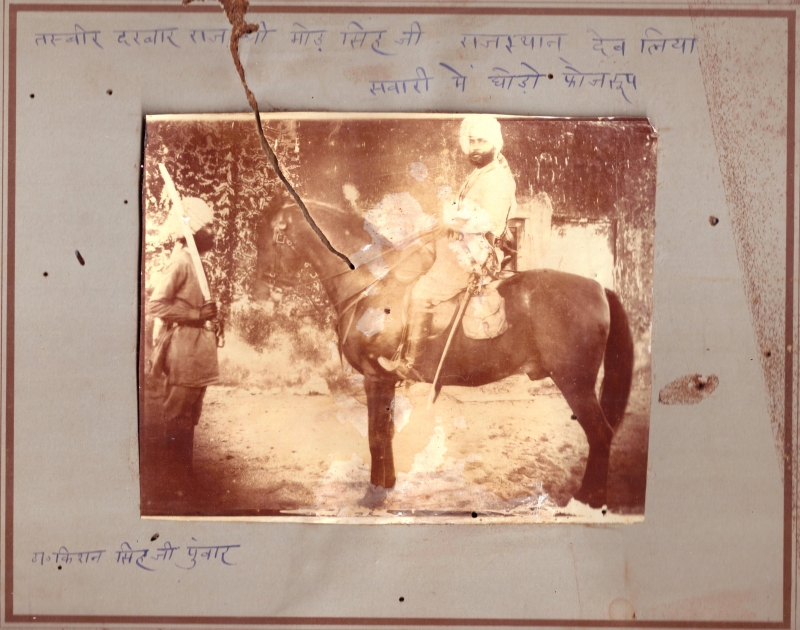
- Rao Saheb MOD SINGHJI, 10th Rao Saheb of Deolia 1893/(1948); born , succeeded by adoption, educated at Mayo College Ajmer (joined on 6th August 1884); married in 1891 to Rani Fateh Kanwar, daughter of Thakur Udai Singh of Malsisar, and his wife, Thakurani Sahiba Bikawatji, and had issues, two sons and two daughters.
- Rao Saheb Surajbhan Singhji (qv)
- Thakur Sur Singhji, died at an early age.
- Rao Saheb Vijay Singhji (qv)
- Baisa Ram Kanwar, married into Karjali.
- Baisa Gopal Kanwar [Rani Raj Kanwar of Bari-Sadri], married 1913 (as his second wife), Raj Rana Dule Singhji of Bari Sadri, and had issue.
- Rao Saheb SURAJBHAN SINGHJI, 11th Rao Saheb of Deolia, he adopted his younger brother as his successor, married Rani Sahiba Sisodniji of Lasani, and had issue, one daughter, as well as adoptive issue. He died spm.
- Baisa Kan Kanwar, married into Kalwara in Jaipur.
- (A) Rao Saheb Vijay Singhji (qv)
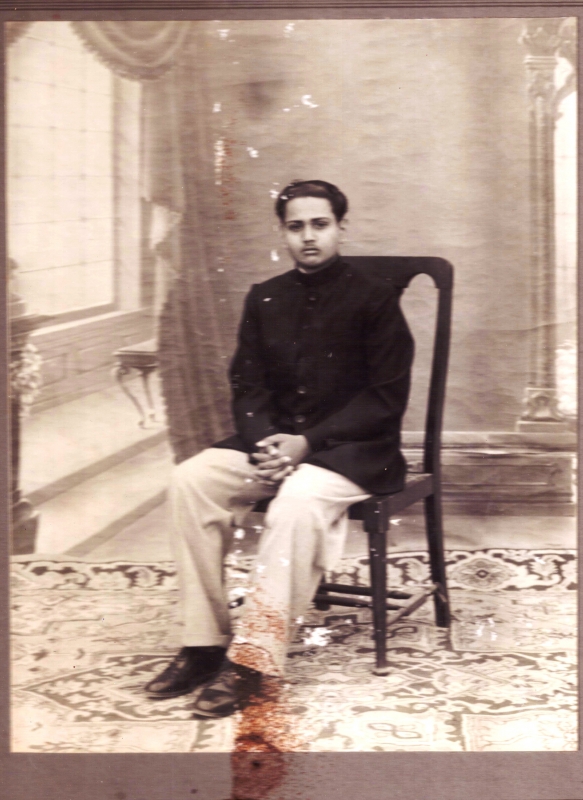
- Rao Saheb VIJAY SINGHJI, 12th Rao Saheb of Deolia, he succeeded by adoption; born on ; married Rani Sahiba of Daudsar, and had issue, one son and one daughter.
- Rao Saheb Devi Singhji (qv)
- Baisa Shiv Kanwar [Rani Shiv Kumari of Lawa], married Maharaj Bans Pradeep Singh of Lawa in Tonk, and had issue, three sons and two daughters.
- Rajkumar Rishiraj Singh
- Rajkumari Durga Kumari
- Rajkumar Ashwini Kumar Singh
- Rajkumar Summer Singh
- Rajkumari Mahesh Kumari
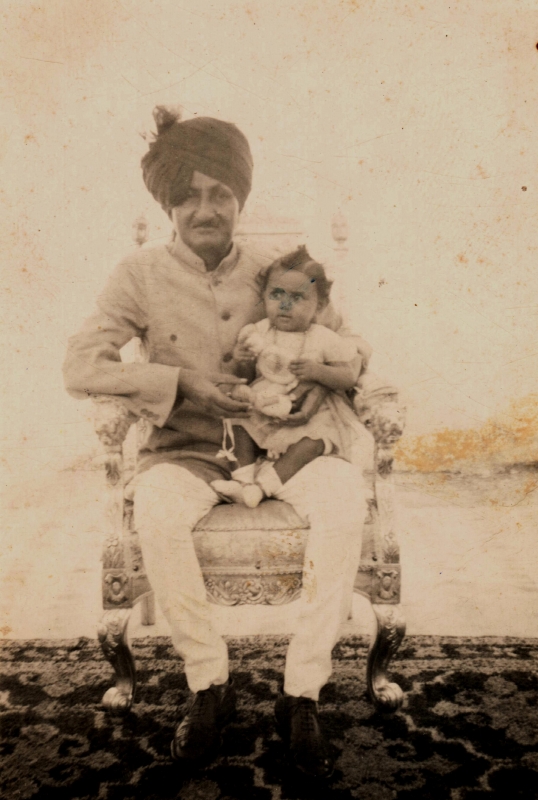
- Rao Saheb DEVI SINGHJI, 13th Rao Saheb of Deolia, born on , married 1stly on 27th January 1947 to Maharajkumari Jairaj Kunwarba Sahiba [Rani Kirti Kumari of Deolia], daughter of Major HH Maharana Shri Maharaja Shri Raj Sir Ghanshyamsinhji Ajitsinhji Sahib Bahadur of Dhrangadhra, and his fifth wife, HH Maharani Nawal Kunwarba Sahiba, married 2ndly, a Princess of Kalwad in Jaipur, and had issue, three sons and one daughter.
- Baisa Ela Kumari [Thakurani Sahiba Ela Kanwar of Chittora] (by Rani Kirti Kumari), born , married 1973, Thakur Nawal Singh Kachhawa of Chittora in Jaipur.
- Rao Saheb Laxman Singhji (by Rani Kirti Kumari) (qv)
- Thakur Harish Chandra Singhji (by Rani Kirti Kumari), born , educated at Rajkumar College, Rajkot (1968); married to Nirmal Kumari daughter of Thakur Saheb Bhanwar Singh Rajawat of Mehlan, and has issue, one daughter.
- Kumari Sneh Kumari, married 7th November 2000, Kumar Saheb Arjunsinhji Dalpatsinhji Jadeja of Sarodad in Jamnagar (see Nawanagar), and has issue, one son and one daughter.
- Dishtiba Jadeja, born in Rajkot on 27th Jan 2004.
- Utkarsh Jadeja, born in Mumbai on 13th April 2005.
- Kumari Sneh Kumari, married 7th November 2000, Kumar Saheb Arjunsinhji Dalpatsinhji Jadeja of Sarodad in Jamnagar (see Nawanagar), and has issue, one son and one daughter.
- Thakur Divakar Singhji (by Princess of Kalwad), born , married to Thakurani Sahiba Prem Kanwar, daughter of Thakur Shanker Singh Ranawat of Thikana Chhaprel, and has issues, two daughters.
- Geetanjali Kumari, born in Jaipur on 2nd January 1998.
- Bhuvneshwari Kumari, born in Jaipur on 19th February 2001.
- Rao Saheb LAXMAN SINGHJI, 14th Rao Saheb of Deolia Kalan, born , married Rani Sahib Gajendra Kumari, daughter of Maharaj Saheb Budh Singh of Kotra in Kotah, and has issue, two sons and one daughter. He died on .
- Rao Dakshraj Jodha (qv)
- Thakur Akshraj Jodha, born in Ajmer, educated at Bombay University (Hotel Management), he was voted the Best Student Chef in 2000 (nationwide); presently working as Executive Chef for ITC Hotels; married 17th April 2009, Baisa Vijeta Singh Shekhawat, daughter of the Late Thakur Satish Singhji Jhajad (Sikar) and has issue, one son.
- Kunwar Arudra Jodha, born .
- Baisa Purnima Kumari, married to a Kunwar Saheb of Diloda in Kotah, and has issue, one son.
- Bhanwar Devlaksh Singh Nathawat
- Rao Saheb DAKSHRAJ SINGHJI, 15th Rao Saheb of Deolia (qv)