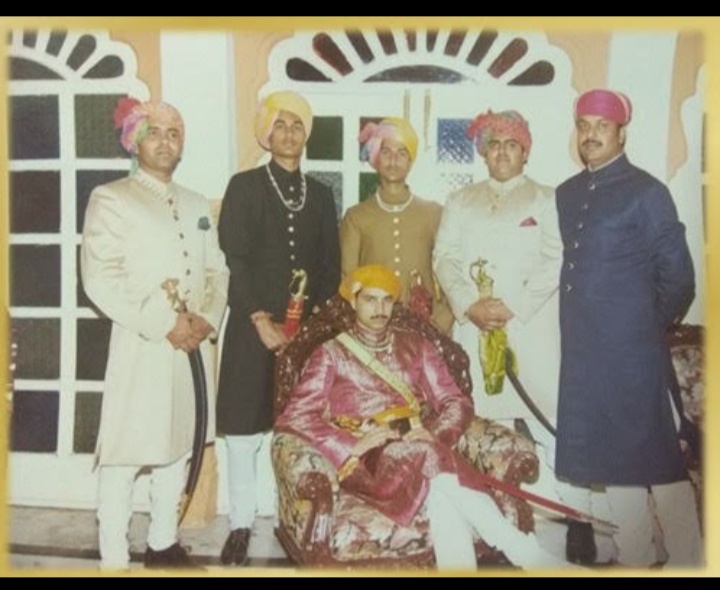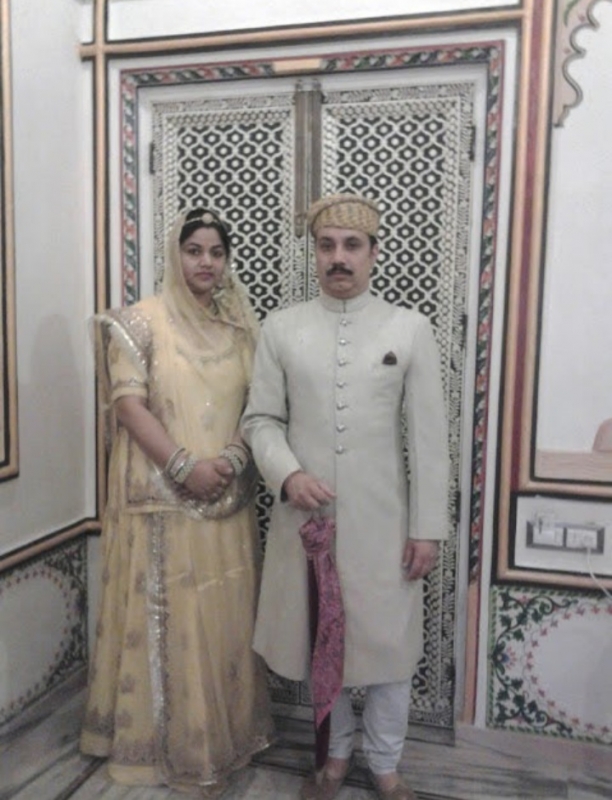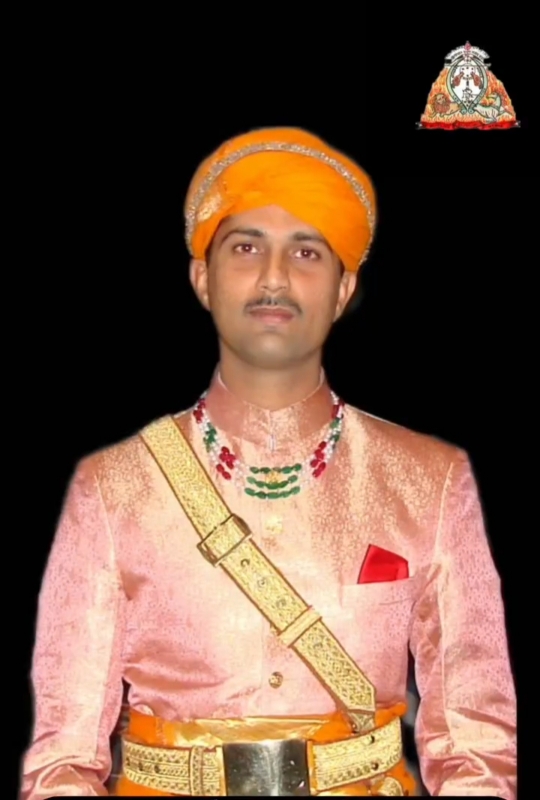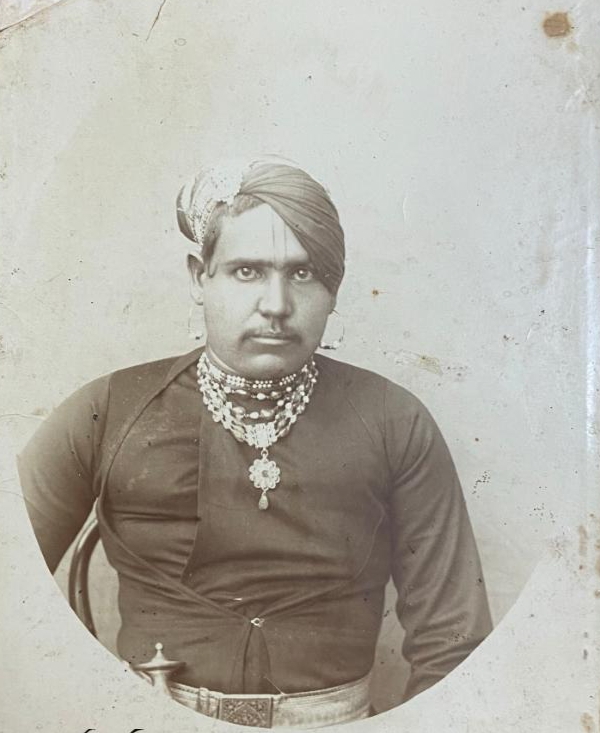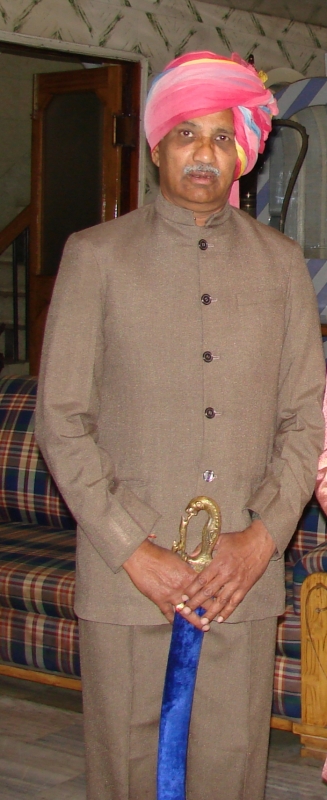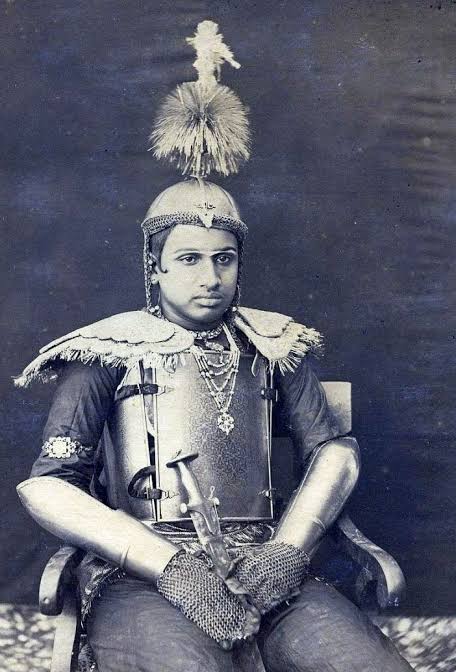
Present Head
- Bhanwar Raj Raghvendra Singh Ji, he died sp.
- Baisa Divya Kumari
- Baisa Jayati Kumari
History
Origin and Foundation
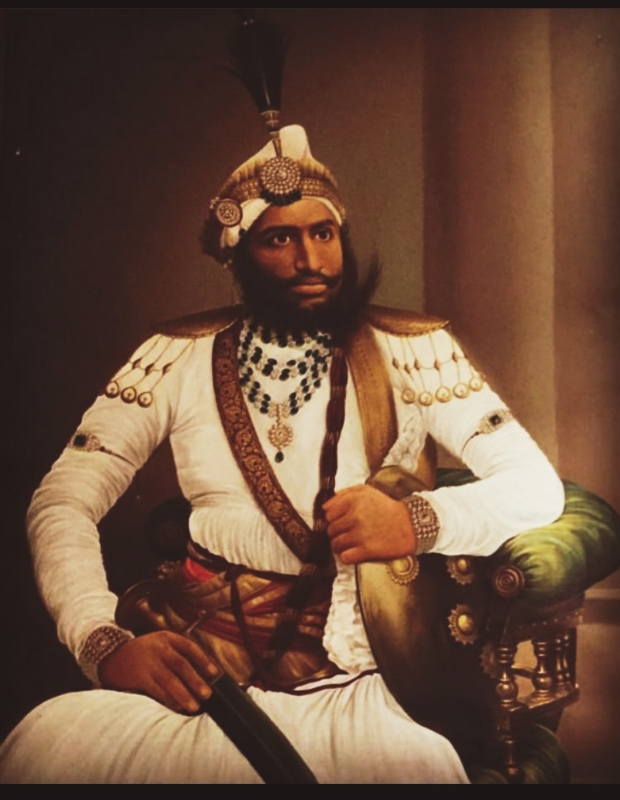
The rulers of the historic Bijolian Thikana (historically known as Vijayavali or Vindhyavali) belong to the Pramara (Parmar) clan of Rajputs. The ancestors of this noble house originally held the fiefdom of Jagner (located near modern-day Agra and Bharatpur), tracing their lineage back to the imperial Parmars of Malwa. The foundation of the Bijolian estate in Mewar is credited to Rao Ashok Parmar. During the early 16th century, Ashok Parmar migrated from Jagner to Mewar, where he entered the service of the legendary Maharana Sangram Singh I (popularly known as Rana Sanga).
Rao Ashok Parmar demonstrated exceptional valor fighting alongside Rana Sanga against the Mughal emperor Babur in the monumental Battle of Khanwa in 1527. In recognition of his bravery and military services, Rana Sanga bestowed upon him the prosperous plateau region of Uparomal, with its administrative seat at Bijolian. Thus, the Parmars of Jagner established their seat in Mewar, serving as loyal defenders of the state's eastern borders.
Feudal Status in Mewar State
Under the feudal hierarchy of the Princely State of Mewar (Udaipur), the Rao of Bijolian held a position of eminent prestige. The thikana was classified as one of the elite Solah (the sixteen first-class noble estates) of Mewar. The rulers of Bijolian enjoyed seats of honor in the royal court (Darbar) of Udaipur, positioned directly on the right side of the Maharana, which signified their high administrative and military status.
Over the centuries, the rulers of Bijolian constructed grand fortresses, stepwells, and patronized magnificent temple complexes, preserving the cultural heritage of the region. The area is renowned for its ancient rock inscriptions, most notably the Bijolia Rock Inscription of 1170 CE, which provides crucial genealogical details of the Chahamana (Chauhan) dynasty and the historical geography of Rajasthan.
The Historic Bijolia Peasant Movement (1897–1941)
In modern Indian history, Bijolian is widely celebrated as the cradle of India's first organized, non-violent peasant struggle: the Bijolia Peasant Movement. Originating in 1897, the movement spanned nearly half a century and served as a major precursor to the wider Indian freedom struggle in Rajasthan.
The movement was triggered by the exorbitant taxes (known locally as lag-bag) and forced labor (veth-begar) imposed by the feudal administration. Under Rao Sawai Kishan Singh, the thikana levied eighty-four different types of taxes on the peasantry, mostly belonging to the Dhakar community. The introduction of the controversial Chauri tax (a levy on a daughter's marriage) in 1903 sparked widespread outrage. The discontent intensified when the succeeding ruler, Rao Prithvi Singh, imposed a heavy Talwar-bandhai (succession fee) on the ryots in 1906.
The resistance was initially led by local leaders like Sadhu Sitaram Das, Fateh Karan Charan, and Brahmadeo. By 1916, the movement gained national prominence under the leadership of the legendary revolutionary Vijay Singh Pathik (popularly known as Rashtriya Pathik) and Manikya Lal Verma (who later became the Chief Minister of Rajasthan). Under Pathik's guidance, the peasants established the Bijolia Kisan Panchayat and refused to pay unjust taxes. The movement received moral support from Mahatma Gandhi and was prominently featured in national newspapers, eventually forcing the Udaipur State and the British Resident to negotiate a settlement, leading to a significant reduction of taxes and the abolition of forced labor by 1941.
Post-Independence and Modern Era
Following India’s independence in 1947 and the subsequent integration of princely states, the Bijolian Thikana was formally merged into the United State of Rajasthan in 1948. With the abolition of the feudal jagirdari system in 1954, the administrative powers of the Rao of Bijolian were transferred to the democratic government of India.
Today, Bijolia is a thriving town located in the Bhilwara district of Rajasthan. The town remains an important site for historians, archaeologists, and tourists alike, famous for its medieval temple architecture—particularly the Hajaresvara Mahadeva Temple—and its proud legacy as the birthplace of peasant consciousness in India.
References and External Links
- Read more about the Bijolia Peasant Movement on Wikipedia.
- For research on Mewar's feudal hierarchy, consult the historical archives of Mewar State on Wikipedia.
- Details on Parmar dynasty lineages can be cross-referenced via the Encyclopaedia Britannica - Paramara Dynasty.
Genealogy
- Rao ASHOKA, 1st Rao of Bijolian fl.1510, married and had issue.
- Rao Sajjan Singh (qv)
- Baisa (name unknown), married the Maharana of Mewar.
- Rao SAJJAN SINGH, 2nd Rao of Bijolian
- Rao RAMRAKH SINGH, 3rd Rao of Bijolian
- Kunwar Dungar Singh, sacrificed their life in Haldighati battle.
- Kunwar Pahad Singh, sacrificed their life in Haldighati battle.
- Rajkumari Ajabde, married to the great warrior Maharana Pratap of Mewar.
- Rao DUNGAR SINGH, 4th Rao of Bijolian
- Rao SUBHKARAN I, 5th Rao of Bijolian
- Rao KESHAV DAS I, 6th Rao of Bijolian
- Rao INDRA BHAN, 7th Rao of Bijolian
- Rao BAIRI SAL, 8th Rao of Bijolian; brother-in-law of Maharana Raj Singhji I of Udaipur.
- Rao DURJAN SAL, 9th Rao of Bijolian
- Rao VIKRAM ADITYA, 10th Rao of Bijolian
- Sawai Rao MANDHATA SINGH, 11th Rao of Bijolian fl.1769
- Sawai Rao SUBHKARAN II, 12th Rao of Bijolian
- Sawai Rao KESHAV DAS II, 13th Rao of Bijolian -/1856, married and had issue. He died .
- Kunwar Shiv Singh, married and had issue. He died vp before 1856.
- Sawai Rao Govind Das (qv)
- Kunwar Nath Singh [Nahar Singh]
- Kunwar Shiv Singh, married and had issue. He died vp before 1856.
- Sawai Rao GOVIND DAS, 14th Rao of Bijolian 1856/-, born about 1828, married and had issue.
- Sawai Rao Krishna Das (qv)
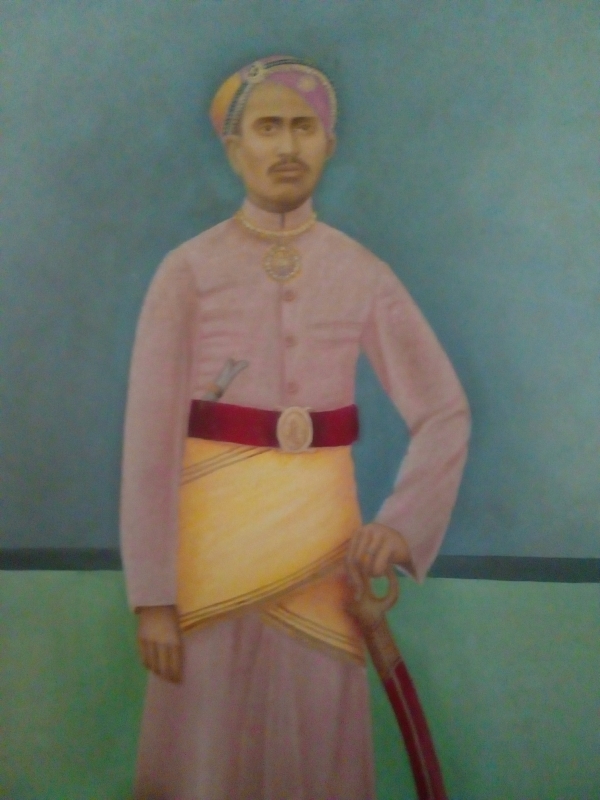
- Sawai Rao KRISHNA DAS, 15th Rao of Bijolian 1895/- , born .
- Sawai Rao PRITHVI SINGH, 16th Rao of Bijolian.
- Sawai Rao Kesri Singh Ji (qv)
- Bavjiraj Goverdhan Singh Ji Bijolian, married to Kunwarani Gaind Kanwar of Kangati (MP) and has issues, two sons and three daughters.
- Baisa Nawnidhi Kumari, married to Thakur Saheb Shree Jai Singh Ji Bika of Malkash (Bikaner).
- Baisa Geeta Kumari, married to Thakur Bishen Singh Ji of Merusar, Bikaner.
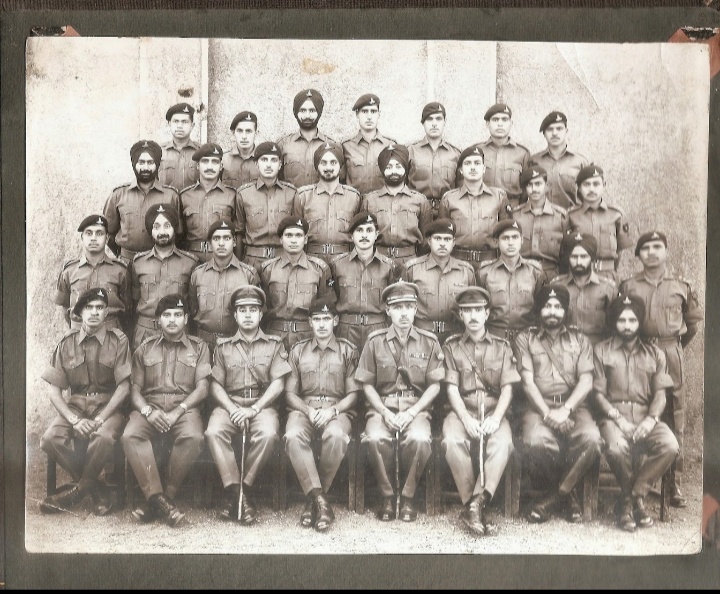
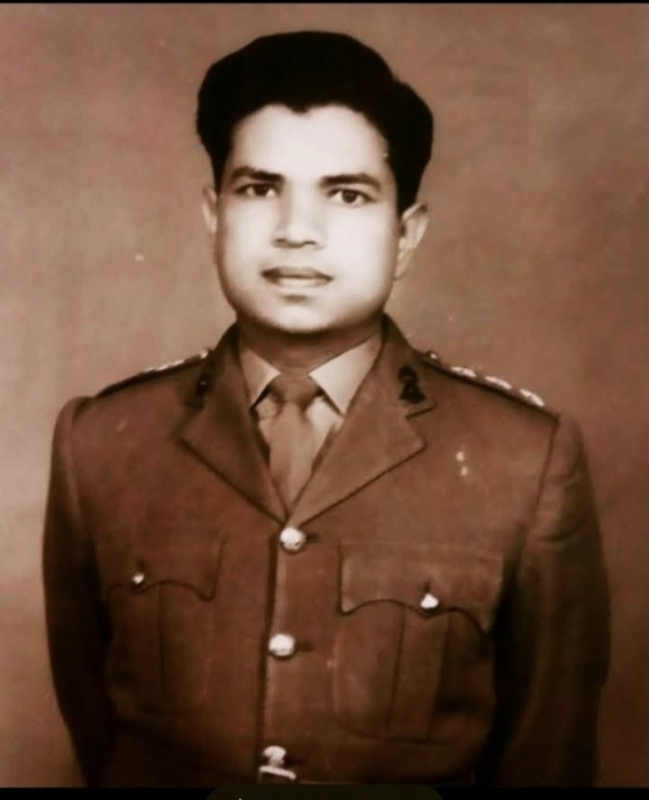
- Bavji Raj Captain Gopal Singh Ji, born , educated at Bhopal Nobles, Udaipur; Commissioned into Indian Army in 1963, awarded Raksha Medal - 1965 for his part in the Samer Seva Stra 1965 and two war operations, took voluntary retirement, served as CGI in NCC Udaipur, awarded best CGI award from Air Chief Marshal; Member of Mewar Kshatriya Sabha Udaipur, Member of Rajput Sabha Jaipur, Member of Bhopal Old Boys Society; married to Kunwarani Jaishree Kumari of Diloda (Kota) and has issues.
- Bavji Raj Vikramadity Singh Ji, born in into the Bijolia family, is rooted in a rich cultural heritage. He is married to Kunwarrani Yogeshwari Kumari of Thikana Palkiya (Kota). He pursued his education at Mohanlal Sukhadia University, Udaipur, where he demonstrated early leadership by being elected as an independent University Secretary, before moving to Jaipur for further academic and business pursuits. He built a distinguished career in export business, with a strong focus on Indian art, culture, and handicrafts, extending his work internationally. His association with cultural initiatives in Paris, including participation in the Lille Festival, reflects his contribution to promoting traditional Langa and Manganiyar folk art on global platforms. During this period, he also established a retail presence in Paris dedicated to Indian handicrafts. Upon returning to India, he continued his work as a leading exporter and was recognized under the Garvi Gujarat initiative in 2013. He went on to establish Royal Treasure India and expanded into interior design, contributing to hospitality and heritage projects across India and abroad. Deeply committed to the preservation of art, culture, and heritage—particularly in Rajasthan—he has also remained connected to his roots through agriculture on his ancestral land. He is regarded as a respected member of society with a lasting contribution to cultural preservation.
- Kunwar Keerti Vardhan Singh Ji, born in , educated at Mayo College, Ajmer and graduated from Symbiosis College Pune.
- Baisa Raj Ambika Singh Panwar, born in , educated from Maharani Gayatri Devi School (MGD) Jaipur.
- Bavji Raj Vikramadity Singh Ji, born in into the Bijolia family, is rooted in a rich cultural heritage. He is married to Kunwarrani Yogeshwari Kumari of Thikana Palkiya (Kota). He pursued his education at Mohanlal Sukhadia University, Udaipur, where he demonstrated early leadership by being elected as an independent University Secretary, before moving to Jaipur for further academic and business pursuits. He built a distinguished career in export business, with a strong focus on Indian art, culture, and handicrafts, extending his work internationally. His association with cultural initiatives in Paris, including participation in the Lille Festival, reflects his contribution to promoting traditional Langa and Manganiyar folk art on global platforms. During this period, he also established a retail presence in Paris dedicated to Indian handicrafts. Upon returning to India, he continued his work as a leading exporter and was recognized under the Garvi Gujarat initiative in 2013. He went on to establish Royal Treasure India and expanded into interior design, contributing to hospitality and heritage projects across India and abroad. Deeply committed to the preservation of art, culture, and heritage—particularly in Rajasthan—he has also remained connected to his roots through agriculture on his ancestral land. He is regarded as a respected member of society with a lasting contribution to cultural preservation.
- Baisa Bhagwat Kumari, married to Thakur Saheb Diwakar Pratap Singh Ji of Kod (Malwa).
- Bavji Raj Natwar Singh Ji, married to Kunwarani Mahendra Kumari of Dudu and has issues, two sons.
- Lt. Col. Kunwar Rohitashwa Panwar, Commissioned in Indian Army, married to Kunwarani Ritika Kumari of Thikana Banbasa (Uttrakhand) a nd has issues, two daughters.
- Bhanwar Baisa Daksha Panwar
- Bhanwar Baisa Priyanjana Panwar
- Lt. Col. Kunwar Bharat Singh Panwar, Commissioned in Indian Army, married to Kunwarani Radhika Kumari of Thikana Nana (Marwar) and has issues, one daughter and a son.
- Bhanwar Baisa Lakshita Panwar
- Bhanwar Virbadhra Singh Panwar
- Lt. Col. Kunwar Rohitashwa Panwar, Commissioned in Indian Army, married to Kunwarani Ritika Kumari of Thikana Banbasa (Uttrakhand) a nd has issues, two daughters.
- Bavji Raj Madan Singh Ji, married to Kunwarani Anoop Kanwar of Occhri, Chittaurgarh, Rajasthan and had issues, two sons and two daughters.
- Baisa Praveen Kumari
- Baisa Saroj Kumari
- Kunwar Narendra Singh Ji
- Bavji Raj Commandant Jagannath Singh Ji, married to Kunwarani Lata Kumari Rajawat of Kama, and had issues, one daughter and two sons.
- Baisa Raj Shelja Kumari, married to Kunwar Moti Singh Ji Rathore of Shergarh.
- Bavji Raj Brig. Koshal Singh Ji, married to Kunwarani Bhavna Kumari of Thikana Taien, Panch Pana (Shekhawati) and have issues, one daughter and two sons.
- Baisa Raj Kaninika Singh
- Bhanwar Bana Yashovardhan Singh
- Bhanwar Bana Yashaditya Singh
- Bavji Raj Asheesh Singh Ji, married to Kunwarani Gaurangana Singh of Thikana Lilamba (Marwar) and have issues, one daughter and one son.
- Baisa Raj Navyanandana Singh
- Bhanwar Bana Ramaditya Singh
- Bavji Raj Vijay Singh Ji, granted the Jagir of Vikrampura under Thikana Bijolia and was thus known as the Thakur Saheb Vijay Singh ji of Vikrampura; married to daughter of Thakur Madho Singh ji of Sindarli-Deoli.
- Ranisa Kushal Kumari, married to Col. Bahadur Singh Ji of Isarda.
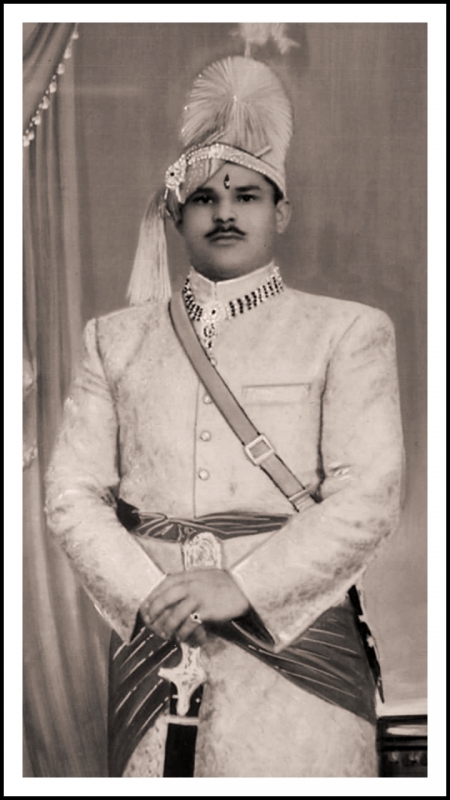
- Sawai Rao KESRI SINGHJI, 17th Rao of Bijolian; married a Rajkumari Chand Kanwar Ji, daughter of Late Maharaja Saheb Ram Singh ji of Sitamau.
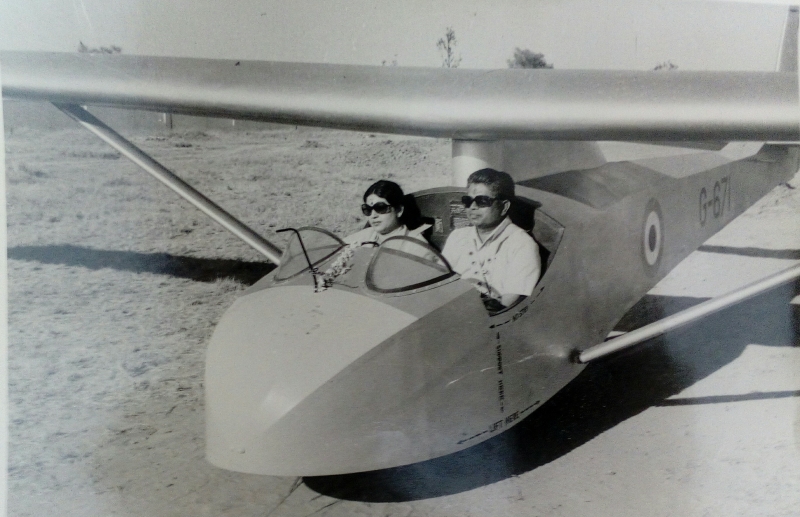
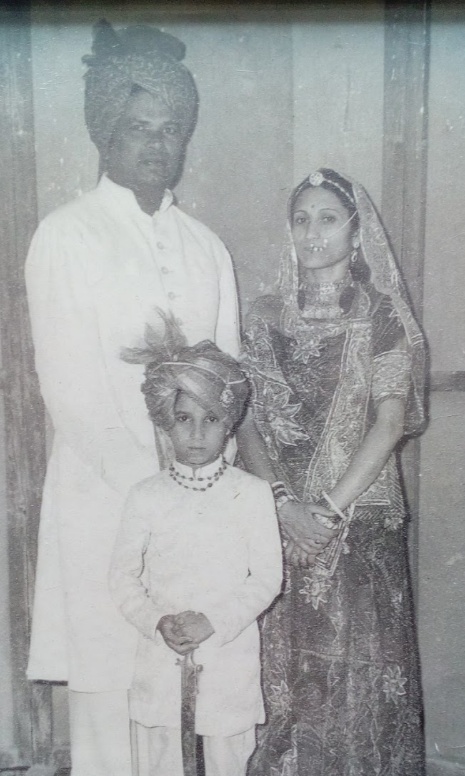
- Sawai Rao CHANDRA VEER SINGHJI, 18th Rao Saheb of Bijolian, a Sirayat of Mewar, born , educated at Mayo College, Ajmer (1949), and at Maharaja College, Jaipur, completing his Masters Degree in Arts, he then entered the political arena; married 1955, Rani Manahar Kumari, daughter of Thakur Saheb Nahar Singhji of Auwa, and has issue, two sons and three daughters. He died on at the age of 95.
- Maharaj Kunwar Digvijay Singh (qv)
- Maharaj Kunwar Mrityunjay Singh, married to Kunwaranisa Harshendra Kumari of Kurki in Marwar, and has issue, one daughter and one son.
- Bhanwar Baisa Priyamvada Kumari
- Bhanwar Raj Madhvendra Singhji
- Baisa Kirti Kumari, ex M.L.A. of Mandalgarh, she died on at Fortis Escorts Hospital, Jaipur
- Thakurani Priti Kumari, married to Thakur Balraj Singh Khichi of Sohangarh.
- Thakurani Jyoti Kumari, married Thakur Vrajendra Singh of Geejgarh.
- Sawai Rao DIGVIJAY SINGHJI, 19th Rao of Bijolian (see above)