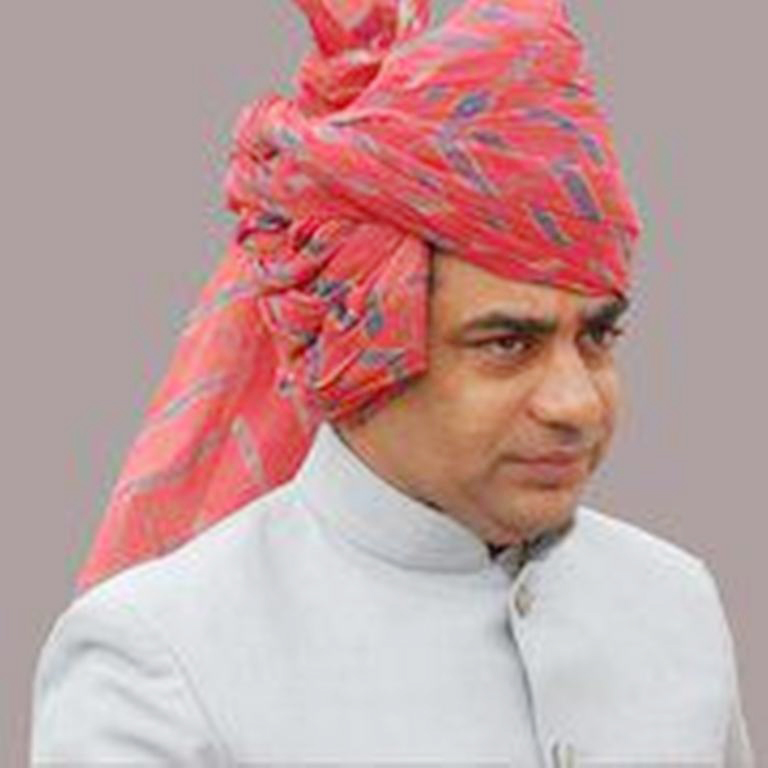
Present Head
- Baisa Shreya Ranawat
- Kunwar Mudit Raj Singh Ranawat
History
Origin and Foundation
The Thikana of Bijapur, situated in the historic province of Mewar (in present-day Chittorgarh district, Rajasthan), holds a distinguished position in the feudal hierarchy of the Sisodia dynasty. The rulers of this Thikana belong to the Ranawat sub-clan of the Sisodias, tracing their direct lineage to Baba Shekha Ji, a younger son of the iconic warrior-king Maharana Pratap.
The establishment of Bijapur as an independent seat of power is closely intertwined with the legendary Battle of Untala (circa 1599–1600 CE). During the reign of Maharana Amar Singh I, a fierce conflict arose to capture the strategic fort of Untala from the Mughal garrison. Thakur Saheb Durjan Singh Ji, the son of Baba Shekha Ji and grandson of Maharana Pratap, fought with exceptional valor in this campaign. In recognition of his heroic exploits and military contribution to the Mewar victory, Maharana Amar Singh I bestowed upon him the prestigious fief (jagir) of Bijapur.
Feudal Prominence and Military Role
As prominent nobles of Mewar, the Thakurs of Bijapur occupied an influential position among the court nobility. They were bound by feudal allegiance to provide military contingents to the Maharana of Udaipur during times of war. Throughout the 17th and 18th centuries, the chiefs of Bijapur defended the frontiers of Mewar against Mughal campaigns and subsequent Maratha incursions. Their loyalty to the central authority of Udaipur remained unwavering through generations of geopolitical turbulence in Rajputana.
The British Period
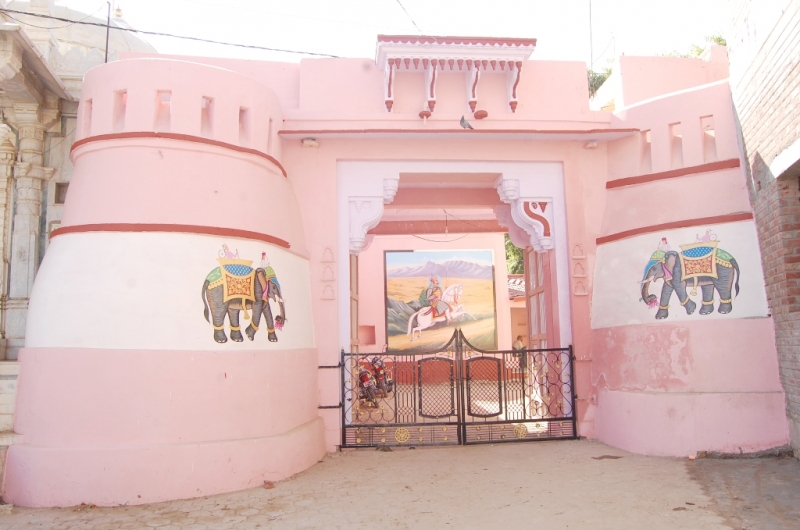
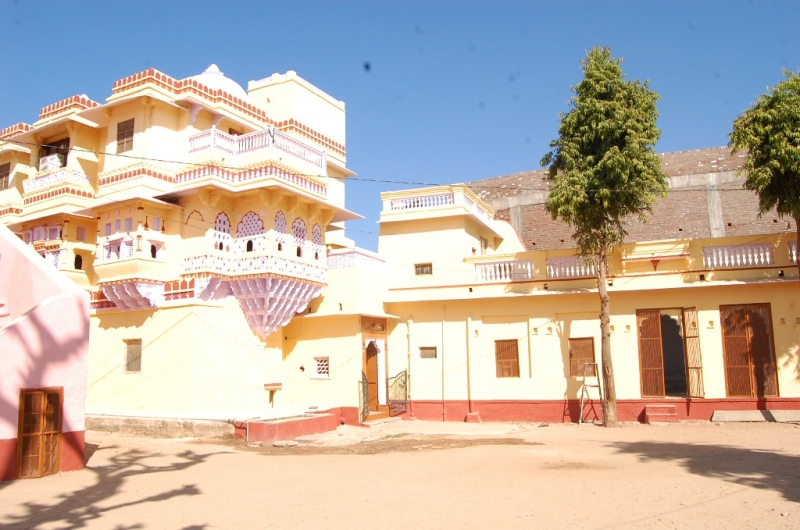
Following the treaty of alliance between the state of Mewar and the British East India Company in 1818, the region entered a phase of relative administrative stability. The Thakurs of Bijapur adapted to the changing times, transitioning from active military defenders to administrative guardians of their estate. They maintained local law and order, collected revenue, and contributed to the regional economy. Post-Independence and the Modern Era With India’s independence in 1947 and the subsequent integration of princely states, the Thikana of Bijapur was merged into the newly formed state of Rajasthan. The Jagirdari land tenure system was formally abolished in the early 1950s under land reform legislations. Despite the loss of formal ruling powers, the family retained their ancestral seat. The historic 16th-century Castle of Bijaipur (Vijaypur), nestled in the Vindhyachal ranges, was subsequently restored by the descendants of the royal lineage and converted into a renowned heritage hotel. Today, it stands as a prominent cultural landmark, preserving the legacy of the Ranawat Sisodias for travelers and history enthusiasts alike. More details on the geographic and tourist significance of the area can be explored via the Official Chittorgarh District Portal.
Genealogy
- Thakur Durjan Singh Ji, 1st Thakur Saheb of Bijapur, married 1stly to Thakurani Amrat Kunwar and 2ndly to Thakurani Lal Kunwar, both committed Sati and had issues.
- Fateh Singh Ji (qv)
- Hemant Singh Ji
- Hathi Singh Ji
- Thakur Fateh Singh Ji, married to Thakurani sa Champawat Ji Sardar Kunwar of Thikana Harji, committed Sati and had issues.
- Anand Singh Ji
- Vijay Singh Ji (qv)
- Vairisal Singh Ji
- Thakur Vijay Singh Ji, married and had issues.
- Daulat Singh Ji (qv)
- Suraj Singh Ji
- Shobh Singh Ji
- Guman Singh Ji, he received Jagir of Thikana Bada Guda (Guda Guman Singh)
- Thakur Daulat Singh Ji, married and had issues.
- Sat Singh Ji (qv)
- Nathu Singh Ji
- Devi Singh Ji, received Thikana Chota Guda (Guda Devi Singh)
- Thakur Sat Singh Ji, married and had adoptive issue from Bada Guda.
- Sawant Singh Ji, son Thakur Saheb Guman Singh Ji of Bada Guda
- Thakur Sawant Singh Ji, married and had issues.
- Bahadur Singh Ji (qv)
- Roop Singh Ji
- Bishan Singh Ji
- Thakur Bahadur Singh Ji, married and had issues.
- Chain Singh Ji (qv)
- Thakur Chain Singh Ji, married and had issue.
- Shambhu Singh Ji (qv)
- Thakur Shambhu Singh Ji, married to Thakurani Jhali Ji Fateh Kunwar of Gogunda, and had issue.
- Bhom Singh Ji
- Thakur Bhom Singh Ji, married and had issues.
- Kishor Singh Ji (qv)
- Tej Singh Ji
- Shivnath Singh Ji
- Chattar Singh Ji
- Umaid Singh Ji
- Thakur Kishor Singh Ji, married at Thikana Chandani in Gujarat, and had issues.
- Shivdan Singh Ji (qv)
- Laxman Singh Ji
- Nahar Singh Ji
- Thakur Shivdan Singh Ji, married at Thikana Janiyani and had issue.
- Jog Singh Ji (qv)
- Thakur Jog Singh Ji, married 1stly at Thikana Khudala, 2ndly at Thikana Pawa and 3rdly at Thikana Manda and had issue.
- Devi Singh Ji (qv)
- Thakur Devi Singh Ji, married to Thakurani Sa Madan Kunwar Ji of Shayampura and had issues.
- Narendra Singh Ji (qv)
- Baisa Ranawat Ji, married to Thakur Ajit Singh Ji of Thikana Chanod.
- Baisa Ranawat Ji, married at Thikana Morsin.
- Baisa Ranawat Ji, married in Bikaner State.
- Rajendra Singh Ji, married at Siriyari, had no issues, adopted the youngest son of his brother Mahendra Singh Ji.
- (A) Kunwar Chakrawati Singh Ranawat
- Mahendra Singh Ji, married at Galthani and had issues.
- Kunwar Bhupendra Singh, married to Shivani Rathore, daughter of ex Member of Parliament, Thakur Hariom Singhji Rathore of Kelwa.
- Kunwar Yogendra Singh, married to Monika Singh from Thikana Palu (Kurd).
- Kunwar Chakrawati Singh, married to Kartika Naruka, daughter of Thakur Vikram Singh Ji Naruka from Thikana Khera (Tonk). Adopted by Rajendra Singh Ji.
- Thakur Narendra Singh Ji, married to Thakurani Sa Pratibha Kunwar, daughter of Thakur Manohar Singh Ji of Dhamli and had issues.
- Thakur Pushpendra Singh Ji Ranawat (see above)