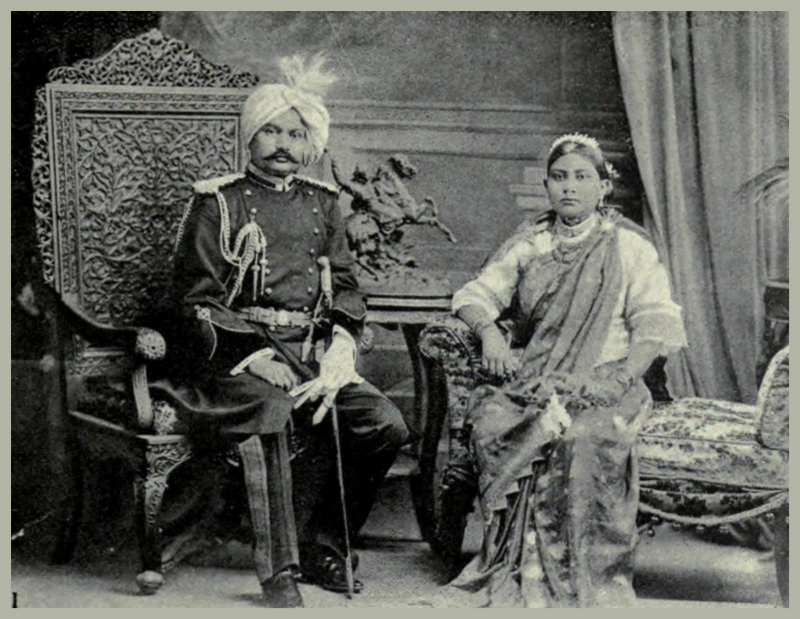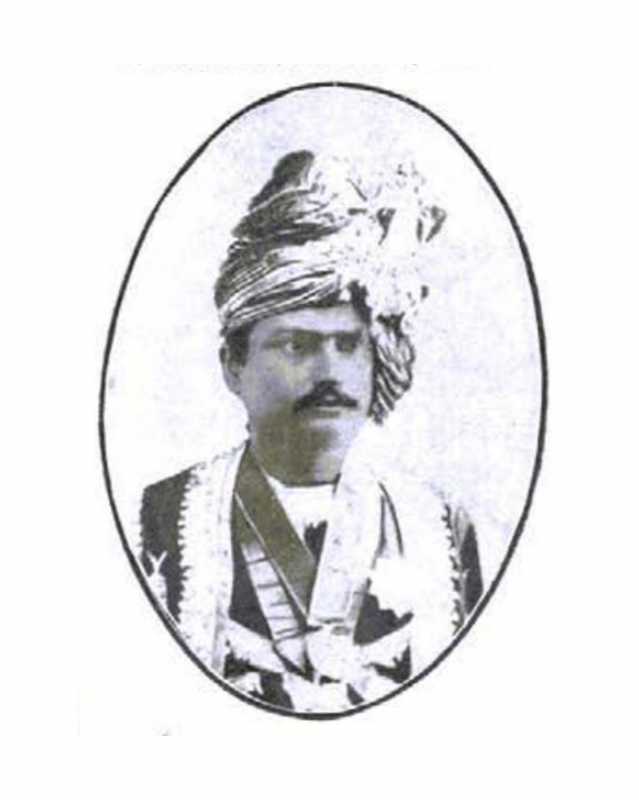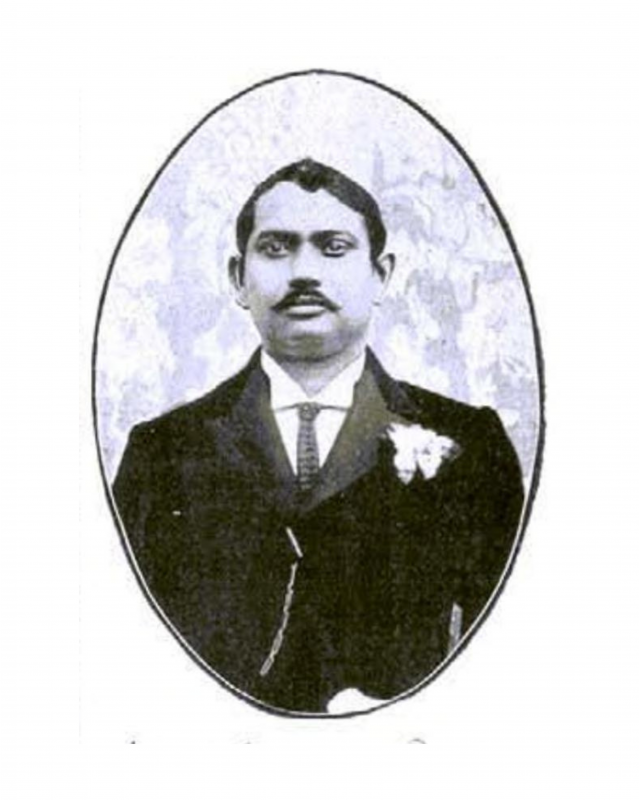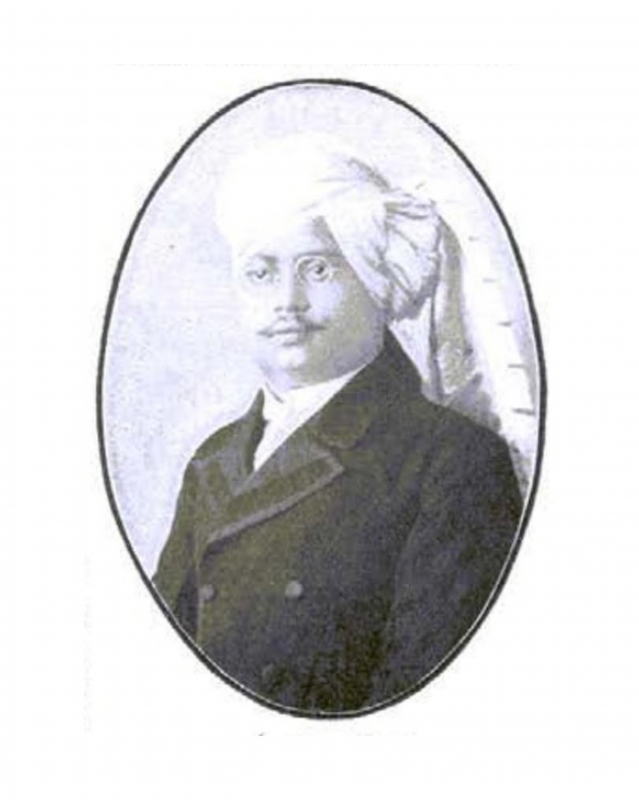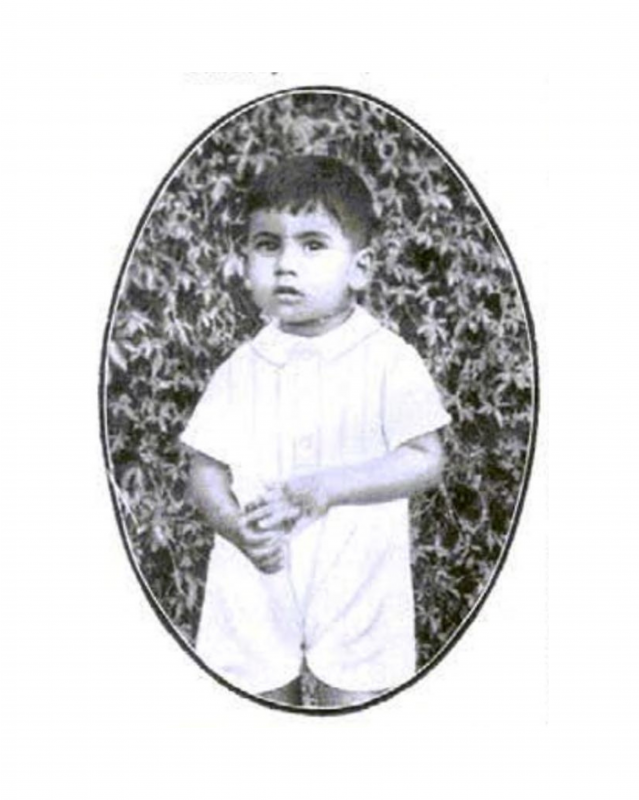
Present Head
- Yuvraj Naman Gang Deb
- Rajkumar Ranesh Gang Deb
History
Origin and Foundation of Bamra State
The princely state of Bamra, with its capital at Deogarh, was ruled by the Gangabasi (Ganga) dynasty. According to local historical records and long-held traditions, the state's foundation dates back to the mid-16th century. The legend states that a young prince from the ruling Chauhan family of Patna was abducted as an infant and adopted by the local Bhuiya and Khond tribes. He was subsequently crowned as the first Raja of Bamra around 1545 AD, establishing a line of rulers who would steer the destiny of this forest-clad region for nearly four centuries.
Despite the traditional legend connecting the founder to Patna, the ruling family identified as the Gangabasi dynasty, claiming lineage from the illustrious Eastern Ganga Empire of Odisha. The rugged terrain and deep forests of the region provided the state with natural protection and a distinct tribal-agrarian socio-political structure. For more details on the geographic and historical profile of the region, see the official Deogarh District Portal.
The Maratha and British Periods
During the 18th century, Bamra, like many other eastern states in the region, fell under the nominal suzerainty of the Maratha Bhonsle rulers of Nagpur. However, due to its dense forests and hilly geography, the state maintained a high degree of internal autonomy, paying tribute only sporadically.
Following the defeat of the Marathas in the Anglo-Maratha Wars, the British East India Company established its influence over the area. In 1818, Bamra came under British protection. Initially administered under the South-West Frontier Agency, it was later placed under the Central Provinces in 1861. In 1905, the state was transferred to the Orissa Division of the Bengal Presidency, and eventually became part of the Bihar and Orissa Province. Detailed administrative records of this transition can be found in the Bamra State history on Wikipedia.
Raja Sir Sudhal Deo: The Golden Age of Reform
The late 19th century marked a spectacular transformation for Bamra under the reign of Raja Sir Sudhal Deo (ruled 1869–1903). Widely regarded as one of the most enlightened and reformist rulers of his era in British India, Sudhal Deo turned the remote, landlocked princely state into a model of modern governance, science, and cultural excellence.
His major contributions include:
- Education and Literature: He was a passionate patron of Odia literature and modern education. Under his patronage, the influential weekly newspaper Sambalpur Hitaisini was launched in 1889, which played a monumental role in the socio-cultural and linguistic awakening of Western Odisha.
- Infrastructure and Communication: Raja Sudhal Deo introduced a state-run postal system, laid down telephone lines connecting the capital Deogarh with the nearest railway station at Bamra Road, and developed extensive roadways through challenging terrains.
- Industrial and Scientific Progress: He established a modern printing press (the Sudhal Press), set up state-of-the-art sawmills, and actively encouraged scientific forestry management and advanced agricultural techniques.
For his outstanding administrative reforms, philanthropic work, and loyalty, the British Crown conferred upon him the title of Knight Commander of the Indian Empire (KCIE) in 1895. He was succeeded by his son, Raja Tribhuban Deo, who continued his father's developmental and educational policies, ensuring Bamra remained at the forefront of progress.
Post-Independence and Modern Era
Following India's independence from British rule, the last ruler of Bamra, Raja Bhanuganga Tribhuban Deb, signed the Instrument of Accession. On January 1, 1948, the state officially merged with the Dominion of India. It was initially integrated into the Sambalpur district of Odisha.
In 1993, during the administrative reorganization of the state, the erstwhile territories of the Bamra state were separated to form the modern Deogarh District. Today, the legacy of the Gangabasi dynasty survives in the magnificent royal palace of Deogarh, historical educational institutions, and the rich cultural heritage that continues to define the local population.
Genealogy
- Raja RAM CHANDRA DEB, Raja of Bamra 1545/1578
- Raja BIKRAM DEB, Raja of Bamra 1578/1625
- Raja HARU DEB, Raja of Bamra 1625/1641
- Raja CHANDRA SEKHAR, Raja of Bamra 1641/1673
- Raja BHAGIRATH DEB, Raja of Bamra 1673/1713
- Raja PRATAP DEB, Raja of Bamra 1713/1745
- Raja SIDASAR DEB, Raja of Bamra 1745/1779
- Raja ARJUN DEB, Raja of Bamra 1779/1819
- Raja BALUNKABRUSABHA DEB [Sujal Singh], Raja of Bamra 1819/1834 or 1820/1832, married and had issue.
- Raja Khageshwar Deb (qv)
- Raja Brajasundar Deb [Tribhuban Singh] (qv)
- Lal Saheb Harihar Deb, married and had issue.
- Raja Sir Basu Deb Sudhal Deb (qv)
- Raja KHAGESHWAR DEB, Raja of Bamra in 1832
- Raja BRAJASUNDAR DEB, Raja of Bamra 1832/1869, died .
- Raja Sir BASU DEB SUDHAL DEB K.C.I.E., Raja of Bamra 1869/1903, born , succeeded 12th May 1869, adopted by his uncle in 1865, K.C.I.E. [cr.1895], C.I.E. [cr.1889], an enlightened ruler, he did much to further conditions in the state, married 1stly, 1871, Rani Giriraj Kumari, died circa 1873, daughter of HH Raja Bahadur Udit Pratap Deo of Kalahandi, married 2ndly, 3rdly, 4thly, by whom he had eight sons and eleven daughters. He died in Calcutta.
- Raja Sachitananda Tribhuban Deb (qv)
- Rani Kusumlata Devi, married (as his first wife), Raja Rudra Pratap Deo of Bastar, and had issue, one son and one daughter. She died .
- Rajkumar Padmalochan Deb, married and had issue, five sons and six daughters.
- Kumari (name unknown) [Rani Sahiba of Dharakote]
- Lal Saheba Akshaya Kumari Debi, married Lal Saheb Nalin Chandra Bhanjdeo of Mayurbhanj, M.L.A. (Orissa) 1957/1961, and has issue, two sons and one daughter.
- Lal Saheb Prabir Ganga Deb, born , married 27th June 1971, Kumari Reeta Debi of Deo Zamindari, and has issue, one son and one daughter.
- Kumari Debashree Debi
- Kumar Sanjib Ganga Deb B.Com., born in Deogarh, educated in Madhya Pradesh and later at Rajkumar College, Raipur, Chhattisgarh; married 10th December 2002, Kumari Garima Debi, and has issue, two daughters.
- Kumari Ishani Debi
- Kumari Tanushree Debi
- Rajkumari (name unknown) (fourth daughter), married Raja Kishor Chandra Dev Birabar Harichandan Mahapatra, 22nd Raja of Talcher, and had issue, two sons and one daughter.
- Raja SACHITANANDA TRIBHUBAN DEB, Raja of Bamra 1903/1916, married and had issue, three sons and one daughter. He died or 1918.
- Raja Dibyashankar Sudhal Deb (qv)
- Pattayet Hruday Nath Deb, married in Panchkote and had issue, one son.
- LalSabeb Keshari Ganga Deb, married to Ada Matilda Gang Deb, died . (The Palace, Deogarh, Orissa, India)
- Bertille Therese Francis Gang Devi
- LalSabeb Keshari Ganga Deb, married to Ada Matilda Gang Deb, died . (The Palace, Deogarh, Orissa, India)
- Lal Mohini Mohan Deb, adopted into Puri, and succeeded there as Sri Gajapati Raja Ramchandra Deb IV of Puri.
- Rajkumari Suratarangini Devi [HH Maharani Suratarangini Devi of Kalahandi], married 1916, HH Maharaja Brij Mohan Deo of Kalahandi, and had issue.
- Raja DIBYASHANKAR SUDHAL DEB, Raja of Bamra 1916/1920, C.B.E.(civil) [cr.1919], married, and had issue, two sons and one daughter. He died .
- Raja Bhanuganga Tribhuban Deb (qv)
- Rani Ras Sundari Devi, married Raja Kishor Chandra Deo Bhanj, 23rd Raja Saheb of Daspalla, and had issue, three sons and one daughter.
- Bada Kumar Shri Pratap Gang Deo, educated at Rajkumar College, Raipur; Member of the Lok Sabha for two terms, married Baiji Lal Phulendra Kumari, daughter of Thakur Shri Laxman Singhji of Ghanerao, and his wife, Thakurani Prem Kumari, and had issue, four sons.
- Kumar Tribhuban Gang Deb
- Kumar Bir Bijoy Gang Deb, married Kumari Trupti Devi, daughter of Kumar Pradyut Chandra Deb of Talcher, and his wife Kumar Rani Dolendra Manjari Devi, and has issue, one daughter and one son.
- Kumari Vaishnavi Devi
- Kumar Sachitananda Gang Deb
- Kumar Madan Mohan Gang Deb
- Kumar Gajendra Gang Deb
- Raja BHANUGANGA TRIBHUBAN DEB, Raja of Bamra 1920/1982, born and succeeded 1st January 1920, educated at Rajkumar College, Raipur (Diploma 1933) and at Sambalpur; M.L.A. (Orissa) 1961/1980 (for four terms); Minister in the Government of Orissa; as a ruler he achieved great improvement in the sphere of public welfare, industries, public health, education, roads and transport; Member of several Boards and Committees formed for social activities; took keen interest in the affairs of the people of the constituency; a poet and author (Rajkavi Satchidananda Tribhuban Deb); interests and pastimes were Gardening, Photography and Painting as well as Music, indoor games and Hunting; married Rani Jyoti Manjari Devi, second daughter of HH Maharaja Brij Mohan Deo of Kalahandi, and his wife, HH Maharani Suratarangini Devi of Bamra (see above), and had issue, two sons and one daughter. He died .
- Raja Pradipta Ganga Deb (qv)
- Pattayet Prasun Ganga Deb, married to Pattayet Rani Rajlakshmi Devi of Tori (Ratu), and had issue, one son and two daughters. He died in New Delhi.
- Kumar Rohit Ganga Deb, married Kumar Rani Madhvi Kumari Devi, daughter of Maharajkumar Shri Shailendra Singhji of Nagod, and his wife, Rani Usha Devi, daughter of the Zamindar of Jaitpur-Rewah, and has issue, two daughters.
- Kumari Suratarangini Devi
- Kumari Aadishree Devi
- Kumari Nivedita Singh, married Lal Saheb Aparnesh Pal Singh Judeo of Gopalpura, Dist. Jalaun, U.P., and has issue, one son.
- Lal Saheb Shantanu Raj Singh Judeo
- Kumari Alka Singh, married Yuvraj Raj Rajeshwar Singh of Jhandi, U.P.
- Kumar Rohit Ganga Deb, married Kumar Rani Madhvi Kumari Devi, daughter of Maharajkumar Shri Shailendra Singhji of Nagod, and his wife, Rani Usha Devi, daughter of the Zamindar of Jaitpur-Rewah, and has issue, two daughters.
- Rani Prem Manjari, married Raja Chintamani Nath Shah Deo of Ratu (Chota Nagpur), and had issue.
- Yuvraj Gopal Nath Shah Deo, Member of the Legislative Assembly of Jharkhand, married in Shankargarh.
- Rajkumari Madhuri Devi, married in Vijay Garh, and has issue, two daughters and one son.
- Rajkumari Kalpana Devi, married in Galgala, U.P., and has issue, one son.
- Rajkumari Tripti Devi, married in Bijwa, U.P.
- Rajkumari Gayatri Devi, married in Narauli, U.P., and has issue, one daughter and one son.
- Raja PRADIPTA GANGA DEB B.A., Raja of Bamra 1982/1997, born , educated at Rajkumar College, Raipur; M.L.A. (Orissa) 1990/1997 (two terms); took a keen interest in helping the destitute and the disabled of his constituency; interests and pastimes were Preservation of wild life and Music, Painting and Writing; married 7th February 1965, Maharajkumari Vimala Kumari Sahiba (Rani Vimala Kumari Sahiba of Bamra), daughter of HH Maharana Shri Rajendrasinhji Vijaysinhji Sahib of Rajpipla, and had issue. He died .
- Raja Nitish Ganga Deb (qv)
- Raja NITISH GANGA DEB, Raja of Bamra (see above)
- Unknown, married and had issue.
- Pattayat Balabhadra Deb, married and had issue.
- Rai Bahadur Thakur Birendra Nath Singh, Zamindar Saheb of Chandrapur and Padampur Estates, he succeeded by adoption.
- Rajkumari (name unknown) Devi, married Kunwar Rudra Pratap Singh, son of Rai Bahadur Thakur Bhawani Shankar Singh of Chandrapur, and his wife, Thakurani Srimati Devi, and had issue.
- Pattayat Balabhadra Deb, married and had issue.
- Lal Saheb of Bamra, married and had issue.
- Pattayet Rani Anuma Devi, married Pattayet Arun Chandra Deo of Athmalik, and had issue, one son.
- Lal Saheb of Bamra, married and had issue.
- Pattayet Rani Manoj Manjari Devi, married Pattayet Brundavan Chandra Deb of Baramba, and has issue, one daughter and two sons.
- Lal Saheb of Bamra, married and had issue.
- Kumari (name unknown), married Rajkumar Pattayet Nilolohit Singh Deo of Khariar, and has issue, one son and three daughters.
- Lal Saheb Mitra Ganga Deb of Bamra, married and had issue.
- Kunwarani Sarita Devi, married Kunwar Saheb Amareswar Prasad Singh of Nayagarh, and has issue, one son.
- Bada Kumar Saheb of Bamra, married and had issue.
- Kumari (name unknown), married, Dewan Bahadur Pramod Chandra Deb of Talcher, and had issue, two sons and one daughter.
- Kumari Khyana Prabha Devi of Bamra, married Lal Saheb Singha Bhanu Singh Deo of Seraikella, and has issue, two sons and one daughter.