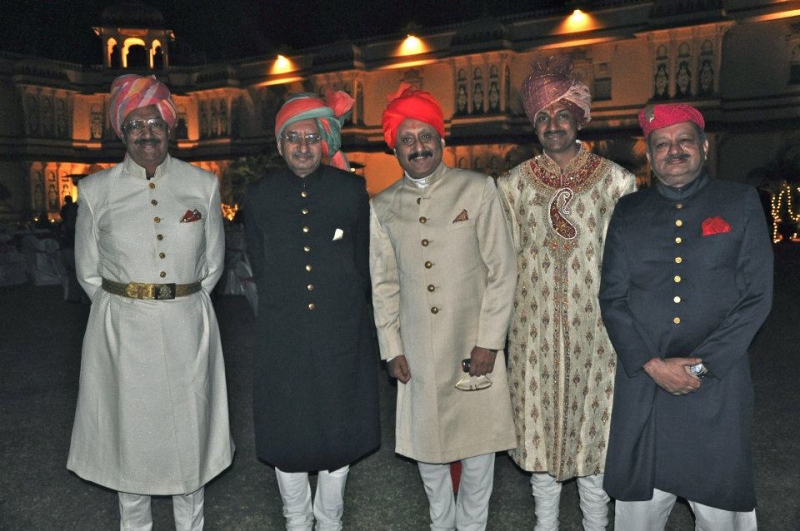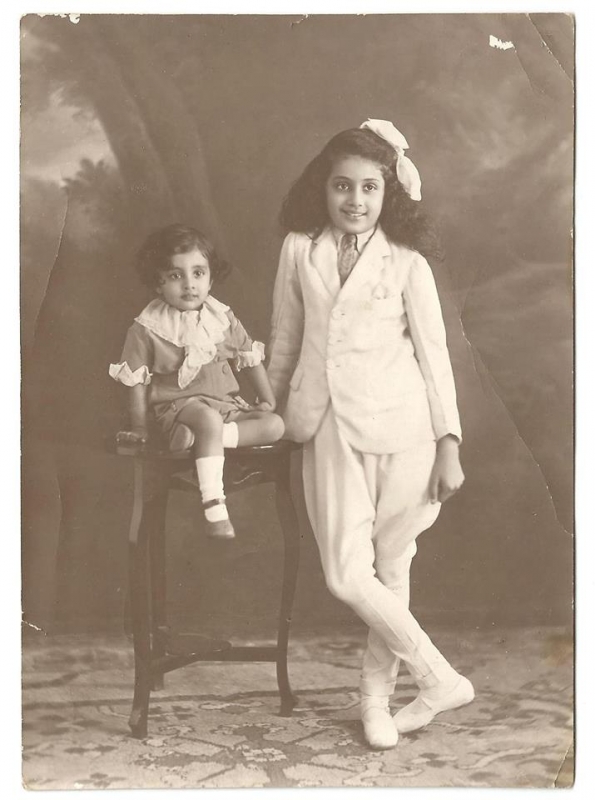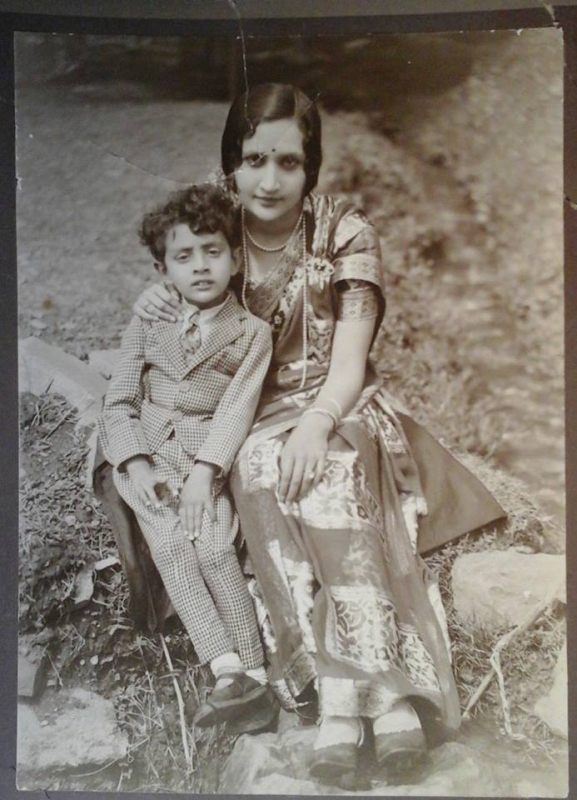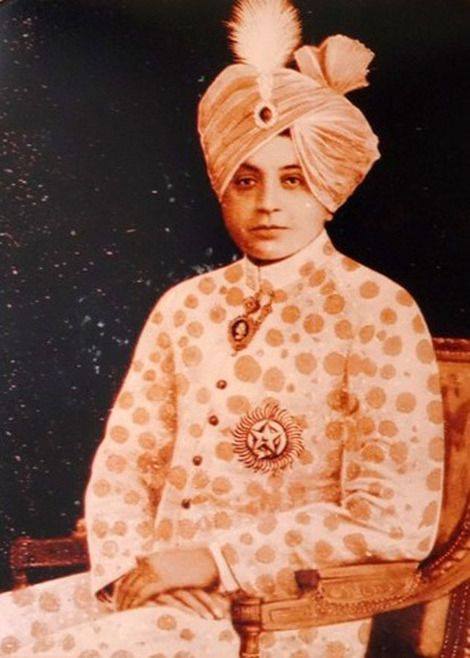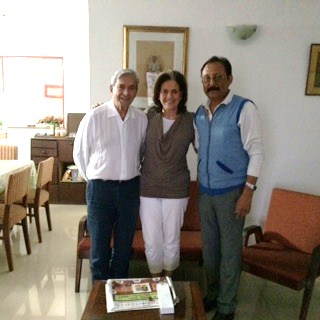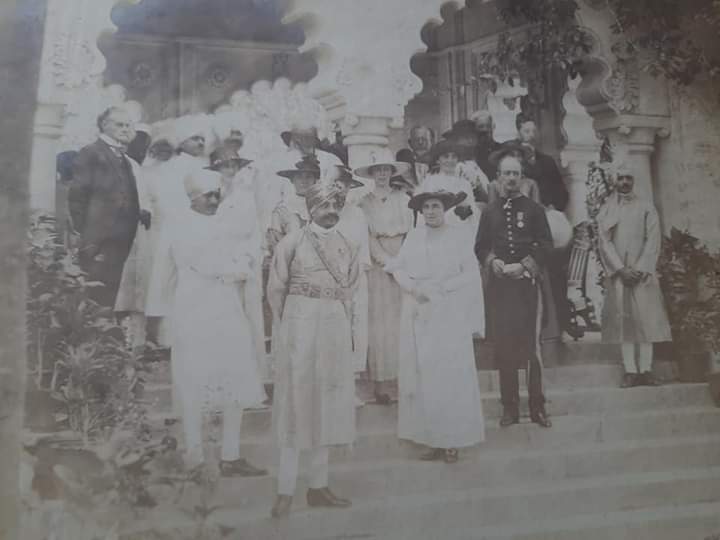
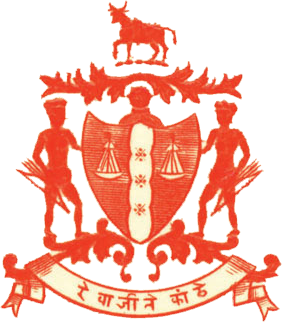
Present Head

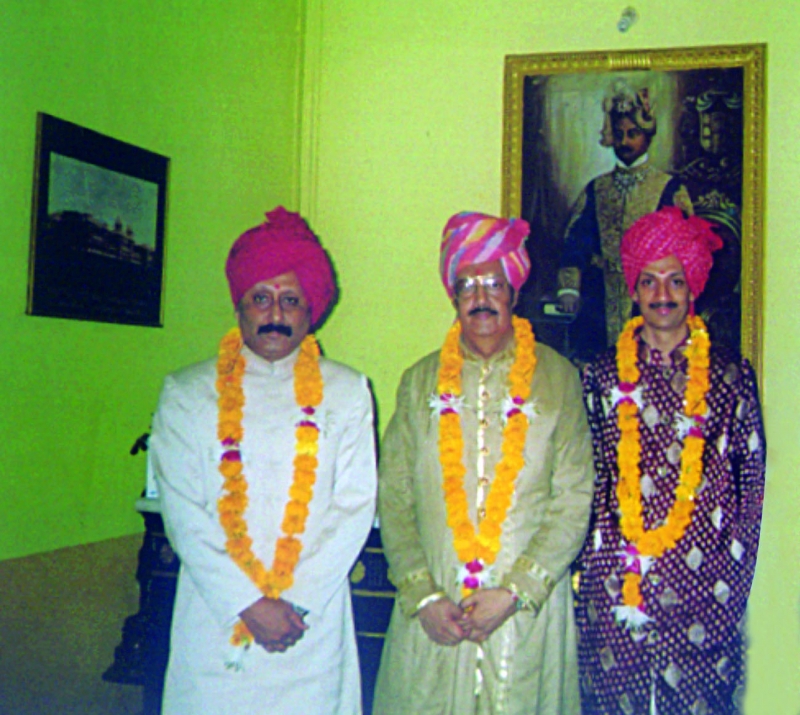
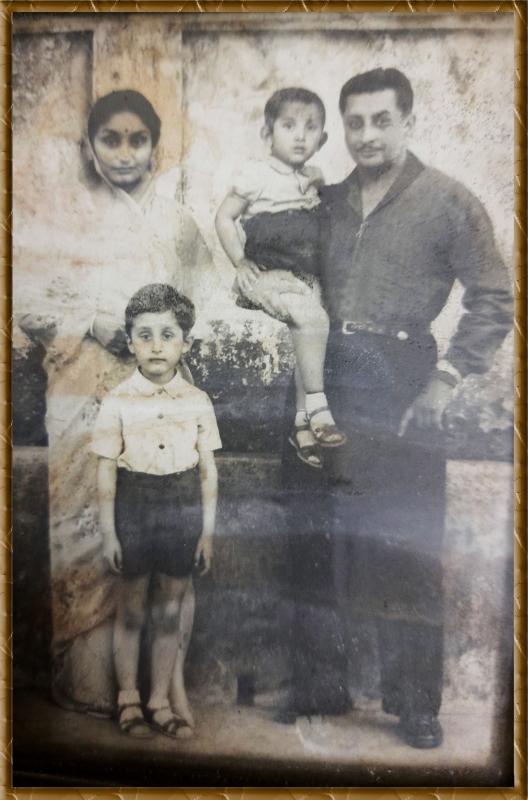
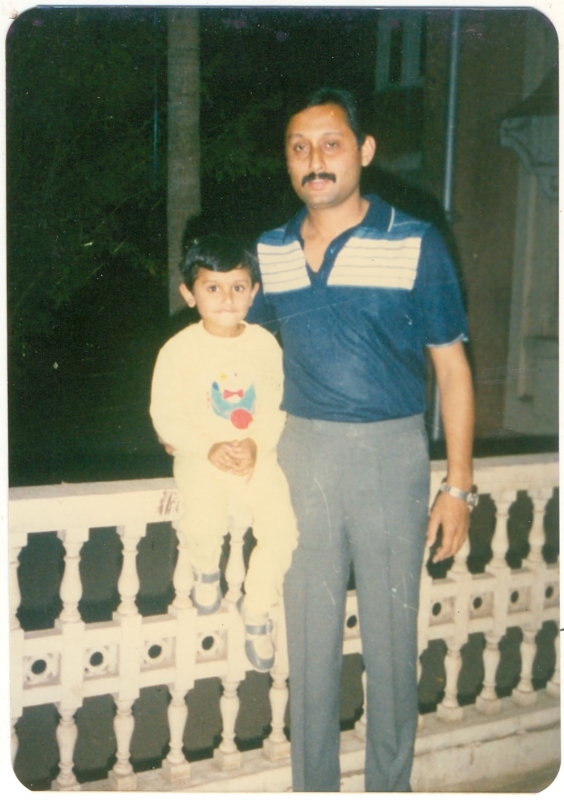
- Yuvraj Shri Manvendra Singhji Raghubir Singhji Sahib [Manvendra Singh Gohil], born at Ajmer, educated at Scottish High School and Amrutben College, Bombay University; organic farmer, CEO Lakshya Trust; married January 1991 (divorced 1992), Yuvarani Chandrika Kumari, daughter of Maharaj Gajendrapal Singhji of Jhabua. No issue.
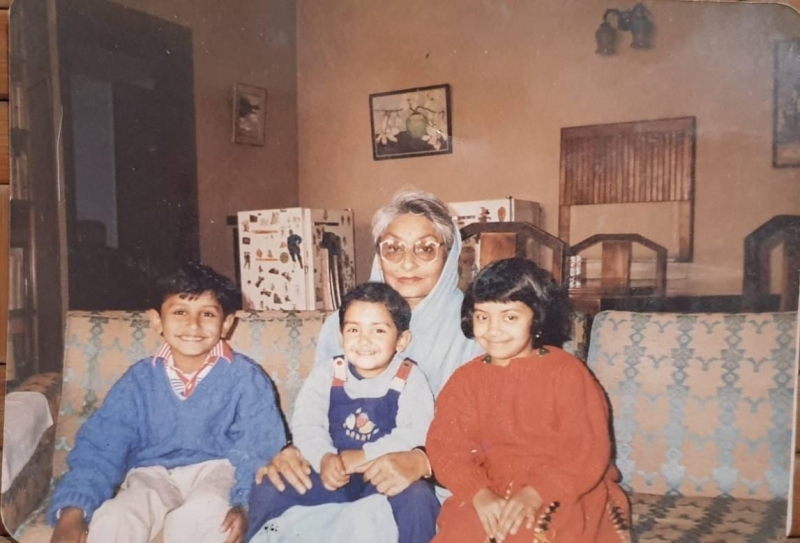
- Maharajkumari Minaxi Kumari Sahiba (Kunwarani Minaxi Kumari of Chenani), born at Bombay, educated at Scottish High School and S.V.T. College of Home Science, Shreemati Nathibai Damodar Thakersay (S.N.D.T.) Women's University, Bombay; married 1992, Kunwar Digvijay Chand of Chenani, and has issue, a son and a daughter.
- Ranajay Chand
- Dharini Kumari
History
Origins and Ancient Lineage
The origin of the Gohil Rajput dynasty of Rajpipla goes back to the sixth century A.D. when Muhideosur Gohadit or Guhil, born in 542 A.D. after the sack of Vallabhi and the only male survivor of the clan, went on to become chief of an area near modern Idar in Gujarat in the year 556 A.D., and held sway till his death in 603 A.D. His descendant Kalbhoj or Bappa Rawal seized Chittor and became ruler of Mewar in 734 A.D. A little more than two-and-a-half centuries later in 973 A.D., Salivahan, the Gohil ruler of Mewar and 11th in descent to Bappa Rawal, moved away with part of the clan from Chittor to Juna Khergarh (present-day Balotra near Jodhpur) on the River Luni in Marwar, leaving behind his son Shaktikumar with the remaining members of his kin. There is still a village there called "Gohilon ki dhani" near Jodhpur. Thus, for two-and-a-quarter centuries, both Mewar and Marwar were ruled by the Gohil Rajput clan.
Later, after Ala-ud-din Khilji ravaged Chittor in 1303, the Gohils of Mewar regrouped and assumed the name Sisodia. The capital was shifted from Chittor to Udaipur in 1559.
Meanwhile, the Gohils who had migrated under Salivahan continued to rule over Marwar. After the formation of the Delhi Sultanate in the early part of the thirteenth century, the Rathore clan, pushed out of Kannauj, migrated to Marwar. In turn, the Gohil clan was displaced from Marwar. They marched back to Saurashtra where they became governors of the Chalukyas, and then carved out their own principalities. The most famous of their chiefs during this period were Sejakji, Ranoji, and Mokhdaji, and the princely states that their descendants carved out were Bhavnagar, Rajpipla, Palitana, Lathi, and Vallabhipur (Vala).
Medieval Period: Resistance and Guerrilla Warfare
The rulers of Rajpipla had to face several invasions from the Sultans of Ahmedabad, the Mughal emperors, and later the Gaekwads of Baroda. Due to these persistent onslaughts, the rulers occasionally lost their capital, but they repeatedly regained power by retreating into the rugged Satpura hills, joining forces with the local hill tribes (chiefly the Bhils), and launching highly effective guerrilla attacks. This alliance between the Gohil rulers and the Bhils became a cornerstone of Rajpipla's military and social history.
In 1730, with the rapid weakening of the Mughal Empire after the death of Aurangzeb, the 26th Gohil ruler of Rajpipla, Maharana Verisalji I, defiantly stopped paying tribute to the Mughals. His successor, Maharana Jeetsinhji, successfully wrested back the fertile Nandod taluka and shifted the capital from the mountain fortress of Junaraj to Nandod (new Rajpipla town), situated on the banks of the River Karjan, a tributary of the Narmada.
The Maratha Influence and British Alliance
During the late 18th and early 19th centuries, the Gaekwads of Baroda exerted considerable pressure on Rajpipla, demanding heavy tribute. This period of instability ended when the British East India Company intervened to establish hegemony over the Rewa Kantha region. Under the terms of the settlement brokered by British administrator JP Willoughby, the 33rd Gohil ruler, Maharana Verisalji II, was placed on the gadi of Rajpipla in 1821.
However, relations with the British grew highly strained during the Indian Rebellion of 1857. Under the covert guidance of Verisalji II, Rajpipla rebelled against British authority, offering safe passage and assistance to mutineers, including forces allied with Tatya Tope. For several months, British authority in the region was effectively neutralized. Following the suppression of the uprising, the British crown took direct control of India. In 1860, the British forced the defiant Maharana Verisalji II to abdicate in favor of his son, Maharana Gambhirsinhji.
The Era of Modernization and Great Reformers
The late 19th and early 20th centuries marked a golden era of governance, administrative reforms, and infrastructural development under three successive visionary rulers:
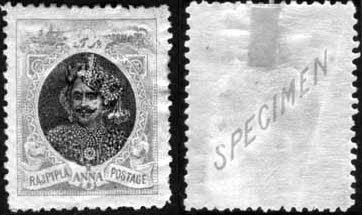
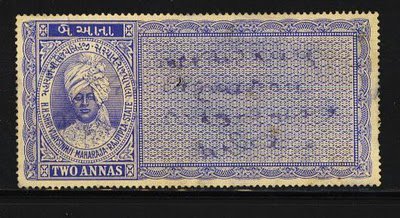
- Maharana Gambhirsinhji (1860–1897): He initiated the modernization of Rajpipla by constructing the vital road connecting Rajpipla to Ankleshwar, establishing the state's independent postal system, and improving local judicial administration.
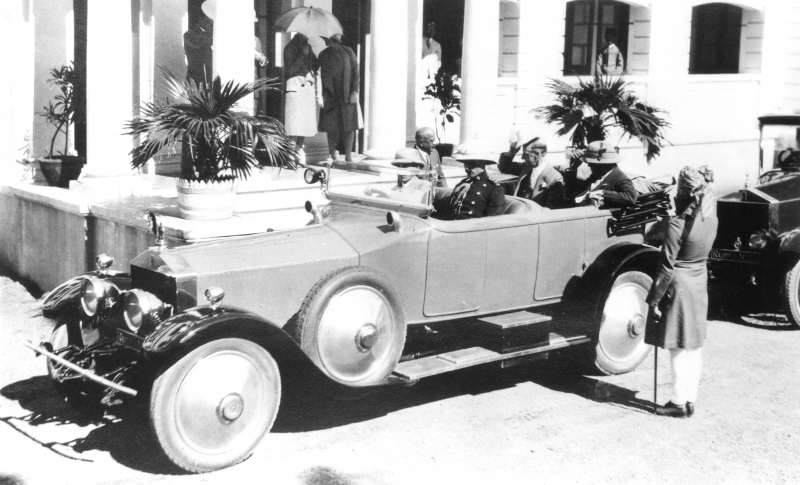
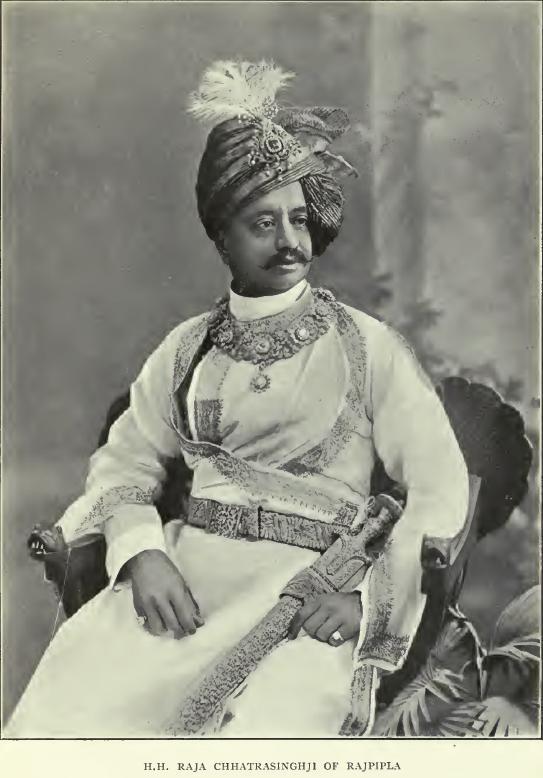
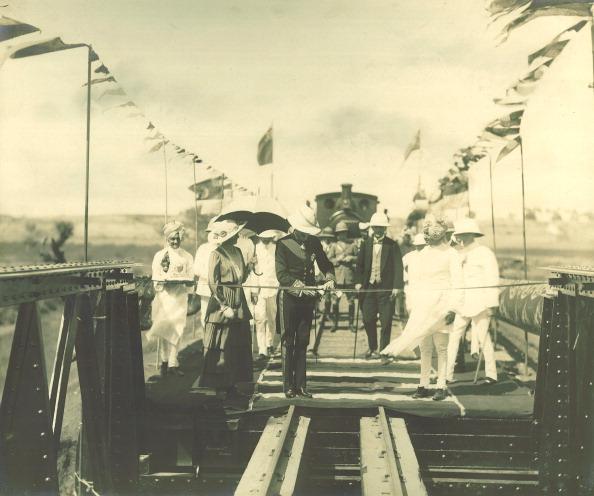
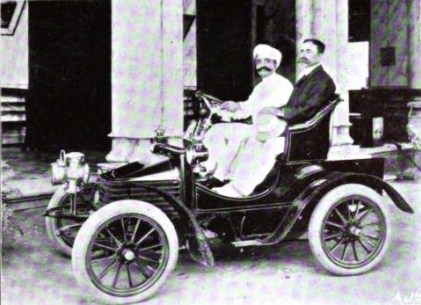
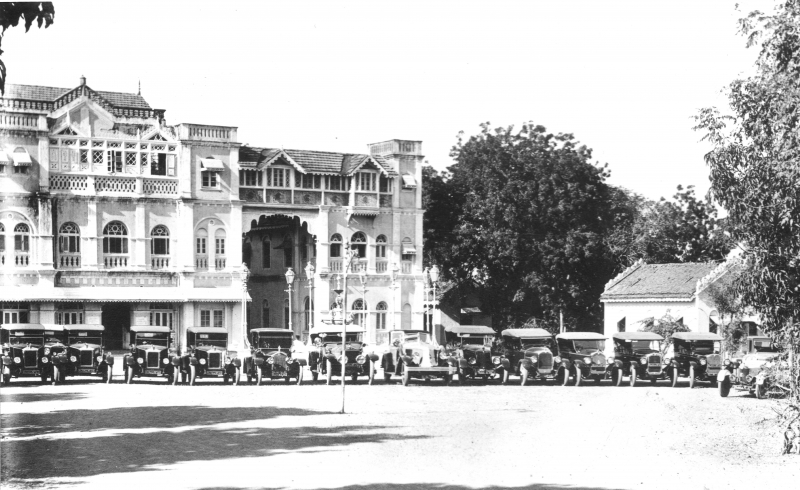
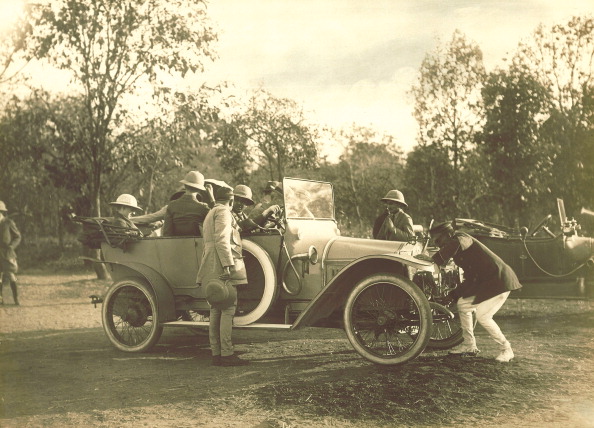
- Maharana Chhatrasinhji (1897–1915): Coming to the throne in 1897, Chhatrasinhji consolidated the state's financial health. He laid the 60-mile (90-kilometer) Ankleshwar-Rajpipla railway line, which revolutionized trade and transport. During the devastating "Chhappaniya Akal" (the great famine of 1899–1902), he initiated massive public relief works, saving thousands of lives. He was also a passionate pioneer of motoring in India, introducing some of the first automobiles to the region.
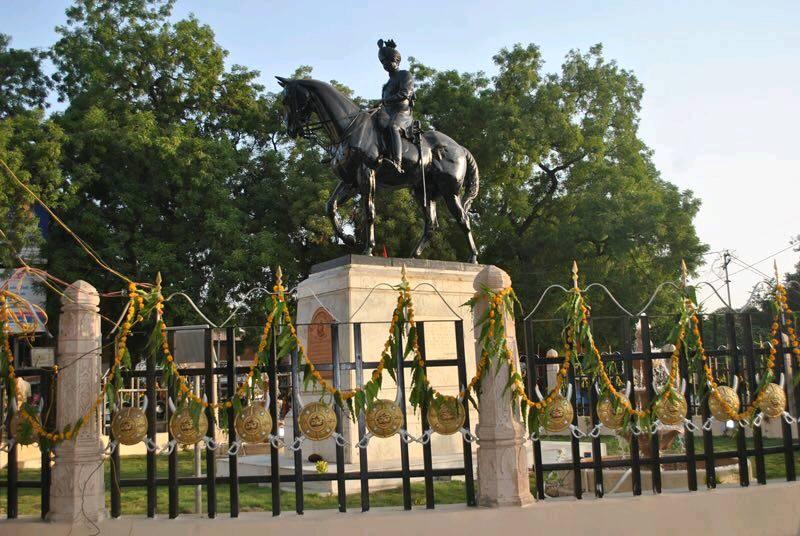
- Maharaja Vijaysinhji (1915–1948): The last ruling Maharaja of Rajpipla, Vijaysinhji, transformed the state into a model modern principality. He introduced free primary education, founded high schools, built a modern civil hospital, maternity homes, and veterinary clinics. He expanded the railway network, built a power house to supply electricity and running water, and implemented visionary town-planning laws. He also envisioned a massive dam across the Narmada River for irrigation and power generation, which served as the conceptual precursor to the modern-day Sardar Sarovar Dam.
The Equestrian Legacy of Maharaja Vijaysinhji
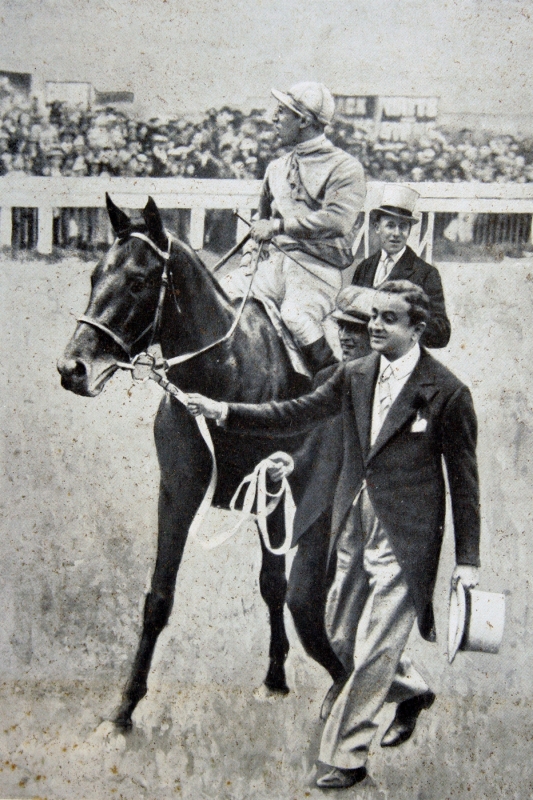
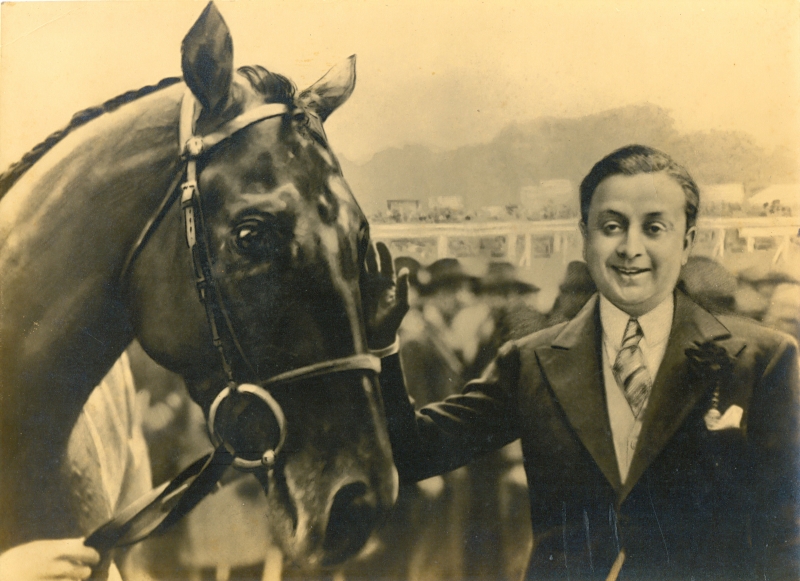
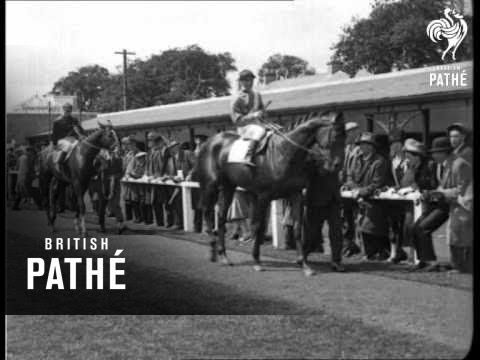
Maharaja Vijaysinhji was a world-renowned sportsman and equestrian enthusiast. He maintained elite racing stables in both India and England. His horses achieved unprecedented success on the global stage:
- Won the first Indian Derby in 1919 with Tipster.
- Won the Irish Derby in 1926 and the Belgian Grand Prix in 1927 with Embargo.
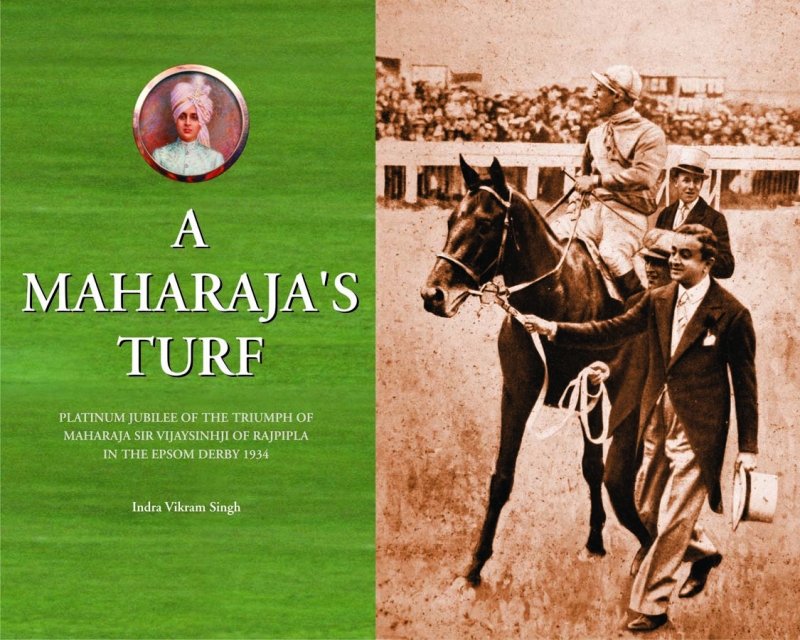
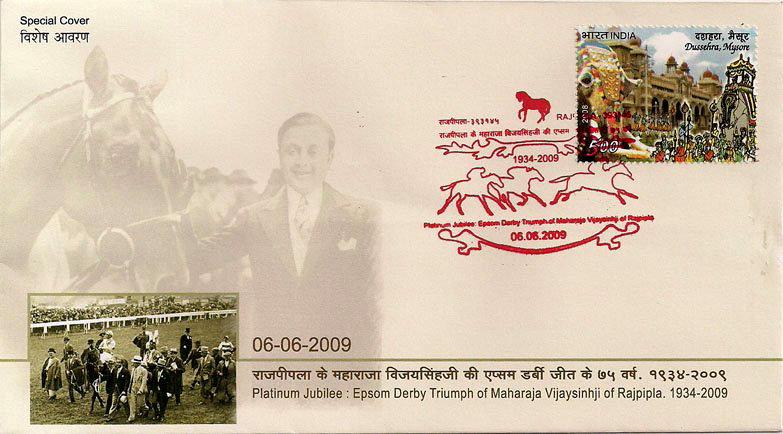
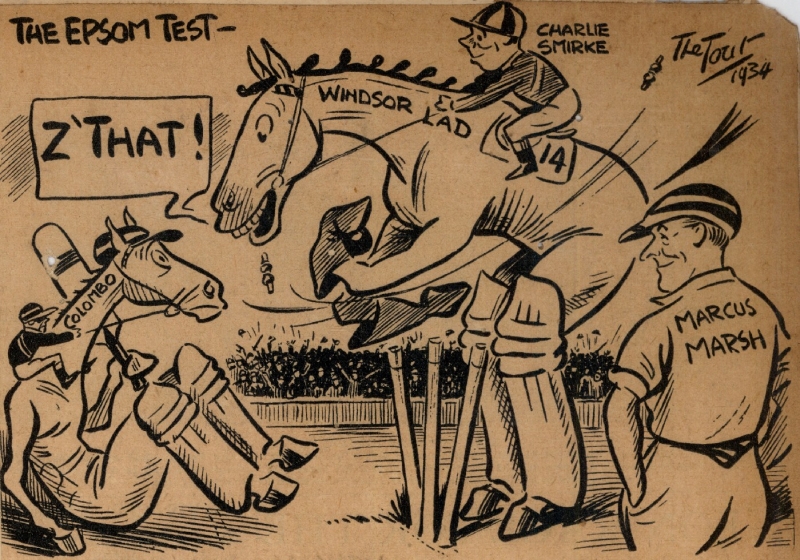
- Won the prestigious Epsom Derby of England in 1934 with Windsor Lad.
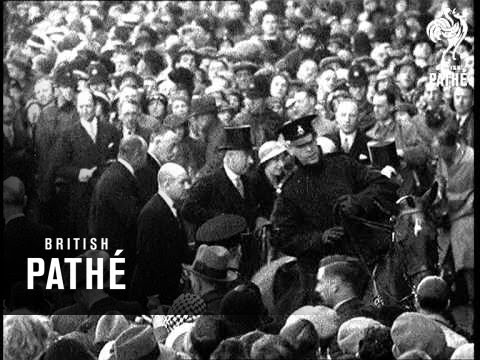
To this day, Maharaja Vijaysinhji remains the only Indian owner to have won the English Epsom Derby, an achievement witnessed by King George V and Queen Mary. During World War II, his patriotism shone through when he donated three Spitfire fighter aircraft, named "Rajpipla", "Windsor Lad", and "Embargo", along with a Hawker Hurricane named "Rajpipla II" to the Royal Air Force.
Post-Independence and Modern Era
Following India's independence in 1947, Maharaja Vijaysinhji signed the Instrument of Accession, merging the historic state of Rajpipla State into the Indian Union on June 10, 1948. The state was initially integrated into the Bombay State, which was later reorganized in 1960, placing Rajpipla within the newly formed state of Gujarat.
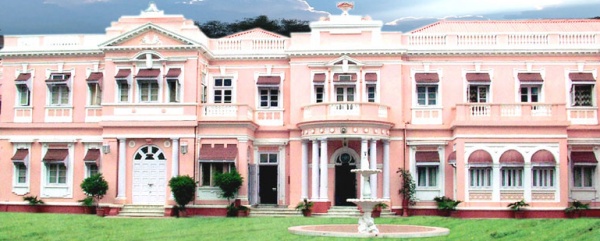
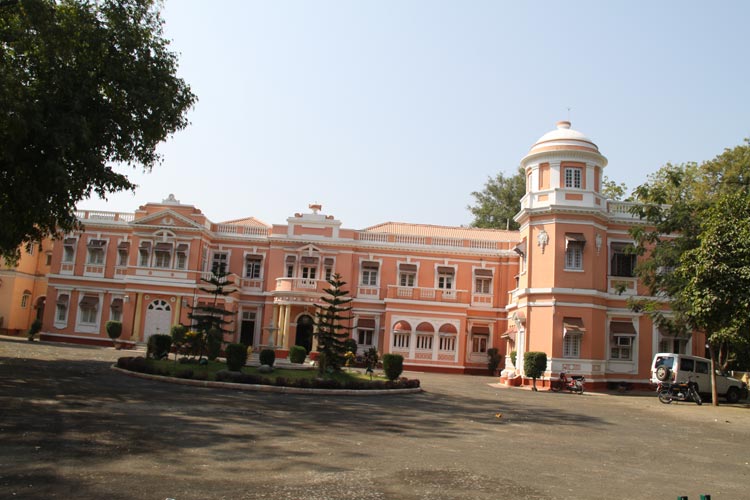
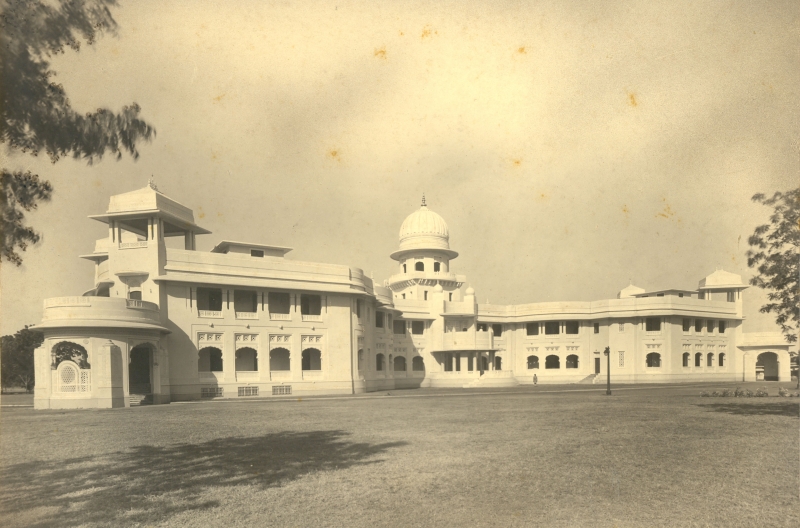
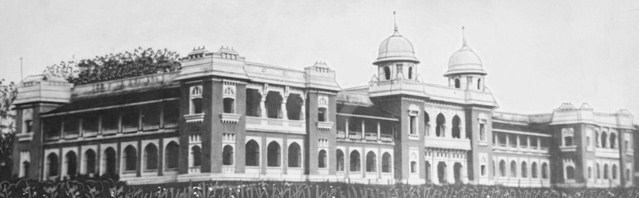
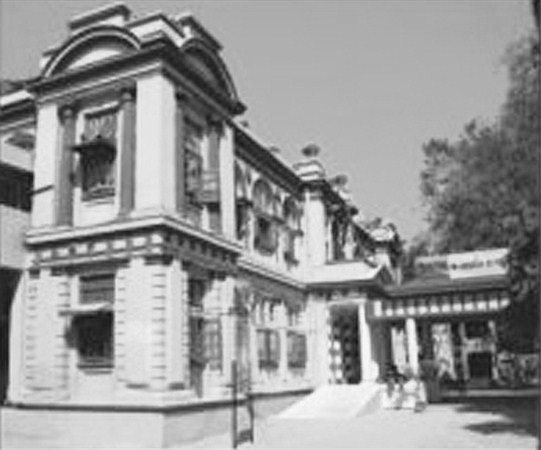
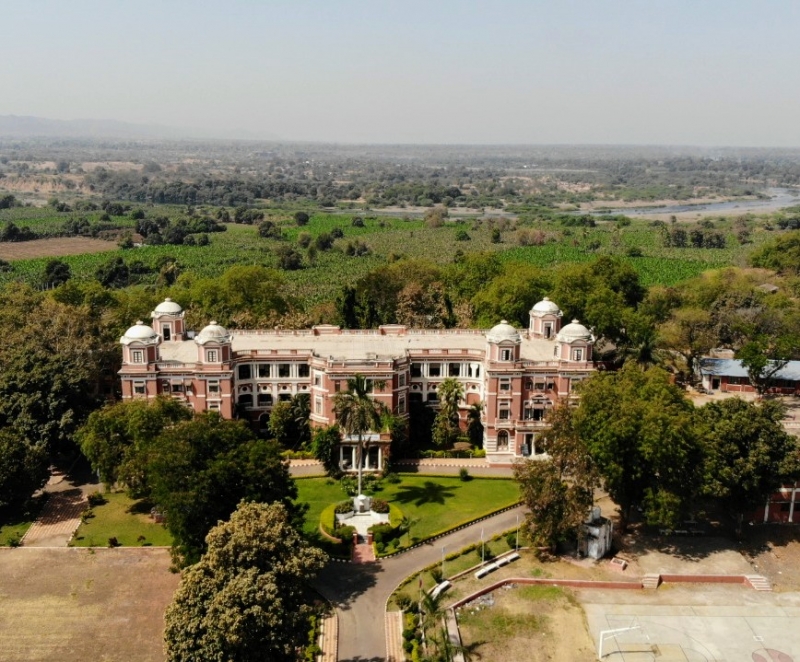
In the decades following the merger, the royal family's legacy has been preserved through heritage tourism and social activism. The magnificent Vadia Palace (often called the "Taj of Gujarat") and the Rajvant Palace have become major cultural landmarks. In the modern era, descendants of the royal house, including Prince Manvendra Singh Gohil, have achieved international recognition for their extensive humanitarian work, particularly in advocating for LGBTQ+ rights and HIV/AIDS awareness through the Lakshya Trust. Today, Rajpipla is celebrated as a key historical and ecological hub, lying in close proximity to the world-famous Statue of Unity.
Genealogy
- RANA SHRI ARJUNSINHJI MOKHDAJI Sahib, 1340/-, born as Kumar Shri Samarsinhji, son of Mokhdaji Gohil, Chief of Ghogha, with capital at Pirambet in the Gulf of Cambay, by his second wife who was the daughter of Prince Chokrana of Rajpipla, of the Parmar dynasty of Ujjain. Ascended to the gaddi as the first Gohil ruler of Rajpipla, after the death of his maternal grandfather, Chokrana.
- RANA SHRI BHANSINHJI ARJUNSINHJI Sahib.
- RANA SHRI GOMELSINHJI BHANSINHJI Sahib. 1413/1421. In 1403, Rajpipla under Rana Gomelsinhji was overrun by Sultan Muhammad I of Gujarat. Was forced to flee his capital. In 1416, there was defeat again at Modasa at the hands of Sultan Ahmad Shah I of Gujarat. Sultan Hoshang Shah of Malwa had invaded Gujarat on the invitation of Rana Gomelsinhji, who had allied himself with the rulers of Idar and Champaner against Ahmad Shah. Died .
- RANA SHRI VIJAYPALJI GOMELSINHJI Sahib, 1421/-.
- RANA SHRI HARISINHJI VIJAYPALJI Sahib, -/1463. In 1431, Rajpipla was attacked again by Sultan Ahmad Shah I of Gujarat. Rana Harisinhji was also forced to flee his capital, but he was a brave ruler and won back his principality in 1443, in alliance with Sultan Hoshang Shah of Malwa, despite being in exile for 12 years. This was at a time when Sultan Ahmad Shah's successor, Sultan Muhammad Shah II of Gujarat, was occupied in fighting against Mewar and Champaner. Died .
- MAHARANA SHRI BHIMDEV HARISINHJI Sahib. 1463/1526. Maharana Bhim Dev helped Prince Latif Khan, half brother of Sultan Bahadur Shah of Gujarat. In the ensuing battle in 1526, Maharana Bhim Dev was killed.
- MAHARANA SHRI RAISINHJI BHIMDEV Sahib. 1526/1543. To avenge the killing of his father, Maharana Raisinhji plundered Dahod. A punitive expedition sent to Rajpipla ravaged the area for several months without much success. The submission seems to have been token as Rajpipla mercenaries (Bhil and Koli feudatories) attacked Bahadur Shah's troops the next year, unaware that this army was taking Sultan Mahmud Shah Khilji of Malwa in captivity to Champaner after the capture of Mandu on 25 May 1531. In this battle Bahadur Shah himself led the field and secured Rajpipla's submission. But Sultan Mahmud Shah and his sons were killed in the process. Maharana Raisinhji died in .
- MAHARANA SHRI KARANBAJI RAISINHJI Sahib, 1543/-.
- MAHARANA SHRI ABHAYRAJ JI KARANBAJI Sahib.
- MAHARANA SHRI SUJANSINHJI ABHAYRAJ JI Sahib.
- MAHARANA SHRI BHAIRAVSINHJI SUJANSINHJI Sahib. It is said that after the fall of Chittor in 1567, Maharana Udai Singh of Mewar sought and received shelter in Rajpipla for some time. Reference to this can be found in “Veer Vinod”.
- MAHARANA SHRI PRUTHURAJ JI BHAIRAVSINHJI Sahib. 1583/1593. Gave refuge to the last Sultan of Gujarat, Muzaffar Shah, and incurred the wrath of Emperor Akbar. The Imperial troops led by Mirza Khan Khas took Gujarat in 1584. Akbar then levied a tribute of Rs. 35,556 on Rajpipla, along with a contingent of 1,000 men to be furnished to the Mughal army. The district of Nandod was granted to Haider Kuli Khan. (This arrangement continued till the last years of Emperor Aurangzeb's reign when the payments not only became irregular but were altogether evaded when possible). Died .
- MAHARANA SHRI DEEPSINHJI PRUTHURAJ JI Sahib, 1593/-.
- MAHARANA SHRI DURGSHAHJI DEEPSINHJI Sahib.
- MAHARANA SHRI MOHRAJ JI DURGSHAHJI Sahib.
- MAHARANA SHRI RAISHALJI MOHRAJ JI Sahib.
- MAHARANA SHRI CHANDRASINHJI RAISHALJI Sahib.
- MAHARANA SHRI GAMBHIRSINHJI I CHANDRASINHJI Sahib.
- MAHARANA SHRI SUBHERAJ JI GAMBHIRSINHJI Sahib.
- MAHARANA SHRI JAISINHJI SUBHERAJ JI Sahib.
- MAHARANA SHRI MALRAJ JAISINHJI Sahib. Younger son of Maharana Jaisinhji. For some reason his elder brother Mugatraj ji did not accede to the gaddi.
- MAHARANA SHRI SURMALJI MUGATRAJ JI Sahib. Succeeded to the gaddi on the death of his uncle Maharana Malraj.
- MAHARANA SHRI UDEKARANJI SURMALJI Sahib.
- MAHARANA SHRI CHANDRABHAJI UDEKARANJI Sahib.
- MAHARANA SHRI CHATRASALJI CHANDRABHAJI Sahib.
- MAHARANA SHRI VERISALJI I CHATRASALJI Sahib. 1705/1715. With the weakening of the Mughal Empire, Maharana Verisalji I asserted his independence and in 1705 laid waste south Gujarat. A force sent by Aurangzeb was defeated in alliance with Maratha Damaji Jadhav at Ratanpur.
- MAHARANA SHRI JEETSINHJI VERISALJI Sahib. 1715/1754. Maharana Jeetsinhji forged a treaty with Maharaja Peelaji Rao Gaekwar and succeeded in wresting Nandod (New Rajpipla in the plains on the banks of the river Karjan, now modern town of Rajpipla) in 1730 and transferred the capital there. Died at the Fort, Junaraj in 1754.
- MAHARANA SHRI PRATAPSINHJI JEETSINHJI Sahib. 1754/1764. During his reign the Marathas under Damaji Rao Gaekwar overran Rajpipla and exacted tribute. He died , having had issues.
- Maharana Shri Raisinhji Pratapsinhji Sahib (qv)
- Maharana Shri Ajabsinhji Pratapsinhji Sahib (qv)
- MAHARANA SHRI RAISINHJI PRATAPSINHJI Sahib. 1764/1786. In 1764, a neice of young Maharana Raisinhji was espoused to Damaji Rao Gaekwar, who renounced part of the tribute. Died at the Fort, Junaraj (Old Rajpipla) in 1786.
- MAHARANA SHRI AJABSINHJI PRATAPSINHJI Sahib. 1786/1803 (Dethroned 1793). Younger brother of Maharana Raisinhji, who died without male issue. Umed Vasava, the Bhil Chief of Sagbara revolted and the Gaekwar raised the tribute. Internal power struggles led to interference and arbitration by the Gaekwars. With the intervention of British Agent Willoughby, Maharana Ajabsinhji's third (and second surviving) son, Naharsinhji was appointed Regent in 1793. Maharana Ajabsinhji died at the Fort, Junaraj on 15th January 1803, having had issues.
- Maharana Shri Ramsinhji Ajabsinhji Sahib (qv)
- Maharana Shri Naharsinhji Ajabsinhji Sahib (qv)
- MAHARANA SHRI RAMSINHJI AJABSINHJI Sahib. 1803/1810. Second and eldest surviving son of Maharana Ajabsinhji. Following differences with his father, Maharana Ajabsinhji, he had moved to Mandwa. Then with the help of the Chief of Mandwa, attacked Rajpipla but was defeated. He fled to Mandwa. On a promise of pardon, Ramsinhji returned to Rajpipla but was imprisoned at the Fort. On the death of his father Maharana Ajabsinhji on 15th January 1803, the soldiers refused to accept the younger brother and Regent Naharsinhji as ruler. Ramsinhji ascended the gadi on 30th January 1803 at the Fort, and ruled until his death on 10th May 1810.
- MAHARANA SHRI NAHARSINHJI AJABSINHJI Sahib. 1810/1821 (Dethroned). Born at Nandod in 1780. Appointed Regent by the British in 1793 after his father Maharana Ajabsinhji was dubbed as a weak ruler. After Maharana Ajabsinhji's death on 15th January 1803, Naharsinhji's elder brother, Ramsinhji succeeded to the gadi. When Maharana Ramsinhji died on , Naharsinhji once again asserted his claim. A period of family intrigue followed. Maharana Ramsinhji's widow Rani Surat Kunverba, daughter of the Chief of Mandwa, tried to place their putative son Pratapsinhji on the gadi. Meanwhile Naharsinhji had contracted smallpox in the epidemic of 1803, resulting in blindness and making him ineligible to rule, according to ancient Rajput tradition. Seizing the opportunity, Maharaja Gaekwar of Baroda raised the tribute payable by Rajpipla and took over the administration of the State. The Gaekwar was in no hurry to settle the dispute and his officers managed the affairs of the State as per their whim. Ultimately the British authorities intervened again, and after a detailed enquiry decided that Pratapsinhji was not Maharana Ramsinhji's son. They ensured that Naharsinhji's son Verisalji succeeded to the gadi on 9th August 1821.
- HH MAHARANA SHRI VERISALJI II NAHARSINJI Sahib, Raja of Rajpipla. 1821/1860 (Abdicated). Born at Nandod, 1808. Educated privately. Succeeded as ruler as a minor at the age of 13 on 9th August 1921. Was installed gadi at the Fort, Junaraj, on 15th November 1821 at the Fort, Junaraj. In October 1821 he entered into an engagement with the British, binding himself and his successors to act in conformity with the advice of the British government. The Gaekwar gave up his claim. By 1825 a final settlement was made of the amount due to the Gaekwar. It was decided that the sum payable to the Gaekwar would be Rs.7,30,000 (₤ 73,000), and would be disbursed by 1833-34. Verisalji II inherited a troubled legacy. His rule began in the backdrop of the great flood in the Narmada in September 1821. Further, during the last few years of the 18th century and the early decades of the 19th century, the power of the rulers of Rajpipla had declined considerably. At this time some of the Bhils had been a source of great trouble. In 1793, they had revolted under Umed Vasava, Chief of Sagbara. Again in 1821, a general uprising of the Bhils took place under the Chieftain of Sagbara, Rai Sinh of Rahooba, and Baiji Damia of Tilakwada. This was contained in 1823. Soon there was an uprising in Khandesh, which was quelled. Rajpipla State under Maharana Verisalji II rebelled against the British during the Mutiny of 1857 and was out of their control for some months. When the mutiny was quelled, the British executed the Dewan of Rajpipla. The Bhils of Sagbara revolted yet again in 1859, and were finally suppressed in 1860. Having restored order, Verisalji II abdicated in favour of his son Gambhirsinhji on 17th November 1860. He died at Nandod in 1868, having had issues.
- HH Maharana Shri Gambhirsinhji Verisalji Sahib (qv)
- HH Maharani Chandra Kunverba Sahiba, [HH Maharani Chandra Kunverba Sahiba of Baria] married 28th November 1873, HH Maharawal Shri Mansinhji Prithvirajji of Baria, and had issue. She died .
- HH MAHARANA SHRI GAMBHIRSINHJI II VERISALJI Sahib, Raja of Rajpipla 1860/1897. Born at Nandod in December 1846. Educated privately. Succeeded to the gadi when his father Verisalji II abdicated in his favour on 17th November 1860. Reigned under a Council of Superintendence until he came of age and was invested with full ruling powers in 1863. Granted a permanent salute of 11 guns in 1860 and a sanad (patent) of adoption on 11th March 1862. The only Rewa Kantha chief with first class jurisdiction, that is, power to try for capital offences all persons except British subjects. Unhappy with the financial management, the British placed the State under the joint management of its own officer along with State officials in 1884. A sole British administrator assumed charge of affairs in 1887. During his reign there was an improvement in the police. Gambhirsinhji built schools, a dispensary and a jail, and he spent Rs.2,00,000 (₤ 20,000) on a 40-mile road from Nandod (New Rajpipla) to Ankleshwar railway station. A Rajpipla State postal system was set up. On 1.1.1887, the revenue of the State was Rs.6,00,000 (₤ 60,000) annually, the population being around 1,20,000. Maharana Gambhirsinhji was one of the Indian princes present at the Imperial Assemblage at Delhi on 1.1.1887, which was held to celebrate the assumption of Queen Victoria as Empress of India. Married (first) HH Maharani Rupaliba Kunverba Sahiba; (second) HH Maharani Wakhat Kunverba Sahiba; (third) HH Maharani Gulab Kunverba Sahiba; (fourth) HH Maharani Hari Kunverba Sahiba; (fifth) 25th May 1886 HH Maharani Rattan Kunverba Sahiba, third daughter of Rana Shri Rupdeo Sinhji Sahib, Rana of Alirajpur; (sixth) HH Maharani Heit Kunverba Sahiba, daughter of HH Maharawal Shri Jitsinhji Sahib of Chhota-Udaipur. He died , having had issues.
- HH Maharana Shri Sir Chhatrasinhji Gambhirsinhji Sahib (qv)
- Maharajkumari Bama Kunverba Sahiba [HH Rani Bama Kunverba Sahiba, Thakorani Sahib of Limbdi]. Married at the Fort, Rajpipla, 1879, as his second wife, HH Maharana Shri Sir Jaswantsinhji Fatehsinhji Sahib, Thakore Sahib of Limbdi, KCIE.
- Maharajkumar Shri Ramsinhji Gambhirsinhji Sahib. Born at Nandod, 16th July 1869. Educated at Rajkumar College, Rajkot. He had issue, three sons and three daughters.
- Maharajkumar Captain Shri Kiritsinhji Gambhirsinhji Sahib. Born at Nandod. Educated at Rajkumar College, Rajkot. Capt Baroda State Forces and City Magistrate of Baroda City. Died at Nandod, April 1924, having had issue, one son and four daughters.
- Maharajkumar Shri Naharsinhji Gambhirsinhji Sahib, alias Balwantsinhji. Born at Nandod, 22nd August 1874. Educated at Rajkumar College, Rajkot, and Girassia School, Wadhwan. Commissioned Bhavnagar State Forces 1897, State Forest Officer for Rajpipla 1918-1920, Superintendent of the Rajpipla Hunt 1920-1923. Died , having had issue, one son.
- aharajkumar Major Shri Digvijaysinhji Gambhirsinhji Sahib. Born at Nandod, 28th July 1875. Educated at Rajkumar College, Rajkot, and Girassia School, Wadhwan. Superintendent of Rajpipla State Forces 1897, Military Secretary to the Maharaja until 1926. Married at Sanor, 25th January 1896, daughter of the Thakur Sahib of Sanor. Died at Nandod, 17th April 1926, having had issue two sons.
- Maharajkumar Shri Parakramsinhji Gambhirsinhji Sahib. Born at Nandod, 1880. Died there 1882.
- Maharajkumari Nand Kunverba Sahiba [HH Maharani Nand Kunverba Sahiba of Morvi]. Born at Nandod, 1883. Married at the Fort, Junaraj, May1898, as his first wife, HH Maharaja Thakore Shri Sir Lakhdhirji of Morvi, (Jilubha Waghji Sahib Bahadur) GBE, KCSI. She died at Morvi, 1915, having had issue, three sons and two daughters, all of whom died young.
- Maharajkumar Shri Parakramsinhji Gambhirsinhji Sahib. Born at Nandod, 2nd August 1889. Educated at Rajkumar College, Rajkot and the Imperial Cadet Corps, Dehra Dun. Named after his late brother. He died at Nandod, 1932, having had issue, one son and one daughter.
- Maharajkumari Rasik Kunverba Sahiba [Maharani Rasik Kunverba Sahiba of Dharampur]. Born at Nandod, 1890. Married at the Fort, Junaraj, 1905, as his first wife, HH Maharana Shri Vijayadevji II Dharma Dev, Raja of Dharampur. She died at Dharampur, 1907, having had issue, an only son.
- Maharajkumari (name unknown) Kunverba Sahiba [Rani Sahiba of Nagod]. Married at the Fort, Rajpipla, Raja Shrimant Jadavendra Singh Ju Deo Bahadur of Nagod.
- HH MAHARANA SHRI SIR CHHATRASINHJI GAMBHIRSINHJI Sahib, Raja of Rajpipla 1897/1915. Born at Nandod 18th December 1862, K.C.I.E. (12.12.1911). Educated at Rajkumar College, Rajkot. Trained as a magistrate and revenue officer before his accession. Succeeded on the death of his father, 10th January 1897, Installed on the gadi at the Fort, Junaraj, 20th May 1897, with full ruling powers. Was entitled to a salute of 11-guns, and held a sanad authorising adoption. Vowed never to allow his State to be taken over again. Immediately set about instituting a programme of reform and development. Instrumental in saving thousands of lives during the epic famines of 1899-1902, granting famine relief in this period amounting to Rupees 9,00,000. Built the Rajpipla- Ankleshwar railway line, which he initiated in the very first year of his reign in 1897. Travelled widely in India and Europe. Was one of the ruling Indian princes who attended the coronation of King George V in London in 1910. Also attended the Durbar at Delhi in 1911. In that year the revenue of the State was Rupees 10,50,000 (₤ 105,000). He married (first) HH Maharani Phul Kunverba, daughter of HH Maharana Raj Saheb Shri Banesinhji Jaswantsinhji of Wankaner; married (second) HH Maharani Sardar Kunverba, daughter of HH Maharawal Shri Motisinhji Jitsinhji of Chhota-Udaipur; married (third) HH Maharani Sardar Kunverba, daughter of Mahida Shri Durjan Sinhji. He died on at Poona, having had issues.
- HH Maharana Shri Sir Vijaysinhji Chhatrasinhji Sahib (qv)
- Maharajkumari Takhat Kunverba Sahiba [Maharani Takhat Kunverba Sahiba of Baria]. Born at Nandod. Married at the Fort, Junaraj, 1905, as his first wife, Lieutenant-Colonel HH Maharawal Shri Sir Ranjitsinhji Mansinhji Sahib of Baria, KCSI. She died at Baria, 4th January 1916, having had issue.
- Maharajkumari (name unknown) Kunverba Sahiba. She died young at Nandod, 6th November 1889.
- Maharajkumar Shri Champaksinhji Chhatrasinhji Sahib. Born at Chhatravilas Palace, Nandod, 26th April 1900. Educated at Panchgani High School and Rajkumar College, Rajkot. Married 1924, Rani Sahiba, the second daughter of Rana Shri Gulabsinhji Gamalsinhji, of Pratappur. He died , having had issue, two sons and two daughters.
- Maharajkumar Shri Kishoresinhji Chhatrasinhji Sahib. Born at Chhatravilas Palace, Nandod, 18th December 1902. Educated at Panchgani High School and Rajkumar College, Rajkot. Married 1924, Rani Prem Kumari Sahiba. He died , having had issue, three sons and one daughter.
- Maharajkumar Shri Natwarsinhji Chhatrasinhji Sahib. Born at Chhatravilas Palace, Nandod, 29th November 1911. Educated at Rajkumar College, Rajkot. Married at Nandod, 25th January 1932, Rani Sahiba, sister of Thakur Sahib Shri Jitsinhji Bharatsinhji Solanki of Jhanor. He had issue, a daughter.
- Maharajkumari Rajendra Kunverba Sahiba. Born at Nandod, and died there of tuberculosis, 11th December 1912.
- Maharajkumari Padma Kunverba Sahiba [HH Maharani Padma Kunverba Sahiba of Chhota-Udaipur]. Born at Nandod. Married April 1927, HH Maharawal Shri Natwarsinhji Fatehsinhji of Chhota-Udaipur. She died .
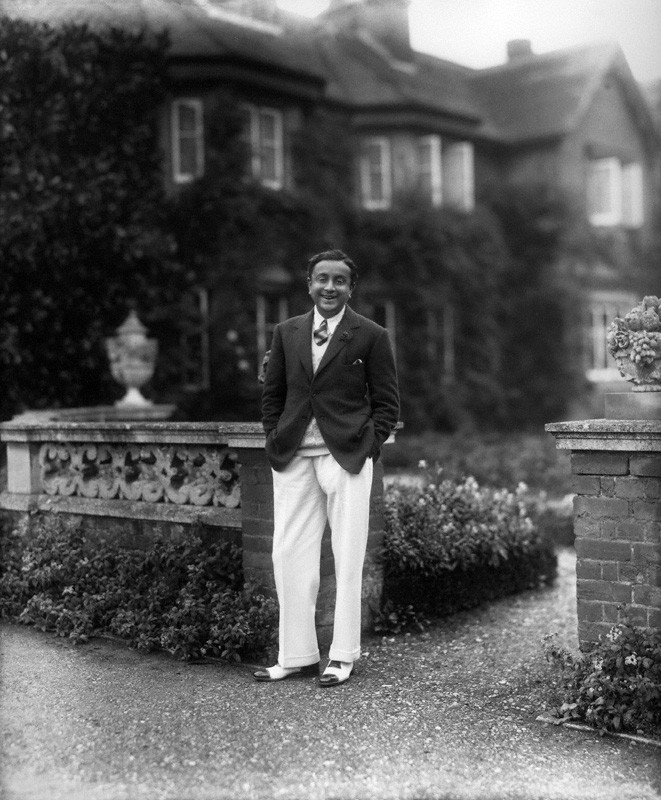
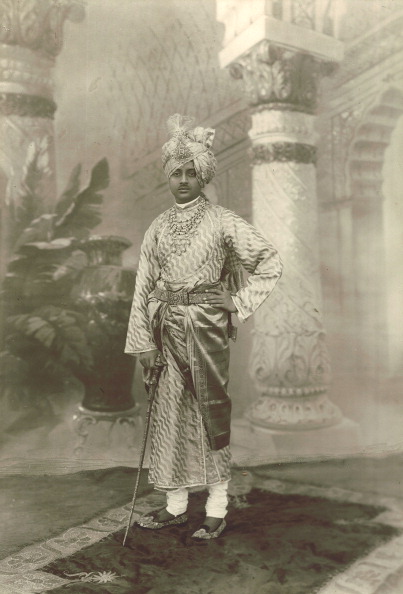
- Lt.-Col. HH Maharana Shri Sir VIJAYSINHJI CHHATRASINHJI Sahib, Maharaja of Rajpipla 1915/1951, born at Chhatra Vilas Palace, Nandod (New Rajpipla), G.B.E. (1.1.1945), K.C.S.I. (1.1.1925), eldest son of H.H. Maharana Shri Sir Chhatrasinhji Gambhirsinhji Sahib, Raja of Rajpipla, K.C.I.E., by his first wife, H.H. Wankanerwala Maharani Shri Phul Kunverba Sahiba, educated at Rajkumar College, Rajkot, and at the Imperial Cadet Corps, Dehra Dun, succeeded on the death of his father, 20th September 1915, invested with full ruling powers at the Fort, Juna Raj (old Rajpipla), 10th December 1915, granted the hereditary title of Maharaja, with permanent salute of the State raised from 11 to 13 guns, 1st January 1921. He introduced many reforms, including free primary education, nominal high school fees, scholarships, a civil hospital, 5 dispensaries and a veterinary hospital, good public works, and a criminal-and-civil court, he initiated the construction of good motorable roads, a 40 mile railway line, and a 19 mile steam railroad and a tramway connecting the towns along the river Narmada with villages in the interior, and a power house supplying water and electricity to Rajpipla town, he regularised the land revenue systems, introduced pensions for public servants and increased the salaries of the police and military. He signed the instrument of accession to the Dominion of India, 15th August 1947, merged Rajpipla State into the Bombay Presidency, 10th June 1948 (Gujarat since May 1960). He was one of the leading racehorse owner in the world, his horses winning the Indian Derby in 1919 (Tipster), Irish Derby in 1926 (Embargo), the Grand Prix in Belgium in 1927 (Embargo), and the Epsom Derby in 1934 (Windsor Lad), he topped the racing events list in the 1932-1933 Indian racing season. He married (first) at Amleta, 2nd March 1911, H.H. Maharani Uday Kunverba Sahiba [Ratlam Basaheb] daughter of Maharaj Raghunath Singhji of Amleta; married (second) 18th June 1917, H.H. Maharani Padmini Kunverba Sahiba [Panna Basaheb] daughter of Rao Raja Kuman Singh Ju Deo of Panna; married (third) HH Maharani Manhar Kunverba, daughter of Mahida Shri Durjan Sinhji on 5th January 1940, H.H. Maharani Ella Devi Sahiba [Ella Atherton]. He died at The Manor, Old Windsor, Berks, 29th April 1951 (cremated at Rampura, on the banks of the Narmada), having had issue:
- HH Maharana Shri Rajendrasinhji Vijaysinhji Sahib (by Maharani Uday Kunverba Sahiba)(qv)
- Rajkumar Shri Raghunathsinhji Vijaysinhji Sahib (by Maharani Uday Kunverba Sahiba), born at Nandod, died .
- Rajkumari Shri (name unknown) Kunverba Sahiba (by Maharani Uday Kunverba Sahiba), born at Nanod, died at Nanod.
- Maharajkumari Kusum Kunverba Sahiba [HH Maharani Kusum Kunverba Sahiba of Chhota-Udaipur] (by Maharani Uday Kunverba Sahiba), born at Vijay Palace, Nandod (New Rajpipla), married 5th December 1928, (as his second wife), HH Maharawal Shri Natwarsinhji Fatehsinhji Sahib of Chhota-Udaipur, son of Maharawal Shri Fatehsinhji Motisinhji Sahib, Raja of Chhota-Udaipur, and had issue. She died , having had issue, one son.
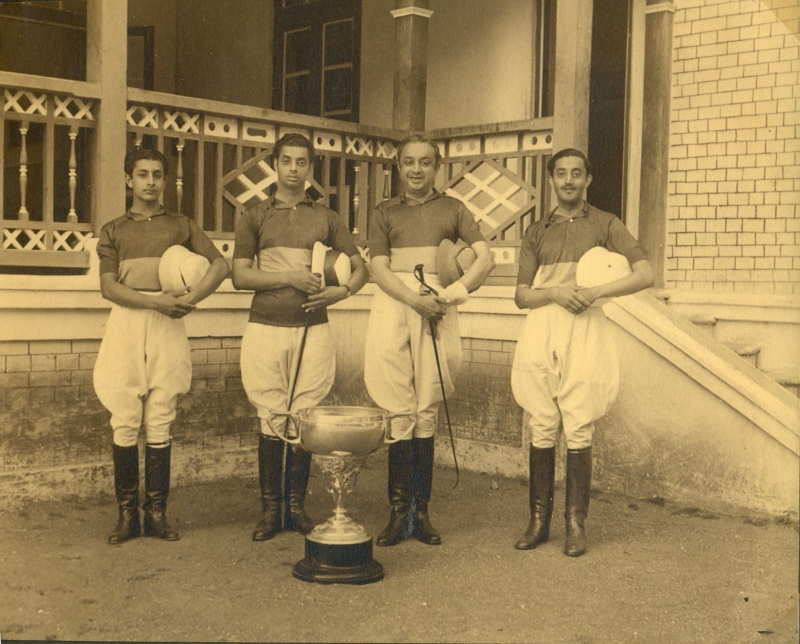
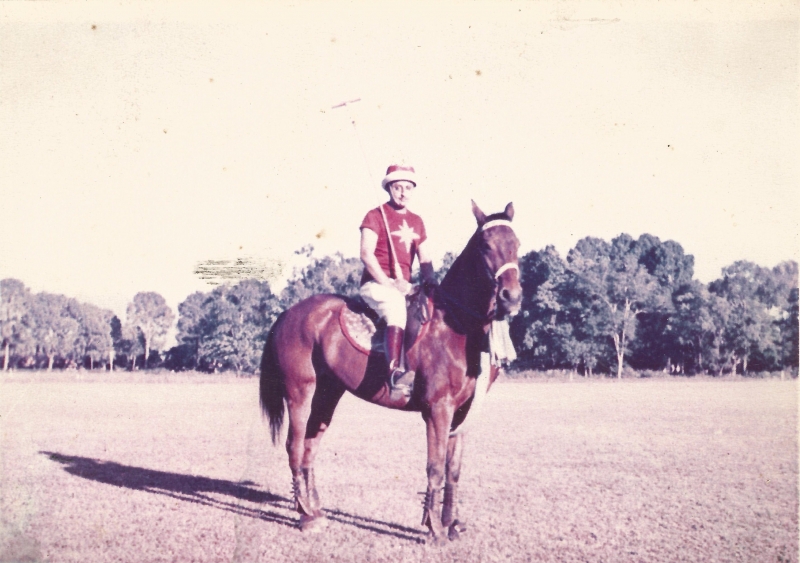
- Maharaj Shri Pramodsinhji Vijaysinhji Sahib (by Maharani Uday Kunverba Sahiba), born at Nandod (New Rajpipla), educated at Mayo College, Ajmer and Queen's College, Cambridge (B.A), member of the Indian Administrative Service, polo player, married 10th December 1952, Rani Jayendra Kumari Sahiba, daughter of Thakore Sahib Shri Indrasinhji Balvirsinhji of Lakhtar. He died at Bombay, having had issue:
- Rajkumari Yogeshwari Devi Sahiba [Kunwarani Yogeshwari Devi], born at Bombay, married 6th December 1976, Kunwar Duleep Singh, son of Thakur Harnath Singh of Khatipura. She died , having had issue, one son and twin daughters.
- Rajkumari Maheshwari Devi Sahiba [Shrimati Maheshwari Devi Panwar], born at Bombay, married 11th December 1981, Capt. Manvendra Singh Panwar, son of Lt.-Col. Mahendra Pratap Bahadur Singh, and has issue, one son.
- Rajkumari Durgeshwari Devi Sahiba, [Shrimati Durgeshwari Balchander] born at Lakhtar, married 21st April 1980, Shri R. Balchander, son of Shri M.P. Rajagopalan, and has issue, two daughters.
- Rajkumari Krishna Kumari Sahiba [Kunwarani Krishna Kumari], born at Bhubaneshwar, married 10th February 1989, Kumar Shri Brijrajsinhji Praveensinhji Jadeja of Dhrol, son of Kumar Shri Praveen Sinhji Umaid Sinhji Jadeja of Dhrol. No issue.
- Maharajkumari Mohini Kunverba Sahiba [HH Maharani Mohini Kunverba of Morvi] (by Maharani Padmini Kunverba Sahiba), born at Vijay Palace, Nandod (New Rajpipla), married 27th January 1932, (as his first wife), HH Maharaja Shri Mahendrasinhji Lakhdhirji Sahib Bahadur of Morvi, son of H.H. Maharaja Shri Sir Lakhdhiraji Waghji [Jilubha] Sahib Bahadur, Maharaja of Morvi, GBE, KCSI. She died . No issue.
- Rajkumar Shri (name unknown) Vijaysinhji Sahib (by Maharani Padmini Kunverba Sahiba), born , died .
- Maharaj Shri Indrajeetsinhji Vijaysinhji Sahib [Billy Rajpipla] (by Maharani Padmini Kunverba Sahiba), born at Vijay Palace, Nandod (New Rajpipla), educated at Mayo College, Ajmer, painter, farmer, keen polo player and renowned hunter, married 27th May 1954 at Bombay, Rani Vina Kumari, daughter of Raja Shriniwas Prasad Singh of Jagdishpur, Bhojpur, Bihar. He died at his farm in Bijnor District, UP, having had issue:
- Maharaj Shri Indra Vikram Singhji Indrajeet Sinhji Sahib [Teddy Rajpipla], born at Mussoorie, educated at St. Joseph's Academy, Dehra Dun; St. George's College, Mussoorie; Hans Raj College, Delhi University; and at the British Institute of Commerce, Bombay; keen cricketer, captained cricket teams at school and college; owner of garments manufacturing and export business 1978-1990, publishing business since 1990, freelance writer and editor of ‘Cricket Samrat’, author of “Test Cricket - End of the Road” (1992), “World Cup Cricket” (2002), “The Little Big Book of World Cup Cricket” (edition I 2007, edition II 2011), “The Big Book of World Cup Cricket” (2011), “A Maharaja's Turf” (2011), “Crowning Glory” (2011), and “Don's Century” (2011); setting up a heritage palace resort; married 21st May 1981 at Dehra Dun, Kunwarani Vandana Kumari (div. 1988), daughter of Thakur Mahabir Singh of Ajairajpura, and has issue.
- Rajkumar Shri Vishvajeet Singhji Indra Vikram Singhji Sahib [Joey Rajpipla], born at Doom Dooma, Assam, educated at Vidya Niketan, New Delhi; Summer Fields School, Gurgaon; Shaheed Bhagat Singh College, Delhi University; and ICFAI University, Hyderabad; finance executive with Tupperware India, Bausch & Lomb Eyecare India, and Abbott India; married 8th March 2015, Sukhman Kaur, and has issue.
- Rajkumar Shri Aviraj Singhji Vishvajeet Singhji [Leo Rajpipla], born at Gurgaon.
- Rajkumar Shri Vishvajeet Singhji Indra Vikram Singhji Sahib [Joey Rajpipla], born at Doom Dooma, Assam, educated at Vidya Niketan, New Delhi; Summer Fields School, Gurgaon; Shaheed Bhagat Singh College, Delhi University; and ICFAI University, Hyderabad; finance executive with Tupperware India, Bausch & Lomb Eyecare India, and Abbott India; married 8th March 2015, Sukhman Kaur, and has issue.
- Maharaj Shri Indra Vadan Singhji Indrajeet Sinhji Sahib [Anuj Rajpipla], born at Dehra Dun, educated at St. Joseph's Academy, Dehra Dun; St. George's College, Mussoorie; St. Michael's School, Patna; Hindu College and Hans Raj College, Delhi University; keen cricketer, soccer player, painter and musician; executive in garments company, tea gardens and tea export company, export business; married 21st February 1982 at New Delhi, Kunwarani Ratna Singh, daughter of Wing Commander J. C. Varma, and has issues.
- Rajkumari Shubhangini Singh, born at New Delhi, educated at Vidya Niketan, New Delhi, and Wigan & Leigh College, New Delhi; artist, company executive; married 7th January 2017, Sudhanshu Mathur, and has issues, two sons.
- Rajkumar Shri Chandra Vadan Singh, born at Duliajan, educated at Vidya Niketan, New Delhi, and JIMS, New Delhi; executive with Genpact India.
- Maharaj Shri Indra Vikram Singhji Indrajeet Sinhji Sahib [Teddy Rajpipla], born at Mussoorie, educated at St. Joseph's Academy, Dehra Dun; St. George's College, Mussoorie; Hans Raj College, Delhi University; and at the British Institute of Commerce, Bombay; keen cricketer, captained cricket teams at school and college; owner of garments manufacturing and export business 1978-1990, publishing business since 1990, freelance writer and editor of ‘Cricket Samrat’, author of “Test Cricket - End of the Road” (1992), “World Cup Cricket” (2002), “The Little Big Book of World Cup Cricket” (edition I 2007, edition II 2011), “The Big Book of World Cup Cricket” (2011), “A Maharaja's Turf” (2011), “Crowning Glory” (2011), and “Don's Century” (2011); setting up a heritage palace resort; married 21st May 1981 at Dehra Dun, Kunwarani Vandana Kumari (div. 1988), daughter of Thakur Mahabir Singh of Ajairajpura, and has issue.
- Maharajkumari Chandra Prabha Kumari Sahiba [Maharaj Kunwarani Chandra Prabha Kumari Sahiba of Nabha] (by Maharani Padmini Kunverba Sahiba), born at Nandod, married 1950, Maharajkumar Shri Gurbaksh Singh of Nabha, son of Maharaja Shri Ripudaman Singh of Nabha. She died in , having had issue, two daughters and a son.
- Maharaj Shri Rajsinhji Vijaysinhji Sahib (by Maharani Ila Devi), born , educated at Westminister School; journalist.
- Maharajkumari Premila Devi Sahiba (by Maharani Ila Devi), born , educated at Heathfield School, Ascot, fashion model and businesswoman.
- HH Maharana Shri RAJENDRASINHJI VIJAYSINHJI Sahib, Maharaja of Rajpipla 1951/1963, born at Chhatravilas Palace, Nandod (New Rajpipla), educated at Mayo College, Ajmer, and RMA, Woolwich, Commissioned as Honorary 2nd Lieut 1/6/1936, attached Royal Deccan Horse, Indian Army 1/6/ to 1/12/1936, Assistant Collector at Poona 1936-1937, served in World War II as instructor Indian Army 1939-1943, Army Minister Rajpipla State 1943-1948, President Rajpipla Interim Executive Council 1946-1948, polo player, succeeded on the death of his father, 29th April 1951, installed on the gadi at the Fort, Juna Raj (Old Rajpipla), married 5th March 1934, HH Maharani Rasik Kunverba Sahiba, daughter of HH Maharawal Shri Fatehsinhji Motisinhji Sahib of Chhota-Udaipur. He died at Bombay, having had issue:
- HH Maharana Shri Raghubirsinghji Rajendrasinhji Sahib (qv)
- Maharajkumari Premlata Kumari Sahiba [HH Maharani Premlata Kumari Sahiba of Bolangir-Patna, now the Rajmata Sahiba of Patna], born at Nandod, married 18th January 1955, HH Maharaja Raj Raj Singh Deo of Bolangir-Patna, son of H.H. Maharaja Sir Rajendra Narayan Singh Deo, Maharaja of Patna, KCIE, and has issue, two sons and two daughters.
- Maharajkumari Vimla Kumari Sahiba [Rani Vimla Kumari Sahiba of Bamra], born at Nandod, married 7th February 1965, Raja Pradipta Gang Deb of Bamra, son of Raja Bhanu Ganga Tribhuvan Deb, Raja of Bamra, and has issue, one son.
- HH Maharana Shri RAGHUBIRSINGHJI RAJENDRASINHJI Sahib, Maharaja of Rajpipla (see above)
- Rani Manwar Kunwarba Sahiba, married 1914, Maharaj Dasrath Singh of Barwani and had issue. She died .
- Rani Shyamlata Kumari, married Maharaj Shri Naharsinhji Godji of Kutch.
- Maharaj Champaksinhji, married the 2nd daughter of Rana Gulabsinhji Gammelsinhji of Pratappur, and had issue.
- Kanwar Prithiraj Singh, married and had issue.
- Rani Kusum Kumari, married 13th May 1930, Maj. HH Raja Sir Joginder Sen Bahadur of Mandi.
- Rani Jayaraj Kumari, married 1936, Maharaj Shri Duleepsinhji Jaswansinhji Jadeja of Nawanagar.
- Kumar Shri Indravijaysinhji Amarjeetsinhji, educated at Rajkumar College, Rajkot (1980)
- Kumar Shri Jaisinhji Hirasinhji, educated at Rajkumar College, Rajkot (1963)
- Kumar Shri Vikramsinhji Hirasinhji, educated at Rajkumar College, Rajkot (1969)
- Rani Rattan Kunwarba Sahiba, married (as his tenth wife), Raj Sahib Raisinhji Pratapsinhji of Dhrangadhra, and had issue.
- Kumar Shri Randhirsinhji Duleepsinhji Gohil, married 1973, Kumari Shri Gayatri Devi, daughter of Thakore Saheb Mahendrasinhji Jorawarsinhji of Mengni, and his wife, Thakurani Nirmala Kunverba Saheba.
- Rani Drupad Kunverba Sahiba, married Maharaj Naharsinhji Mansinhji of Baria, and had issue.
- HH Maharani Samaj Kunverba Sahiba, married (as his first wife), HH Maharawal Shri Fatehsinhji Motisinhji Sahib of Chhota-Udaipur, and had issue.
- Maharaj Prakram Singhji, married and had issue.
- Ranisaheb Bashri Pushpakunvarbasaheb, married 1927 (as his first wife), Major Maharaol Maharaj Naharsinhji Fatehsinhji of Chhota-Udaipur, and had issue.
- Rani Ranjana Devi, married Maharaj Shri Hirasinhji Ranjitsinhji of Baria.
Notable Figures
Maharana Arjunsinhji (Samarsinhji)
Maharana Arjunsinhji, originally known as Kumar Shri Samarsinhji, was the founder of the Gohil Rajput dynasty of Rajpipla in the early 14th century (circa 1340). He was the younger son of Maharana Arjunsinhji of Ghogha. Through strategic matrimonial alliances and regional influence, he married the daughter of Chokrana, the Parmar ruler of Rajpipla, who had no male heir. This alliance allowed Samarsinhji to ascend the throne of Rajpipla, adopting the name Arjunsinhji and establishing the rule of the Gohil clan over the territory.
His accession marked the transition of Rajpipla from Parmar rule to Gohil Rajput rule, establishing a dynasty that would govern the princely state for over six centuries. Under his leadership, the foundations of the state's military and administrative machinery were laid. More historical details regarding this lineage can be found on the Rajpipla State Wikipedia Page.
Maharana Verisalji I
Maharana Verisalji I ruled Rajpipla during a highly turbulent period in Indian history in the early 18th century (circa 1705–1715). As the Mughal Empire began to decline after the death of Aurangzeb, Verisalji I asserted the independence of the Rajpipla state and defied Mughal authority. He is celebrated for his military acumen and for forging strategic alliances to protect his territory from imperial incursions.
He successfully allied with the Marathas, particularly Damaji Gaekwad, to resist Mughal control in the Gujarat region. His bold leadership ensured that Rajpipla retained its sovereign character and did not succumb to the chaos of the transitioning regional powers. His reign cemented the state's reputation as a resilient Rajput principality.
Maharana Verisalji II
Maharana Verisalji II ascended the gaddi (throne) of Rajpipla in 1860. His rule marked the transition of Rajpipla into a modern, well-administered state under British suzerainty. Verisalji II was a visionary ruler who introduced systematic administrative reforms, created a structured judicial framework, and established early educational institutions and public healthcare clinics in the state.
He was highly regarded for his diplomatic skills, successfully negotiating with the British authorities to maintain the internal autonomy of Rajpipla. His developmental initiatives laid the groundwork for the rapid modernization of the state that followed in the late 19th and early 20th centuries. He ruled until 1897, when he abdicated the throne in favor of his son.
Maharana Maharaja Sir Chhatrasinhji
Maharana Maharaja Sir Chhatrasinhji, who ruled from 1897 to 1915, is widely recognized as the builder of modern Rajpipla. Born in , he succeeded his father Verisalji II and immediately embarked on a series of progressive reforms. He was responsible for the construction of the Rajpipla State Railway, a major infrastructural achievement that connected the isolated state to the main line of the Bombay, Baroda and Central India Railway (BB&CI Railway), boosting local trade and commerce.
Maharaja Chhatrasinhji introduced free primary education, initiated agricultural reforms to help farmers during famines, and constructed modern roads and public offices. For his exemplary administration and loyalty to the Crown, he was knighted as a Knight Commander of the Star of India (KCSI). To read more about his life and achievements, visit his dedicated article on Maharana Chhatrasinhji on Wikipedia.
Maharana Maharaja Sir Vijaysinhji
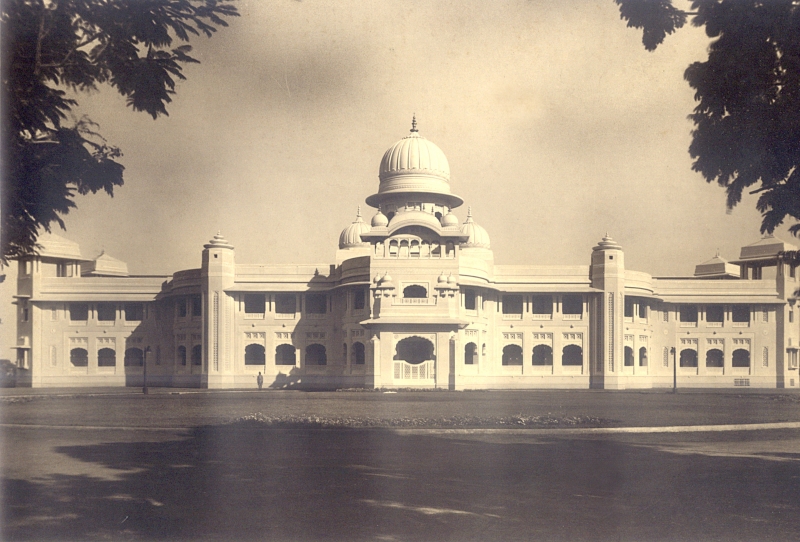
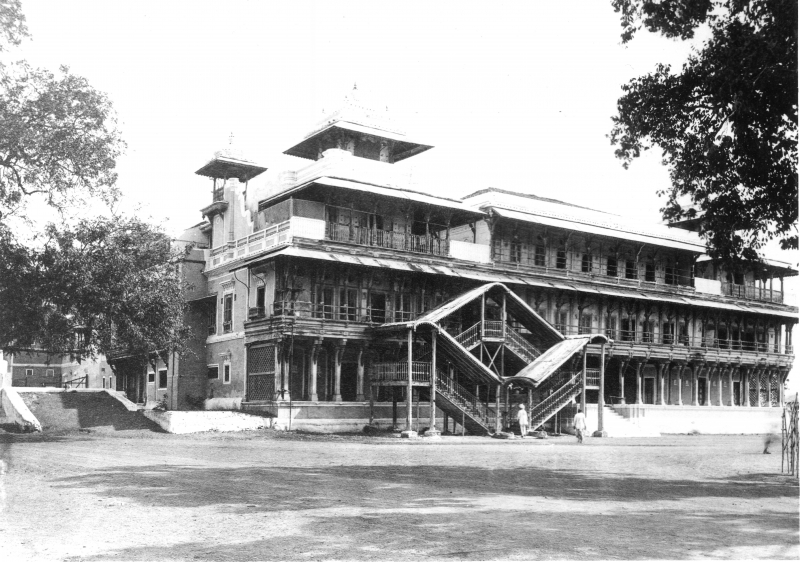
Maharana Maharaja Sir Vijaysinhji was the last ruling Maharaja of Rajpipla, reigning from 1915 until the state's integration into the Indian Union in 1948. His reign is often described as the "Golden Age of Rajpipla." He was a highly educated and cosmopolitan ruler who revolutionized the state's infrastructure, introducing a modern town-planning system, constructing grand edifices like the Rajvant Palace and Vijay Palace, and establishing a local airport and extensive road networks.
Beyond his administrative success, Maharaja Vijaysinhji was a world-famous sportsman and equestrian enthusiast. He is legendary for being the only Indian Maharaja to win the prestigious English Epsom Derby in 1934 with his horse, Windsor Lad. He was a generous patron of the arts and education. Following India's independence, he signed the Instrument of Accession, merging Rajpipla into the Indian Union. His life is detailed comprehensively on Maharana Vijaysinhji on Wikipedia.
Maharana Raghubir Singhji
Maharana Raghubir Singhji became the titular Maharaja of Rajpipla in 1963 following the demise of his father, Maharaja Rajendra Singhji (who had succeeded Maharaja Vijaysinhji). While the official privy purses and royal titles were abolished by the Indian Government in 1971, Raghubir Singhji has remained a highly respected public figure and custodian of the royal heritage of Rajpipla.
He has played an active role in preserving the family's historical legacy, converting parts of the majestic Rajvant Palace into heritage hotels and museum spaces. This initiative has significantly contributed to heritage tourism in Gujarat, drawing visitors from across the globe to experience the rich cultural history of the Gohil dynasty.
Prince Manvendra Singh Gohil
Prince Manvendra Singh Gohil, born in , is the son of Maharana Raghubir Singhji and is one of the most widely recognized modern personalities of the Rajpipla royal family. He achieved international prominence in 2006 when he became the world's first openly gay prince of a royal dynasty, a historic announcement that broke deep-seated cultural taboos in India.
He is a highly dedicated LGBTQ+ rights activist and founded the Lakshya Trust, which works extensively in HIV/AIDS prevention, sexual health, and support programs for the LGBTQ+ community in Gujarat. His activism has been featured on prominent global media outlets, including The Oprah Winfrey Show and several international documentaries. He remains a powerful advocate for human rights and social equality. Learn more about his advocacy on Manvendra Singh Gohil on Wikipedia.