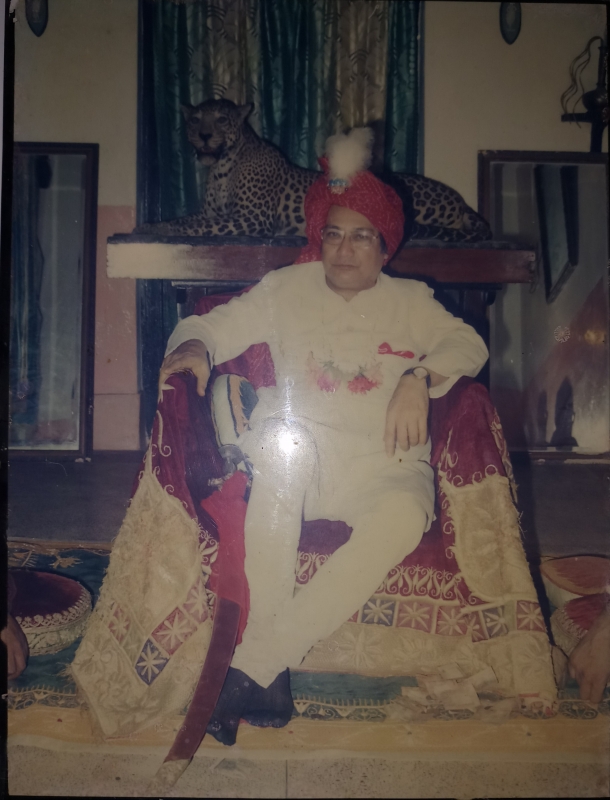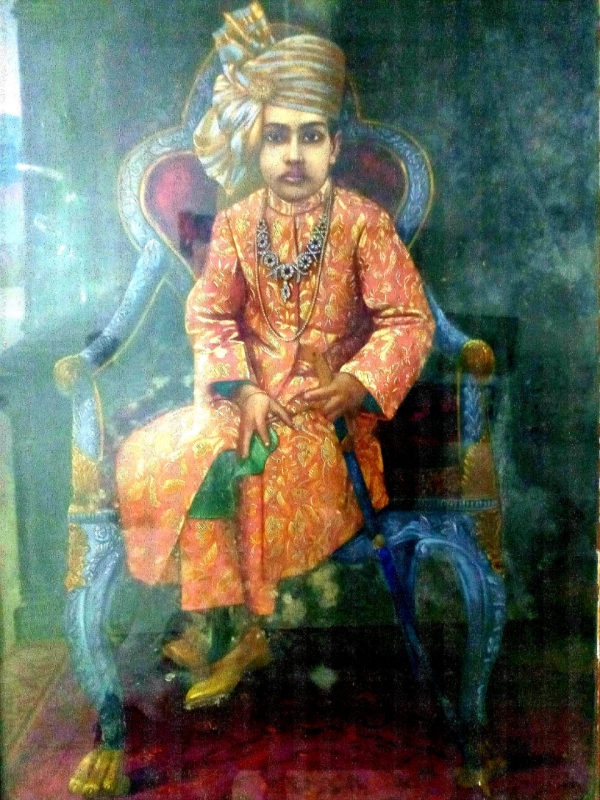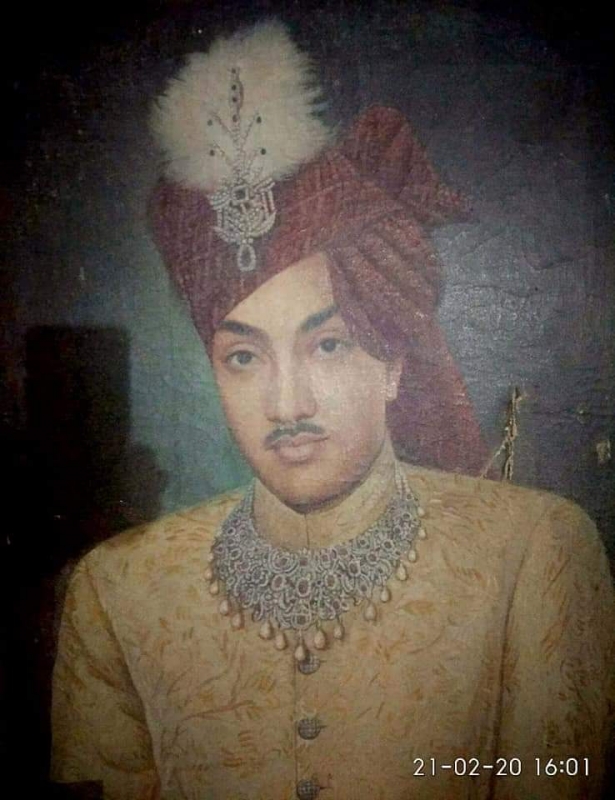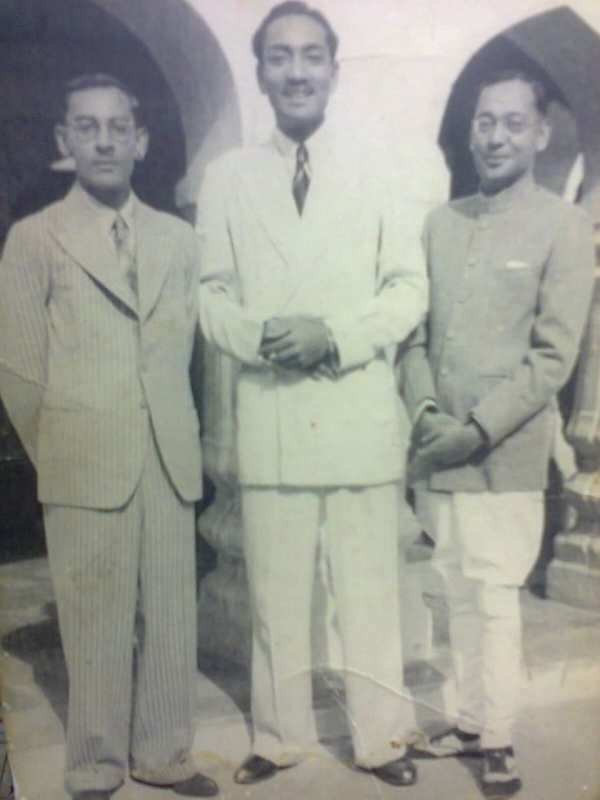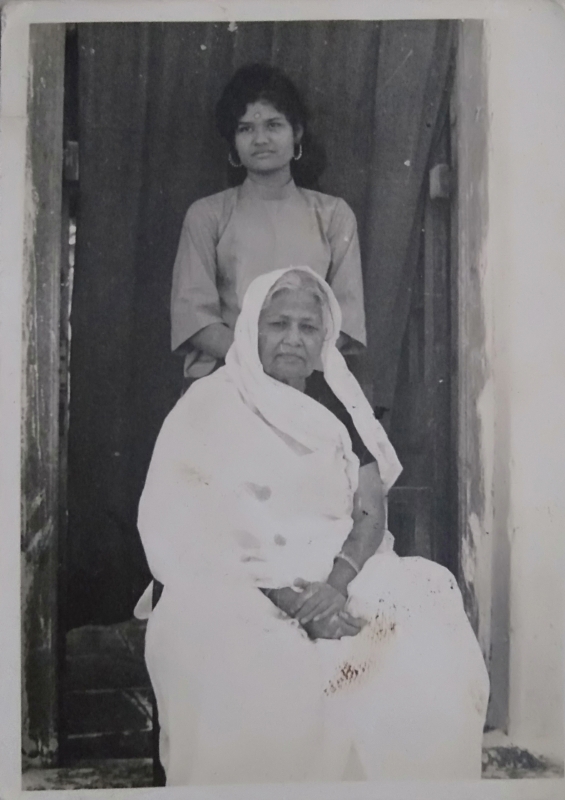

Present Head
- Yuvraj Saheb Dharamveer Singh, died sp unmarried.
- Rajkumari Nandini Kumari Singh, married to Yuvraj Saheb of Bagli, and has issue, three children.
- Kumar Apoorv Vikram Singh, studying at Rajkumar College.
- Kumari Arunima Singh, studying at Rajkumar College.
- Kumar Abhuday Singh, studying at Rajkumar College.
- Rajkumari Shradha Kumari Singh, married Shri Siddharath Singh (divorced 2010), married 2ndly in 2014 to Bhim Vikram Singh Deo, son of Lal Saheb Dipta Bhanu Singh Deo of Seraikella and Rajkumari Lokeshwari Devi of Alipura and has issues, one son and a daughter (1st marriage).
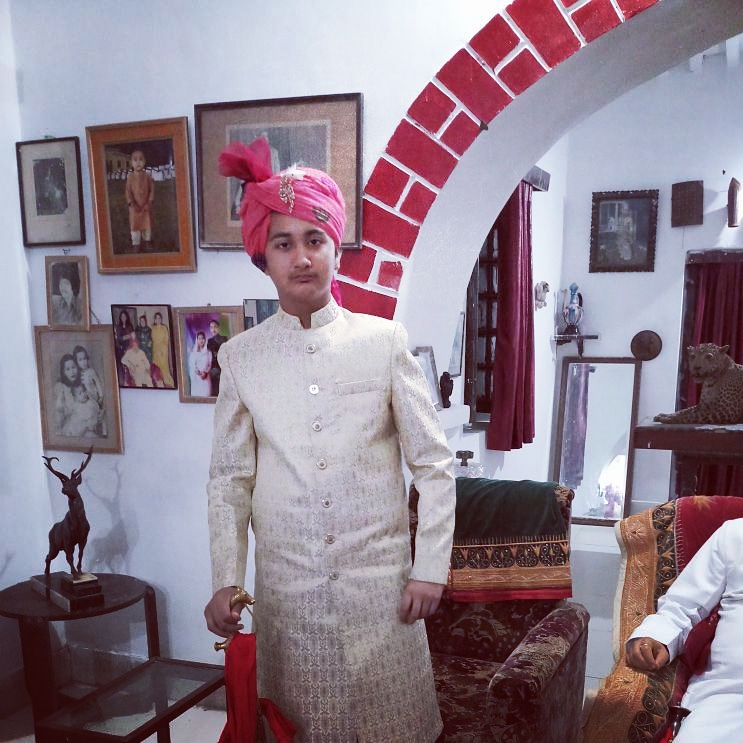
- YuvrajKumar Sahab Yuvraj Singh, born , adopted by his grandfather Raja Vijay Singh in 2017 as his successor.
- Kumari Shweta Singh Deo, born on , currently (2020) studying in Rajkumar College, Raipur, Chhattisgarh.
History
Origin and Foundation of the Udaipur Province
The princely state of Udaipur (historically centered around Dharamjaigarh in modern Chhattisgarh, formerly part of Madhya Pradesh) was founded by the Raksel (or Raksela) dynasty of Rajputs. The Raksel Rajputs, who claim descent from the Suryavanshi lineage, established their dominion over the rugged and heavily forested regions of Surguja, Udaipur, and Jashpur. Originally, Udaipur functioned as a feudal dependency under the suzerainty of the larger Surguja State. The rulers of Udaipur paid tribute to the Maharaja of Surguja and governed the local tribal populations, primarily Gonds and Bhuiyas, with a high degree of autonomy.
The Maratha Period and British Protectorate
During the 18th century, the Maratha Empire, under the Bhonsles of Nagpur, extended its influence over the Chhattisgarh region, forcing the Raksel rulers of Udaipur to pay tribute. This turbulent period ended in 1818, following the defeat of the Marathas in the Third Anglo-Maratha War. Control of the region passed to the British East India Company, and Udaipur was formally recognized as a British protectorate under the Chota Nagpur Tributary States.
The Doctrine of Lapse and the Rebellion of 1857
A critical turning point in Udaipur's history occurred in 1852. Following the death of the ruling chief, Raja Kalyan Singh, without a direct male heir, the British East India Company applied the controversial Doctrine of Lapse under Lord Dalhousie. The state was annexed and placed under direct British administration.
This annexation caused deep-seated resentment. During the Indian Rebellion of 1857, the dispossessed brothers of the late Raja, Dhiraj Singh and Sheoraj Singh, led a fierce uprising against British authority. They mobilized the local tribes and seized control of the capital. The rebellion was eventually suppressed by British forces with the assistance of loyal native allies, and the rebel leaders were captured and exiled.
Restoration and the Reign of Bindeshwari Prasad Singh Deo
In 1860, as a reward for outstanding services rendered during the 1857 uprising, the British government bestowed the ruling gaddi of Udaipur upon Lal Bindeshwari Prasad Singh Deo, a younger brother of the Maharaja of Surguja. This act effectively restored native Rajput rule and established a new branch of the Raksel dynasty in Udaipur.
Raja Bindeshwari Prasad Singh Deo proved to be an exceptionally capable and enlightened ruler. He shifted the administrative capital from Rabkob to a new site, which he named Dharamjaigarh in honor of his son and heir, Dharamjeet Singh Deo. He actively suppressed banditry, modernized the administrative machinery, and encouraged agricultural development in the wild, forested state.
Modernization and Progressive Reforms
Under the successors of Bindeshwari Prasad, Udaipur entered an era of structured modernization and social reform:
- Raja Dharamjeet Singh Deo (1876–1900): Under his leadership, the infrastructure of Dharamjaigarh was meticulously planned. He established modern primary schools, introduced public healthcare dispensaries, and constructed roads connecting the state's interior with neighboring regions.
- Raja Chandra Shekhar Prasad Singh Deo (1900–1912) & Raja Chandra Bhushan Prasad Singh Deo (1912–1927): These rulers prioritized forestry conservation and systematically mapped the state's vast timber resources. They also introduced progressive land revenue settlements that protected the traditional rights of the tribal peasantry.
Post-Independence and Modern Era
Following India's independence in 1947, the last ruling chief of Udaipur, Raja Chandra Chur Prasad Singh Deo, signed the Instrument of Accession on 1 January 1948, merging the state into the Dominion of India. The territory was initially integrated into the Central Provinces and Berar, which later became the state of Madhya Pradesh.
In November 2000, with the creation of the new state of Chhattisgarh, the lands of the erstwhile Udaipur State were incorporated into the Raigarh district of Chhattisgarh. Today, Dharamjaigarh remains a significant historical town. The royal lineage is still deeply respected by the local population, and the historic Dharamjaigarh Palace stands as a testament to the legacy of the Raksel Rajputs of Udaipur.
Genealogy
- Raja KALYAN SINGH, Raja of Udaipur 1818/1852 INTERREGNUM 1852/1857
- Raja DHIRAJ SINGH Deo, Raja of Udaipur 1857/1858
- Raja SHEORAJ SINGH Deo, Raja of Udaipur 1858/1859
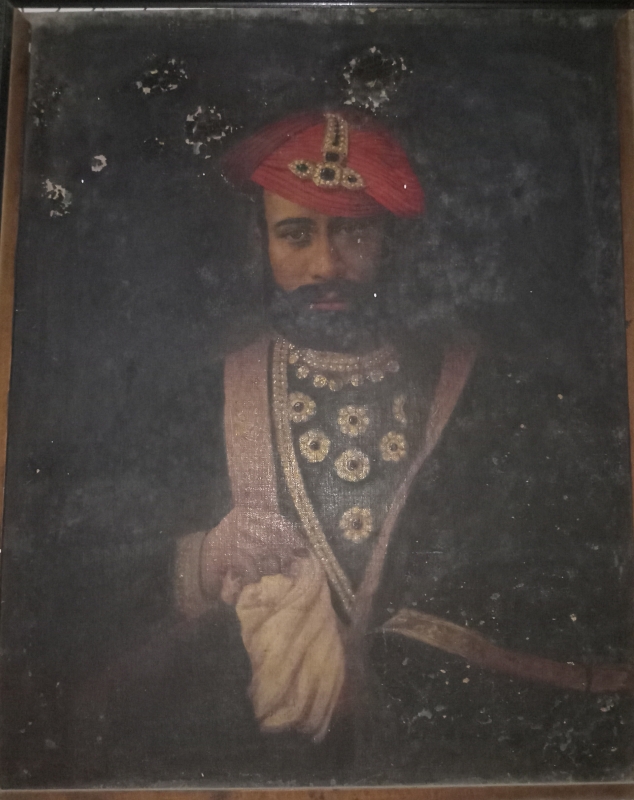
- Raja Bahadur BINDESHWARI PRASAD Singh Deo Bahadur C.S.I, C.S.I [cr. 1871], Raja of Udaipur 1860/1876, born , brother of Raja Indrajit Singh of Surguja, he was granted the state by the British for his services in the Sepoy Mutiny; married and had issue, four sons. The Chief resided at Partabpur, the headquarters of a tract which he held as a maintenance grant in Surguja, and was a ruler of considerable ability and force of character. In 1871 he aided in the suppression of a rebellion in the Keonjhar State, for which he received the thanks of Government, and gifts of an elephant with gold-embroidered trappings and a gold watch and chain. He obtained the title of Raja Bahadur as a personal distinction, and was also made a Companion of the Most Exalted Order of the Star of India.
- Raja Dharamjeet Singh Deo (qv)
- Lal Dharampal Singh Deo, he was granted the estate of Dhourpur, married and had issue (see Dhourpur).
- Lal Bhagwat Prasad Singh Deo, he was granted the estate of Shankargarh.
- Lal Bhagwat Prasad Singh Deo
- Lal Simbhu Nath Singh, he was granted the estate of Chalgali.
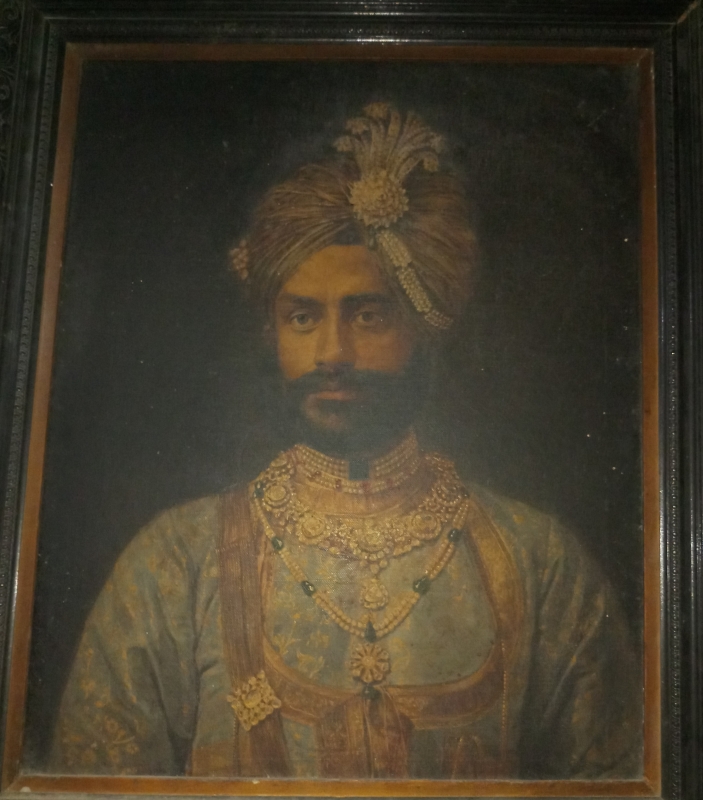
- Raja Bahadur DHARAMJIT SINGH Deo, Raja of Udaipur 1876/1900, born , succeeded 18th March 1876, Raja [cr.1877], married and had issue. He died in .
- Yuvraj Bishan Pratap Singh Deo
- Raja Chandra Shekhar Prasad Singh Deo (qv)
- Rajkumari Sita Devi, married to Maharaja Vikram Dev III, Suryavanshi Maharaja of Jeypore (Odisha).
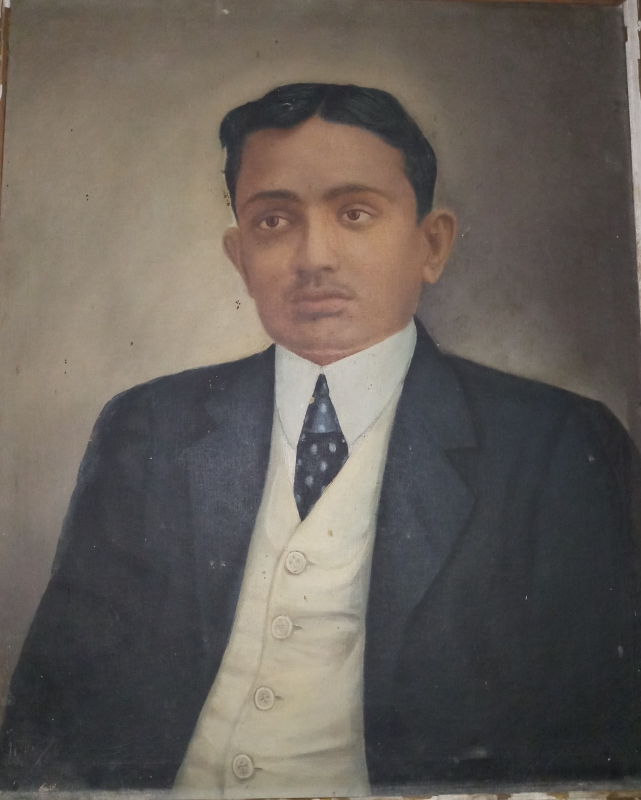
- Raja Bahadur CHANDRA SHEKHAR PRASAD Singh Deo O.B.E, Raja of Udaipur 1900/1926, born , succeeded on 16th Dec 1900. Married Rani Gopinath Kumari (later Rajmata), daughter of Raja Saheb of Chainpur now in Jharkhand.
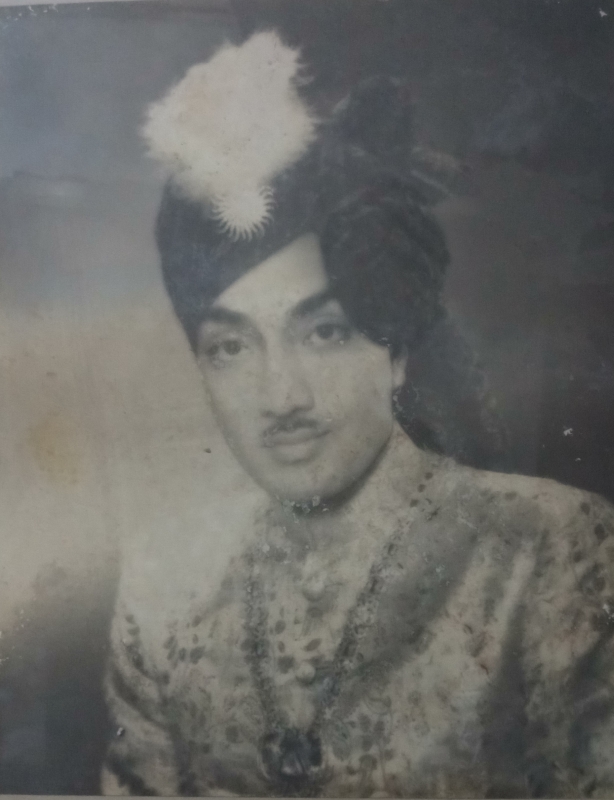
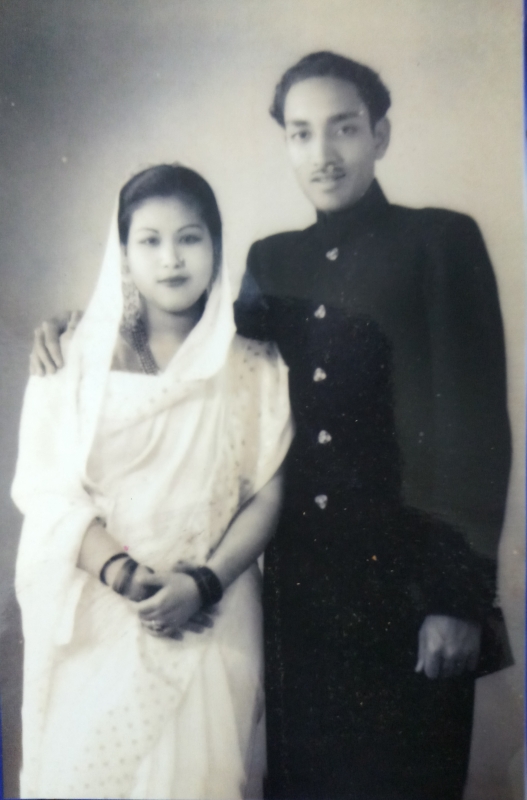
- Raja Bahadur CHANDRA CHUR PRASAD SINGH Deo, Raja of Udaipur 1927/- , born and succeeded 8th December 1927 by adoption, third son of Maharaja Ramanuj Saran Singh Deo of Surguja, and his second wife; educated at Rajkumar College (Raipur), Mayo College (Ajmer) and ICS Camp (Dehradun); M.L.A. (Madhya Pradesh), married on 4th May 1942 to Maharajkumari Srila Shodashi Devi (Rani Shodashi Devi), daughter of H.H Mahraja Birendra Kishkore Manikya Debbarman Bahadur of Tripura Royal family and had issues. He died in .
- Yuvraj Samarthak Singh Deo, born on , died in ; unmarried.
- Raja Vijay Singh Deo (qv)
- Rajkumar Keerti Singh Deo, married and have issues, 2 sons and 2 daughters.
- Rajkumari Jaya Singh
- Rajkumari Digvijay Pratap Singh Deo, married to Jyoti Singh and has issues, one son and 2 daughters.
- Rajkumar Aniroodrh Pratap Singh Deo
- Rajkumari Kirtika Singh
- Rajkumari Rashi Singh
- Rajkumar Jait Pratap Singh Deo, married with Chandrika Singh and has issues, 2 daughters.
- Rajkumari Swati Singh Dev, studying at Rajkumar collage.
- Rajkumari Sneha Singh Dev, studying at Rajkumar collage.
- Rajkumari Vijaya Singh
- Rajkumari Indira Kumari Devi, married February 1975 (div. 1977), Kanwar Karan Vir Singh of Jubbal, and has issue, one son.
- Rajkumar Ajit Pratap Singh Deo
- Raja Bahadur VIJAY SINGH Deo, Raja of Udaipur (see above)