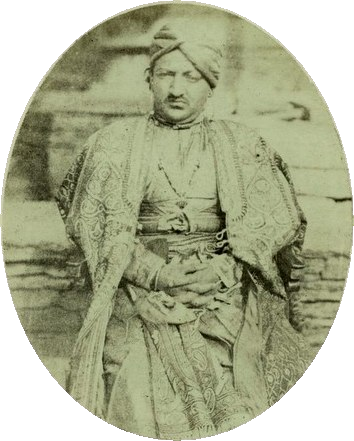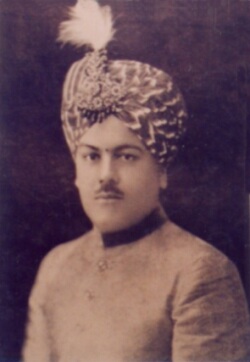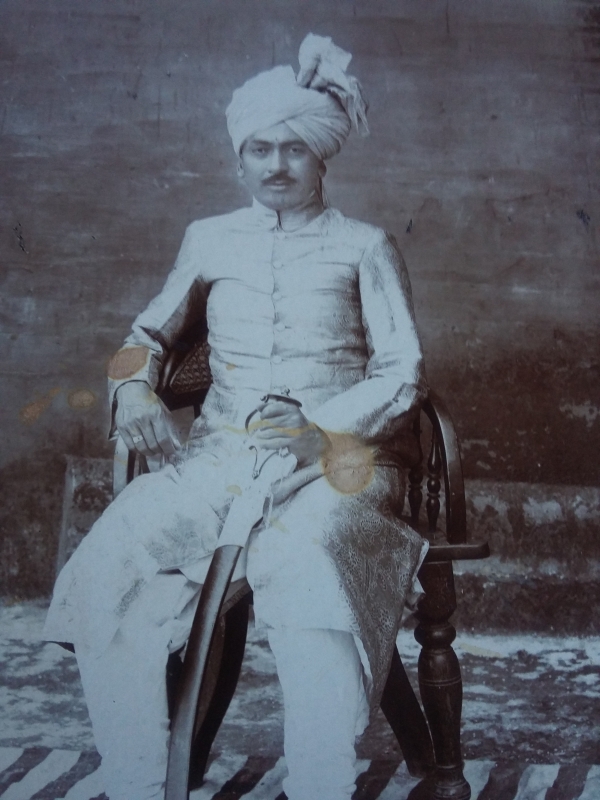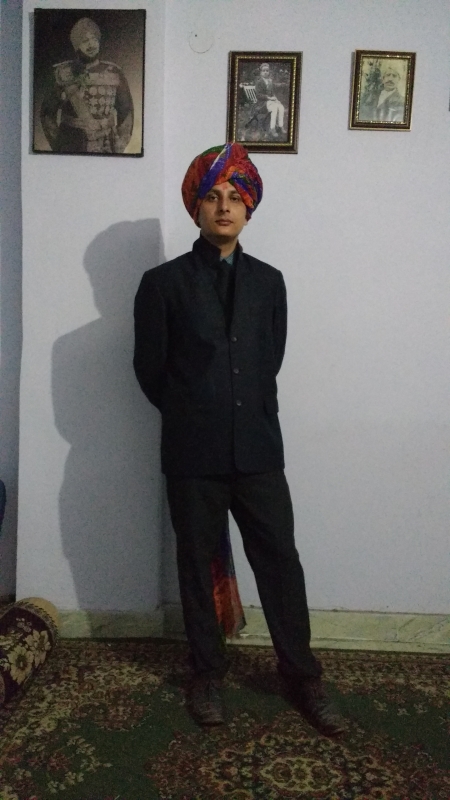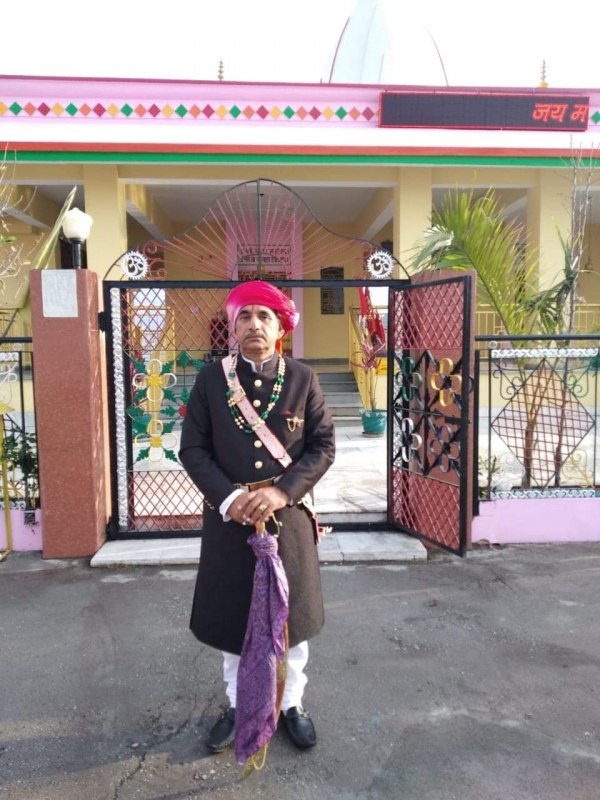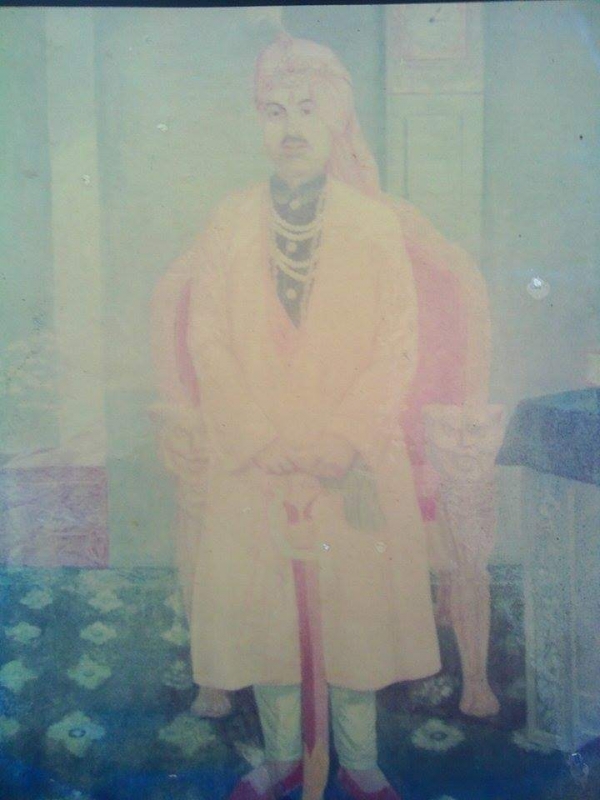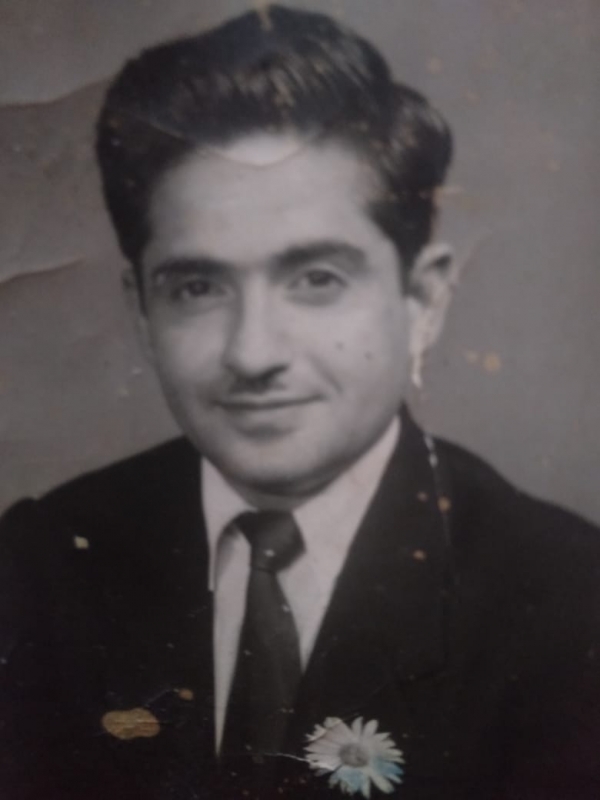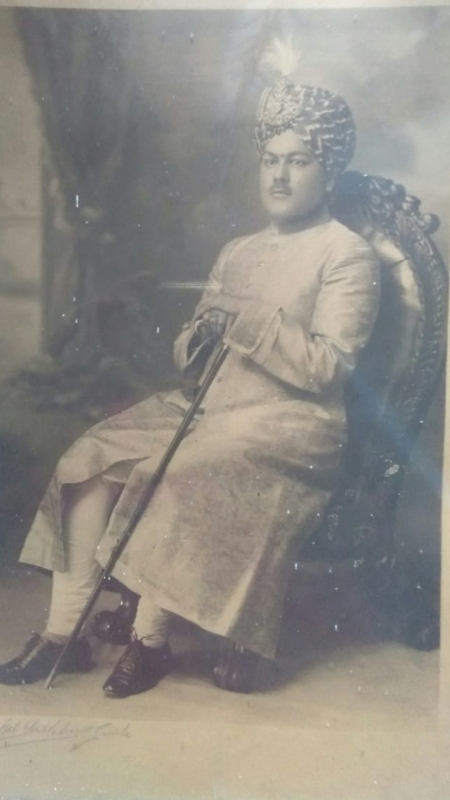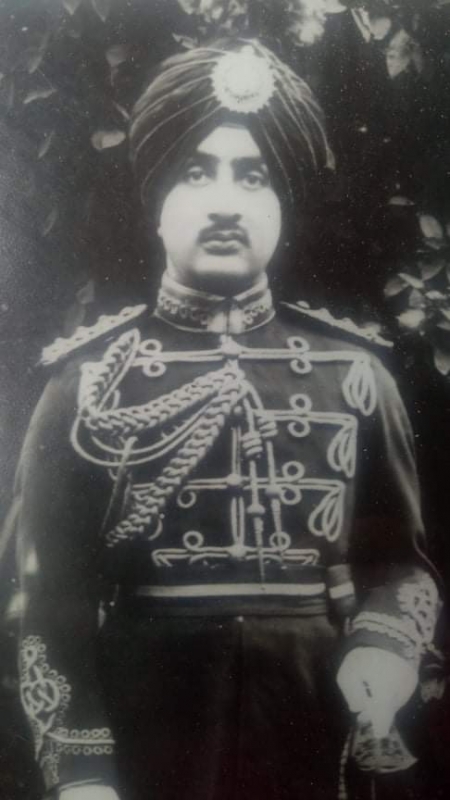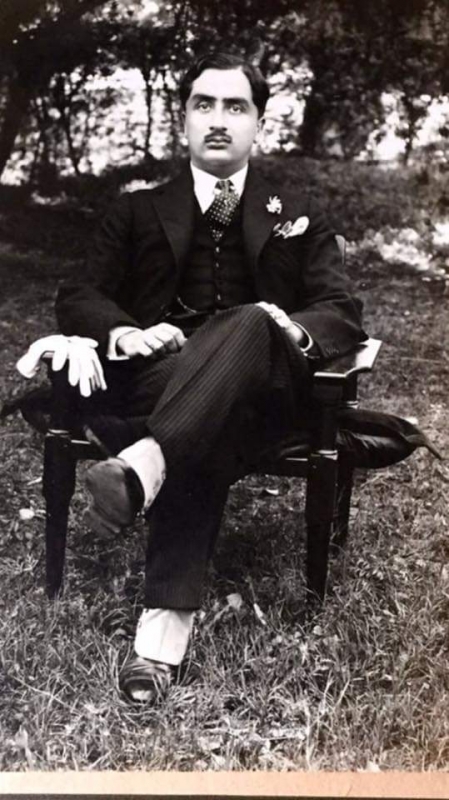
Present Head
- Tikka Sumeshwar Singh, completed Bachelor of Technology in IT from HPU Shimla, working as assistant professor.
- Rajkumar Dineshwar Singh, completed Bachelor of Technology in IT from HPU Shimla, working as a Novel writer; married to Rajkumari Bhawna Kanwar of Koonihar (Shimla).
- Rajkumar Lokeshwar Singh, completed Bachelor of Technology in Electronics and Communications from Delhi.
History
Origin and Foundation of Mangal State
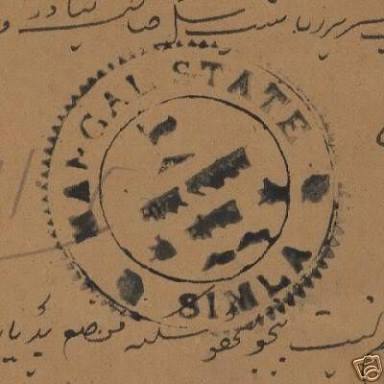
The history of Mangal State is intrinsically tied to the ancient region of Bhatwara (or Batwara), located on the fertile banks of the Satluj River. The ruling clan originally governed Bhatwara as a small feudal principality. The foundation of the new state of Mangal in the early 16th century was the culmination of centuries of regional conflict, displacement, and political realignments in the Shimla Hills region.
The Suket Conflict and Migration
During the medieval era, the geopolitics of the hill states were defined by bitter rivalries between the larger kingdoms of Suket and Kahloor (modern-day Bilaspur). In 1240 AD, the Rana of Bhatwara formed a strategic military alliance with Raja Megh Chand of Kahloor. This alliance deeply angered Raja Madan Sen of Suket, who launched a punitive expedition against Bhatwara, expelling its Rana from his ancestral lands.
Following their expulsion, the displaced ruling family of Bhatwara took refuge under the suzerainty of the Rajas of Bilaspur. Over successive generations, the Ranas of Bhatwara maintained unflinching loyalty to Bilaspur, eventually receiving military assistance to recover portions of their lost territories. However, this recovery was short-lived.
In the early 17th century, a tragic event reshaped the destiny of the dynasty. While the Rana of Bhatwara (Mangal Chand) was engaged in religious worship inside his palace, he was assassinated in a joint surprise attack orchestrated by Raja Shyam Sen of Suket and Raja Man Chand Guleria of Guler. In the ensuing chaos, the late Rana’s two Ranis, the state Wazir, and loyal court officials fled the palace, carrying the young heir, Tikka Raghunath Chand, to safety. Under the protection and patronage of the Raja of Bilaspur, Tikka Raghunath Chand was coronated. In memory of his slain father, Rana Mangal Chand, he founded the new principality and named it Mangal State.
The Gurkha Invasion and British Raj Period
Between 1803 and 1815, Mangal State, like many neighboring Shimla Hill States, fell under the expansionist dominion of the Gurkha Empire of Nepal. The Gurkha occupation was marked by heavy taxation and administrative disruption. Following the defeat of the Gurkhas by British forces in the Anglo-Nepalese War, a British Sanad (charter) dated 20th December 1815 was granted to Rana Bahadur Singh of Mangal, confirming his independent rule over the state, free from the historical overlordship of Bilaspur, in exchange for a nominal tribute and feudal allegiance to the British Crown.
Despite securing its sovereignty, Mangal faced significant territorial losses in the 19th century. Strained diplomatic relations between the Ranas of Mangal and the British Raj led to the annexation of fertile tracts of the state, including the historical pockets of Batwara, Kol, and Baddu. Due to its rugged, mountainous terrain and isolation, Mangal was historically categorized as one of the most inaccessible states in the region, ranking 10th in the order of precedence among the Shimla Hill States.
Religious Heritage and Local Deities
The cultural fabric of Mangal is deeply rooted in local religious traditions and the worship of hill deities (Devtas), which continues to play a central role in the lives of the inhabitants. The principal deities of the region include:
- Badu Bada Devta: The patron deity associated with the protection of the state's traditional boundaries.
- Baba Nahar Singh: A revered local deity symbolizing strength and ancestral protection.
- Guga Jahar Peer: The warrior-saint worshipped across northern India for protection against hazards.
- Baba Balak Nath: A popular saintly figure in the Himachali pantheon, widely worshipped for health and prosperity.
- Jalapa Devi and Chamunda Devi: Manifestations of the Divine Mother (Shakti), revered by the royal family and local clans alike.
Administration and Heraldry
The state was governed as a small principality under the Rana, assisted by a hereditary Wazir. The administrative center shifted over time to suit the defensive needs of the rugged terrain. Historically, the state carried a traditional Rajput flag of saffron or red, symbolizing bravery, sacrifice, and the solar lineage (Suryavanshi) of the ruling clan, which claimed ties to the broader Rajput confederations of northern India.
Post-Independence and Modern Era
Upon the departure of the British from India, the last ruling chieftain, Rana Shiv Singh, signed the Instrument of Accession to the Indian Union. On 15th April 1948, Mangal State officially merged with 30 other princely states to form the administrative province of Himachal Pradesh. Today, the territory of the former Mangal State is integrated into the Solan and Bilaspur districts of Himachal Pradesh, celebrated for its rich historical heritage, traditional festivals, and scenic landscape.
References and Historical Citations
- For comprehensive records of the Shimla Hill States treaties and Sanads, see The Punjab State Gazetteers: Simla Hill States (Volume VIII).
- For details on the territorial conflicts between Suket, Bilaspur, and surrounding hill states, consult History of the Punjab Hill States (Volume II) by J. Hutchison and J. Ph. Vogel.
Genealogy
- Rana Raghunath Singh, 1st Rana of Mangal (1240/-)
- Rana Pratap Singh, 2nd Rana of Mangal.
- Rana Kripal Chand, 3rd Rana of Mangal.
- Rana Sartam Chand, 4th Rana of Mangal.
- Rana Man Chand, 5th Rana of Mangal.
- Rana Gulab Chand, 6th Rana of Mangal.
- Rana Tara Chand, 7th Rana of Mangal.
- Rana Sansar Chand, 8th Rana of Mangal.
- Rana Jai Singh, 9th Rana of Mangal.
- Rana Chittar Singh, 10th Rana of Mangal.
- Rana Inder Singh, 11th Rana of Mangal.
- Rana Veer Singh, 12th Rana of Mangal.
- Rana Amar Singh, 13th Rana of Mangal.
- Rana Karam Singh, 14th Rana of Mangal.
- Thakur BAHADUR SINGH, 15th Rana of Mangal, married and had issue.
- Rana Prithvi Singh (qv)
- Rajkumar Johri Singh, married had issue.
- Rajkumar Veeriya Singh, married but died without a child.
- Rajkumari (name unknown), married Raja Kharak Chand of Bilaspur State (Kahlur).
- Rajkumari (name unknown), married Raja Ishwari Sen of Mandi State.
- Rajkumari (name unknown), married Raja Bikram Singh of Kullu State.
- Rana PRITHVI SINGH, 16th Rana of Mangal 1812/1844, married in Jaswan State and had issue.
- Rana Jodha Singh (qv)
- Rana Ajit Singh (qv)
- Rajkumar Jagat Singh
- Kunwar Mohar Singh, married in Kunihar and has issue.
- Kunwar Nand Singh, married and has issue.
- Kunwar Nanak Chand Sen, married and has issues, six daughters.
- Kunwar Nand Singh, married and has issue.
- Kunwar Mohar Singh, married in Kunihar and has issue.
- Kumari (name unknown), married Raja Karam Chand of Jubbal.
- Kumari (name unknown), married Raja Fateh Prakash of Sirmur.
- Kumari (name unknown), married Raja Jaswant Singh of Nurpur.
- Kumari (name unknown), married Raja Tikka Surjan Shah of Tehri Garhwal.
- Rana JODHA SINGH, Rana of Mangal in 1844
- Rana AJIT SINGH, Rana of Mangal 1844/1892, born , succeeded 9th November 1844, married to daughter of Rana of Tharoch and had issue. He died .
- Rana Trilok Singh (qv)
- Rajkumar Nihal Singh, born , Wazir of Mangal. He died s.p. in 1916.
- RaKumari Sushila Devi, married Kunwar Mohinder Sen, great grandson of Raja Bikram Sen of Suket State.
- Rajkumar Khazana Singh, born , died .
- RajKumari Sanyogita Rajyallaxmi Sen, married to Rajkumar Suchet Singh Verman, son of Raja Charhat Singh Verman of Chamba State.
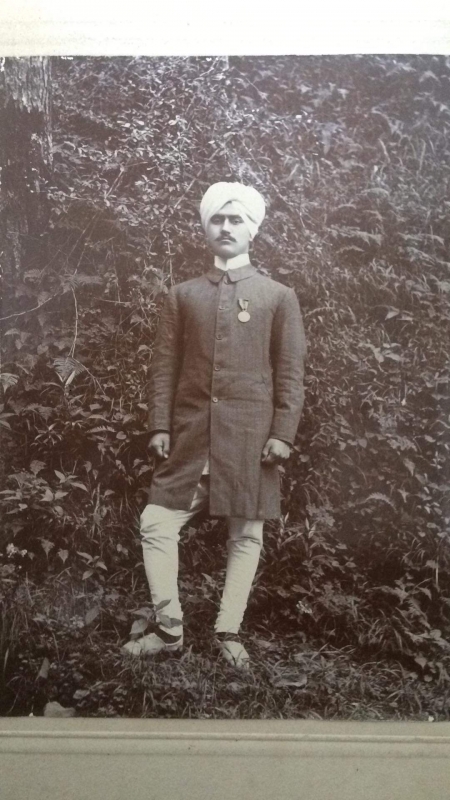
- Rana TRILOK SINGH, Rana of Mangal 1892/1920, born , died , married 1stly to a daughter of Mian from Jammu and Kashmir State, married 2ndly to a lady from from Mahilog and married 3rdly in Keonthal state and had issues.
- Kumari (name unknown), married Kunwar Mohinder Sen, great grandson of Raja Bikram Sen of Suket state.
- Kumari (name unknown), married Rajkumar Ishwari Singh, son of Raja Padam Chand of Jubbal state.
- Kumari (name unknown), married Raja Dalip Singh of Baghat state.
- Kumari (name unknown), married Maj.-Gen. HH Farzand-i-Khas-i-Daulat-i-Inglishia Mansur-i-Zaman Amir-ul-Umra Maharaja Dhiraj Rajeshwar Sir Sri Maharaja-i-Rajgan Maharaja Bhupendra Singh Mahendra Bahadur, 8th Maharaja of Patiala.
- Kumari (name unknown), married son of Rana Bishan Chand of Koti.
- Rana Shiv Singh (qv)
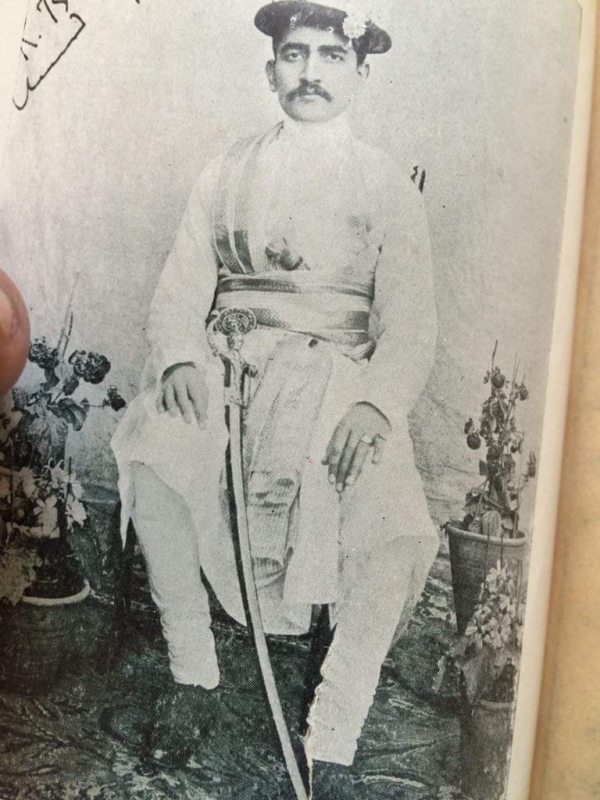
- Rana SHIV SINGH, Rana of Mangal 1920/1953, married 1stly and 2ndly to two daughters of Thakur Devi Singh of Delath and 3rdly to Rani Laxmi Devi, daughter of Rana Fateh Singh of Dhami state, and had issue.
- Rana Ranbir Singh (by 2nd Delath Rani) (qv)
- Rajkumar Sundar Singh (by Khawasi Chini)
- Rajkumari Sita Devi (by 2nd Delath Rani), born , married 1930 (as his first wife), Rana Raghunath Singh of Khotkhai, and had issue, three children. She died .
- Rana RANBIR SINGH, Rana of Mangal 1953/1973, married Rani Shanta Devi, daughter of Kanwar Jawala Singh of Bhajji, and had issue. He died .
- Rana Surinder Singh (qv)
- Rajkumar Rajinder Singh
- Rajkumari Satya Devi
- Rana SURINDER SINGH, Rana of Mangal (see above)