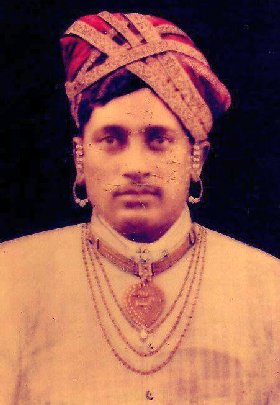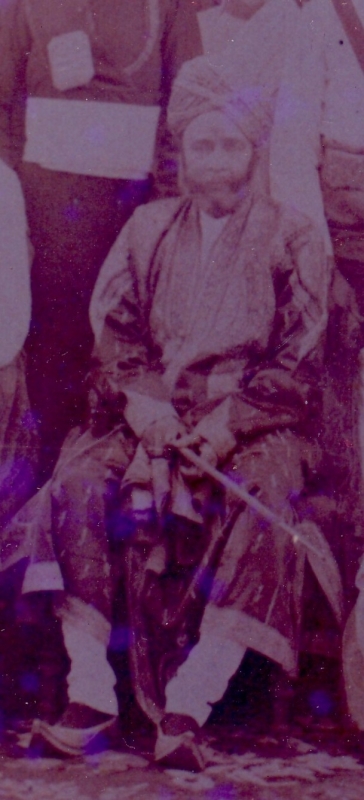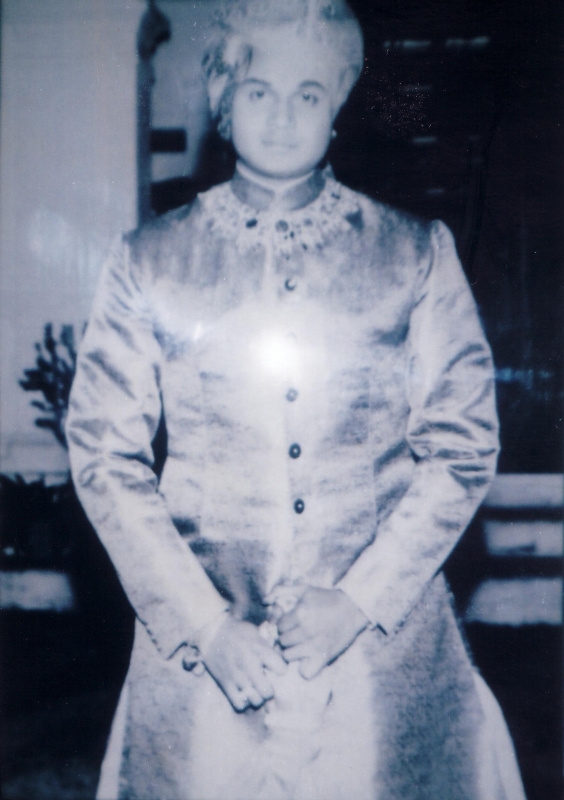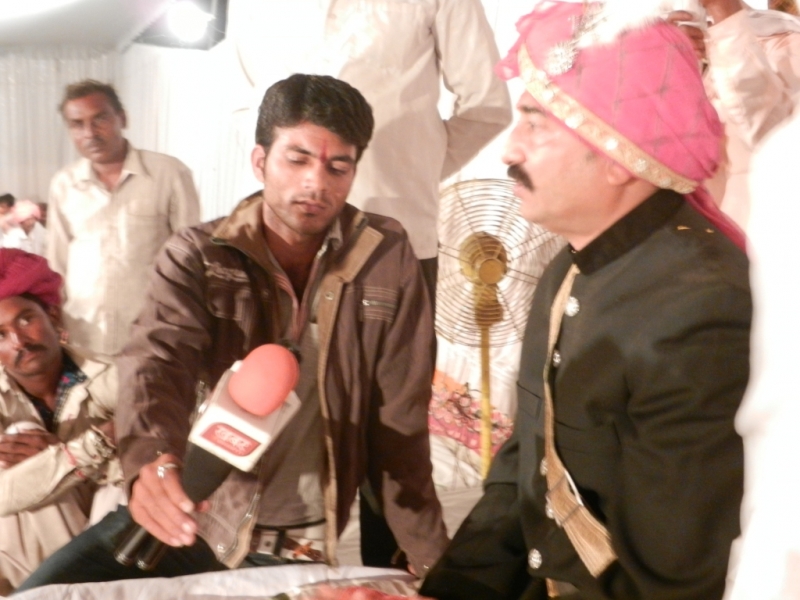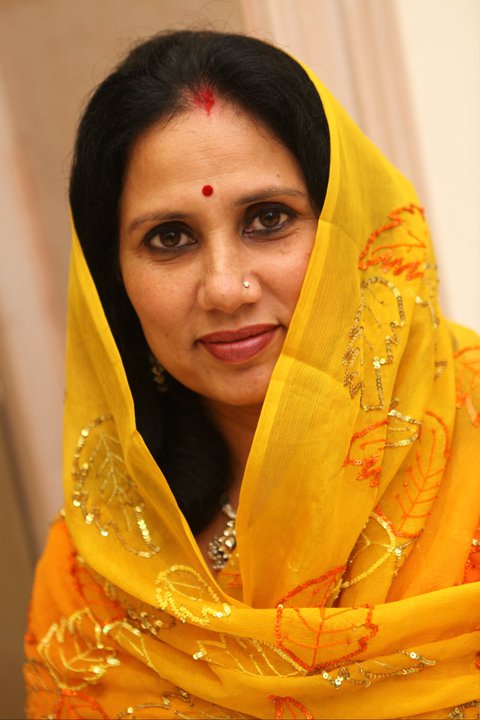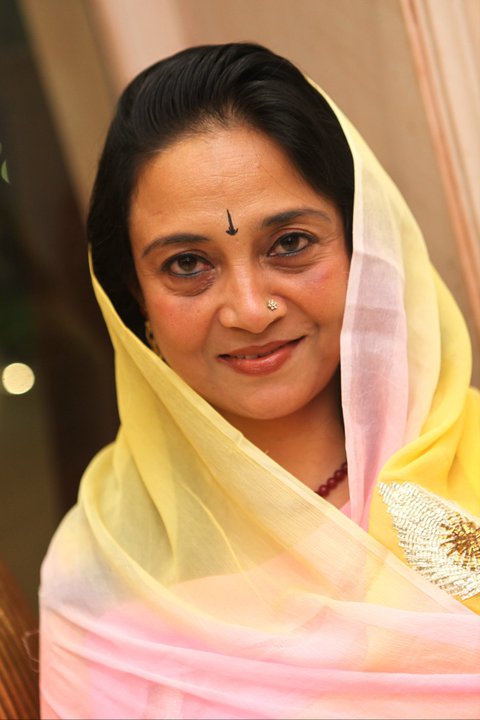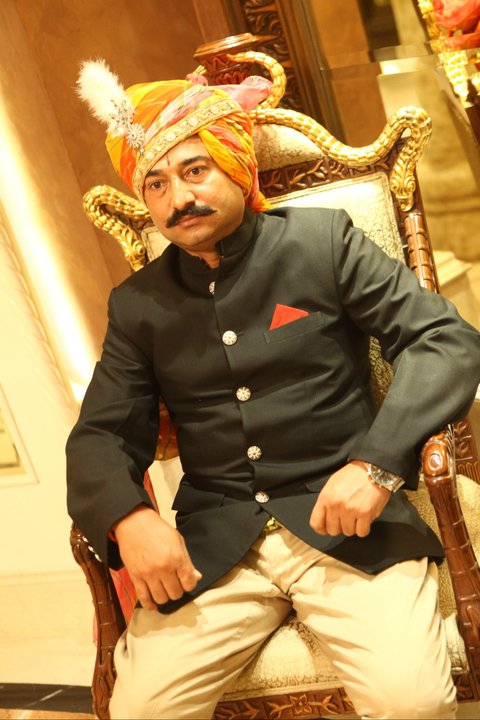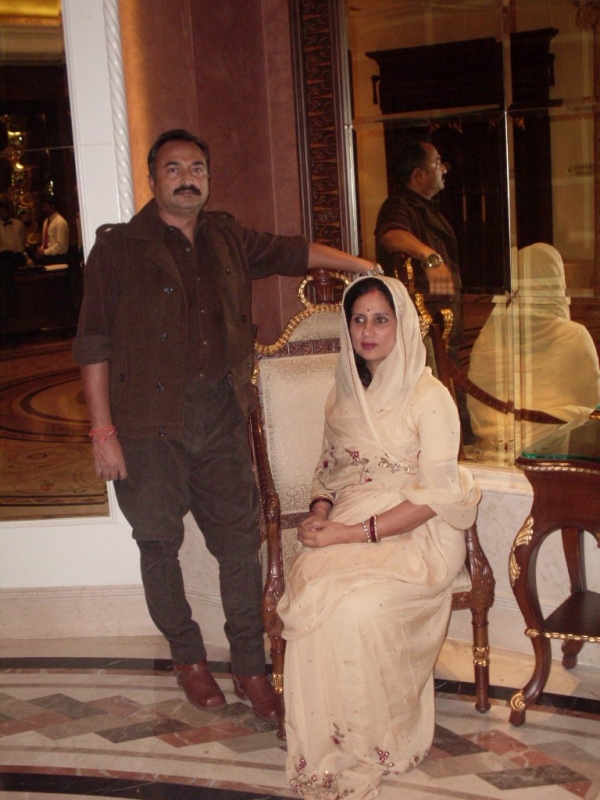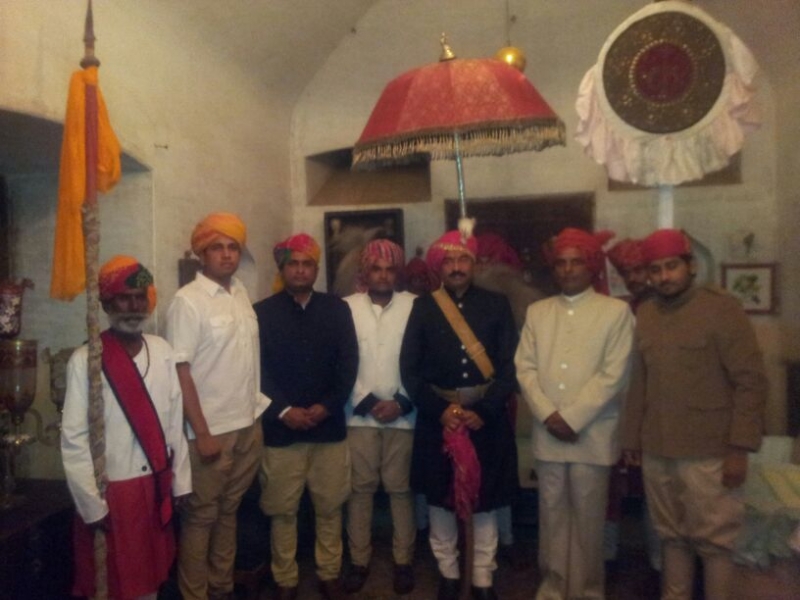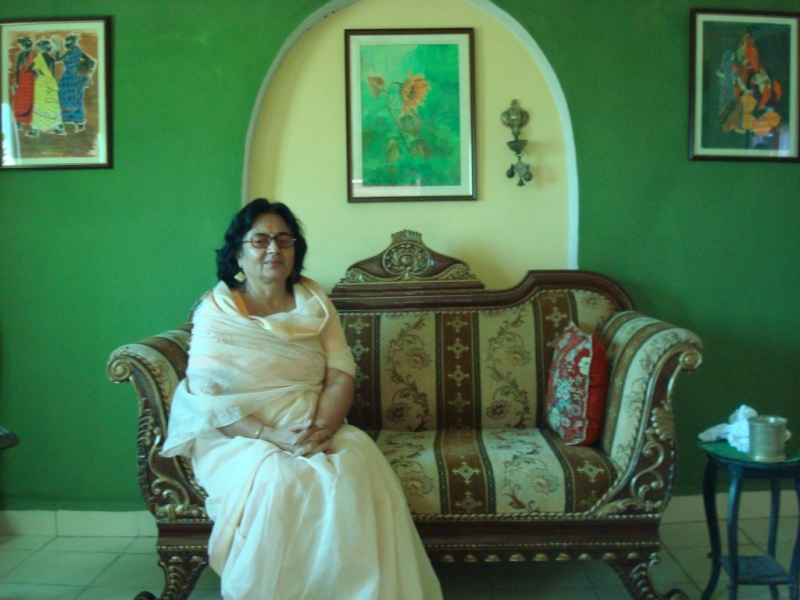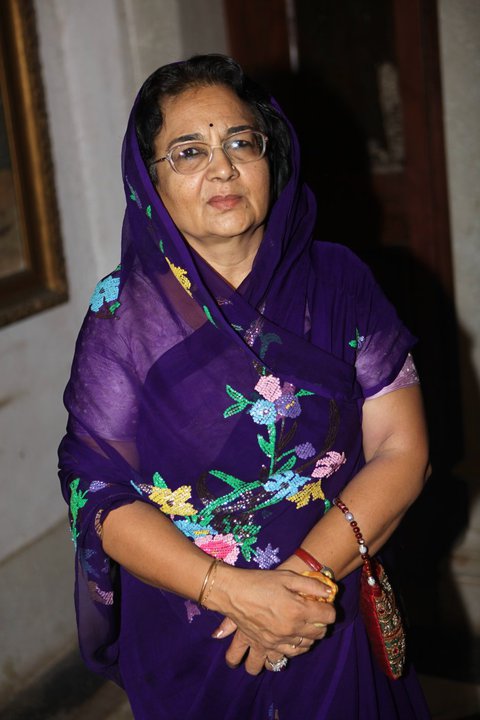
Present Head
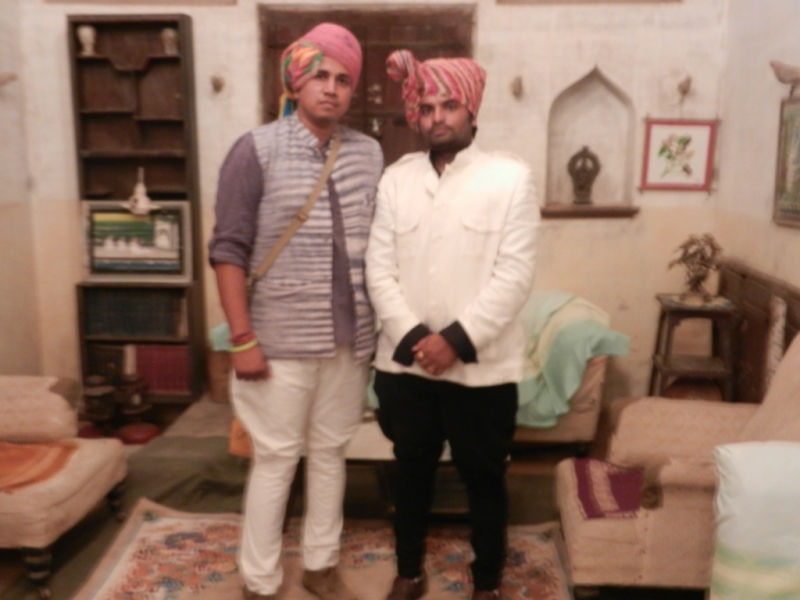
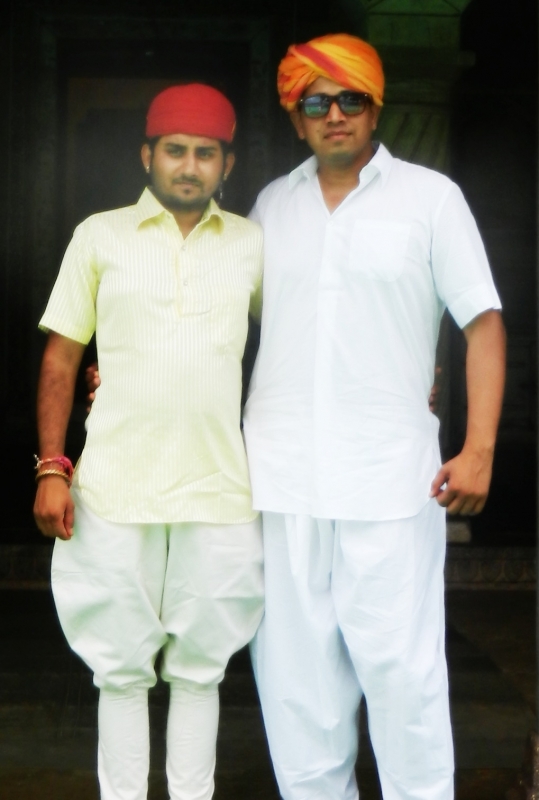
- Shri Yuvaraj Shiladitya Jamnia, born .
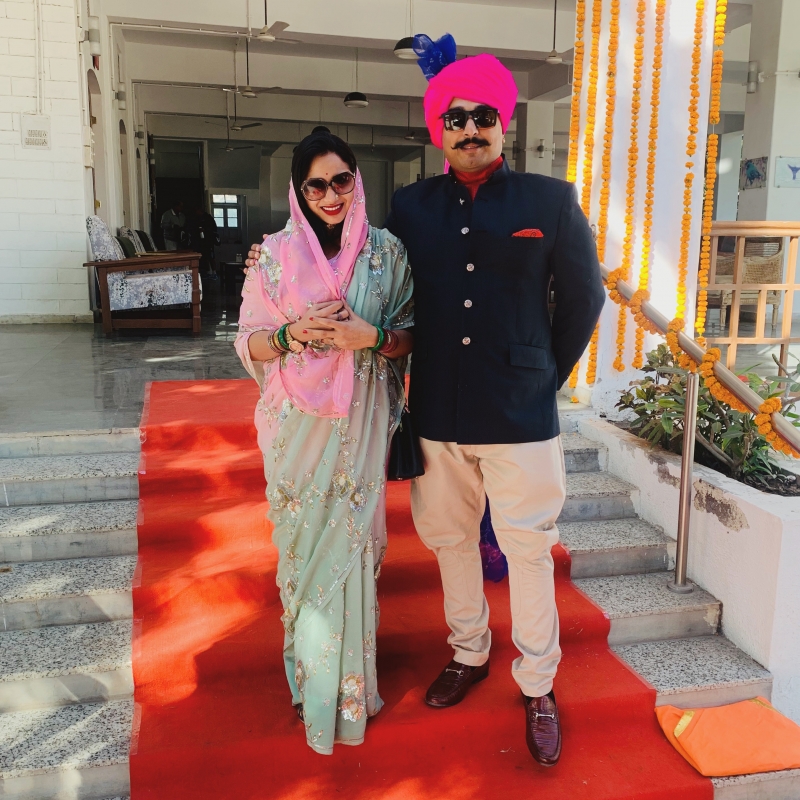
- Shree Kumari Chirantana Jamnia, born , married Kunwar Ashutosh Singh of Ramgarh, Panchkula, Haryana, son of Tikka Amar Singh Chandel, and Rajkumari Prerna Singh, daughter of Raja Haripratap Singh of Jahangirabad (UP).
History
Origin and Lineage of the Songara Chauhans
The rulers of the former princely state of Jamnia belong to the illustrious Songara Chauhan clan of Rajputs. Their ancestry is traditionally traced back to Chaturbhuj Chauhan, revered in bardic lore as the "Offspring of Fire" (Agnivanshi), the primordial Chauhan monarch who ruled over vast swathes of northern and central India in legendary antiquity. According to historical genealogies, a prominent descendant of this line was Raja Anihul (also known as Agnipal), who ruled around 600 BC. He was a direct ancestor of Raja Vasudev, who migrated from Nagor in Marwar to establish his capital at Sambhar (Shakambhari) around 550 AD, laying the foundation of the Shakambhari Chauhan dynasty.
The dynasty grew in martial prominence over the centuries. Around 756 AD, Raja Govind I of Guwak was honored with the title of Veer (Hero) for his exceptional valor in battles against foreign invaders. Generations later, Raja Anaraja emerged as a key ally of the legendary Emperor Raja Prithviraj III Chauhan during the turbulent battles of 1191. The specific branch of Jamnia originates from Raja Sonaji (Sorig Deo), the founder of the Songara Chauhan clan, named after the golden hill (Svarnagiri) of Jalore. This lineage subsequently branched out to rule the principalities of Jalore, Jamnia, Namli in Ratlam, and Jojawar in Jodhpur.
Foundation of Jamnia State (1555)
The state of Jamnia was formally founded in 1555 AD. Originally, the state comprised 86 villages nestled in the rugged terrain of the Vindhyan range and the Malwa plateau. The strategic location of Jamnia made its rulers crucial guardians of the mountain passes connecting Malwa with the Narmada valley. Recognizing their territorial influence and martial capabilities, the Mughal Emperor Jahangir formally bestowed the hereditary title of Raja upon the ruler of Jamnia during the early 17th century.
The Maratha Period and Territorial Disputes
With the decline of the Mughal Empire in the 18th century, the Maratha Confederacy expanded rapidly into Central India. This period was marked by intense territorial encroachment and conflict. The rulers of Jamnia faced severe pressure from the expanding Maratha states of Gwalior (Scindia), Indore (Holkar), and Dhar (Pawar).
Due to military pressure and shifting political alliances, Jamnia was forced to temporarily surrender a significant portion of its ancestral territory. A total of 86 villages were partitioned or seized by these neighboring Maratha powers. However, the resilient Songara rulers maintained their internal autonomy as "Bhumia" chiefs (landlords with ancestral territorial rights) and waged constant struggles to reclaim their lost lands.
British Era and the Malwa Agency Mediation
Following the Third Anglo-Maratha War (1817–1818) and the establishment of British hegemony in Central India, Sir John Malcolm mediated settlements between the local Rajput Bhumia chiefs and the larger Maratha states. Under the British administration, Jamnia was classified as a "Guaranteed Chiefship" under the direct political control of the Bhopawar Agency, which was later merged into the Malwa Agency headquartered at Indore.
Through British mediation and treaties documented in Aitchison's Treaties, Jamnia successfully recovered a significant portion of its alienated lands. The state took back:
- 32 villages from the Gwalior State
- 7 villages from the Dhar State
- 11 villages from the Indore State
These settlements secured the financial and administrative stability of Jamnia, allowing the Bhumia Raja to exercise judicial and revenue powers over his restored domains, subject to paying fixed tributes (tanka) to the suzerain states through the British political agent.
Heraldry and State Symbols
The heraldry of Jamnia reflects its proud Songara Chauhan heritage. The state flag prominently featured the sacred color saffron (Kesariya), symbolizing valor, sacrifice, and chivalry. The state coat of arms featured a shield depicting a Rajput broadsword (Khanda) flanked by twin Rajput warriors, surmounted by a crest of a falcon (the sacred bird of the Chauhans, representing vigilance and divine protection). The state motto emphasized loyalty to the land, protection of the weak, and adherence to Kshatriya dharma.
Post-Independence and the Modern Era
Following India's independence in 1947, the last ruling Chief of Jamnia signed the Instrument of Accession, merging the state into the newly formed Union of India. In 1948, the territory of Jamnia became part of the Madhya Bharat state, which was subsequently integrated into the state of Madhya Pradesh in 1956 under the States Reorganisation Act.
With the passing of the 26th Amendment to the Constitution of India in 1971, the privy purses and official royal privileges were formally abolished. Today, the descendants of the Jamnia royal family reside in Madhya Pradesh, preserving their ancestral heritage, historical archives, and traditional Rajput customs, while actively participating in modern public life and business.
References and Historical Bibliography
- A Collection of Treaties, Engagements, and Sanads Relating to India and Neighbouring Countries (Volume IV), compiled by C.U. Aitchison - Available on Internet Archive.
- A Memoir of Central India, Including Malwa and Adjoining Provinces, by Major-General Sir John Malcolm - Available on Internet Archive.
- Imperial Gazetteer of India, Central India and Bhopawar Agency Records - Digital South Asia Library, University of Chicago.
Genealogy
- Raja SILHARDEV [Seruji or Silhadi], a descendant of Rao Sonaji, founder of the Songara Chauhan clan, he was the Raja of Songadh (Mandu) and Raisen, married and had issue. He died in the battle of Khanwa on 17th March 1527.
- Raja Bhupatraji, killed in an attack by Padshah Humayum on the gates of Mandu Fort, married and had issue.
- Raja Karanji, migrated to Mewar to seek his fortune there, married and had issue.
- Raja Nanaji, founder of Jamnia state (see below).
- Raja Karanji, migrated to Mewar to seek his fortune there, married and had issue.
- Raja Bhupatraji, killed in an attack by Padshah Humayum on the gates of Mandu Fort, married and had issue.
- Patil NANAJI, Bhumia of Jamnia 1555/-, in 1555 he sought the help of Mughal forces from Agra in defeating Raja Bajbadhur of Mandu at the battle of Sarangpur; Songadh Fort and eight parganas of Betma, Sagor, Hasalpur, Digthan, Dharampuri, Nalcha, Maheshwar and Chikhalda were allotted to him by Padshah Akbar, he thus regained the subedhari of Songadh Fort in Mandu, married and had issue.
- Rao Dhanaji, he was killed, along with his four sons in the battle of Asirgarh.
- Raja Bhanaji (qv)
- Patil BHANAJI, Bhumia of Jamnia, married and had issue.
- Raja Tananji (qv)
- Patil TANANJI, Bhumia of Jamnia, fought in the second battle of Asirgarh in 1601, married and had issue.
- Raja Keshavdas (qv)
- Rao Sunderji, stayed with Shahzada Khurram, during his Deccan Victory, he revolted against Padshah Jahangir, and was killed in the battle of Agra, after which his head was cut off and brought before Padshah Jahangir on a golden platter.
- Raja KESHAVDAS, Bhumia of Jamnia, he was granted the titles of Raja and Miraj-e-Jung by Padshah Jahangir, married and had issue.
- Raja Bheruji (qv)
- Raja BHERUJI, Bhumia of Jamnia, married and had issue.
- Raja Jashwant Singhji (qv)
- Raja JASHWANT SINGHJI, Bhumia of Jamnia
- Raja HARI SINGHJI, Bhumia of Jamnia
- Raja DEVI SINGHJI, Bhumia of Jamnia
- Raja ANUP SINGHJI, Bhumia of Jamnia
- Raja NAYDAR SINGHJI, Bhumia of Jamnia fl.1800, he was said to be the principal freebooter in the Western Yindbyas at the time of the settlement of Malwa; Sir John Malcolm concluded an engagement with Nadir Singh by which he was to receive from Holkar a tankha of Rupees 2,564 and to protect the country from Jam to Nalchha; he married and had issue.
- Shrimant Raja Bhimanji (qv)
- Shrimant Raja BHIMAN SINGHJI, Bhumia of Jamnia 1815/1820, on his father's expulsion from Malwa, an engagement was made with Bhiman Singh, on 8th May 1820 (No. CCXLl), guaranteeing to him from the Holkar State all the tankhas which his father received; married and had issue.
- Shrimant Raja Moti Singhji (qv)
- Shrimant Raja MOTI SINGHJI, Bhumia of Jamnia -/1863
- Shrimant Raja HAMIR SINGHJI, Bhumia of Jamnia 1863/1924, born , married and had issue. He died .
- Shrimant Raja Raghunath Singhji (qv)
- Kumar Shri Jagmohan Singhji, born , educated at Daly College, Indore (1913) and winner of the Bhavnagar Prize (1912/1913); married and had issue,
- Thakur Saheb Surendra Singhji, born , married Thakurani Grah Rajeshwari, daughter of Major Fateh Bhadhur Shah of Nepal, and has issue.
- Kumari Promodini Singh, married Vipin Pratap Singh Parihar at Kachloha, Nagod, M.P., and has issue.
- Kumari Shushma Singh, married Vinay Singh at Sarguja, Chattisgarh, and has issue.
- Kunwar Hemandra Singh, married Priyanka Singh Parihar at Paraswara, Nagod, M.P., and has issue.
- Rudransh Singh
- Kumari Ketki (Ritu Singh)
- Thakur Saheb Rajendra Singhji, born , married Thakurani Darshna Ba Jadeja from Meghani, Gujarat, and has issue.
- Kunwar Sahdev Singh, married Kunwarani Omi Ba Rana of Thikana - Than, Rajkot, and has issue.
- Om Singh
- Kunwar Sahdev Singh, married Kunwarani Omi Ba Rana of Thikana - Than, Rajkot, and has issue.
- Thakur Saheb Lokendra Singhji, born , married Thakurani Premkumari Rawat from Khandwa, and has issue.
- Kunwar Vinod Singh
- Kumari Vijaylakshmi Singh, married Raj Singh Baghel of Thikana - Bandhi in Nagod, M.P.
- Kumari Jyoti Singh, married Rajkumar Singh, Mauritius.
- Kunwar Rishikumar Singh
- Thakur Saheb Surendra Singhji, born , married Thakurani Grah Rajeshwari, daughter of Major Fateh Bhadhur Shah of Nepal, and has issue.
- Late. Kumar Shri Jaswant Sinhji, born , educated at Daly College, Indore; married Meera Kunwar from Thikana Khaparia, and had issue.
- Thakur Virendra Singhji, born , educated at Daly College (1940-48), married and had three issues.
- Thakur Yadvendra Singh, born , married Shiba Singh, daughter of Lal Urmila Pratap Parihar of Thikana Bhatanwara Garih, Nagod State, and has two issue.
- Kunwar Bhriguraj Singh, born , married Bhuvneshwari Singh and has issue.
- Samwardhan Singh
- Kunwar Ujjwalraj Singh, born .
- Kunwar Bhriguraj Singh, born , married Bhuvneshwari Singh and has issue.
- Thakur Jitendra Singh, born , married Vandana Singh, daughter of Ranpal Singh of Alipura State, and has two issues.
- Kunwar Kartikey Singh
- Kumari Mrigangana Singh
- Thakur Giriraj Singh, born , married Bharti Singh, daughter of Sajjuba Kalian Singh Vaghela of Thikana Chabasar, Gangad State (Gujarat)
- Kunwar Harshwardhan Singh
- Kumari Harshita Singh
- Thakur Yadvendra Singh, born , married Shiba Singh, daughter of Lal Urmila Pratap Parihar of Thikana Bhatanwara Garih, Nagod State, and has two issue.
- Thakur Virendra Singhji, born , educated at Daly College (1940-48), married and had three issues.
- Shrimant Raja RAGHUNATH SINGHJI, Raja of Jamnia 1924/1943, born , married and had issue. He died .
- Shrimant Raja Narendra Singhji (qv)
- Shrimant Raja NARENDRA SINGHJI, Raja of Jamnia 1943/2005, born , married Shreemati Rani Kanak Devi [now Shreemati Rajmata Kanak Devi of Jamnia], daughter of HH Raja Shrimant Mahendra Singh Ju Dev Bahadur of Nagod, and his second wife, HH Rani Shyam Kumari, and had issue. He died .
- Shrimant Raja Shaliwahan Vats (qv)
- Rajkumar Dhruv Raj Singh, born , educated at Daly College, Indore, at St. Anselm's, Ajmer and at National College, Delhi; presently (2009) managing his farms at Kunjrod near Dhar; married Kunwarani Sahiba Mrinali, daughter of Shri Preethi Pal Singhji Minhas (daughter of Shrimati Jasjit Parmar from the Jagir of Padhiyana near Jalandhar), and has issue, two daughters.
- Kumari Shubhangana Raje
- Kumari Veerangana Raje
- HH Shreemati Maharani Kaviteshwari Devi, married HH Maharaja Saheb Charnamirjit Singhji of Maihar.
- Shreemati Yuvrani Kadambari Devi, married Shreeman Yuvraj Saheb Mandhattasinhji Manoharsinhji of Rajkot, and has issue.
- Shreemati Bhanwar Baisa Pritika Kumari, married Bhanwar Sumair Vijay Singh of Dumraon, and has issue.
- Shrimant Raja SHALIWAHAN VATS (see above)