History
Origin and Foundation of Garhi Jagir
The historic estate of Garhi, located in the southern region of Rajasthan (historically part of the Vagad region), was a premier first-class jagir (fiefdom) ruled by the noble Chauhan clan of Rajputs. The rulers of Garhi trace their direct lineage back to the illustrious Chauhan dynasty of Ajmer and Sambhar, descendants of the legendary Emperor Prithviraj Chauhan. Following the geopolitical upheavals in northern India and the fall of major Chauhan strongholds like Ranthambore, various branches of the clan migrated southward to establish new seats of power in Mewar and the surrounding rugged terrains.
Alliance with Mewar and the Consecration of the 'Rao' Title
During the intense Mughal-Mewar conflicts of the 16th and 17th centuries, the strategic geography of the southern borderlands was crucial for defending the sovereignty of the Mewar State. The Chauhans of this region allied closely with the Sisodias of Udaipur. The Rao title was given to the Thakurs of Garhi by the Maharana of Udaipur during their alliance to stop Mughal forces from entering Mewar.
By defending the critical mountain passes and maintaining a formidable military presence, the rulers of Garhi earned immense respect in the court of Mewar. This mutual military trust solidified their position as elite chieftains of the region, safeguarding the territorial integrity of the Rajput confederacy against imperial invasions.
Eminence in the Banswara State
With the eventual demarcation of states, the Garhi Jagir became the preeminent thikana within the princely state of Banswara. The Rao of Garhi held the premier seat on the right-hand side of the Maharawal of Banswara in the royal court (Darbar), signifying his status as the leading noble (Omrah) of the state. The administration of Garhi was highly autonomous, overseeing revenue collection, local law enforcement, and judicial administration over a large territory populated heavily by indigenous communities, including the Bhils.
British Period and Administrative Reforms
Following the treaty of 1818 between the British East India Company and the princely state of Banswara, Garhi transitioned into an era of relative peace and structured administration. Detailed records of the estate's revenue, land settlements, and military obligations during the colonial period are preserved in the historical volumes of the Imperial Gazetteer of India. The Raos of Garhi worked progressively during this era to settle agrarian disputes, establish local courts, and improve trade routes connecting southern Rajasthan with Malwa and Gujarat.
Philanthropy, Education, and Social Reform
The rulers of Garhi were noted for their progressive outlook, particularly in the fields of social welfare and public instruction. Recognizing the need to uplift the rural and tribal populations of the Vagad region, successive rulers initiated welfare measures, built water reservoirs for irrigation, and patronized local craftsmanship.
Education was a primary focus of the late rulers of the estate. A significant portion of the ancestral heritage was dedicated directly to public welfare, ensuring that the legacy of the ruling house remained deeply intertwined with the educational advancement of the local populace.
Post-Independence and the Modern Era
With the independence of India in 1947 and the subsequent integration of princely states into the United State of Rajasthan, the formal administrative powers of the Jagir were dissolved. However, the cultural and philanthropic legacy of the royal family remained strong in the region.
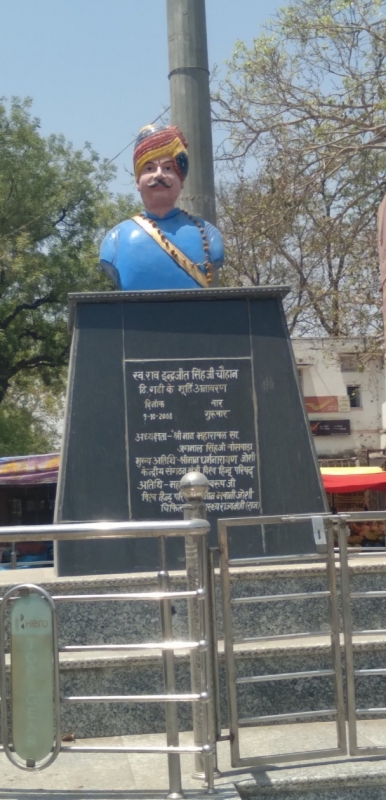
Recently after the Rao Indrajit singh ji Chauhan, Rao Ranjit Singh ji was to be the next Rao Raja of Garhi but because of Motor-Neuron disease he passed away at an early age. The Palace of late Garhi Rao Saheb Shri Inderjeet Singh ji is now taken care by Her Highness. Also a part of the Palace was donated by Rao Saheb to run a government school in order to promote education in Garhi.
Today, the historical remnants of Garhi, along with the active educational institutions housed within the palace grounds, stand as a testament to the family's transition from medieval warriors to modern-day patrons of public service and heritage preservation.
Genealogy
- Thakur AGAR SINGHJI, Thakur Saheb of Wasi, from Thakarda in Banswara, he received the Jagir of Wasi in Banswara, fl.1750, married and had issue.
- Thakur Udai Singhji (qv)
- Thakur UDAI SINGHJI, Thakur Saheb of Wasi, he received the Jagirs of Garhi and Nawagaon.
- Thakur ARJUN SINGHJI, Thakur Saheb of Garhi
- Rao RATAN SINGHJI, Thakur Saheb (later Rao) of Banswara, Kamdar of Banswara 1874/1876, he was granted the title of Rao [cr.1872] by the Maharana of Udaipur, married and had issue.
- Rao Gambhir Singhji (qv)
- HH Maharaniji Sa Chauhanji Shri Indra Kanwar Saheba, married as 1st wife of H.H Maharana Shree Shambhu Singhji of Udaipur.
- Rao GAMBHIR SINGHJI, Rao Saheb of Garhi -/1889, he adopted Kunwar Sangram Singh, son of Thakur Udai Singh of Thakurda, married and had adoptive issue. He died sp 1889 (1890?).
- (A) Rao Sangram Singhji (qv)
- Maharani Shree (name unknown) Saheba, married (as first wife) with Maharaj Shree Kesri Singhji, Maharaj of Bhindar.
- Rao SANGRAM SINGHJI, Rao Saheb of Garhi 1889/1905, born as Kunwar Sangram Singh, son of Thakur Udai Singh of Thakurda, and succeeded by adoption; married Shrimati Rajkumari Bapu Sahiba Partab Kunwariji, daughter of Shriman Maharaj Shri Bhawani Singhji Sahib, 6th Thakur Saheb of Semlia, and his wife, Shrimati Rani Chatar Kumari, and had adoptive issue. He died .
- (A) Rao Rai Singhji (qv)
- Rao RAI SINGHJI, Rao Saheb of Garhi 1905/-, born , adopted from Gamra, an off-shoot of Thakarda in Banswara, educated at Mayo College, Ajmer.
- Rao RANJIT SINGHJI, Rao Saheb of Garhi
- Rao HIMMETH SINGHJI, Rao Saheb of Garhi -/1939, born , married Rao Rani Phool Kumari, born , died , daughter of Rao Raja Sardar Singhji of Uniara, and had issue, two children, one son and one daughter. He died .
- Rao Indrajit Singhji (qv)
- Baiji Lal Giriraj Kumari [Rani Giriraj Kumari of Rampura], born , married 17th February 1957, Raja Samar Singh of Rampura, and has issue, two sons and one daughter.
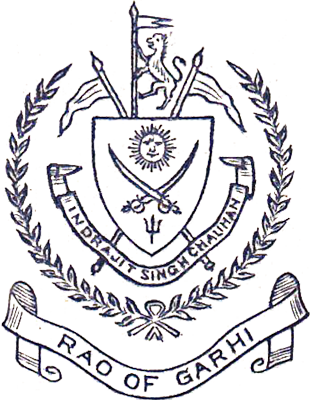
- Rao INDRAJIT SINGHJI, Rao Saheb of Garhi 1939/2006, born , educated at Daly College, Indore; married 195x, Rani Sampat Kumari, daughter of Maharaj Shri Ajit Singh Sahib of Jodhpur, and his wife, Rani Man Kumari, and had issue, five children. He died /2006.
- Baiji Lal Jayraj Kumari (Princess Joy) [Kunwarani Jayraj Kumari of Ghanerao], married Kunwar Suryabhan Singh of Ghanerao.
- HH Maharani Shree Rohini Kumari Saheba married with HH Maharaja Shree KRISHAN CHANDRA PAL Deo Bahadur Yadakul Chandra Bhal, 43th Maharaja of Karauli, she was first time winner as M.L.A. (Rajasthan) 2008 at Kaurauli.
- Rajkumar Ranjit Singh, died young about 1979/1980.
- Rajkumari Kirti Kumari, married 1988, Rajkumar Vikram Singh of Amarkot.
- Rajkumari Praniti Kumari, married Kunwar Abhimanyu Singh of Bhupalgarh (Udaipur) and has issues, 2 daughters and a son.
- Baisa Navnidhi Kumari Ranawat
- Baisa Hemangani Kumari Ranawat
- Bhanwar Parikshit Singh Ranawat
- Rani Sahiba Chauhaniji, married (as his first wife), Maharaj Shri Kesri Singhji of Bhindar.
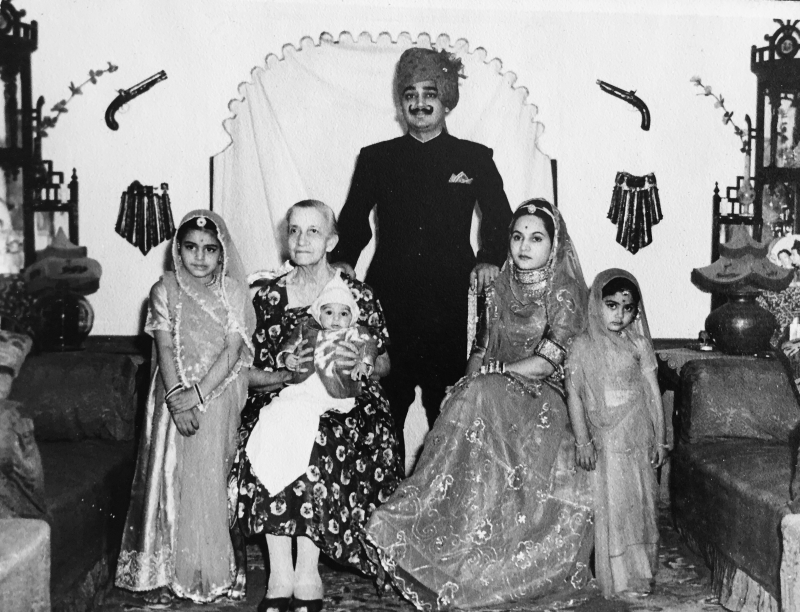
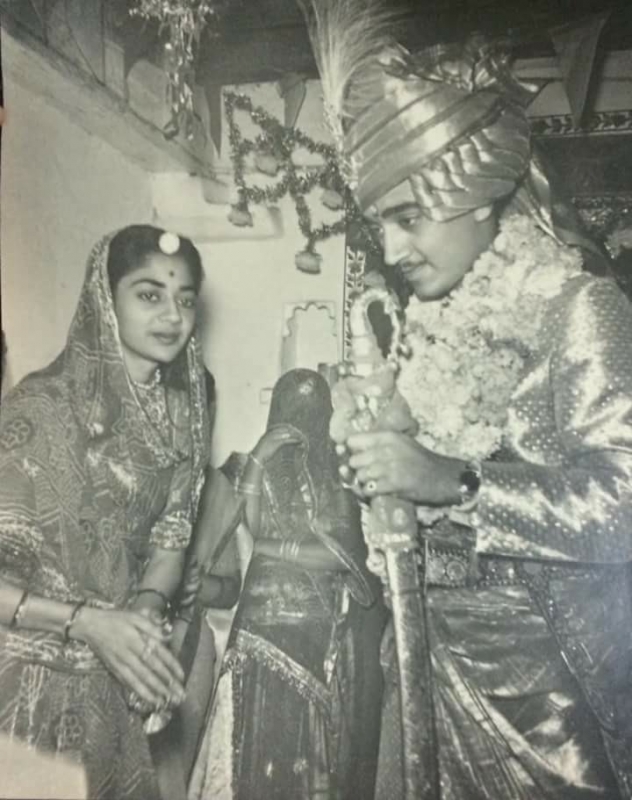
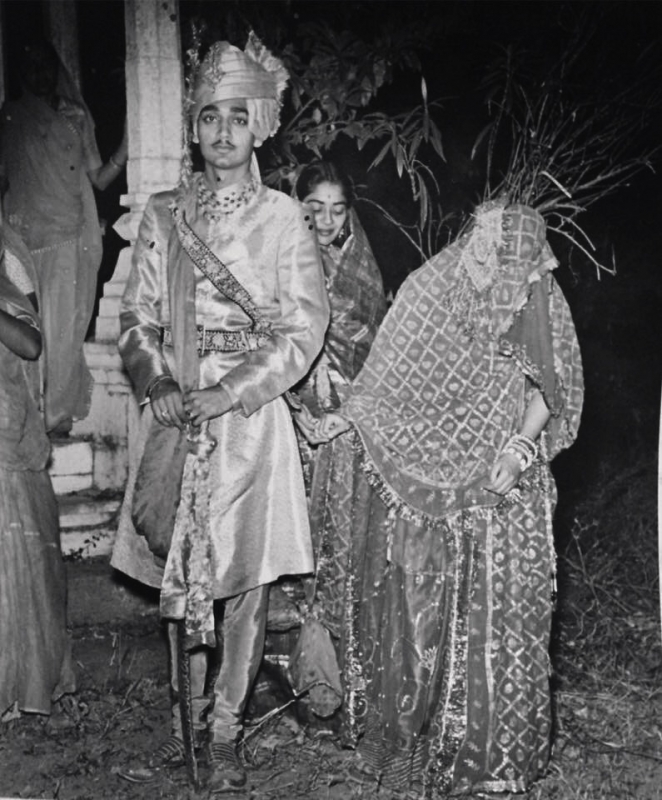

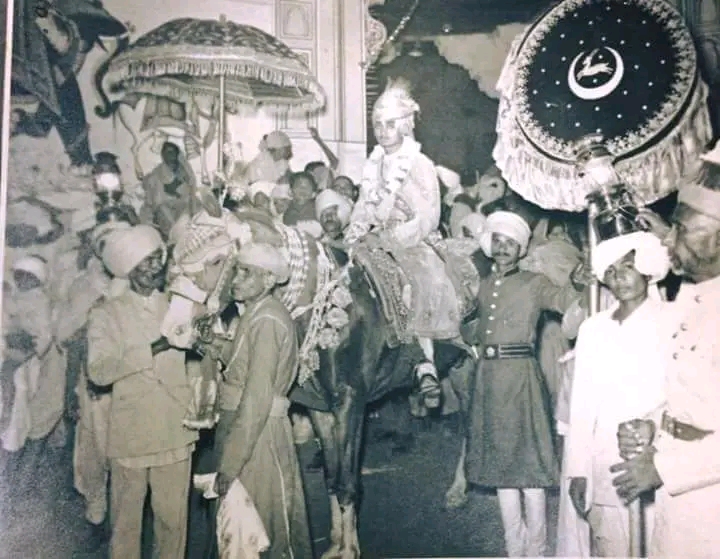
![Baijilal Rohini Kumari [H.H Maharani Rohini Kumari of Karauli] During the her marriage in 1986, with H.H Maharaja Krishan Chandra Pal Deo Bahadur of Karauli](https://www.indianrajputs.com/i/t/i/garhi_jagir-Baiji-lal-Rohini-kumari-H-H-Maharani-Rohini-Kumari-of-Karauli-During-the-her-marriage-in-1986-with-H-H-Maharaja-Krishan-Chandra-Pal-Deo-Bahadur-of-Karauli-1.jpg)