Present Head
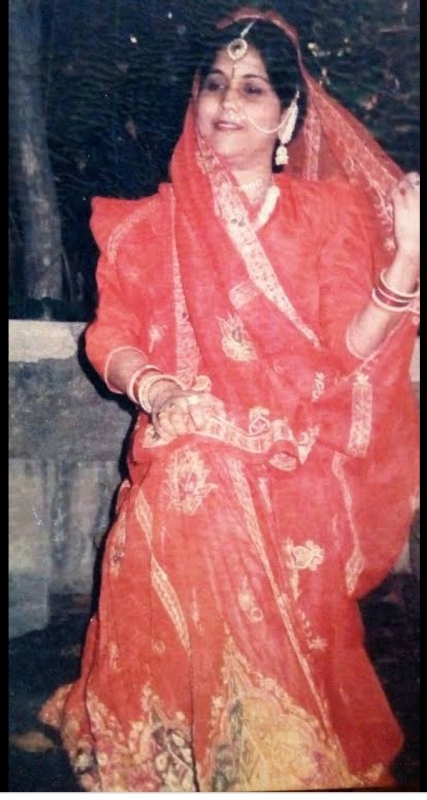
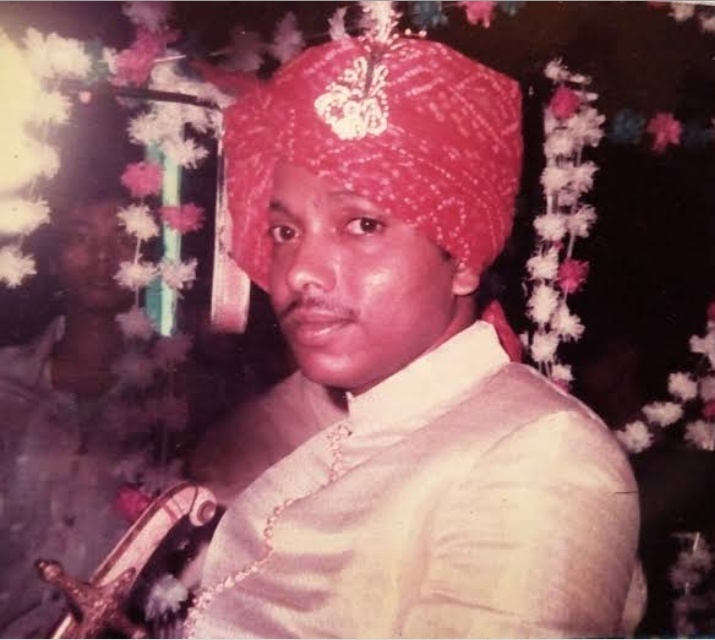
Raja Bishweshwar Prasad Singh B.Com., L.L.B., he is the founder and proprietor of the Kids Garden Senior Secondary School, Jharia (C.B.S.C. affiliated), a Trustee of R.S.P College; he has a keen interest in Social Service and Social activity; favourtie passtimes, include music and reading books; married to Rajkumari Snehalata Kumari Devi B.A, L.L.B. she is active in Social Work and presently (2017) is General Secretary of the B.J.P. (Orissa), daughter of Rajkumar Suresh Chandra Deo Jenamoni, Pattayat Sahib in Rairakhol, and his wife, Rajkumar Rani Saroj Manjari Devi, daughter of HH Maharaja of Hindol, and has issue, two daughters.
- Rajkumari Sada Rajlakshmi Singh, married Kumar Abhishek Kesari Deo of Kalahandi state Odisha and has one daughter.
- Trishika Kumari Devi
- Rajkumari Sudarshana Rajlakshmi Singh
Raja Maheshwar Prasad Singh, a Trustee of R.S.P College, a good football and badminton player, married to Rani Sujata Devi, daughter of Raja Sisir Kishore Deb of Mohuri in Ganjam, Orissa, and his wife, Rani Ratna Manjari (former M.L.A.), daughter of the Raja Saheb of Bishrampur in Jharkhand.
History
Foundation and Early History
The Jharia Zamindari, also historically known as the Jharia Raj, was established by the Baghela (Baghel) clan of Rajputs who migrated from the princely state of Rewa in Central India. During the 16th century, these Baghela brothers carved out independent territories in the rugged and forested terrain of Chota Nagpur. The branch that settled in the Manbhum region established their seat of power at Jharia, managing to maintain autonomy by navigating the geopolitical dynamics of the local tribal chieftains and the regional sovereign powers of Bihar and Bengal.
The British Era and the Coal Boom
With the advent of the British East India Company and the subsequent implementation of the Permanent Settlement of 1793, the Jharia estate was recognized as an official Zamindari under the Manbhum district of the Chota Nagpur Division.
The destiny of the Jharia Zamindari changed dramatically in the late 19th century with the discovery of vast, high-grade metallurgical coal reserves within its boundaries. The royal family played a pivotal role in the industrialization of modern India by granting mining leases to pioneering Indian, Gujarati, and British enterprises. The arrival of the East Indian Railway in 1894 facilitated the rapid transport of coal, transforming the agrarian estate into the premier coal mining hub of the Indian subcontinent. Detailed records of this industrial transition can be explored on the official Dhanbad District Administration portal.
Notable Rulers and Philanthropy
The rulers of Jharia were known for their administrative capabilities and extensive philanthropy, leveraging their immense wealth from coal royalties for the welfare of the public:
- Raja Durga Prasad Singh: An influential ruler during whose reign the initial coal rush began. He was highly regarded for establishing early civic infrastructure and managing the complex transition of the estate from an agrarian economy to an industrial powerhouse.
- Raja Shiva Prasad Singh: Perhaps the most celebrated ruler of the dynasty, he was a great patron of education, arts, and sports. He founded several educational institutions to uplift the local population, including the Jharia Raj High School, and his son Raja Kali Prasad Singh established the Raja Shiva Prasad College in his name. His contributions to the region are documented in historical accounts of Raja Shiva Prasad Singh.
Post-Independence and Legacy
Following India's independence in 1947, the princely privileges and Zamindari systems were gradually phased out. The Jharia Zamindari officially ceased to exist with the passage of the Bihar Land Reforms Act in 1950, which led to the vesting of all estate lands, including the lucrative coal mines, into the state government.
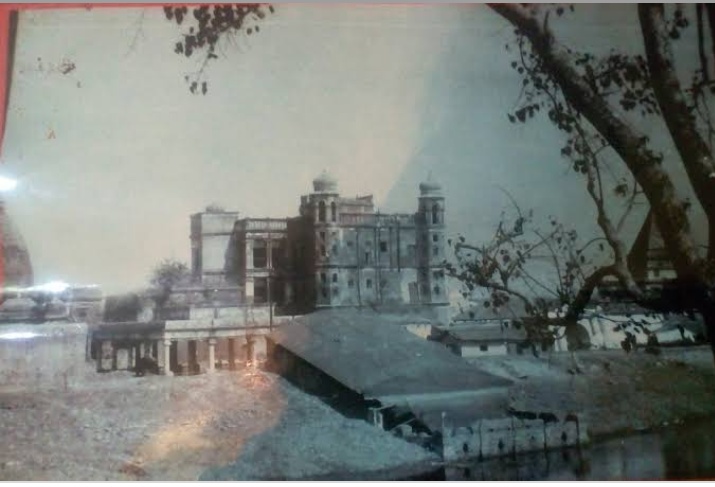
Today, the legacy of the Baghela rulers of Jharia lives on through the historic Jharia Raj Palace and the numerous public institutions, temples, and schools they established, which continue to serve the population of the Dhanbad district.
Genealogy
- Raja Raghunath Singh, 1st Raja of Jharia, founder of Jharia at an unknown date, married and had issue.
- Raja Indra Singh (qv)
- Raja Indra Singh, 2nd Raja of Jharia -/1680, married and had issue. He died .
- Rajkumar Tej Singh, married and had issue.
- Raja Jasmat Singh (qv)
- Rajkumar Tej Singh, married and had issue.
- Raja Jasmat Singh, 3rd Raja of Jharia 1680/-, married and had issue.
- Raja Mohan Singh, 4th Raja of Jharia, married and had issue, three sons.
- Raja Jorawar Singh, 5th Raja of Jharia, married 1stly, Rani Saraswati Kumari, she committed sati, married 2ndly, Rani Jhalo Kumari, married 3rdly, Rani (name unknown) Kumari. He died sp.
- Raja Prithvi Singh, 6th Raja of Jharia, married four Ranis. He died sp in 1826.
- Raja Sangram Singh, 7th Raja of Jharia, married four Ranis including, (a), Rani Gobinda Kumari, married (b), Rani Tara Kumari, and had issue, four sons. He died .
- Raja Udit Narain Singh (qv)
- Rajkumar Brajlal Singh, born .
- Kunwar Nand Kishore Singh (by Rani Tara Kumari)
- Name Unknown
- Raja Rasbehari Singh [aka Rash Behari Lal] (qv)
- Kunwar Brij Bihari Singh (by Rani Gobinda Kumari), married and had issue.
- Kunwar Kunj Bihari Singh
- Name Unknown
- Name Unknown
- Raja Sri Sri Shiva Prasad Singh (2nd cousin) (see below)
- Name Unknown
- Raja Udit Narain Singh, 8th Raja of Jharia 1836/-, born ,
- Raja Rasbehari Singh, 9th Raja of Jharia, married two Ranis, and had issue, two daughters.
- Raja Sri Sri Jay Mangal Singh (qv)
- Raja Sri Sri Durga Prashad Singh (qv)
- Raja Sri Sri Jay Mangal Singh, Raja of Jharia, married Rani Chalur Kumari.
- Raja Sri Sri Durga Prasad Singh M.B.E. (Member of the British Empire), Raja of Jharia -/1916, during his term, Jharia flourished, as the Raja was a man of foresight, and a good businessman, he prospered from his coalmines, from trade and business, he purchased and invested in properties in various parts of India, he built roads, temples, a Fort and many other buildings; married 1stly, Rani Prayag Kumari, she died after 1932, married 2ndly, Rani Subhadra Kumari, married 3rdly, Rani Hem Kumarii, she died after 1955. He died sp on 7th March 1916.
- Raja Sri Sri Shiv Prasad Singh M.B.E., Raja of Jharia 1916/1946, married Rani Mandakini Devi and had issues. He died .
- Raja Sri Sr Kali Prasad Singh (qv)
- Sri Sri Tara Prassad Singh
- Sri Sri Shyama Prasad Singh
- Sri Sri Rama Prasad Singh
- Sri Sri Uma Prasad Singh
- Raja Sri Sri Kali Prasad Singh, M.B.E. (Member of the British Empire), Raja of Jharia 1947/-, he succeeded to the gadi on 1st January 1947, he was appointed a Magistrate, First Class for civil matters; he was elected M.L.A. in 1952 from Swatantra Party, a philanthropist and a popular and active social worker, he continued the construction work of his predecessors; he donated land to the Central Fuel Research Institute (C.F.R.I.), Digwadih and to Sant Vinoba Bhave in the Bhodan Yagya; he was instrumental in establishing the Sindri Fertlizer works, as well as the Raja Shiv Prasad Singh College in Jharia in memories of his beloved father; he was the Life Senate Member of Vinoba Bhave University (V.B.U) and Life Member of the East Bengal Club of Calcutta; he was an active Social worker and was honoured by the Jharkhand Government in 2003 for his many contributions; he had a keen interest in sports, particularly football, and also an interest in music, to the extant of learning to play the Tabla from Birju Maharaja of India fame; married 1946, Rani Usha Devi, eldest daughter of Thakur Rudra Narayan Singh of Khesmi Zamindari, Hazaribagh, and his wife Thakurani Padmini Devi, and had issue.
- Raja Bishweshwar Prasad Singh (qv)
- Raja Maheshwar Prasad Singh (qv)
- Rajkumari Jaya Singh, married Raja Ajay Singh of Kurri Sudauli, U.P., and has issue.
- Rajkumari Madhulika Singh, married Rajkunwar Chhatrapalsinghji Dharmendrasinghji Parmar of Muli State, Gujarat, and has issue.
- Raja Bishweshwar Prasad Singh and Raja Maheshwar Prasad Singh (see above)