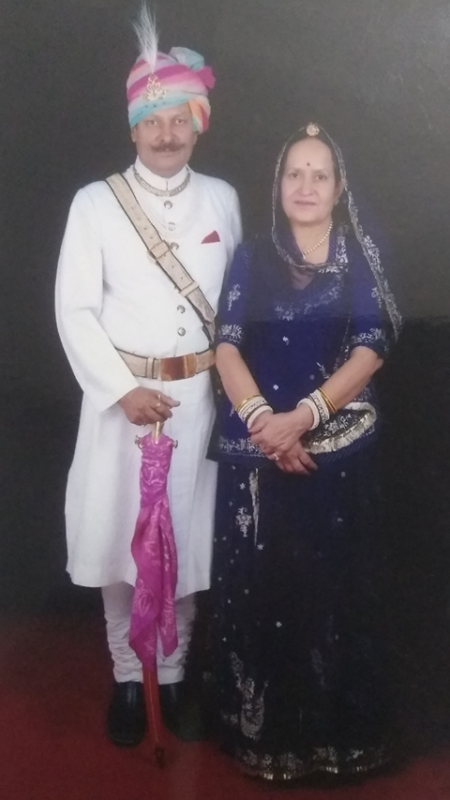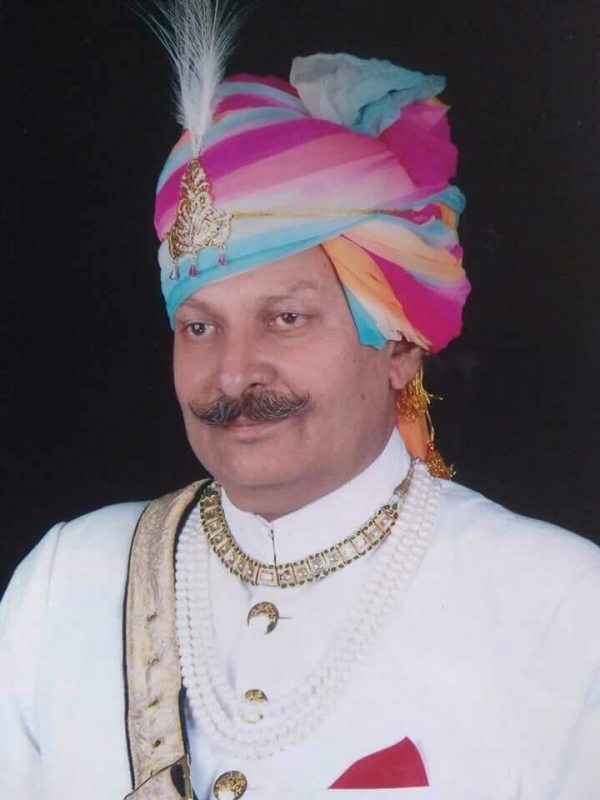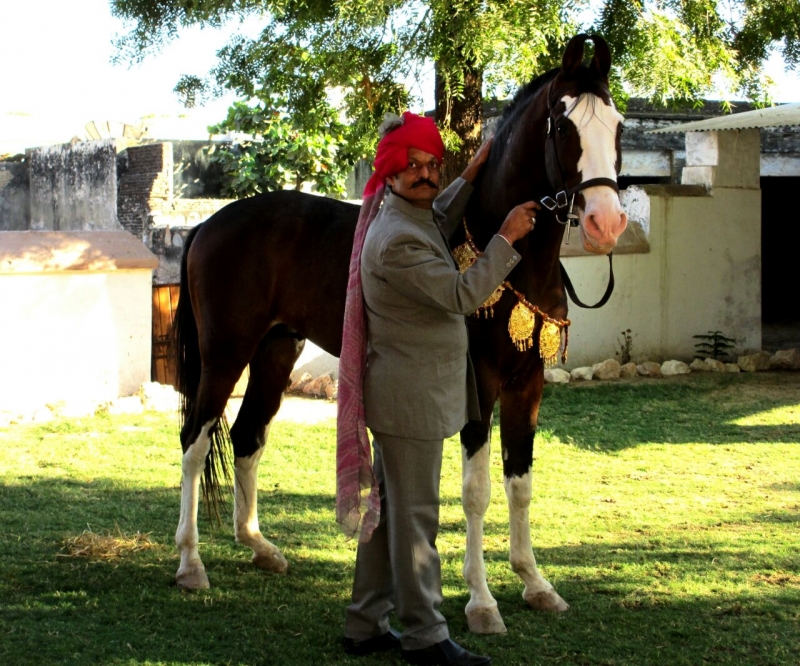
Present Head
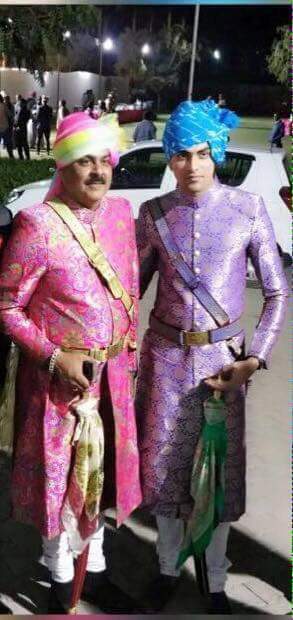
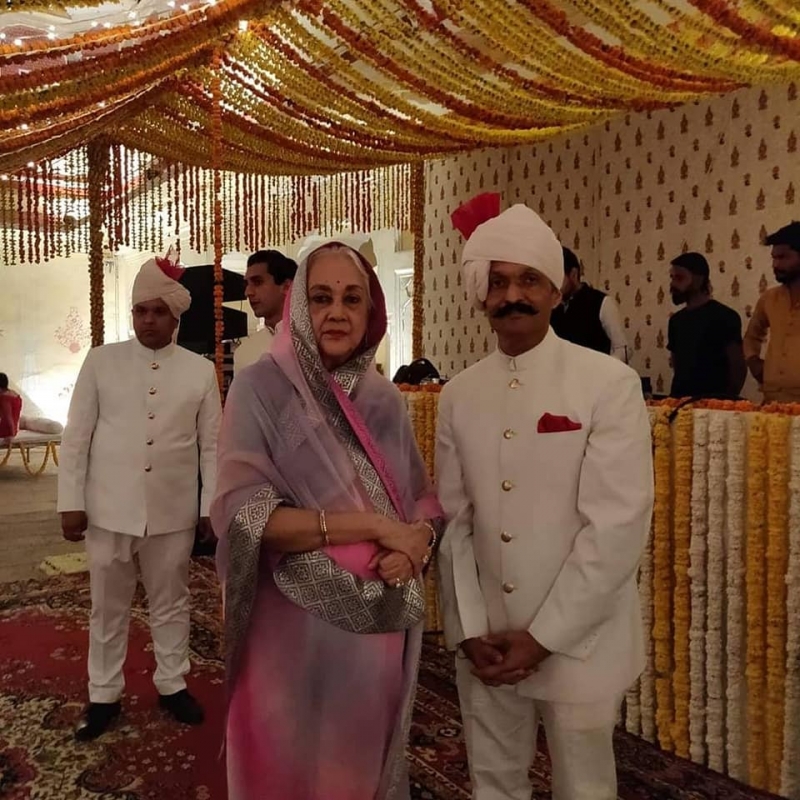
- Kunwar Bhawani Singh, married in Thikana Korta and has issue.
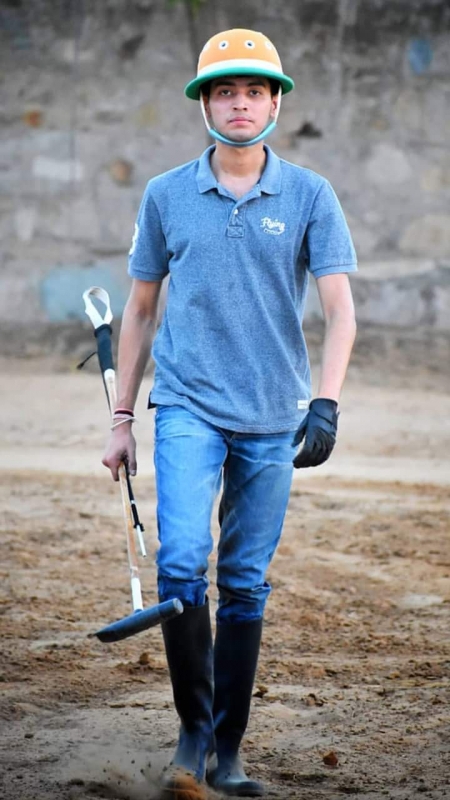
- Bhanwar Gaj Singh
- Kunwar Karni Singh, married in Thikana Rejhoni and has issue.
- Bhanwar Uditya Singh
History
Origin and Ancestry
The Tanwar (or Tomar) Rajputs of the region trace their descent from the Chandravanshi lineage, famously associated with Emperor Anangpal Tomar of Delhi. Following the fall of Delhi, branches of the Tanwar clan migrated and established the historic principality of Patan (Torawati) in northeastern Rajasthan. Over the centuries, several cadet branches of the Torawati Tanwars carved out smaller estates (Thikanas) and Jagirs in the Shekhawati and Jaipur borderlands, maintaining close alliances with the Kachwaha rulers of Amber (later Jaipur).
Foundation of Dalniya and Kaladehra Jagir
During the early 18th century, Maharaja Sawai Jai Singh II of Jaipur consolidated his authority over the Shekhawati and Torawati regions. To secure loyal borders and administrative control, the Maharaja granted the Jagir of Dalniya and Kaladehra, comprising 12 villages, to Rao Manohardas ji, a distinguished Tanwar chieftain.
However, the succession encountered a critical disruption when Rao Manohardas's successors, Rao Surajmal and Chiman Singh, both passed away without leaving a male heir. Under the feudal laws of the Jaipur State, the lack of direct male lineage resulted in the escheatment of the estate, and the Jagir was taken back by the Jaipur crown.
Restoration and the Lakhasar Connection
The estate was later revived through another illustrious Tanwar lineage. Raj Shri Thakur Sur Singh, a direct descendant of Thakur Swarup Singh of Lakhasar, was recognized for his nobility and service to the Jaipur Durbar. After some years, he was granted the Dalniya Thikana, consisting of 5 villages, along with the prestigious hereditary title of 'Raj Shri'.
British Period and Feudal Administration
During the 19th and early 20th centuries, Dalniya Thikana operated under the vassalage of Jaipur State, which was under a subsidiary alliance with the British Raj. The Thikanadars of Dalniya were responsible for maintaining local law and order, collecting land revenue, and providing assistance to the Jaipur Durbar. The region of Shekhawati, of which Dalniya was a cultural part, witnessed significant socio-economic changes during this period, particularly with the rise of the Marwari merchant community and the introduction of local administrative reforms supervised by Jaipur State officers.
Post-Independence and Modern Era
Following India's independence in 1947, the princely state of Jaipur acceded to the Union of India, eventually merging into the unified state of Rajasthan. With the enactment of the Rajasthan Land Reforms and Resumption of Jagirs Act in 1952, the feudal privileges, jagirdari rights, and revenue collection powers of the Dalniya Thikana were formally abolished. The descendants of the Thikana transitioned into modern professions, agriculture, and public service, while continuing to preserve their ancestral heritage and the historical legacy of the Tanwar dynasty in the region.
Genealogy
- Thakur Swarup Singh, 3rd Thakur saheb of Lakhasar.
- Thakur Dolat Singh, settled in Jhanjheu, married and had issues.
- Thakur Salam Singh, married and had issues.
- Raja Budh Singh(qv)
- Thakur Suraj Singh
- Thakur Om Singh
- Thakur Dalpat Singh
- Thakur Mahatab Singh
- Thakur Karni Singh
- Thakur Jawahar Singh
- Thakur Ganpat Singh
- Thakur Udai Singh
- Raj Shri Bhur Singh, adopted in Dalniya.
- Thakur Hamir Singh
- Thakur Madho Singh
- Thakur Prem Singh
- Thakur Mukun Singh
- Thakur Gaj Singh
- Thakur Raghunath Singh
- Raj Shri Kishan Singh, adopted in Dalniya.
- Thakur Gopal Singh
- Thakur Okar Singh
- Thakur Ram Singh
- Raja Budh Singh, granted title of Raja by Bikaner Maharaja, married and had issues.
- Raj Shri Sur Singh, granted Dalniya Thikana in Jaipur (qv)
- Thakur Laar Singh
- Raj Shri Fakir Singh, adopted in Dalniya.
- Baisa (name unknown), married to Maharaja Jagat Singh of Jaipur.
- Rani (name unknown) Sahiba, married to Maharaj Shri Guman Singhji of Banisar, a grand son of HH Maharaja Gaj Singhji of Bikaner.
- Raj Shri Sur Singh, Thakur Sahib of Dalniya, he was granted 5 villages in Jagir by Maharaja Jagat Singh of Jaipur, he built a Hanumanji ka devra, Ramdevji Temple, Gopal ji Temple, Pond and Garh in Dalniya, as well as two havelis in Kishanpol Bazar in Jaipur; married and had adoptive issue.
- (A) Kunwar Fakir Singh, he was adopted from Jhanjheu Thikana, son of Thakur Laat Singh, succeeded as Thakur Fakir Singh of Dalniya (qv)
- Raj Shri Fakir Singh, Thakur Sahib of Dalniya, married 1stly in Thikana Chomu, 2ndly in Sewa and had issue.
- Kunwar Gordhand Singh, he died in childhood.
- (A) Kunwar Bhur Singh, adopted from Jhanjheu, son of Thakur Udai Singh and succeeded as Thakur Bhur Singh of Dalniya (qv)
- Raj Shri Bhur Singh, Thakur Sahib of Dalniya, married 1stly in Thikana Gowali, 2ndly in Chandma and had adoptive issue. He died sp.
- (A) Kunwar Kishan Singh, son of Thakur Ragunath Singh of Jhanjheu, succeeded as Thakur Kishan Singh, Thakur Sahib of Dalniya (qv)
- Raj Shri Kishan Singh, Thakur Sahib of Dalniya, married in Thikana Sewa.
- Raj Shri Hem Singh, Thakur Sahib of Dalniya, married to Daughter of Thakur Prathvi Singh of Mohanpura and had issue.
- Ummed Singh (qv)
- Thakur Capt. Gulab Singh, married in Thikana Shantha.
- Anirudh Singh
- Thakur Vijay Singh, married in Thikana Manpura.
- Navdeep Singh
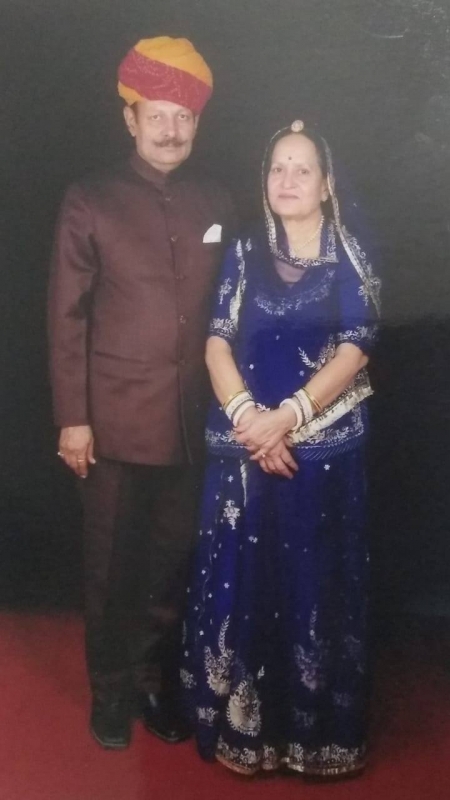
- Raj Shri Ummed Singh, present Thakur Sahib of Dalniya (see above)