![Chaugain [Panna - II] (Zamindari) Logo](https://www.indianrajputs.com/i/t/chaugain_2_coa.png)
Present Head
![Chaugain [Panna - II] (Zamindari) flag](https://www.indianrajputs.com/i/t/chaugain_2_flag.png)
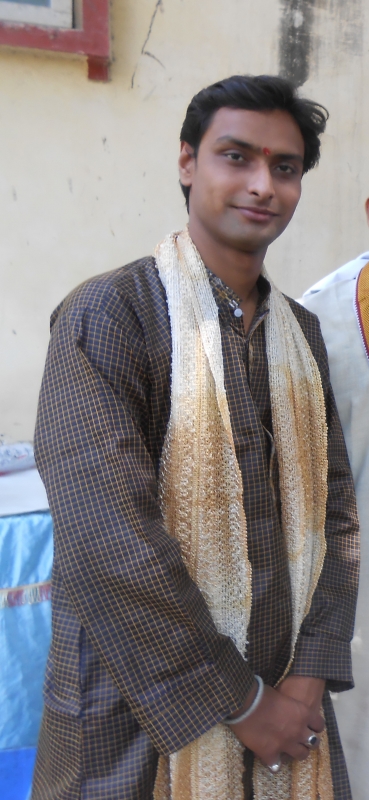
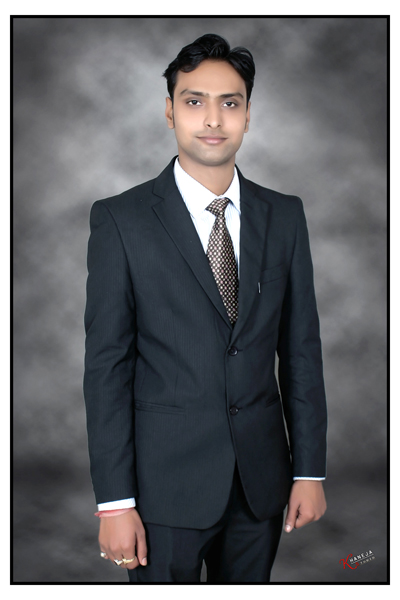
- Shree Rao Kumar Martand Singh, married to Shree Rani Sahiba Pramila Singh, daughter of Lal Ram Singh of Sukha Garhi in Rewah State, and had issue, two sons.
- Bhanwar Kumar Harsh Pratap Singh
- Bhanwar Kumar Utkarsh Pratap Singh
- Baisa Rajeshree Singh, married to Kunwar Lal Pushpendra Singh of Gajas of Rewah State, and had issue .
- Baisa Shruti Singh
- Baisa Tripati Singh
- Baisa Jayshree singh, married to Kunwar Devendra Narayan Singh of Durjanpur Haldi State, and had issue.
- Baisa Divya Singh
- Baisa Priya Singh
- Kunwar Prashant Singh
- Bhanwar Kumar Akhand Pratap Singh, married to Geeta Singh and had issue.
- Baisa Yashaswini Singh
- Baisa Shaurya Singh
History
Origin and Foundation of the Ujjainia Parmars
The history of the Chaugain Zamindari is intrinsically linked to the migration of the Parmar dynasty of Malwa (Ujjain) to Bihar. Following the downfall of the Parmar kingdom of Ujjain and Dhar due to the expansionist campaigns of Sultan Alauddin Khalji in the early 14th century, a faction of the royal family, refusing to submit to the Delhi Sultanate, migrated eastward. Led by their chiefs, they settled in the rugged terrains of the Shahabad district (modern-day Bhojpur and Buxar region of Bihar).
Upon their arrival, these Parmar Rajputs clashed with the local Chero rulers who dominated the region. Under the leadership of legendary figures like Raja Bhojraj and his successors, the Parmars defeated the Cheros and established their hegemony. Due to their ancestral origin in Ujjain, these settlers came to be known locally as Ujjainia Rajputs. Because of their direct descent from legendary monarchs like Samrat Vikramaditya and Raja Bhoj, they came to hold an exceptionally high social and ritual status among the Rajput clans of Northern India.
Establishment of the Chaugain Zamindari (Panna - II)
Over the centuries, the Ujjainia territory in Shahabad was consolidated and divided into various principalities and estates, most notably Dumraon, Jagdishpur, Haldi, and Chaugain. The Chaugain Zamindari (historically referred to as Chaugain Panna - II) emerged as an important co-sharing branch (Panna or Patti) within the broader lineage of the Dumraon Raj family tree. Situated in the fertile plains of the Buxar district, the Chaugain estate wielded significant agrarian wealth and commanded a loyal militia of Rajput clansmen.
Mughal and British Periods
During the Mughal era, the Ujjainias of Shahabad maintained a complex relationship with the imperial court at Delhi. While they frequently rebelled against imperial subahdars to assert their independence, several Ujjainia chiefs were eventually integrated into the Mughal administrative framework, receiving mansabs (military ranks) and jagirs during the reigns of Akbar and Jahangir. The Chaugain branch managed to preserve its autonomy and local influence through strategic alliances and military prowess.
With the advent of the British East India Company and the introduction of the Permanent Settlement of 1793 by Lord Cornwallis, the traditional administrative setup of the Ujjainia estates was formalized into Zamindari estates. During the Indian Rebellion of 1857, while the neighboring Jagdishpur estate under the legendary Babu Kunwar Singh rose in open rebellion against British rule, other branches of the Ujjainia clan faced immense political pressure. The Chaugain Zamindari navigated this turbulent era, preserving its territorial holdings and local dominance despite the heavy hand of British retaliatory measures in the Shahabad region.
Post-Independence and Modern Era
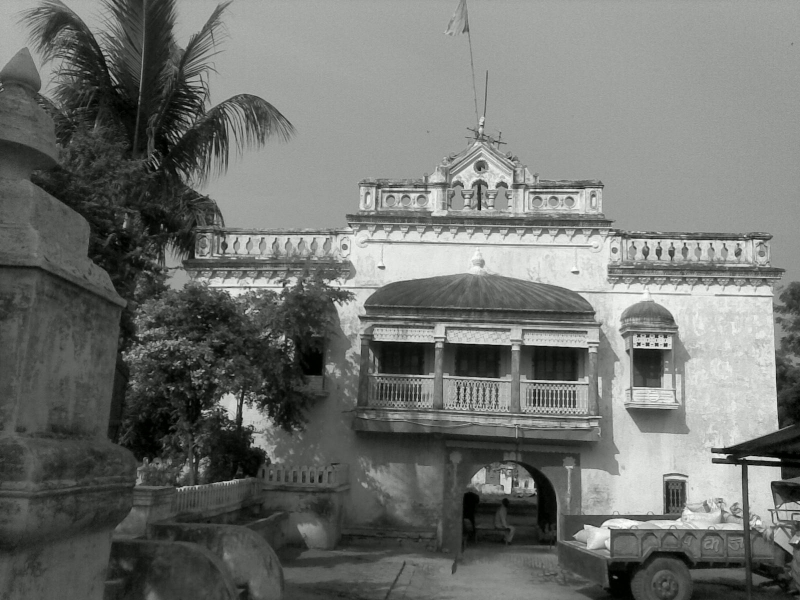
Following India's independence in 1947, the historic Zamindari system was abolished under the Bihar Land Reforms Act of 1950. Like other aristocratic houses of Bihar, the Chaugain Panna - II estate transitioned from a feudal landholding unit to a modern socio-political entity. The descendants of the Chaugain royal lineage adapted to the democratic framework, turning their attention to public service, agriculture, and educational philanthropy. Today, the legacy of the Chaugain Zamindari survives in the rich cultural heritage, ancestral forts, and the deep-seated historical pride of the Ujjainia Parmars in Bihar.
Origin and Foundation of the Ujjainia Parmars
The history of the Chaugain Zamindari is intrinsically linked to the migration of the Parmar dynasty of Malwa (Ujjain) to Bihar. Following the downfall of the Parmar kingdom of Ujjain and Dhar due to the expansionist campaigns of Sultan Alauddin Khalji in the early 14th century, a faction of the royal family, refusing to submit to the Delhi Sultanate, migrated eastward. Led by their chiefs, they settled in the rugged terrains of the Shahabad district (modern-day Bhojpur and Buxar region of Bihar).
Upon their arrival, these Parmar Rajputs clashed with the local Chero rulers who dominated the region. Under the leadership of legendary figures like Raja Bhojraj and his successors, the Parmars defeated the Cheros and established their hegemony. Due to their ancestral origin in Ujjain, these settlers came to be known locally as Ujjainia Rajputs. Because of their direct descent from legendary monarchs like Samrat Vikramaditya and Raja Bhoj, they came to hold an exceptionally high social and ritual status among the Rajput clans of Northern India.
Establishment of the Chaugain Zamindari (Panna - II)
Over the centuries, the Ujjainia territory in Shahabad was consolidated and divided into various principalities and estates, most notably Dumraon, Jagdishpur, Haldi, and Chaugain. The Chaugain Zamindari (historically referred to as Chaugain Panna - II) emerged as an important co-sharing branch (Panna or Patti) within the broader lineage of the Dumraon Raj family tree. Situated in the fertile plains of the Buxar district, the Chaugain estate wielded significant agrarian wealth and commanded a loyal militia of Rajput clansmen.
Mughal and British Periods
During the Mughal era, the Ujjainias of Shahabad maintained a complex relationship with the imperial court at Delhi. While they frequently rebelled against imperial subahdars to assert their independence, several Ujjainia chiefs were eventually integrated into the Mughal administrative framework, receiving mansabs (military ranks) and jagirs during the reigns of Akbar and Jahangir. The Chaugain branch managed to preserve its autonomy and local influence through strategic alliances and military prowess.
With the advent of the British East India Company and the introduction of the Permanent Settlement of 1793 by Lord Cornwallis, the traditional administrative setup of the Ujjainia estates was formalized into Zamindari estates. During the Indian Rebellion of 1857, while the neighboring Jagdishpur estate under the legendary Babu Kunwar Singh rose in open rebellion against British rule, other branches of the Ujjainia clan faced immense political pressure. The Chaugain Zamindari navigated this turbulent era, preserving its territorial holdings and local dominance despite the heavy hand of British retaliatory measures in the Shahabad region.
Post-Independence and Modern Era
Following India's independence in 1947, the historic Zamindari system was abolished under the Bihar Land Reforms Act of 1950. Like other aristocratic houses of Bihar, the Chaugain Panna - II estate transitioned from a feudal landholding unit to a modern socio-political entity. The descendants of the Chaugain royal lineage adapted to the democratic framework, turning their attention to public service, agriculture, and educational philanthropy. Today, the legacy of the Chaugain Zamindari survives in the rich cultural heritage, ancestral forts, and the deep-seated historical pride of the Ujjainia Parmars in Bihar.
- Raja BHOJRAJ, Raja of Shahbad 1320/1333, younger brother of Raja Mulkdev, last Parmar ruler of Dhar, migrated to Shahabad around 1320, married and had issue. He died .
- Raja Devraj [Santan Singh] (qv)
- Raja DEVRAJ [Santan Singh / Sanatana Shahi], Raja of Bhojpur 1324/1344, named the area Bhojpur after his father, married and had issue. He died /1344.
- Raja Somraj (qv)
- Raja SOMRAJ, Raja of Bhojpur 1344/1388, married and had issue. He died /1389.
- Raja Hariraj (qv)
- Raja Gajraj (qv)
- Raja Jagdev (qv)
- Raja HARIRAJ, Raja of Bhojpur 1389/1394, he died in a battle with the Nawab of Jaunpur.
- Raja GAJRAJ, Raja of Bhojpur 1394/1414, he continued the fight with the Nawab of Jaunpur.
- Raja JAGDEV, Raja of Bhojpur 1414 or 1417/1424, he also continued the fight with the Nawab of Jaunpur; married and had issue.
- Raja Sangramdev (qv)
- Raja SANGRAMDEV, Raja of Bhojpur 1424/1453, married and had issue. He died /1454.
- Raja Ishwari Singh (qv)
- Raja ISHWARI SINGH, Raja of Bhojpur 1454/1456, he was captured and killed by Jaunpur forces; married and had issue. He died .
- Raja Omkar Dev (qv)
- Raja OMKAR DEV, Raja of Bhojpur 1456/1489, he effectively thwarted the onslaught of the Nawabs of Jaunpur; married and had issue.
- Kanwar Dev Shahi, married and had issue.
- Kanwar Dariyau Shahi, married and had issue.
- Kanwar Padam Shahi, married and had issue.
- Kanwar Gopal Shahi
- Raja Durlabh Dev
- Raja PRATAP SINGHJI, 1st Raja of Chaugain -/1655, third son of Raja Omkar Dev, Raja of Bhojpur (see Jagdishpur), married and had issue. He died .
- Kanwarsa Shardi Singh (qv)
- Raja SHARDI SINGHJI, 2nd Raja of Chaugain 1655/1702, married and had issue. He died .
- Kanwarsa Yadunath Singh (qv) (see below)
- Kanwarsa Dilraj Singh (qv) (Panna-II)
Genealogy
- Raja Sahab DILRAJ SINGH, 1702/-, married and had issue.
- Kunwar Srikrishna Singh
- Kunwar Prithvi Singh
- Kunwar Laxmi Narayan Singh
- Raja Sahab SRIKRISHNA SINGH, married and had issue.
- Kunwar Santbilas Singh(qv)
- Raja Sahab SANTBILAS SINGH, married and had issue.
- Kunwar Ambika Prasad Singh(qv)
- Kunwar Gauri Prasad Singh(qv)
- Raja Sahab AMBIKA PRASAD SINGH, married and had issue.
- Kunwar Udaibhan Prasad Singh(qv)
- Kunwar Janga Prasad Singh, married and had no issue.
- Kunwar Radha Raman singh, married and had no issue.
- Raja Sahab UDAIBHAN PRASAD SINGH, married to the daughter of Raja Sahab Rankha Estate in bihar and had issue, one son
- Kunwar Gupteshwari Prasad Singh, married to the daughter of Raja Sahab Ram Ayodhya Singh & elder sister of Rai Bhadur Raghuvansh Narayan Singh of Kursela Estate and had issue, one daughter. He died early.
- Honorable Rao Sahab GAURI PRASAD SINGH, a honorary magistrate, was attending the Delhi Durbar of KING GEORGE V, and Patna Durbar of Prince of WALES, married to daughter of Raja Sahab Takarsen, and had issue.
- Kunwar Radha Mohan Prasad Singh(qv)
- Honarable Rao Sahab RADHA MOHAN PRASAD SINGH, married to the daughter of Raja Sahab Kharauni, the biggest Zamindar of Balia District, and had issue.
- Kunwar Rajeshwari Prasad Singh, became Rana Sahab Rajeswari Prasad Singh of Siwan, was honorary magistrate and the Chairman of District Board Arraha, married and had issue, one son.
- Kunwar Yogeshwari Prasad Singh, died early.
- Kunwar Sripati Prasad Singh,(qv)
- Rao Kumar Sahab Shri SRIPATI PRASAD SINGH, recieved a title "KUMAR SAHAB" and Kumar for his son's during British rule, married Four times, firstly to the daughter of Zamindar Rai Bhadur Nirsun Narayan Singh of Arraha, secondly to daughter of Thakur Sahab of Shakaldiha court of Benaras State, thirdly to the daughter of Zamindar of Jahanabad and forthly to the daughter of Raja Sahab of Rahatua Garh, and had issue.
- Bhanwar Kumar Digvijay Prasad Singh, became Rana Sahab Kumar Digvijay Prasad Singh of Usraon, married and had issue.
- Bhanwar Kumar Krishna Pratap Bahadur Singh, became Rana Sahab Kumar Krishna Pratap Bahadur Singh of Mansapur, married and had issue.
- Bhanwar Kumar Narendra Pratap Bahadur Singh, became Rana Sahab Kumar Narendra Pratap Bahadur Singh of Saroth ,married and had issue.
- Baisa Urmila Singh, married Kunwar Lal Gauri Shankar Singh of Jamgoan, Agori Barhar State and had issue.
- Bhanwar Kumar Rudra Pratap Bahadur Singh, became Rana Sahab Kumar Rudra Pratap Bhadur Singh of Dheluan, married and had issue.
- Rao Sahab KUMAR UDAI PRATAP BAHADUR SINGH (qv)
- Baisa Sheela Singh, married to Kunwar Virendra Pratap Singh of Shahipur Naulakha State and had issue.
- Baisa Pratibha Singh, married to Kunwar Lal Gyanendra Singh of Rampurwa Rewah State and had issue.
- Rao Sahab KUMAR UDAI PRATAP BAHADUR SINGH (see above).