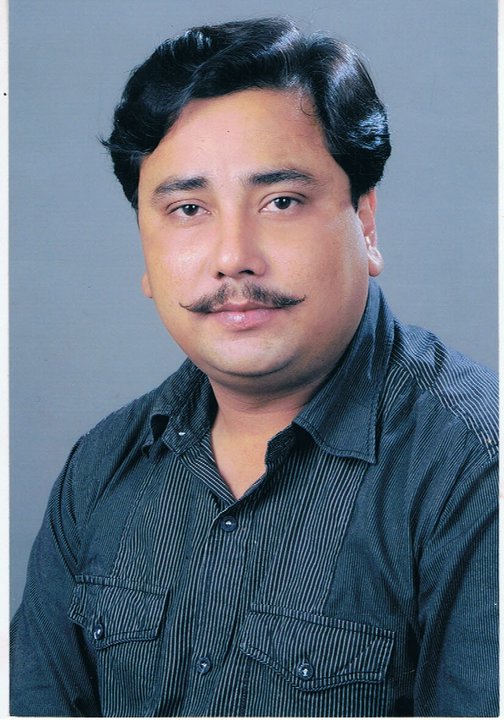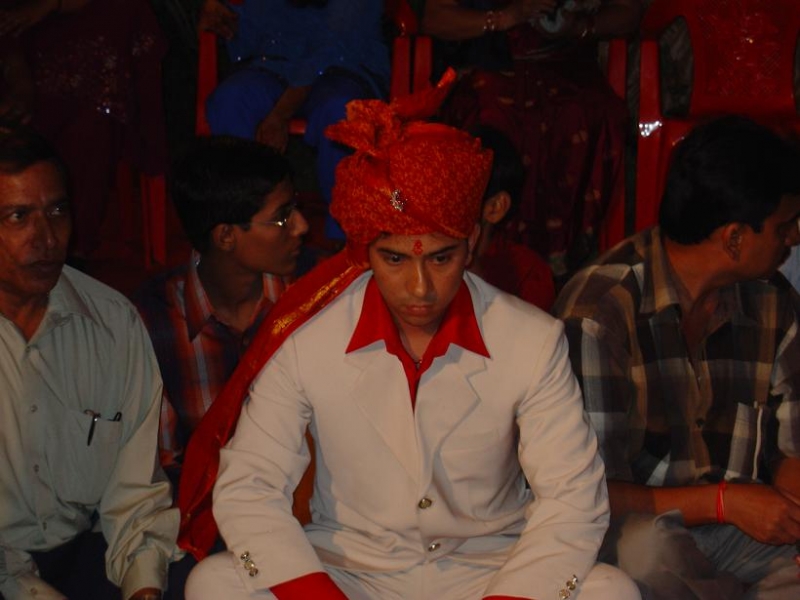
Present Head
- Yuvaraj Gulab Singh, married Yuvrani Mukta Kumari of Bachra, and has issues.
- Rajkumari Vishakha Singh
- Rajkumar Giriraj Singh
- Rajkumar Giriratan Singh
- Rajkumar Gaurav Singh, married Rajkumarani Sushma Kumari, and has issues.
- Rajkumari Nidhi Singh
- Rajkumar Saurabh Singh
- Rajkumari Jaya Kumari, married Rajkumar Vikramaditya Singh Judeo of Jashpur, and has issues.
- Rajkumar Vijyaditay Singh Judeo
- Rajkumari Yijya Raje Laxmi Judeo
- Rajkumari Yashswi Singh Judeo
History
Origin and Foundation of Ranka Province
The Ranka State (historically a prominent zamindari estate or principality) was located in the rugged terrains of the Palamu region, in the modern-day Garhwa district of Jharkhand, India. The rulers of Ranka belonged to the Suryavanshi Gor (Gaur) clan of Rajputs, a venerable lineage that traces its roots back to the ancient kingdoms of Central India and Rajputana. The Gaur Rajputs migrated to the Chota Nagpur plateau and established twin dominant estates in the Palamu region: Chainpur and Ranka.
The foundation of the Ranka estate was deeply tied to the geopolitics of the hilly, forested tracts of Palamu. Seeking to establish a secure stronghold against regional rivalries and foreign incursions, the Gaur Rajput chieftains established their seat at Ranka. They constructed a formidable fort, known as the Ranka Garh, which served as the administrative and military nerve center of the province.
The Mughal Era and Alliance with the Chero Dynasty
During the 17th and 18th centuries, the Palamu region was largely dominated by the Chero dynasty, most notably under the illustrious rule of Maharaja Medni Ray. The Gaur Rajputs of Ranka maintained a complex, symbiotic relationship with the Chero rulers. While preserving their internal autonomy, the chiefs of Ranka served as crucial military allies and feudal lords (vassals) to the Cheros.
During successive Mughal expeditions into Palamu led by provincial governors of Bihar, the Ranka chieftains utilized the difficult terrain and guerrilla tactics to defend the borders of the region. This period cemented their reputation as fierce warriors and astute administrators who protected the local tribal and non-tribal populations from external exploitation.
The British Raj and Zamindari Recognition
The entry of the British East India Company into the Chota Nagpur region in 1771, led by Captain Camac, dramatically altered the political landscape. The internal decline of the Chero dynasty allowed the British to assert direct influence over Palamu. Recognizing the military clout and local influence of the Gaur Rajputs, the British administration sought treaties with the Ranka rulers to maintain law and order along the volatile forest frontiers.
Following the formalization of the British administration in Chota Nagpur, the Ranka estate was recognized as an influential Zamindari under the Palamu district. The rulers of Ranka were recognized as "Rajas" and "Babus," holding extensive land rights. They played a vital role in local governance, revenue collection, and judicial administration, often acting as intermediaries between the tribal populations (such as the Kharwars, Cheros, and Bhogtas) and the British authorities. For further historical context on the administration of the region, see the official history on the Palamu District Administration Portal.
Key Rulers and Social Reformers
Over the generations, the Ranka family produced several rulers noted for their administrative acumen and philanthropic endeavors:
- Raja Ram Bahadur Singh: An influential ruler who navigated the transition into structured British colonial administrative frameworks while preserving the cultural rights of his subjects.
- Raja Girivar Prasad Singh: Known for his progressive outlook, he contributed significantly to the infrastructure of the Garhwa and Palamu regions. He patronized the establishment of local schools, promoted agricultural reforms, and funded the construction of water reservoirs to prevent seasonal droughts.
- Raja Govind Prasad Singh: A key figure during the early 20th century who continued the family’s tradition of public welfare, supporting educational institutions and cultural preservation in Jharkhand.
The Ranka Palace (Ranka Garh) and Culture
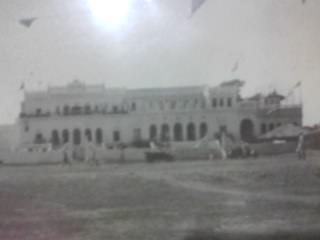
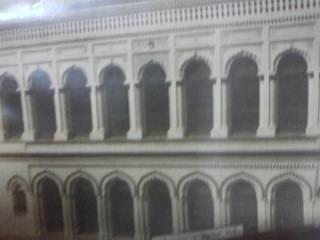
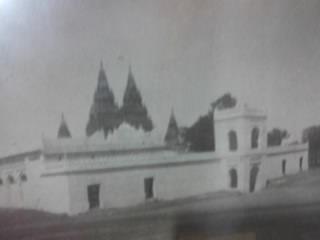
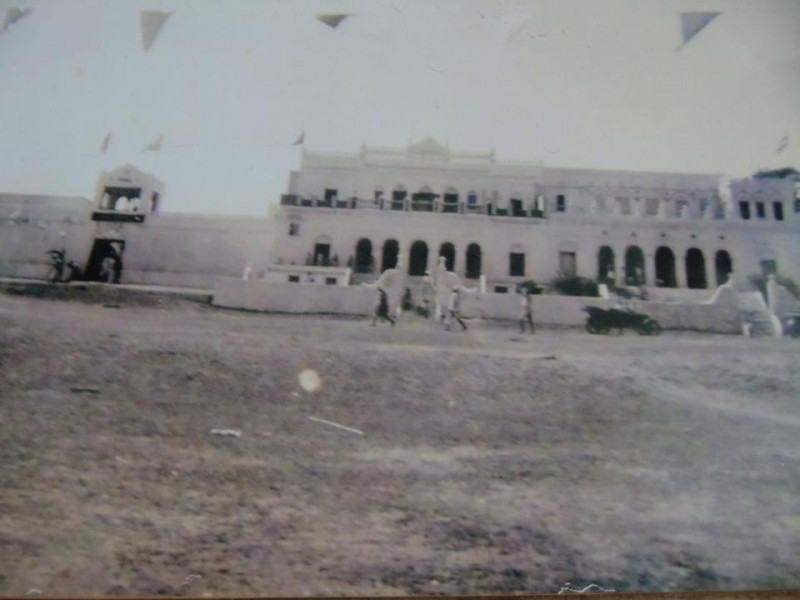
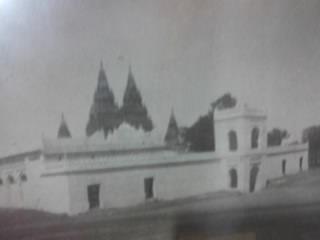
The Ranka Palace, locally known as Ranka Garh, stands as a grand testament to the architectural heritage of the Gaur Rajputs in Jharkhand. Built using local stone and lime mortar, the palace displays a unique blend of Rajput military architecture and local tribal motifs. It featured large courtyards, fortified walls, and stepwells designed to withstand long sieges.
The rulers of Ranka were devout patrons of Hindu traditions, particularly the worship of Lord Shiva and Goddess Durga. They hosted grand Dussehra celebrations that brought together the various tribal clans of Palamu, fostering social cohesion in a highly diverse region. The Ranka Raj also patronized traditional folk arts, ensuring the survival of local music and dance forms unique to the Chota Nagpur plateau.
Post-Independence and the Modern Era
With India attaining independence in 1947 and the subsequent passage of the Bihar Land Reforms Act of 1950, the formal feudal privileges and zamindari rights of the Ranka state were abolished. The royal estates were integrated into the Indian Union.
Despite the loss of administrative titles, the royal family of Ranka transitioned successfully into democratic India. Members of the family remained active in social work, local development, and state politics, helping to guide the region through its transition into the modern era. Today, Ranka is a thriving sub-division within the Garhwa district of Jharkhand. The historic Ranka Garh remains a major cultural landmark and tourist attraction, representing the rich historical heritage of the state. For details on the modern administrative structure of the region, refer to the Garhwa District Official Website.
References and Historical Sources
- L.S.S. O'Malley, Bengal District Gazetteers: Palamau, Bengal Secretariat Book Depot, 1907.
- History of Palamu and Garhwa Estates: Garhwa District - Wikipedia.
- Historical Records of Chota Nagpur Tributary States, National Archives of India.
Genealogy
- Raja DUSASHAN SHAH, Raja of Surpur(Rajasthan), then Dhaudhar (Bihar) 1598/1632, also his family is Quiledar of the Rohatasgarh fort , they controlled whole area of Sahadabad, Rohtas and many more places.
- Raja SHARGANDHAR SHAH, Raja of Dhaudhar 1632/1678
- Raja DEV SHAH, Raja of Dhaudhar 1678/1734
- Yuvraj Hem Shah, later became Maharaja of Dhaudhar, presently Namudag Mahuari Raj royal family are descendants of him. (They moved to Palamu area (Namudag Mahuari Raj) from Dhaudhar due to war with Jahangir (Mughal king).
- Rajkumar Puranmal; his father, Raja Dev Shah, assisted the Chero ruler, Bhagwat Rai, in the conquest of Palamu. Puranmal served as the commander of the Dev Shah Army and displayed great bravery. Following the victory at Palamu, they ceded the territory to the Chero rulers, and Puranmal became the kingmaker (Dewan) of Palamu, subsequently settling at Ranka Raj. The present royals of Ranka Raj and Chainpur Raj are descendants of Thakurai Puranmal.
- Thakurai PURANMAL, Thakurai of Ranka 1734/1757
- Thakurai BHARTHI CHANDRA, Thakurai of Ranka 1757/1767
- Thakurai MADAN SINGH, Thakurai of Ranka 1757/1787
- Thakurai SURAT SINGH, Thakurai of Ranka 1787/1798
- Thakurai KIRIT SINGH, Thakurai of Ranka 1798/1805
- Thakurai AMAR SINGH, Thakurai of Ranka 1805/1816
- Thakurai SHAKTI SINGH, Thakurai of Ranka 1816/1827
- Thakur Sanath Singh [Senath Singh] (qv)
- Thakur Bulaki Singh
- Thakurai SANATH SINGH, Thakurai of Ranka 1827/1843
- Thakurai Shiv Prasad Singh (qv)
- Raja SHIV PRASAD SINGH, Thakurai of Ranka 1843/1851
- Thakurai Basant Singh (qv)
- Thakurai BASANT SINGH, Thakurai of Ranka 1851/1857
- Raja Bahadur Thakurai Krisna Dayal Singh [Kishun Dayal Singh] (qv)
- Thakurai Mahipal Singh of Kanchanpur, married and had issue, three sons.
- Thakurai Devanath Singh, married and had issue, five sons.
- Thakurai Janki prasad Singh, married and had issue, one son.
- Thakurai Radha Binayak Singh who died while he was a minor.
- Kunwar Tulsi Singh
- Raja Gobind Prasad Singh (qv)
- Kunwar Lachmi Prasad Singh
- Kunwar Adit Prasad Singh
- Thakurai Janki prasad Singh, married and had issue, one son.
- Rai Jadunath Singh Bahadur, married and had issue, two sons. He died 1921.
- Thakurai Bindeshwar Prasad Singh of Kanchanpur, married and had issue, one son.
- Kunwar Kameshwar Prasad Singh of Kanchanpur, born .
- Thakurai Ambikeshwar Prasad Singh (second son)
- Thakurai Parmeshwari Prasad Singh, married and had issue, five sons.
- Kunwar Baneshwar Prasad Singh (fifth son), married Mithilesh Kishori Devi. He died .
- Thakurai Bindeshwar Prasad Singh of Kanchanpur, married and had issue, one son.
- Thakurai Dwarika Prasad Singh
- Thakurai Devanath Singh, married and had issue, five sons.
- Raja Bahadur Thakurai KRISNA DAYAL SINGH, Raja of Ranka 1857/1880, he died sp in 1880.
- Raja Bahadur GOBIND PRASAD SINGH, Raja of Ranka 1880/1911, married Rani Sona Kuwar of Jagdishpur, and had issue, four sons and one daughter.
- Raja Giriwar Prasad Singh (qv)
- Kumar Rajeshwar Prasad Singh
- Kumar Devendra Prasad Singh
- Kumar Saryu Prasad Singh
- Rajkumari (name unknown), married (as his first wife), Maharaja Bahadur Chandra Mouleshwar Prasad Singh of Gidhaur, and had issue.
- Raja Bahadur GIRIWAR PRASAD SINGH C.B.E., Raja of Ranka 1911/1969, he was granted the enhanced title of Raja Bahadur, and awarded the C.B.E.; he donated land at Daltonganj to build the Giriwar High School and in Garhwa to build the Gobind High School; he also donated 111,101 acres of land to the Vinoba Bhawes Boodhan Initiative; married 1stly, a Rani from Surguja, married 2ndly, Rani Gunjeshwari Kuwar of Nepal, and had issue, three sons.
- Yuvaraj Girendra Narayan Singh, he succeeded as Raja Girendra Narayan Singh (qv)
- Kumar Gopinath Singh, M.L.A. from Ranka, Garhwa and Minister in Bihar; married and had issue.
- Kumar Girja Raman Singh, married and had issue.
- Kumar Girinath Singh, M.L.A. from Garhwa, Jharkhand; R.J.D. President, Jharkhand; married Kumarani Poonam Kumari of Sonbarsa.
- Kumar Girja Raman Singh, married and had issue.
- Kumar Ganpati Singh, married and had issue.
- Kumar Amit Singh, married Rajkumari Gayatri Kumari, daughter of Raja Anant Narayan Singh Deo, Raja of Dharakote, and his wife, Rani Shanti Devi, and has issue.
- Rishi Raj Singh
- Kumar Ashwin Singh (U.S.A.)
- Kumar Amit Singh, married Rajkumari Gayatri Kumari, daughter of Raja Anant Narayan Singh Deo, Raja of Dharakote, and his wife, Rani Shanti Devi, and has issue.
- Raja GIRENDRA NARAYAN SINGH, Raja of Ranka 1969/1970, married 1stly, Rani Indra Kumari of Kalakankar, she had issue, three sons and two daughters, married 2ndly, Rani Indra Kumari, she had issue, two sons and three daughter, and had issue, five sons and five daughters.
- Raja Goverdhan Prasad Singh (qv)
- Kumar Gangadhar Prasad Singh [Raju Babu], Raja Saheb of Panki, an estate of Ranka; married Rani Vidya Kumari of Deelippur, Rohtas, and has issue, two sons and one daughter.
- Rajkumar Gautam Singh M.B.A., currently working as a Business Head - North & East India (one of the largest E-Learning Company in India) from last 8 years, Married Kumari Indu from Kangra, and has issue.
- Kumar Garv Pratap Singh
- Kumar Garvit Pratap Singh
- Rajkumar Rajan Singh M.B.A., C.F.A., presently (2011) employed as Manager with H.D.F.C. Bank.
- Rajkumari Vijaya Raje Lakshmi, married Rajkumar Saurabh Singh of Deo Estate in Patna, B.Tech., B.I.T. Mesra, Ranchi, and has issue.
- Kumari Kashvi Singh Sisodia
- Rajkumar Gautam Singh M.B.A., currently working as a Business Head - North & East India (one of the largest E-Learning Company in India) from last 8 years, Married Kumari Indu from Kangra, and has issue.
- Kumar Girishankar Prasad Singh, Raja saheb of Ramgarh Duldulwa and Paska (an estate of Ranka), married Kumarani Sandhaya Kumari of Sameroan, and has issue, three sons and one daughter.
- (Late) Rajkumar Gandharv Singh [Rahul]
- Rajkumar Gaurvendra Singh [Atul], married Kumari Ankita Singh, daughter of Lal Kali Saran Nath Shahdeo (Thakur Saheb of Khijiri Namkum, Ranchi), has issue, one daughter.
- Kumari Aprajita Singh
- Rajkumari Priyanka
- Rajkumar Gangey Singh [Rana]
- Kumar Girinath Singh [Tiku], married and has issue.
- Kumar Giridhar Singh [Bobby], married and has issue.
- Raja GOVERDHAN PRASAD SINGH, Raja of Ranka (see above)
- Kumari Minakshi Singh of Ranka, married Kumar Prithviraj Chandra Deo of Rairakhol, and has issue.
- Kumarani Kamleshwari Kumari Devi, married Kumar Saheb Ranendra Pratap Singh Deo of Seraikella state, and had issue, four sons and one daughter.