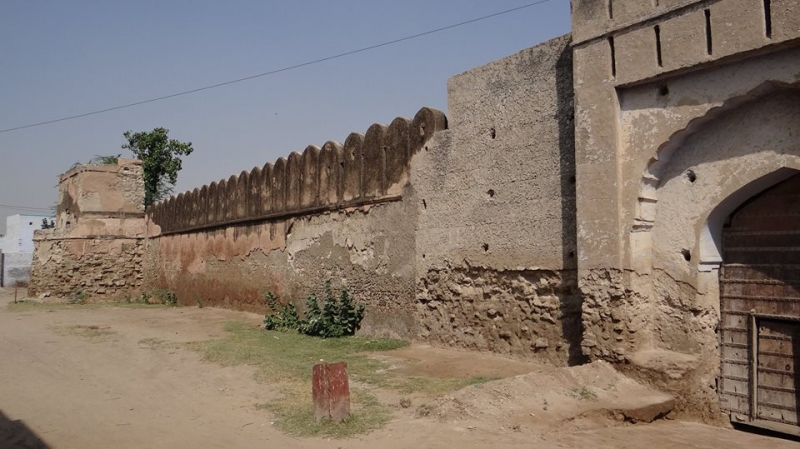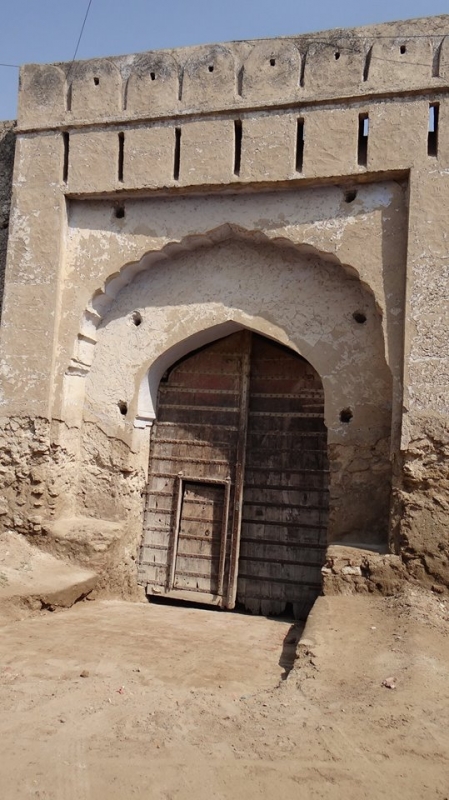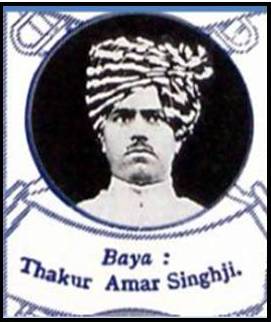
Present Head
History
Origin and Foundation of Bae Thikana
The Thikana of Bae holds a distinguished position in the feudal hierarchy of the erstwhile Bikaner State. The rulers of Bae belong to the illustrious Sringot clan, a prominent sub-branch of the Bika Rathores. They trace their ancestry back to Maharaj Shring ji (also spelled Sring ji), who was the son of Rao Jait Singh (Rao Jetsi), the ruler of Bikaner who reigned from 1526 to 1542 AD.
The estate of Bae was formally granted as a noble fief in 1739 AD by Maharaja Zorawar Singhji of Bikaner. This period was marked by intense geopolitical rivalries in Rajputana, particularly the invasion of Bikaner by Maharaja Abhai Singh of Jodhpur. The Sringot Rathores played a pivotal role in defending the sovereignty of Bikaner, and in recognition of their military valor and loyalty, Maharaja Zorawar Singh bestowed the estate of Bae upon the descendants of Maharaj Shring ji.
Feudal Status and Courtly Honors
In the administrative and courtly structure of Bikaner State, the Chief of Bae was recognized as a premier noble. The Thikana held the prestigious eighth rank among the major nobles of the state. Because of this high standing, the Thakur of Bae was entitled to the highest courtly honors in the Bikaner Darbar:
- Dohri Tazim (Double Tazim): A rare honor where the Maharaja of Bikaner would stand up twice to receive and dismiss the noble in court.
- Kurab Hath: A ceremonial privilege where the ruler of Bikaner would place his hand on the noble’s shoulder or chest as a sign of affection and close kinship.
The estate consisted of 15 prosperous villages and was strategically located in the north-eastern portion of Bikaner State, positioned between the historic towns of Sardarshahr and Bhadra.
The British Period and Military Service
Following the treaty of 1818 between the East India Company and Maharaja Surat Singh of Bikaner, the region transitioned into a protectorate under British suzerainty. During this era, the rulers of Bae aligned with the state policy of modernization and military cooperation. The Sringot nobles of Bae actively supported the Bikaner State Forces, including the famous camel corps, the Ganga Risala, established by Maharaja Ganga Singh. These forces served in various international campaigns, earning distinction for their discipline and bravery.
Post-Independence and Modern Era
With India's independence in 1947, Bikaner State integrated into the United State of Greater Rajasthan in 1949, eventually becoming a part of the modern state of Rajasthan. Following the implementation of the Rajasthan Land Reforms and Resumption of Jagirs Act in the early 1950s, the administrative and revenue-collecting rights of Thikana Bae were abolished.
In the post-independence era, the descendants of the Bae estate successfully transitioned from feudal lords to responsible citizens of democratic India. Members of the royal house have engaged in agriculture, entrepreneurship, public service, and local development, preserving their rich cultural heritage and historical legacy in the Churu and Hanumangarh districts of Rajasthan.
Genealogy
- Thakur Prithviraj Singhji, 6th Thakur of Bhukarka, married and had issues.
- Thakur Saheb Daulat Singhji, 1st Thakur of Bae, during the struggle which ensued on succession of Maharaja Gaj Singhji to the throne of Bikaner state, his elder brother Maharaj Amar Singhji (heir to the throne) in collaboration with Maharaja of Jodhpur attacked Bikaner, at that juncture Kunwar Daulat Singh of Bhukarka was in-charge of the defenses and for his contribution, later on he was granted the patta of Bae, married and had issue.
- Kunwar Bahadur Singh (qv)
- Kunwar Bhupat Singh, he was granted Siropav, by Mughal Emperor Ahmadshah for his successful quelling of Sikh rebellion in 1756 AD at Nohar.
- Kunwar Hukum Singh, granted Thikana of Raslan (Ikladi Tazim Banho Pasanv) in 1887 A.D.
- Thakur Saheb Bahadur Singhji, 2nd Thakur of Bae, served with distinction in the Anglo Sikh war of 1845 AD and later on during 1857 Mutiny, married and has issue.
- Kunwar Pem Singh (qv)
- Thakur Saheb Pem Singhji, 3rd Thakur of Bae, married and has issue.
- Kunwar Ranjit Singh (qv)
- Thakur Saheb Ranjit Singhji, 4th Thakur of Bae, married and had issue.
- Kunwar Shivji Singh (qv)
- Thakur Saheb Shivji Singhji, 5th Thakur of Bae, married and had issue.
- Kunwar Jagmal Singh (qv)
- Thakur Saheb Jagmal Singhji, 6th Thakur of Bae, was appointed a member of Regency Council by Maharaja Ganga Singhji of Bikaner till 1890 AD, married and had issue.
- Kunwar Govind Singhji, married and had issue.
- Kunwar Amar Singhji (qv)
- Kunwar Govind Singhji, married and had issue.
- Thakur Saheb Amar Singhji, 8th Thakur of Bae (see above)