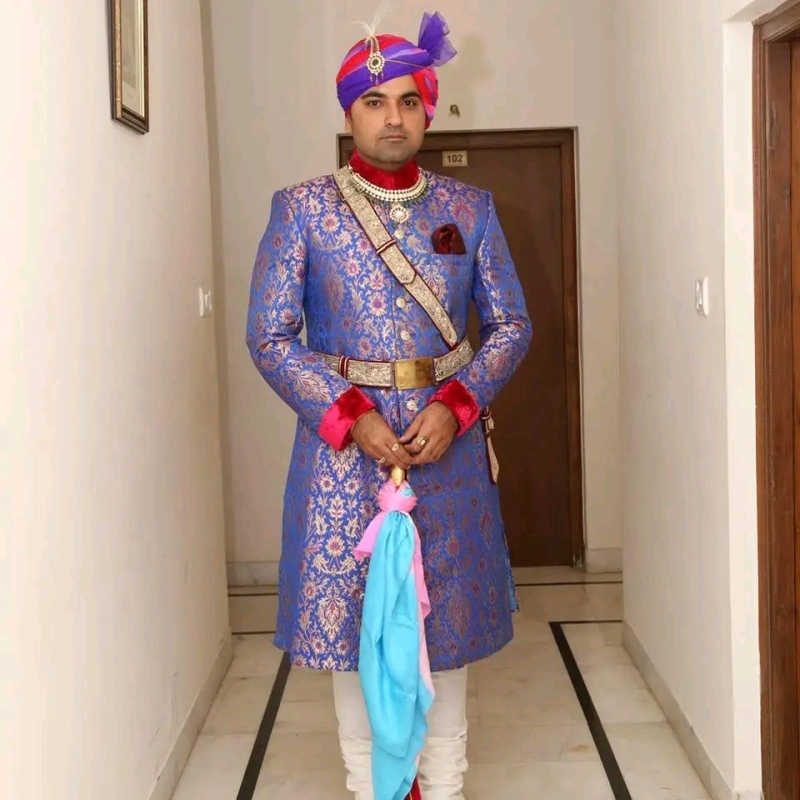
Present Head
- Yuvraj Saheb Shivraj Singhji
History
Origin and Foundation of Vav Province
The historical state of Vav (historically known as Wao or Waov) was a princely state located in the Banaskantha region of northern Gujarat. The province was founded by the Chauhan Rajputs, who trace their lineage directly to the legendary Emperor Prithviraj Chauhan, the last Hindu ruler of Delhi. Following the fall of Delhi in 1192 CE, descendants of the Chauhan clan migrated westward toward Rajasthan and Gujarat.
According to historical records, Rana Dedhavrao (or Dedhrao), a prominent Chauhan chieftain, was expelled from Nadol and subsequently established his base at Tharad. However, in 1244 CE, after losing Tharad to Multani Muslim invaders, Rana Dedhavrao retreated further into the semi-arid plains of northern Gujarat. He established a new settlement around a massive, intricately constructed stepwell (known locally as a Vav in Gujarati), which gave both the town and the princely state its name.
Medieval Period and Sovereign Autonomy
During the medieval era, the Ranas of Vav maintained a highly volatile but fiercely independent relationship with the neighboring Sultanates of Gujarat and the later Mughal Empire. Due to Vav’s strategic location on the border of the Great Rann of Kutch and Sindh, the rulers capitalized on their geographical isolation to preserve their autonomy.
The state was frequently subjected to raids and tributary demands by the Babi dynasty of Radhanpur and the Muslim rulers of Jalor. Despite these geopolitical pressures, the Chauhans of Vav retained their administrative sovereignty and local authority, acting as guardians of the trade routes running through the Thar Desert to the ports of Gujarat.
The Maratha and British Administrations
By the 18th century, the decline of the Mughal Empire allowed the Maratha Confederacy, specifically the Gaekwads of Baroda, to assert influence over northern Gujarat. Vav was subjected to periodic tribute collections (known as Ghasdana) by Maratha commanders. This period of instability ended with the expansion of the British East India Company into Gujarat.
In 1819, due to persistent raids by Khosa bandits from Sindh, the British entered into a treaty of alliance and protection with the Rana of Vav. The state was placed under the political supervision of the Palanpur Agency (which later became the Banaskantha Agency), under the Bombay Presidency. The British recognized Vav as a semi-jurisdictional State of the Fifth Class. The Gazetteer of the Bombay Presidency (Vol. V) documents Vav as a state of historical significance with a unique administrative structure that resisted complete subjugation.
Key Reformers and Ranas of Vav
Several rulers of Vav worked toward the modernization of the state while preserving its cultural ethos:
- Rana Umedsinhji: A ruler who navigated the transition into British protection, focusing on restoring agricultural stability in the famine-prone Rann borderlands.
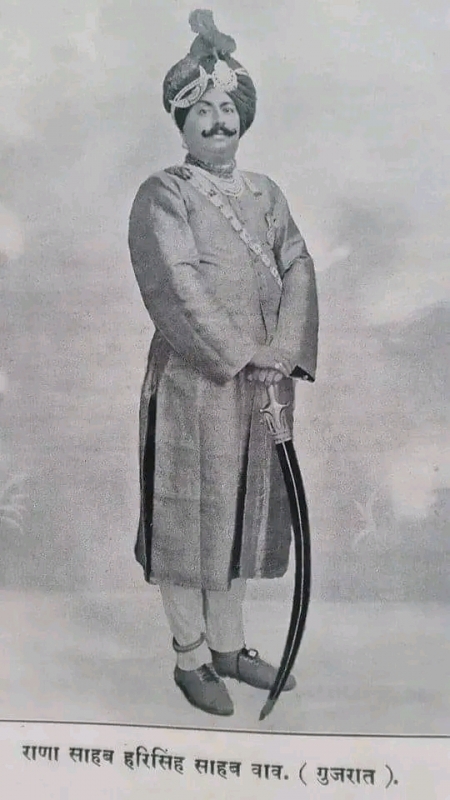
- Rana Harisinhji: Noted for establishing early judicial reforms and eliminating oppressive local taxes on traders.
- Rana Takhatsinhji: Promoted educational initiatives and built vernacular schools in the early 20th century to elevate the literacy rates of the rural population.
Post-Independence and the Modern Era
Following the end of British rule in India, the last reigning ruler of Vav, Rana Bhupatsinhji, signed the Instrument of Accession to the Dominion of India on August 15, 1947. In 1948, the state was formally integrated into the Indian Union, initially becoming part of the Banaskantha district of Bombay State. Following the linguistic reorganization of states in 1960, the territory became part of the newly formed state of Gujarat.
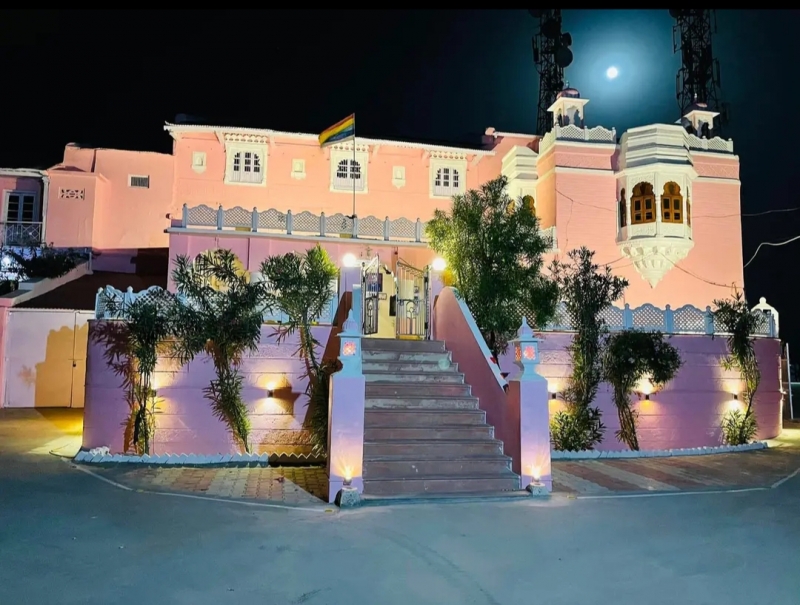
Today, Vav exists as a vibrant administrative taluka within the Banaskantha district. It is highly regarded for its deep-rooted cultural heritage, Rajput architecture, and its historic stepwells which remain a testament to the engineering marvels of the medieval era. For more geographic and administrative details on the modern region, you can visit the Vav Taluka Wikipedia Page.
Genealogy
- Rao Rajeshwar Rana Saheb Jalam Singhji, Rana Saheb of Vav State.
- Rao Rajeshwar Rana Saheb Vida Singhji (qv)
- Rao Rajeshwar Rana Saheb Vida Singhji, Rana Saheb of Vav State.
- Rao Rajeshwar Rana Saheb Adhar Singhji (qv)
- Rao Rajeshwar Rana Saheb Adhar Singhji, Rana Saheb of Vav State.
- Rao Rajeshwar Rana Saheb Deravar Singhji (qv)
- Rao Rajeshwar Rana Saheb Deravar Singhji, Rana Saheb of Vav State.
- Rana Saheb Surajmalji, he was granted the Dharadara.
- Rana Saheb Jabbar Singhji, he was siffted the Dharadara.
- Rana Saheb Ajay Singh, he was granted the Sugaliya.
- Rao Rajeshwar Rana Saheb Chandan Singhji, Rana Saheb of Vav (qv)
- Rao Rajeshwar Rana Saheb Chandan Singhji, Rana Saheb of Vav State.
- Rao Rajeshwar Rana Saheb Hari Singhji (qv)
- Rao Rajeshwar Rana Saheb Hari Singhji, Rana Saheb of Vav State.
- Rao Rajeshwar Rana Saheb Takhat Singhji, Rana Saheb of Vav State.
- Rao Rajeshwar Rana Saheb Rajendra Singhji (qv)
- Rao Rajeshwar Rana Saheb Rajendra Singhji, Rana Saheb of Vav State.
- Rao Rajeshwar Rana Saheb Gajendra Singh (qv)
- Rao Rajeshwar Rana Saheb Gajendra Singh, present Rana Saheb of Vav State (see above)