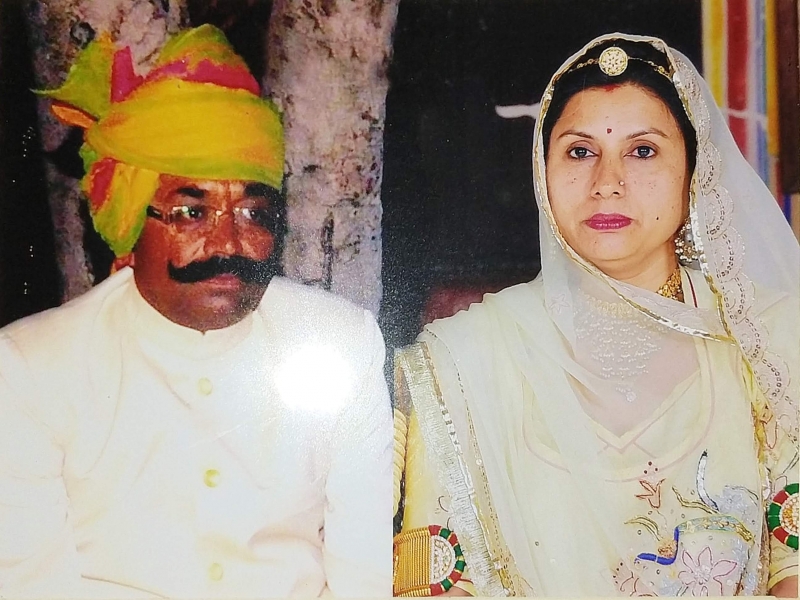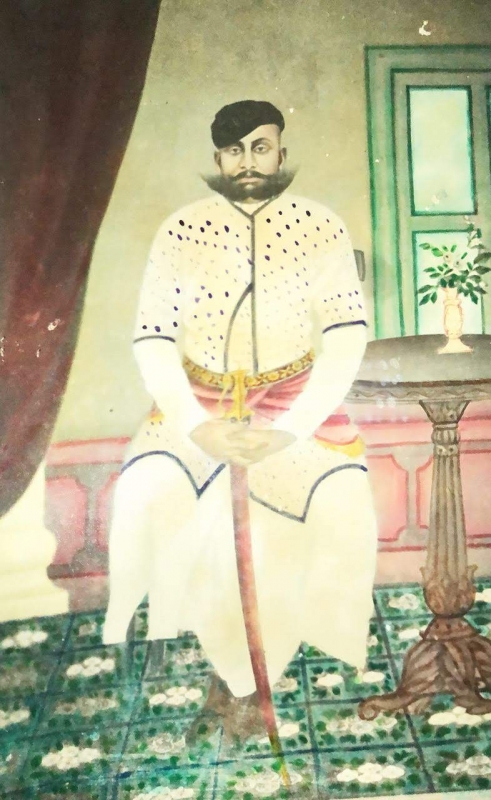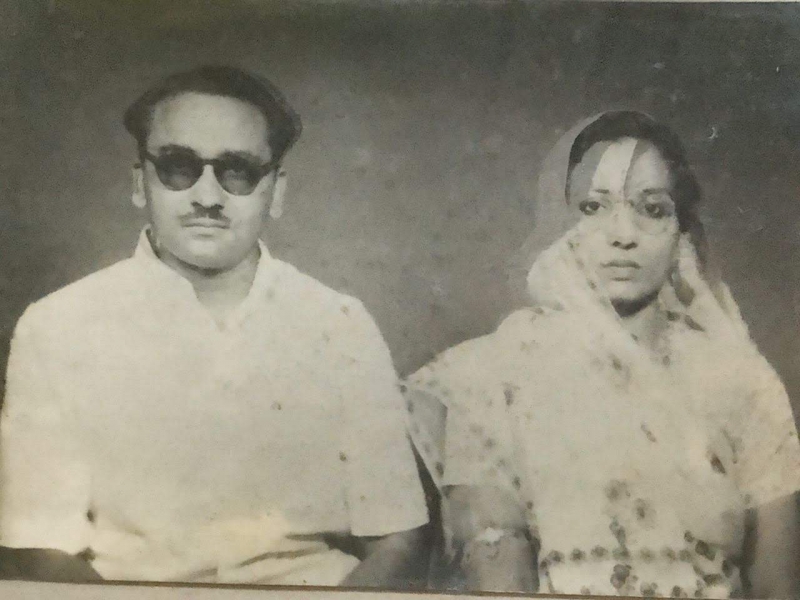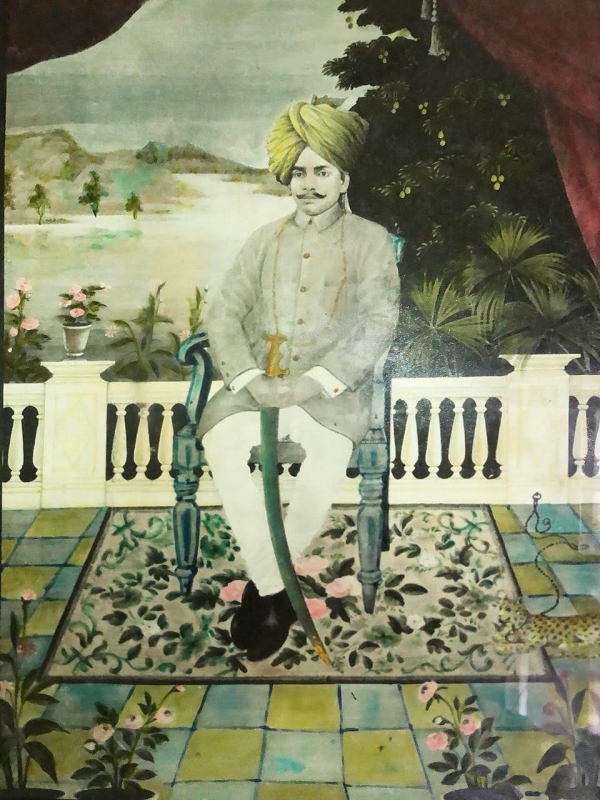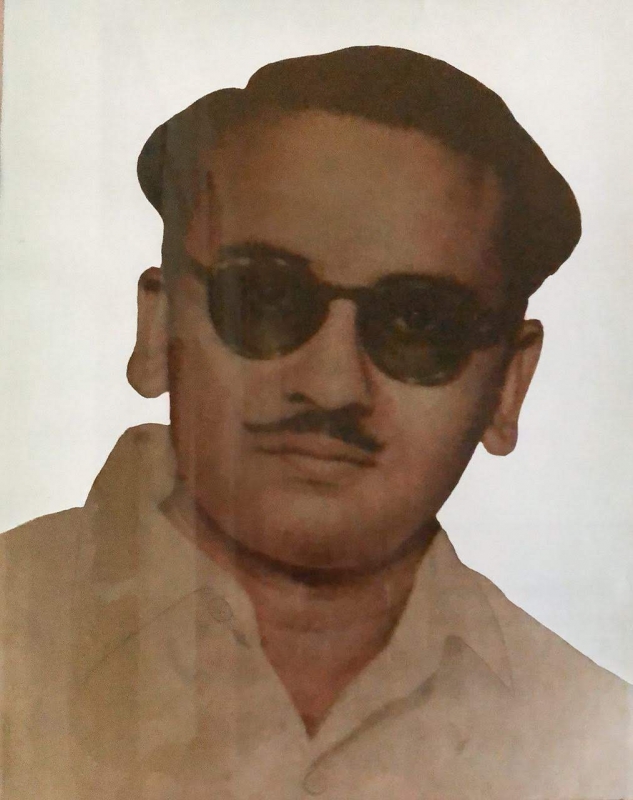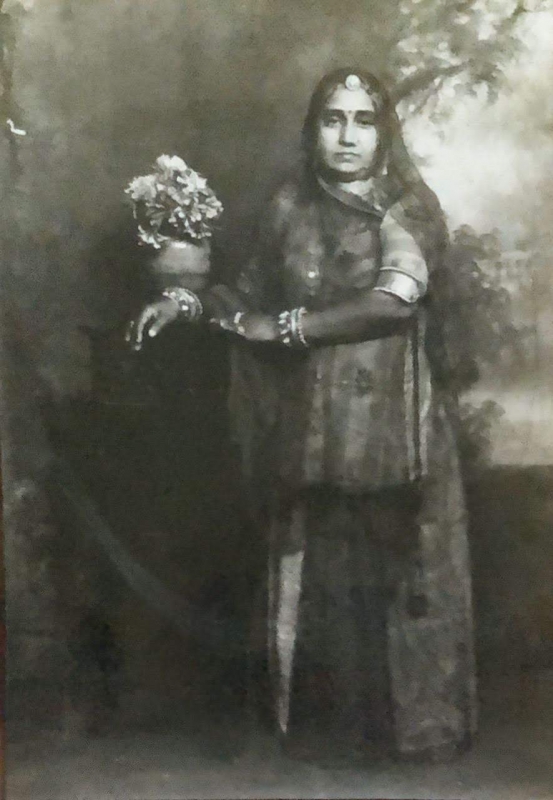
Present Head
History
The Thakur's of Para are the brothers of Thikana Bori. The Jagir of Bori was granted by the Maharaja of Jhabua to the then Thakur Saheb of Bori who was a descendant of Raja Bharmal (son of Rao Jodha of Marwar) on presenting dacoit Jhabbu Nayaks head to the Maharaja of Jhabua which led to the successful establishment of the Jhabua Princely State. Jhabbu Nayak was the former ruler of the city. Circa 1910, Thakur Saheb Kuber Singh Ji of Bori divided the Jagir of Bori between his two sons and Para and its neighboring villages were granted to his younger son Thakur Dulhe Singh Ji Bapji of Para who established the line of Thakur's of Para.
Origin and Ancestry
The ruling family of Para Thikana belongs to the Rathore clan of Rajputs, tracing their lineage directly to Rao Jodha, the illustrious founder of Jodhpur. The historical foundation of their presence in the Malwa region is deeply intertwined with the establishment of Jhabua State in the late 16th century by Keshav Das (or Kishan Das), a descendant of Rao Jaimal of Merta.
During the consolidation of Jhabua, the region was heavily infested with freebooters and Bhil chieftains. Among them, Jhabbu Nayak was a prominent local chieftain who resisted Rajput authority. The ancestors of the Bori and Para Thikanas played a pivotal role in neutralizing this threat. In recognition of their valor in defeating Jhabbu Nayak and securing the territory, the Maharaja of Jhabua granted the prestigious Jagir of Bori to the family, establishing them as one of the premier noble houses (Umraos) of the state.
Partition of Bori and Foundation of Para
By the turn of the 20th century, the Bori estate had grown in influence. Around 1910, during the reign of Maharaja Udai Singh of Jhabua, Thakur Saheb Kuber Singh Ji of Bori decided to partition his estate to secure the future of his progeny.
While the elder son succeeded to the main seat of Bori, the younger son, Thakur Dulhe Singh Ji (affectionately known as Bapji), was granted the estate of Para along with its surrounding villages. This division marked the formal establishment of Para as an independent Thikana under the suzerainty of the Jhabua State, holding judicial and revenue collection rights within its designated territory.
The British Period and Feudal Administration
During the British Raj, Jhabua State and its constituent Thikanas, including Para, fell under the administrative oversight of the Bhopawar Agency (later merged into the Central India Agency). The Thakurs of Para maintained a dual responsibility of administering local justice and collecting land revenue while ensuring loyalty to the Maharaja of Jhabua and, by extension, the British Crown.
Despite the administrative pressures of the colonial era, the rulers of Para focused on agricultural development and maintaining communal harmony among the local Bhil population and other resident communities.
Post-Independence and Modern Era
Following India's independence in 1947, the accession of Jhabua State to the Dominion of India led to the formal abolition of the jagirdari and feudal systems. Under the Madhya Bharat Jagir Abolition Act of 1951, the administrative and revenue-collecting powers of Para Thikana were dissolved, and the estate was integrated into the newly formed state of Madhya Bharat, which later became a part of Madhya Pradesh in 1956.
In the post-independence era, the descendants of Thakur Dulhe Singh Ji transitioned from feudal administrators to active participants in democratic India, engaging in agriculture, local business, and public service, while preserving their rich cultural heritage and ancestral legacy.
Genealogy
- Thakur Kuber Singh Ji, married to Thakurani of Bhadesar (Thikana of Mewar).
- Thakur Dulhe Singh Ji (2nd son)
- Thakur Dulhe Singh Ji, married Thakurani Ushav Kanwar of Dewad (Thikana of Mewar) and had issues.
- Thakur Amar Singh Ji, unmarried
- Thakur Bharat Singh Ji (qv)
- Thakur Ranveer Singh, married to Thakurani from Chaliad (Gujarat) and had issue.
- Jaswant Kanwar, married Thakur Saheb of Bawal (Rajasthan).
- Prakash Kanwar, married to Thakur Saheb of Sudasna (Gujarat).
- Moti Kanwar, married Thakur Saheb of Deepakheda (Madhya Pradesh).
- Govind Kanwar, married to Thakur Saheb of Raodiya (Madhya Pradesh).
- Mani Prakash Kanwar, married to Thakur Saheb of Lasadiya (Rajasthan).
- Thakur Bharat Singh Ji (Swatantrata Sangram Senani), married Thakurani Prabhat Kanwar Ba of Vanta (Gujarat) and had issue.
- Thakur Manohar Singh Ji (qv)
- Thakur Manohar Singh Ji, married Thakurani Meenal Kanwar of Eral (Baria, Gujarat) and had issues, two sons and a daughter.
- Late Thakur Narendra Singh Ji, married Thakurani Veena Kanwar of Sindrath (Sirohi, Rajasthan) and had issue.
- Thakur Harish Singh, married Veena Kumari of Panod (Malwa) and has issue.
- Udhavraj Singh
- Kumari Priyamvada, married Thakur Irvendra Singh of Kagdada (Falna, Rajasthan) and has issues.
- Manvendra Singh
- Siddhi kumari
- Late.Thakur Narendra Singh Ji
- Thakur Padmaditya Singh Ji Saheb (qv)
- Thakur Karanveer Singh Ji, graduated from HMI Institute of ITC Welcomgroup and now works at a MNC in Hyderabad.
- Thakur Padmaditya Singh Ji Saheb (see above)