Present Head
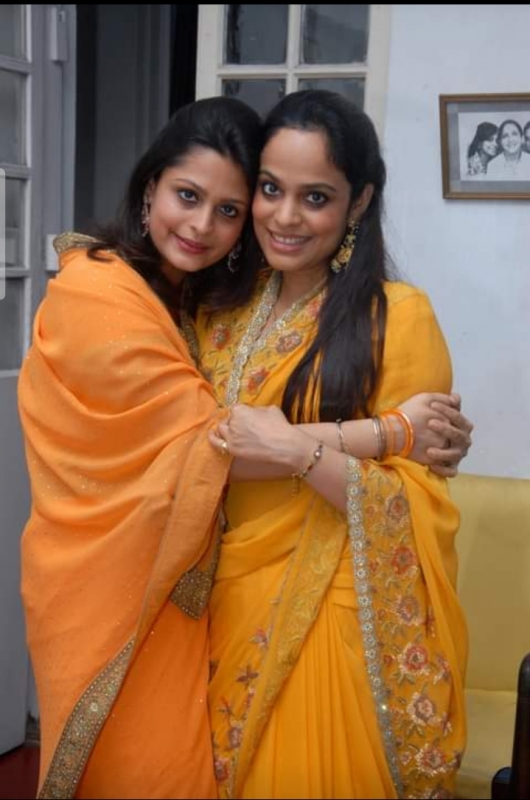
- Rajkumari Richa Manjari Singh, born at Calcutta, West Bengal, educated at King's College London (LL.M.), Member of the Delhi Bar Council and Law Society of England and Wales.
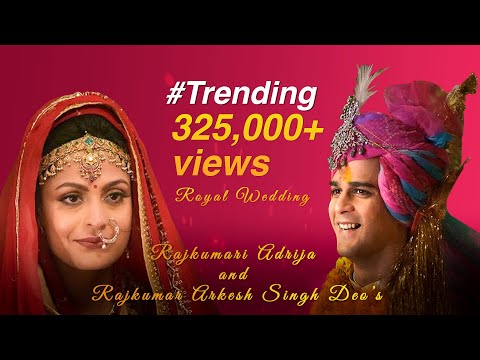
- Rajkumari Adrija Manjari Singh, born , married on 23rd November 2017 to Rajkumar Arkesh Narayan Singh Deo (born ) of Patna.
History
Origin and Foundation
The Gaharwar (Gahadavala) dynasty of Manda traces its lineage directly back to the imperial Gahadavala dynasty of Kannauj. The predecessor state of Manikpur was founded in 1180 CE by Raja Manik Chand, the brother of the last great Gahadavala ruler, Raja Jaichand of Kannauj. Following the tragic defeat of Maharaja Jaichand at the Battle of Chandawar in 1194 CE by the forces of Muhammad of Ghor, the imperial Gahadavala power collapsed, prompting the clan to disperse. A branch of the royal family migrated southward into the dense forests and rugged terrains of the Vindhyan range near the Ganges, eventually establishing independent principalities in Kantit, Vijaypur, Daiya, and Manda, situated in the modern-day Prayagraj (formerly Allahabad) and Mirzapur districts of Uttar Pradesh.
Feudal Hegemony and the Medieval Period
The Manda estate, headquartered in the Meja region of Prayagraj, became one of the most powerful Gaharwar estates. Strategically located, the chieftains of Manda successfully defended their territories against aggressive incursions from neighboring regional powers. Throughout the eras of the Delhi Sultanate and the subsequent Mughal Empire, the rulers of Manda maintained a highly autonomous feudal status. While they nominally paid tribute to the Mughal Subahdar at Allahabad, they retained complete administrative and military control over their ancestral lands, commanding loyal local militias consisting of Rajput clansmen and local peasantry.
The British Raj and Consolidation
With the decline of the Mughal Empire and the rise of the British East India Company, the region came under British influence. Under the British Raj, the Manda estate was formally recognized as an influential Zamindari province under the United Provinces of Agra and Oudh. The British administration acknowledged the rulers of Manda with the hereditary title of Raja. The Rajas of Manda during this period were known for their administrative efficiency, patronage of local arts, and contributions to public welfare, including the construction of schools, temples, and irrigation networks that benefited the agrarian economy of the region.
Post-Independence and Modern Era
Following India's independence in 1947, the princely states and Zamindari estates were integrated into the Union of India, and the feudal landholding system was subsequently abolished. Despite these sweeping socio-political changes, the royal house of Manda transitioned successfully into democratic India, exerting a monumental impact on the country's national political landscape.
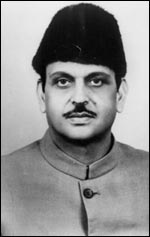
Raja Aditya Pratap Singh, the ruler of Manda, adopted Kunwar Vishwanath Pratap Singh from the closely related Gaharwar ruling house of Daiya to be his son and heir. In 1941, V.P. Singh succeeded as the titular Raja of Manda. V.P. Singh would go on to become one of the most consequential political leaders in modern Indian history. He served in several high-profile capacities, including:
- Chief Minister of Uttar Pradesh
- Union Minister of Finance
- Union Minister of Defence
- The 7th Prime Minister of India (from 1989 to 1990)
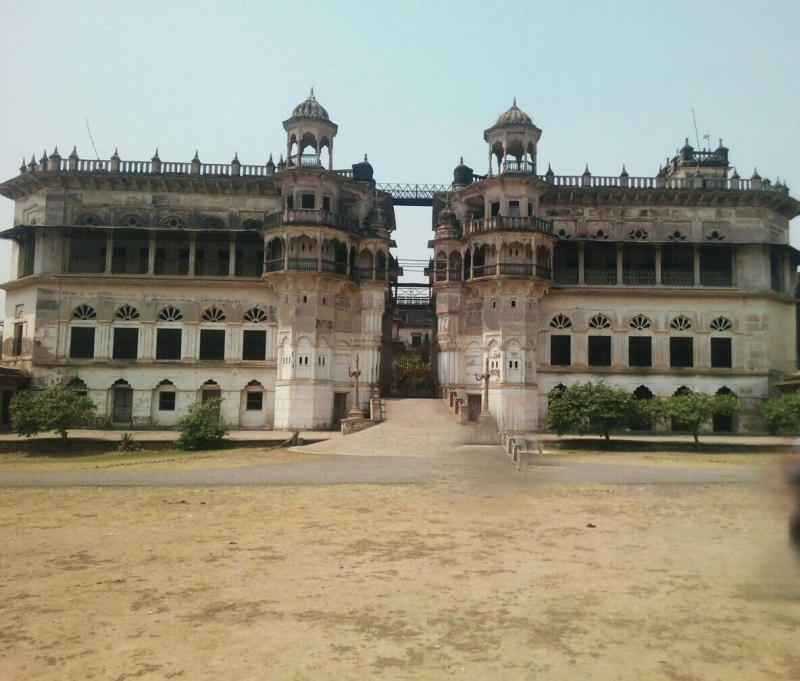
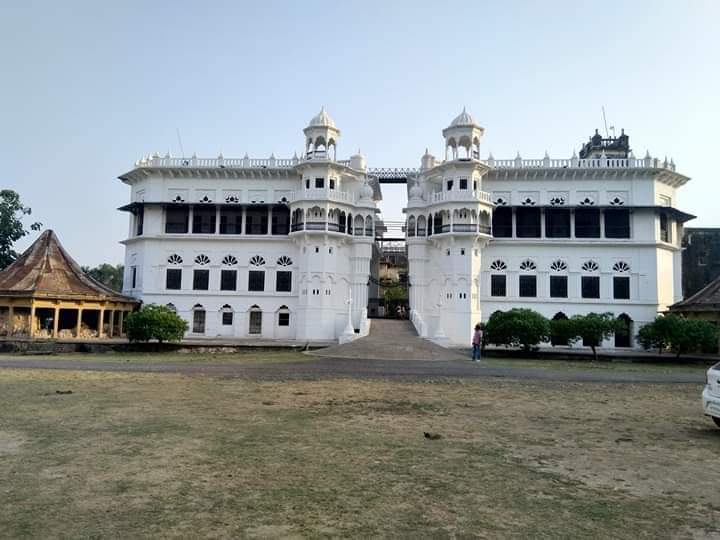
During his tenure as Prime Minister, V.P. Singh made historic decisions, most notably the implementation of the Mandal Commission report, which dramatically reshaped the social and political landscape of modern India. Today, the palace of Manda and the legacy of the Gaharwar dynasty continue to occupy a revered place in the historical and cultural heritage of Uttar Pradesh.
Genealogy
- Raja GUDAN DEO, Raja of Manda, 16th in descent from Raja Manik Chand, established his capital at Manda in 1542; married and had issue.
- Raja Bhojraj Deo (qv)
- Raja Ugrasen, became Raja of Kantit-Vijaipur.
- Raja BHOJRAJ DEO, Raja of Manda
- .....
- Raja UDIT SINGH, Raja of Manda, married and had issue.
- Raja Prithviraj Singh (qv)
- Raja PRITHVIRAJ SINGH, Raja of Manda, 27th in descent from Raja Manik Chand, married and had issue.
- Raja Yashwant Singh (qv)
- Raja Chhatra Sal, succeeded as Raja Saheb of Daiya, married and had issue.
- Several generations
- Raja Bhagwati Prasad Singhji, Raja Saheb of Daiya (qv).
- Rajkumari Ganga Kunwar, married Thakur Sri Narendra Singhji, Jagirdar of Raigaon.
- Several generations
- Raja YASHWANT SINGH, Raja of Manda
- Raja ISRAJ SINGH, Raja of Manda.
- Raja Bahadur RAM PRATAP SINGH, Raja of Manda, born , he was granted the title of Raja Bahadur in January 1913 as a hereditary distinction; married a daugher of Maharaja Sir Radha Prasad Singh Bahadur of Dumraon, and had issue.
- [?Rajkumari (name unknown), married (as his second wife), Maharaj Kumar Samarth Singh of Bhadawar.]
- ......
- Raja Bahadur RAM GOPAL SINGH, Raja of Manda -/1941, he adopted Kunwar Vishwanath Pratap Singh, son of Raja Bhagwati Prasad Singh of Daiya in 1936; married Rani Bhuvaneshwari Kumari, elder daughter of Raja Kamal Narayan Singh of Khairagarh, and had adoptive issue. He died sp 1941.
- (A) Raja Bahadur Vishwanath Pratap Singh (qv)
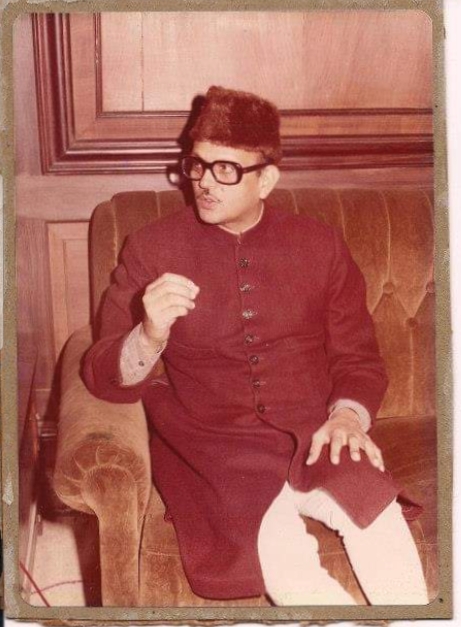
- Raja Bahadur VISHWANATH PRATAP SINGH, Raja of Manda 1941/2008, born in Allahabad, B.A., B.Sc., LL.B., son of Raja Bhagwati Prasad Singh of Daiya, adopted by his predecessor in 1936, educated at Allahabad University, Allahabad and Poona University, Poona; Member of the Uttar Pradesh Legislative Assembly 1969/1971 and 1981/1983 and Member of the Uttar Pradesh Legislative Council 1980/1981; Chief Minister, Uttar Pradesh 1980/1982; Member of the Lok Sabha 1971/1974 and 1980 and Member of the Rajya Sabha 1983/1988; Union Deputy Minister/Minister of State/Minister holding portfolios of Commerce, Supply, Finance and Defence 1974/1977 and 1983/1987; Leader of the house, Rajya Sabha 1984/1987; 8th Prime Minister of India 1989/1990, Foreign Minister 1984/1987, married 25th June 1955, Rani Sita Kumari, born in Deogarh, Udaipur, daughter of Rawat Sangram Singhji II of Deogarh, and his wife, Rani Krishna Kumari, and had issue, two sons. He died at the Apollo Hospital in Delhi, cremated at Allahabad on the banks of the River Ganga on 29 November 2008.
- Raja Bahadur Ajeya Pratap Singh (qv)
- Rajkumar Abhai Pratap Singh, born , married 198x, Rajkumari Niharika Kumari, daughter of Raja Anand Singh of Mankapur, and has issue, two sons.
- Kunwar Akshay Singh, born .
- Kumari Aditi Kumari, born .
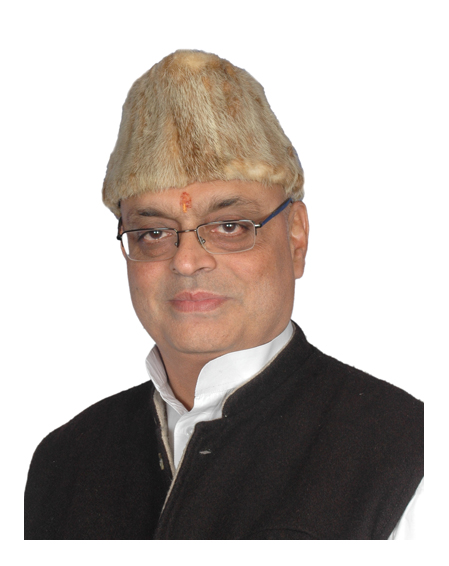
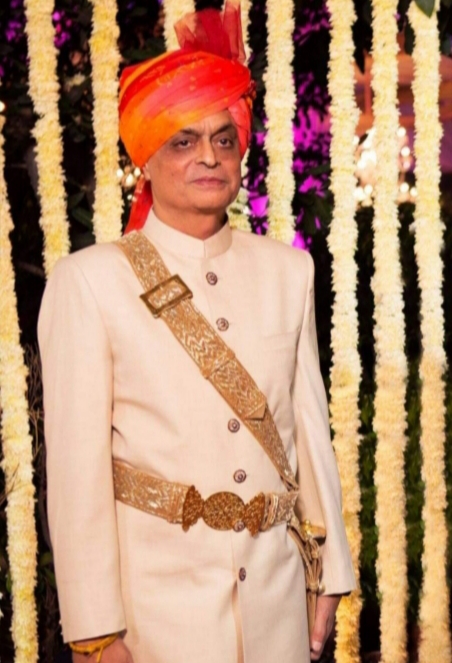
- Raja Bahadur AJEYA PRATAP SINGH, 42nd Raja of Manda (see above)