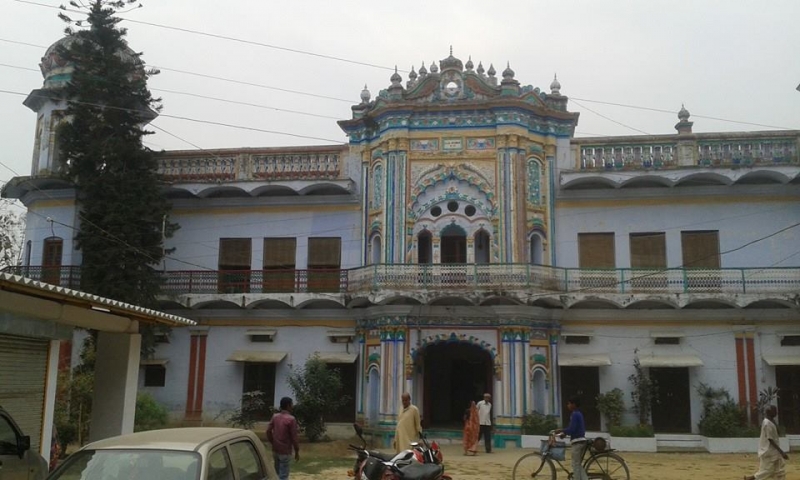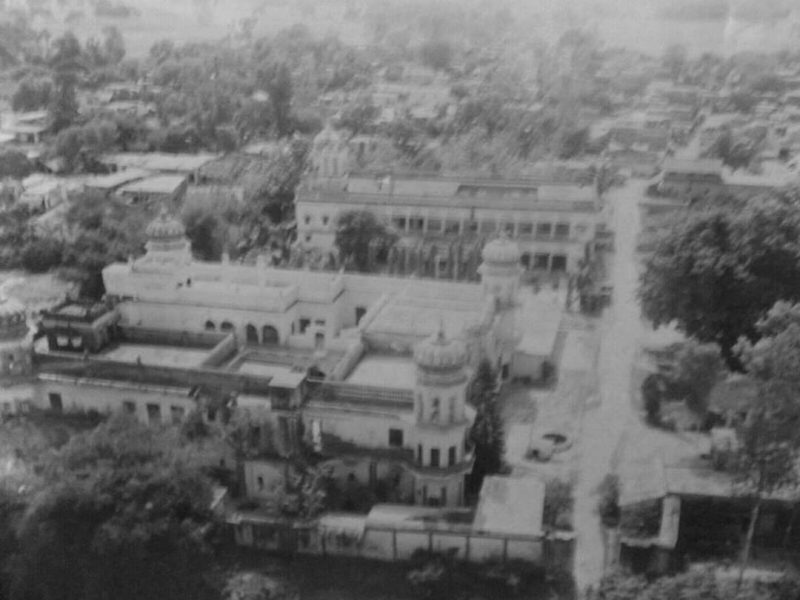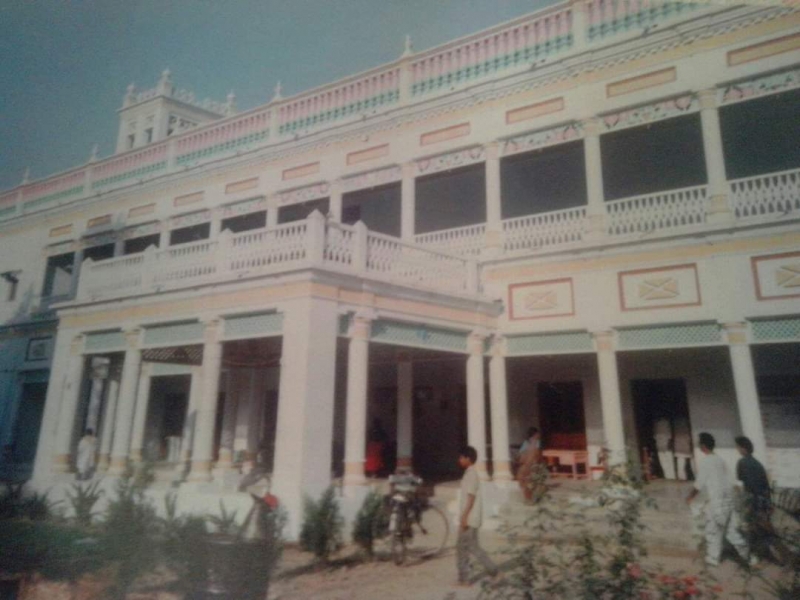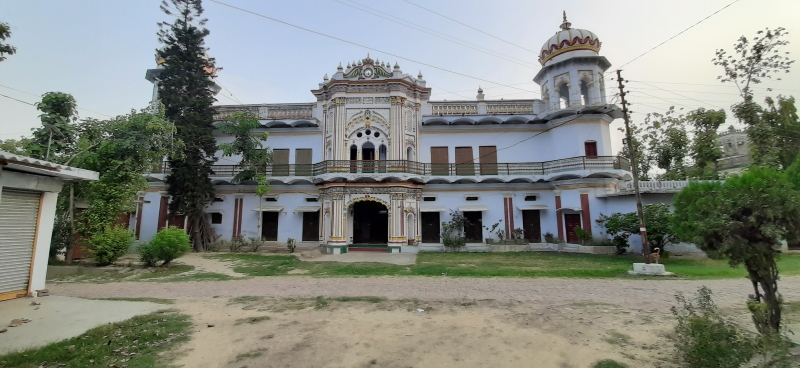
Present Head
- Kumari Sagarika Pal, born .
- Kumari Devika Pal, born .
History
Origin and Migration from the Katyur Empire
The history of the Mahson Zamindari is intimately linked with the glorious lineage of the Suryavanshi Katyuri kings of Uttarakhand. Emperor Brahm Deo was the last ruler of the mighty Katyur Empire (modern day Uttaranchal Kumaon Garhwal region). After Brahm Deo's rule the empire disintegrated, with his grandson Abhay Pal Deo continuing his reign from the kingdom of Askote in Kumaon's Pithoragarh district. Abhay Pal Deo's two younger sons, Alakh Deo and Tilak Deo set out from Askote in 1305 with a large army and after passing through the Terai region and the plains of U.P. came to Gonda/Gorakhpur area. This region was covered in thick jungles and swamps and was inhabited by fierce Bhar tribals. The Ghagra river in the south and Rapti river in the east protected the region from heavy attacks.
The two adventurous princes, Alakh Deo and Tilak Deo, utilized their military prowess to subjugate the local Bhar chieftains. Over time, they cleared the dense forests and established their authority over a vast tract of land. This migration marked the foundation of the Suryavanshi Rajput settlements in the Basti and Gonda regions of Uttar Pradesh. The descendants of these princes eventually bifurcated into distinct branches, leading to the establishment of major estate-holding families, including the Amorha Raj and its prominent offshoot, the Mahson Zamindari.
Consolidation and the Mughal Period
During the medieval period, the Suryavanshi Rajputs of Mahson consolidated their hold over the parganas of Basti. The dense forests and riverine borders of the Ghaghara and Rapti rivers provided a natural defense, allowing the estate to maintain a high degree of autonomy. While successive Delhi Sultans and later Mughal Emperors asserted suzerainty over the region of Awadh and Gorakhpur, the local Suryavanshi rulers of Mahson operated as semi-independent chieftains.
Historical accounts from the Imperial Gazetteer of India indicate that during the reign of Akbar, the region was integrated into the Gorakhpur Sarkar of the Awadh Subah. The Suryavanshi chiefs of Mahson maintained their estates by paying a nominal tribute to the Mughal authorities while retaining complete administrative, judicial, and revenue-collecting powers within their territories.
The Nawabi Era and the British Raj
With the decline of the Mughal Empire in the early 18th century, the region fell under the influence of the Nawabs of Awadh. The Suryavanshi Rajputs of Mahson frequently resisted the revenue demands of the Nawabs' collectors, resulting in intermittent skirmishes. Despite these pressures, the family retained its ancestral landholdings through strategic alliances and defensive warfare.
The situation changed dramatically in 1801 when the Nawab of Awadh ceded Gorakhpur (which then included the modern-day Basti district) to the British East India Company. The Suryavanshi taluqdars of Mahson initially cooperated with the British administration to secure their land rights. However, the aggressive land revenue settlements introduced by the British created deep-seated resentment among the traditional landed aristocracy.
This resentment culminated in the Uprising of 1857. The Suryavanshi Rajputs of the Basti region, including the leaders of Amorha and Mahson, actively participated in the rebellion against British rule. They aligned themselves with the revolutionary forces, offering fierce resistance to the British troops led by Colonel Rowcroft. Following the suppression of the revolt, the British confiscated parts of the estates of rebellious taluqdars, but the core lineage of the Mahson estate managed to navigate the post-1857 settlements, retaining their status as prominent local landlords (Zemindars) throughout the remainder of the British Raj.
Post-Independence and Modern Era
Following India's independence in 1947, the democratic government initiated sweeping land reforms. With the passage of the Uttar Pradesh Zamindari Abolition and Land Reforms Act of 1950 (which came into effect in 1952), the intermediary rights of the Mahson Zamindari were formally abolished. The vast agricultural lands were redistributed to the tenant cultivators who had tilled them for generations.
Despite the loss of their administrative and revenue-collecting privileges, the royal family of Mahson transitioned successfully into modern Indian society. Members of the family have remained active in local public life, philanthropy, and the preservation of their rich cultural heritage. Today, the legacy of the Suryavanshi dynasty of Mahson is remembered as a symbol of Rajput resilience and historical continuity in the Basti district of Uttar Pradesh.
References and Historical Sources
- Official Website of Basti District, Government of Uttar Pradesh
- District Gazetteers of the United Provinces of Agra and Oudh - Basti District
- Digital South Asia Library - Imperial Gazetteer of India
Genealogy
- Raja ALAKH DEO, 1st Raja of Mahson 1305/1342, born , great-grandson of Emperor Brahm Deo and son of Rajwar Abhay Pal Deo of Askote, he led an army into the plains of north-eastern U.P. and killed Kaulbil, the reigning tribal RajBhar. Alakh Deo established his capital 32 km from Basti (100 km from Gorakhpur) in Mahuli village in 1305. The feudal kingdom of Mahson-Mahuli stretched 14 kose (47 kilometers) lengthwise and encompassed several hundred villages; married and had issue. He died .
- Raja Taptej Pal (qv)
- Raja TAPTEJ PAL, 2nd Raja of Mahson 1342/1359, born , during his reign, in 1353, the Emperor of India, Sultan Feroze Shah Tughlaq marched from Delhi leading a massive army to punish the Nawab of Bengal, who had declared his independence from Delhi. In November of that year, Sultan Feroze Shah Tughlaq decided to halt and pitch camp in north-eastern Uttar Pradesh. Here he gathers tribute from the feudal lords and ensures their loyalty to the Delhi Sultanate throne. For the Sultan's Bengal campaign Taptej Deo provides men, arms and materiel. In exchange, the Emperor Sultan grants Taptej Deo the status of 'Raja' and the privileges that come with it, including the right to use 'Pal' as his title, taking from the senior Askote family that Alakh Deo had branched out from, married and had issue. He died .
- Raja Khan Pal (qv)
- Raja KHAN PAL, 3rd Raja of Mahson 1359/1372, born , died .
- Raja KUNWAR PAL, 4th Raja of Mahson 1372/1404, born , died .
- Raja TEJ PAL, 5th Raja of Mahson 1404/1421, born , died .
- Raja SAKAT PAL, 6th Raja of Mahson 1421/1441, born , died .
- Raja MAAN PAL, 7th Raja of Mahson 1441/1480, born , died .
- Raja PARASHURAM PAL, 8th Raja of Mahson 1480/1535, born , died .
- Raja DWEEP PAL, 9th Raja of Mahson 1535/1585, born , died .
- Raja MARDAN PAL, 10th Raja of Mahson 1585/1620, born , In this era the Mughal Empire reached its peak, with Emperor Akbar on the throne of Delhi. The Mughals co-opted various Rajput kingdoms into accepting their hegemony over India. The Mughals either entered alliances or crushed rebellions, ensuring that Rajput feudal lords paid them tribute and collected taxes on Delhi's behalf. Raja Mardan Pal paid annual taxes of 6,18,256 copper Dams (15,456 silver Rupees) to the treasury of Delhi. In addition, he provided a standing army of 2,000 infantry as well as several hundred cavalry, camelry and elephantry to the Mughal Empire; married and had issue. He died .
- Raja Prithvi Pal (qv)
- Raja PRITHVI PAL, 11th Raja of Mahson 1620/1631, born , died .
- Raja YUDHISHTIR PAL, 12th Raja of Mahson 1631/1674, born , died .
- Raja MANI PAL, 13th Raja of Mahson 1674/1710, born , died .
- Raja DWEEP PAL, 14th Raja of Mahson 1710/1730, born circa 1680, during this time the Mughal Empire had weakened and the governor of Awadh established a hereditary kingdom over the entire region of central and eastern U.P. Tribute and taxes was now paid to the Nawab of Awadh; married and had issue. He died .
- Raja Bakhtawar Pal (qv)
- Raja BAKHTAWAR PAL, 15th Raja of Mahson 1730/1774, born , married and had issue. He died
- Raja Sarafraj Pal (qv)
- Raja SARAFRAJ PAL, 16th Raja of Mahson 1774/1833, born , during his reign a fierce attack was launched on the fiefdom in 1780, by neighbouring feudal warlords. At the battlefield of Murkatti (where heads get cut), the Raja emerges victorious but the victory is pyrrhic, with massive losses and weaknesses exposed. It is decided to shift the capital to a more secure location, and the village of Mahson, 22 kilometers away from Mahuli, is chosen; married and had issue, two sons. He died .
- Raja Shamsher Bahadur Pal (qv)
- Lal Pratap Bahadur Pal, married and had issue.
- Lal Tejesawari Pal, married and had issue.
- Lal Rajeswari Bahadur Pal, married and had issue.
- Lal Brijendra Bhadur Pal, born , married and had issue, three sons. He died N ovember 1994.
- Lal Randhir Bahadur Pal
- Lal Dinesh Bahadur Pal
- Lal Surendra Bahadur Pal, married and had issue.
- Kunwar Shashank Bhooshan Pal, born , married to Shikha Pal.
- Yashodhara Pal, born on .
- Vasundhara Pal, born on .
- Yajat Pal, born on .
- Varunima Pal, born on .
- Kunwar Shashank Bhooshan Pal, born , married to Shikha Pal.
- Lal Brijendra Bhadur Pal, born , married and had issue, three sons. He died N ovember 1994.
- Lal Rajeswari Bahadur Pal, married and had issue.
- Lal Tejesawari Pal, married and had issue.
- Raja SHAMSHER BAHADUR PAL, 17th Raja of Mahson 1833/1834, born , in 1801, Nawab Saadat Ali Khan of Awadh surrendered half of the Awadh kingdom to the British East India Company. This included the entire eastern region of Awadh, including Gorakhpur and adjoining districts. The feudal lords in the region had stopped paying taxes to the weakened Awadh empire, and when the East India Company attempted to impose its suzerainty, the feudal lords revolted. The East India Company under British Collector Rutledge for the Gorakhpur region took four years to crush the rebellion, in which they razed the fortifications of several rulers to teach them a lesson. Raja Sarafraj Pal and Shamsher Bahadur Pal settled for peace with the British, under which the Company's hegemony was established in exchange for the Mahson-Mahuli family to continue their privileges as rulers, including the title of 'Raja' as a hereditary right; married to a daughter of the Raja of Balrampur, and had issue. He died .
- Raja MARDAN PAL (qv)
- Raja MARDAN PAL, 18th Raja of Mahson 1834/1850, born , his two younger brothers, including the Thakur of Behil, took part in the revolt of 1857. After the East India Company emerges victorious, they begin a retribution and revenge campaign, in which all properties of the younger brothers are confiscated and given to feudatories who have actively supported the British (the Thakur of Marwatia was a primary beneficiary). The brothers are saved from execution by the intervention of their mother's family (Raja of Balrampur) who played a major role in the revolt actively siding with the British. Both brother's families descend into a state of despair and penury, and are supported with a stipend and property from Balrampur, as well as resettlement by Mahson family; married and had issue. He died .
- Raja BHAWANI GHULAM PAL, 19th Raja of Mahson 1850/1892, born , he favoured his junior wife and granted succession rights to his youngest son from the junior wife, as well as vast properties to two other sons from his junior wife; this was challenged by the eldest son, Narendra Bahadur Pal, in British court of law. Several assassination attempts were made on Narendra Bahadur Pal and he decided to fight the case from exile, supported by his wife's and mother's families. The case went to the Privy Council of the House of Lords, where the verdict was made in favour of Narendra Bahadur Pal as successor to the feudal fiefdom. His father, Raja Bhawani Ghulam Pal, having lost the case, decided to grant in allowance prime revenue properties of Ahra, Budwal and Bithha to his three younger sons, reducing Mahson's revenues by almost half; married twice, including Rani Sartaj Kuwari, and had issue, four sons. He died .
- Raja Narendra Bahadur Pal (by the Senior wife) (qv)
- Thakur Rajendra Bahadur Pal (by Rani Sartaj Kuwari), born in Mahson, succeeded to the estate of Ahra in 1892; married to a daughter of Raja of Karmahiya, and had issue.
- Lal Satrajeet Bahadur Pal of Ahra
- Raja NARENDRA BAHADUR PAL, 20th Raja of Mahson 1892/1924, born , married 1stly, a daughter of the Raja of Gangwal, married 2ndly, a daughter of Raja of Majhgawan, and had issue. He died .
- Raja Vijaipratap Narayn Bahadur Pal (qv)
- Lal Udaipratap Narayan Bahadur Pal
- Lal Bhanupratap Narayan Bahadur Pal, married thrice and had issues, 5 daughters and a son.
- Lal Akhilesh Bahadur Pal, married to Smt. Vijay Pal of Ahirauli State and had issues, 5 daughters and a son.
- Garima Pal, married to Shri. Raghvendra Singh of Karmahiya State.
- Dr. Annpurna Pal, MBBS student at MLN Medical College, Allahabad.
- Upasna Pal
- Akanksha Pal
- Pallavi Pal
- Lal Abhishek Bahadur Pal, born on .
- Lal Akhilesh Bahadur Pal, married to Smt. Vijay Pal of Ahirauli State and had issues, 5 daughters and a son.
- Kumari (name unknown), married Raja Bahadur Kaushalendra Pratap Singh of Kothi, M.P., and had issue.
- Raja VIJAIPRATAP NARAYAN BAHADUR PAL, 21st Raja of Mahson 1924/1930, born , married Rani Pratap Kunwar, born , died , daughter of Thakur Chandra Bhushan Singh of Asothar, and had issue, one son and two daughters. He died .
- Raja Kashi Nath Bahadur Pal (qv)
- Rani Rama Kanta Devi, born , married Raja Shri Niwas Prasad Singh of Bijaipur-Kantit.
- Rani Uma Kanta Devi, born , married Rao Keshav Sen of Kharwa.
- Raja KASHI NATH BAHADUR PAL, 22nd Raja of Mahson 1930/1988, born , member of the Swatantra Party and M.L.A. in U.P. Assembly 1962/1967; married Rani Shaileshwari Kumari, born , died , daughter of Raja Raghuraj Singh of Mankapur, and had issue. He died .
- Raja Kailash Nath Pal (qv)
- Rajkumar Avinash Nath Pal, born , educated at Colvin Taluqdars College (Lucknow), Birla Vidya Mandir (Nainital), graduated in B.Sc in Agriculture from G.B Pant University of Agriculture and Technology Pantnagar (Uttrakhand); married in July 1963 to Kunwarani Usha Pal (born ), daughter of Lal Siddheshwar Bux Singh of Suttha (Raebrali) and has issues.
- Kumari Aparna Pal, born , educated from Loreto Convent Lucknow, graduated from Awadh Girls Degree College (Lucknow), married in 1995 to Kunwar Harsh Narain Singh Chauhan of Chauraipur (Mainpuri, Uttar Pradesh) and has issue, one daughter.
- Kumari Arunima Singh Chauhan, born , studied at Loreto Convent (New Delhi) and graduated from Delhi University.
- Kunwar Anshuman Pal, born 1st Feburary 1969 , educated at Colvin Taluqdars College Lucknow, married on 1st February 1999 to Kunwarani Vineeta Pal (born ), daughter of Shri Nagendra Singh of Beehat (Sitapur) and Rajkumari Vimla Devi of (Daiya) and has issue, one son.
- Kunwar Aryaman Pal Mahson, born , educated at Study Hall (Lucknow), studying BBA in Travel and Tourism from Indian Institute of Tourism and Travel Management (Gwalior).
- Kumari Aparna Pal, born , educated from Loreto Convent Lucknow, graduated from Awadh Girls Degree College (Lucknow), married in 1995 to Kunwar Harsh Narain Singh Chauhan of Chauraipur (Mainpuri, Uttar Pradesh) and has issue, one daughter.
- Rajkumar Umesh Nath Pal, born , married to Kunwarani Prabha Pal and has issue, one daughter.
- Kumari Anupama Pal, born , married 1993, Tarun Sondhi, and has issue.
- Kumari Devyani Sondhi, born .
- Kumari Anupama Pal, born , married 1993, Tarun Sondhi, and has issue.
- Raja KAILASH NATH PAL, 23rd Raja of Mahson [December 1988 - /], born , educated at the Royal Indian Military College, Dehradun, National Defense Academy, and Indian Institute of Technology, Kharagpur (B.Tech.), married July 1963 in Lucknow, Rani Durga Kumari Pal, born , daughter of Raja Himanshudhar Singh of Tekari, and has issue.
- Rajkumar Amitabh Pal (qv)
- Rajkumar Ashutosh Pal, born , educated at Mayo College, Ajmer and University of Chicago, married Kunwarani Gauri Pal, born , daughter of Shri T.P. Nagarajan, I.A.S., and has issue.
- Kunwar Kanishk Pal, born .
- Kunwarani Shaashwati Pal, born .
- Raja AMITABH PAL, 24th Raja of Mahson (see above)
- Thakorani Pratibha Singh of Mahson, married Thakore Saheb Kamal Raj Singhji of Ambliara.