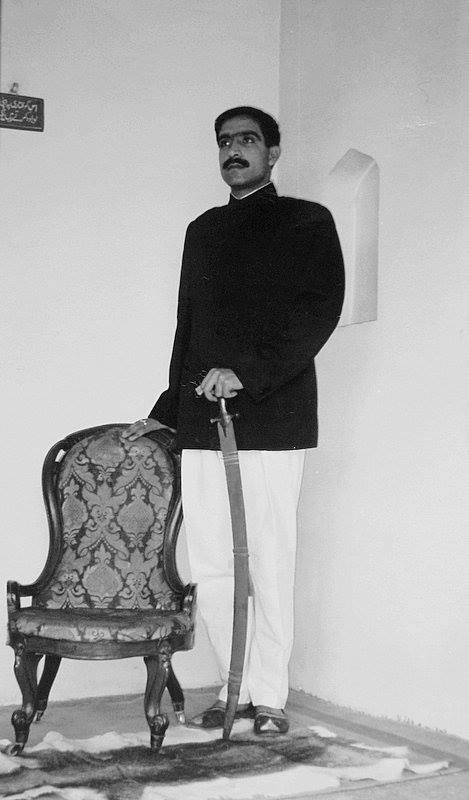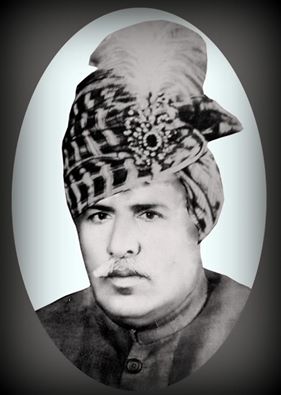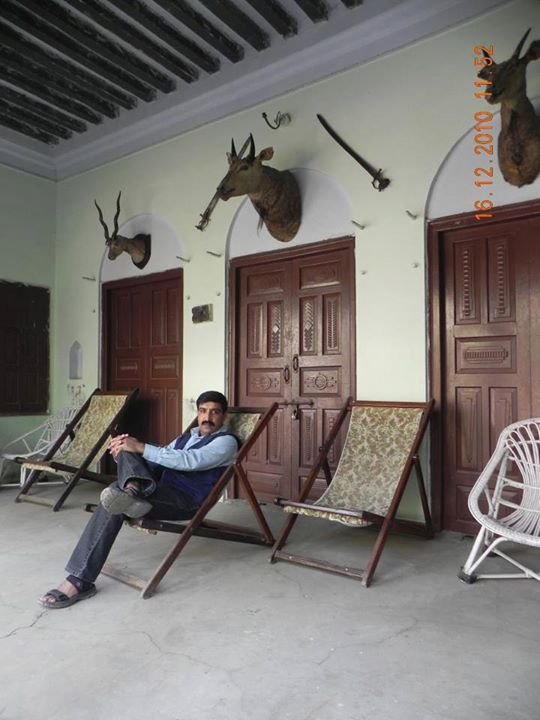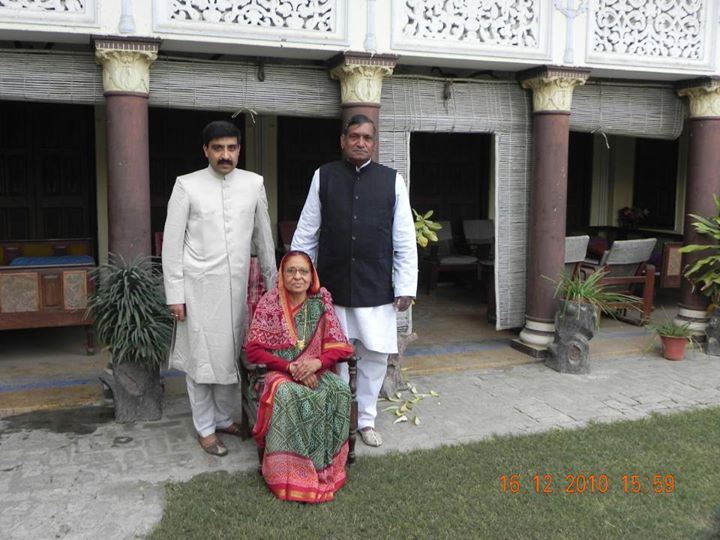
Present Head
- Bai Sahiba Shrut Kirti Raj, born .
- Kunwar Mrityunjay Raj Singh, born .
History
Origin and Foundation
The history of the Jalilpur Zamindari of the Yaduvanshi dynasty is a compelling narrative of adaptation, migration, and political survival during the turbulent transitions of 18th-century North India. The family traces its ancestry back to Rao Gopal Krishan, a prominent Yaduvanshi figure residing in the historical village of Badli, located near Delhi. Badli was historically part of the larger Ahirwal-adjacent region, known for its robust Yaduvanshi (Ahir) settlements that played active roles in the regional politics of Delhi and Haryana.
During the mid-18th century, Rao Gopal Krishan’s son, Rao Tara Chand, entered the imperial service of the Mughal Court around 1750. This era, marked by the reign of Mughal Emperor Ahmad Shah Bahadur, was a period of extreme political instability. Plagued by internal factions, treasury depletion following the raid of Nadir Shah, and frequent Maratha and Afghan incursions, the Mughal court was on the verge of bankruptcy. Finding the imperial service increasingly unsustainable, Rao Tara Chand, like many other enterprising officials of his time, chose to seek fortunes elsewhere. He resigned from his position at the imperial court and migrated eastward into the Upper Doab region, where he entered the service of the prominent Landhaura Riyasat (located in modern-day Haridwar/Saharanpur region), a powerful principality ruled by the Panwar Gurjars.
Establishment of the Jalilpur Seat
The family's fortunes witnessed a spectacular rise under Rao Tara Chand's grandson, Diwan Bhola Singh. Utilizing his administrative acumen and the resources accumulated through decades of loyal service and strategic alliances in the region, Diwan Bhola Singh embarked on a path of territorial expansion. He initially acquired the estate of Mahu. Recognizing the strategic and agricultural potential of the fertile lands along the Ganges in the Bijnor district, Diwan Bhola Singh purchased the estate of Jalilpur from the Nawab of Bachhraon (located in modern-day Amroha district) for a staggering sum of Rs. 80,000—a monumental fortune in the late 18th century.
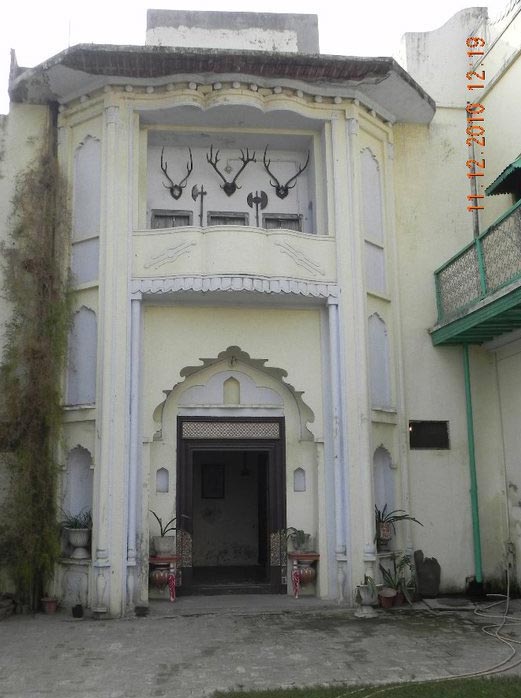
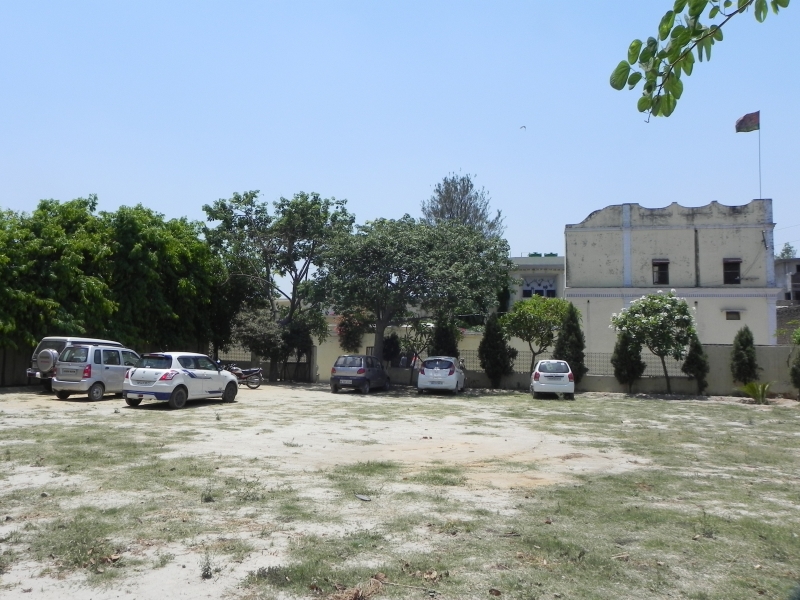
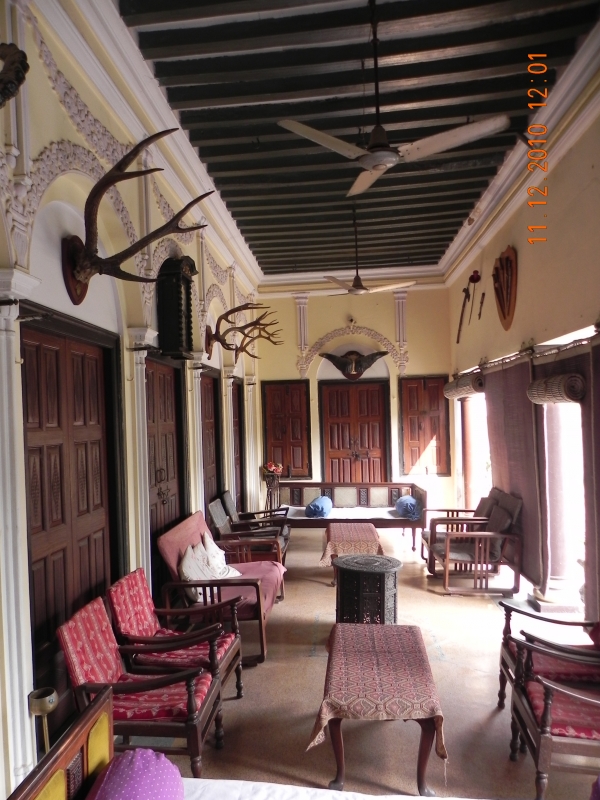
Following this acquisition, Diwan Bhola Singh shifted the primary seat of his family from Mahu to Jalilpur. He established a fortified residence and consolidated his hold over the surrounding villages, formalizing the status of the Jalilpur family as premier Zamindars of the region.
British Period and Regional Influence
Following the cession of Rohilkhand and the surrounding territories to the British East India Company in 1801, the Jalilpur estate transitioned into the colonial land-revenue framework. The British administrators recognized the influence of the Yaduvanshi Zamindars of Jalilpur, confirming their proprietary rights over their ancestral estates during successive land settlements in the Bijnor district.
Throughout the 19th and early 20th centuries, the family maintained its prestige as benevolent landlords, contributing significantly to local agriculture, temple patronages, and community welfare in the Bijnor plains. They navigated the tumultuous events of the 1857 Uprising and subsequent colonial administrative reforms by maintaining local stability and safeguarding the interests of their peasantry.
Post-Independence and Modern Era
With the dawn of Indian Independence in 1947 and the subsequent passage of the Uttar Pradesh Zamindari Abolition and Land Reforms Act, 1950, the formal intermediary rights of the Jalilpur Zamindari were abolished. The family gracefully transitioned into the democratic fabric of modern India, retaining significant portions of their private lands for progressive agriculture.
Today, the descendants of the Yaduvanshi dynasty of Jalilpur continue to reside in the region and across major urban centers in India, active in modern professions, local public service, and agricultural enterprises, while preserving the rich historical legacy of their pioneering ancestors.
Genealogy
- Rao Tarachand, of Badli village (Delhi) served in the Mughal Court, he quit & joined the service of Landhoura Riyasat. Made in-charge of the Revenue Department by Raja Ramdayal in the year 1759. Over a period of time he gained tremendous importance in the court. He had 2 issues.
- Rao Rattan Singh, a brave chivalrous personality appointed in the prime ranks of the troops, in recognition of his dedicated chequered service was designated by the title of Rawal, married to Rao Rani Jas Kunwar, had no issues.
- Kunwar Pratap Singh, appointed Diwan of Landhoura Riyasat, married to Ganesh Kanwar from Nawada family. Granted 11 Villages in Bijnor district for the service rendered during 1857 Mutiny. He had issues, two sons.
- Kunwar Shri Kundan Singh (qv)
- Kunwar Shri Bhola Singh (qv)
- Kunwar Kundan Singh (1858), studied in Roorkee, married Kunwarani Bilasi Devi of Asmoli Zamindari and had issues, three sons.
- Kunwar Guru Sahay, married at Dekwada, and had two issues.
- Ch. Jyoti Prasad, was appointed Judicial Assessor for life Dist Court Bijnor.
- Bai Sahiba Manu Kunwar
- Kunwar Hori Singh, studied at St John's School Agra, married into Saidpur family, had no issues.
- Kunwar Harsaroop Singh (1884), studied at St'Georges School Mussoorie, married Kunwarani Jaddhav Kanwar, daughter of Lt. Col. Dhabhai Ganeshi Lal (Diwan of Alwar State).
- Kunwar Guru Sahay, married at Dekwada, and had two issues.
- Diwan Bhola Singh (1860), entrusted the hereditary responsibility of Diwan by Rani Dhan Kunwar. He later quit the appointment & started sharing the responsibility of estate management at Mahu, further expanded the estate & shifted his headquarter to Jalilpur, he had issues, a daughter and two sons.
- Bai Sahiba Ishwar Devi
- Kunwar Jagdish Singh (qv)
- Kunwar Balbir Singh (died young)
- Ch. Kunwar Jagdish Singh, (1894) he was a man who could foresee future far beyond his time, realized the importance of industrialization he started the first sugar mill (1930), implemented the latest technique & reforms to improve the output of the estate. He was a great Philanthropist, contributed tremendously to upliftment of his subject, built large number of buildings including schools, temples, hospital and panchayat ghar; a great patron of education, funded several scholarship for the distressed people. He was awarded numerous Sanads and Certificates for meritorious service rendered. He married 1stly to Kanwarani Chand Kunwar, daughter of Ch. Raghuveer Singh of Delhi, she had two issue, he married 2ndly to Kunwarani Sartaj Kanwar of Dharouli Zaildari in Mahendaragrah, and had issue.
- Bai Sahiba Shakuntala Kunwar (1927), married Kunwar Ishwar Prasad of Akka Dillari Estates (by Chand Kunwar).
- Kunwar Gajraj Singh (1930) (by Chand Kanwar)
- Kunwar Yash Raj Singh (by Sartaj Kanwar) (qv)
- Kunwar Raghu Raj Singh (by Sartaj Kanwar)
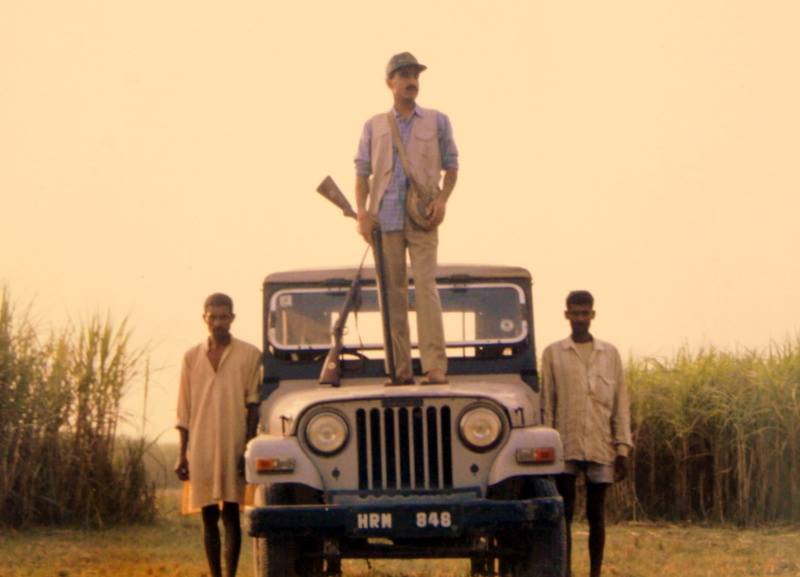
- Kunwar Yash Raj Singh, Block Pramukh-Jalilpur Block, Honorary Wildlife Warden-Hastinapur Sanctuary, Life member UP State Rifle Association and District Rifle Association Bijnor, Chairman of Shree Krishna Inter College, Chairman of District Cooperative Society , Life Member - Sri Vidur Sewa Ashram Dara Nagar. Married to Kunwarani Sharda Devi of Bhiraoti Raj (Badaun), she died on .
- Kunwar Pawan Raj Singh, studied in Wynberg Allen School, Mussoorie and Lucknow University.
- Kunwar Prashant Raj Singh, studied in Wynberg Allen School, Mussoorie.
- Lt. Col. Kunwar Atul Raj Singh (qv)
- Kunwarani Shrutkirti Raj Singh
- Kunwar Mrityunjay Raj Singh
- Lt. Col. Atul Raj Singh (see above)