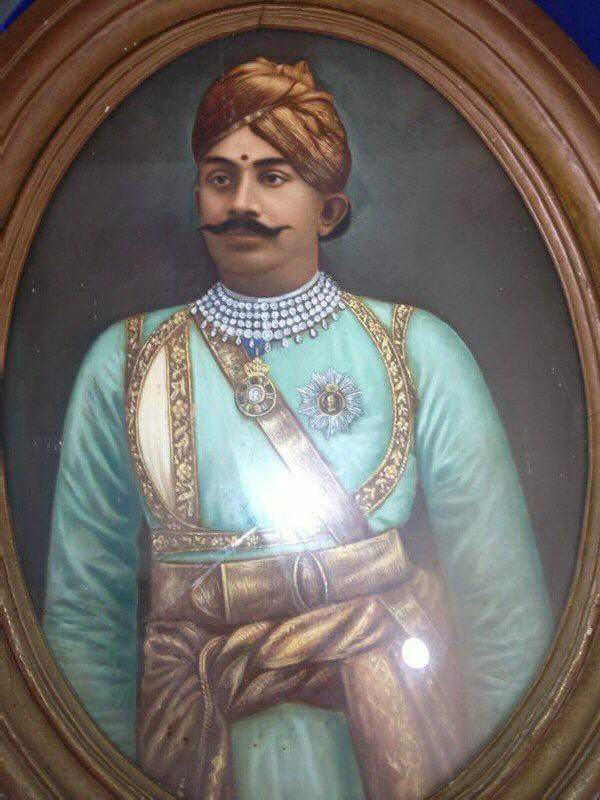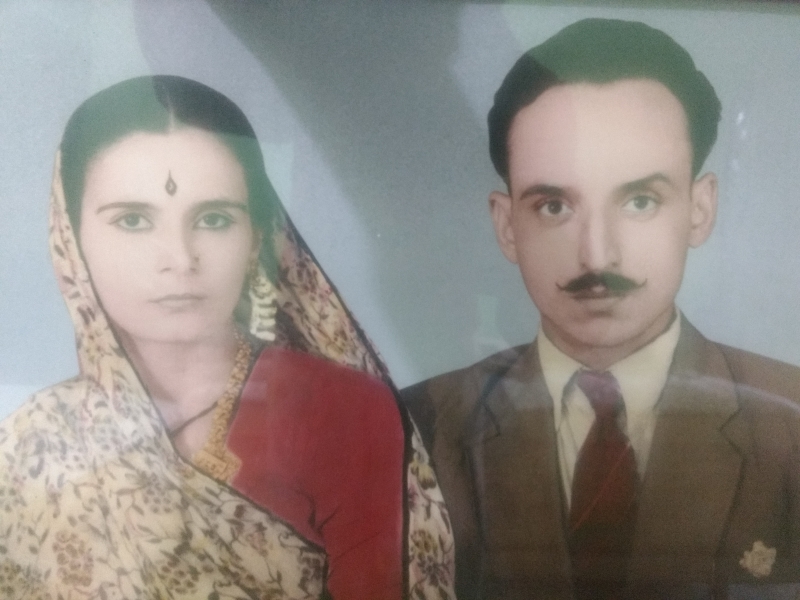
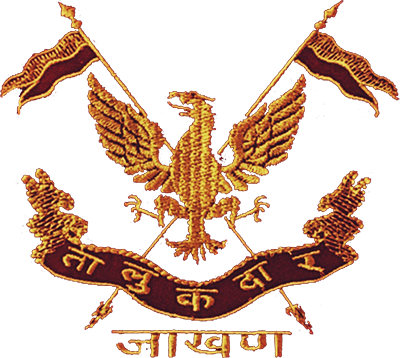
Present Head
History
Origin and Foundation
The estate of Jakhan was established in the mid-17th century, around 1650, by Thakore Shree Jetsinhji (popularly known as Jethiji). He was the third son of Thakore Saheb Shree Adaji III of Shiyani, which was an important branch of the Limbdi State. The Jhala Rajputs of Kathiawar frequently distributed territories among younger sons as appanages (locally known as Kaphal or Giras), leading to the creation of several smaller talukas and estates under the suzerainty of the parent state or under direct British supervision in later years.
The Jhala Clan Affiliation
As members of the Jhala Rajput clan, the rulers of Jakhan traced their ancestry back to the legendary Harpaldevji and Shaktidevi. The Jhalas were renowned for their administrative capabilities and martial traditions in the Jhalawar region of Kathiawar. Over generations, the talukdars of Jakhan maintained close familial and political ties with neighboring Jhala principalities like Wadhwan, Sayla, and Chuda.
British Period and Administrative Classification
During the British Raj, the political landscape of Kathiawar was organized into several administrative classes based on revenue, jurisdiction, and size. Jakhan was classified as a fifth-class state within the Jhalawar Prant of the Kathiawar Agency. Under the British settlement supervised by Colonel Alexander Walker in 1807–08, tributes (known as Jamabandi) were formalized. Jakhan, like many minor estates in the region, paid tribute to the British government and occasionally to the Gaekwad of Baroda through the regional Thana system (often managed under the Bhoika Thana).
Despite its limited geographical footprint and revenue, the rulers of Jakhan exercised civil and criminal jurisdiction over their territory, subject to the supervision of the British Political Agent stationed at Rajkot.
Post-Independence and Modern Era
Following India's independence in August 1947, the last ruler of Jakhan, along with other rulers of the Kathiawar Agency, signed the Instrument of Accession to the Dominion of India. On February 15, 1948, the estate was formally integrated into the United State of Kathiawar, which later came to be known as the Saurashtra State. In 1956, Saurashtra was merged into the bilingual Bombay State, and subsequently, with the linguistic reorganization of states in 1960, Jakhan became a part of the Surendranagar district of the modern-day state of Gujarat.
References and External Links
- For detailed geographical and historical classifications of the Jhalawar Prant, see the Gazetteer of the Bombay Presidency: Kathiawar (Volume VIII) on the Internet Archive.
- Learn more about the history of the Jhala rulers of Kathiawar via the Encyclopædia Britannica entry on Gujarat.
Genealogy
- Namdar Taluqdar Shree Ramsinhji
- Anandsinhji (qv)
- Dilipsinhji
- Ghanshyamsinhji
- Namdar Taluqdar Shree Anandsinhji
- Kishoresinhji (qv)
- Rajendrasinhji
- Kildeepsinh
- Rohitsinh
- Janaksinhji
- Mayanksinh
- Balbhdrasinhji
- Dushyantsinh
- Yuvrajsinhji
- Virendrasinh
- Kiritsinhji
- Kumarpalsinh
- Namdar Taluqdar Shree Kishoresinhji
- Krishnadevsinh (qv)
- Namdar Taluqdar Shree Krishnadevsinhji (see above)