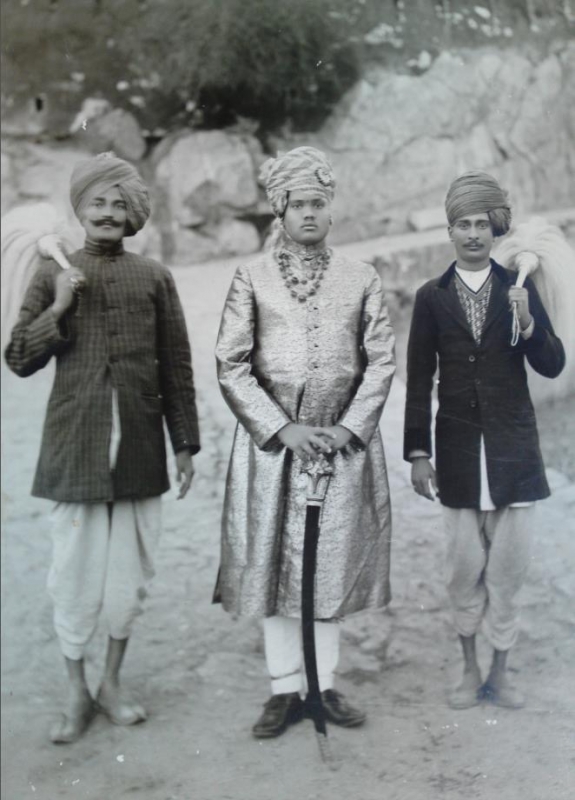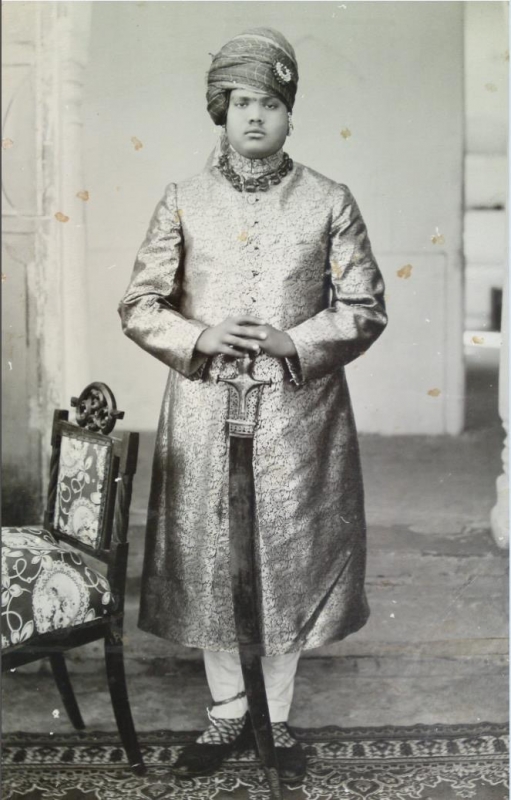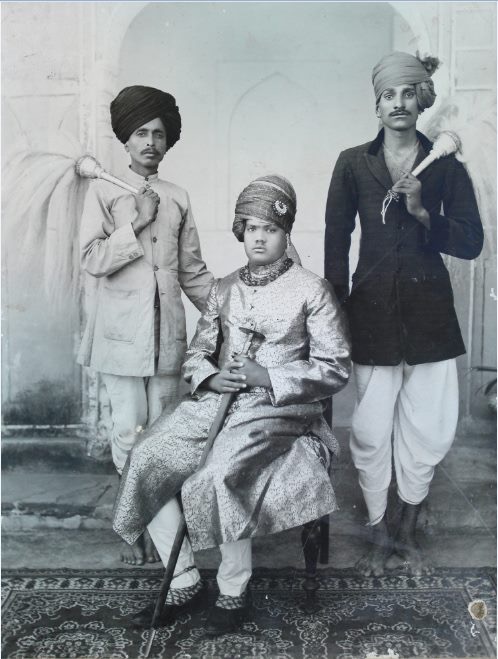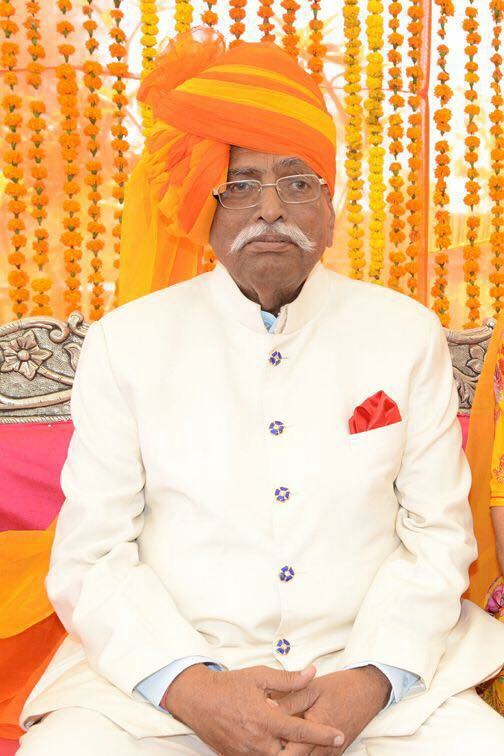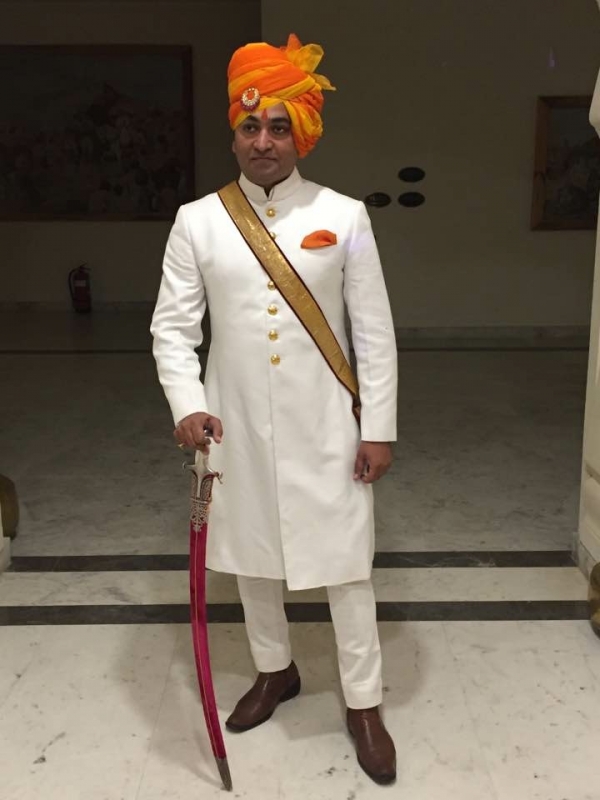
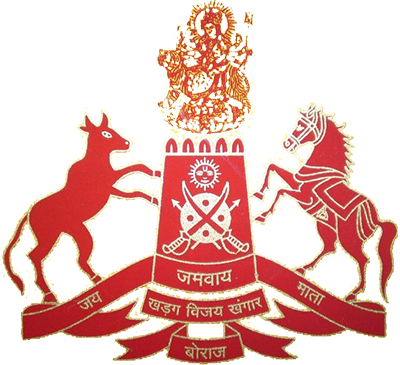
Present Head
History
Origin and Foundation of Boraj Thikana
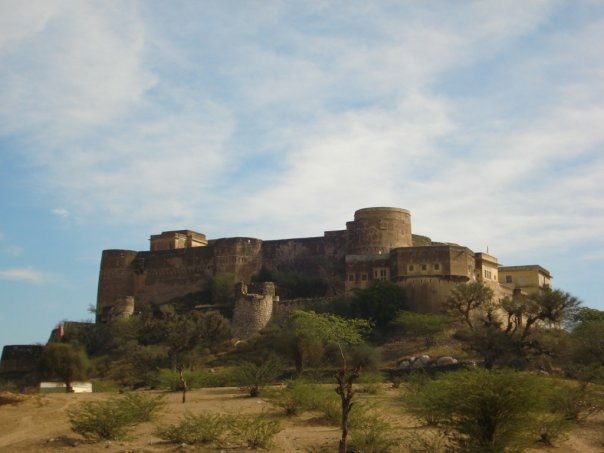
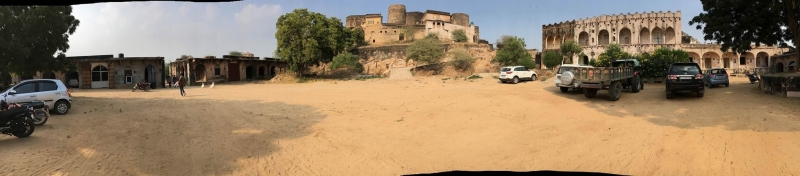
Boraj is recognized as one of the most prominent and historically significant Tazmi Thikanas of the Khangarot subclan of Jaipur state. Situated approximately 40 to 45 kilometers from the capital city of Jaipur, between the historical towns of Mahlan and Jobner, Boraj holds a central position in the early annals and expansion of the Khangarot Rajputs.
The foundations of Khangarot dominance in this region were laid in 1549 during a decisive military campaign. Rao Khangar, the eponymous founder of the Khangarot subclan of the Kachwaha Dynasty, along with his father Rao Jagmal (the son of Raja Prithviraj Singh I of Amber) and his brothers, launched an assault on the strategic fort of Boraj. The fort was successfully captured, though at a heavy personal cost to the family; three of Rao Khangar's brothers—Singhdev (popularly known as Singha), Jai Singh (Jaisa), and Sarangdev—attained martyrdom on the battlefield.
Following this conquest, Rao Jagmal and Rao Khangar systematically expanded their territory, subjugating nearby strategic strongholds including Jobner, Kalakh, and Naraina. The formidable Boraj Fort served as a secure residential stronghold for Rao Khangar's queens for many years. Following Rao Khangar's heroic death in the Battle of Mandal in 1583, his queens performed the sacred rite of Sati, immortalizing the fort's connection to the early chivalric traditions of Amber.
The Maratha Wars and the Era of Thakur Sakat Singh
The modern lineage of the Boraj ruling family descends directly from Thakur Shivdaan Singh (also recorded as Shyodaan Singh). However, the thikana experienced a major political and territorial revival under his son, Thakur Sakat Singh, in 1763. Recognizing his loyalty and military capabilities, Maharaja Sawai Madho Singh I of Jaipur personally visited the Boraj Haveli. During this visit, the Maharaja bestowed the prestigious status of Tazmi Thikana upon Boraj, presenting Thakur Sakat Singh with a Zari Turban, an elephant, a ceremonial sword, and a Khadag (the traditional heavy double-edged sword favored by the Khangarots).
Thakur Sakat Singh’s tenure coincided with intense Maratha incursions into Rajasthan. In 1786, approximately six months prior to the historic Battle of Lalsot (Toonga), a fierce clash took place against the Maratha forces near Boraj. Thakur Sakat Singh, alongside allied Khangarot chieftains from neighboring estates, defended the region bravely. His brother, Jawaan Singh, along with several other Rajput warriors, sacrificed their lives in this engagement.
In the subsequent Battle of Toonga in 1787, Thakur Sakat Singh displayed exemplary military prowess in support of the Jaipur State against the forces of Mahadji Scindia. In recognition of his valor and tactical contributions, Maharaja Sawai Pratap Singh appointed him as the Killedar (fort commander) of three critical defensive outposts of Jaipur: Jaigarh Fort, Nahargarh Fort (then known as Sudarshangarh), and Hathroi Garh. Furthermore, the state granted three additional villages—Mirzapur, Rojdi, and Guda Bersal—to the Boraj Thikana in 1787, greatly enhancing its revenue and territorial influence.
The British Period and Administrative Eminence
The nineteenth century saw Boraj transition from a war-oriented estate to an administrative and political hub within the Jaipur princely state under the British Raj. Thakur Sakat Singh was succeeded by his son, Thakur Udai Singh, who further expanded the territory and consolidated the estate's resources through successful campaigns.
His successor, Thakur Inder Singh, was appointed to the high office of Minister of Forest and Hunting for the Jaipur State, while also retaining the hereditary military command as the Killedar of Jaigarh.
During the Indian Uprising of 1857, the next ruler, Thakur Shiv Singh Ji, commanded state forces and demonstrated notable military capability in the Delhi campaign under the nominal alliance of the British and the Jaipur Durbar. For his services, he was decorated with medals and formal honors at the Viceroy’s Durbar alongside Maharaja Sawai Ram Singh II. Thakur Shiv Singh Ji also served with distinction as the Nazim (administrative governor) of the volatile districts of Ramgarh Torawati and Shekhawati, ensuring civil stability during a period of widespread transition.
In the late nineteenth and early twentieth centuries, succession in Boraj was maintained through traditional adoptions from closely related Khangarot branches:
- Thakur Vijay Singh: Adopted from the Guda Saaypura family, he successfully managed the estate's civil administration.
- Thakur Nahar Singh: Adopted from Rasili, he became a trusted confidant of Maharaja Sawai Madho Singh II of Jaipur.
- Thakur Zorawar Singh: Adopted as successor to his elder brother Nahar Singh, he was a keen builder who commissioned several new palaces (Mahals) within the Boraj Fort, significantly strengthening the estate's treasury and architectural footprint.
- Thakur Ganpat Singh: Adopted from the Hirnoda Thikana, he ruled as the last formal non-titular Thakur of Boraj prior to the integration of princely states.
Post-Independence and Modern Era
Following the independence of India in 1947 and the signing of the Instrument of Accession by Jaipur State, the feudal privileges and jagirs were abolished under the Rajasthan Land Reforms and Resumption of Jagirs Act, 1952. Thakur Ganpat Singh's son, Thakur Sajjan Singh, was a highly educated and progressive community leader who guided the estate through the transition into modern democratic India.
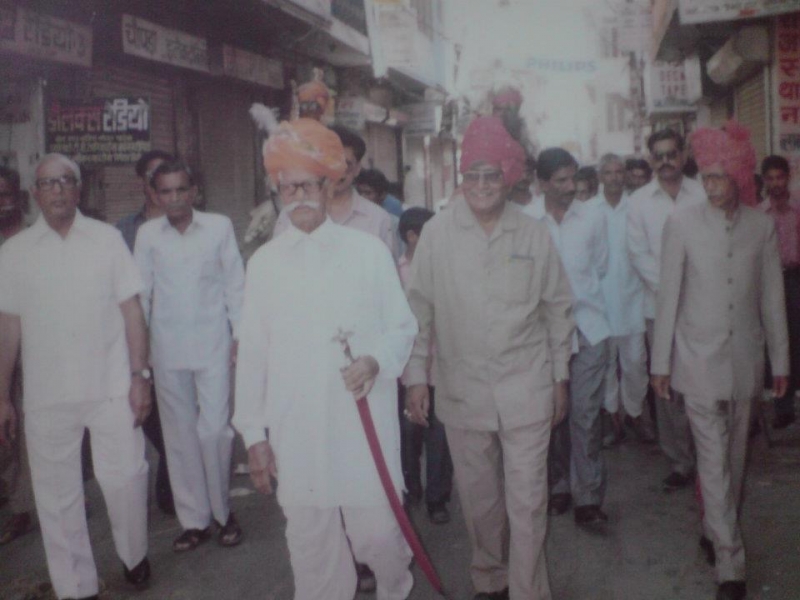
His eldest son, Thakur Durgadas Singh Ji, served as a prominent local leader and public administrator, holding the position of Sarpanch of Boraj. He was also a respected local historian dedicated to preserving the archival records of the Khangarot clan. Following his demise without a direct male heir, his nephew, Thakur Trivendra Singh (grandson of Thakur Sajjan Singh), was adopted to succeed to the historical gaddi (titular headship) of the Boraj Thikana, continuing the cultural and charitable traditions of this historic estate.
References and Historical Sources
- Sarkar, Jadunath (1984). A History of Jaipur: C. 1503-1938. Orient Blackswan.
- Showers, H. L. (1916). Notes on Jaipur. Asiatic Society of Bengal.
- Tod, James (1829). Annals and Antiquities of Rajasthan. Smith, Elder and Co.
Genealogy
- Thakur Shivdan Singh of Ugriyawas
- Thakur Sakat Singh, one of the most famous ruler of Boraj.
- Thakur Udai Singh
- Thakur Inder Singh, head of forest department and hunting along with killedaar of Jaigarh (Jaipur State).
- Thakur Shiv Singh, helped British Army in many wars during reign of Sawai Ram Singh of Jaipur.
- Thakur Vijay Singh Ji, Tazmi sardar of Jaipur state, married and had adoptive issue.
- Thakur Nahar Singh Ji, prominent sardar during Sawai Madho Singh Ji 2nd, married and had adoptive issue.
- Thakur Zorawar Singh Ji, married and had adoptive issue from Thikana Hirnoda.
- Thakur Ganpat Singh Ji, last Thakur of Boraj before Independence.
- Thakur Sajjan Singh Ji, married and had issues, 4 sons.
- Thakur Durgadas Ji, famous historian and Sarpanch of Boraj, married and had adoptive issue.
- Thakur Trivendra Singh Ji, present Thakur of Boraj, son of younger brother of Thakur Durgadas Ji. (see above)