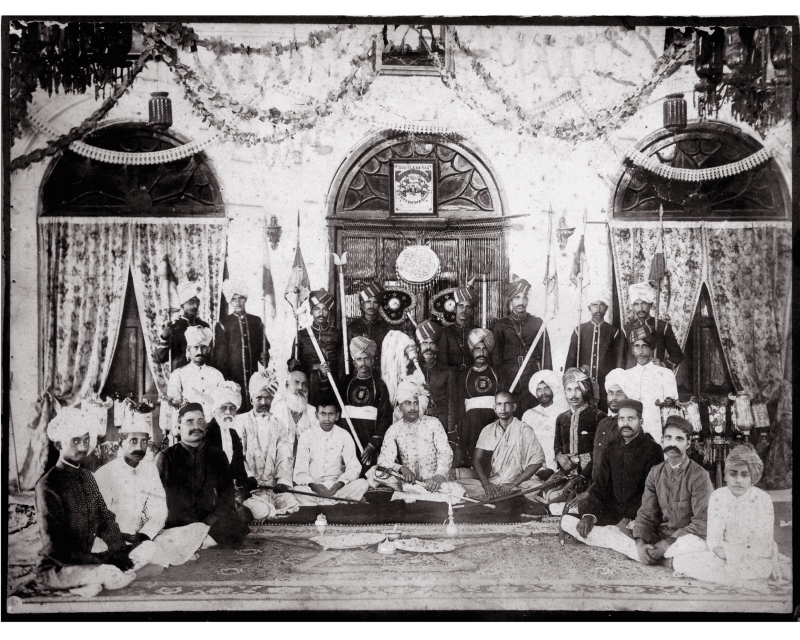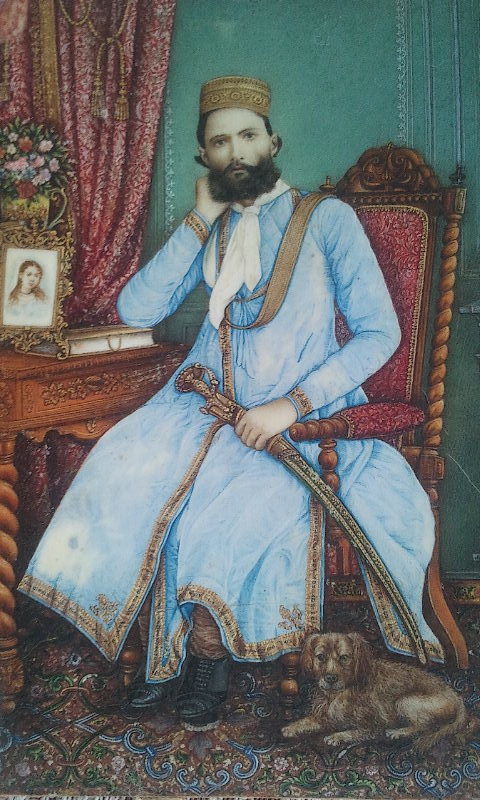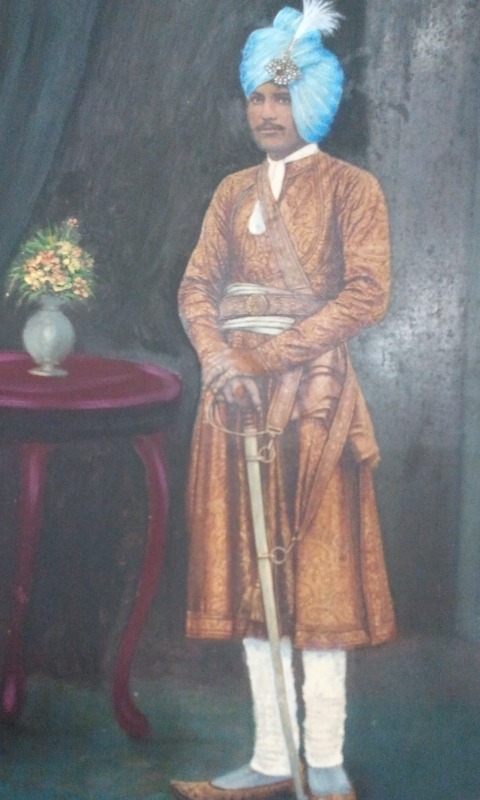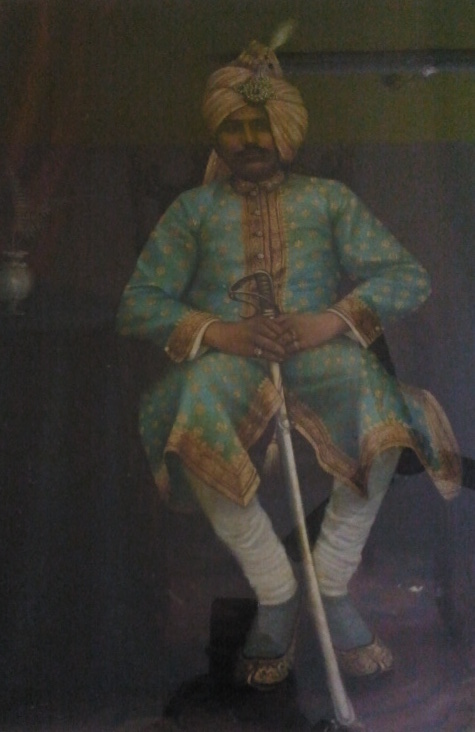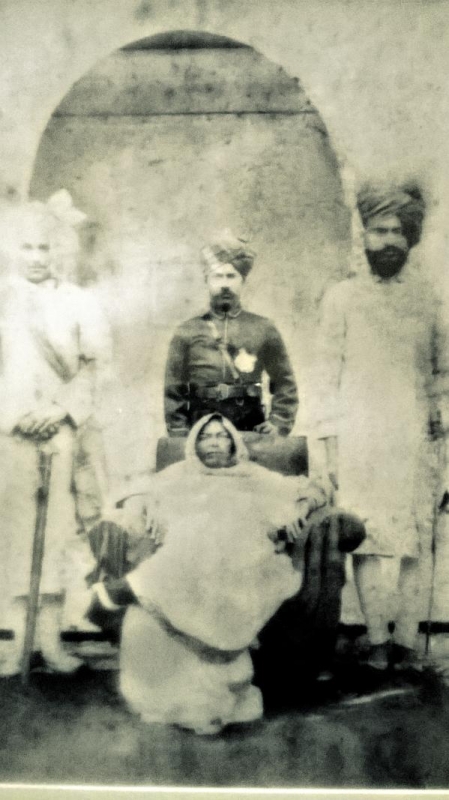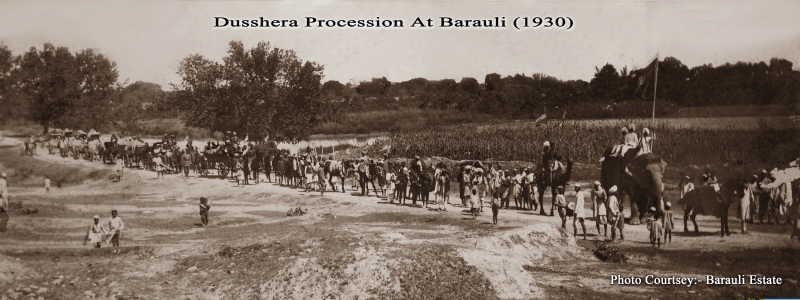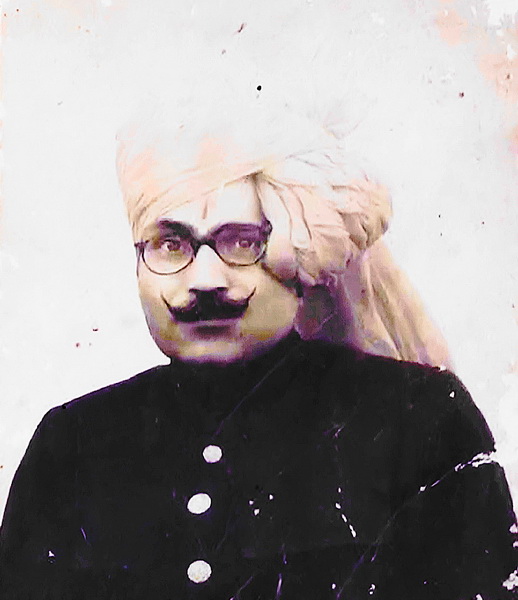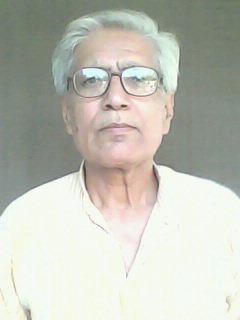
Present Head
- Kunwar Aditya Pratap Singh
- Kunwar Anirudhha Pratap Singh
History
Origin and Foundation of Barauli Rao
The history of Barauli Rao is intimately linked with the rise of the Bargujar (Badgujjar) clan of Rajputs in the Upper Doab region. The estate was founded in Samvat 1122 (1065 A.D.) by Raja Pratap Singh, a prominent Badgujjar Rajput ruler. Raja Pratap Singh established his stronghold by marrying the daughter of the contemporary Dor Rajput king of Kol (modern-day Aligarh). As part of this matrimonial alliance, Raja Pratap Singh received a dowry of 156 villages from the Dor monarch. At its zenith, the state of Barauli exercised authority and influence over a vast tract comprising 1,656 villages.
The Badgujjars, who claim solar descent (Suryavanshi), established Barauli as a central seat of power in the region, serving as a buffer and a key geopolitical player in the shifting alliances of medieval northern India. The strategic location of Barauli in the fertile plains between the Ganges and the Yamuna rivers contributed significantly to its agricultural wealth and political stability.
Medieval Period and Mughal Relations
During the medieval era, particularly with the advent of the Delhi Sultanate and later the Mughal Empire, the rulers of Barauli adapted to the changing political landscape while preserving their local autonomy. According to historical records, including the Aligarh District Gazetteer, the Badgujjars of the region maintained a complex relationship with the imperial power in Delhi.
While some branches of the broader Badgujjar clan converted to Islam during the Mughal reign (becoming known as the Lalkhani Rajputs), the Rao of Barauli maintained their ancestral Hindu traditions and continued to rule their estate as influential local chieftains. Under the Mughal administrative system, the rulers of Barauli were recognized as tributary landlords (Zamindars or Talukdars) and were granted the hereditary title of Rao, which they retained through subsequent centuries.
The British Raj and Administrative Prominence
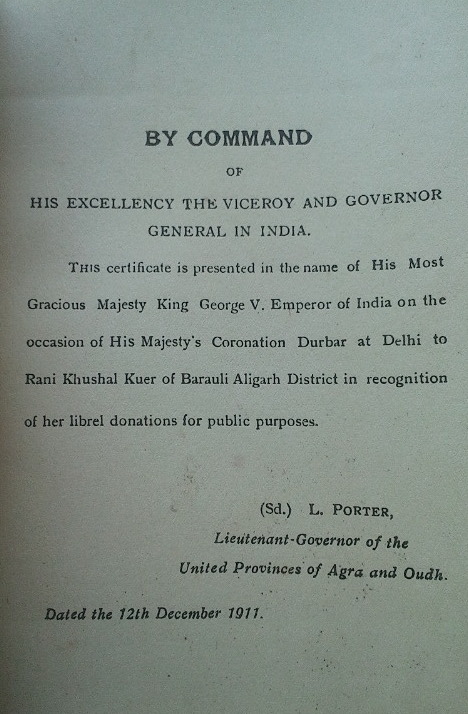
With the decline of the Mughal Empire and the brief ascendancy of the Marathas in the Doab region, the British East India Company established dominance over Aligarh in the early 19th century. Under British rule, Barauli was recognized as a premier Jagir (estate). The British administrators respected the traditional rights of the Rao of Barauli due to their deep-rooted influence over the local peasantry and their lineage.
The Raos of Barauli during the 19th and early 20th centuries were known for their administrative reforms, patronage of local arts, and contribution to agrarian development. They established schools, constructed public wells, and participated actively in the local governance of the Aligarh district.
Post-Independence and Modern Era
Following India's independence in 1947, the princely states and estate jagirs underwent a massive socio-political transformation. With the passage of the Uttar Pradesh Zamindari Abolition and Land Reforms Act, 1950, the proprietary rights of the Barauli Rao estate over its constituent villages were formally abolished, and the agricultural lands were transitioned to the actual tillers of the soil.
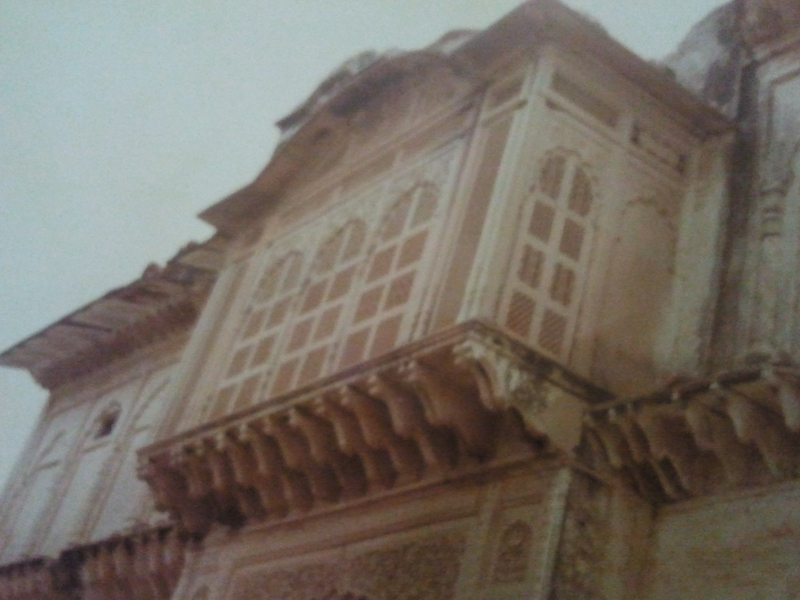
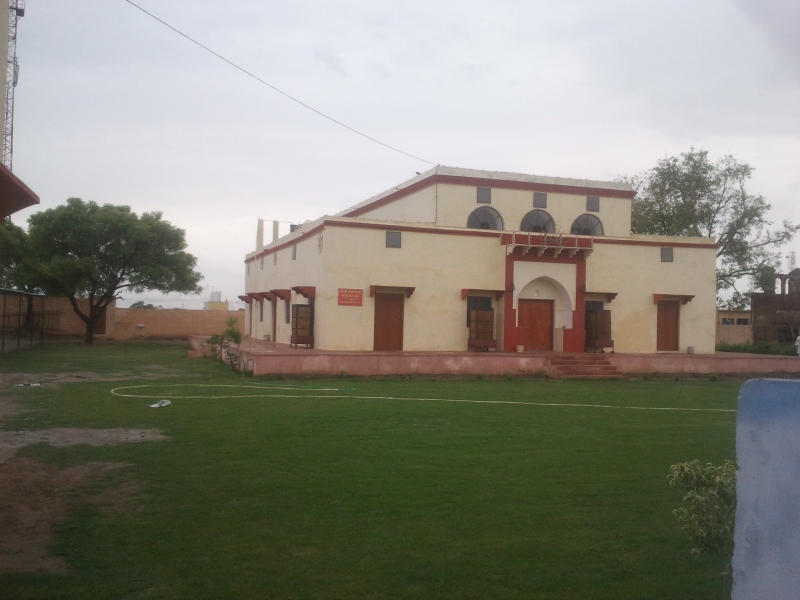
Despite the loss of administrative and revenue-collecting powers, the family of Barauli Rao continues to hold high social standing in the Aligarh district. The historical legacy of the Badgujjar dynasty of Barauli is preserved today through local folklore, historical monuments, and the ongoing cultural influence of the royal descendants in the region.
Genealogy
- Raja Udai Raj Ju (Rular of Rajaurgarh estate)
- Raja Rajdeo Ju
- Raja Babar Dev Ju
- Raja Koop Chand Ju
- Raja Pohap Singh alis Haiwat Singh
- Raja Maha Singh Ju; wives (i) Rani Sahaj Kunwari of Amber estate & (ii) Rani Nem Kunwari of Ajmer State.
- Raja Pratap Singh, first ruler of Barauli State, he established Barauli State with 1656 villages & made his capital, he was born to Rani Nem Kunwari who was the sister of the great warrior and emperor Prithviraj Chauhan.
- Rao Ran Ju alis Ranji alis Ramu ji (Barauli, Aligarh 400 villages)
- Rao Basantpal (Majhaula, Budaun 400 villages)
- Rao Jatu ji (Chaundera, Aligarh 400 villages)
- Rao Hathi Sah (Narauli, Moradabad 400 villages)
- Rao Budhan Dev (Jadwar, Gunnaur, Budaun 56 villages). He was to a Dhimar woman named Kol Dhinwari.
- Rao Devpal Ju
- Rao Suraj sen Ju alis Sujan Singh
- Rao Ugra sen Ju
- Rao Chandra Bhan Ju
- Rao Daupal alis Devpal Ju
- Rao Dilip Singh alis Dalpal Ju
- Rao Rukam Singh alis Rukmanand Ju
- Rao Hammir Singh Ju (His wife Rani Kamlavati became Sati)
- Rao Virbhandra Ju (His son Rao Balram was ruler of Bara estate & grandson Rao Bhao Singh alis Bhau ji established, village Nagaula, Jawan Sikandarpur, Aligarh)
- Rao Raibhan Ju
- Rao Sultan Singh Ju
- Rao Amrit Sahai Ju
- Rao Virbhan Singh Ju
- Rao Khangar Singh alis Taleband Singh friend of Mughal Prince Dara Shikoh
- Rao Jai Singh alis Jait Singh (Martyr in a war)
- Rao Baj Bahadur Singh Ju
- Rao Anand Singh
- Rao Balwant Singh
- Rao Gulab Singh
- Rao Indrajit Singh
- Rao Karan Singh, his grandson (daughter's son) Rao Raghuraj Singh, was the ruler of Bajgarhi estate, Aligarh
- Rao Raj Kumar Singh, M.L.A.
- Rao Madhusudan Singh