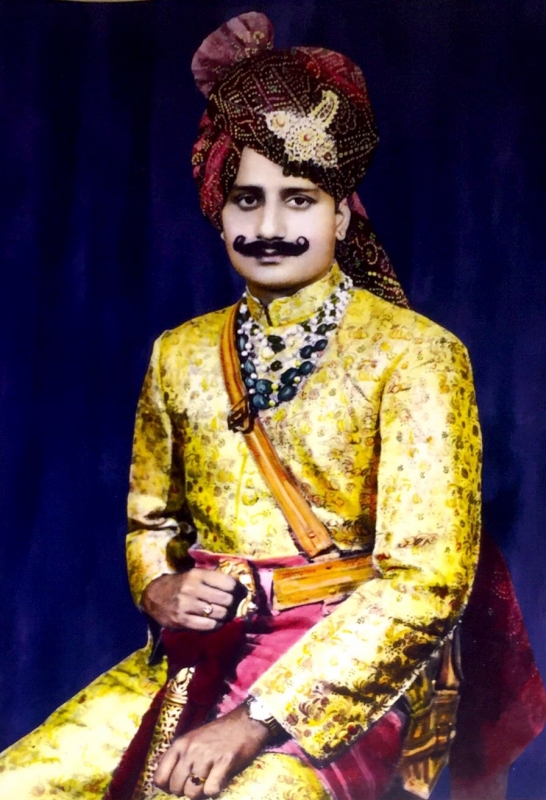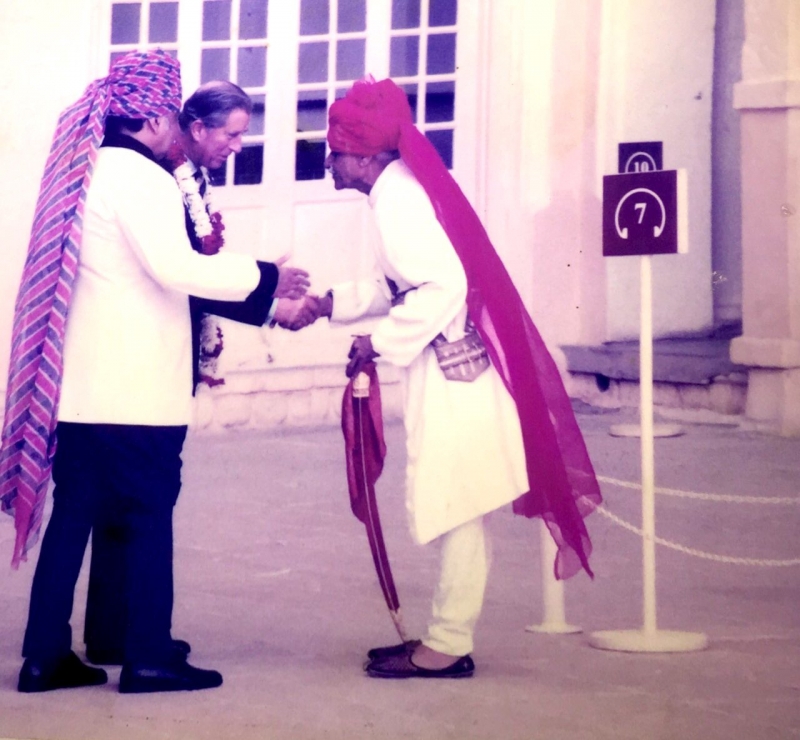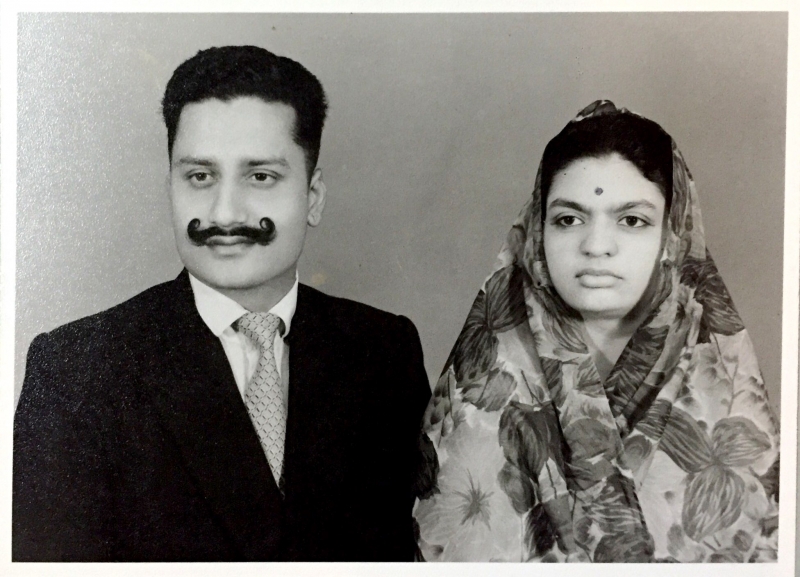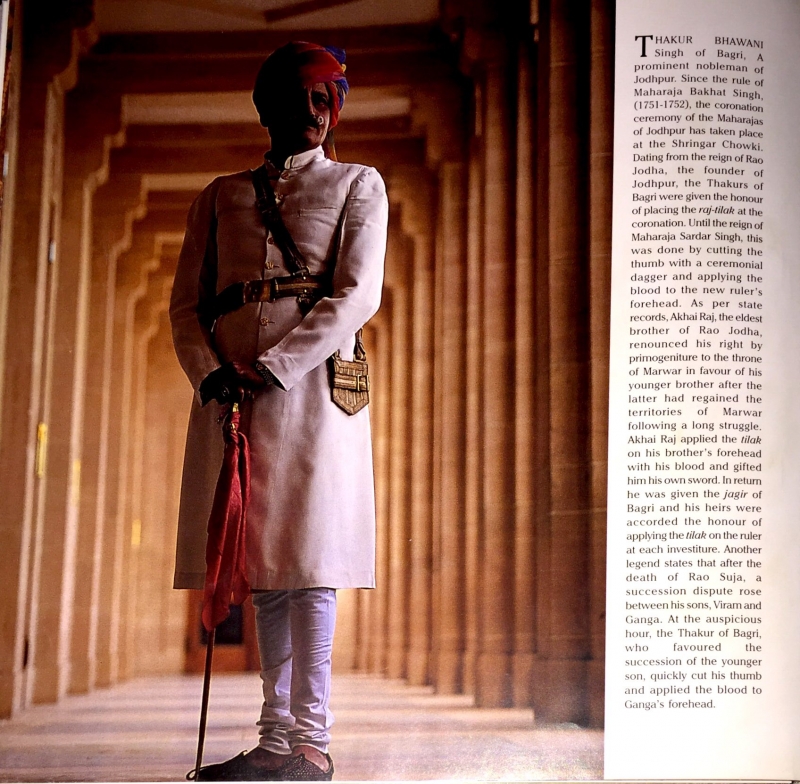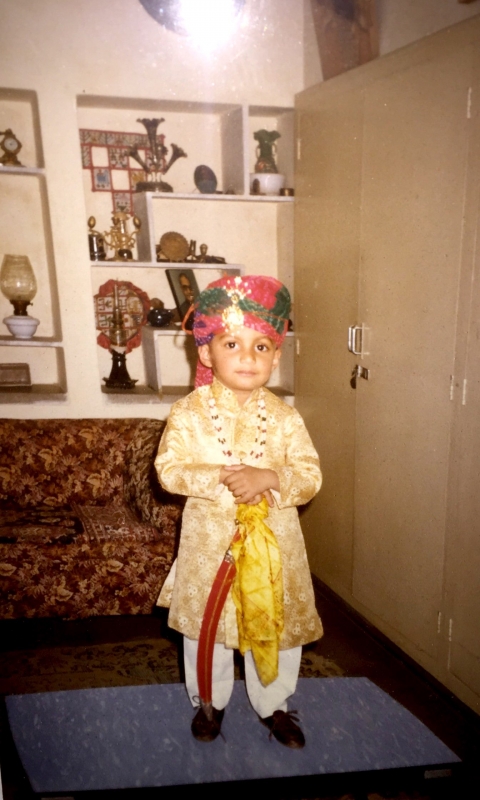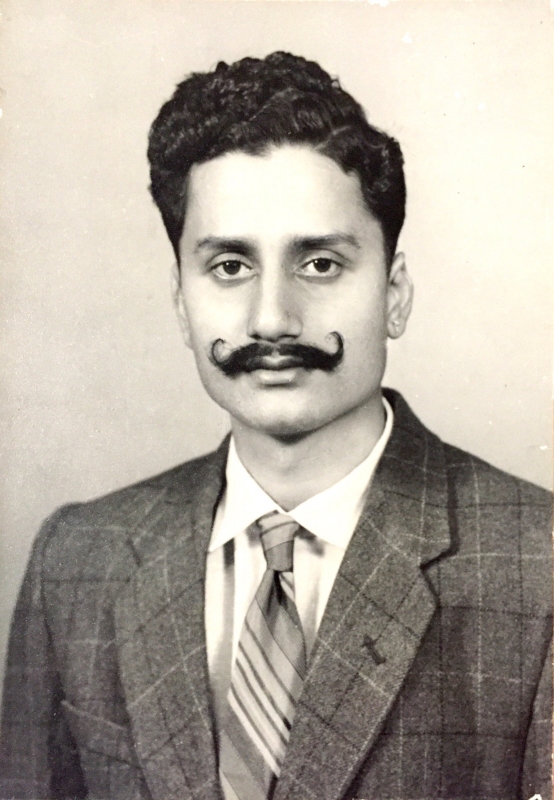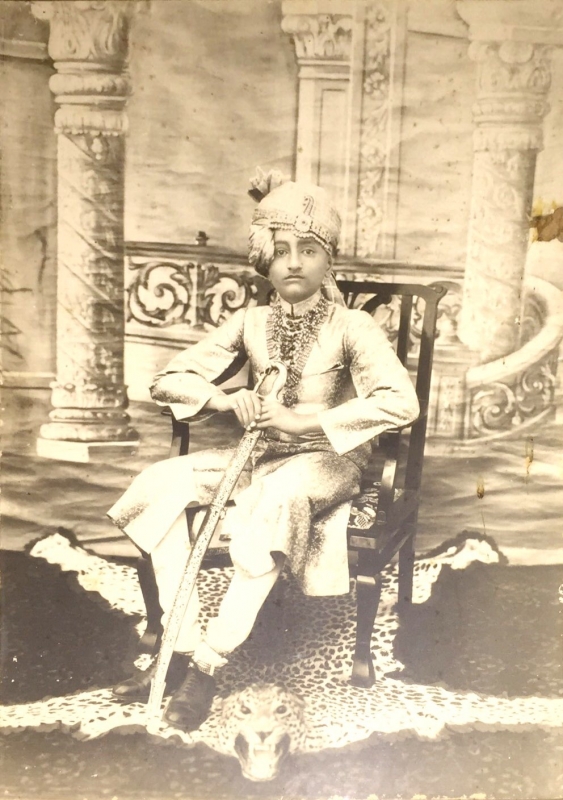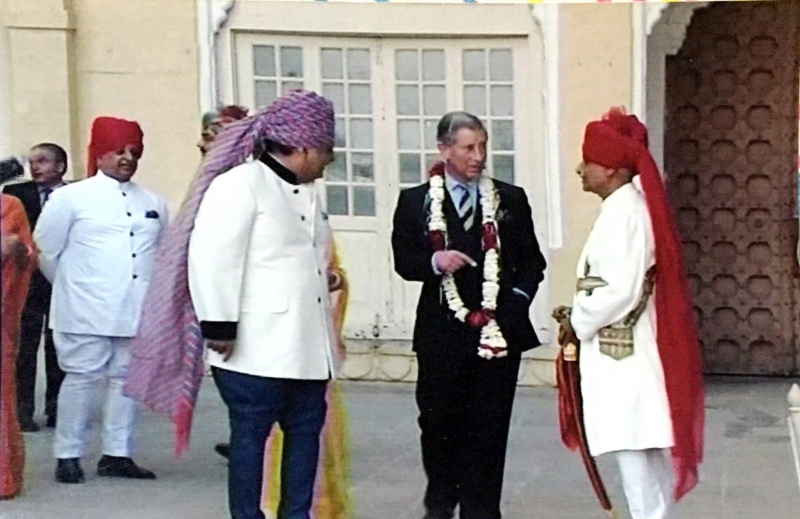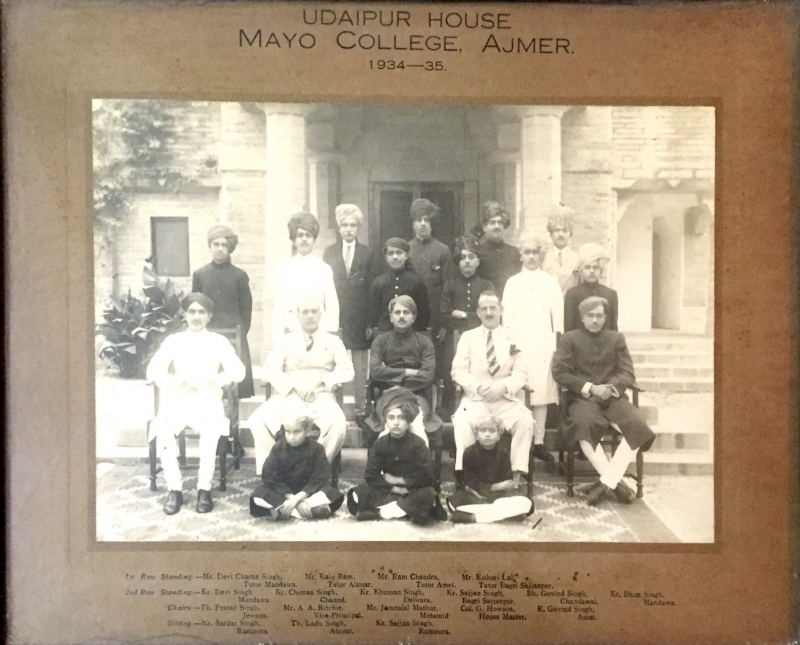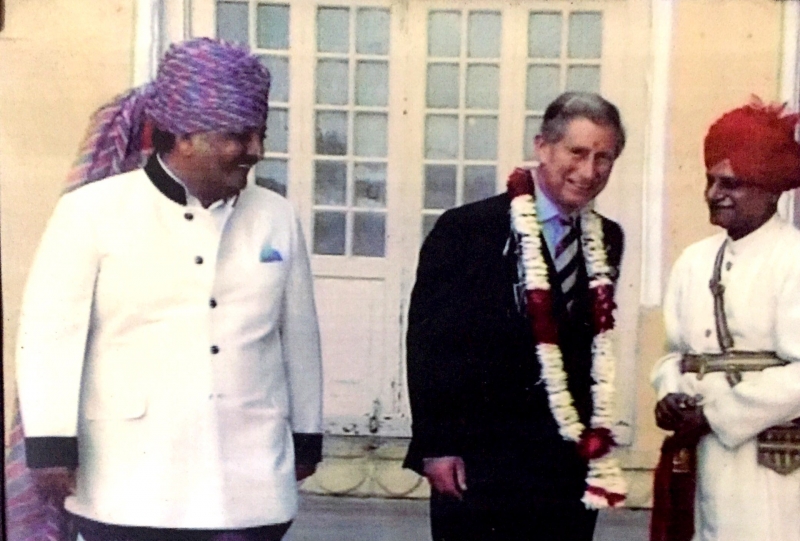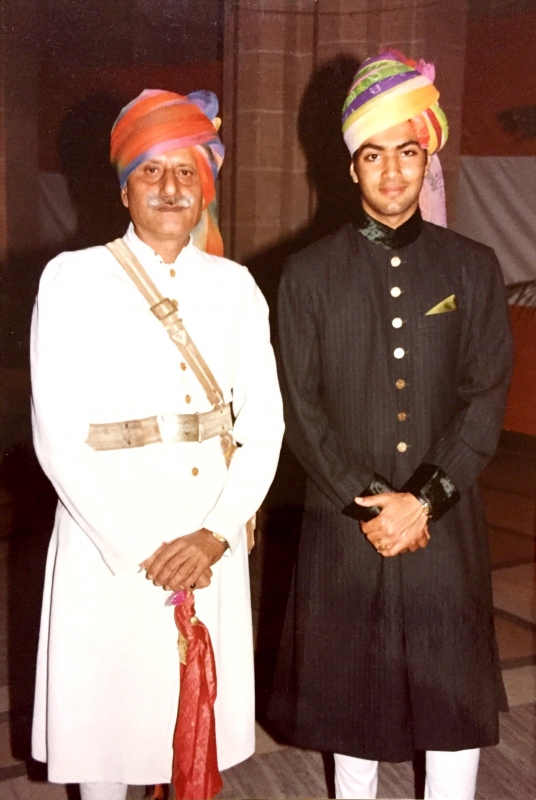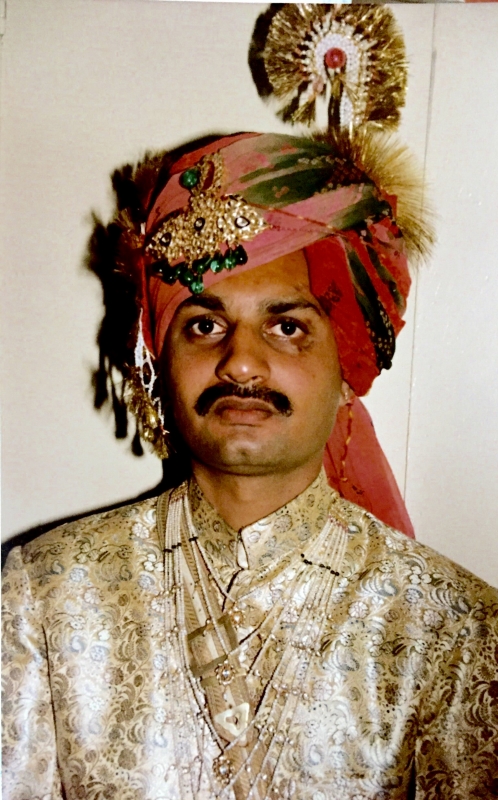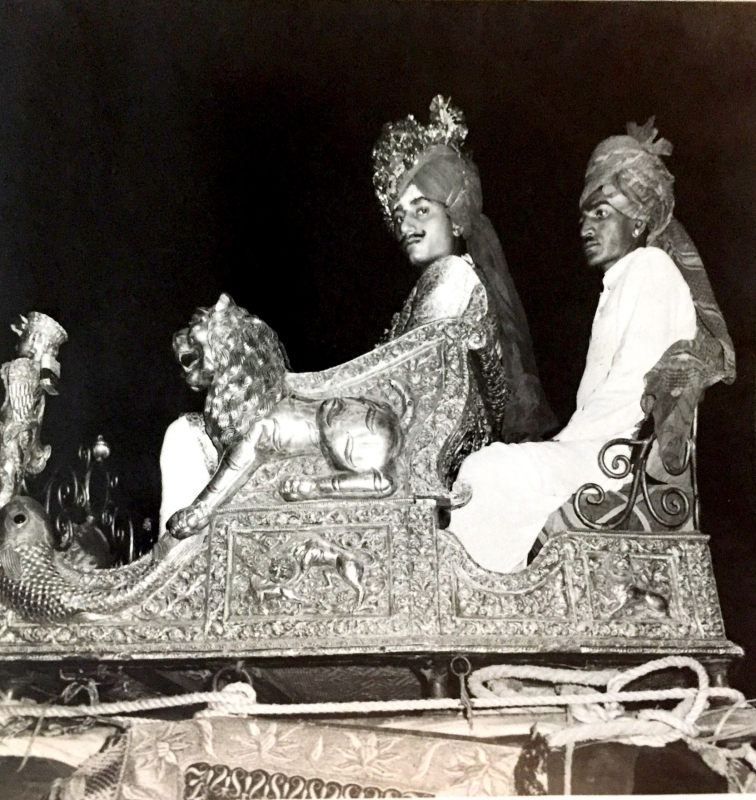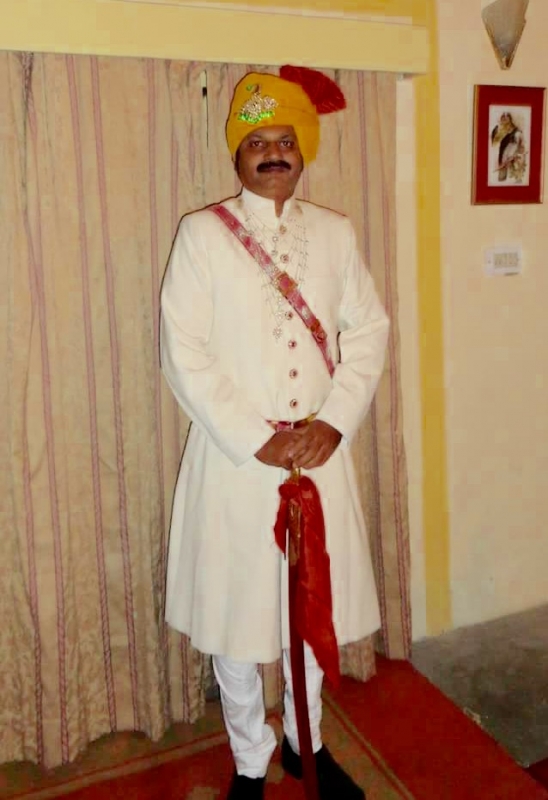
Present Head
- Kunwar Yashwant Singh Rathore, educated at Mayo College, Ajmer (1986), presently he is working at a Tea Estate in Assam, married to Kumari Sailesh Ranawat, daughter of Thakur Natwar Singhji of Jhalamand and Thakurani Kailash Kumari Jhala (Hadamtia jagir) and has issue, one son.
- Bhanwar Rishiraj Singh Rathore, born , educated at The Assam Valley School, Balipara (2012); Ramjas College, Delhi University, 2015.
- Kumari Surendra Kumari, married to Thakur Ranveer Singh of Bechoon and has issue, one son.
- Kumari Vijendra Kumari, married to Rajkumar SinghTanwar from Alwar and has issues, two sons.
- Kunwar Jitendra Singh Rathore, married to Madan Kanwar Sodha (Haweli Sodhan in Pakistan) and has issues, two daughters.
History
Origin and Foundation of Bagri
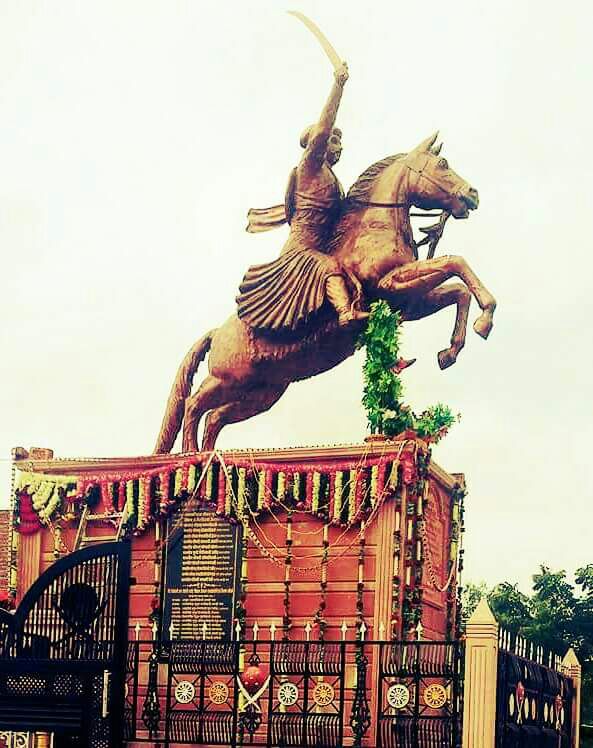
The Thakurs of Bagri are the direct descendants of Rao Ranmal, the Rathore ruler of Mandore (r. 1427–1438). The Bagri estate represents the premier house of the Jaitawat clan, which is a major sub-clan of the Rathores of Marwar. The foundation of this estate is rooted in a significant act of sacrifice and chivalry. Rao Akhairaj, the eldest son of Rao Ranmal and the elder brother of Rao Jodha (the founder of Jodhpur), voluntarily renounced his birthright to the throne of Marwar. This renunciation was in favor of his younger brother, Rao Jodha, who had successfully waged a long and grueling struggle to reclaim their ancestral territories from the Sisodias of Mewar.
To seal this brotherly pact and bless the new reign, Rao Akhairaj applied the royal tilak (coronation mark) on Jodha's forehead using his own blood and presented him with his personal sword. Following this event, Rao Akhairaj carved out his own territory by conquering Sojat. His son, Rao Panchayan, subsequently conquered the territory of Bagri, establishing it as the permanent seat of his descendants. In recognition of Akhairaj's magnanimous sacrifice, his descendants—the Thakurs of Bagri—were permanently accorded the hereditary honor of performing the ceremonial Raj-tilak on the forehead of every succeeding Maharaja of Jodhpur during their coronation ceremonies.
The Heroic Era: Battle of Giri-Sumel (1544)
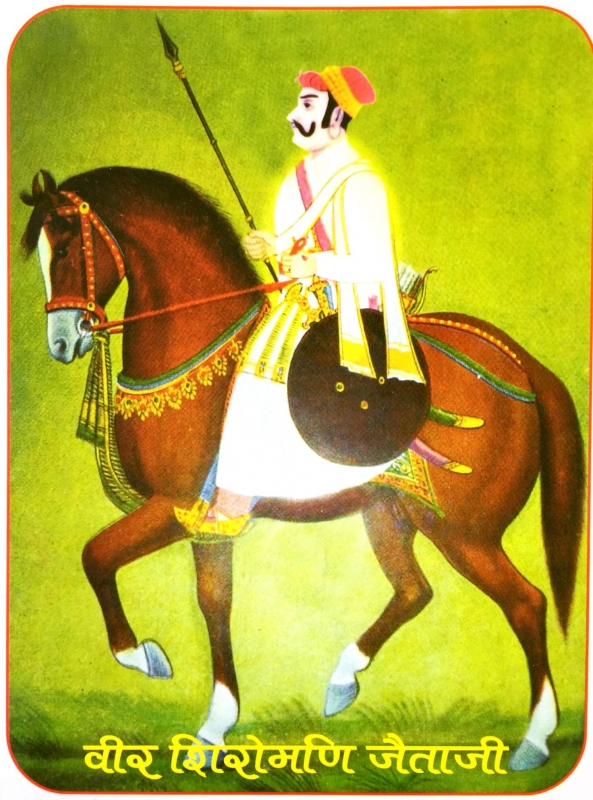
The Jaitawat Rathores of Bagri earned immortal fame in Rajasthani history during the mid-16th century. The clan name "Jaitawat" itself is derived from Thakur Jaita Ji, the grandson of Akhairaj and a legendary warrior of Marwar. Under the reign of Rao Maldeo of Marwar, Thakur Jaita of Bagri and Thakur Kumpa of Asop were the leading generals of the Rathore army.
In 1544, the Afghan emperor Sher Shah Suri invaded Marwar with a massive army of nearly 80,000 soldiers. The opposing forces met near Jaitaran in the historic Battle of Giri-Sumel. Through a cunning stratagem involving forged letters, Sher Shah sowed seeds of suspicion in Rao Maldeo's mind regarding the loyalty of Jaita and Kumpa. Deceived by the plot, Maldeo retreated with the bulk of his army.
To prove their untarnished loyalty to their land and ruler, Thakur Jaita and Thakur Kumpa, along with a small force of about 10,000 dedicated Rajput warriors, chose to stand their ground. They launched a fierce charge against the massive Afghan army. Their onslaught was so ferocious that they nearly routed the imperial forces. Only the timely arrival of Jalal Khan Jalwani's reserve artillery saved Sher Shah from total defeat. Thakur Jaita and his men fought to the last breath, achieving martyrdom on the battlefield. This battle prompted Sher Shah Suri's famous historical remark: "For a handful of millet, I had almost lost the empire of Hindustan."
Mughal and Maratha Periods
Following the heroic sacrifice at Giri-Sumel, the Thikana of Bagri was restored to Jaita's descendants. Throughout the Mughal era, successive Thakurs of Bagri served the Jodhpur State with distinction, participating in several imperial campaigns led by the Maharajas of Jodhpur on behalf of the Mughal Empire. They defended the frontiers of Marwar and played crucial roles in the internal administration of the state.
During the turbulent 18th century, as the Mughal Empire declined, Marwar faced frequent incursions from the Maratha Confederacy. The Jaitawats of Bagri remained steadfast loyalists to the Jodhpur crown, contributing troops and resources to defend the state against Maratha tax demands and military incursions led by leaders like Mahadji Scindia.
The British Raj and State Administration
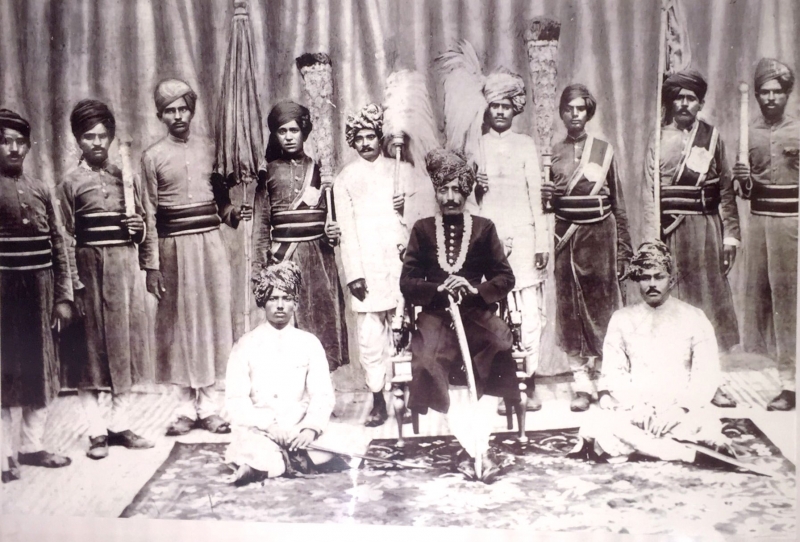
With the signing of the treaty of alliance between Jodhpur State and the British East India Company in 1818, Bagri was recognized as a premier, first-class Thikana (fiefdom) within the princely state of Jodhpur. The Thakurs of Bagri held the coveted rank of Sirayat in the Jodhpur Durbar, which granted them the prestigious privilege of sitting on the immediate right-hand side of the Maharaja during formal court assemblies.
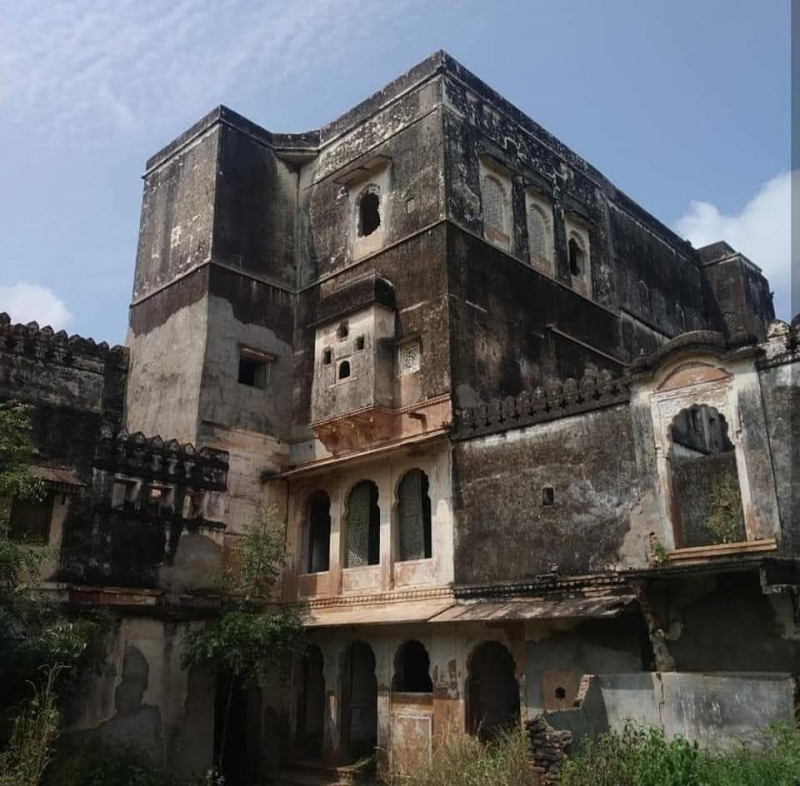
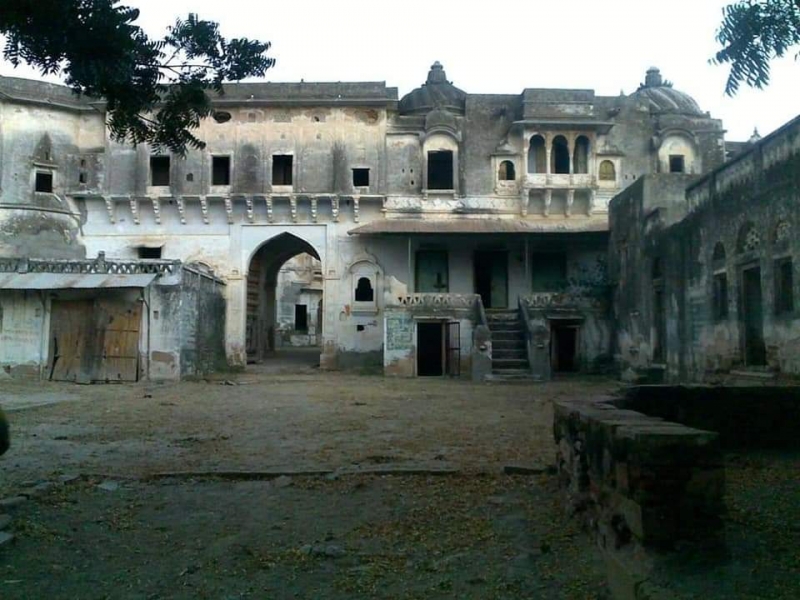
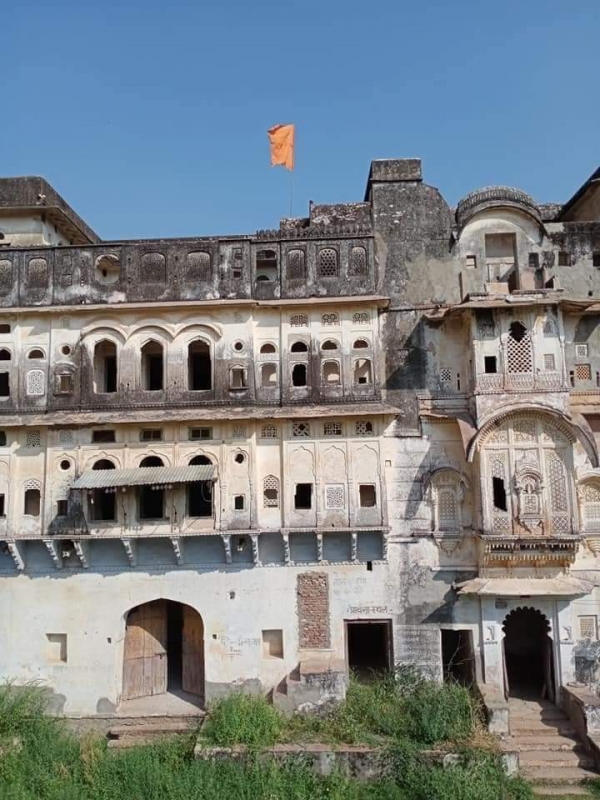
The Thikana was known for its administrative efficiency, maintaining local law and order, collecting land revenue, and patronizing local arts and temple architecture. The Bagri Fort, a formidable structure, stood as a symbol of the clan's historical authority and military heritage in the Pali district region.
Post-Independence and Modern Era
Following India's independence in 1947, the princely state of Jodhpur merged into the United State of Greater Rajasthan in 1949. Consequently, the Bagri Thikana was integrated into the democratic administrative structure of the Indian Union. With the passage of the Rajasthan Land Reforms and Resumption of Jagirs Act in 1952, the traditional jagirdari and feudal land revenue privileges of the Bagri family were formally abolished.
Despite the loss of their formal ruling powers, the members of the Bagri royal family transitioned successfully into modern professions, business, and community leadership. Today, the family continues to preserve their ancestral fort, religious trusts, and local cultural traditions. They remain deeply respected by the local population, and the historic connection to the Jodhpur royal family remains an important part of the cultural heritage of the Marwar region.
Genealogy
- Rao Akhai Raj ji
- Rao Panchayan ji (Bagri)
- Rao Mehraj ji
- Rao Kumpa ji (Kumpawat)
- Rao Panchayan ji
- Rao Jaita ji (qv)
- Rao Kalaa (Kalawat)
- Rao Bhada (Bhadawat)
- Rao Jaitaji (Jaitawat Rathore)
- Kr. Prithiviraj ji (qv)
- Kr. Devidas ji (qv)
- Thakur Prithiviraj ji
- Kr. Baghsingh ji (qv)
- Thakur Devidas ji (younger brother of Prithiviraj ji)
- Thakur Baghsingh ji
- Kr. Kumkaran ji (qv)
- Kr. Karamchand ji
- Kr. Bhagvandas ji
- Kr. Kalyandas ji
- Thakur Kumkaran ji
- Kr. Devkaran ji (qv)
- Kr. Udaykaran ji
- Kr. Bhim Singh ji
- Kr. Dalpat Singh ji
- Kr. Mukand das ji
- Kr. Sabal Singh ji
- Kr. Jajram ji
- Thakur Devkaran ji
- Kr. Madhav Singh ji (adopted by thikana Siyyat)
- Kr. Pratap Singh ji (qv)
- Thakur Pratap Singh ji I
- Kr. Arjun Singh ji (qv)
- Kr. Ram Singh ji
- Thakur Arjun Singh ji
- Kr. Pahar Singh ji (qv)
- Kr.Shyam Singh ji
- Thakur Pahar Singh ji
- Kr. Jorawar Singh (qv)
- Kr.Jai Singh ji
- Thakur Jorawar Singh ji
- Kr. Hindu Singh ji (qv)
- Thakur Hindu Singh ji, no issues.
- Thakur Keseri Singh ji (adopted, grand son of Shyam Singh ji Bagri)
- Kr. Shivnath Singh ji (qv)
- Thakur Shivnath Singh ji
- Kr. Nahar Singh (qv)
- Kr. Sultan Singh ji
- Kr. Khumaon Singh ji
- Kr. Jeevan Singh ji (qv)
- Kr. Bhairon Singh ji (qv)
- Kr. Dheeraj Singh ji
- Kr. Ratan Singh ji
- Thakur Nahar Singh ji
- Kr. Pratap Singh ji II (qv)
- Thakur Pratap Singh ji II
- Kumari Bhabhut Kanwar, married in Dooni thikana in Jaipur.
- Thakur Jeevan Singh ji (son of Khumaon Singh ji), died at the age of 19, no issues.
- Thakur Bhairon Singh (son of Khumaon Singh ji), married 1stly to Sabal Kanwar of Balarva thikana near Jodhpur, had one issue, married 2ndly to Gulab Kanwar Gatha(Kotah), no issues.
- Kr. Sajjan Singh ji (qv)
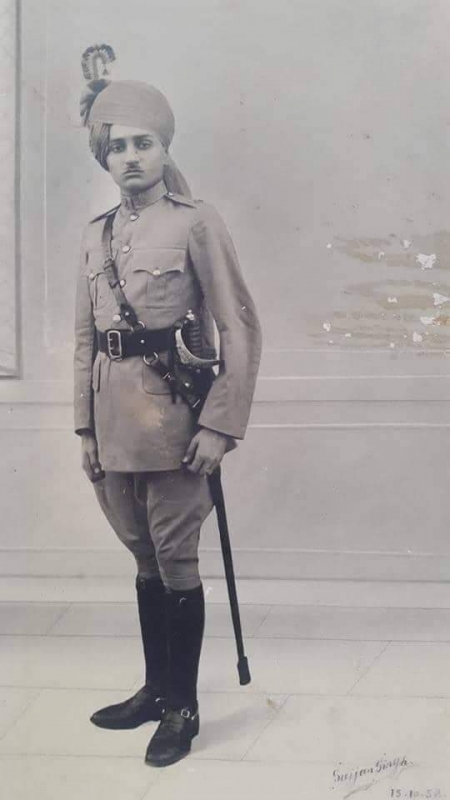
- Thakur Sajjan Singh ji, married to Kumaon Kanwar of Devgarh thikana and had two issues, one son and a daughter.
- Kr. Bhawani Singh ji (qv)
- Kumari Rajendra Kumari, married to Ramesh Singh ji Shekhawat of Jajjar.
- Thakur Bhawani Singh ji (see above)