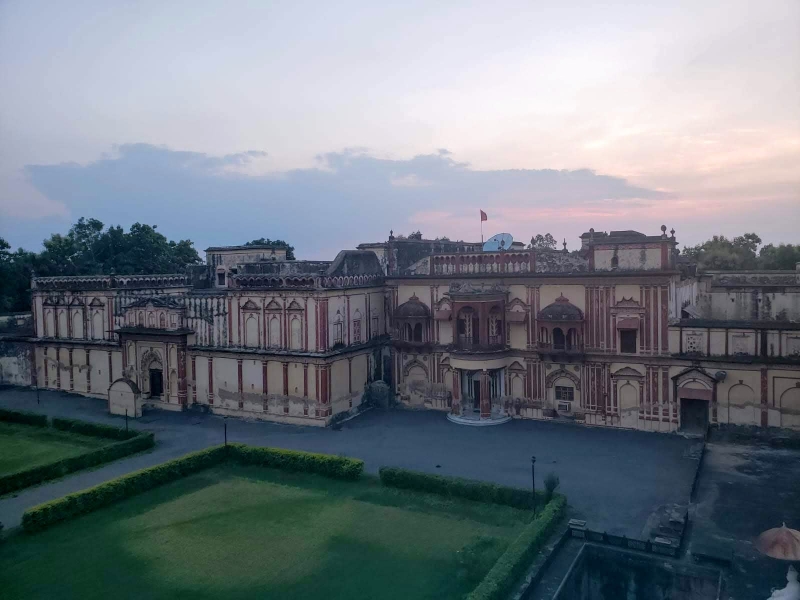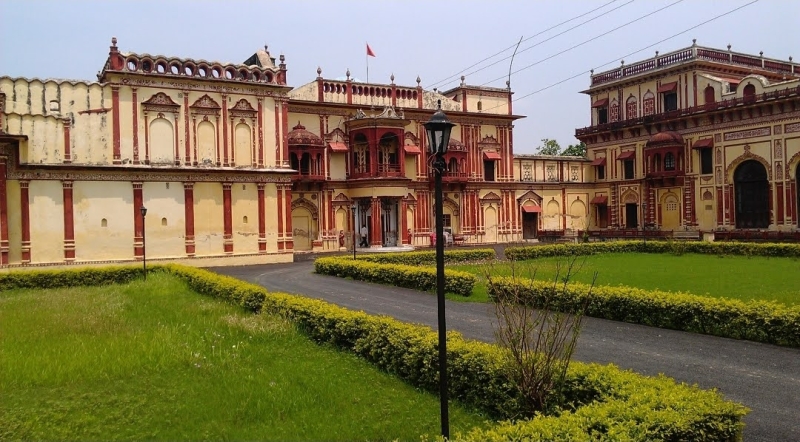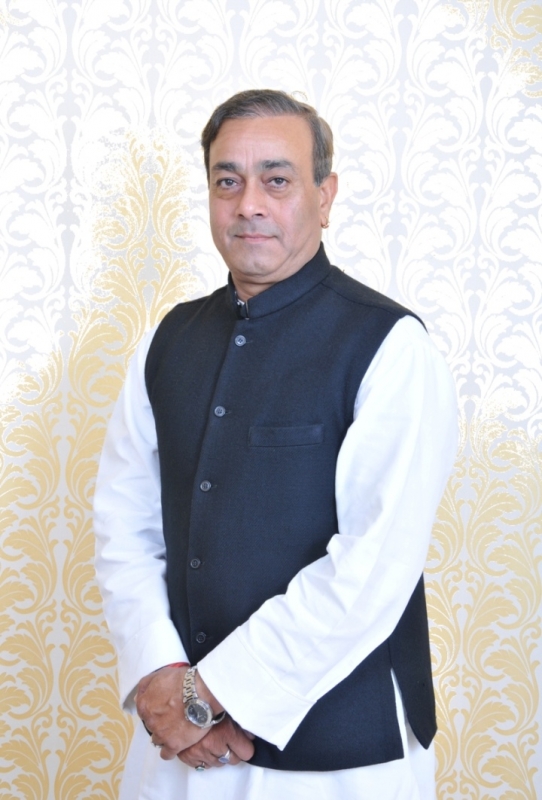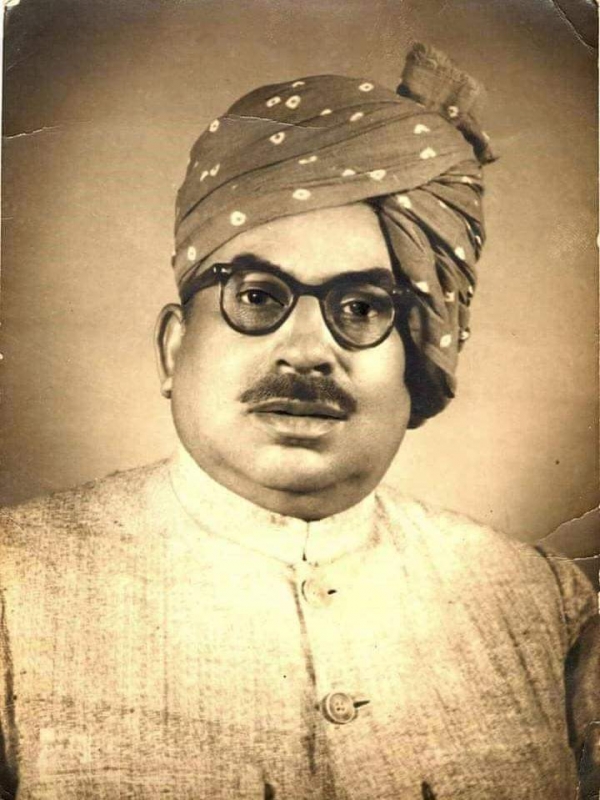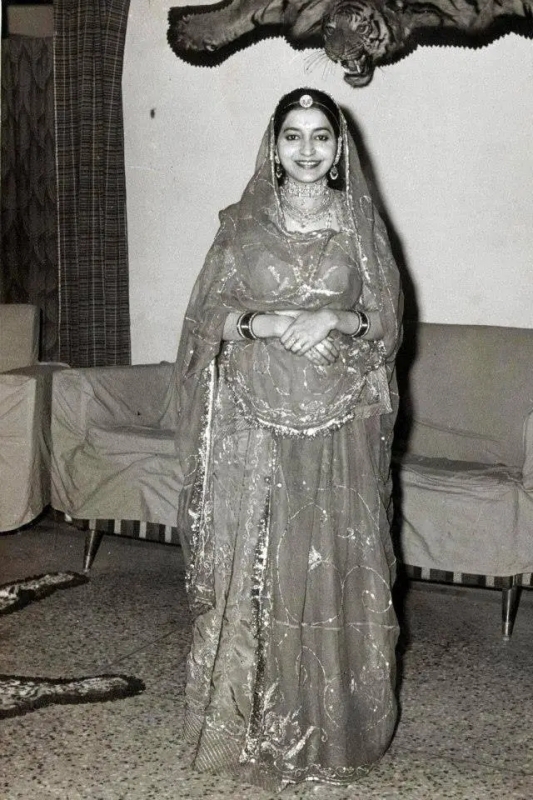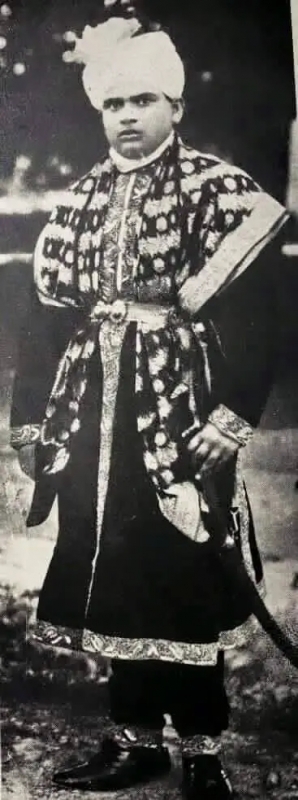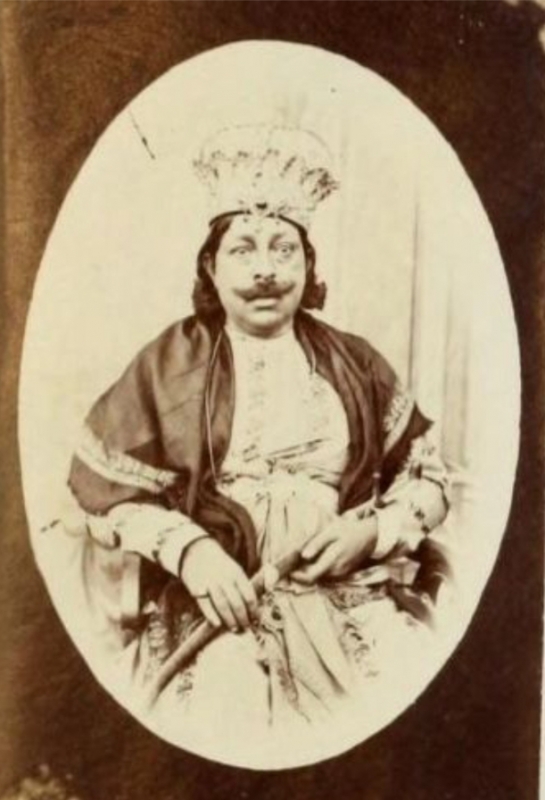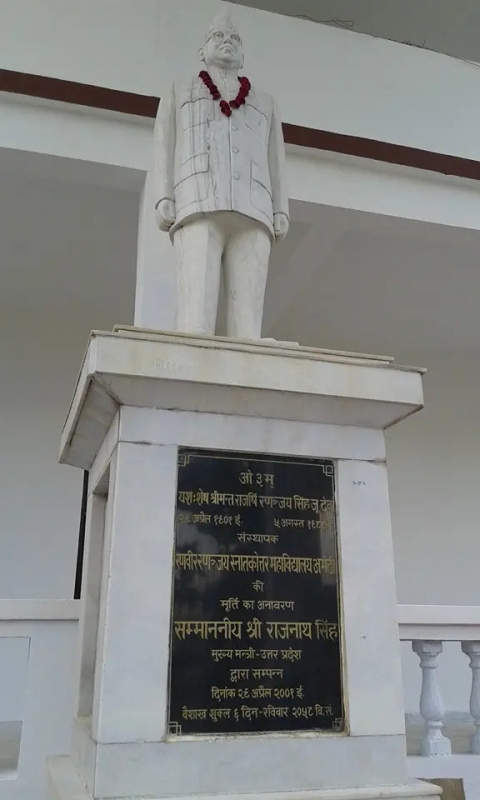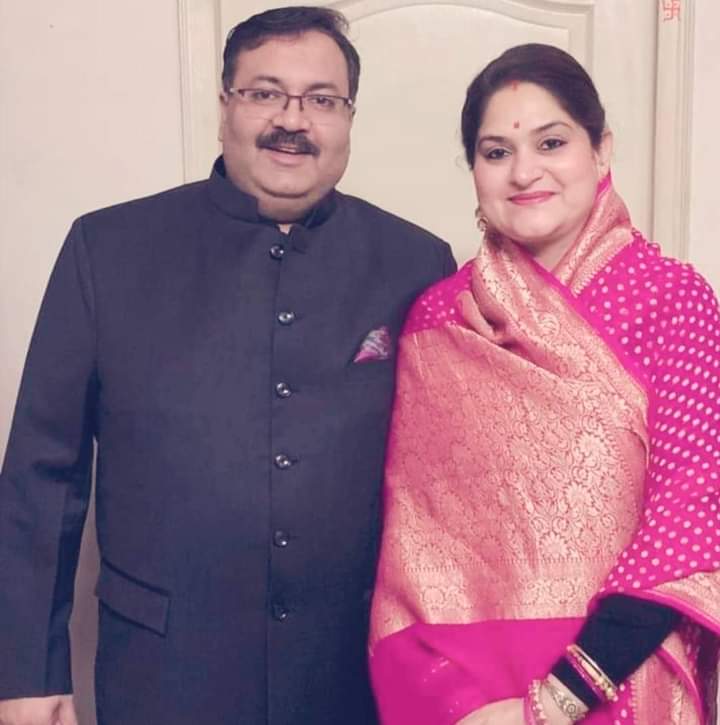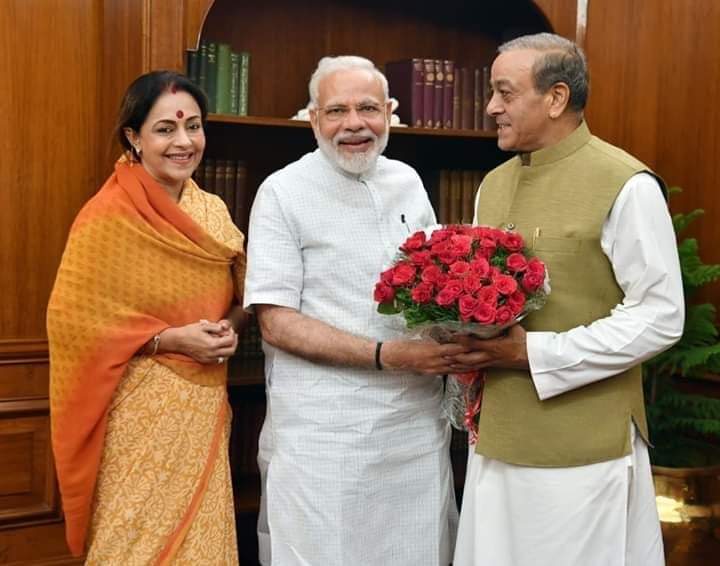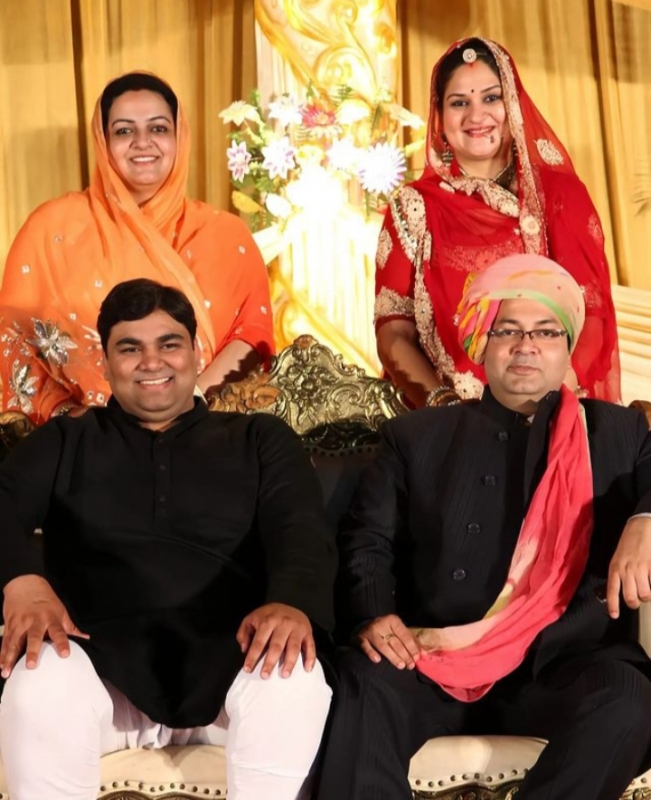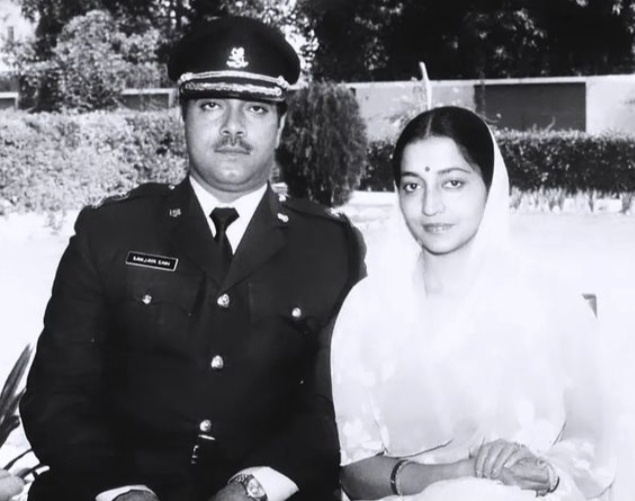
Present Head
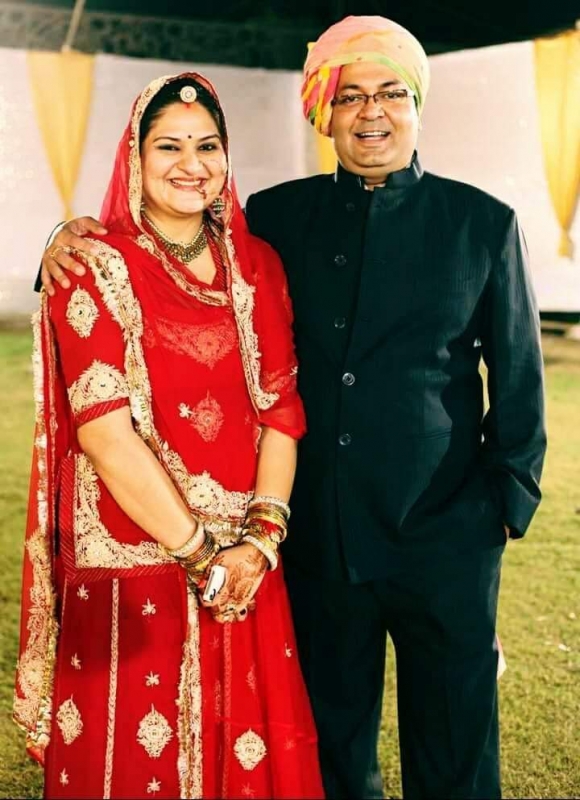
- Rajkumar Anant Vikram Singh, born , serving with Indian Merchant Navy; married Yuvarani Shambhavi Singh, born , daughter of Maharaj Dr. Rakesh Kumar Singh of Akaltara, former M.L.A. from Akaltara, and his wife, Rani Shubha Singh, daughter of Raja Advait Pratap Singh of Pratapgarh in Uttar Pradesh.
- Rajkumari Mahima Singh, married Rajkumar Bhriguraj Singh, son of Maharaj Devendra Pal Singh of Jhabua, and his wife, Rani Bhagyawanti Devi.
- Rajkumari Shaivya Singh, married 2010, Rajkumar Parakram Singh, son of Maharaj Indrajit Singh of Dungarpur, and his wife, Rani Purnima Singh.
History
Origin and Foundation
The Amethia Rajputs constitute an esteemed and historically significant branch of the Suryavanshi Kachwaha clan. They trace their lineage back to the legendary rulers of Narwar and Gwalior, who eventually migrated to Rajputana and established the Jaipur state. According to historical records compiled in the Gazetteer of the Province of Oudh, the pioneers of this clan migrated from the western regions of India to the fertile plains of Awadh (Oudh).
The clan originally established its headquarters in the town of Amethi, situated in the present-day Lucknow district of Uttar Pradesh. It is from this ancestral seat that the branch acquired the patronymic name "Amethia." Despite being genealogically linked to the Kachwahas (who traditionally hold the Manav gotra), the Amethias adopted the Gautam gotra. This transition is historically attributed to a sacred blessing bestowed upon their ancestors by a prominent sage of the Gautam gotra, while they continued to revere Lord Sri Ram Chandra as their Isht Dev (tutelary deity).
Medieval Expansion and Migration
During the medieval period, the geopolitical landscape of Awadh underwent significant changes. In the late 15th and early 16th centuries, the Amethia Kachwahas faced intense pressure from the expanding Muslim dynasties and local Sufi chiefs, which eventually led to their displacement from the original town of Amethi in Lucknow. The territory was subsequently occupied by the Sheikhs, who came to be known as the Sheikhzadas of Amethi.
Following their displacement, the Amethia Rajputs migrated southward and eastward into the modern-day districts of Rae Bareli and Barabanki. Showing great resilience, they carved out powerful local principalities. They established key estates and fortresses, most notably at Kumhrawan, Shivgarh, and Pokhra Ansari, cementing their status as dominant landholders and chieftains in the region.
Nawabi and British Periods
During the era of the Nawabs of Awadh, the Amethia chiefs maintained a high degree of autonomy. They built fortified strongholds, maintained private armies, and frequently resisted the revenue demands of the Nawabi court when they deemed them unjust. Their martial prowess and strategic fortresses made them formidable players in regional politics, as detailed in the historical Lucknow District Gazetteer.
With the annexation of Awadh by the British East India Company in 1856 and the subsequent Indian Rebellion of 1857, the Amethia taluqdars played a nuanced role in regional resistance and administration. Following the pacification of the province, the British administration recognized the heads of the prominent Amethia estates as official Taluqdars of Oudh, granting them sanads (sanctions) to secure their landholdings. Estates like Kumhrawan and Shivgarh flourished under this settlement, contributing significantly to regional agriculture, local governance, and public welfare.
Post-Independence and Modern Era
The post-independence era brought sweeping socio-political reforms across India. With the passage of the Uttar Pradesh Zamindari Abolition and Land Reforms Act in 1951, the formal taluqdari system was abolished, and the agricultural lands were redistributed. Despite the loss of formal administrative and revenue privileges, the royal family of the Amethia Kachwahas transitioned smoothly into the democratic fabric of modern India.
Today, the descendants of this historic clan remain deeply respected figures in the Awadh region. They are actively involved in social welfare, local politics, educational initiatives, and the preservation of the rich cultural and architectural heritage of their ancestral estates.
Genealogy
- Rao BIKRAM SHAH, Rao of Udaiwan, married and had issue.
- Rao Sujan Shah (qv)
- Rao Himmat Shah, Taluqdar of Kohra.
- Rao Lachhmi Narain Singh, Taluqdar of Kannu.
- Rao Tilok Shah, Taluqdar of Amezna.
- Rao Pritam Shah, Taluqdar of Rajgarh.
- Rao Hirde Shah, Taluqdar of Jagdishpur.
- Rao SUJAN SHAH, Rao of Udaiwan 1636/1641, married and had issue.
- Rao Dalip Shah (qv)
- Rao DALIP SHAH, Rao of Udaiwan 1641/1654, married and had issues.
- Rao Tej Singh (qv)
- Rao Jai Singh (qv)
- Kunwar Gambhir Singh, he succeeded to the Taluqa of Gangauli.
- Kunwar Indar Singh, he succeeded to the Taluqa of Gangauli.
- Rao TEJ SINGH, Rao of Udaiwan, died sp.
- Rao JAI SINGH, Rao of Udaiwan, married and had issue.
- Rao Ajab Singh (qv)
- Babu Abdhut Singh
- Rao Pahar Singh (qv)
- Rao Barwand Singh
- Rao Man Singh, Taluqdar of Amai
- Rao AJAB SINGH, Rao of Udaiwan, died sp.
- Rao PAHAR SINGH, Rao of Udaiwan, married and had issue.
- Rao Himmat Shah (qv)
- Rao HIMMAT SHAH, Rao of Udaiwan, married and had issue.
- Raja Gurdatt Singh (qv)
- Rao Chhatarpal Singh of Kasranwa or Kasrawan
- Raja GURDUTT SINGH, Raja of Udaiwan, during his reign he was besieged at Raipur by Nawab Safdar Jang in 1743, Raipur was taken and destroyed and the Raja fled to Ramnagar which he made his capital afterwards; married and had issue. He died after 1743.
- Raja Drigpal Singh (qv)
- Raja DRIGPAL SINGH, 1st Raja of Amethi, either he or his father was the first to assume the title of Raja, and is most likely the first Taluqdar of Amethi, married and had issue.
- Raja Har Chand (qv)
- Babu Jai Chand of Kasranwa [Kannu Kasarwan].
- Raja HAR CHAND, 2nd Raja of Amethi -/1810 (abdicated), married and had issue.
- Raja Dalpat Shah (qv)
- Kunwar Arjun Singh of Gangauli, married and had issue.
- Raja Madho Singh (qv)
- Raja DALPAT SHAH, 3rd Raja of Amethi 1810/1815, married and had issue. He died .
- Raja Bisheswar Singh (qv)
- Raja BISHESWAR SINGH, 4th Raja of Amethi 1815/1842. He died sp in 1842 and was succeeded by his cousin.
- Raja MADHO SINGH, 5th Raja of Amethi 1842/1891, born , gave assistance to the British authorities in 1857, but later went over to the rebels and was forced to surrender his fort in August 1858; he was pardoned and made a magistrate in 1860; married Rani (name unknown), died , and had issue, as well as adoptive issue. He died .
- Lal Lachhman Singh, he was adopted in 1883, died vpsp on 24th April 1891.
- (A) Raja Bhagwan Baksh Singh (qv)
- Raja BHAGWAN BAKSH SINGH, 6th Raja of Amethi 1891/1962, born , son of Babu Sheo Darshan Singh, a relative of the previous Raja; the title of Raja was recognized as hereditary and he was awarded the Kaiser-i-Hind Gold Medal in 1902, married and had issues. He died in .
- Rajkumar Jang Bahadur Singh, died in .
- Rajkumar Ranveer Singh, died in .
- Raja Rananjay Singh (qv)
- Rajkumar Satrunjay Singh, died in .
- Raja RANANJAY SINGH, 7th Raja of Amethi 1962/1988, M.L.A. (Uttar Pradesh), married 1stly Rani (name unknown), married 2ndly Rani Sushma Devi of Pirthiganj, and had issue, one daughter as well as adoptive issue. He died on .
- Rajkumari Aditya Prabha Singh (from first wife), married to Chaudhri Veer Pal Singh of Sarosi Taluqdari.
- (A) Raja Dr. Sanjay Singh (qv)
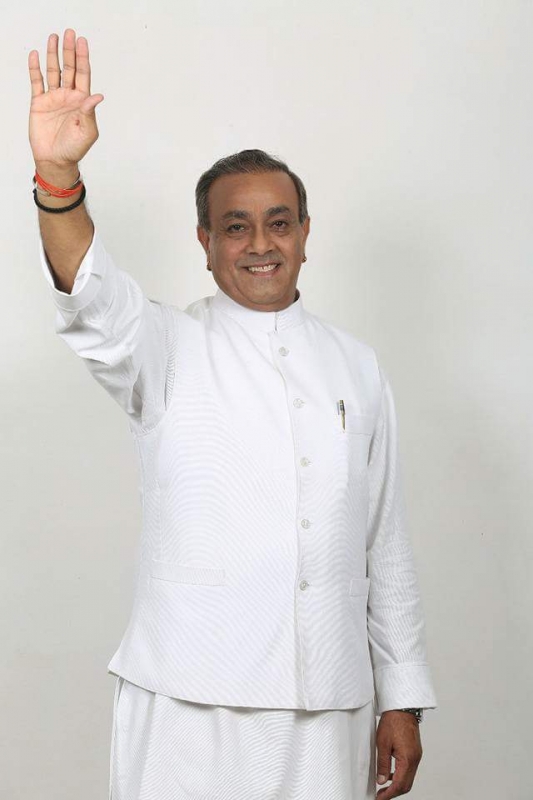
- Raja Dr. SANJAY SINGH, 8th Raja of Amethi (see above)