History
Origin and Foundation of Palasni State
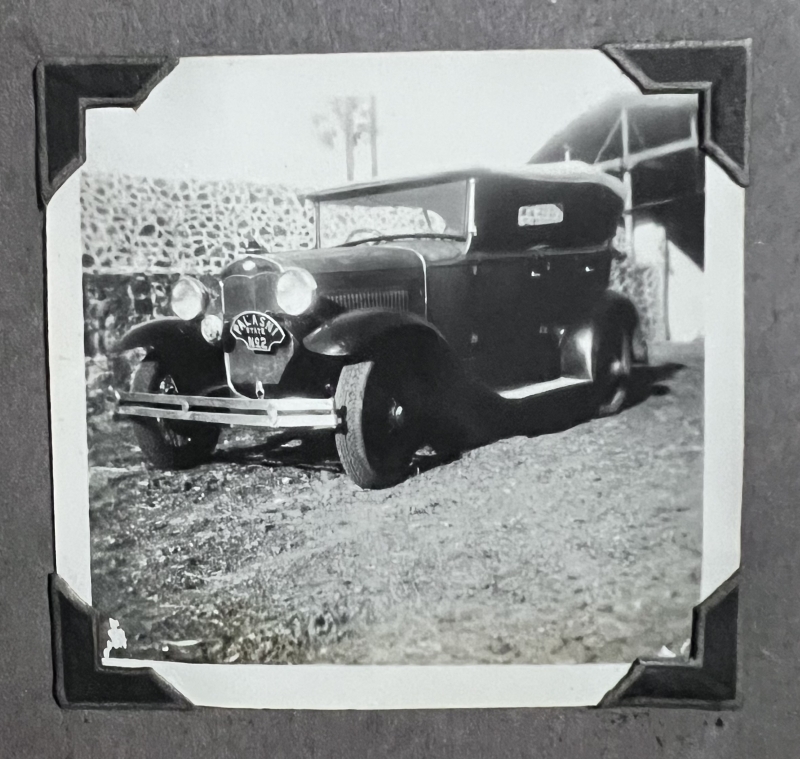
Palasni was a historical princely state situated in the Sankheda Mewas division of the Rewa Kantha Agency, under the Bombay Presidency of British India. The state was ruled by the Parmar Rajputs, who traced their ancestry back to the celebrated medieval Parmara dynasty of Malwa and Dhar, and further to the legendary Emperor Vikramaditya of Ujjain. Following the collapse of the central Parmar power in Malwa under Islamic invasions in the 13th and 14th centuries, various branches of the clan migrated westward into the rugged, forested terrain of eastern Gujarat. There, they established several small principalities, including Palasni, Bhaderwa, and other estates in the Rewa Kantha region, maintaining their independence through guerrilla warfare and strategic alliances with local tribal chieftains.
The Maratha and British Periods
During the 18th century, as the Mughal Empire's authority waned, the Maratha Empire, particularly the Gaekwad dynasty of Baroda, asserted dominance over the Gujarat region. Palasni, along with other small estates in the Sankheda Mewas, was forced to pay tribute (known as Ghasdana) to the Gaekwad of Baroda. This period was marked by frequent military raids and financial instability for the smaller Mewasi chiefs.
The situation stabilized in the early 19th century when the British East India Company intervened. In 1820, under the settlement brokered by British resident Alexander Walker, the Gaekwad agreed to let the British collect the tribute on his behalf, ensuring peace and preventing arbitrary military incursions. Palasni was subsequently placed under the political supervision of the Rewa Kantha Agency. The ruler of Palasni was recognized as a non-salute state chief with limited civil and criminal jurisdiction, while the British Political Agent exercised overarching judicial authority over serious offenses.
Governance, Rulers, and Administration
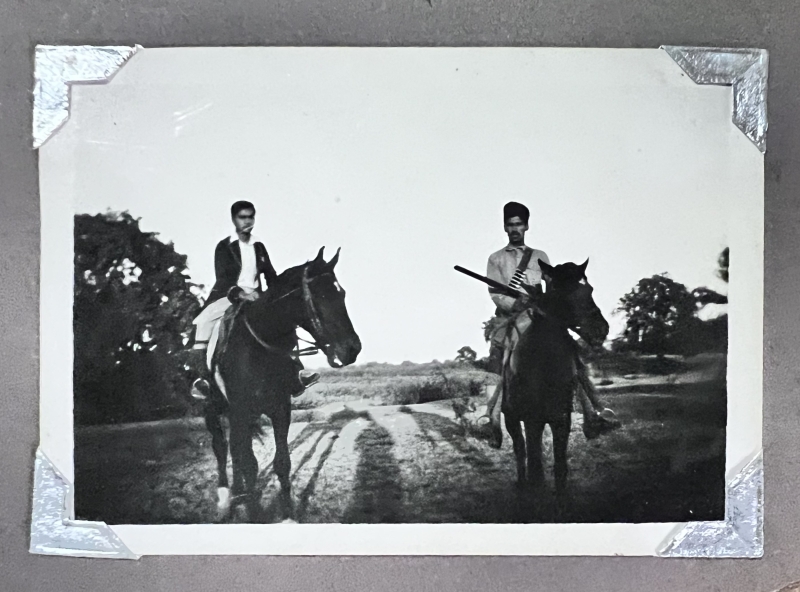
The rulers of Palasni bore the title of Thakur. Despite the small size of the state—covering an area of approximately 12 square miles—the rulers focused on agricultural development and maintaining communal harmony within their territories, which were inhabited by Rajput, Koli, and Bhil communities. The administration was traditional, with the Thakur assisted by a Karbhari (state manager).
In the late 19th and early 20th centuries, the Thakurs of Palasni introduced modern elements of governance under British advice. This included basic primary education, land revenue reforms, and the construction of transport links to connect Palasni with larger trading centers like Baroda and Chhota Udepur. Detailed historical accounts of these revenue settlements and administrative classifications can be found in the Gazetteer of the Bombay Presidency.
Post-Independence and Modern Era
Following India's independence from British rule in August 1947, the last ruling Thakur of Palasni signed the Instrument of Accession, merging the state into the Dominion of India. On June 10, 1948, Palasni was officially integrated into the Bombay State as part of the merger of Gujarat states. Following the linguistic reorganization of states in 1960, the territory became a part of the Vadodara (Baroda) or Chhota Udepur district of the modern-day state of Gujarat.
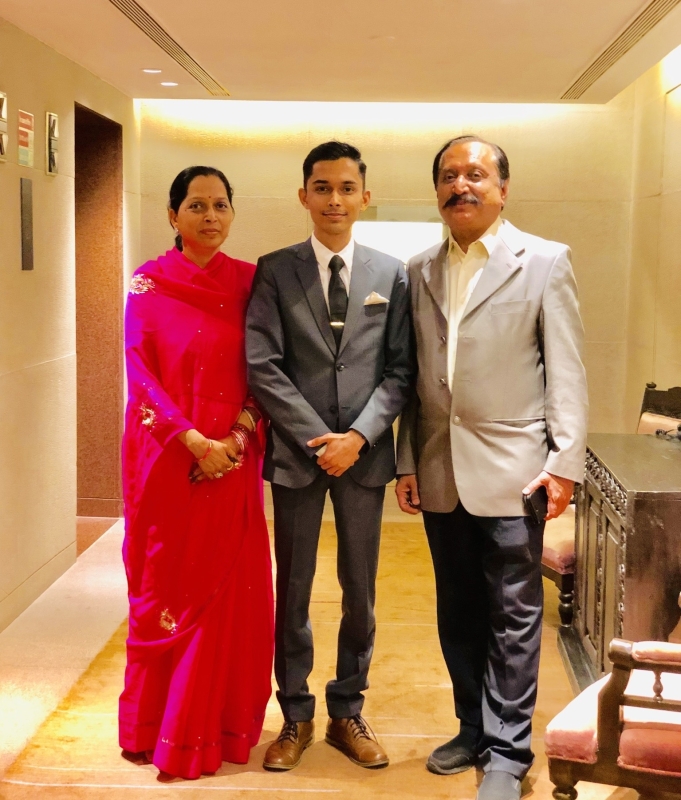
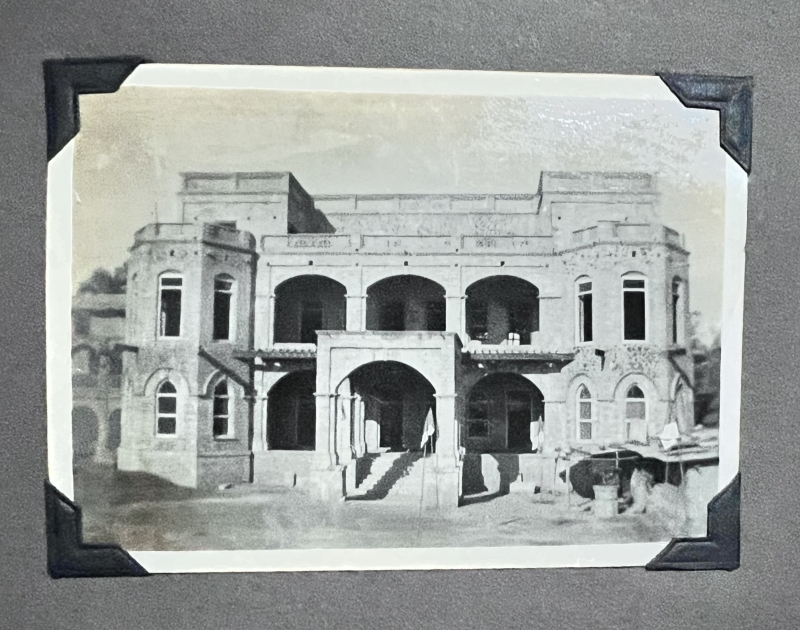
Today, the descendants of the ruling family of Palasni continue to reside in Gujarat, actively participating in local cultural preservation, social welfare programs, and maintaining their historical ancestral structures and traditions.
References and External Links
- Rewa Kantha Agency - Wikipedia
- Gazetteer of the Bombay Presidency: Rewa Kantha, Narukot, Cambay, and Surat States (Google Books)
- Sankheda Mewas - Wikipedia
Genealogy
- Thakore Shri JITSINHJI, Thakore of Palasni, born ( ).
- Thakore Shri INDARSINHJI, Thakore of Palasni 1907/1929, born and succeeded 30th May 1907.
- Rajparmar Thakore Shri CHANDRASINHJI JITSINHJI, Thakore of Palasni 1929/-, born and succeeded 16th November 1929, married and had issue.
- Yuvraj Shri Sardarsinhji Chandrasinhji, born
- Kumar Shri Veerbhadrasinhji Chandrasinhji, born
- Kumari (name unknown), married to Kumar Jaichandrasinhji Jorawarsinhji (d. 1975), eldest son of Thakore Jorawarsinhji Mohabbatsinhji of Verabar in Idar State by his second wife from Baghel family of Durjanpur in Sohawal State.
- Thakore Saheb Shri Digvijaysinhji Sardarsinhji, born and succeeded 27th January 1997, married 10th May 1995 to Mayuraba.
- Yuvraj Shri Yaashrajsinh Digvijaysinhji, born .