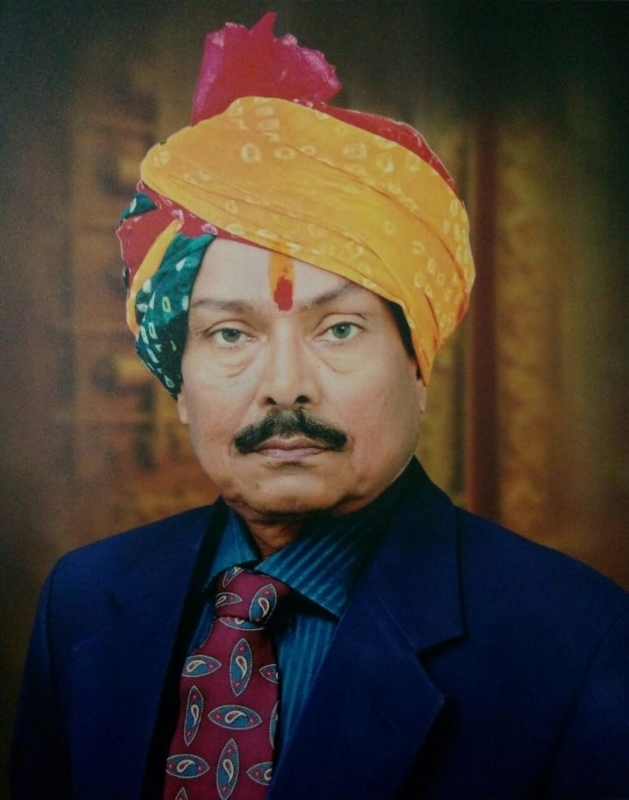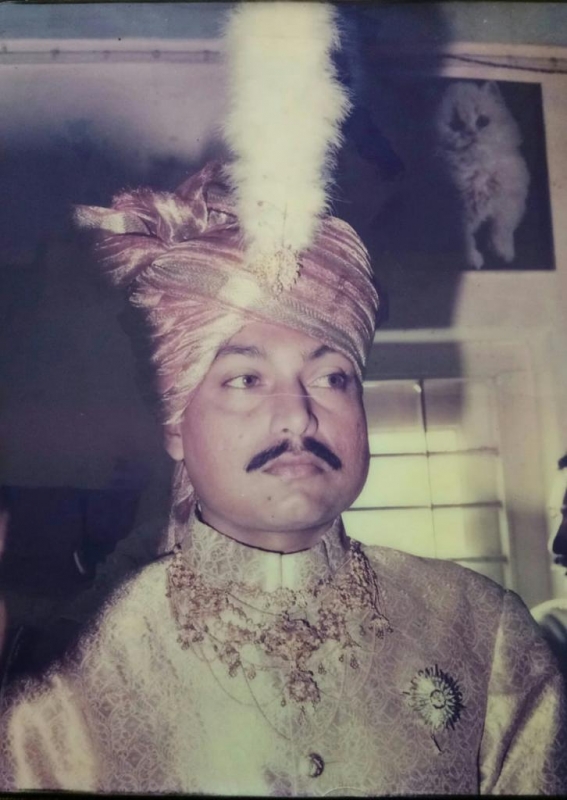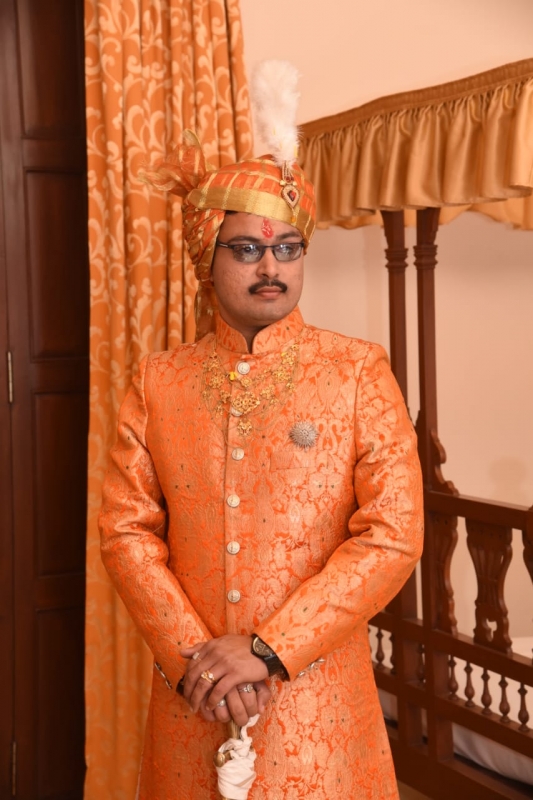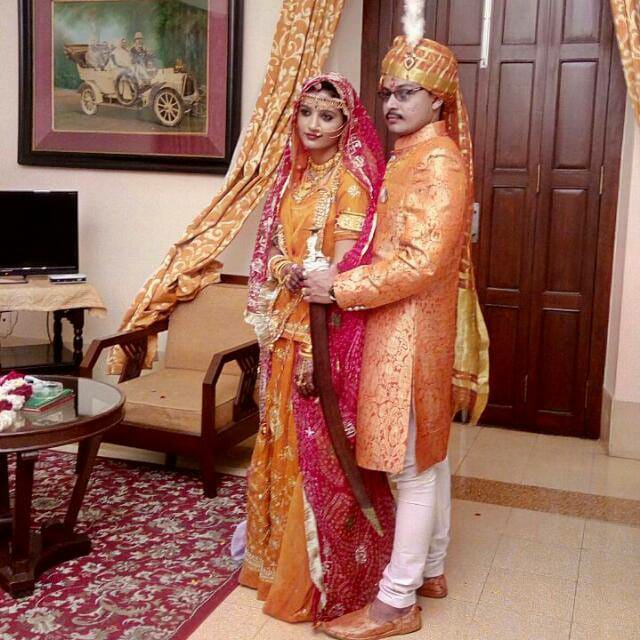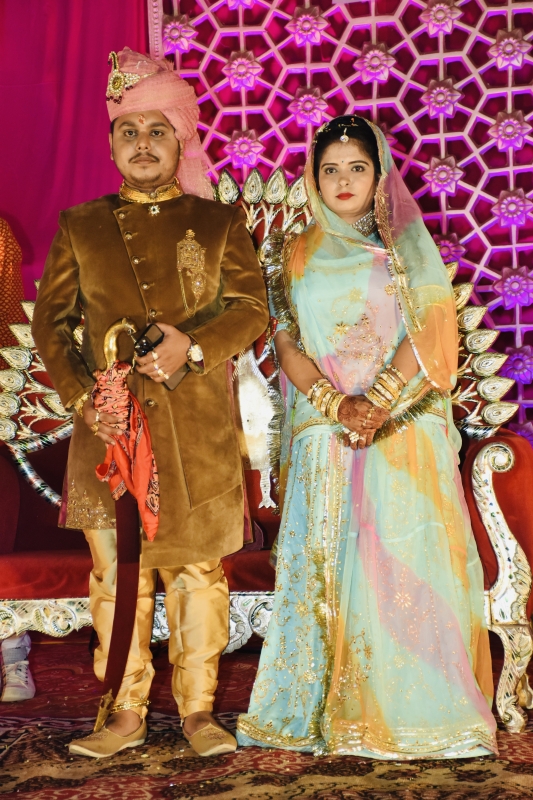
Present Head
- Rajkumari Aditi Devi, born , educated at Sophia High School, Bangalore, at Mount Carmel College, Bangalore (Bachelors Degree in Economics) and at the University of Leicester, U.K. (Masters Degree in Mass Communication [Research]), currently (2018) a freelance market researcher and is also employed as an executive in Research International. Married in 2011 to Rahul Arun.
- Rajkumari Aakanksha Devi, born in Bangalore, educated at Sophia High School, Bangalore; has earned her Bachelors Degree in Mass Communication from Mount Carmel College and Masters in Multimedia Journalism at the Bournemouth University, England. Currently (2018) an editor with Little Black Book, Bangalore.
History
Origin and Foundation of Korea State
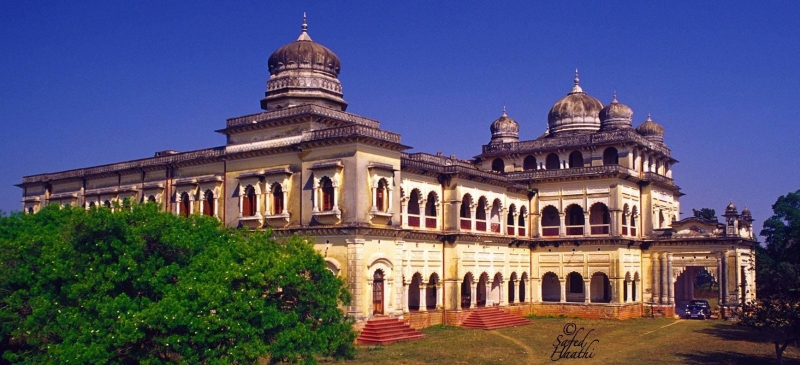
The princely state of Korea (often spelled Koriya) was located in the northeastern forest region of the Central Provinces of British India, currently situated in the state of Chhattisgarh. The ruling dynasty of Korea belonged to the Chauhan clan of Rajputs, who traced their ancestry back to the historic Chauhan rulers of Mainpuri in present-day Uttar Pradesh.
According to historical traditions, the state was established in the late 13th century, around 1248 AD, when Raja Dharamal Shah, a Chauhan Rajput prince, migrated from Mainpuri. He conquered the region by displacing the local tribal chieftains, primarily the Kol and Gond rulers who held sway over the rugged and heavily forested terrain. The capital of the state was initially established at Sonhat, but was later shifted to Baikunthpur due to administrative convenience and strategic security.
The Maratha Influence and British Suzerainty
During the 18th century, as the Mughal Empire declined, the Maratha Empire expanded its influence into central India. The Bhonsle Marathas of Nagpur established their hegemony over the Chhattisgarh region. Consequently, the rulers of Korea were forced to pay an annual tribute (known as takoli) to the Nagpur Marathas. Despite this subjugation, the difficult geography of Korea, characterized by dense forests and hilly tracts, allowed its rulers to maintain a high degree of internal autonomy.
Following the defeat of the Marathas in the Third Anglo-Maratha War (1817–1818), the British East India Company assumed control over the territories of the Nagpur State, including its tributary states. In 1819, a formal agreement was reached between the British and Raja Gharanpal Singh of Korea. Under British oversight, the state's administration was stabilized, and the annual tribute was regularized. In 1848, a formal Sanad (charter) was granted to the ruling chief by the British government, officially recognizing Korea as a feudatory state under the Chhattisgarh Feudatory States agency.
For more details on the historical administrative divisions, see the Imperial Gazetteer of India, Volume 15.
The Progressive Reign of Raja Lal Ramanuj Pratap Singh Deo
The modern era of Korea State was defined by the reign of Maharaja Lal Ramanuj Pratap Singh Deo, who ascended the gaddi (throne) in 1925. He was an enlightened and highly educated ruler who initiated extensive administrative, social, and economic reforms:
- Economic Development: The discovery and commercial exploitation of the rich coal seams in the Chirimiri region transformed the state's economy. The ruler facilitated the expansion of the railways, connecting the coalfields to the national network, which brought significant revenue and employment.
- Education and Health: He established numerous primary and secondary schools, provided free education, and constructed modern hospitals and dispensaries across the state.
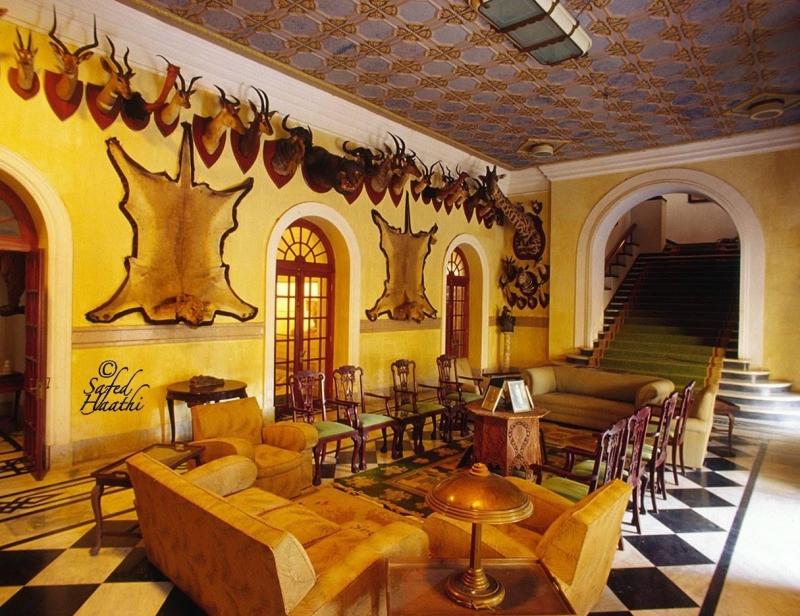
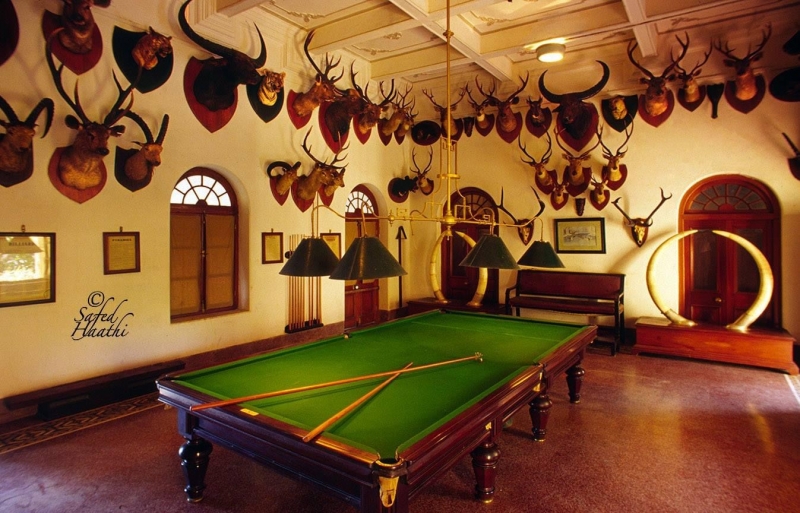
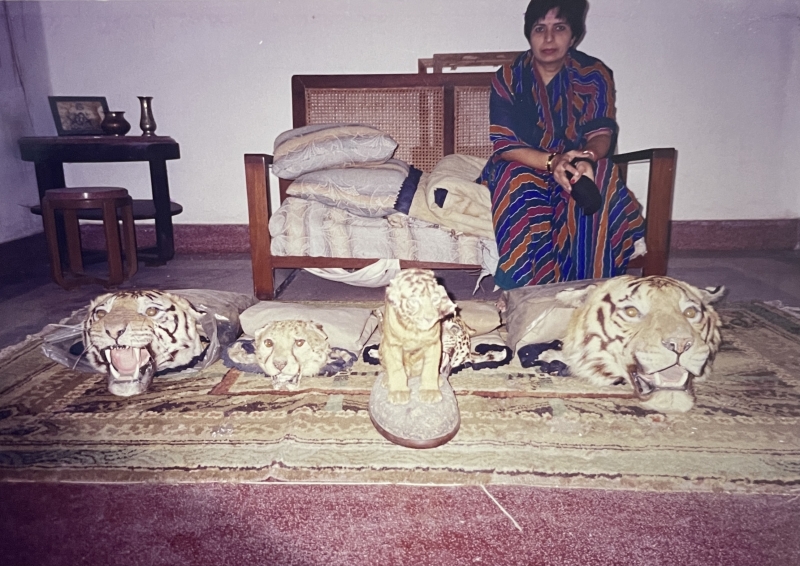
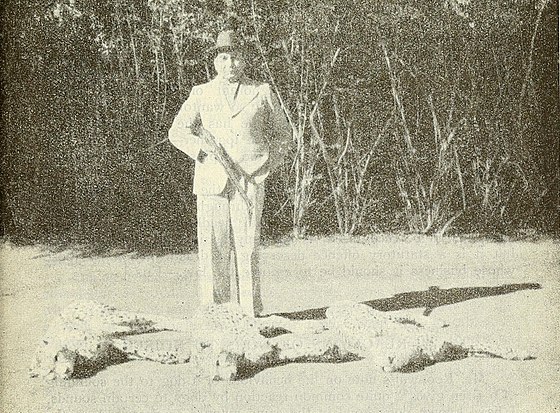
- Environmental and Forestry Management: Despite being an avid hunter—historically associated with the unfortunate shooting of the last three surviving Asiatic cheetahs in India in 1947—he implemented strict forestry conservation laws to protect the timber resource of the region.
Post-Independence Integration and Modern Era
Following India's independence from British rule on August 15, 1947, Maharaja Lal Ramanuj Pratap Singh Deo signed the Instrument of Accession, merging the princely state of Korea into the Dominion of India on January 1, 1948.
Initially, Korea was integrated into the Surguja District of the Central Provinces and Berar, which later became the state of Madhya Pradesh in 1956. Recognizing the need for better local administration and development, the Government of Madhya Pradesh carved out Koriya as a separate district on May 25, 1998. On November 1, 2000, when the new state of Chhattisgarh was created, Koriya District became an integral part of it.
The royal family continued to play an active role in democratic India. Maharaja Ramchandra Singh Deo, the son of Maharaja Lal Ramanuj Pratap Singh Deo, was a highly respected political figure and served as the first Finance Minister of Chhattisgarh. Today, the region is celebrated for its rich tribal heritage, waterfalls like Amrit Dhara, and its historical legacy as an old Rajput principality.
To learn more about the modern district administration and geography, visit the official Koriya District Website.
Genealogy
- Bhaiya DHARAMAL SAHI, Bhaiya of Korea, he and his brother Bhaiya Dalthamban Sahi, were cousins of the Raja of Mainpuri in the early 17th century. He was granted the Jagir of Jhilmili, later renamed Bhaiyathan. The state of Korea was conquered from the Kol Rajas shortly afterwards, remaining in the family till 1948. He married and had issue.
- Bhaiya Deoraj Sahi (qv)
- Lal Adhoraj Deo, married and had issue.
- Raja Narsingh Deo (qv)
- Lal Raghoraj Deo, ancestor of Raja Sheo Mangal Singh Deo (1874-1909), see below.
- Bhaiya DEORAJ SAHI, Bhaiya of Korea, died sp.
- Raja NARSINGH DEO, Raja of Korea, married and had issue.
- Raja Jit Rai Deo (qv)
- Raja JIT RAI DEO, Raja of Korea, married and had issue.
- Raja Sagar Sahi Deo (qv)
- Raja SAGAR SAHI DEO, Raja of Korea, married and had issue.
- Raja Afhar Sahi Deo (qv)
- Raja AFHAR SAHI DEO, Raja of Korea, married and had issue.
- Raja Jahan Sahi DEO (qv)
- Raja JAHAN SAHI DEO, Raja of Korea, married and had issue.
- Raja Sawal Sahi DEO (qv)
- Raja SAWAL SAHI DEO, Raja of Korea, married and had issue.
- Raja Gajraj Singh Deo (qv)
- Lal Dilip Singh Deo, married and had issue.
- Raja Gharib Singh Deo (qv)
- Lal Man Singh Deo, he was granted the jagir of Changbhakar and succeeded there as Bhaiya Man Singh Deo of Changbhakar State.
- Raja GAJRAJ SINGH DEO, Raja of Korea, died sp.
- Raja GHARIB SINGH DEO, Raja of Korea 1795/1828, born at Nagar, during his reign, the Marathas invaded the state firstyly around 1765, and forced the Raja to pay tribute, which he did for a time and then refused to pay, in 1797, the Marathas again attacked Sonhat and forced Raja Garib Singh Deo to pay Chauth (tribute); after the final defeat of Maharaja Madhoji II of Nagpur by the E.I.C., the Chhattisgarh States came under the suzerainty of the East India Company; in the Kabuliat executed on 24th December 1819 by Raja Garib Singh Deo, it was agreed that Korea State would pay an annual tribute of 400Rs. He died .
- Raja AMOL SINGH DEO, Raja of Korea 1828/1864, born , he entered into an agreement with the East India Company in 1848, being required to pay 400Rs p.a. as tribute; married Rani Kadam Kunwar, and had issue. He died .
- Raja PRAN SINGH DEO, Raja of Korea 1864/1897, born /1859, he succeeded to the gadi on 4th April 1864, the title of Raja was officially confirmed as a hereditary distinction in 1875. He died sp in 1897.
- Raja SHEO MANGAL SINGH DEO, Raja of Korea 1897/1909, born , he shifted his capital from Sonhat to Baikunthpur in the year 1900; he constructed two tanks and a temple during his reign; married and had issue. He died ( ).
- Raja Ramanuj Pratap Singh Deo (qv)
- Lal Ram Saran Singh Deo
- Lal Hari Saran Singh Deo, married to Rajendrakumari Singh Deo from Dhrafa of Jamnagar District (Gujarat).
- Late Kumar Shri Ambarishsingh Deo, born in , died in , married to Truptidevi Parmar (BA, LLB Sp.) (born in ) from Muli in Surendranagar District of Gujarat.
- Kumar Rajdeepsingh Deo, born in , studied B.Com. from the KPES College of M K Bhavnagar University and working as an Administrative Professional at Bhavnagar; married with Urvashidevi Gohil of Gariadhar in Bhavnagar District (Gujarat) and has issue, one son.
- Kumar Jaivardhansingh Deo, born in .
- Rajkumari Anuradha Singh, studied B.com, married on 11th December 2020 to Rajkumar Sahib Mahipal Singh Ji Ranawat of Pomawa, son of Thakur Sahib Takhat Singh Ji Ranawat and Saroj Kanwar Ji.
- Kumar Rajdeepsingh Deo, born in , studied B.Com. from the KPES College of M K Bhavnagar University and working as an Administrative Professional at Bhavnagar; married with Urvashidevi Gohil of Gariadhar in Bhavnagar District (Gujarat) and has issue, one son.
- Late Kumar Shri Ambarishsingh Deo, born in , died in , married to Truptidevi Parmar (BA, LLB Sp.) (born in ) from Muli in Surendranagar District of Gujarat.
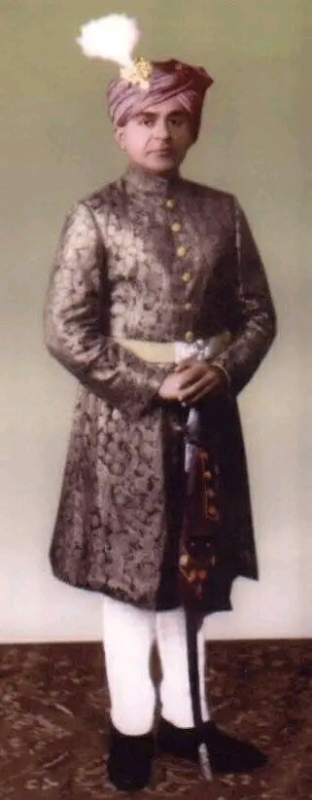
- Raja RAMANUJ PRATAP SINGH DEO, Raja of Korea 1909/1954 B.A., born , educated at Rajkumar College, Raipur (he was the first student to pass the Chiefs College Diploma in 1920, being also ranked first in this Examination) and at Allahabad University 1924; he was invested with full ruling powers in January 1925; a representative in the second Round Table Conference held in London in 1931 (being the youngest delegate); Vice President, All India Kshtriya Maha Sabha 1931/-; he was responsible for the construction of the Bijuri to Chirimini Railway line 1928/1931, he opened the Chirimiri Colliery in 1928, the Khurasia Colliery in 1928 and the Jhagarkhand Colliery in 1928; the Ramanuj High School was opened in 1935; married 1920, a Princess of Chhota-Nagpur, and had issue. He died at Baikunthpur.
- HH Maharaja BHUPENDRA NARAYAN SINGH DEO, Maharaja of Korea, educated at Rajkumar College, Raipur and at Allahabad University (Masters in English Literature), married HH Maharani Vasant Kumari of Wadhwan, and had issue. He died after 1985.
- Rajkumari Manimalini Devi [Maharaj Kumari Rani Manimalini Devi of Vijayanagaram], married Maharaj Kumar A. N. V. Singh of Vijayanagaram.
- Maharaja Raghvendra Singh Dev (qv)
- Rajkumari Sureshwari Devi
- Maharaja RAGHVENDRA SINGH DEV, Maharaja of Korea (see above)
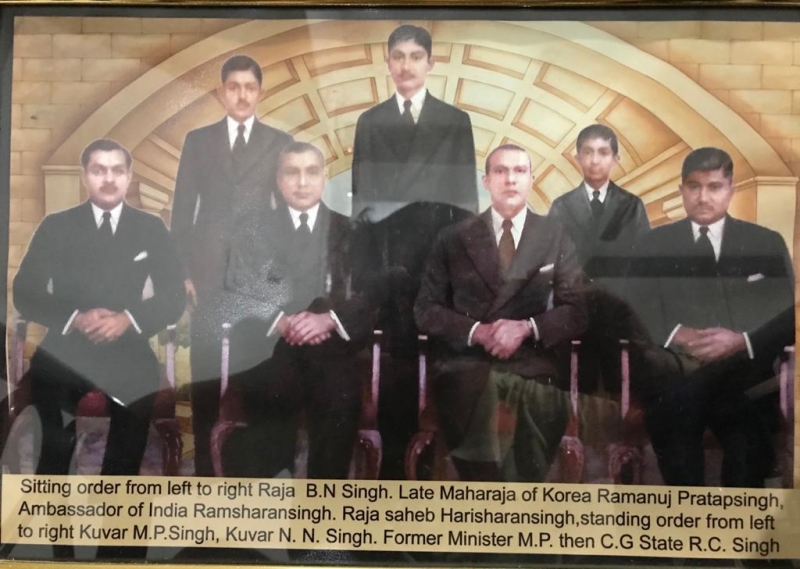
- Kumar Shri Ram Chander Singh Deo, educated at Rajkumar College, Raipur; Cabinet Minister for Finance and Excise (Chattisgarh State), M.L.A. (Madhya Pradesh) for five terms, fl.2003
- Kumar Shri Lal Ram Saran Singh, educated at Rajkumar College, Raipur; the first I.C.S. (1929) among the Ruling Chief's of India, later on retired as the Indian Ambassador to Italy.
- Kumar Shri N. N. Singh Deo of Korea, educated at Rajkumar College, Raipur; practised law in the Federal Court of America.