History
Origin and Foundation of Churu Thikana
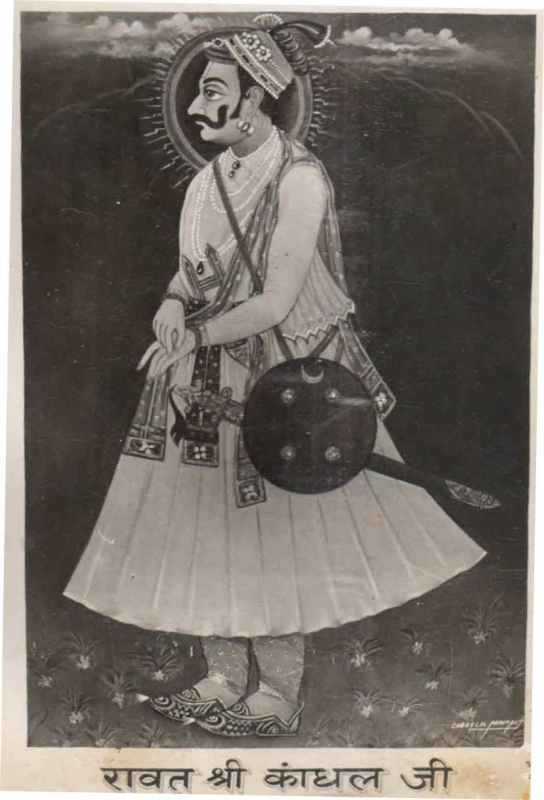
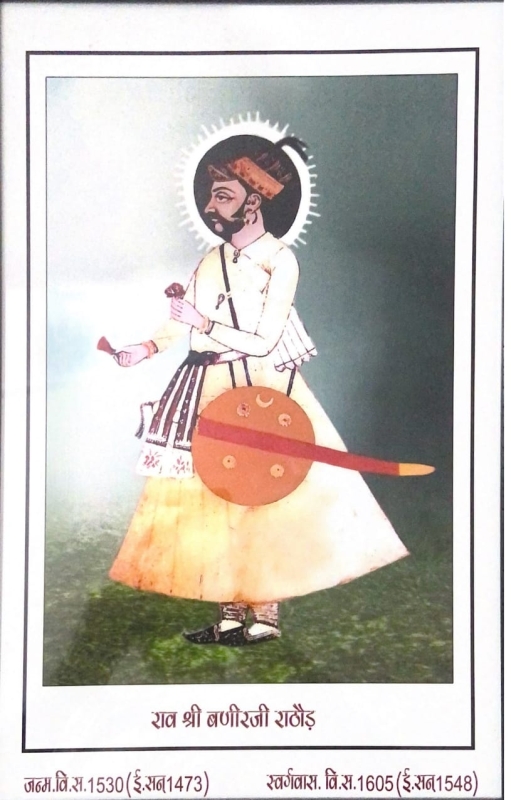
The historical region of Churu, situated in the desert expanse of Rajasthan, holds a prominent place in the annals of the Rathore dynasty. Churu was established as the ancestral seat of the Kandhalot (Kandhlot) clan of Rathores, who are the direct descendants of Rao Vanir (or Banir), the son of the legendary warrior Rao Kandhalji. Rao Kandhalji was the uncle of Rao Bika (the founder of Bikaner State) and played a crucial role in establishing the Rathore dominion in the region.
As the premiere nobles of the Bikaner State, the Thakurs of Churu held an esteemed position in the royal court, enjoying the prestigious honors of Dohri Tazim (double Tazim) and Kurab Hath in the Bikaner Darbar. The thikana ranked sixth among the noble estates of Bikaner, governing over 21 prosperous villages. Its strategic location on the trade route made it a wealthy mercantile hub, heavily populated by influential Oswal and Maheshwari traders.
The Fort of Churu and the Legend of Silver Cannonballs
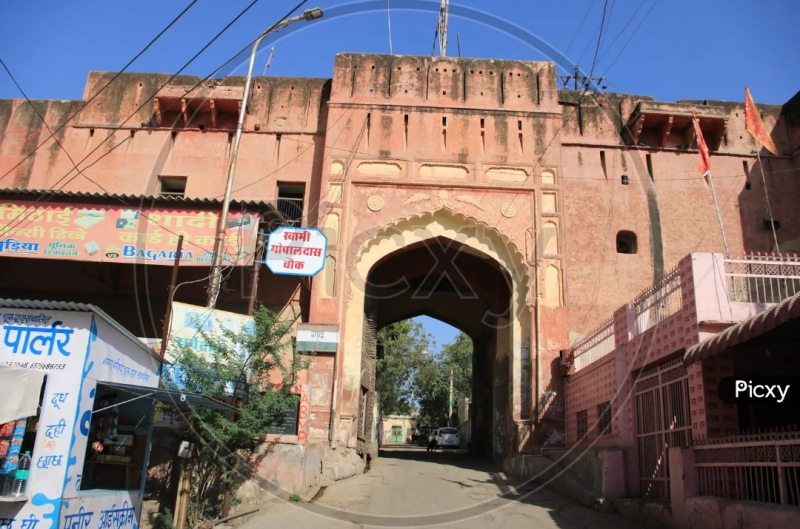
In 1739 AD, Thakur Kushal Singh laid the foundation of the formidable Churu Fort. The fort served not only as a military stronghold but also as a symbol of defiance and independence for the thikana. Due to Churu’s wealth and influential position, its rulers often asserted their sovereignty, leading to repeated friction with the central authority of Bikaner State.
The most celebrated event in Churu's history occurred in 1814 AD during the reign of Thakur Shiv Singh (also known as Sheo Singh). Maharaja Surat Singh of Bikaner, backed by British East India Company forces, besieged the Churu Fort with a massive army. The siege lasted for several weeks, and the defenders of Churu fought valiantly. Eventually, the fort's supply of lead and iron used for casting cannonballs was completely exhausted.
In a historic display of patriotism and devotion to their Thakur, the wealthy merchants (Seths) and common citizens of Churu brought forward their personal gold, brass, and silver. Under the direction of Thakur Shiv Singh, the local blacksmiths cast cannonballs out of pure silver. When the Bikaner army was bombarded with silver cannonballs, the invading soldiers and the Maharaja were deeply moved by the unparalleled loyalty and sacrifice of Churu's people. This legendary event remains a proud chapter in Rajasthani folklore, symbolizing the indomitable spirit of the Rathores of Churu.
Conflict, Confiscation, and Restoration
Despite their heroic resistance, the power dynamics of the 19th century under British paramountcy meant that local chieftains could not indefinitely withstand the combined might of the Bikaner state and British forces. In the aftermath of these protracted conflicts, the rulers of Churu lost their prized Tazim status in the Bikaner court. The thikana of Churu was temporarily confiscated by the state, and its rulers were relegated to the lesser estate of Kuchor.
Recognizing the historical importance and the deep-seated loyalty of the Kandhalot clan, reconciliation was eventually achieved. The Churu Thikana, along with its ancestral honors and estates, was later reinstated to its rightful rulers, who continued to serve as key pillars of Bikaner State's aristocracy until the merger of princely states.
Post-Independence and the Modern Era
Following India's independence in 1947 and the integration of princely states into the Union of India, Churu transitioned from a feudal thikana to a prominent administrative district within the state of Rajasthan. Today, the town is widely recognized for its magnificent Havelis adorned with intricate frescoes, step-wells (johras), and the historic Churu Fort, which stands as a silent witness to the valor of the Kandhalot Rathores.
References and External Links
- For more information on the history and geography of Churu, visit the official Churu District Government Portal.
- Read about the historical significance of Churu and the legend of the silver cannonballs on Wikipedia's Churu Page.
- Explore historical records of the Bikaner State and its noble thikanas at the Rajasthan State Archives.
Genealogy
- Rao Kandhalji (ancestor of Kandhalot Rathores)
- Rao Bagh
- Rao Banir, 1st Ruler of Churu, married and had issue.
- Thakur Saheb Hara, 2nd Thakur of Churu, married and had issue.
- Thakur Saheb Sanwaldas, 3rd Thakur of Churu, married and had issue.
- Thakur Saheb Balbhadr, 4th Thakur of Churu, married and had issue.
- Thakur Saheb Bhim Singhji, 5th Thakur of Churu, married and had issue.
- Thakur Saheb Kushal Singhji, 6th Thakur of Churu, married and had issue.
- Thakur Saheb Inder Singhji, 7th Thakur of Churu, married and had issue.
- Thakur Saheb Hari Singhji, 8th Thakur of Churu, married and had issue.
- Thakur Saheb Shiv Singhji, 9th Thakur of Churu, married and had issue.
- Thakur Saheb Prithvi Singhji, 10th Thakur of Churu, married and had issue.
- Thakur Saheb Bhairon Singhji, 11th Thakur of Churu, married and had issue.
- Rao Bahadur Thakur Saheb Lal Singhji, 12th Thakur of Churu, served as a member of Regency Council of Bikaner and was conferred the title of Rao Bahadur by British viceroy, married had issue.
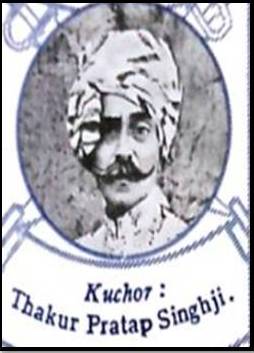
- Thakur Pratap Singhji (qv)
- Thakur Jaswant Singhji
- Thakur Mohan Singhji
- Thakur Kan Singh ji
- Thakur Randheer Singhji
- Thakur Saheb Pratap Singhji, 13th Thakur of Churu, married and had no issues.