Present Head
- Baisa Saumya Singh
- Baisa Sharanya Singh
History
Origin and Lineage of Batherda Thikana
The Thikana of Batherda (also spelled Bhatherda) is a prominent estate ruled by the Sarangdevot clan, a premier sub-branch of the legendary Sisodia Dynasty of Mewar. The Sarangdevot Sisodias trace their ancestry back to Maharaj Sarangdev, a legendary warrior and noble of the late 15th century. Maharaj Sarangdev was the son of Maharaj Surajmal and the grandson of Maharaj Khemkaran, who was the younger brother of Maharana Kumbha (one of Mewar's most celebrated rulers) and the founder of the Sadri-Deolia branch.
Because of their direct descent from the ruling house of Mewar, the Sarangdevots held a highly respected position among the nobility of Udaipur. The premier seat of the Sarangdevot clan was Kanore, and Batherda was established as a major seat of this clan, representing the martial valor and administrative capability of the family.
Establishment and Strategic Importance
Batherda was granted as a jagir (fiefdom) to the descendants of Rawat Sarangdev for their loyal service and military contributions to the Maharana of Udaipur. Located in the fertile plains near the Girwa valley, the Thikana served as an important defensive outpost. The chiefs of Batherda held the title of Rawat and were classified among the influential nobles of Mewar, possessing judicial and administrative powers over several surrounding villages.
The Rawats of Batherda fortified their seat by building a defensive fort (Batherda Garh), which served as the administrative headquarters of the Thikana. The fort featured traditional Mewari military architecture, complete with high ramparts, bastions, and royal apartments designed to withstand regional conflicts.
The Mughal and Maratha Eras
During the turbulent 16th and 17th centuries, when Mewar was engaged in a long, protracted struggle for independence against the Mughal Empire, the Sarangdevot nobles of Batherda fought valiantly under the banners of Maharana Pratap and Maharana Amar Singh I. Their military contingents were critical in securing the eastern borders of the state.
In the 18th century, Mewar faced a different set of challenges with the decline of the Mughals and the subsequent rise of Maratha influence. The Marathas, under various Maratha generals and the Holkar and Scindia dynasties, exacted heavy tribute (Chauth) from the Rajput states. The Rawats of Batherda actively participated in diplomatic negotiations and local skirmishes to protect the territorial integrity of Mewar during this era of instability.
British Alliance and Modernization
With the signing of the Treaty of 1818 between Maharana Bhim Singh of Udaipur and the British East India Company, a period of relative peace and stability was ushered into Mewar. This allowed the Thikana of Batherda to focus on internal administration, agriculture, and civic infrastructure.
Under the British protectorate, the Rawats of Batherda acted as key reformers in their territory. They worked to improve agricultural yield through better irrigation facilities, settled local disputes through traditional panchayats, and patronized local artisans and temples. The Thikana maintained a harmonious relationship with the Mewar Durbar, actively participating in major state functions and councils in Udaipur.
Post-Independence and Legacy
Following India's independence in 1947, the princely state of Mewar merged into the United State of Rajasthan, and subsequently into the modern state of Rajasthan. With the promulgation of the Rajasthan Land Reforms and Resumption of Jagirs Act in the 1950s, the feudal privileges and revenue collection rights of the Thikana were officially abolished.
Today, the descendants of the Batherda Thikana continue to preserve their rich cultural heritage and ancestral legacy. The historical Batherda Fort and the ancestral temples remain symbols of the clan’s historical contributions to the defense, culture, and governance of Mewar.
Genealogy
- Rawat SURAT SINGH, 1st Rawat of Batherda 1711/-, son of Rawat Shri Man Singhji of Kanore, Rawat [cr.1707], received the Thikana of Batherda in 1711, married and had issue.
- Kunwar Pratap Singh, married and had issue. He died vp.
- Rawat Jogi Ram(qv)
- Gulab Singh
- Jorawar Singh
- Krishna Singh, granted Basa Jagir.
- Padam Singh Ji, granted Shishvi Jagir.
- Kunwar Pratap Singh, married and had issue. He died vp.
- Rawat JOGI RAM, 2nd Rawat of Batherda
- Kunwar Ekling Das (qv)
- Kunwar Budh Singh, was granted Haran Jagir.
- Kunwar Abhay Singh, was granted Naya-Talab, Mohanpura and Bed Jagirs.
- Rawat EKLING DAS, 3rd Rawat of Batherda
- Kunwar Mohbbat Singh (qv)
- Kunwar Gokul Das
- Kunwar Girvar Singh, was granted Moda Talab Jagir.
- Rawat MOHABAT SINGH, 4th Rawat of Batherda; married to Keshar Kanwar, daughter of Thakur Kushal Singh Ji Chouhan of Thamla; she committed Sati.
- Kunwar Kalyan Singh, married Kunwarani Badan Kanwar, daughter of Thakur Bhim Singh of Lambia (see Auwa), and had issue.
- Rawat Dalel Singh (qv)
- Thakur Jhunjhar Singh
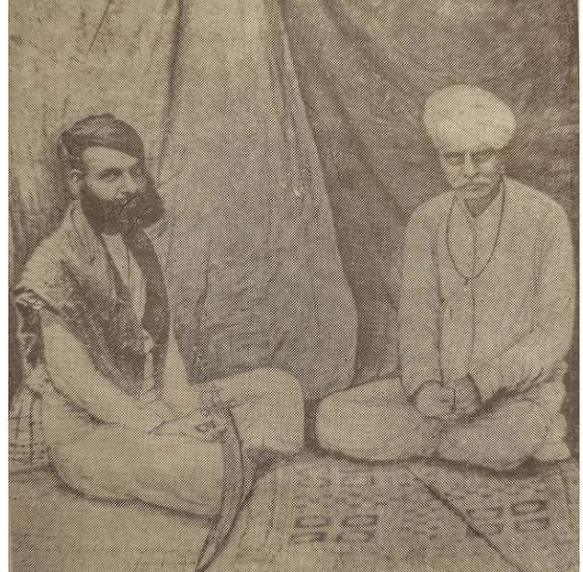
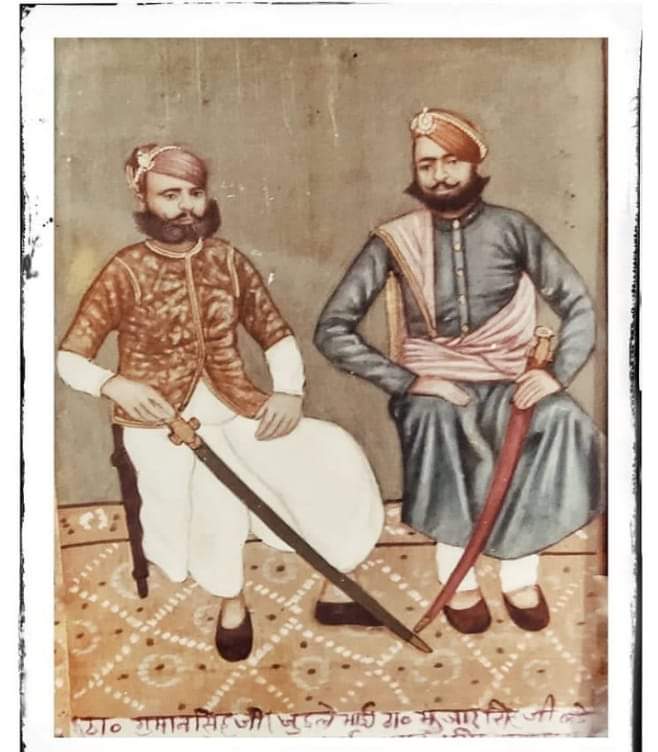
- Yogiraj Thakur Guman Singh Ji, granted the jagir of Laxmanpura and Pindoliya jointly with his brother Jhunjhar Singh Ji. He was a very famous saint poet and Yogiraj. He also received the jagir of three village Dhanesari, Dhariyakhedi and Rampuriya village from Maharat Udai Singh Ji of Pratapgarh princely state.
- Kunwar Bheru Singh
- Kunwar Jod Singh
- Kunwar Jay Singh
- Kunwar Kalyan Singh, married Kunwarani Badan Kanwar, daughter of Thakur Bhim Singh of Lambia (see Auwa), and had issue.
- Rawat DALEL SINGH, 5th Rawat of Batherda
- Kunwar Madan Singh (qv)
- Kunwar Madho Singh
- Kunwar Jaswant Singh
- Rawat MADAN SINGH, 6th Rawat of Batherda
- Thakur Madho Singh (qv)
- Thakur Ranjitsinghji
- Karansinghji
- Ghanshyamsingh
- Karansinghji
- Rawat MADHO SINGH, 7th Rawat of Batherda, no issues, adopted his nephew.
- (A) Rawat Dilip Singh, nephew of Rawat Madho Singh Ji (qv)
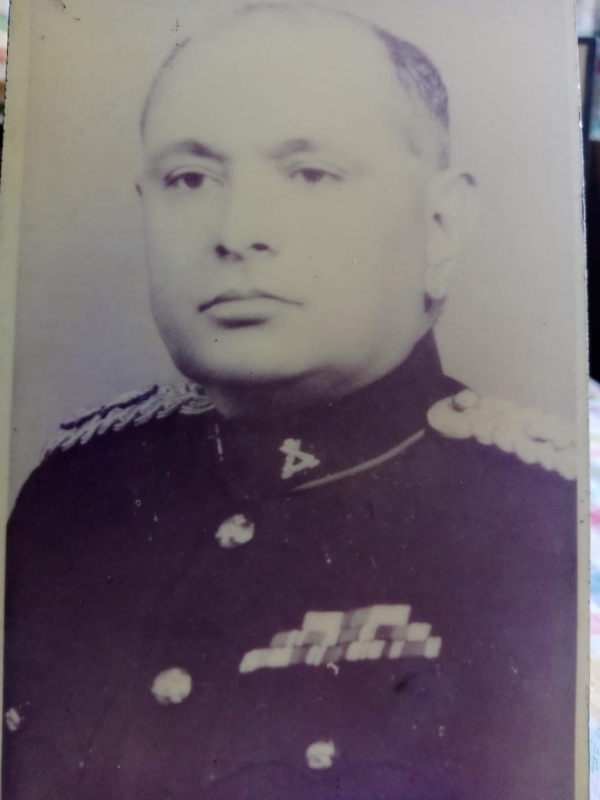
- Col. Rawat DILIP SINGH, 8th Rawat of Batherda 1926/1959, born , succeeded 1926, educated at Mayo College, Ajmer, Commanded the 1st Mewar Infantry in Hyderabad action 1948 and served overseas with this regiment in WWII, in Africa and the Egyptian Front, attained the rank of Colonel, retired from Indian Army in 1952, elected MLA to Rajasthan Assembly 1952/1957. He died .
- Rawat Shri KAMALENDRA SINGH, 9th and present Rawat Saheb of Batherda since 5th July 1959. Educated at Doon School, Dehraduna and at St. Stephens College, Delhi, LLB, Member of the Rajasthan Legislative Assembly for three terms, First Class Umrao of Udaipur.
- Rawat MAYURDHWAJ SINGH, 10th Rawat of Batherda (see above)