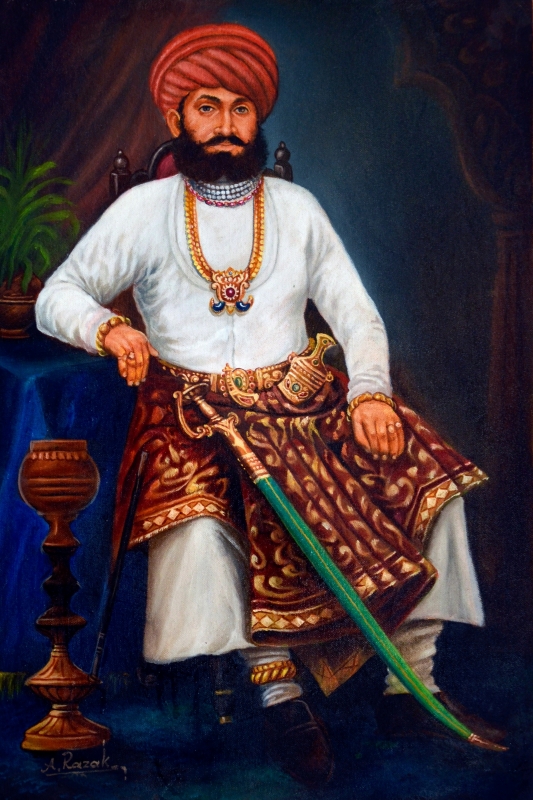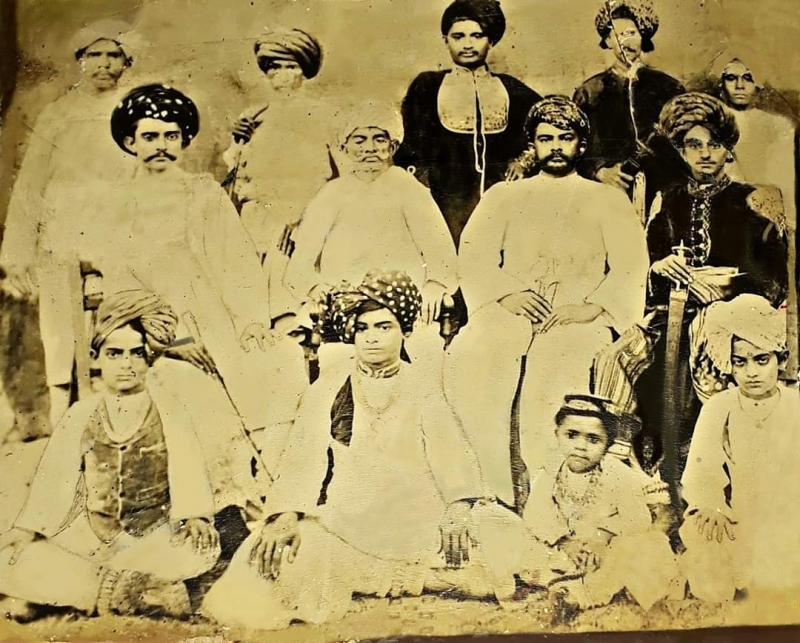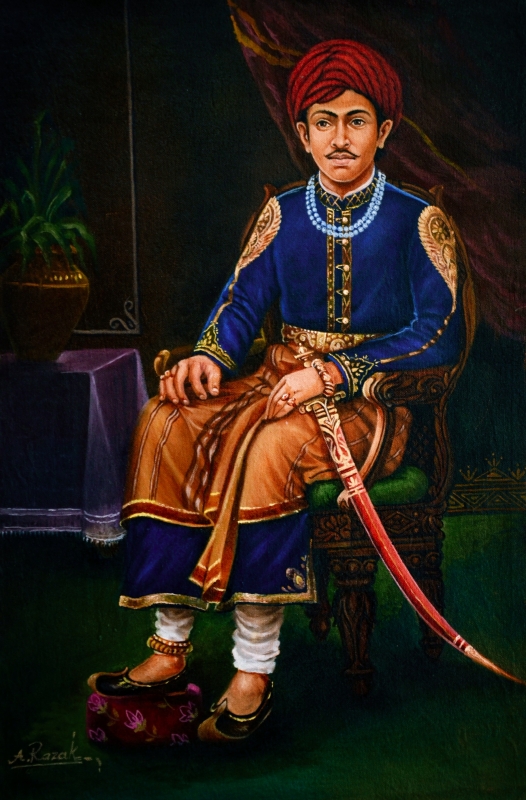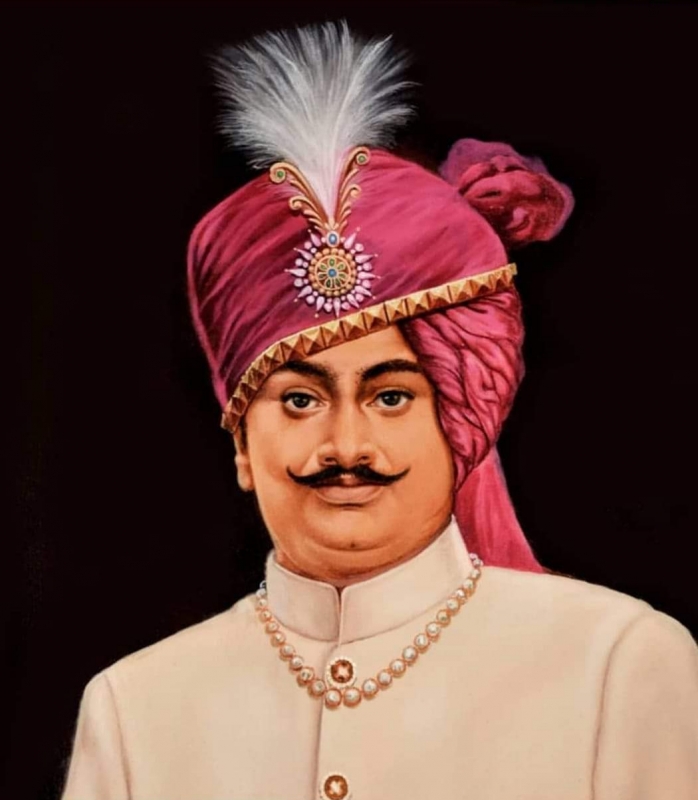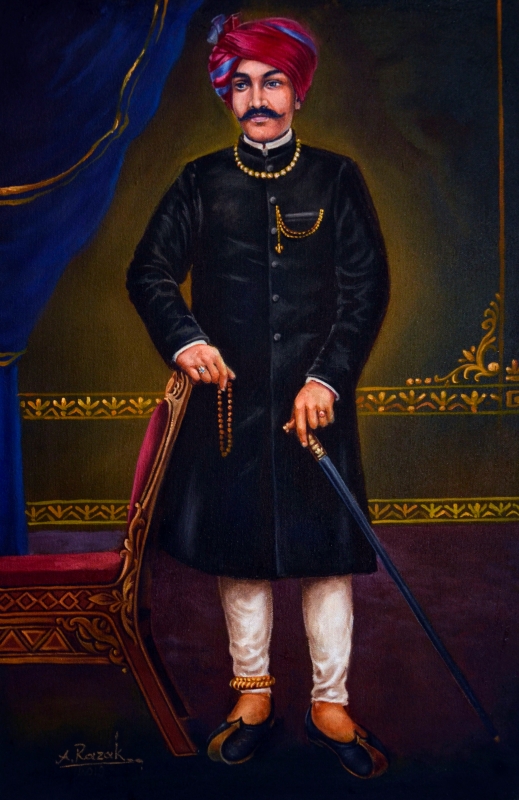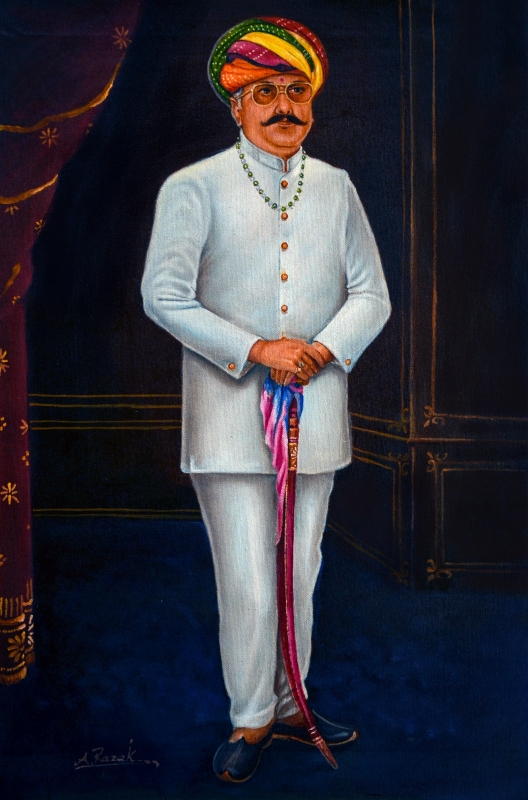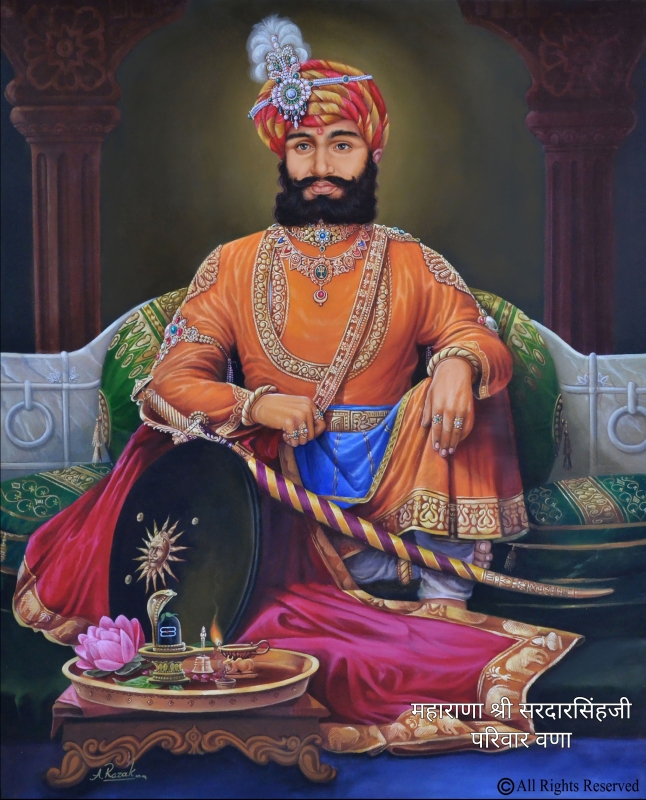
Present Head
History
Origin and Foundation
The history of Vana is closely tied to the parent state of Wadhwan and the wider Jhala clan of Rajputs, who established several ruling houses in the Jhalawar region of Kathiawar. The Jhalas of Kathiawar trace their ancestry back to Harpaldevji, who is historically credited with establishing the clan's presence in the region.
In approximately 1738, Thakore Sahib Shree Sardarsinhji Arjunsinhji, the second son of the ruler of Wadhwan, was granted the estate of Vana as a bhayat (cadet-branch) appanage. This allocation followed the standard Rajput custom of providing land and revenue-yielding villages to younger sons of a reigning ruler to secure their livelihood and maintain local defense networks.
British Raj and Administrative Classification
During the early 19th century, the expansion of the British East India Company's influence in Gujarat led to administrative restructuring in Kathiawar. Following the historic settlement negotiated by Colonel Alexander Walker in 1807–08, the borders and tribute obligations of the Kathiawar states were stabilized.
Under the British administrative hierarchy of the Kathiawar Agency, Vana was classified as a "Fifth Class" state within the Jhalawar Prant. Unlike higher-class states, fifth-class talukas had limited civil and criminal jurisdiction. Major legal and judicial matters were typically referred to the British Political Agent stationed at the nearby Wadhwan Civil Station.
The Shareholder System (Bhayati Division)
Following the rule of Thakore Sahib Shree Raghunathsinhji, the state of Vana transitioned from a single-ruler monarchy into a fragmented estate managed by multiple co-sharers, known as bhagdars or shareholders. This fragmentation was a common occurrence among smaller Kathiawar talukas under the prevailing Hindu law of inheritance, where ancestral estates were partitioned among all male descendants of the family.
These shareholders, while collectively retaining the title of Rana Sahib Shree, managed their respective portions of the land and divided the state's revenues. Due to this division, administrative and revenue-related disputes among the co-sharing Jhala Bhayats were occasionally managed under the supervision of British-administered Rajasthanik Courts.
Post-Independence and Modern Era
Following India's independence in August 1947, the shareholders of Vana, along with other princely states and talukas of the Kathiawar peninsula, signed the Instrument of Accession. The estate was merged into the newly formed United State of Kathiawar (later renamed Saurashtra State) in February 1948.
With the subsequent reorganization of Indian states, the region became part of Bombay State in 1956, and was later integrated into the newly created state of Gujarat on May 1, 1960. Today, the historical territory of Vana is located within the Surendranagar District of Gujarat, where the local heritage continues to reflect its historical Jhala Rajput legacy.
Genealogy
- Thakore Sahib Shree Sardarsinhji
- Thakore Sahib Shree Raghunathsinhji (qv)
- Kunwar Sahib Shree Meghrajji
- Kunwar Sahib Shree Abhaysinhji
- Thakore Sahib Shree Raghunathsinhji
- Thakore Sahib Shree Kakubha (qv)
- Rana Sahib Shree Tejoji
- Rana Shree Sartansinhji
- Rana Shree Raisinhji
- Rana Shree Zalamsinhji
- Rana Shree Harisinhji
- Rana Shree Ratansinhji
- Rana Sahib Shree Kayaji
- Rana Shree Umedsinhji
- Rana Shree Mansinhji
- Rana Shree Ravoji
- Rana Shree Abhaysinhji
- Rana Shree Bhavsinhji
- Rana Sahib Shree Agarsinhji
- Rana Shree Kesharisinhji
- Rana Sahib Shree Raydharji
- Rana Shree Surajmalji
- Rana Shree Ramsinhji
- Rana Shree Harbhamji
- Rana Shree Anupsinhji
- Rana Sahib Shree Amarsinhji
- Rana Shree Dolatsinhji
- Rana Shree Ataji
- Rana Shree Shesmalji
- Thakore Sahib Shree Kakubha
- Thakore Sahib Shree Becharsinhji (qv)
- Rana Shree Alubha
- Thakore Sahib Shree Becharsinhji
- Thakore Sahib Shree Fatesinhji (qv)
- Rana Shree Dajiji
- Thakore Sahib Shree Fatesinhji
- Thakore Sahib Shree Vakhatsinhji (qv)
- Rana Shree Madhavsinhji
- Thakore Sahib Shree Vakhatsinhji
- Thakore Sahib Shree Joravarsinhji (qv)
- Rana Shree Harisinhji
- Rana Shree Narayansinhji
- Thakore Sahib Shree Joravarsinhji